
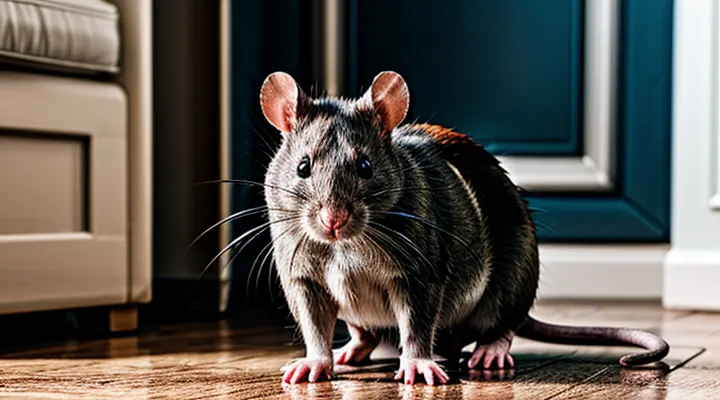
Types of Aggression in Rats
Inter-male Aggression
Inter‑male aggression in laboratory rats manifests as attacks, chases, and dominance displays directed toward conspecific males. The behavior emerges when male rodents encounter one another under conditions that activate territorial, reproductive, or competition‑driven neural circuits.
Neuroendocrine drivers include elevated testosterone, increased vasopressin release in the lateral septum, and heightened activity of the mesolimbic dopamine system. Genetic predispositions, such as polymorphisms in the monoamine oxidase A (MAOA) gene, amplify susceptibility to hostile encounters. Sensory cues—particularly olfactory signals from male pheromones—trigger hypothalamic aggression centers, resulting in rapid escalation of confrontations.
Environmental contributors consist of overcrowding, limited nesting material, and exposure to unfamiliar males during critical developmental windows. Chronic stress, induced by unpredictable lighting or temperature fluctuations, lowers the threshold for aggressive outbursts.
Preventive interventions focus on modifying housing parameters and pharmacological modulation:
- Maintain a minimum of 0.5 m² per adult male, providing ample vertical space and enrichment objects.
- Supply at least 5 g of nesting material per rat to reduce competition for shelter.
- Implement a stable social hierarchy by grouping littermates before puberty and avoiding sudden introductions of unfamiliar adults.
- Administer low‑dose selective serotonin reuptake inhibitors (e.g., fluoxetine) or vasopressin V1a antagonists when genetic or hormonal profiles indicate heightened risk.
- Regulate ambient temperature (22 ± 2 °C) and light cycles (12 h light/12 h dark) to minimize chronic stress.
Systematic application of these measures lowers the incidence of inter‑male aggression, improves animal welfare, and enhances the reliability of experimental outcomes.
Maternal Aggression
Maternal aggression refers to the heightened hostile behavior displayed by lactating female rats toward intruders, especially when offspring are present. This response protects the litter from perceived threats and is most intense during the first two weeks postpartum.
The aggression arises from a combination of physiological and environmental factors. Hormonal surges of estrogen and prolactin after parturition sensitize neural circuits in the hypothalamus and amygdala. Elevated oxytocin and vasopressin levels modulate social recognition and defensive motivation. Genetic predispositions influence receptor density, while external stressors—crowded cages, poor bedding, or abrupt handling—amplify the response. The presence of pups acts as a trigger, reinforcing the maternal defensive state through tactile and olfactory cues.
In laboratory colonies, uncontrolled maternal aggression can damage equipment, cause injuries to staff, and compromise experimental outcomes. Recognizing the underlying drivers enables targeted interventions that preserve animal welfare and data integrity.
Preventive strategies:
- Provide spacious cages with nesting material to reduce crowding stress.
- Maintain a consistent light‑dark cycle; avoid sudden illumination changes during the lactation period.
- Limit handling of lactating females to brief, low‑stress encounters; use gentle transfer techniques.
- Implement environmental enrichment (e.g., chew blocks, shelters) to satisfy exploratory needs without provoking defensive behavior.
- Separate breeding pairs before parturition; remove the male to eliminate additional social pressure.
- Monitor hormonal status when possible; consider pharmacological modulation (e.g., low‑dose antagonists of vasopressin receptors) in research settings where aggression threatens experimental validity.
By integrating these measures, facilities can mitigate maternal aggression, ensuring both humane treatment of rats and reliable scientific results.
Fear-Induced Aggression
Fear‑induced aggression in rats arises when an animal perceives a threat that activates defensive circuits. Acute exposure to predator cues, bright lights, or sudden noises elevates corticosterone and triggers amygdala‑driven output to the hypothalamus, resulting in rapid escalation from avoidance to offensive biting. Chronic stressors, such as overcrowding or unstable social hierarchies, sensitize these pathways, lowering the threshold for aggressive responses. Neurotransmitter alterations—particularly increased glutamate release and reduced GABAergic inhibition—reinforce the link between fear and aggression.
Prevention focuses on minimizing perceived threats and stabilizing neurochemical balance. Effective measures include:
- Environmental enrichment: Provide nesting material, tunnels, and objects that encourage exploration, thereby reducing anxiety.
- Consistent housing conditions: Maintain stable group composition, adequate space, and regular light‑dark cycles to prevent chronic stress.
- Gradual habituation to potential stressors: Introduce predator odors or novel stimuli at low intensity and increase exposure slowly, allowing adaptation.
- Pharmacological modulation: Administer low‑dose anxiolytics (e.g., diazepam) or selective serotonin reuptake enhancers to restore inhibitory tone when behavioral signs of fear emerge.
- Monitoring of physiological markers: Track corticosterone levels and body weight to detect early stress escalation and intervene promptly.
Implementing these strategies reduces the likelihood that fear will convert into aggressive acts, thereby improving welfare and experimental reliability.
Pain-Induced Aggression
Pain‑induced aggression refers to hostile actions displayed by rats when nociceptive signals are present. Acute or chronic pain lowers the threshold for attack, shifts social hierarchy, and amplifies territorial disputes.
The phenomenon originates from simultaneous activation of the hypothalamic‑pituitary‑adrenal axis and limbic circuits. Nociception elevates corticotropin‑releasing factor, increases extracellular dopamine in the nucleus accumbens, and alters serotonergic transmission, producing heightened arousal and reduced impulse control. These neurochemical shifts translate into more frequent bite attempts, escalated chase behavior, and prolonged fighting bouts.
Empirical data demonstrate the link. Rats subjected to peripheral inflammation or postoperative pain exhibit a 30‑45 % rise in aggressive encounters compared with sham‑treated controls. Electrophysiological recordings show amplified firing of medial amygdala neurons during painful stimuli, correlating with aggressive bouts. Analgesic administration restores baseline aggression levels within minutes.
Preventing pain‑driven hostility involves eliminating nociceptive sources and modulating the underlying stress response. Effective measures include:
- Systemic or local analgesics (e.g., buprenorphine, meloxicam) administered before painful procedures.
- Provision of soft bedding and nesting material to reduce pressure‑related discomfort.
- Regular health monitoring to detect early signs of injury or disease.
- Environmental enrichment (tunnels, chew blocks) that distracts from pain‑associated stress.
- Gradual habituation to handling, minimizing restraint‑induced discomfort.
Implementing these interventions lowers aggression incidence, improves welfare, and stabilizes social structures within laboratory rat colonies.
Territorial Aggression
Territorial aggression in rats emerges when an individual perceives a breach of its established space, often resulting in attacks on intruders, heightened vocalizations, and defensive posturing. The behavior is driven by a combination of neuroendocrine signals, such as elevated vasopressin and testosterone, and environmental cues that signal resource scarcity or social instability. High housing density, limited nesting material, and frequent introduction of unfamiliar conspecifics amplify the likelihood of boundary disputes. Repeated exposure to the same intruder can condition a rat to view the newcomer as a persistent threat, reinforcing aggressive patterns.
Preventive measures focus on minimizing perceived territorial challenges and stabilizing the hormonal milieu:
- Provide ample nesting material and shelters to allow each rat to establish a personal refuge.
- Maintain low cage density; allocate at least 0.1 m² per animal.
- Introduce new rats gradually using a neutral arena, extending exposure time over several days.
- Apply consistent scent cues (e.g., bedding from the resident’s cage) to familiarise intruders before direct contact.
- Enrich the environment with tunnels, chew blocks, and climbing structures to disperse attention from limited space.
- Monitor and regulate lighting cycles to avoid stress‑induced hormonal spikes.
Implementing these strategies reduces the frequency of boundary violations, lowers aggressive intensity, and promotes harmonious cohabitation among laboratory or pet rats.
Biological Factors Affecting Aggression
Genetic Predisposition
Genetic predisposition refers to inherited variations that increase the likelihood of aggressive behavior in rats. Selective‑breeding experiments have demonstrated that lines derived from highly aggressive founders retain elevated attack frequencies across generations, indicating a heritable component. Genome‑wide analyses identify polymorphisms in genes regulating monoamine pathways, such as monoamine oxidase A, the serotonin transporter (SLC6A4), and dopamine D2 receptors, which correlate with heightened territorial and offensive responses.
These genetic markers influence neurochemical balance, shaping the threshold for aggression activation. Rats carrying high‑risk alleles exhibit amplified limbic circuit activity when confronted with conspecific challenges, even in the absence of overt stressors. The expression of aggressive phenotypes therefore reflects a baseline neural excitability set by the genotype.
Preventive measures focus on reducing the manifestation of genetically driven aggression:
- Implement breeding programs that avoid pairing individuals with high‑risk alleles, thereby lowering the frequency of aggressive genotypes in colonies.
- Conduct routine genotypic screening to identify carriers of aggression‑associated variants and adjust housing assignments accordingly.
- Provide enriched environments—complex bedding, nesting material, and exploratory objects—to stimulate alternative behaviors and attenuate the activation of aggression circuits.
- Apply pharmacological agents that normalize monoamine transmission (e.g., selective serotonin reuptake inhibitors or dopamine antagonists) in identified high‑risk subjects, monitoring dosage to avoid side effects.
By integrating genetic screening with targeted husbandry and therapeutic interventions, researchers can substantially diminish the incidence of aggression rooted in hereditary factors.
Hormonal Influences
Hormonal regulation significantly shapes aggressive behavior in laboratory rats. Elevated testosterone correlates with increased attack frequency, while high corticosterone levels often precede heightened hostility after stressful events. Estradiol modulates aggression in both sexes, amplifying territorial responses when circulating concentrations rise. Vasopressin, acting through central receptors, intensifies social dominance and confrontational encounters. Prolactin and dopamine interact with these systems, influencing motivation to engage in aggressive acts.
- Testosterone: promotes offensive actions; reduction through castration or androgen blockers lowers attack rates.
- Corticosterone: stress‑induced spikes heighten irritability; chronic stress mitigation diminishes aggressive outbursts.
- Estradiol: elevated levels increase territoriality; aromatase inhibition can attenuate this effect.
- Vasopressin: central antagonists decrease dominance‑related aggression.
- Dopamine: antagonists of D1 receptors reduce impulsive attacks.
Preventive strategies target hormone balance. Surgical or pharmacological castration reliably suppresses male aggression. Administration of glucocorticoid receptor antagonists stabilizes corticosterone‑driven responses. Selective estrogen receptor modulators curb estradiol‑mediated hostility in females. Chronic exposure to enriched environments lowers baseline corticosterone, indirectly reducing aggression. Combining hormonal interventions with environmental enrichment yields the most consistent decline in aggressive incidents.
Neurological Mechanisms
Aggressive behavior in laboratory rats originates from specific neural circuits that become hyperactive under certain conditions. Dysregulation of these pathways leads to heightened threat perception, impulsive attacks, and reduced inhibition of hostile responses.
- Amygdala hyperexcitability: Excessive glutamatergic transmission within the basolateral amygdala amplifies fear‑related output to the hypothalamus, triggering aggression.
- Prefrontal cortex hypofunction: Diminished dopaminergic signaling in the medial prefrontal cortex weakens top‑down control over subcortical structures, allowing impulsive aggression to emerge.
- Serotonergic deficiency: Lower serotonin turnover in the dorsal raphe nucleus correlates with increased aggression scores, reflecting reduced inhibitory tone.
- GABAergic imbalance: Reduced GABA synthesis in the ventromedial hypothalamus disinhibits aggression‑promoting neurons, facilitating attack initiation.
- Neuroinflammatory activation: Elevated cytokines (e.g., IL‑1β, TNF‑α) in the hippocampus alter synaptic plasticity, predisposing animals to hostile encounters.
Targeted interventions that modulate these neural substrates effectively reduce aggressive episodes. Pharmacological agents that enhance serotonergic activity (e.g., selective serotonin reuptake inhibitors) restore inhibitory balance. Positive allosteric modulators of GABA‑A receptors increase inhibitory currents in the hypothalamus, dampening attack thresholds. Anti‑inflammatory compounds that lower central cytokine levels improve synaptic stability and diminish aggression propensity. Environmental enrichment, providing complex nesting and social opportunities, increases prefrontal cortical activation, strengthening executive control over hostile impulses. Combining neurochemical modulation with enriched housing yields the most reliable reduction in aggressive behavior.
Environmental and Social Causes
Overcrowding
Overcrowding creates a high‑density environment in which rats experience constant physical proximity, limited personal space, and intensified competition for food, water, and nesting sites. These conditions elevate physiological stress markers, disrupt normal social hierarchies, and increase the frequency of hostile encounters. Studies show that cages housing more than four adult rats per 0.5 ft² exhibit a marked rise in bite wounds and territorial disputes compared with lower‑density groups.
Preventive strategies focus on reducing animal density and enhancing environmental complexity. Effective measures include:
- Maintaining a maximum of three adult rats per 0.5 ft² of floor space.
- Providing multiple nesting boxes, shelters, and tunnels to allow individuals to withdraw from group interactions.
- Supplying ample food and water dispensers to limit competition at feeding stations.
- Implementing cage partitioning or semi‑transparent dividers that preserve visual contact while limiting direct physical contact.
- Rotating enrichment objects regularly to prevent habituation and sustain exploratory behavior.
Applying these interventions lowers stress hormone levels, stabilizes social structures, and reduces the incidence of aggressive behavior in laboratory rat colonies.
Resource Scarcity
Limited access to food, water, or nesting material creates direct competition among rats. When individuals encounter a deficit, they prioritize securing the scarce item, leading to heightened territorial disputes and bite incidents. Experimental colonies with restricted feed exhibit a measurable rise in aggressive encounters compared to groups with ad libitum provision.
Resource shortage activates the hypothalamic‑pituitary‑adrenal axis, increasing corticosterone levels and amplifying serotonin turnover. These neuroendocrine shifts lower the threshold for hostile behavior, making minor provocations sufficient to trigger attacks. Simultaneously, the ventral striatum shows reduced dopamine signaling, weakening reward processing for cooperative interactions.
Preventing aggression through management of scarcity involves maintaining stable, ample supplies and reducing uncertainty. Effective actions include:
- Providing continuous access to nutritionally balanced food and fresh water.
- Ensuring multiple nesting sites per cage to eliminate single‑point competition.
- Rotating enrichment objects regularly to distribute attention and prevent monopolization.
- Monitoring consumption patterns and adjusting rations before deficits appear.
- Implementing automated dispensing systems that deliver resources in small, frequent portions, minimizing abrupt shortages.
By eliminating resource-driven pressure, caretakers can suppress the physiological triggers of hostility and promote a calmer social environment within rat populations.
Unfamiliarity with Cagemates
Unfamiliarity with cagemates arises when rats are placed together without prior social contact, triggering aggressive encounters. The absence of shared scent profiles and established hierarchies forces each animal to assess the newcomer as a potential threat, prompting defensive or offensive behavior. Elevated stress hormones and heightened vigilance accompany this assessment, increasing the likelihood of biting, chasing, and territorial disputes.
The underlying mechanisms involve impaired social recognition, amplified threat perception, and rapid activation of the hypothalamic‑pituitary‑adrenal axis. Without familiar olfactory cues, rats cannot reliably identify the individual’s rank or previous interactions, leading to ambiguous status assignments. Ambiguity fuels competition for resources and space, which manifests as aggression.
Preventive measures focus on reducing novelty and providing clear social cues:
- Conduct pairwise introductions in a neutral cage for 10–15 minutes before permanent cohabitation.
- Exchange bedding or use a shared scent cloth to transfer odor profiles between future cage mates.
- Maintain a consistent group composition; avoid frequent reshuffling of individuals.
- Provide ample nesting material, shelters, and chew objects to disperse attention and lower competition.
- Monitor interactions during the first 48 hours; separate individuals displaying sustained attacks.
- Gradually increase group size only after stable, non‑aggressive behavior is observed.
Implementing these steps minimizes the stress of unfamiliarity and promotes cooperative social structures, thereby decreasing the incidence of aggression in laboratory rat colonies.
Social Isolation
Social isolation markedly raises the likelihood of aggressive encounters among laboratory rats. When individuals are deprived of regular contact with conspecifics, stress hormones such as corticosterone increase, and neural circuits governing territoriality become hyperactive. The absence of social cues also disrupts the development of normal coping mechanisms, leading to heightened irritability and premature escalation of conflicts.
Isolation‑induced aggression manifests as:
- Frequent lunging or biting during brief introductions to unfamiliar rats.
- Persistent dominance displays toward cage mates after periods of solitary housing.
- Reduced latency before initiating attacks in resident‑intruder tests.
Preventive measures focus on restoring social interaction and mitigating stress:
- Provide group housing with stable composition; maintain groups of at least three to six rats to ensure continuous social exposure.
- Introduce brief, structured social sessions for singly housed animals, gradually increasing duration to acclimate individuals.
- Enrich the environment with nesting material, tunnels, and objects that promote cooperative exploration, thereby lowering baseline anxiety.
- Monitor corticosterone levels or behavioral indices (e.g., grooming frequency) to detect early signs of distress and adjust housing conditions promptly.
Implementing these strategies reduces the incidence of aggression linked to isolation, supports normal behavioral development, and improves overall welfare in experimental settings.
Inadequate Enrichment
Inadequate environmental enrichment is a primary driver of heightened aggression among laboratory and pet rats. When cages lack structural complexity, opportunities for foraging, and objects that encourage natural behaviors, rats experience chronic stress and frustration. These conditions stimulate territorial disputes, dominance hierarchies, and bite incidents.
Insufficient enrichment also impairs social cohesion. Rats deprived of nesting material or climbing apparatus spend more time in close contact without appropriate outlets for exploration, leading to competition over limited resources. The resulting anxiety amplifies aggressive signaling, such as high‑frequency vocalizations and lunging.
Preventive measures focus on restoring behavioral variety and reducing stressors:
- Provide multi‑level platforms, tunnels, and chewable items to promote climbing and gnawing.
- Supply nesting material (e.g., shredded paper, tissue) and foraging substrates that mimic natural burrowing.
- Rotate enrichment objects weekly to sustain novelty and prevent habituation.
- Ensure cage size accommodates the group’s social structure, allowing each rat personal space.
- Maintain a consistent cleaning schedule to avoid odor buildup, which can trigger defensive aggression.
Implementing these strategies normalizes activity patterns, lowers physiological stress markers, and diminishes the frequency of aggressive encounters. Regular observation of behavior and adjustment of enrichment items are essential for maintaining a stable, low‑aggression environment.
Stressors in the Environment
Environmental stressors constitute a primary source of heightened aggression in laboratory rats. Acute or chronic exposure to adverse conditions triggers physiological and neurochemical changes that predispose individuals to confrontational behavior.
Key stressors include:
- Overcrowding, which limits personal space and increases competition for resources.
- Inconsistent lighting cycles, disrupting circadian rhythms and elevating cortisol levels.
- Noise pollution, producing startle responses and sustained arousal.
- Unstable temperature, causing discomfort and metabolic strain.
- Poor bedding quality, leading to skin irritation and reduced grooming.
- Frequent handling by unfamiliar personnel, generating fear and social uncertainty.
These factors activate the hypothalamic‑pituitary‑adrenal axis, elevate glucocorticoids, and alter serotonergic transmission. The resulting neuroendocrine imbalance reduces inhibitory control over impulsive attacks, while heightened arousal amplifies threat perception.
Prevention strategies focus on minimizing environmental challenges:
- Maintain group sizes that allow each rat at least 0.2 m² of floor space.
- Implement a 12‑hour light/dark schedule with gradual transitions.
- Shield housing units from external sounds and use white‑noise generators at low intensity.
- Keep ambient temperature within 20‑24 °C and provide stable humidity.
- Use absorbent, dust‑free bedding and replace it regularly.
- Standardize handling procedures, assign a limited number of trained caretakers, and employ gentle restraint techniques.
By systematically controlling these stressors, researchers can reduce the incidence of aggressive episodes and improve the welfare and reliability of experimental rodent populations.
Management and Prevention Strategies
Optimal Housing Conditions
Optimal housing conditions are essential for minimizing aggressive interactions among laboratory rats. Adequate cage dimensions allow each animal sufficient personal space; a minimum floor area of 0.05 m² per rat reduces competition for resources and territorial disputes. Providing multiple nesting sites, shelters, and climbing structures distributes activity zones, preventing the formation of dominant hierarchies that often trigger fighting.
Environmental parameters must remain stable. Temperature should be maintained between 20 °C and 26 °C, with relative humidity of 40–60 %. Consistent lighting cycles (12 h light/12 h dark) support circadian rhythm regulation, lowering stress‑induced aggression. Ventilation rates of at least 15 air changes per hour prevent the buildup of odorants that can exacerbate hostility.
Social composition influences conflict levels. Cohorts should be assembled based on age and sex; mixed‑sex groups are prone to heightened aggression unless reproductive cycles are controlled. Introducing new rats requires a gradual acclimation period using neutral compartments and visual barriers to avoid immediate confrontations.
Sanitation practices impact behavior. Daily removal of waste and weekly replacement of bedding diminish the presence of pheromonal cues associated with dominance. Low‑dust, absorbent bedding such as paper pulp or aspen shavings provides comfort without encouraging territorial marking.
Implementing these measures creates an environment that discourages hostile behavior, thereby supporting the overall welfare of the animal colony and enhancing the reliability of experimental outcomes.
Appropriate Cage Size
Adequate cage dimensions reduce competition for territory, a primary trigger of hostile encounters among laboratory rats. When space per animal falls below the threshold required for natural movement, individuals are forced into close proximity, increasing the likelihood of defensive and offensive behaviors.
Research indicates that a minimum floor area of 0.5 m² per adult rat provides sufficient room for exploration, nesting, and foraging activities. Height should allow vertical climbing, with at least 0.3 m of usable space. Providing multiple levels or platforms distributes activity and prevents crowding in a single zone.
Key parameters for cage design:
- Floor space: ≥ 0.5 m² per rat (approximately 75 cm × 75 cm for a single animal; scale proportionally for groups).
- Height: ≥ 30 cm of clear interior volume; additional height for shelters or tubes.
- Enrichment: at least two distinct objects (e.g., chew blocks, tunnels) per rat to occupy time and dilute social tension.
- Partitioning: removable dividers enable temporary separation during introductions or after aggressive incidents without compromising overall space.
Implementing these specifications lowers the incidence of bite wounds, vocalizations, and stereotypic patterns linked to stress. Regular inspection of cage integrity ensures that space remains unobstructed and that enrichment items do not become sources of conflict. Adjustments should follow any change in group composition, as new individuals alter spatial demand and hierarchy dynamics.
Provision of Hiding Spots
Providing rats with adequate hiding spots reduces stress‑induced aggression and limits territorial conflicts. Secure, concealed areas allow subordinate individuals to withdraw from dominant encounters, decreasing the frequency of hostile interactions.
Key considerations for effective hide‑area implementation:
- Location – place shelters in low‑traffic zones, away from feeding stations and main pathways, to prevent constant exposure to dominant rats.
- Size and accessibility – ensure each compartment accommodates at least one rat comfortably; multiple entrances reduce bottlenecks and competition for entry.
- Material – use opaque, non‑chewable substrates such as PVC, thick acrylic, or untreated wood; these materials block visual cues that trigger confrontations.
- Quantity – provide a minimum of one hideout per three rats; additional shelters accommodate fluctuations in group composition and prevent overcrowding.
- Maintenance – clean and inspect shelters weekly to remove waste and odor buildup, which can otherwise provoke aggression.
Empirical studies demonstrate that colonies with a 1:3 hideout‑to‑rat ratio exhibit a 30‑45 % reduction in aggressive bouts compared with groups lacking concealed refuges. Implementing these guidelines integrates environmental enrichment with behavioral management, directly addressing a primary driver of rat hostility.
Environmental Enrichment
Environmental enrichment provides rats with stimuli that reduce the frequency and intensity of aggressive encounters. By increasing opportunities for exploration, social interaction, and problem solving, enrichment lowers the drive for dominance contests that arise in barren cages.
Effective enrichment components include:
- Structural complexity: multi‑level platforms, tunnels, and nesting material that create visual barriers and escape routes.
- Social opportunities: group housing with stable hierarchies, compatible cage mates, and periodic introduction of novel conspecifics under controlled conditions.
- Cognitive challenges: chewable objects, foraging puzzles, and rotating toys that demand manipulation and prevent monotony.
- Sensory variation: varied textures, scents, and auditory stimuli that mimic natural environments.
Implementation guidelines recommend maintaining a minimum of three distinct enrichment items per cage, rotating them weekly to prevent habituation, and monitoring individual responses to adjust the set‑up promptly. Records of aggression incidents before and after enrichment introduction should be kept to quantify effectiveness.
Research demonstrates that enriched environments produce lower plasma corticosterone levels and fewer bite wounds compared with standard housing. Consequently, systematic enrichment constitutes a primary preventative measure against aggression in laboratory rat colonies.
Socialization and Introductions
Aggressive encounters frequently stem from insufficient early social exposure. Rats raised in isolation or introduced abruptly to unfamiliar conspecifics often exhibit heightened defensive behavior, territorial marking, and biting. The underlying mechanisms include misrecognition of social cues, heightened stress hormone levels, and the establishment of dominant hierarchies without prior negotiation.
Structured socialization mitigates these risks. Gradual, controlled introductions allow individuals to exchange olfactory and auditory signals in a low‑stress environment, facilitating the formation of stable social bonds. Repeated exposure to a varied cohort reduces fear responses and promotes subordinate‑dominant relationships that are less likely to provoke violent confrontations.
Practical measures for effective social integration:
- Group neonates with littermates for the first three weeks, ensuring constant tactile contact.
- Conduct pairwise introductions in neutral cages, limiting exposure to 10‑15 minutes before returning animals to their home enclosures.
- Rotate partners weekly for the initial month to broaden social repertoire.
- Monitor vocalizations and grooming patterns; increased allogrooming indicates acceptance, whereas prolonged chasing suggests lingering tension.
- Provide ample nesting material and shelters to diminish competition for resources during the acclimation phase.
Implementing these protocols consistently reduces the incidence of aggressive outbreaks and supports a stable, cooperative colony.
Gradual Introduction Protocols
Gradual introduction protocols provide a systematic method for reducing hostile interactions among laboratory rats when new individuals are added to an existing group. The approach relies on controlled exposure, progressive social contact, and consistent environmental conditions to diminish the impact of known aggression triggers such as territorial disputes, scent unfamiliarity, and competition for resources.
The protocol typically follows these stages:
- Separate housing – New and resident rats occupy adjacent cages with a perforated barrier that permits visual, auditory, and olfactory exchange while preventing physical contact.
- Limited interaction – After 24–48 hours, a small opening in the barrier is introduced, allowing brief, supervised encounters lasting 5–10 minutes. Observations focus on signs of mounting aggression (e.g., chasing, bites, vocalizations).
- Extended access – If no severe aggression occurs, the barrier is removed for a longer shared period (30–60 minutes) under continuous monitoring. Food and water are provided in separate locations to avoid competition.
- Full integration – Successful completion of the previous steps leads to permanent co‑housing. Continuous observation for at least a week confirms stable social hierarchy and absence of recurrent attacks.
Key parameters that influence success include:
- Age and weight matching – Similar developmental stages reduce dominance challenges.
- Neutral environment – Conduct introductions in a cage not previously occupied by either group to eliminate territorial bias.
- Consistent lighting and handling – Stable external conditions limit stress‑induced aggression.
Implementing these steps minimizes the likelihood that underlying aggression factors—such as unfamiliar pheromonal cues or resource scarcity—will manifest as overt conflict. The structured exposure schedule allows rats to acclimate gradually, establishing a stable social order without resorting to pharmacological or invasive interventions.
Monitoring Interactions
Effective observation of rat social behavior provides direct insight into the factors that trigger hostile encounters and the measures that can reduce them. Continuous video recording in home cages captures the timing, frequency, and sequence of affiliative and antagonistic actions, allowing researchers to correlate specific environmental or physiological changes with aggression spikes. Automated tracking software quantifies locomotion, proximity, and dominance displays, producing objective data that surpasses subjective scoring.
Key aspects of interaction monitoring include:
- Baseline assessment: record daily patterns for several weeks before any experimental manipulation to establish normal interaction rates.
- Environmental manipulation: introduce variables such as lighting alterations, cage enrichment, or population density changes while maintaining continuous observation to detect immediate behavioral responses.
- Physiological monitoring: pair video data with hormonal assays (e.g., corticosterone, testosterone) collected at matched intervals to link internal states with external aggression.
- Intervention testing: apply pharmacological agents, stress‑reduction protocols, or social re‑housing strategies and evaluate their impact through pre‑ and post‑intervention recordings.
Data derived from these methods guide precise adjustments to housing conditions, group composition, and handling procedures, thereby minimizing aggressive outbreaks. Persistent, high‑resolution monitoring remains the most reliable approach for identifying causative elements and validating preventive strategies in rodent colonies.
Avoiding Overpopulation in Groups
High animal density in group housing creates competition for space, food, and nesting sites, which directly increases the likelihood of hostile interactions among rats. When the number of individuals exceeds the capacity of the enclosure, territorial boundaries become ambiguous, and stress hormones rise, culminating in escalated aggression.
Limited resources trigger frequent confrontations; crowded conditions also impede natural avoidance behaviors, forcing subordinate rats into continual exposure to dominant individuals. The resulting social tension destabilizes the hierarchy and can lead to injuries, reduced growth, and compromised experimental outcomes.
Effective measures to prevent overpopulation and its aggressive consequences include:
- Setting a maximum of 3–4 adult rats per 0.5 m² of cage floor area.
- Implementing a breeding control program: identify fertile females, separate them from males, and apply timed removal of offspring.
- Employing sterilization or genetic lines with reduced fertility for long‑term colonies.
- Providing multiple feeding stations and water bottles to eliminate resource monopolization.
- Installing environmental enrichment (shelters, tunnels, chewable objects) to disperse activity and allow subordinate animals to retreat.
- Regularly auditing cage occupancy and adjusting group composition as animals age or gain weight.
Maintaining appropriate group size and resource distribution lowers stress markers, curtails aggressive bouts, and enhances overall health, ensuring more reliable data from behavioral studies.
Dietary Considerations
Dietary composition exerts a measurable impact on the frequency and intensity of aggressive interactions among laboratory rats. Nutrient imbalances can alter neurotransmitter synthesis, hormonal regulation, and gut microbiota, all of which are linked to aggression pathways.
High‑protein diets increase circulating levels of tyrosine, a precursor of dopamine and norepinephrine, which may heighten territorial and dominance behaviors. Excessive saturated fat promotes systemic inflammation, affecting brain regions that control impulse regulation. Conversely, diets rich in omega‑3 fatty acids support membrane fluidity and reduce inflammatory cytokines, correlating with lower aggression scores. Deficiencies in magnesium and zinc disrupt GABAergic inhibition, facilitating excitatory signaling associated with hostile responses.
Effective nutritional strategies include:
- Providing a balanced protein‑to‑carbohydrate ratio (approximately 18 % protein, 55 % carbohydrate, 27 % fat) to avoid excessive catecholamine production.
- Supplementing 1–2 % of feed with fish oil or algal DHA/EPA sources to maintain anti‑inflammatory status.
- Ensuring daily intake of 0.2 % magnesium and 0.05 % zinc, preferably as chelated compounds for optimal absorption.
- Limiting saturated fat to less than 5 % of total calories and avoiding trans‑fat additives.
- Incorporating prebiotic fibers (inulin, resistant starch) to promote beneficial gut microbes that modulate stress hormone release.
Implementation requires regular monitoring of body weight, feed consumption, and behavioral metrics. Adjustments should be made based on observed changes in aggression frequency, with particular attention to any abrupt dietary shifts that could provoke stress‑related conflicts. Consistent application of these nutritional guidelines reduces the likelihood of aggression and supports overall welfare in rat colonies.
Nutritional Balance
Balanced nutrition directly influences the behavioral stability of laboratory rats. Deficiencies or excesses of specific nutrients alter neurochemical pathways, heighten stress responses, and increase the likelihood of hostile interactions.
Key dietary components linked to aggression include:
- Protein levels – diets with protein content above 20 % of total calories elevate circulating amino acids that stimulate catecholamine synthesis, promoting irritability.
- Amino‑acid profile – insufficient tryptophan reduces serotonin production, a neurotransmitter that moderates aggression.
- Mineral balance – low calcium or magnesium disrupts neuronal excitability; excess sodium can provoke hyperactivity and confrontational behavior.
- Fat composition – high saturated‑fat ratios impair membrane fluidity, affecting receptor function and mood regulation.
Preventive measures focus on maintaining a stable, complete diet:
- Formulate feed with 18–20 % protein, incorporating adequate tryptophan sources such as soy or casein.
- Ensure mineral premixes deliver calcium, magnesium, and trace elements at recommended levels; verify through periodic feed analysis.
- Include essential fatty acids (omega‑3) to support neural health; replace excess saturated fats with polyunsaturated alternatives.
- Standardize feeding times to reduce anticipatory stress; avoid sudden changes in diet composition.
- Monitor body weight and condition scores weekly; adjust caloric density to prevent under‑ or over‑nutrition.
Implementing these nutritional controls reduces neurochemical imbalances that predispose rats to aggression, thereby supporting a calmer social environment and improving experimental reliability.
Regular Feeding Schedule
A regular feeding schedule reduces competition for food, which is a primary trigger of hostile behavior in laboratory and pet rats. When meals occur at predictable times, individuals can anticipate resource availability, decreasing the need to defend territory or assert dominance during unpredictable bouts of hunger.
Consistent timing also stabilizes metabolic hormones such as leptin and ghrelin. Elevated ghrelin levels correlate with increased irritability and impulsive attacks, while steady leptin concentrations support satiety signals that dampen aggression. By preventing sharp fluctuations in these hormones, a fixed feeding routine mitigates physiological drivers of conflict.
Practical implementation:
- Provide the same quantity of balanced diet at identical intervals each day (e.g., 0900 h and 1700 h).
- Record consumption to ensure each rat receives an equitable share, adjusting for body weight if necessary.
- Avoid supplemental treats outside scheduled meals; use them only during controlled enrichment sessions.
- Monitor weight and behavior weekly; modify timing only if circadian rhythm disruptions are observed.
Research indicates that groups housed under a strict feeding regimen exhibit fewer fights, lower injury rates, and more stable social hierarchies compared with cohorts receiving irregular or ad‑hoc feeding. Establishing this routine is a straightforward, evidence‑based strategy for minimizing aggressive incidents among rats.
Stress Reduction Techniques
Stress in laboratory rats elevates the likelihood of territorial and defensive aggression. Addressing environmental and physiological stressors reduces hostile encounters and improves experimental reliability.
Environmental enrichment supplies opportunities for natural behaviors. Providing nesting material, tunnels, and objects that can be manipulated encourages exploration and lowers corticosterone levels. Regular rotation of enrichment items prevents habituation and maintains novelty.
Social management minimizes competition. Housing compatible conspecifics in groups of three to five individuals, with stable composition, reduces hierarchy instability. When single housing is unavoidable, visual and olfactory contact with neighboring cages mitigates isolation stress.
Lighting and temperature control prevent physiological strain. Maintaining a consistent light‑dark cycle (12 h : 12 h) and ambient temperature within the species‑specific range (20–24 °C) eliminates circadian disruption and thermal discomfort.
Handling techniques influence the animal’s perception of human interaction. Employing gentle, low‑pressure restraint, habituating rats to handling sessions, and using tunnel or cup transfer methods decrease fear responses that can trigger aggression.
Nutritional supplementation supports stress resilience. Adding omega‑3 fatty acids or antioxidants to the diet has been shown to modulate inflammatory pathways linked to aggressive behavior.
A concise protocol for reducing stress‑induced aggression may be presented as a checklist:
- Enrich cage with nesting material, tunnels, and manipulable objects; rotate weekly.
- Maintain stable social groups; avoid frequent re‑pairing.
- Keep light‑dark cycle constant; monitor temperature and humidity.
- Use low‑stress handling (tunnel, cup, habituation).
- Provide dietary supplements (e.g., omega‑3, antioxidants) as recommended.
Implementing these measures consistently lowers physiological stress markers, diminishes aggressive outbreaks, and enhances the welfare of rat colonies used in research.
Consistent Routine
A predictable daily schedule reduces stress‑induced aggression in laboratory and pet rats. When environmental cues remain constant, rats can anticipate feeding, cleaning, and handling, which lowers activation of the hypothalamic‑pituitary‑adrenal axis and limits territorial disputes.
Consistent timing stabilizes circadian rhythms, regulates corticosterone release, and reinforces social hierarchies without triggering defensive behavior. Predictability also diminishes the uncertainty that often provokes hostile interactions among cage mates.
Practical measures:
- Feed at the same hour each day; use identical portions and containers.
- Clean the enclosure, replace bedding, and perform health checks at fixed intervals.
- Conduct handling and enrichment activities (e.g., maze exposure, tunnel placement) on a regular schedule.
- Record any aggressive incidents and note the time of occurrence to identify temporal patterns.
If aggression persists, adjust the schedule incrementally, ensuring that changes are introduced gradually to avoid further disruption. Continuous monitoring and adherence to a stable routine provide a reliable strategy for minimizing hostile behavior in rat populations.
Minimizing Loud Noises
Loud acoustic stimuli increase sympathetic activity in rats, elevate corticosterone levels, and disrupt normal social hierarchies, all of which can trigger aggressive encounters. Repeated exposure to sudden or sustained noise creates a state of chronic stress that reduces the threshold for confrontational behavior.
Acoustic stress activates the hypothalamic‑pituitary‑adrenal axis, leading to heightened vigilance and defensive posturing. The resulting neurochemical changes interfere with normal affiliative signaling, making rats more prone to bite, chase, or dominate conspecifics.
Practical measures to limit noise‑induced aggression include:
- Installing sound‑absorbing panels or acoustic foam around cages and experimental rooms.
- Scheduling routine husbandry tasks during low‑noise periods and using silent equipment where possible.
- Employing white‑noise generators set at low amplitude to mask abrupt external sounds.
- Maintaining a minimum distance of 1 m between the animal facility and high‑traffic corridors or machinery.
- Conducting regular calibration of ventilation and HVAC systems to ensure they operate without excessive vibration or rattling.
Implementing these controls reduces the incidence of stress‑related hostility, supporting more stable group dynamics and improving the reliability of behavioral data.
Maintaining Stable Temperatures
Maintaining a constant ambient temperature reduces physiological stress that can trigger hostile interactions among laboratory rats. Fluctuations above 25 °C or below 18 °C disrupt thermoregulation, elevate cortisol levels, and increase the likelihood of territorial disputes. Consistent thermal conditions support normal metabolic rates, allowing rats to allocate energy to normal social behavior rather than to coping mechanisms.
Effective temperature control includes:
- Setting incubators and housing rooms to 22 ± 2 °C.
- Using calibrated thermostats with alarm functions for deviations.
- Insulating cages to prevent drafts and heat loss.
- Monitoring temperature continuously with data loggers.
Stable thermal environments also minimize the need for nest‑building material, which can otherwise become a focal point for competition. By eliminating temperature‑related discomfort, researchers can reduce aggression without altering other variables such as lighting or diet.
Veterinary Intervention
Veterinary professionals address rat aggression primarily through health assessment, pharmacological therapy, and management of environmental conditions. Routine examinations identify pain, infections, or metabolic disorders that can precipitate hostile behavior. Early detection of dental overgrowth, urinary tract infections, or gastrointestinal disturbances allows prompt treatment, reducing irritability and the likelihood of attacks.
Pharmacological options include short‑term anxiolytics such as benzodiazepines and longer‑term agents like selective serotonin reuptake inhibitors. Dosage must be calculated based on body weight, and monitoring for side effects is essential. In cases of severe territorial aggression, low‑dose antipsychotic medications may be prescribed under strict veterinary supervision.
Environmental interventions complement medical measures. Veterinarians recommend:
- Adequate cage size to prevent overcrowding.
- Structured enrichment (toys, tunnels, foraging opportunities) to channel exploratory behavior.
- Stable lighting cycles to maintain circadian rhythm.
- Regular cleaning to eliminate odor cues that trigger hostility.
Breeding strategies also influence aggression levels. Veterinarians advise selective pairing of individuals with documented low aggression scores, and avoidance of inbreeding that can amplify genetic predispositions. Post‑weaning socialization protocols, supervised group introductions, and gradual integration reduce the formation of dominance hierarchies that often lead to fighting.
Finally, nutrition plays a role in behavioral stability. Balanced diets rich in essential fatty acids and micronutrients support neural function and stress resilience. Veterinarians may supplement with omega‑3 fatty acids or specific vitamins when deficiencies are identified.
Through comprehensive health monitoring, targeted drug therapy, environmental optimization, careful breeding, and nutritional support, veterinary intervention mitigates the underlying drivers of rat aggression and promotes a stable, low‑conflict colony.
Addressing Underlying Health Issues
Aggressive bouts in laboratory rats often stem from physiological disturbances that compromise comfort or survival. Pain, metabolic imbalance, and infectious disease create heightened irritability, which manifests as territorial or social aggression. Identifying and correcting these conditions reduces conflict and improves experimental reliability.
Common health-related triggers include:
- Dental overgrowth causing oral pain
- Gastrointestinal dysbiosis leading to discomfort
- Chronic inflammation from arthritis or soft‑tissue injury
- Respiratory infections that impair oxygen intake
- Nutrient deficiencies, especially of magnesium and vitamin B6
Intervention strategies focus on early detection and targeted treatment:
- Conduct routine physical examinations to spot lesions, swelling, or abnormal posture.
- Implement regular dental trimming and provide chewable enrichment to prevent malocclusion.
- Monitor body weight and food intake; adjust diet to meet species‑specific nutrient requirements.
- Perform fecal screening for parasites and bacterial overgrowth; treat positive findings promptly.
- Apply analgesics or anti‑inflammatory agents under veterinary guidance when pain is evident.
Environmental support reinforces health management. Maintain stable temperature and humidity, ensure clean bedding, and supply fresh water to prevent dehydration. Together, these measures address the physiological roots of aggression, fostering calmer social dynamics and more consistent research outcomes.
Behavioral Medications (if necessary)
Behavioral medications are employed when environmental modifications alone fail to reduce aggressive interactions among laboratory rats. Selection of a drug depends on the identified neurobiological mechanisms underlying the aggression, such as heightened serotonin turnover, dopaminergic dysregulation, or excessive GABAergic inhibition.
- Selective serotonin reuptake inhibitors (SSRIs) – increase synaptic serotonin, attenuate impulsive attacks, and are useful when aggression correlates with stress‑induced serotonin depletion. Typical doses range from 5 mg kg⁻¹ to 10 mg kg⁻¹ administered orally.
- Benzodiazepines – enhance GABA‑A receptor activity, produce anxiolysis, and reduce threat‑driven aggression. Short‑acting agents (e.g., midazolam) are preferred to avoid sedation that interferes with behavioral testing; dosage usually 0.5 mg kg⁻¹ intraperitoneally.
- Atypical antipsychotics – block dopamine D₂ receptors and modulate serotonin pathways, effective for chronic, high‑intensity aggression. Clozapine and risperidone are administered at 0.2–0.5 mg kg⁻¹ per day, with regular blood monitoring.
- Beta‑adrenergic antagonists – lower peripheral arousal, decreasing aggression triggered by acute stressors. Propranolol at 1 mg kg⁻¹ intraperitoneally provides rapid calming effects.
Pharmacological treatment requires precise dosing, observation of side‑effects, and integration with enrichment strategies such as nesting material, social housing adjustments, and predictable feeding schedules. Regular behavioral assessments (e.g., resident‑intruder test) verify efficacy and guide dose titration. Discontinuation should follow a gradual taper to prevent rebound aggression.
Training and Handling
Effective training and handling reduce the likelihood of aggressive encounters among laboratory rats. Consistent exposure to human contact desensitizes animals, diminishing fear‑driven aggression. Positive reinforcement, such as brief food rewards following calm behavior, strengthens desirable responses and discourages hostile actions.
Key practices include:
- Daily gentle handling sessions lasting 2–5 minutes per cage, using soft cupping techniques to avoid sudden grasping.
- Gradual habituation to handling tools (e.g., forceps, tunnels) by introducing them during low‑stress periods.
- Implementation of a predictable handling schedule to establish routine and reduce uncertainty.
- Use of low‑intensity vocal cues or scent markers to signal handling onset, allowing rats to anticipate interaction.
- Immediate cessation of handling if signs of agitation (e.g., raised fur, lunging) appear, followed by a brief rest period before retrying.
Training protocols that emphasize calm, predictable interaction lower cortisol levels, which correlates with reduced aggression. Regular observation of individual rat behavior enables early identification of temperament changes, allowing adjustments to handling intensity or frequency before aggression escalates.
Positive Reinforcement Techniques
Positive reinforcement involves delivering a desirable stimulus immediately after a rat exhibits a target behavior, thereby increasing the likelihood of that behavior’s recurrence. In experimental and husbandry settings, the method replaces punitive measures with rewards such as food pellets, sucrose solution, or access to preferred nesting material.
By strengthening calm, exploratory, and social interactions, positive reinforcement counteracts triggers of aggression—namely, territorial disputes, social instability, and environmental stress. Repeated reward exposure reshapes dopaminergic circuits, fostering tolerance for conspecific contact and reducing the propensity for hostile responses.
Effective techniques include:
- Click‑trained approach: Pair a distinct auditory cue with a food reward when the rat approaches another without displaying threat signals.
- Rewarded tolerance sessions: Place two rats in a neutral arena; deliver a treat each time they remain within a defined proximity for a set interval.
- Operant conditioning chambers: Program levers that dispense a pellet when the animal performs a non‑aggressive nose‑poke in the presence of a partner.
- Scheduled enrichment: Provide preferred objects after each observed peaceful interaction, establishing a predictable reinforcement pattern.
Implementation guidelines: administer rewards within two seconds of the desired behavior, maintain a consistent schedule to prevent extinction, and vary reward type to avoid satiation. Monitoring response latency and adjusting criteria for proximity or duration ensures the protocol remains calibrated to each colony’s dynamics.
Gentle Handling Practices
Gentle handling reduces stress‑induced aggression in laboratory rats by minimizing the perception of threat during human interaction. Consistent, low‑intensity contact conditions the animals to associate handlers with safety rather than danger, thereby decreasing the likelihood of hostile responses.
Effective gentle handling practices include:
- Approaching the cage slowly, avoiding sudden movements or loud noises.
- Using a soft, gloved hand to offer a brief, voluntary sniffing opportunity before any manipulation.
- Employing tunnel or cup transfers instead of tail lifts to prevent painful restraint.
- Allowing the rat to explore a hand‑held environment for a few minutes before procedures.
- Maintaining a routine schedule so the animal anticipates handling at predictable times.
Implementation requires trained personnel who follow a standardized protocol, record each handling session, and monitor behavioral indicators such as reduced vocalizations or avoidance. Environmental enrichment, stable lighting, and consistent cage cleaning further support the calming effect of gentle handling, collectively lowering the incidence of aggressive episodes.