
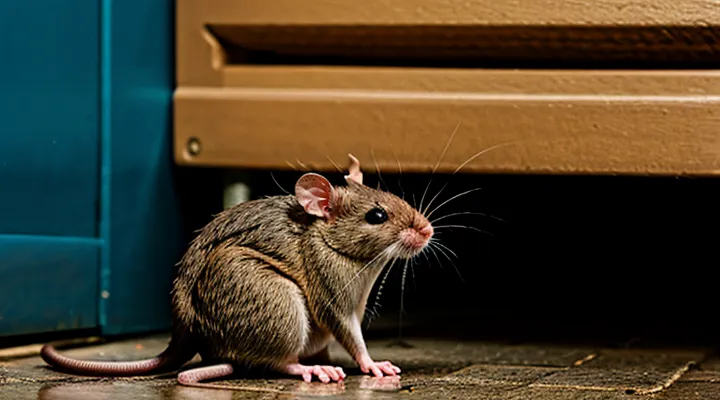
Understanding Rat Vocalizations
The Purpose of Rat Cries
«Alarm Calls»
Alarm calls represent the high‑frequency, ultrasonic squeals emitted by rats when they perceive imminent danger. These vocalizations differ from routine communication sounds in both pitch and temporal pattern, signaling acute fear to nearby conspecifics.
The acoustic profile of a distress call includes frequencies above 20 kHz, rapid onset, and durations of 30–150 ms. Peak amplitude rises sharply, creating a sharp, startling tone that can travel several meters through dense bedding.
Neural activation of the amygdala and periaqueductal gray, combined with a surge of corticosterone, initiates the motor pattern that produces the alarm call. Auditory feedback loops reinforce the emission until the perceived threat diminishes.
The primary functions of these calls are:
- Alerting nearby rats to the presence of a predator or hazardous stimulus.
- Coordinating collective escape or freezing behavior.
- Deterring predators by indicating that the prey is aware and prepared to evade.
Intensity of the threat modulates call frequency and repetition rate. Mild disturbances elicit short, intermittent squeaks, whereas a sudden predator attack triggers continuous, high‑rate emissions until the animal reaches safety or the stress response subsides.
«Distress Signals»
A frightened rat emits vocalizations that serve as immediate alerts to conspecifics. The sound, often a high‑frequency squeak, conveys danger and prompts collective defensive behavior.
The acoustic component functions as a rapid, long‑range warning. Rats can detect frequencies beyond human hearing, allowing the signal to travel through dense environments where visual cues are limited.
Ultrasonic emissions accompany the audible squeak. These tones carry detailed information about the intensity of threat and are processed by the auditory cortex of nearby rats, triggering heightened alertness.
Body posture reinforces the auditory message. An arched back, flattened ears, and a rigid tail signal heightened arousal; observers interpret these cues as an indication of imminent predator presence.
Chemical markers complete the distress repertoire. Release of alarm pheromones from the dorsal glands creates a volatile trace that other rats follow, facilitating rapid group cohesion and escape routes.
Typical distress signal elements include:
- High‑frequency squeak (audible to humans)
- Ultrasonic burst (20–80 kHz)
- Tense, defensive posture
- Emission of alarm pheromones
Together, these modalities constitute a coordinated emergency broadcast. The integration of sound, movement, and scent ensures that a scared rat’s cry effectively mobilizes its social group and enhances survival prospects.
«Communication within the Colony»
Rats rely on a dense network of acoustic, chemical, and tactile signals to maintain colony stability. When an individual perceives danger, its vocalization serves as an alarm that propagates through these channels, prompting defensive or evasive actions among conspecifics.
The alarm call is transmitted primarily by high‑frequency squeaks that travel short distances but are amplified by the colony’s burrow architecture. Nearby rats detect these sounds through auditory hair cells tuned to the specific frequency range associated with distress. The response is immediate: individuals increase locomotor activity, orient toward the source, and emit secondary calls that reinforce the warning.
Chemical cues complement the acoustic signal. Stress‑induced pheromones are released from the skin and urine of the frightened rat. These volatile compounds disperse in the confined air of the nest, binding to olfactory receptors of surrounding members. The combined effect of sound and scent ensures that the alert reaches individuals that may be out of auditory range.
Tactile communication reinforces the warning when rats are in close proximity. The distressed rat may produce rapid body vibrations that transmit through shared nesting material, alerting nestmates via mechanoreceptors. This multimodal approach reduces the likelihood of missed signals.
Key mechanisms linking colony communication to the trigger of a scared rat’s cry:
- Acoustic alarm: high‑frequency squeak detected by auditory pathways.
- Olfactory alarm: stress pheromones disseminated in nest air.
- Tactile alarm: body vibrations transmitted through substrate.
- Rapid escalation: secondary calls amplify the initial warning.
Understanding these pathways clarifies how intra‑colony signaling directly influences the emergence and propagation of distress vocalizations in rodents.
Primary Causes of Fear-Induced Cries
Perceived Threats
«Predators»
Predators trigger a frightened rat’s vocal response by presenting immediate danger that activates the animal’s survival circuitry. Visual cues such as the silhouette of a hawk, rapid movement of a cat, or the scent of a snake stimulate the rat’s optic and olfactory pathways, leading to a rapid release of stress hormones. This hormonal surge heightens auditory sensitivity, prompting the rat to emit high‑frequency squeals that serve both as a personal alarm and a warning to conspecifics.
The specific predators that most often provoke this reaction include:
- Birds of prey (e.g., owls, hawks) that attack from above, creating sudden shadows and aerial silhouettes.
- Mammalian hunters (e.g., domestic cats, feral dogs) that stalk on the ground, producing low‑frequency rustling sounds detectable by the rat’s whisker system.
- Reptilian threats (e.g., snakes) that approach silently, releasing chemical cues that the rat’s vomeronasal organ interprets as lethal.
- Human presence, which introduces unpredictable noise and movement, also elicits squealing behavior.
Each predator type engages distinct sensory channels, yet the common outcome is the activation of the rat’s alarm circuitry, resulting in the characteristic high‑pitched cry that signals terror and mobilizes defensive actions within the rodent community.
«Unfamiliar Environments»
Rats emit sharp, high‑frequency cries when they perceive danger; unfamiliar settings are a primary trigger. Novel odors, unexpected sounds, and strange textures overwhelm the animal’s sensory system, prompting an immediate vocal response.
- Sudden, unfamiliar sounds (e.g., machinery, footsteps) activate auditory alarm circuits.
- Unrecognized scents (e.g., foreign chemicals, predator urine) stimulate olfactory stress pathways.
- Unusual surfaces (e.g., slick floors, unfamiliar bedding) create proprioceptive disorientation.
The sensory shock initiates a sympathetic surge: adrenal glands release catecholamines, heart rate accelerates, and the laryngeal muscles contract, producing the characteristic squeal. This physiological cascade serves both as an internal alert and as an external signal.
The cry functions as a rapid warning to nearby conspecifics, prompting group cohesion and coordinated escape. Simultaneously, the rat becomes hyper‑vigilant, scanning the environment for exit routes and potential threats.
«Sudden Loud Noises»
Sudden, unexpected sounds provoke a distinct high‑pitched vocalization in rats. The auditory system of a rat detects a broad spectrum of frequencies, with peak sensitivity between 8 and 32 kHz. A rapid increase in sound pressure overwhelms this sensitivity, creating a neural surge that reaches the cochlear nucleus within milliseconds.
The surge activates the startle circuitry located in the brainstem. Primary auditory afferents excite the giant neurons of the reticular formation, which in turn trigger the spinal motor nuclei. This pathway produces an instantaneous contraction of the neck and forelimb muscles, accompanied by a brief, forceful emission of sound.
Physiological stress follows the startle response. Catecholamine release elevates heart rate and blood pressure, while the laryngeal muscles contract to generate the cry. The combination of muscular tension and increased respiratory effort shapes the characteristic squeal.
- Immediate auditory overload → neural spike in cochlear nucleus
- Activation of reticular startle circuit → muscle contraction
- Catecholamine surge → cardiovascular acceleration
- Laryngeal muscle tension → high‑frequency vocal output
Behaviorally, the cry serves as an alarm signal that prompts the animal to seek cover or flee. Repeated exposure to abrupt noises can sensitize the auditory pathway, resulting in lower thresholds for vocal distress.
Physical Discomfort or Pain
«Injury»
A frightened rat often produces a sharp, high‑frequency cry when its body sustains damage. Physical trauma activates nociceptors, sending rapid signals through the spinal cord to the brainstem, where the vocal apparatus is engaged to emit a distress call.
- Lacerations or puncture wounds cause immediate pain and trigger an audible squeal.
- Bruises or contusions compress tissue, generating localized pressure that elicits a cry.
- Fractures of the limbs or skull produce intense discomfort, prompting a rapid vocal response.
- Internal injuries, such as organ rupture or hemorrhage, stimulate deep‑seated pain receptors, resulting in a prolonged, high‑pitched sound.
The cry serves as an involuntary reflex: pain signals stimulate the vagus and glossopharyngeal nerves, which contract the laryngeal muscles and force air through the trachea, producing the characteristic sound. Concurrent physiological changes—elevated heart rate, accelerated respiration, and muscle tension—often accompany the vocalization, providing observable indicators of injury severity.
«Illness»
A frightened rat may vocalize when illness interferes with normal physiological processes. Pathological conditions trigger pain, dyspnea, or disorientation, which manifest as high‑frequency squeals.
- Respiratory infections – inflammation of the nasal passages and lungs reduces airflow, causing the animal to gasp and emit sharp cries.
- Gastrointestinal distress – ulceration or severe constipation produces abdominal pressure; the rat contracts abdominal muscles, generating audible distress calls.
- Parasitic infestations – heavy mite or worm loads irritate mucosal surfaces and skin, prompting repetitive squeaking as the animal attempts to escape discomfort.
- Systemic bacterial or viral diseases – fever and malaise impair neuromuscular coordination, leading to irregular breathing patterns accompanied by vocal tremors.
- Neurological disorders – seizures or encephalitis disrupt central control of vocal cords, resulting in abrupt, high‑pitched sounds.
- Metabolic imbalances – hypoglycemia or electrolyte disturbances provoke weakness and panic, which the rat expresses through rapid, distressed chirps.
Each condition compromises homeostasis, activates stress pathways, and forces the rat to emit audible signals that can be misinterpreted as fear alone. Recognizing illness‑related vocalizations enables timely veterinary intervention and prevents misattribution to purely environmental threats.
«Handling Stress»
Handling stress directly influences the frequency and intensity of a frightened rat’s vocalization. When a rat perceives a threat, its hypothalamic‑pituitary‑adrenal axis releases cortisol, triggering physiological arousal that manifests as high‑pitched squeals. Effective stress mitigation reduces this cascade and diminishes audible distress signals.
- Provide consistent environmental enrichment (nesting material, tunnels, chewable objects) to lower baseline anxiety.
- Maintain stable temperature, humidity, and lighting cycles; abrupt changes amplify sympathetic activation.
- Limit handling to brief, gentle contact; excessive restraint elevates heart rate and provokes vocal outbursts.
- Introduce scent cues associated with safety (e.g., familiar bedding) before exposing the animal to novel stimuli.
- Use gradual habituation protocols: start with low‑intensity stimuli, increase exposure incrementally, allowing adaptive coping mechanisms to develop.
Pharmacological interventions, such as low‑dose anxiolytics, may be employed when environmental measures prove insufficient. Dosage must be calibrated to avoid sedation, which can mask true stress responses. Monitoring includes measuring corticosterone levels and observing changes in squeal duration and frequency.
By integrating enrichment, predictable care routines, gentle handling, and, when necessary, targeted medication, caretakers can suppress the physiological triggers that lead to a rat’s distress cry, fostering a calmer, healthier animal.
Social Distress
«Isolation from Colony»
Isolation from the colony creates a profound disruption in a rat’s social equilibrium, prompting vocal distress. Rats rely on constant tactile and olfactory contact with conspecifics; removal of these cues triggers a stress cascade that manifests as high‑frequency squeaks. The physiological response includes elevated corticosterone, accelerated heart rate, and heightened sympathetic activity, all of which intensify the cry.
Key mechanisms underlying the distress signal are:
- Loss of thermoregulatory support – group huddling conserves heat; solitary rats experience rapid temperature decline, stimulating alarm calls.
- Absence of communal grooming – reduced grooming deprives the animal of soothing tactile input, leading to increased agitation.
- Breakdown of hierarchy cues – without the presence of dominant and subordinate individuals, the rat cannot assess its position, generating uncertainty and vocal expression.
- Diminished safety perception – group members provide early warning of predators; isolation heightens perceived threat, prompting an audible alert.
Behavioral observations confirm that reintroduction to the colony quickly suppresses the cry, indicating that the vocalization directly reflects the social deficit rather than an intrinsic health issue. Consequently, isolation stands as a primary driver of the frightened rat’s audible response.
«Aggression from Other Rats»
Aggressive encounters with conspecifics trigger heightened stress in a frightened rat, often resulting in audible distress calls. The mechanism involves several interrelated processes:
- Territorial intrusion – dominant individuals breach an established boundary, prompting the subordinate to emit high‑frequency squeaks that signal alarm.
- Physical intimidation – biting, chasing, or pinning generates immediate pain and fear, activating the hypothalamic‑pituitary‑adrenal axis and producing vocalizations as a defensive reflex.
- Social hierarchy disruption – challenges to rank destabilize the subordinate’s confidence, leading to persistent crying until the threat subsides.
Neurochemical changes accompany these behaviors. Elevated cortisol and norepinephrine levels amplify auditory output, while reduced dopamine diminishes the rat’s ability to suppress distress signals. The acoustic pattern typically features rapid, high‑pitch pulses that differ from normal communication calls.
Environmental factors modulate the impact of aggression. Overcrowded cages, limited hiding spaces, and inadequate enrichment increase encounter frequency, thereby raising the probability of fear‑induced cries. Conversely, providing shelters and establishing clear dominance structures can reduce aggressive incidents and the associated vocal distress.
In summary, aggression from other rats constitutes a direct catalyst for a frightened rat’s cry through territorial violation, physical threat, and social instability, each supported by measurable physiological responses.
«Loss of a Mate or Pups»
A frightened rat often produces a sharp, high‑frequency cry when its social bond is broken. The sudden absence of a mate or offspring removes a critical source of safety, prompting an immediate alarm vocalization.
The loss triggers a cascade of neuroendocrine responses. Elevated cortisol levels increase alertness, while the amygdala amplifies threat perception. These changes drive the rat to emit a distress call that serves both to alert conspecifics and to signal vulnerability to predators.
Observable manifestations include:
- Rapid, repetitive squeaks lasting several seconds to minutes.
- Increased locomotor activity, characterized by frantic pacing or escape attempts.
- Heightened vigilance, evident in frequent scanning of the environment and reduced grooming.
For researchers and caretakers, recognizing this specific trigger is essential. Prompt reunification with the missing individual, or provision of environmental enrichment that mimics social presence, can suppress the distress vocalization and restore normal behavioral patterns.
Factors Influencing the Intensity of Cries
Individual Differences
«Age»
Age determines the physiological and behavioral mechanisms that trigger a frightened rat’s vocalization. Young rats possess underdeveloped auditory and motor pathways; a sudden threat elicits a high‑frequency, prolonged squeak that reflects heightened sensitivity of the immature nervous system. Their limited experience prevents effective threat assessment, resulting in an immediate, intense cry.
Adult rats exhibit refined sensory processing and learned coping strategies. Exposure to predators or handling reduces the amplitude and duration of distress calls. Nevertheless, unexpected stimuli still provoke a brief, sharp squeal, indicating that mature neural circuits retain a rapid alarm response while integrating contextual cues to modulate intensity.
Elder rats experience sensory degradation, reduced muscle tone, and chronic stress. Diminished hearing thresholds raise the probability of misinterpreting benign sounds as threats, prompting frequent, low‑intensity cries. Slower motor responses extend the latency between stimulus detection and vocalization, often producing a drawn‑out squeak that signals both fear and physical frailty.
Key age‑related effects:
- Juvenile: high‑frequency, long‑duration cries; minimal threat discrimination.
- Mature: brief, high‑intensity cries; moderated by prior experience.
- Senescent: low‑frequency, prolonged cries; increased false alarms due to sensory loss.
«Personality»
Personality determines how a rat reacts when threatened, shaping the acoustic signal it emits. Rats with bold, exploratory temperaments tend to emit brief, high‑frequency chirps that serve as alarm calls to conspecifics. Conversely, individuals displaying anxious or inhibited traits produce longer, lower‑frequency whines that persist until the danger passes. The distinction arises from neural pathways that link emotional state to vocal cord tension and respiratory patterns.
Key personality dimensions influencing the distress vocalization include:
- Exploratory drive – high levels correlate with rapid, sharp sounds.
- Anxiety sensitivity – elevated scores produce prolonged, mournful tones.
- Social dominance – dominant rats emit assertive, brief squeaks, while subordinate ones generate subdued, sustained cries.
- Stress resilience – resilient individuals recover vocal output quickly, limiting the duration of the signal.
These traits interact with environmental cues such as predator scent or sudden shadows, modulating the intensity and pattern of the cry. Understanding the personality‑vocalization link clarifies why some rats emit a fleeting squeak while others produce an extended lament under identical threats.
«Prior Experiences»
Prior experiences shape a rat’s response to threat, conditioning the intensity and frequency of its distress vocalizations. Repeated exposure to predators or harsh handling establishes associative memory patterns; the animal learns to link specific cues—such as sudden shadows or unfamiliar odors—with danger. When these cues reappear, neural pathways activated during earlier encounters trigger an amplified squeal, serving as an immediate alarm.
- Rats that have survived brief captures exhibit heightened sensitivity to restraint, producing longer, higher‑pitched cries upon even mild confinement.
- Individuals raised in environments with frequent loud noises develop a lower threshold for startle, resulting in rapid, repetitive vocal bursts when startled.
- Exposure to conspecific distress calls conditions listeners to echo similar sounds, reinforcing the cry as a social warning mechanism.
Neurobiologically, the amygdala and periaqueductal gray integrate stored traumatic memories with present stimuli, modulating vocal output. Synaptic strengthening in these regions lowers the activation threshold, so previously neutral events can elicit a cry comparable to a direct threat. Consequently, a rat’s history of adverse encounters directly influences the potency and pattern of its frightened vocalizations.
Environmental Factors
«Level of Threat»
The intensity and pattern of a frightened rodent’s vocalization reflect the perceived danger. As the animal evaluates risk, it adjusts acoustic output to communicate urgency and to mobilize defensive behavior.
- Minimal threat – brief, low‑frequency squeak; duration under 0.2 seconds; amplitude barely above ambient noise.
- Moderate threat – series of short squeaks, each 0.2–0.4 seconds; frequency rises to 3–5 kHz; amplitude modestly higher, sufficient to alert nearby conspecifics.
- High threat – continuous high‑pitched wail lasting 0.5–1 second; frequency peaks at 6–8 kHz; amplitude reaches the upper limit of the rat’s vocal range, signaling immediate danger.
- Extreme threat – prolonged, rapid‑rate chorus exceeding 1 second; frequency may exceed 9 kHz; amplitude maximized, often accompanied by physical escape attempts.
Each escalation corresponds to a specific assessment of predator proximity, sensory cues, and previous experience. The rat’s nervous system modulates vocal cord tension and airflow to produce the appropriate signal, ensuring that the cry accurately conveys the current level of menace.
«Presence of Others»
The presence of conspecifics, predators, or humans can trigger a frightened rat’s vocalization through several mechanisms. When other rats are nearby, the subject assesses the social environment for potential threats and for opportunities to coordinate escape. The auditory signal serves both to alert nearby individuals and to solicit assistance, increasing the likelihood of collective evasion.
- Nearby rats provide a reference for danger intensity; heightened group alertness amplifies the individual’s stress response and accelerates the onset of crying.
- Predator proximity raises cortisol levels, sharpening auditory output as an immediate alarm to conspecifics.
- Human observation introduces unfamiliar acoustic and visual cues, intensifying fear and prompting a louder, more urgent cry.
These interactions demonstrate that the mere existence of other beings directly shapes the acoustic response of a frightened rat, influencing both the timing and intensity of its cry.
«Escape Routes»
Escape routes determine whether a frightened rodent can avoid capture, and the availability of such pathways directly influences the intensity and frequency of its distress vocalizations. When an environment offers multiple, unobstructed exits, the animal can rapidly relocate, reducing the need for prolonged crying. Conversely, limited or obstructed passages force the rat to remain in a threatening space, amplifying its audible alarm.
Effective escape routes share common characteristics:
- Size: openings must accommodate the animal’s body without requiring excessive maneuvering.
- Proximity: the distance from the threat source to the exit should be minimal to limit exposure time.
- Visibility: clear line of sight through the passage reduces uncertainty and stress.
- Structural integrity: passages must remain stable under repeated use, preventing collapse that could trap the animal.
Designing habitats or control areas with these criteria in mind diminishes the vocal response of a panicked rat. Providing at least two independent exits, spaced apart, ensures that a single blockage does not eliminate all escape options, thereby lowering the likelihood of sustained distress calls.
Behavioral Responses Associated with Cries
Freezing and Hiding
When a rat perceives danger, it often responds by remaining motionless and seeking concealment. The act of freezing reduces visual cues that predators can detect, while hiding places the animal out of immediate sight. Both behaviors elevate stress hormones, particularly adrenaline and cortisol, which trigger the laryngeal muscles to contract rapidly, producing a high‑pitched squeal.
Key physiological links between immobility, concealment, and vocalization include:
- Activation of the sympathetic nervous system during freeze response.
- Increased respiratory rate that forces air through tightened vocal cords.
- Release of catecholamines that heighten muscle tension in the throat.
The resulting cry serves as an alarm signal, warning conspecifics of threat and potentially deterring predators by indicating the rat’s heightened alertness.
Aggression or Defense
Rats emit high‑pitched vocalizations when threatened, and the underlying motivation can be classified as either aggression or defense. Aggressive cries accompany behaviors aimed at deterring a rival or predator, such as teeth baring, lunging, or territorial marking. These sounds often precede physical confrontation and signal the animal’s intent to assert dominance or protect resources.
Defensive cries arise when the rat perceives imminent danger without intention to attack. Typical accompanying actions include freezing, retreating to a hideout, or huddling against conspecifics. The vocalization serves to alert nearby rats, potentially recruiting assistance or warning the threat.
Key distinctions:
-
Purpose
• Aggression: intimidate, claim, or challenge.
• Defense: signal fear, solicit help, or warn. -
Behavioral context
• Aggression: presence of a competitor, intrusion into a known territory, or competition for food.
• Defense: sudden predator appearance, exposure to unfamiliar environments, or handling by humans. -
Acoustic characteristics
• Aggressive calls: higher amplitude, longer duration, often accompanied by a harsh, rattling quality.
• Defensive calls: shorter, sharper, sometimes accompanied by ultrasonic components beyond human hearing.
Understanding whether a rat’s cry stems from aggression or defense informs humane handling practices and experimental design, allowing researchers and caretakers to adjust stimuli, enclosure layout, and social grouping to reduce stress and prevent escalation.
Seeking Reassurance
A frightened rat emits a high‑pitched cry as an immediate alarm signal. The sound triggers a search for safety, and the animal instinctively looks to conspecifics or the environment for confirmation that danger has passed. This drive for validation is known as seeking reassurance.
When a rat attempts to reduce uncertainty, it displays specific behaviors:
- Approaching a familiar cage mate or human handler.
- Pausing near a shelter and monitoring for additional noises.
- Repeatedly sniffing the source of the original disturbance.
These actions serve to test whether the threat persists. If another rat remains calm or the handler does not react with alarm, the crying rat interprets the lack of further distress as a cue that the danger is over, allowing it to cease vocalization.
Physiological mechanisms support this process. Elevated cortisol levels during fear increase auditory sensitivity, making the initial cry more pronounced. Simultaneously, the release of oxytocin during social contact lowers stress, reinforcing the reassurance loop.
Consequently, the quest for external confirmation directly influences the intensity and duration of the frightened rodent’s squeal. Absence of reassurance prolongs the cry, while rapid validation leads to swift cessation.