
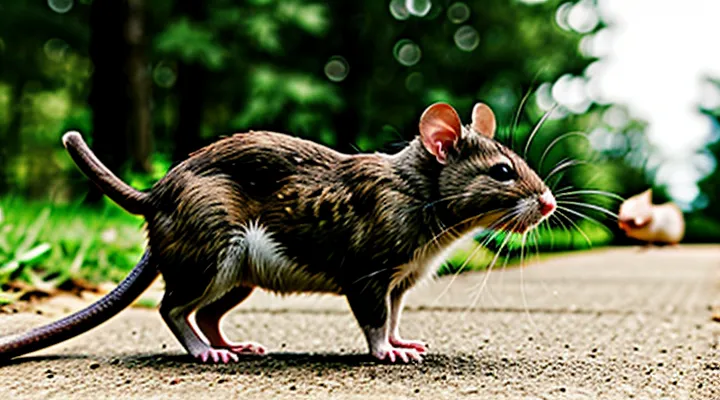
Understanding the Pests
Identifying Rats and Mice
«Common Species of Rats»
Rats that frequently appear in residential and commercial environments belong to a limited number of species, each exhibiting distinct habits and habitat preferences. Understanding these characteristics supports the selection of appropriate control measures.
The most prevalent species are:
- Norway rat («Rattus norvegicus»). Large, robust, prefers ground-level burrows, thrives in basements, sewers, and outdoor waste areas.
- Roof rat («Rattus rattus»). Agile climber, occupies elevated structures such as attics, rafters, and trees; favors warm, humid climates.
- Pacific rat («Rattus exulans»). Smallest of the common rats, often found on islands and in coastal regions; adapts to both ground and arboreal settings.
Each species displays specific foraging patterns, reproductive rates, and shelter preferences that influence the effectiveness of trapping, baiting, and exclusion tactics. Accurate identification of the resident rat species allows targeted interventions, reduces non‑target impacts, and improves overall control outcomes.
«Common Species of Mice»
The discussion of «Common Species of Mice» provides essential context for any program aimed at reducing rodent activity in residential, agricultural, or commercial settings. Understanding species‑specific habits, preferred habitats, and typical signs of infestation enables targeted interventions, minimizes non‑target impacts, and improves overall efficacy.
Key species encountered across temperate regions include:
- Mus musculus (house mouse): thrives in human structures, exploits food storage, leaves gnaw marks on wiring and packaging.
- Peromyscus maniculatus (deer mouse): favors outdoor shelters such as barns and grain bins, often found near vegetation, creates burrow entrances with visible soil mounds.
- Apodemus sylvaticus (field mouse): occupies gardens and hedgerows, uses ground cover for concealment, leaves droppings in compost and seed trays.
- Apodemus uralensis (wood mouse): prefers wooded areas adjacent to buildings, constructs shallow nests under leaf litter, may enter homes during cold weather.
- Micromys minutus (harvest mouse): inhabits cereal fields and stored grain, builds spherical nests in tall grasses, damages crops and stored produce.
Effective control measures align with each species’ behavior. Structural sealing prevents house mouse entry, while habitat modification—removing debris, trimming vegetation, and managing grain spillage—reduces attractiveness for field and harvest mice. Trapping programs should employ bait types matching dietary preferences: grains for house and field mice, seeds for deer and wood mice. Regular monitoring of droppings, gnaw marks, and nest sites confirms the presence of specific species and guides timely adjustments to management tactics.
Signs of Infestation
«Droppings and Urine Trails»
Rat and mouse activity leaves two reliable signs: fecal pellets and urine markings. Recognizing these signs enables precise placement of traps, baits, and monitoring devices.
The presence of droppings indicates recent movement. Characteristics to note include:
- Size: 2‑5 mm for mice, 6‑12 mm for rats.
- Shape: cylindrical, dark, with a pointed tip.
- Distribution: clusters along walls, in corners, or near food sources.
Urine trails serve as chemical pathways that guide conspecifics. Key aspects are:
- Moisture: fresh urine appears glossy, dries to a faint yellow‑brown residue.
- Location: near entry points, along walls, beneath cabinets, or around water containers.
- Odor: strong, pungent smell detectable with a sniff test.
Effective control measures rely on these indicators:
- Map all droppings and urine stains to define infestation zones.
- Deploy snap traps or electronic devices at the edges of identified pathways, where rodents are most likely to travel.
- Apply bait stations directly adjacent to urine trails, exploiting the scent‑driven foraging behavior.
- Use enzymatic cleaners to remove residue, eliminating attractants and preventing reinfestation.
Continuous monitoring of droppings and urine trails provides feedback on control efficacy. A reduction in pellet count and the disappearance of fresh urine marks signal successful population suppression. Regular inspection ensures timely adjustments to trapping and baiting strategies.
«Gnaw Marks and Damage»
Rodents leave distinctive bite impressions that serve as primary evidence of their presence. The incisors create clean, crescent‑shaped holes in wood, plastic, and insulation, often accompanied by shavings of the chewed material. These marks appear on structural components such as baseboards, cabinet doors, and wiring conduits, indicating active foraging behavior.
Typical manifestations of gnawing include:
- Compromised structural integrity of framing members;
- Exposed electrical insulation leading to short‑circuit risk;
- Deteriorated plumbing seals that may cause leaks;
- Damaged storage containers that allow food contamination.
Early identification of «Gnaw Marks and Damage» enables targeted intervention. Inspection should focus on high‑traffic pathways, including wall voids, attic spaces, and near entry points. Documented evidence guides placement of traps or bait stations, reduces unnecessary pesticide application, and prevents escalation of property loss.
«Noises and Sightings»
Detecting rodent activity relies heavily on visual and auditory cues. «Noises and Sightings» provide the earliest reliable evidence that rats or mice occupy a structure.
Typical noises include:
- Scratching on walls, ceilings or insulation.
- Scurrying sounds within walls, ducts or crawl spaces.
- Gnawing noises on wood, plastic or wiring.
- High‑pitched squeaks emitted during mating or distress.
Visual signs encompass:
- Fresh droppings, dark and tapered, found along runways or near food sources.
- Grease or urine stains on surfaces, often visible under ultraviolet light.
- Gnaw marks on structural elements, cables or containers.
- Nests constructed from shredded material, insulation or paper.
Combining auditory and visual data enables precise placement of traps, bait stations and exclusion measures. Early identification shortens response time, reduces population growth and limits damage to property and health. Continuous monitoring of these indicators ensures that control actions remain focused and effective.
Prevention Strategies
Sealing Entry Points
«Inspecting Foundations and Walls»
Inspecting foundations and walls is a critical component of any rodent‑control program. Structural assessment reveals entry points, nesting sites, and activity corridors that enable effective intervention.
- Examine exterior foundation for cracks, gaps around utility penetrations, and deteriorated sealants. Seal openings with steel‑wool, cement, or appropriate caulking.
- Survey interior wall cavities for gnaw marks, droppings, and urine stains. Install protective barriers such as metal flashing or mesh to block hidden passages.
- Verify integrity of sill plates, joist spaces, and basement walls. Repair or replace damaged sections promptly to eliminate refuge areas.
- Conduct regular visual inspections, preferably quarterly, to detect early signs of infestation before populations expand.
Documentation of findings supports targeted bait placement and trapping, reducing reliance on broad‑spectrum measures. Consistent maintenance of foundation and wall integrity sustains long‑term rodent prevention.
«Securing Doors and Windows»
Securing doors and windows eliminates the primary routes rodents use to access indoor spaces. Proper exclusion reduces the likelihood of infestations and complements trapping and baiting measures.
Key actions for effective exclusion:
- Inspect all door and window frames for gaps, cracks, and deteriorated seals.
- Install weather‑stripping or foam tape around movable panels to close openings no larger than ¼ inch.
- Fit door sweeps that extend to the floor, ensuring contact without impeding operation.
- Replace damaged screens with tightly woven mesh; repair tears promptly.
- Apply silicone or expanding polyurethane sealant to seal static gaps around hinges, locks, and hardware.
Materials selected for sealing must resist chewing and weather exposure. Metal flashing, rigid metal mesh, and high‑grade silicone retain integrity under repeated stress. Regular inspections—monthly in high‑risk seasons—identify new entry points caused by structural shifts or wear.
Maintenance includes cleaning debris from seals, reapplying sealant where cracks reappear, and verifying that door sweeps remain aligned. Consistent exclusion creates a barrier that forces rodents to seek alternative habitats, thereby enhancing the overall effectiveness of control programs. «Rodents can enter through gaps as small as ¼ inch», underscoring the necessity of meticulous sealing.
«Addressing Gaps in Utilities»
The initiative «Addressing Gaps in Utilities» targets infrastructure weaknesses that facilitate rodent habitation. Water leaks, exposed wiring, and unsecured waste repositories create pathways for rats and mice to infiltrate residential and commercial environments. Eliminating these pathways reduces population growth and limits disease transmission.
Key utility deficiencies include:
- Persistent condensation or dripping fixtures that supply drinking sources.
- Open conduits or damaged insulation that provide nesting sites.
- Overflowing trash containers or improperly sealed dumpsters that attract foraging.
Remediation measures consist of:
- Routine inspection of plumbing systems, with immediate repair of leaks and installation of drip‑free fixtures.
- Sealing of all entry points in electrical panels, conduit runs, and wall penetrations using rodent‑resistant materials.
- Implementation of secured waste management protocols, such as lockable lids and regular collection schedules.
Continuous monitoring of utility integrity, combined with prompt corrective action, sustains an environment hostile to rodent colonization. This approach integrates structural maintenance with broader pest‑control tactics, ensuring long‑term effectiveness.
Eliminating Food Sources
«Proper Food Storage»
Proper food storage directly reduces attraction of rodents to residential and commercial spaces. Secure containers prevent access to grains, crumbs, and waste that serve as primary food sources for rats and mice.
Key practices include:
- Use sealed, hard‑sided containers with gasketed lids for all dry goods.
- Store containers on raised shelves, at least six inches above floor level, to limit reach.
- Conduct weekly visual inspections for spills, damaged packaging, or pest activity.
- Rotate stock regularly, discarding items past their use‑by dates to eliminate lingering odors.
- Keep waste bins equipped with tight‑fitting lids and empty them daily.
Integrating these measures with sanitation routines and exclusion techniques creates a comprehensive barrier that minimizes rodent ingress and sustains long‑term control effectiveness.
«Maintaining Cleanliness»
Maintaining cleanliness directly reduces the availability of food, water, and shelter that attract rodents. Removing spilled grains, pet food, and improperly stored waste eliminates primary incentives for infestation.
Key actions include:
- Regularly sweep floors and vacuum carpets to discard crumbs.
- Store dry goods in sealed containers made of metal or heavy‑wall plastic.
- Dispose of garbage in tightly capped bins and remove waste from premises at least daily.
- Clean behind appliances, under sinks, and in storage areas where debris accumulates.
- Wash dishes and clean countertops immediately after use.
A tidy environment also simplifies the detection of rodent activity. With fewer hiding places, traps and monitoring devices become more effective, and inspection of potential entry points can be performed without obstruction. «A clean premise limits rodent access and supports proactive control measures».
«Managing Outdoor Food Sources»
Effective rodent control begins with eliminating food that draws rats and mice to outdoor areas. Reducing accessible nourishment lowers population pressure and limits damage to property and health.
Common outdoor food sources include:
- Garbage containers left uncovered or overflowing.
- Pet food bowls placed outside overnight.
- Compost piles without secure lids.
- Bird feeders positioned near building eaves.
- Fallen fruit or vegetable debris in gardens.
Mitigation measures:
- Secure trash in rigid, tightly‑fitting bins; schedule frequent collection to prevent buildup.
- Store pet food indoors; if outdoor feeding is unavoidable, use weather‑proof containers with lockable lids.
- Install rodent‑proof compost systems; add a layer of coarse material to deter burrowing.
- Mount bird feeders on poles at least three meters from walls; employ squirrel‑proof designs and clean spillage daily.
- Regularly rake and dispose of fallen produce; prune low‑hanging branches that deposit fruit onto the ground.
Consistent monitoring reinforces these actions. Inspect waste containers, feeding stations, and compost units weekly for signs of intrusion. Promptly repair damaged lids or gaps. Maintaining a clean perimeter creates an environment where rodents find little incentive to forage, supporting broader pest‑management objectives. The focus remains on «Managing Outdoor Food Sources» as a cornerstone of sustainable rodent reduction.
Reducing Harborage
«Decluttering Indoor Spaces»
Effective rodent management relies on eliminating conditions that attract pests. Reducing excess items and clutter inside homes directly limits hiding places and food sources, thereby decreasing the likelihood of infestations.
«Decluttering Indoor Spaces» involves systematic removal of unnecessary objects, organization of storage areas, and regular cleaning routines. Clear pathways prevent rodents from navigating through tight gaps, while organized containers reduce accidental access to stored food.
Key actions include:
- Sorting belongings and discarding items no longer needed.
- Storing food in sealed, rodent‑proof containers.
- Keeping floors, shelves, and countertops free of debris.
- Vacuuming regularly to remove crumbs and droppings.
- Inspecting closets and basements for hidden caches and sealing identified entry points.
«Managing Outdoor Vegetation»
Effective rodent control begins with proper management of outdoor vegetation. Dense plant growth creates shelter, food sources, and travel pathways for rats and mice, increasing the likelihood of infestation. Reducing these habitat features limits population establishment and facilitates detection of activity.
Key actions include:
- Trimming shrubs and hedges to a height of no more than 12 inches, eliminating cover near building foundations.
- Removing fruit‑bearing trees or regularly harvesting fruit to prevent accidental feeding opportunities.
- Keeping grass at a length of 3–4 inches, discouraging nesting and burrowing.
- Eliminating weeds, especially those with deep root systems that can serve as rodent tunnels.
- Maintaining clear zones of at least three feet between mulch beds and the exterior walls of structures.
Ground cover choices affect rodent attraction. Coarse mulch, such as bark chips, retains moisture and provides hiding places, whereas coarse sand or gravel offers minimal shelter. Selecting low‑profile, non‑organic mulches reduces food availability and habitat suitability.
Regular site inspections complement vegetation management. Inspect for fresh gnaw marks, droppings, and burrow entrances in garden beds, compost piles, and under decking. Prompt removal of identified signs prevents population growth.
Integrating these practices with broader pest‑control measures, such as sealing entry points and employing traps, creates a comprehensive strategy that reduces rodent pressure and protects property integrity.
«Storing Items Off the Ground»
Storing items off the ground reduces shelter opportunities for rodents, limits access to food sources, and simplifies inspection of storage areas. Elevated placement creates a physical barrier that rodents cannot easily bypass, thereby decreasing the likelihood of infestation.
Key practices for effective elevation:
- Use shelving units with legs at least 12 inches (30 cm) above floor level.
- Install metal or sturdy plastic racks; avoid cardboard or flimsy plastic that can be chewed.
- Position racks away from walls, allowing a clearance of at least 6 inches (15 cm) on all sides.
- Secure all containers with tight‑fitting lids; avoid open tops or loosely sealed bags.
- Keep the floor beneath storage clear of debris, dust, and spilled food particles.
Material selection influences durability and deterrence. Metal shelving resists gnawing, while heavy‑duty plastic offers corrosion resistance in damp environments. Anchoring shelves to walls prevents tipping and eliminates gaps that rodents could exploit.
Elevating storage improves sanitation, facilitates early detection of rodent activity, and integrates seamlessly with broader pest‑management protocols. Implementing these measures enhances overall control effectiveness without requiring additional chemical interventions.
Trapping Methods
Live Traps
«Advantages of Live Traps»
Live traps capture rodents without killing them, allowing for humane removal and subsequent release. This method aligns with pest‑control programs that prioritize animal welfare and reduce chemical exposure.
«Advantages of Live Traps» include:
- Immediate containment of individual pests, preventing breeding and population growth.
- Elimination of secondary poisoning risks for non‑target wildlife, pets, and humans.
- Reusability after thorough cleaning, lowering long‑term operational costs.
- Ability to identify captured species, facilitating targeted management strategies.
- Compatibility with indoor and outdoor environments, as traps operate silently and without odors.
Implementing live traps requires proper placement along established runways, regular monitoring to avoid prolonged confinement, and adherence to local regulations concerning release distance. When integrated with sanitation and exclusion measures, live traps contribute effectively to comprehensive rodent‑management efforts.
«Proper Placement and Baiting»
Effective rodent control relies on strategic positioning of traps and optimal bait selection. Proper placement maximizes encounter rates while minimizing non‑target interference.
- Position devices along walls, behind objects, and near known travel routes; rodents prefer concealed pathways.
- Install traps perpendicular to walls, with the trigger end facing the wall to align with natural movement.
- Avoid high‑traffic human areas; select locations where activity is limited to target species.
- Use multiple devices spaced 10–15 cm apart in high‑density zones to increase capture probability.
Baiting techniques must match species preferences and environmental conditions.
- Choose high‑protein or high‑fat foods such as peanut butter, dried fruit, or meat scraps; freshness enhances attractiveness.
- Secure bait to the trigger mechanism to prevent removal without activation.
- Rotate bait types weekly to prevent habituation and maintain interest.
- Store bait in airtight containers until use to preserve scent integrity.
Consistent monitoring and timely replacement of ineffective traps sustain efficacy and reduce population resurgence.
«Safe Release Practices»
Safe release of captured rodents requires precise planning to protect public health, prevent re‑infestation, and comply with wildlife regulations.
Select release sites that are distant from residential or food‑handling areas, preferably in natural habitats where predators exist and food sources are abundant. Verify that local ordinances permit the release of non‑native species; obtain any required permits before transport.
Handle trapped animals with gloves and rigid containers to avoid bites and stress. Transfer each rodent into a ventilated, escape‑proof carrier, label with capture date and location, and keep carriers shaded during transport.
Release procedures:
- Transport carriers to the predetermined site promptly, minimizing time in transit.
- Open carriers only after confirming a clear escape path away from structures.
- Observe the animal for a few seconds to ensure it exits the carrier; if hesitation occurs, gently guide it outward.
Sanitize equipment after each release using disinfectant solutions to eliminate pathogens. Record release details in a logbook, including site coordinates, weather conditions, and any observed injuries. Review logs regularly to identify patterns that may indicate ineffective release locations or recurring capture hotspots.
Implement these practices to maintain humane standards, reduce the likelihood of rodents returning to occupied spaces, and align pest‑management programs with regulatory expectations.
Snap Traps
«Types of Snap Traps»
Snap traps represent a core component of rodent control programs, delivering rapid, lethal action against rats and mice. Their design varies to address differences in species size, environment, and user safety requirements.
Key categories of snap traps include:
- Classic wooden trap – lightweight, inexpensive, suitable for indoor use and small rodent populations.
- Plastic trap – corrosion‑resistant, ideal for damp or outdoor settings where moisture may degrade wood.
- Heavy‑duty steel trap – reinforced construction, capable of handling larger rats and high‑traffic areas.
- Coiled‑spring mechanism – provides a quick, powerful snap with minimal trigger pressure, effective for skittish rodents.
- Torsion‑bar design – offers adjustable tension, allowing customization of snap force for specific pest sizes.
- Baited version – incorporates a built‑in compartment for attractants, increasing capture rates without manual bait placement.
When selecting a device, consider the target species’ body mass, typical activity zones, and the presence of non‑target animals. Size of the trigger plate should exceed the rodent’s hind foot to ensure reliable activation. Safety features such as covered jaws or insulated handles reduce accidental injury to handlers and pets.
Regular inspection guarantees functionality; a compromised spring or warped base diminishes effectiveness. After a successful capture, dispose of the carcass according to local regulations and reset the trap with fresh bait. Continuous monitoring and strategic placement—along walls, behind objects, and near entry points—maximize the impact of «Types of Snap Traps» within an integrated pest‑management framework.
«Effective Bait Choices»
Effective bait selection determines the success of rodent capture operations. High‑attractant baits draw target animals quickly, while low‑risk formulations protect non‑target species.
Key attributes for optimal bait include:
- Strong, natural odor that persists in varied climates.
- High palatability for both rats and mice, such as peanut butter, dried fruit, or grain blends.
- Low toxicity to pets and wildlife; use anticoagulant blocks only when placement excludes accidental contact.
- Moisture resistance to maintain appeal during rain or humidity.
Commercial products labeled «Effective Bait Choices» often combine attractants with controlled‑release matrices, extending exposure time. When deploying homemade mixtures, balance protein sources (e.g., fish meal) with carbohydrates (e.g., cornmeal) to satisfy diverse dietary preferences.
Placement guidelines:
- Position bait near known runways, burrow entrances, or feeding stations.
- Secure bait on sturdy platforms to prevent scattering.
- Rotate bait types weekly to avoid habituation.
Monitoring bait performance involves regular inspection of consumption rates and adjustment of scent intensity. Consistent evaluation ensures sustained effectiveness throughout pest‑management campaigns.
«Safe Handling and Disposal»
Safe handling and disposal are critical for preventing disease transmission and protecting personnel during rodent control operations.
Protective equipment must include disposable gloves, impermeable coveralls, eye protection, and sealed footwear. All gear should be inspected for damage before each use and discarded or decontaminated after contact with captured animals.
Handling procedures require minimizing direct contact, sealing traps in airtight containers, and transferring specimens to secondary containers within a designated containment area. Tools such as tongs or scoop devices reduce the need for manual grip.
Disposal options include:
- Placement of sealed containers in municipal hazardous‑waste collection services.
- Incineration in licensed facilities that meet local health regulations.
- Burial in approved sites, ensuring depth and distance from water sources to avoid contamination.
Compliance with regional health codes mandates documentation of capture dates, quantities, and disposal methods. Records support audit trails and facilitate timely reporting to authorities.
Regular training reinforces proper techniques, maintains equipment integrity, and ensures adherence to legal requirements.
Glue Traps
«When to Use Glue Traps»
Glue traps represent a targeted option for rodent capture when rapid detection and low‑visibility deployment are priorities. Their adhesive surface immobilizes small rodents instantly, providing clear evidence of activity without the need for bait.
Appropriate scenarios for employing glue traps include indoor infestations confined to limited zones, such as kitchen cabinets, closets, or utility rooms, where discreet placement minimizes visual disruption. They are also effective in environments where monitoring of capture rates is essential, because each trapped animal remains visible on the board.
Unsuitable conditions involve high‑traffic areas where accidental contact with non‑target species, children, or pets poses a risk. Large rats, capable of escaping the adhesive or causing board damage, should be addressed with more robust devices. Outdoor use is generally discouraged due to exposure to weather, which reduces adhesive efficacy.
Key placement guidelines:
- Align traps parallel to walls, within 2 inches of baseboards, where rodents habitually travel.
- Position behind appliances, under sinks, and near suspected entry points.
- Avoid direct contact with surfaces that may become contaminated, such as food preparation areas.
- Replace traps promptly after capture to prevent secondary infestations and maintain adhesive strength.
Safety measures require wearing disposable gloves during installation and removal, sealing captured rodents in a rigid container, and disposing of the entire trap according to local waste regulations. Proper handling reduces the likelihood of accidental adhesion and ensures compliance with health standards.
The decision framework outlined above aligns with the broader objective of effective rodent control, offering a clear set of criteria for the selective use of glue traps.
«Ethical Considerations»
Ethical considerations in rodent control demand compliance with animal welfare standards, adherence to legal regulations, and assessment of humane outcomes. Practices must minimize pain, avoid unnecessary suffering, and ensure that lethal methods are applied only when non‑lethal alternatives prove ineffective.
Key principles include:
- Use of live‑catch traps followed by release in suitable habitats when local regulations permit.
- Preference for exclusion techniques—sealing entry points, maintaining sanitation—to prevent infestations without harming animals.
- Documentation of all interventions, providing traceability and accountability for each action taken.
- Consultation with veterinary or pest‑management professionals to verify that selected methods align with ethical guidelines.
Evaluation of each strategy requires verification that the chosen approach balances efficacy with respect for the intrinsic value of the targeted species, thereby upholding societal expectations for responsible pest management.
«Proper Placement and Disposal»
Effective rodent control relies on strategic positioning of capture devices and safe handling of captured animals. Correct placement reduces escape rates, while proper disposal eliminates health hazards and prevents population rebound.
Key considerations for placement:
- Locate traps along established runways, typically within 12‑18 inches of walls where rodents travel.
- Position devices at floor level for rats, slightly elevated (2‑4 inches) for mice to align with natural movement patterns.
- Space multiple traps 6‑12 ft apart in high‑activity zones to increase coverage without overlap.
- Avoid areas with strong drafts or direct sunlight, which can deter target species.
- Secure traps on stable surfaces to prevent displacement by curious pets or children.
Procedures for disposal:
- Wear disposable gloves before handling any captured rodent.
- Transfer live captures to sealed containers for humane release far from the property, following local regulations.
- For dead specimens, place them in a puncture‑resistant bag, seal tightly, and dispose of in a designated waste bin.
- Clean and disinfect trap surfaces with a solution containing at least 1 % bleach or an approved sanitizer.
- Store cleaned traps in a dry environment to inhibit bacterial growth before reuse.
Adhering to these placement and disposal protocols maximizes capture efficiency, safeguards human health, and supports long‑term pest suppression.
Chemical Control
Baits and Rodenticides
«Understanding Different Rodenticide Types»
The subject «Understanding Different Rodenticide Types» is essential for any comprehensive rodent‑control program. Effective selection of chemical agents reduces reliance on mechanical traps and improves overall success rates.
Key rodenticide categories include:
- Anticoagulants (first‑generation: warfarin, diphacinone; second‑generation: brodifacoum, bromadiolone). These interfere with blood clotting, leading to delayed mortality.
- Non‑anticoagulant agents (zinc phosphide, cholecalciferol, phosphine). These cause rapid toxic effects through metabolic disruption.
- Acute poisons (bromethalin, strychnine). These produce swift neurotoxic or metabolic failure, suitable for severe infestations.
Selection criteria focus on:
- Target species and behavior. Certain compounds perform better against rats, others against mice.
- Application environment. Indoor use demands low secondary‑poisoning risk, while outdoor settings tolerate broader options.
- Resistance history. Documented anticoagulant resistance necessitates rotating to non‑anticoagulant formulations.
- Safety considerations. Products must comply with local regulations, include tamper‑resistant bait stations, and protect non‑target wildlife.
Regulatory compliance requires adherence to label instructions, proper storage, and disposal of unused material. Integrated approaches combine chemical baits with sanitation, exclusion, and monitoring to sustain long‑term control.
«Safe Application and Placement»
The concept of «Safe Application and Placement» focuses on minimizing risk to humans, pets, and non‑target wildlife while maintaining control efficiency. Proper positioning of traps and bait stations reduces accidental contact, prevents secondary poisoning, and ensures compliance with health regulations.
Key practices include:
- Selecting locations away from high‑traffic human areas, food preparation surfaces, and children's play zones.
- Securing devices on stable surfaces to avoid tipping or displacement by wind, rain, or animal interference.
- Using tamper‑resistant housings that limit access to the lethal component while allowing target species entry.
- Labeling each unit with clear hazard warnings and placement instructions visible to all occupants.
Routine inspection verifies that devices remain correctly oriented, that bait integrity is preserved, and that no unintended species have been affected. Documentation of placement maps supports accountability and facilitates rapid response if a breach occurs.
«Risks to Non-Target Animals and Children»
Rodent control measures frequently involve toxic baits, traps, and habitat modifications. These interventions can affect species other than the intended rats and mice, as well as children who may encounter the products.
Potential hazards to non‑target wildlife include accidental ingestion of poisoned baits, secondary poisoning after consuming contaminated prey, and physical injury from snap or live‑catch traps. Domestic animals such as cats, dogs, and livestock may encounter bait stations or traps left in accessible areas, leading to intoxication or trauma.
Risks to children stem from several sources:
- Bait stations placed within reach of toddlers or school‑age children, resulting in accidental swallowing of toxic pellets.
- Improper labeling or inadequate child‑proof packaging, increasing the likelihood of misuse.
- Residual toxicity on surfaces where bait has been applied, creating dermal exposure or ingestion through hand‑to‑mouth contact.
- Use of mechanical traps in areas frequented by children, presenting a danger of pinching or crushing injuries.
Mitigation strategies require secure placement of baits out of reach, use of tamper‑resistant containers, clear warning signage, and regular inspection of trap locations. Training personnel to recognize and protect vulnerable groups further reduces unintended harm.
Professional Pest Control Services
«When to Call a Professional»
Effective pest management demands clear criteria for engaging a licensed exterminator. When rodent activity surpasses the capacity of DIY measures, professional intervention becomes essential.
Indicators that professional services are warranted include:
- Persistent sightings of rats or mice across multiple rooms despite traps or bait stations.
- Evidence of gnaw marks on structural components, wiring, or insulation.
- Accumulation of droppings or urine stains in concealed areas, suggesting a hidden population.
- Presence of nests constructed from shredded material, indicating breeding activity.
- Reports of bites or allergic reactions among occupants, highlighting health hazards.
- Failure of previously deployed traps or baits to reduce activity after a reasonable period.
- Legal or insurance requirements that mandate certified pest control for commercial or rental properties.
In such circumstances, licensed technicians provide comprehensive assessments, implement integrated control plans, and ensure compliance with health and safety regulations. Prompt escalation to professional services minimizes damage, curtails disease transmission, and prevents the escalation of infestations.
«What to Expect from Professional Services»
Professional rodent management services begin with a thorough site inspection. Inspectors identify entry points, assess population levels, and document conditions that favor infestation. The inspection report forms the basis for a targeted control plan.
The control plan typically includes the following components:
- Identification of species and activity patterns.
- Selection of appropriate control methods, such as bait stations, traps, or exclusion techniques.
- Implementation of treatment, adhering to safety regulations and best‑practice guidelines.
- Installation of monitoring devices to verify effectiveness.
- Detailed reporting of actions taken and results observed.
Clients can expect measurable reduction in rodent activity within a defined timeframe. Effective treatment eliminates current infestations and establishes barriers that deter future entry. Compliance with health and safety standards is maintained throughout the process, minimizing risk to occupants and property.
Service agreements often contain performance guarantees. Follow‑up inspections verify long‑term success, and documentation provides evidence of remediation for regulatory or insurance purposes. Continuous monitoring options are available for environments where ongoing vigilance is required.
Post-Extermination Cleanup
Sanitization and Disinfection
«Cleaning Contaminated Areas»
Sanitation of areas where rodent activity has occurred is a critical component of any pest‑management program. Residues left by rats and mice attract further infestations and may transmit disease, making thorough cleaning indispensable.
Effective decontamination follows a systematic process:
- Remove visible debris, droppings, and gnaw marks using disposable tools.
- Apply an appropriate disinfectant that is effective against bacterial and viral agents commonly associated with rodents.
- Allow the disinfectant to remain in contact for the manufacturer‑specified dwell time before wiping or rinsing.
- Dispose of cleaning materials in sealed, labeled containers to prevent secondary contamination.
- Inspect the treated zone for missed spots and repeat the disinfection step if necessary.
After cleaning, implement a preventive routine: schedule regular inspections, maintain clutter‑free conditions, and seal entry points. Consistent execution of these measures reduces the likelihood of re‑infestation and supports overall rodent‑control objectives.
«Preventing Disease Transmission»
Effective rodent control programs must integrate measures that stop the spread of pathogens from rats and mice to humans and domestic animals. Direct contact with urine, droppings, or saliva can transmit leptospirosis, hantavirus, salmonellosis, and other infections. Reducing this risk requires systematic actions before, during, and after capture activities.
Sanitation and environmental management form the first line of defense. Remove food sources, seal entry points, and maintain clean storage areas to deter rodent activity. Regular inspection of waste containers and prompt disposal of refuse eliminate attractants that facilitate disease‑bearing infestations.
Personal protection safeguards personnel handling rodents. Required equipment includes:
- Disposable gloves resistant to puncture and chemical exposure
- Protective eyewear to prevent splash contamination
- Respirators or masks rated for aerosolized particles when cleaning heavily soiled sites
All protective gear should be inspected for integrity before each use and discarded or decontaminated according to established protocols after handling rodents.
Decontamination procedures target surfaces and tools that may harbor infectious material. Apply EPA‑registered rodenticides or disinfectants containing at least 70 % alcohol or a quaternary ammonium compound to cages, traps, and work surfaces. Allow sufficient contact time as indicated by product specifications before wiping or rinsing.
Monitoring and documentation support ongoing risk reduction. Record species captured, location, observed health conditions, and any incidents of exposure. Use this data to adjust control tactics, identify hotspots of disease transmission, and comply with public‑health reporting requirements.
Training programs reinforce compliance. Educate staff on pathogen transmission pathways, correct use of personal protective equipment, and emergency response actions in the event of accidental exposure. Periodic refresher courses maintain competency and awareness.
By combining environmental sanitation, personal protection, rigorous decontamination, systematic monitoring, and continuous training, rodent control initiatives can substantially lower the likelihood of disease transmission associated with the capture of rats and mice.
Repairing Damage
«Addressing Gnawed Structures»
Rats and mice compromise building integrity by gnawing on wood, insulation, wiring and plumbing. Prompt «Addressing Gnawed Structures» reduces secondary damage, limits health hazards and supports long‑term rodent control.
Effective assessment follows a clear sequence:
- Inspect exposed beams, joists and wall cavities for fresh bite marks, frayed insulation and droppings.
- Use a flashlight and mirror to examine concealed spaces such as attics, crawl spaces and behind appliances.
- Document damage type, location and severity to prioritize repair actions.
Repair actions depend on material and extent of damage:
- Replace compromised wood with pressure‑treated lumber or metal brackets where gnawing is extensive.
- Seal gaps larger than ¼ inch with steel wool, copper mesh or cement‑based filler; rodents cannot penetrate these barriers.
- Install conduit or protective sleeves around electrical wiring to prevent short circuits and fire risk.
- Re‑insulate ducts and pipework with rodent‑resistant foam or rigid board, securing edges with stainless‑steel staples.
Preventive reinforcement complements repairs:
- Apply rodent‑deterrent coatings—such as bitter‑tasting polymers—to exposed surfaces.
- Maintain a clean environment: eliminate food sources, store waste in sealed containers and trim vegetation away from building foundations.
- Schedule regular inspections, especially after seasonal changes, to detect new gnawing activity before structural compromise escalates.
Integrating thorough inspection, targeted repair and proactive barriers ensures that gnawed structures are restored promptly and remain resistant to future rodent intrusion.
«Sealing Remaining Entry Points»
Effective rodent control demands that every possible ingress be eliminated. Once traps and bait stations are positioned, the final barrier consists of «Sealing Remaining Entry Points». This phase prevents new individuals from entering, thereby sustaining population decline.
Identify gaps by inspecting foundations, walls, utility penetrations, and ventilation openings. Prioritize openings larger than a quarter‑inch, as these accommodate both rats and mice. Document each location before remediation.
Materials selection depends on the substrate and exposure conditions:
- Steel wool or copper mesh for irregular cracks; compress tightly and secure with expanding foam.
- Sheet metal or hardware cloth (¼‑inch mesh) for larger gaps around pipes and ducts.
- Silicone or acrylic sealant for seams around doors, windows, and baseboards.
- Weather‑resistant caulking for exterior cracks to withstand moisture.
Application procedure:
- Clean the area to remove debris and grease.
- Insert steel wool or mesh into the void, ensuring a snug fit.
- Overlay with sealant or foam, smoothing to create a continuous surface.
- Attach sheet metal or hardware cloth with screws or staples where structural reinforcement is required.
- Inspect the sealed area after curing; verify that no openings remain.
Regular follow‑up inspections, conducted quarterly, confirm the integrity of the barriers. Any deterioration, such as cracked sealant or displaced mesh, should be repaired promptly to maintain the exclusion zone.
Long-Term Monitoring
Regular Inspections
«Establishing a Monitoring Routine»
A systematic monitoring routine provides the foundation for any rodent control program. Continuous observation identifies activity hotspots, determines population trends, and validates the effectiveness of deployed traps or bait stations.
Key components of a reliable monitoring schedule include:
- Daily visual inspections of known entry points, nesting sites, and feeding areas.
- Placement of motion‑activated cameras or tracking pads at strategic locations to capture nocturnal movement.
- Recording of capture counts, trap status, and environmental conditions in a centralized log.
- Weekly analysis of data to adjust trap density, bait type, and placement based on observed patterns.
Consistent documentation enables rapid response to fluctuations in rodent activity. Adjustments should be made within 48 hours of detecting increased sightings or trap saturation. Integration of digital tools, such as spreadsheet templates or specialized software, streamlines data entry and generates alerts when thresholds are exceeded.
Finally, training personnel on standardized inspection procedures eliminates variability and ensures that every observation contributes to an accurate, actionable picture of rodent presence. Maintaining this disciplined routine maximizes the likelihood of swift, long‑term suppression.
«Identifying New Infestations Early»
Early detection of rodent activity prevents population growth and reduces damage to structures, food supplies, and health standards. Prompt identification allows targeted interventions before infestations become entrenched, minimizing the need for extensive trapping or chemical treatment.
Effective monitoring relies on systematic observation and evidence collection. Key practices include:
- Installing passive monitoring stations such as snap‑traps or live‑capture devices in concealed locations; check them daily for captures or signs of activity.
- Conducting regular visual inspections of potential entry points, gnaw marks, droppings, and urine stains; focus on kitchens, storage areas, and utility spaces.
- Using non‑lethal bait stations equipped with tracking powder to reveal movement patterns when rodents brush against the surface.
- Deploying motion‑activated infrared cameras near suspected pathways; review footage for nocturnal activity that may escape visual surveys.
- Recording environmental indicators—temperature, humidity, and food availability—that favor rodent proliferation; adjust sanitation and storage practices accordingly.
Documenting findings in a centralized log facilitates trend analysis and rapid response. Correlate detection dates with seasonal factors and previous control measures to refine future prevention strategies. Consistent application of these methods sustains low‑level populations and supports long‑term rodent management objectives.
Sustained Prevention Efforts
«Ongoing Maintenance and Sealing»
Effective rodent control relies on continuous upkeep of the environment and the elimination of access points. The process of «Ongoing Maintenance and Sealing» integrates regular inspections, repair of structural gaps, and upkeep of exclusion devices.
Inspection routines should include:
- Visual survey of walls, floors, and ceilings for cracks or holes larger than ¼ inch.
- Assessment of utility penetrations, such as pipe sleeves and conduit entries.
- Verification that weatherstripping and door sweeps remain intact.
Sealing actions involve:
- Application of steel wool or copper mesh into small openings before applying a sealant.
- Use of expanding polyurethane foam for larger gaps, ensuring complete coverage.
- Installation of metal flashing around vents and exhaust fans to prevent gnawing.
Maintenance of trapping systems requires:
- Replacement of bait when it dries or becomes contaminated.
- Cleaning of snap traps and glue boards to preserve functionality.
- Rotation of live-catch cages to prevent habituation.
Documentation of each inspection and repair supports trend analysis and facilitates timely interventions. Scheduling quarterly reviews aligns with seasonal variations in rodent activity, reducing the likelihood of re‑infestation.
«Consistent Sanitation Practices»
Consistent sanitation eliminates food sources, nesting materials, and water points that attract rats and mice, thereby reducing population pressure and the likelihood of infestation.
Key practices include:
- Immediate removal of spilled grain, crumbs, and waste from floors, countertops, and storage areas.
- Secure sealing of all containers with tight‑fitting lids; use metal or heavy‑density plastic where possible.
- Regular cleaning of kitchen equipment, ventilation ducts, and waste disposal units to prevent debris buildup.
- Maintenance of exterior perimeters: trim vegetation, store firewood off the ground, and keep garbage bins closed and away from building foundations.
Routine inspection schedules verify that cleaning protocols remain effective. Inspection checklists record any residual food particles, standing water, or deteriorated seals, prompting corrective action within 24 hours.
Sustained sanitation lowers rodent activity, minimizes disease transmission risk, and enhances the efficacy of trapping and baiting measures employed in broader pest‑management programs.