
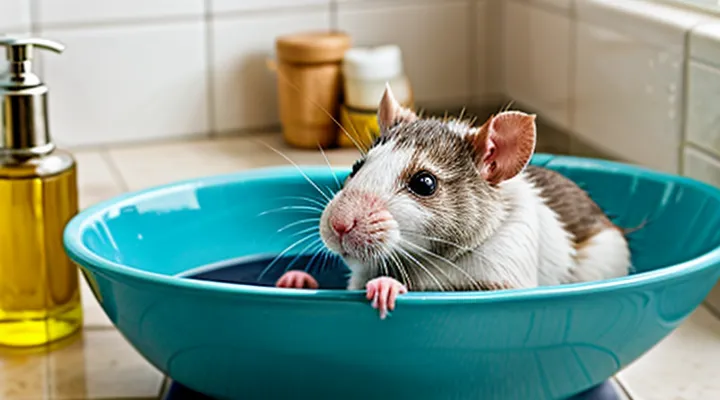
Understanding Rat Hygiene Needs
Do Rats Need Regular Baths?
Rats possess a natural grooming instinct that typically keeps their coat clean. Regular immersion in water is not required for most healthy domestic rats. Excessive bathing can strip essential oils, leading to dry skin and increased susceptibility to parasites.
Key considerations:
- Skin health – Frequent baths remove sebaceous secretions, which protect against irritation.
- Stress response – Rats are prey animals; handling them in water often triggers anxiety and can cause physiological stress.
- Alternative hygiene – Providing a sand bath or a shallow tray with clean, dry bedding allows rats to self‑clean without moisture exposure.
When a bath becomes necessary—such as after exposure to toxic substances, severe matting, or a noticeable odor—follow a limited protocol:
- Use lukewarm water (approximately 30 °C) to avoid temperature shock.
- Apply a small amount of mild, fragrance‑free pet shampoo; rinse thoroughly to prevent residue.
- Dry the animal promptly with a soft towel, then keep it in a warm, draft‑free environment until completely dry.
- Observe the rat for signs of distress or skin irritation; seek veterinary advice if abnormalities appear.
In summary, routine baths are unnecessary for domestic rats; maintaining a clean enclosure and offering opportunities for self‑grooming provide sufficient hygiene.
When to Consider Bathing Your Rat
Health Conditions Requiring Bathing
Bathing a pet rat is justified when specific health issues arise that cannot be resolved through routine grooming or environmental management.
Common conditions that warrant a controlled bath include:
- Skin infections caused by bacterial or fungal agents, identified by redness, swelling, or discharge.
- Excessive oil buildup resulting in a greasy coat that repels dust and impedes thermoregulation.
- Persistent external parasites such as mites or lice that survive topical treatments but are removed more effectively with a gentle wash.
- Severe soiling after prolonged exposure to urine or feces, especially when the animal shows signs of irritation or odor that persists despite cage cleaning.
Before initiating a bath, verify that the rat is healthy enough to tolerate mild stress; a weakened or febrile animal should receive veterinary assessment first. Use lukewarm water (approximately 30 °C) and a rodent‑safe, fragrance‑free shampoo. Limit exposure to 2–3 minutes, dry the animal with a soft towel, and keep it in a warm, draft‑free environment until fully dry. Regular monitoring after the bath ensures that the underlying condition improves and does not recur.
Other Reasons for Bathing
Bathing a pet rat can address several concerns that extend beyond basic cleanliness.
- «Skin health»: a warm soak softens keratinized patches, allowing gentle exfoliation and reducing the risk of dermatitis.
- «Parasite control»: water combined with a mild, rat‑safe shampoo can dislodge fleas, mites or ticks that are difficult to remove with spot cleaning.
- «Odor reduction»: regular baths neutralize secretions from scent glands, preventing persistent musky smells that may affect household comfort.
- «Allergy mitigation»: removing dander from the coat lowers airborne allergens, benefiting owners with sensitivities.
- «Social habituation»: exposure to water in a calm environment familiarizes the animal with handling, simplifying future veterinary procedures.
When implementing these practices, select a shallow container with lukewarm water, limit immersion to a few minutes, and rinse thoroughly to avoid residue. Dry the rat with a soft towel and keep it in a warm, draft‑free area until fur is completely dry. This approach maximizes health benefits while minimizing stress.
Preparing for a Rat Bath
Gathering Your Supplies
What Kind of Shampoo to Use
When bathing a pet rat, select a shampoo formulated for small mammals or a mild, unscented pet shampoo. Human shampoos, especially those with strong fragrances, antibacterial agents, or high pH, can irritate the animal’s sensitive skin and disrupt its natural coat oils.
Recommended shampoo categories:
- Specialized rodent shampoo – pH‑balanced for rodents, free of dyes and parabens, typically labeled for rats, mice, or small pets.
- Gentle kitten or puppy shampoo – low‑foam, hypoallergenic, and without added fragrances; suitable for occasional use when rodent‑specific product is unavailable.
- Unscented baby shampoo – mild surfactants, neutral pH, no harsh chemicals; ensure the product is free of moisturizers that may leave residue.
Key selection criteria:
- pH between 6.5 and 7.5 to match the rat’s skin.
- Absence of essential oils, menthol, or tea tree oil, which are toxic to rodents.
- Minimal foaming to reduce the risk of inhalation during rinsing.
- Clear labeling that the product is safe for small mammals or “non‑human use only.”
Apply a thin layer of the chosen shampoo, lather gently, and rinse thoroughly with lukewarm water. Avoid leaving any soap residue, as it can cause dermatitis or gastrointestinal upset if the rat grooms itself after the bath.
Towels and Drying Aids
After a bath, a domestic rat must be dried promptly to prevent hypothermia and skin irritation. Moisture retained in the fur can lower body temperature and create an environment for bacterial growth.
Absorbent materials suitable for small rodents include:
- High‑loft cotton towels, soft enough to avoid skin abrasion while providing rapid moisture removal.
- Microfiber sheets, thin yet highly absorbent, allowing quick wicking of water from dense fur.
- Small fleece pads, gentle on delicate skin and capable of retaining warmth during the drying phase.
Additional drying aids improve efficiency and safety:
- Low‑intensity, cool‑setting hair dryer held at a distance of at least six inches; airflow should be gentle to avoid stress.
- Warm (not hot) heating pad set to low temperature, placed beneath a towel to supply ambient warmth without direct contact.
- Enclosed drying chamber made from a cardboard box lined with a towel, providing a calm, controlled environment while excess moisture evaporates.
Effective drying protocol:
- Pat the rat with a cotton towel for 30‑45 seconds, focusing on the head, limbs, and tail.
- Transfer to a microfiber sheet for an additional minute to remove residual dampness.
- Apply a gentle airflow from a hair dryer for 1‑2 minutes, monitoring the animal’s behavior for signs of discomfort.
- Finish with a fleece pad placed in a warm, draft‑free area for 5‑10 minutes until the fur feels dry to the touch.
Using the appropriate towels and supplemental drying tools ensures rapid moisture elimination, maintains thermal balance, and supports the health of the pet rat after bathing.
Bathtub or Basin Setup
A suitable container is essential for a safe and effective wash. Choose a shallow, wide basin or a small bathtub that can accommodate the rat’s full body without forcing it into deep water. Plastic or ceramic dishes work well; avoid metal containers that may become too cold.
The vessel should meet the following criteria:
- Length at least 8 in (20 cm) and width 6 in (15 cm) to allow free movement.
- Depth no greater than 2 in (5 cm) to prevent the animal from sinking.
- Non‑slip surface, achieved by placing a rubber mat or a layer of paper towels at the bottom.
- Easy‑to‑clean material, ensuring thorough sanitation after each use.
Preparation steps:
- Fill the basin with warm water, temperature 30–32 °C (86–90 °F).
- Add a few drops of a mild, rodent‑safe soap; avoid detergents with strong fragrances.
- Test water depth with a fingertip to confirm it does not exceed the recommended level.
- Place a towel nearby for immediate drying.
During the bath, support the rat gently but firmly, allowing it to splash briefly. Limit exposure to 2–3 minutes to reduce stress and prevent hypothermia.
After washing, lift the rat onto the towel, pat dry thoroughly, and keep it in a warm, draft‑free area until completely dry. Clean the basin with hot water and a mild disinfectant, then rinse and dry before the next use.
Creating a Safe and Stress-Free Environment
Temperature Considerations
Temperature control is essential when cleaning a pet rat. Water that is too hot can cause burns, while water that is too cold may induce shock. The safe range lies between 30 °C and 35 °C (86 °F–95 °F), matching the animal’s natural body temperature.
Before immersion, verify water temperature with a thermometer. If a thermometer is unavailable, test the water with the back of the hand; the sensation should be comparable to a comfortably warm bath.
Maintain ambient conditions during the bath. Room temperature should remain around 22 °C–24 °C (72 °F–75 °F) to prevent rapid cooling once the rat exits the water. After rinsing, dry the animal promptly with a soft towel and keep it in a warm, draft‑free area until completely dry.
Key temperature considerations:
- «Warm» water: 30 °C–35 °C.
- Ambient room: 22 °C–24 °C.
- Immediate drying: essential to avoid hypothermia.
- Avoid temperature fluctuations greater than 2 °C during the session.
Minimizing Distractions
When preparing a bath for a pet rat, eliminating extraneous stimuli enhances the animal’s cooperation and reduces stress. A quiet environment prevents sudden movements that could cause the rat to flee or become anxious.
Key actions to limit distractions:
- Choose a room isolated from household traffic; close doors and windows.
- Turn off televisions, radios, and smartphones; silence notifications on any remaining devices.
- Use a low‑profile basin or sink without reflective surfaces that might attract the rat’s attention.
- Keep only essential supplies within reach: gentle pet‑safe shampoo, a soft cloth, and a towel.
- Conduct the bath during a time when the household is naturally quieter, such as early morning or late evening.
Maintain consistent lighting levels; abrupt changes in brightness can startle the animal. After the bath, relocate the rat to a familiar enclosure promptly to reinforce a sense of security.
The Bathing Process
Handling Your Rat Safely
Handling a domestic rat during a bath requires steady grip, calm environment, and proper equipment. Secure the animal in a shallow container with warm water no deeper than a few centimeters. Support the body with one hand while the other gently guides the head away from the water to prevent inhalation. Keep movements smooth to reduce stress.
Key safety measures include:
- Trim nails beforehand to avoid accidental scratches.
- Use a non‑slip mat at the bottom of the basin to prevent slipping.
- Wear thick gloves if the rat shows signs of aggression.
- Have a towel ready for immediate drying.
- Keep a separate container of clean water for rinsing.
After bathing, wrap the rat in a soft towel and allow it to dry in a warm, draft‑free area. Avoid using hairdryers or direct heat sources. Monitor the animal for signs of distress or illness for at least an hour before returning it to its cage.
Step-by-Step Bathing Guide
Introducing Water Gradually
Introducing water to a domestic rat must be performed slowly to prevent panic and respiratory distress. Rats possess a natural aversion to sudden immersion, so a gradual approach conditions the animal to accept moisture without trauma.
Begin by placing a shallow container of lukewarm water on a stable surface. Allow the rat to explore the rim and observe the water level. When the animal shows curiosity, gently lower a single paw into the water, then withdraw it after a few seconds. Repeat the process with the opposite paw, extending the duration incrementally. Once both paws tolerate brief contact, encourage the rat to step onto a damp cloth placed beside the container, providing a stable foothold while remaining partially submerged. Increase the time spent on the wet surface by a few seconds each session, monitoring for signs of stress such as frantic movement or vocalization.
Additional considerations:
- Use water temperature between 30 °C and 35 °C to match the rat’s body heat.
- Keep the bathing area quiet, minimizing sudden noises or movements.
- Limit each session to no more than five minutes, followed by thorough drying with a soft towel.
- Offer a favorite treat after bathing to reinforce a positive association with the experience.
Gentle Washing Techniques
Gentle washing techniques protect a pet rat’s delicate skin and respiratory system.
Preparation begins with a shallow basin filled with lukewarm water, ideally between 30 °C and 35 °C. Temperature can be verified with a kitchen thermometer; water that is too hot risks burns, while cold water induces stress.
A mild, unscented laboratory‑grade shampoo formulated for small mammals provides effective cleaning without disrupting the animal’s natural oil balance. Human detergents, scented soaps, and harsh chemicals must be avoided because they can cause dermatitis and respiratory irritation.
During the wash, support the rat’s body with both hands, cradling the torso while allowing the hindquarters to dangle freely. This position reduces the likelihood of panic and prevents accidental injury. Avoid submerging the head; instead, gently wet the fur with a soft cup or spray bottle set to a fine mist.
The washing process follows these steps:
- Wet the fur from the neck backward, avoiding the face and ears.
- Apply a thin layer of the selected shampoo, massaging lightly along the length of the coat.
- Rinse thoroughly with lukewarm water, ensuring no residue remains.
- Pat dry with a clean, absorbent towel; do not rub vigorously.
- Place the rat in a warm, draft‑free area for a brief period to allow residual moisture to evaporate naturally.
After washing, observe the rat for signs of distress, excessive shivering, or respiratory difficulty. Promptly address any abnormalities by consulting a veterinarian experienced in exotic pets.
Rinsing Thoroughly
Rinsing thoroughly removes all soap and debris, preventing skin irritation and respiratory issues caused by residue.
- Use lukewarm water that matches the animal’s body temperature.
- Direct a gentle stream over the back, sides, and belly, allowing water to flow from head to tail.
- Keep the head slightly elevated to avoid water entering the ears and eyes.
Inspect each body region while rinsing:
- Fur on the back and sides must be completely saturated; run fingers through the coat to confirm no suds remain.
- Paws, especially between the toes, require careful flushing to clear hidden particles.
- Tail and hindquarters often retain soap; rotate the rat gently to expose these areas to the water flow.
After the final rinse, pat the animal dry with a soft towel, then allow a brief period of warm, draft‑free air to evaporate remaining moisture. This sequence ensures a clean, healthy coat without compromising the rat’s respiratory health.
Drying Your Rat Properly
Towel Drying Methods
Bathing a pet rat creates a need for rapid, gentle drying to prevent chilling and stress. Effective towel drying relies on absorbency, material softness, and controlled handling.
• Use a high‑loft, lint‑free cotton towel; it absorbs moisture quickly without shedding fibers that could irritate the animal’s skin.
• Apply a second, slightly dampened towel to smooth the fur, reducing static and aiding even moisture distribution.
• Gently press, not rub, the towel against the rat’s body, focusing on the back, sides, and limbs while avoiding the face and ears.
• Rotate the towel every 30 seconds to maintain absorbency and prevent the towel from becoming saturated.
• After initial drying, place the rat on a warm, low‑draft surface for 2–3 minutes to allow residual moisture to evaporate naturally.
When the towel becomes heavily damp, replace it with a fresh, dry one to maintain consistent drying efficiency. Maintaining a calm environment and using soft, breathable towels ensures the rat remains comfortable and minimizes the risk of hypothermia.
Avoiding Heat Sources
Bathing a pet rat requires strict control of ambient temperature. Direct exposure to radiators, sunlight through windows, or heating pads can raise body temperature rapidly, leading to stress or burns. Cold water combined with a warm environment also increases the risk of hypothermia because rats lose heat quickly when wet.
- Place the bathing container on a non‑heated surface such as a tiled floor or a wooden table.
- Keep the room temperature between 20 °C and 24 °C; use a thermometer to verify conditions.
- Shield the area from direct sunlight by drawing curtains or using a shaded corner.
- Avoid placing towels, heat lamps, or electric blankets near the rat during the wash.
- After rinsing, move the rat to a draft‑free, room‑temperature space for drying.
Post‑bath monitoring includes checking the rat’s fur for dampness and ensuring the animal regains normal body temperature within a few minutes. If the rat appears lethargic or shivers, increase airflow with a low‑speed fan set on cool, not warm, mode.
Post-Bath Care and Considerations
Keeping Your Rat Warm
After a bath, a rat loses body heat rapidly; maintaining an appropriate temperature prevents hypothermia and supports recovery.
Prepare a warm environment before the wash. Use a clean, dry towel on a flat surface, then place a low‑setting heating pad underneath, covered with another towel to avoid direct contact. If a heating pad is unavailable, a warm water bottle wrapped in a cloth serves as an alternative.
Steps to keep the rat warm:
- Dry the animal thoroughly with the towel, pressing gently to remove excess moisture.
- Position the rat on the warmed surface, ensuring the back and limbs are in contact with the heat source.
- Monitor the animal’s skin temperature by feeling for a warm, not hot, surface; skin should feel slightly above ambient temperature.
- Limit the total drying period to five minutes; prolonged exposure to heat can cause burns.
Observe for signs of cold stress, such as shivering, lethargy, or a drop in activity level. If any of these appear, increase the warmth gradually and consider wrapping the rat in a soft blanket until normal behavior resumes.
«Never use hot water»; water temperature must remain lukewarm to avoid internal cooling. Maintaining consistent warmth throughout the post‑bath period ensures the rat’s health and comfort.
Monitoring for Stress or Discomfort
When a rat is placed in water, immediate observation of behavior and physiology determines whether the experience is tolerable.
Rapid breathing, trembling, or frantic attempts to escape indicate acute stress. A sudden drop in body temperature, detectable with a digital thermometer, signals discomfort that may progress to hypothermia. Vocalizations, especially high‑pitched squeaks, serve as audible alerts of distress.
Monitoring should continue for at least five minutes after removal from the water. Record heart rate if a pulse oximeter is available; values exceeding the normal resting range (≈300–400 bpm) suggest sustained agitation.
If any of the following signs appear, terminate the bath and provide a warm, dry environment:
- Persistent frantic movement
- Excessive vocalization
- Visible shivering or loss of fur sheen
- Elevated heart rate beyond normal limits
- Decline in body temperature below 35 °C
After the session, observe the rat for a further 10–15 minutes. Normal behavior includes calm grooming, steady respiration, and resumed activity on the cage floor. Absence of these indicators warrants veterinary consultation.
Consistent documentation of observations creates a baseline, enabling owners to distinguish routine reactions from genuine distress during future cleaning procedures.
Alternatives to Full Baths
Spot Cleaning Methods
Spot cleaning addresses localized dirt, oil, or odor on a pet rat without full immersion. This approach reduces stress, preserves natural skin oils, and minimizes water exposure.
Effective spot‑cleaning techniques include:
- Damp cloth method: Moisten a soft, lint‑free cloth with warm water, gently wipe the affected area, then pat dry with a clean towel.
- Enzyme‑based wipe: Apply a small amount of pet‑safe enzyme solution to a cotton pad, target the soiled spot, and allow the surface to air‑dry.
- Diluted chlorhexidine swab: Prepare a 0.05 % chlorhexidine solution, dip a sterile swab, clean the area, and rinse with a damp cloth to remove residue.
When using any method, ensure the rat remains calm, avoid contact with eyes and ears, and monitor for irritation. Regular spot cleaning prolongs coat health and reduces the need for full baths.
Self-Grooming Habits
Domestic rats devote a large portion of each day to self‑grooming, a behavior that maintains coat condition, removes parasites, and regulates temperature. Grooming cycles typically include whisker cleaning, facial licking, and full‑body fur combing with the forepaws. The activity reduces the need for external bathing, but occasional shallow washes may be necessary when the animal encounters sticky substances or excessive dirt.
Key aspects of self‑grooming:
- Frequency: Rats groom for 5–10 minutes, several times daily.
- Technique: Forepaws act as brushes, while the tongue supplies saliva that conditions the fur.
- Benefits: Removes debris, distributes natural oils, and stimulates circulation.
When a bath is required, respect the rat’s grooming routine by:
- Using lukewarm water (30–32 °C) to avoid shock.
- Limiting exposure to 2–3 minutes; the animal will resume self‑grooming immediately after removal.
- Rinsing gently, avoiding direct streams on the head and whiskers.
- Drying with a soft towel, then allowing the rat to perform its usual grooming motions.
Supporting self‑grooming includes providing a clean cage, nesting material, and regular inspection for skin irritation. If the coat appears matted or oily, a brief, mild bath can complement the rat’s natural hygiene without disrupting its established grooming pattern.