
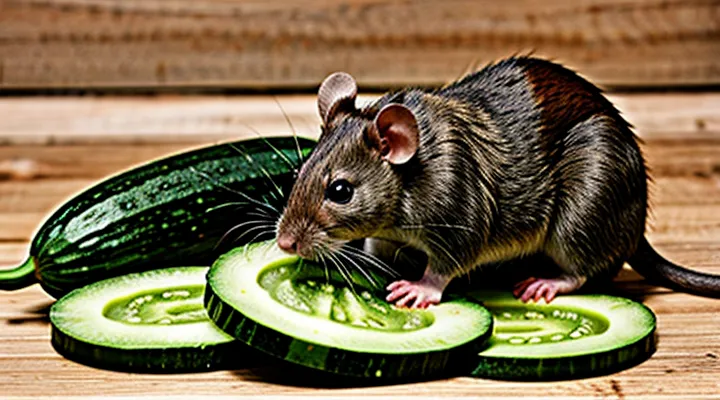
Introduction to Rat Diets
Essential Nutritional Needs of Rats
Rats require a balanced diet that supplies protein, fat, carbohydrates, vitamins, and minerals in precise proportions. Protein sources such as high‑quality rodent pellets, cooked eggs, or lean meat provide the amino acids necessary for growth, tissue repair, and immune function. Fat, supplied by nuts, seeds, or small amounts of vegetable oil, supports energy needs and aids absorption of fat‑soluble vitamins. Complex carbohydrates from whole grains and legumes deliver sustained energy and fiber for digestive health.
Vitamins A, D, E, and K, along with the B‑complex group, must be present in adequate levels. Vitamin A supports vision and epithelial integrity; vitamin D regulates calcium metabolism; vitamin E functions as an antioxidant; and the B‑vitamins facilitate metabolic pathways. Minerals such as calcium, phosphorus, magnesium, potassium, and trace elements (zinc, iron, selenium) are essential for bone formation, nerve transmission, and enzymatic activity.
Fresh cucumber can be offered as an occasional treat, but it should not replace core nutrients. Cucumber provides water, small amounts of vitamin C, and minimal fiber, yet lacks protein, fat, and most essential vitamins and minerals. When included, limit portions to no more than 5 % of the total daily food intake to avoid nutrient dilution.
Key dietary components for pet rats
- Protein: 14–16 % of diet (pellets, cooked eggs, lean meat)
- Fat: 4–6 % (nuts, seeds, oil)
- Complex carbohydrates: 40–50 % (whole grains, legumes)
- Fiber: 5–7 % (vegetables, hay)
- Vitamins and minerals: supplied by fortified pellets or balanced supplements
Providing a foundation of nutritionally complete pellets, complemented by appropriate fresh vegetables, ensures rats receive all essential nutrients while allowing safe occasional inclusion of cucumber.
Safe and Unsafe Foods for Rats
Pet rats require a balanced diet that includes commercial pellets, fresh vegetables, and occasional fruit. Fresh cucumber is acceptable when prepared correctly and can contribute hydration and fiber.
Safe foods for rats
- Commercial rodent pellets (nutrient‑complete)
- Fresh cucumber, washed and cut into bite‑size pieces
- Leafy greens such as romaine lettuce, kale, and spinach
- Bell peppers, carrots, and broccoli florets
- Small portions of apple, banana, or berries (seedless)
- Cooked plain brown rice or oatmeal
Unsafe foods for rats
- Citrus fruits (lemon, orange, grapefruit)
- Processed snacks, salty chips, or sugary treats
- Chocolate, caffeine, and alcohol
- Raw beans, especially kidney beans
- Avocado, rhubarb, and onion family (onion, garlic, leeks)
- High‑fat meats, dairy products, and eggs
When offering cucumber, rinse thoroughly to remove pesticide residues, then provide no more than one to two small cubes per day. Observe the rat for any signs of digestive upset and discontinue if symptoms appear. Rotate cucumber with other approved vegetables to maintain nutritional variety.
Cucumbers for Rats
Nutritional Value of Cucumbers for Humans
Cucumbers consist of approximately 95 % water, providing a low‑calorie source of hydration. One cup of sliced cucumber supplies about 16 kcal, 0.3 g protein, 0.2 g fat, and 3.8 g carbohydrate, of which dietary fiber accounts for roughly 0.5 g. The high water content supports fluid balance, while the modest fiber contributes to digestive regularity.
Key micronutrients include:
- Vitamin K (~16 µg per cup), essential for blood clotting and bone health.
- Vitamin C (~2.8 mg), an antioxidant that aids collagen synthesis.
- Vitamin A as β‑carotene (~105 µg), supporting vision and immune function.
- Potassium (~150 mg), which helps regulate blood pressure.
- Small amounts of magnesium, manganese, and folate.
Phytochemicals such as cucurbitacins and flavonoids exhibit antioxidant activity, potentially reducing oxidative stress. The low glycemic index (≈15) makes cucumbers suitable for individuals monitoring blood glucose levels.
Nutritional considerations:
- Pesticide residues may remain on the skin; thorough washing or purchasing organic varieties minimizes exposure.
- Sodium content is minimal, but pickled or processed cucumber products can contain high salt levels, negating the benefits of fresh cucumber consumption.
- The mild flavor and crisp texture make cucumbers a versatile addition to salads, sandwiches, and smoothies, enhancing nutrient intake without adding significant calories.
Overall, cucumbers deliver hydration, modest vitamins and minerals, and antioxidant compounds, making them a valuable component of a balanced diet.
What Parts of a Cucumber are Safe for Rats?
Cucumber Skin
Cucumber skin is thin, high‑water tissue containing most of the vegetable’s fiber, vitamins A and C, and trace minerals. The epidermal layer also retains any surface residues from cultivation, making thorough cleaning essential before offering it to rats.
Potential issues include:
- Pesticide residues that may irritate the gastrointestinal tract.
- Elevated fiber that can cause loose stools if introduced abruptly.
- Slightly tougher texture that some rats may reject.
Recommendations for safe inclusion of cucumber skin in a rat’s diet:
- Rinse the cucumber under running water; consider a brush to dislodge soil.
- If possible, use organically grown cucumbers to reduce chemical exposure.
- Slice thinly to improve palatability and ease of chewing.
- Introduce a small amount (no more than a quarter of a slice) and observe stool consistency.
- Remove any bruised or wilted sections before serving.
When these precautions are followed, cucumber skin can be a nutritious, low‑calorie supplement for pet rats.
Cucumber Flesh
Cucumber flesh is a low‑calorie, high‑water component that can be included in a rat’s diet when offered in moderation. The flesh contains approximately 95 % water, modest amounts of vitamin K, vitamin C, and potassium, and negligible fat or protein. These nutrients contribute to hydration and provide a mild source of micronutrients without displacing essential protein‑rich foods.
When introducing cucumber flesh to rats, observe the following recommendations:
- Offer only the inner, pale part; remove the skin if it appears waxy or contains pesticide residues.
- Cut the flesh into bite‑size cubes (5‑7 mm) to prevent choking and to facilitate chewing.
- Limit portions to no more than 5 % of the daily food intake by weight; excess water may dilute stomach acid and affect nutrient absorption.
- Provide fresh pieces daily; discard any leftovers after two hours to avoid bacterial growth.
- Monitor each rat for signs of digestive upset, such as loose stools or reduced appetite, and discontinue if adverse reactions occur.
Cucumber flesh should complement, not replace, the staple diet of commercial rat pellets, fresh fruits, and protein sources. Proper preparation and controlled serving sizes ensure that the vegetable contributes safely to overall nutrition.
Cucumber Seeds
Cucumber seeds present specific considerations when offering fresh cucumber to pet rats. The seeds are small, hard, and may cause digestive irritation or pose a choking risk, especially for younger or smaller individuals. Additionally, seeds contain trace amounts of cucurbitacin, a bitter compound that can upset the gastrointestinal tract if consumed in large quantities.
Recommendations for safe inclusion of cucumber in a rat’s diet:
- Remove all seeds before presenting cucumber slices or chunks.
- Rinse cucumber thoroughly to eliminate surface pesticides or residues.
- Offer cucumber in moderation, no more than one to two small pieces per week, to prevent excessive water intake and potential diarrhea.
- Observe the rat after the first exposure for signs of discomfort, such as reduced activity or abnormal stool, and discontinue if adverse reactions appear.
When cucumber seeds are omitted and the vegetable is prepared cleanly, fresh cucumber can serve as a low‑calorie source of hydration and mild vitamins without compromising the animal’s health.
Potential Benefits of Feeding Cucumbers to Rats
Feeding fresh cucumbers to pet rats offers several nutritional advantages. The vegetable’s high water content supports hydration, especially in warm environments where rodents may reduce drinking frequency. Low caloric density allows inclusion in daily rations without contributing to excess weight gain.
Cucumbers provide modest amounts of vitamins C and K, which aid immune function and blood clotting. Dietary fiber present in the skin promotes intestinal motility, helping prevent constipation. Antioxidant compounds such as cucurbitacin contribute to cellular protection against oxidative stress.
Incorporating small cucumber pieces can assist dental health. The mild crunch encourages natural tooth wear, reducing the risk of overgrowth. Because the flesh is soft, it does not pose a choking hazard when offered in bite‑size portions.
- Hydration boost through 95 % water composition
- Vitamin C and K supply for metabolic support
- Fiber content facilitating regular bowel movements
- Antioxidants offering oxidative‑damage mitigation
- Gentle dental wear promoting tooth length regulation
Potential Risks of Feeding Cucumbers to Rats
Pesticides and Contaminants
Fresh cucumbers can be a low‑calorie addition to a rat’s diet, but pesticide residues and other contaminants pose a health risk. Commercially grown cucumbers often receive insecticides, fungicides, and herbicides to protect against pests and disease. Residues may remain on the skin even after standard rinsing, and some chemicals are toxic to rodents at lower exposure levels than for humans.
Common contaminants include:
- Organophosphate and pyrethroid insecticides, which can affect nervous‑system function.
- Fungicide residues such as copper sulfate, which may cause gastrointestinal irritation.
- Heavy metals (lead, cadmium) absorbed from polluted soil, potentially leading to renal damage.
- Bacterial pathogens (e.g., Salmonella) introduced through handling or contaminated water.
To minimize risk when offering cucumbers to rats, follow these guidelines:
- Choose organically certified cucumbers or those labeled pesticide‑free.
- Wash the vegetable under running water for at least 30 seconds; use a brush to remove surface particles.
- Peel the cucumber if the source is uncertain; the peel holds the highest concentration of residues.
- Inspect for bruises, rot, or mold; discard any damaged portions.
- Offer only small, occasional pieces (no more than 1 cm³ per 100 g body weight) to monitor tolerance.
- Observe rats for signs of distress—lethargy, tremors, loss of appetite—and discontinue use if symptoms appear.
Implementing these steps ensures that fresh cucumber treats contribute nutritional value without exposing rats to harmful chemicals.
Digestive Upset
Fresh cucumbers may cause digestive upset in rats if introduced improperly. The high water content and mild acidity can disturb the balance of gut flora, leading to loose stools, bloating, or reduced appetite.
Typical signs of gastrointestinal disturbance include:
- Soft or watery feces
- Abdominal swelling
- Decreased food intake
- Lethargy
To minimize risk, follow these recommendations:
- Offer cucumber in very small portions (no more than a thin slice) once per week.
- Observe the animal for 24 hours after the first exposure; discontinue if symptoms appear.
- Introduce cucumber gradually, increasing the amount by no more than 1 mm of flesh each subsequent week.
- Provide ample fresh water to aid digestion and prevent dehydration.
- Balance the diet with fiber‑rich foods such as bran or leafy greens to support gut health.
If digestive upset persists despite careful introduction, remove cucumber from the diet and consult a veterinarian specialized in small mammals.
Oxalate Content
Fresh cucumbers contain oxalates, naturally occurring organic acids that can bind calcium and form insoluble crystals. In rats, excessive oxalate intake may increase the risk of renal stone formation and interfere with calcium absorption. Therefore, the oxalate content of cucumbers is a critical factor when considering them as a dietary supplement for pet rodents.
Typical cucumber flesh contains approximately 5–10 mg of oxalates per 100 g, while the skin may hold slightly higher levels. Compared with other vegetables, this amount is moderate, but cumulative exposure from multiple oxalate‑rich foods can quickly exceed safe thresholds for small mammals.
Recommendations for offering fresh cucumbers to rats:
- Limit portions to no more than 10 g (about one small slice) per feeding, ensuring that the total daily oxalate intake remains below 50 mg.
- Remove the skin when possible, as it concentrates oxalates.
- Alternate cucumber with low‑oxalate vegetables such as zucchini, bell peppers, or leafy greens to diversify nutrition and reduce overall oxalate load.
- Monitor urine output and appearance; cloudiness or crystal formation may indicate excessive oxalate consumption.
- Consult a veterinarian if rats show signs of urinary distress or if the diet includes other high‑oxalate items.
By controlling portion size, skin exposure, and overall dietary balance, fresh cucumbers can be incorporated safely into a rat’s diet without imposing a significant oxalate burden.
Recommendations for Feeding Cucumbers
Preparation of Cucumbers for Rats
Washing and Peeling
Washing cucumbers removes soil, pesticides, and microbial contaminants that could harm a rat’s digestive system. Use cool running water and a soft brush to dislodge residues; avoid harsh detergents that may leave chemical traces.
Peeling eliminates the waxy outer layer, which can contain additional pesticide residues and is difficult for rats to digest. Remove the skin only when the cucumber originates from non‑organic sources or when visual inspection reveals blemishes. For organic produce, a thorough wash often suffices, allowing the rat to benefit from the skin’s fiber content.
Preparation steps
- Rinse cucumber under running water for at least 30 seconds.
- Scrub surface with a vegetable brush; focus on the ends where dirt accumulates.
- Pat dry with a clean cloth or paper towel.
- If necessary, peel with a vegetable peeler, removing a uniform thin layer.
- Slice into bite‑size pieces, no larger than one centimeter thick, to prevent choking.
Store washed and peeled pieces in an airtight container in the refrigerator; use within 24 hours to maintain freshness and prevent bacterial growth. Discard any portion that becomes soft, discolored, or emits an off‑odor.
Portion Size
Fresh cucumber can be a safe, low‑calorie treat for pet rats when offered in appropriate amounts. The vegetable’s high water content and mild flavor make it suitable for occasional supplementation, but excessive portions may cause digestive upset or imbalanced nutrition.
A typical adult rat (150–250 g) should receive no more than ½ to 1 cm³ of cucumber per day. This corresponds to roughly one to two small bite‑size cubes, each about the size of a pea. Younger rats or those with a history of sensitive stomachs require the lower end of the range. Over‑feeding can lead to loose stools, dehydration, or reduced appetite for staple foods.
Guidelines for portion control:
- Measure the piece before offering; use a kitchen scale or a calibrated spoon.
- Introduce gradually: start with a single tiny cube, observe tolerance for 24 hours, then increase if no adverse effects appear.
- Limit frequency: provide fresh cucumber no more than three times per week to maintain dietary balance.
- Monitor health: watch for changes in stool consistency, weight, or behavior; reduce or discontinue if problems arise.
When cucumber is part of a varied diet that includes pellets, protein sources, and other vegetables, the recommended portion supports hydration and vitamin intake without compromising overall nutrition.
Frequency of Feeding
Fresh cucumbers can be a safe addition to a rat’s diet when offered in moderation. The vegetable’s high water content and low calorie profile make it suitable for occasional treats, but excessive intake may cause digestive upset or dilute essential nutrients.
Recommended feeding schedule
- Weekly limit: No more than two small slices (approximately 10–15 g each) per week for a typical adult rat.
- Daily inclusion: If a cucumber is given daily, restrict the portion to a thin sliver (about 3–5 g) and balance with a full complement of standard pellet or lab diet.
- Observation period: Introduce cucumber gradually, monitoring stool consistency and behavior for 48 hours after each serving.
Key considerations
- Serve cucumber at room temperature; chilled pieces may discourage chewing and increase the risk of stomach cramping.
- Remove seeds and any skin that appears waxy or treated with pesticides.
- Pair cucumber with a source of protein or fiber in the same meal to maintain nutritional balance.
- Adjust portion size for juvenile or pregnant rats, reducing the amount by half to avoid excess moisture intake.
Consistent adherence to these guidelines ensures that fresh cucumber remains a beneficial, low‑risk supplement without compromising overall health.
Monitoring Your Rat's Reaction
When introducing fresh cucumber to a pet rat, observe the animal’s immediate response. Offer a small, bite‑size piece and watch for acceptance within a few minutes. An eager bite, quick chewing, and continued activity indicate that the rat tolerates the vegetable well.
If the rat hesitates, sniffs without eating, or drops the piece, record the behavior and wait several hours before trying again. Persistent refusal may signal an aversion or a digestive sensitivity that requires discontinuation of cucumber.
Key indicators to monitor include:
- Positive signs: rapid bite, steady chewing, normal grooming, and unchanged stool consistency.
- Negative signs: gagging, excessive drooling, prolonged sniffing without consumption, lethargy, or diarrhea within 24 hours.
Document each feeding session, noting the amount offered, the rat’s reaction, and any delayed effects. This record helps adjust portion size, frequency, and determines whether cucumber remains a suitable supplement in the rat’s diet.
Alternative Safe Vegetables for Rats
Rats thrive on a varied vegetable diet that supplies essential vitamins, minerals, and fiber. When fresh cucumbers are unavailable, several other vegetables provide comparable nutritional benefits without compromising health.
- Bell peppers (red, yellow, orange) – rich in vitamin C and beta‑carotene; offer a crunchy texture rats enjoy. Serve in small, bite‑sized pieces, removing seeds.
- Carrots – source of beta‑carotene and potassium; feed raw or lightly steamed to improve digestibility. Limit to a few thin strips daily to avoid excess sugar.
- Broccoli florets – contain vitamin C, calcium, and antioxidants. Offer raw florets in moderation; excessive amounts may cause gas.
- Zucchini – low‑calorie, high‑water content vegetable similar to cucumber. Slice thinly and serve raw; ensure no skin pesticide residues.
- Spinach – provides iron, magnesium, and folate. Offer wilted leaves sparingly, as oxalic acid can interfere with calcium absorption if overused.
- Kale – dense in vitamin K and fiber; give a few torn leaves every few days. Avoid large quantities to prevent thyroid interference from goitrogens.
- Green beans – supply vitamin A and fiber; present cooked or raw, trimmed of ends. Ensure they are plain, without added salt or seasoning.
General guidelines for vegetable supplementation:
- Introduce each new vegetable individually, observing the rat for 24–48 hours to detect any adverse reactions.
- Limit total vegetable intake to 10–15 % of the rat’s daily caloric intake to maintain a balanced diet.
- Wash all produce thoroughly to eliminate pesticide residues; prefer organic options when possible.
- Remove any wilted or spoiled portions before offering the vegetable to prevent bacterial growth.
By rotating these safe options, owners can maintain dietary diversity, support digestive health, and provide stimulating textures that encourage natural foraging behavior.