
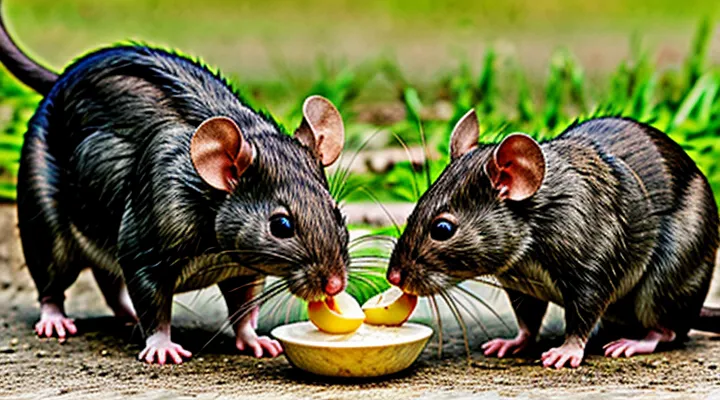
Understanding the Rat Diet
Natural Diet of Wild Rats
Wild rats thrive on a diet that reflects the opportunistic nature of their habitats. Their foraging behavior targets seeds, grains, nuts, fruits, and a variety of insects, providing both carbohydrates and protein. Seasonal fluctuations drive shifts in consumption; during harvest periods, rats exploit abundant cereal crops, while in leaner months they increase reliance on plant roots and invertebrates.
The typical natural menu includes:
- Grains such as wheat, barley, and corn
- Legume seeds and peas
- Nuts and acorns
- Fresh fruits and berries
- Insect larvae, beetles, and other arthropods
- Plant roots and tubers, primarily when soil exposure occurs
Raw potatoes contain solanine, a glycoalkaloid toxic to many mammals at sufficient concentrations. In the wild, rats encounter potato tubers only when they are damaged or exposed, and they tend to avoid large, unprocessed tubers. Their physiological tolerance to low solanine levels does not imply a regular dietary component; consumption is incidental and limited.
Therefore, while a rat might nibble on a small piece of uncooked potato under specific conditions, such food does not belong to the standard diet of free‑living rats and should not be considered a reliable nutritional source.
Domesticated Rat Dietary Needs
Domesticated rats require a balanced diet that supplies protein, fat, carbohydrates, vitamins, and minerals in proportions that support rapid growth, high activity levels, and efficient reproduction. Commercial rodent blocks or pellets formulated for pet rats provide a reliable base, delivering essential amino acids, calcium, phosphorus, and B‑complex vitamins. Fresh foods should complement the staple diet, offering variety and additional nutrients.
Key components of an appropriate diet include:
- Protein sources: cooked chicken, boiled eggs, low‑fat cottage cheese, or specialized rat treats; aim for 15‑20 % of total caloric intake.
- Healthy fats: small amounts of unsalted nuts, seeds, or a few drops of vegetable oil; limit to 5 % of calories to prevent obesity.
- Complex carbohydrates: whole grains, oats, brown rice, or sweet potatoes; provide energy and fiber for digestive health.
- Fresh vegetables: leafy greens, carrots, broccoli, and bell peppers; supply vitamins A, C, K, and antioxidants.
- Hydration: clean water must be available at all times; rats consume up to 10 ml per 100 g body weight daily.
When evaluating the safety of raw potatoes for pet rats, several factors are decisive. Raw tubers contain solanine, a glycoalkaloid toxin that can cause gastrointestinal irritation, neurological symptoms, and, in severe cases, death. Solanine concentration is highest in the skin and sprouts; cooking reduces the compound dramatically. Consequently, raw potatoes should be excluded from a rat’s diet, and any cooked potato offered must be plain, unseasoned, and limited to a small portion to avoid excess starch.
Overall, a diet centered on high‑quality pellets, supplemented with measured amounts of protein, fats, whole‑grain carbohydrates, and fresh vegetables, meets the nutritional demands of domesticated rats while eliminating the risks associated with raw tuber consumption.
The Dangers of Raw Potatoes for Rats
Solanine: A Toxic Compound
What is Solanine?
Solanine is a glycoalkaloid produced naturally by members of the nightshade family, including potatoes. It accumulates in green skin, sprouts, and damaged tissue, where concentrations can exceed 200 mg kg⁻¹. The compound interferes with acetylcholinesterase activity, leading to neurological disruption, gastrointestinal irritation, and, at high doses, respiratory failure.
Rats exposed to solanine exhibit symptoms such as tremors, salivation, reduced appetite, and lethargy. Toxic dose estimates for rodents range from 30 mg kg⁻¹ (sub‑lethal) to 100 mg kg⁻¹ (potentially fatal). Because solanine distribution is uneven, a single raw potato may contain a lethal amount if large green patches or sprouts are present.
Key considerations for feeding raw potatoes to rats:
- Inspect tubers for greening, sprouting, or bruising; discard any affected portions.
- Peel the potato to remove skin where solanine concentration is highest.
- Cook the potato; heat reduces solanine content by up to 30 % and denatures the compound’s biological activity.
- Limit portion size to avoid accidental overdose, even with properly prepared potatoes.
In summary, solanine is a potent toxin that renders raw, unprocessed potatoes hazardous for rats. Proper handling—removing green tissue, peeling, and cooking—mitigates risk, but the safest practice is to avoid raw potatoes altogether.
Symptoms of Solanine Poisoning in Rats
Rats that ingest raw potatoes risk exposure to solanine, a glycoalkaloid toxin concentrated in the tuber’s skin and sprouts. Solanine interferes with cell membranes and cholinergic transmission, producing a recognizable clinical picture.
Observable signs develop within a few hours of consumption and may progress rapidly:
- Lethargy or profound weakness
- Decreased appetite and refusal to eat
- Salivation and drooling
- Tremors or involuntary muscle contractions
- Ataxia, characterized by unsteady gait and loss of coordination
- Respiratory distress, including rapid or labored breathing
- Abdominal cramping, often accompanied by diarrhea
- Pale or bluish mucous membranes indicating circulatory compromise
In severe cases, convulsions, coma, and death can occur. Prompt veterinary intervention, including gastric decontamination and supportive care, improves survival odds. Monitoring for these symptoms is essential whenever a rat is suspected of having consumed uncooked tubers.
Starch Content and Digestive Issues
Raw potatoes contain approximately 15–20 % starch by dry weight. The starch granules remain intact in the uncooked tuber, making them resistant to enzymatic breakdown in the small intestine.
Rats secrete pancreatic amylase capable of hydrolyzing gelatinized starch, but they cannot efficiently digest raw granules. Undigested starch passes to the cecum, where bacterial fermentation produces gas and short‑chain fatty acids. This process often results in abdominal distension and altered stool consistency.
Typical digestive disturbances observed after feeding uncooked potatoes to rats include:
- Diarrhea caused by rapid osmotic influx from undigested carbohydrates.
- Bloating and flatulence due to bacterial gas production.
- Reduced nutrient absorption because fermentative bacteria compete for available energy sources.
- Potential overgrowth of pathogenic microbes in the hindgut.
Cooking transforms raw starch into a gelatinized form, increasing its susceptibility to amylase and reducing the likelihood of fermentation‑related upset. Small, cooked portions of potato can be offered safely, while raw tuber should be avoided to prevent the described gastrointestinal complications.
Other Harmful Components
Raw potatoes contain several compounds that can be toxic to rats when consumed uncooked. Solanine and other glycoalkaloids, concentrated in the skin and sprouts, interfere with cell membranes and may cause neurological symptoms, vomiting, and lethality at high doses. Lectins present in tuber tissue bind to intestinal epithelium, disrupting nutrient absorption and potentially triggering inflammatory responses.
Other hazardous substances include:
- Protease inhibitors that reduce protein digestion efficiency.
- Nitrate residues that convert to nitrites in the gut, leading to methemoglobinemia.
- Mycotoxins from fungal contamination, such as patulin, which impair liver function.
- Pesticide residues from agricultural treatment, capable of neurotoxicity and organ damage.
These components, individually or synergistically, increase the risk of adverse health effects in rats fed raw potatoes and should be considered when evaluating the safety of such a diet.
Are Cooked Potatoes Safe for Rats?
Benefits of Cooked Potatoes
Cooked potatoes deliver a balanced source of carbohydrates that rats digest efficiently. Heat treatment gelatinizes starch, allowing rapid enzymatic breakdown and reducing the workload on the small intestine. The process also lowers the concentration of solanine, a toxic glycoalkaloid present in raw tubers, making the food safe for regular consumption.
Vitamin C, potassium, and B‑group vitamins become more bioavailable after cooking. These nutrients support muscle function, nerve transmission, and metabolic pathways essential for growth and reproduction. The softened fiber contributes to regular gastrointestinal motility without causing obstruction.
Key advantages of feeding rats cooked potatoes:
- Enhanced energy supply from readily absorbable starch.
- Decreased solanine levels, eliminating the risk of neurotoxic effects.
- Improved absorption of vitamins C and B6, aiding immune response and protein metabolism.
- Increased potassium availability, supporting cardiac and muscular activity.
- Softened dietary fiber that promotes healthy gut transit.
Serving Cooked Potatoes Safely
Cooked potatoes must be prepared without additives that could harm small mammals. Wash the tuber thoroughly, peel if the skin is thick, and remove any green patches or sprouts, as these contain solanine, a toxic compound. Boil or steam the pieces until they are soft, avoiding the use of butter, oil, salt, or seasonings that are unnecessary for the animal’s diet.
After cooking, cool the potatoes to room temperature before offering them to the rats. Cut the cooled potatoes into bite‑size cubes, approximately one‑centimeter pieces, to prevent choking. Provide the portions on a clean, dry surface and remove any uneaten pieces within two hours to limit bacterial growth.
Safe handling practices include:
- Storing cooked potatoes in a sealed container in the refrigerator, not exceeding three days.
- Reheating only once, bringing the portion to a temperature above 70 °C before cooling again.
- Discarding any potatoes that develop an off‑odor, discoloration, or slime.
These steps ensure that the cooked tuber remains nutritionally beneficial and free from hazards when served to rats.
Safe Potato Alternatives for Rats
Recommended Vegetables
Rats thrive on a varied vegetable intake, which supplies fiber, vitamins, and minerals essential for health. Raw potatoes contain solanine, a toxin that can cause gastrointestinal distress and neurological symptoms; therefore, they should not be offered to rats, even in small amounts.
Safe vegetables for pet rats include:
- Carrots, sliced or grated, raw.
- Bell peppers, any color, chopped.
- Broccoli florets, raw or lightly steamed.
- Spinach, washed and chopped.
- Zucchini, sliced.
- Cucumber, peeled and diced.
- Kale, shredded.
- Green beans, cut into bite‑size pieces.
- Sweet potato, cooked and cooled (never raw).
- Peas, fresh or frozen, thawed.
When introducing a new vegetable, offer a small portion for 24‑48 hours and observe for changes in appetite or stool consistency. Rotate selections to prevent nutrient imbalances and ensure fresh produce is free from pesticides and mold. Regular inclusion of the listed vegetables supports digestive health and enriches the rat’s diet while avoiding the risks associated with raw tubers.
Fruits and Other Treats
Rats can safely enjoy a variety of fruits and supplemental treats, provided the items are fresh, washed, and offered in moderation.
Safe fruit options include apple slices (core removed), blueberries, strawberries, banana pieces, grapes (seedless), and melon chunks. These foods supply vitamins, antioxidants, and simple carbohydrates that support energy levels and coat health.
Treats that are not fruit but still appropriate for rats comprise cooked oatmeal, plain yogurt, small amounts of unsalted nuts, and commercially formulated rat treats that list natural ingredients without added sugars or preservatives.
Items to avoid are raw potatoes, which contain solanine, a glycoalkaloid toxin that can cause neurological distress and gastrointestinal irritation in rodents. Cooking reduces solanine levels, but even cooked potatoes should be given only sparingly due to high starch content.
Other hazardous foods include citrus peels, avocado flesh, chocolate, caffeine, and any processed foods containing artificial sweeteners or excessive salt.
Guidelines for feeding:
- Introduce new foods one at a time, observe for adverse reactions over 24‑48 hours.
- Limit fruit and treat portions to no more than 10 % of the daily diet; the remainder should consist of a balanced pellet or mash formulated for rats.
- Store fresh items in the refrigerator and discard any that become moldy or overly soft.
Following these practices ensures that supplemental foods enhance nutrition without compromising rat health.
What to Do If Your Rat Eats Raw Potato
Immediate Actions
Rats that have ingested uncooked potatoes may be exposed to solanine, a glycoalkaloid that can cause neurological and gastrointestinal distress. Prompt response reduces the risk of severe poisoning.
If a rat is suspected of eating raw potato, take the following steps immediately:
- Remove all potato material from the cage and surrounding area to prevent further consumption.
- Observe the animal for signs such as trembling, excessive salivation, vomiting, or loss of coordination.
- Offer fresh water and a small portion of easily digestible food (e.g., boiled rice or plain oatmeal) to dilute the toxin and support hydration.
- Contact a veterinarian or an emergency animal poison control center without delay; provide details about the amount of potato consumed, the rat’s weight, and observed symptoms.
- Follow professional instructions precisely, which may include inducing vomiting, administering activated charcoal, or providing supportive care such as fluid therapy.
Do not wait for symptoms to resolve on their own. Early intervention is the most effective measure to prevent irreversible damage.
When to Consult a Veterinarian
Raw potatoes contain solanine, a toxin that can affect a rat’s gastrointestinal system and nervous tissue. If a rat has ingested raw tuber, observe for specific symptoms that indicate medical attention is required.
- Vomiting or regurgitation shortly after consumption.
- Diarrhea that is watery, contains blood, or persists for more than 24 hours.
- Lethargy, loss of coordination, or tremors.
- Excessive salivation or drooling.
- Loss of appetite accompanied by rapid weight loss.
- Signs of pain when handling the abdomen or facial muscles.
Immediate veterinary consultation is warranted if any of these signs appear, especially when they develop within a few hours of exposure. Even in the absence of overt symptoms, a professional assessment should be sought if the rat consumed a substantial amount of raw potato or if the owner is uncertain about the quantity ingested. Early intervention can prevent progression to severe toxicity and improve the likelihood of a full recovery.