
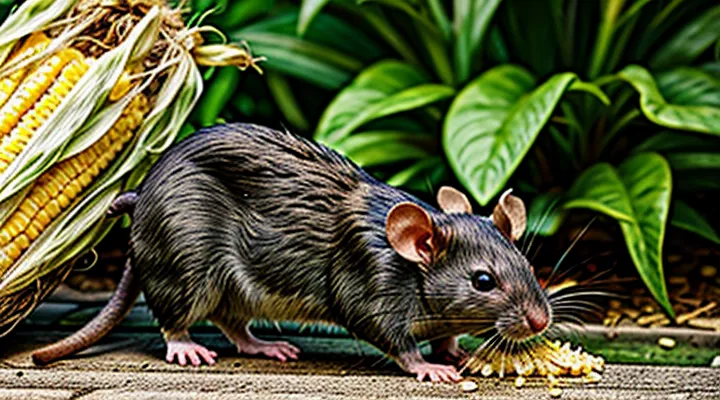
Nutritional Value of Corn for Rats
Vitamins and Minerals in Corn
Corn supplies a range of micronutrients that can complement a rat’s diet when offered in moderation. The grain contains beta‑carotene, a provitamin A compound that converts to retinol in the body, supporting vision and immune function. B‑vitamin content includes thiamine (B1), riboflavin (B2), niacin (B3), and folate (B9), each participating in energy metabolism and red blood cell formation. Vitamin E is present as tocopherols, offering antioxidant protection. While corn lacks significant vitamin C, the existing vitamins collectively contribute to metabolic health.
Key minerals found in corn are:
- Phosphorus – essential for bone development and cellular energy transfer.
- Magnesium – involved in nerve transmission and enzymatic reactions.
- Potassium – regulates fluid balance and muscle activity.
- Zinc – supports immune response and protein synthesis.
- Iron – required for hemoglobin synthesis and oxygen transport.
- Manganese and copper – act as cofactors in antioxidant enzymes.
The nutrient profile is balanced toward carbohydrates; protein and essential fatty acids are relatively low. Consequently, raw corn should not replace protein‑rich foods such as grains, legumes, or specialized rodent pellets. Overreliance on corn can lead to deficiencies in amino acids, essential fatty acids, and certain micronutrients not abundant in the grain. Including small portions of raw corn can provide the listed vitamins and minerals without exceeding caloric limits, but it must be part of a varied diet to meet the full nutritional requirements of rats.
Fiber Content in Corn
Corn contains a substantial amount of dietary fiber, primarily in the form of insoluble cellulose and hemicellulose. A typical ear of raw yellow corn provides roughly 2–3 grams of fiber per 100 grams of edible kernels, representing about 7–10 % of its total weight. The fiber is distributed throughout the pericarp, endosperm, and germ, with the outer layers contributing the majority of the insoluble fraction.
Rats digest fiber differently from omnivorous mammals. Their gastrointestinal tract processes insoluble fiber mainly as a bulking agent, accelerating transit time and promoting regular bowel movements. While rats possess a modest capacity to ferment some soluble fibers via cecal microflora, the insoluble component of corn passes largely unchanged, offering limited caloric value but supporting gut motility.
Key points for evaluating raw corn as a fiber source for rats:
- Fiber quantity: 2–3 g per 100 g raw corn supplies a moderate portion of the daily recommended fiber intake for a typical laboratory rat (approximately 5 g per kilogram of body weight).
- Digestibility: Insoluble fiber from corn is poorly digestible; it contributes to stool bulk without providing significant energy.
- Health implications: Adequate fiber helps prevent constipation and may reduce the risk of gastrointestinal obstruction, but excessive intake can lead to loose stools or reduced nutrient absorption.
- Feeding practice: Introducing raw corn should be done gradually, monitoring stool consistency and overall health to avoid digestive upset.
Overall, the fiber content in raw corn is sufficient to meet a rat’s basic dietary fiber needs when offered in controlled amounts, while simultaneously providing the mechanical benefits of bulk without overwhelming the animal’s digestive capacity.
Calorie Density of Corn
Corn provides approximately 365 kilocalories per 100 grams of raw kernels, translating to about 3.65 kcal g⁻¹. The energy originates mainly from carbohydrates (≈ 74 % of total weight), with modest contributions from protein (≈ 9 %) and fat (≈ 4 %). Moisture accounts for roughly 13 % of raw kernels, reducing the dry‑matter caloric concentration to around 4.2 kcal g⁻¹.
Key nutritional figures for raw corn:
- Energy: 365 kcal / 100 g (dry matter 4.2 kcal g⁻¹)
- Carbohydrates: 74 g / 100 g (≈ 300 kcal)
- Protein: 9 g / 100 g (≈ 36 kcal)
- Fat: 4 g / 100 g (≈ 36 kcal)
- Fiber: 7 g / 100 g (non‑caloric)
Rats require a balanced diet delivering roughly 13–15 kcal day⁻¹ for a 30‑gram adult. A single 10‑gram portion of raw corn supplies about 36 kcal, exceeding daily energy needs if fed unrestrictedly. Excess caloric intake can lead to rapid weight gain and metabolic disturbances in rodents. Consequently, raw corn should be offered only as an occasional supplement, with portion size limited to a few grams to prevent overconsumption of calories.
Potential Risks of Feeding Raw Corn to Rats
Digestive Issues and Blockages
Raw corn contains dense starch and coarse fiber that rats cannot break down efficiently. Their short digestive tracts lack the enzymatic capacity to process large amounts of uncooked grain, leading to prolonged gastric retention.
When a rat ingests whole kernels, the following blockage mechanisms may occur:
- Large pieces bypass the incisors, remain intact in the esophagus or stomach.
- Fiber swells after exposure to moisture, expanding within the intestine.
- Undigested starch accumulates, forming a compact mass that obstructs peristalsis.
Typical signs of digestive distress include:
- Reduced food intake and weight loss.
- Abdominal distension or palpable hardness.
- Decreased fecal output or presence of dry, hard pellets.
- Lethargy, hunching, or labored breathing.
Preventive measures focus on preparation and portion control:
- Cook corn briefly to soften kernels and gelatinize starch.
- Remove hulls and cut kernels into bite‑size pieces.
- Limit serving size to no more than 5 % of the total daily diet.
- Offer alternative vegetables with higher moisture content and lower fiber density.
If blockage symptoms appear, veterinary intervention is required promptly to avoid intestinal rupture or fatal complications.
Presence of Anti-Nutrients in Raw Corn
Raw corn contains several anti‑nutrients that can impair rat nutrition when consumed uncooked.
- Phytic acid binds calcium, iron, zinc and magnesium, lowering their bioavailability.
- Lectins resist digestion, may damage intestinal epithelium and trigger inflammation.
- Protease inhibitors interfere with pancreatic enzymes, reducing protein breakdown.
- Cyanogenic glycosides (present in minor amounts) can release cyanide under acidic conditions, posing a toxicity risk.
These compounds diminish mineral absorption, provoke gastrointestinal irritation and may lead to nutrient deficiencies if raw corn forms a significant portion of a rat’s diet.
Thermal processing, soaking or fermentation deactivates most anti‑nutrients, making corn safer for rat consumption.
Pesticide Residues and Contaminants
Raw corn offered to rats may contain pesticide residues and other contaminants that pose health risks. Residues stem from insecticides, herbicides, and fungicides applied during cultivation. Common compounds include organophosphates, pyrethroids, glyphosate, and chlorpyrifos. These chemicals can persist on kernels despite washing, especially if the corn is not peeled or cooked.
Exposure to pesticide residues can affect rats in several ways:
- Neurotoxicity: organophosphates inhibit acetylcholinesterase, leading to tremors, seizures, or fatal respiratory failure.
- Hepatotoxicity: chronic glyphosate intake may impair liver function and alter enzyme activity.
- Immunosuppression: certain pyrethroids reduce white‑blood‑cell counts, increasing susceptibility to infection.
- Reproductive effects: high‑dose chlorpyrifos has been linked to reduced fertility and embryonic abnormalities in rodent studies.
Contaminants beyond pesticides include mycotoxins such as aflatoxin and fumonisin, produced by molds that grow on improperly stored corn. Aflatoxin B1 is a potent carcinogen and can cause liver damage even at low concentrations. Fumonisin interferes with sphingolipid metabolism, leading to pulmonary edema and renal impairment.
To reduce risk when feeding raw corn to rats, follow these practices:
- Source corn from certified organic producers or suppliers that provide pesticide‑free guarantees.
- Inspect kernels for visible mold, discoloration, or foul odor; discard any affected portions.
- Rinse corn under running water and soak for 10–15 minutes; consider using a mild food‑grade sanitizer.
- Conduct periodic testing of bulk corn batches for pesticide residues and mycotoxin levels, adhering to USDA or EU maximum residue limits.
- Limit raw corn to a small proportion of the diet, supplementing with cooked or processed grains that have undergone heat treatment to degrade most residues.
Monitoring rats for signs of toxicity—such as altered behavior, reduced appetite, or weight loss—allows early detection of adverse effects. Veterinary consultation and laboratory analysis of blood parameters can confirm exposure and guide corrective action.
Preparing Corn for Rat Consumption
Cooking Methods for Corn
Corn can be prepared in several ways that preserve nutrients while reducing the risk of digestive issues for small mammals. Boiling, steaming, and microwaving are the most practical methods. Each technique softens the kernels, making them easier to chew and digest, and eliminates potential contaminants that may be present on raw cob.
- Boiling: Submerge kernels in water, bring to a rolling boil, and cook for 3–5 minutes. Drain thoroughly; avoid adding salt or butter, which can be harmful to rodents.
- Steaming: Place kernels in a steamer basket over simmering water, cover, and steam for 4–6 minutes. This method retains more vitamins than boiling because the kernels do not contact water directly.
- Microwaving: Spread kernels on a microwave‑safe plate, cover with a damp paper towel, and heat on high for 1–2 minutes, stirring halfway. This quick method preserves texture and nutrients when timing is precise.
Roasting or grilling corn introduces charring and high temperatures that can create acrylamide and other compounds unsuitable for rats. Frying in oil adds unnecessary fat and increases the likelihood of gastrointestinal upset. For safety, always cool cooked corn to room temperature before offering it to rats, and serve only a small portion to assess tolerance.
Recommended Portions and Frequency
Raw corn can be offered to pet rats as an occasional treat, but portion size and frequency must be controlled to avoid nutritional imbalance and digestive problems.
- Adult rats: 1–2 kernels per day, or roughly ½ teaspoon of whole kernels. Juvenile rats: no more than ½–1 kernel daily.
- Frequency: 2–3 times per week maximum. Daily feeding is discouraged because corn lacks essential protein and fiber needed for a balanced diet.
- Monitoring: Observe stool consistency after each feeding. Soft or watery feces indicate excess corn; reduce or stop the treat immediately.
- Variety: Rotate corn with other vegetables and fruits to provide a broader nutrient profile. Do not replace staple foods such as commercial rat pellets.
Excessive corn may lead to weight gain, vitamin deficiencies, and gastrointestinal upset. Provide fresh water at all times, and ensure that corn is free of mold or pesticides before offering it to rats.
Avoiding Added Ingredients
Rats may safely consume raw corn when the kernels are plain and free of any additives. The grain’s natural sugars, fiber, and micronutrients provide a modest source of energy and vitamins for laboratory and pet rodents alike.
To prevent health complications, ensure the corn meets the following criteria:
- No butter, oil, or seasoning applied to the kernels.
- No salt, sugar, or artificial sweeteners added during processing.
- No preservatives, such as sulfites or citric acid, that could irritate the digestive tract.
- No flavor enhancers, including monosodium glutamate or spice blends.
When selecting corn, choose fresh ears or frozen kernels that have been thawed without washing in solutions containing detergents or disinfectants. Rinse the kernels briefly in cool water if the surface appears dusty, then pat dry before offering them to the rats.
Introduce raw corn gradually, starting with a few kernels per animal, and monitor for signs of gastrointestinal upset. If stools remain normal and the rats display no aversion, the plain corn can become a regular, occasional supplement to their balanced diet.
Alternatives to Raw Corn for Rat Diets
Safe Vegetables and Fruits
Rats require a varied diet that includes fresh vegetables and fruits to provide vitamins, minerals, and fiber. When evaluating raw corn, consider the broader list of produce that is safe for rat consumption.
Safe vegetables include:
- Carrots, raw or lightly steamed
- Broccoli florets, chopped
- Spinach, washed and offered in small amounts
- Bell peppers, any color, seeded
- Zucchini, sliced
- Kale, de‑stalked
- Cucumber, peeled if waxed
Safe fruits include:
- Apple, core removed
- Blueberries, whole
- Strawberries, hulled
- Pear, seeds removed
- Banana, sliced
- Kiwi, peeled
- Melon, rind discarded
All items must be washed thoroughly to eliminate pesticide residues and soil contaminants. Portion sizes should be limited to no more than 10 % of the total daily intake to prevent digestive upset. Introduce new produce gradually, monitoring for signs of diarrhea or loss of appetite.
Raw corn kernels are technically edible for rats but contain high starch levels that can cause rapid blood‑sugar spikes. Offering corn occasionally, alongside the listed vegetables and fruits, balances nutritional intake without overloading the digestive system.
Commercial Rat Foods
Commercial rat foods are formulated to meet the nutritional requirements of pet and laboratory rodents. They typically contain a balanced mix of protein, fat, fiber, vitamins, and minerals, ensuring consistent growth, reproduction, and immune function. The protein source is often soy or fish meal, while carbohydrates come from grains such as wheat, barley, or corn meal. Fiber is supplied by cellulose or oat hulls, and micronutrients are added in precise amounts.
When evaluating the suitability of raw corn for rats, it is helpful to compare its nutritional profile with that of commercial diets. Raw corn offers a high carbohydrate load, low protein, and limited essential amino acids. It lacks adequate levels of vitamin A, B-complex vitamins, and trace minerals required for optimal rodent health. Commercial feeds compensate for these deficiencies by incorporating fortified premixes, which raw corn cannot provide on its own.
Key considerations for integrating raw corn into a rat’s diet include:
- Nutrient balance – supplement raw corn with protein‑rich foods (e.g., boiled eggs, cooked beans) to avoid amino‑acid deficiencies.
- Digestibility – raw corn kernels are hard and may cause gastrointestinal blockage; grinding or cooking improves safety.
- Portion control – limit corn to a small fraction of total intake to prevent excess calories and weight gain.
Most manufacturers label their products as “complete and balanced,” meaning they meet or exceed the dietary standards established by rodent nutrition guidelines. Consequently, a well‑formulated commercial rat food can serve as the primary diet, with raw corn offered occasionally as a treat, provided the above precautions are observed.
Treats and Supplements
Raw corn is occasionally offered to pet rats as a treat or supplement, but its use requires careful consideration. Corn kernels contain carbohydrates, fiber, and small amounts of protein, vitamins (particularly B‑complex) and minerals such as magnesium and phosphorus. These nutrients can complement a standard rodent diet when presented in limited quantities.
Key points for safe inclusion:
- Portion control – Offer no more than a single teaspoon of kernels per week for an adult rat; smaller rats require proportionally less.
- Preparation – Rinse kernels thoroughly to remove pesticides or dust; avoid adding butter, salt, or seasoning.
- Digestibility – Raw kernels are relatively hard; some rats may experience gastrointestinal upset if they ingest large pieces. Consider soaking kernels in warm water for 10–15 minutes to soften them before feeding.
- Allergy and toxicity – Corn is not a common allergen for rats, but individual sensitivities can occur. Observe the animal for signs of diarrhea, lethargy, or loss of appetite after the first exposure.
- Balance with core diet – Treats should not exceed 5 % of total caloric intake. The primary diet must remain a high‑quality laboratory‑grade pellet formulated for rats.
Alternative treats that provide comparable nutrients include cooked sweet potato, small pieces of apple (seed‑free), or commercially formulated rodent supplements that contain balanced vitamins and minerals. These options are generally easier to digest and present a lower risk of choking.
In summary, raw corn may be incorporated as an occasional supplement, provided it is introduced gradually, served in modest amounts, and monitored for adverse reactions. Consistent reliance on corn as a primary food source is unsuitable; the core diet must remain nutritionally complete.
General Dietary Guidelines for Pet Rats
Balanced Nutrition for Health
Rats can include raw corn in a balanced diet, but the ingredient must be evaluated for nutritional contribution and potential drawbacks. Corn supplies carbohydrates, dietary fiber, and modest amounts of protein, vitamin B complex, and essential minerals such as magnesium and phosphorus. These components support energy metabolism, gut health, and bone maintenance when offered in appropriate proportions.
Excessive corn can displace higher‑quality protein sources and lead to an imbalanced amino‑acid profile. Rats require a diet containing roughly 18‑20 % protein, while corn alone provides only about 8 % protein and a high starch load. Overreliance on corn may result in weight gain, reduced growth rates, and deficiencies in taurine, vitamin C, and certain trace elements.
Guidelines for incorporating raw corn safely:
- Limit raw corn to no more than 5‑10 % of total daily intake by weight.
- Combine corn with a complete rodent pellet or high‑protein mash to meet protein and micronutrient requirements.
- Offer fresh, clean kernels; discard any that are moldy or sprouted, as mycotoxins can be harmful.
- Monitor the rat’s body condition and fecal consistency; adjust portions if soft stools or excess weight appear.
When used sparingly and paired with a nutritionally complete base diet, raw corn contributes carbohydrate energy without compromising overall health. Regular assessment of diet composition ensures that corn remains a supplemental element rather than a primary food source.
Foods to Avoid Entirely
Rats have a digestive system that cannot process many common human foods. Consuming these items can cause acute toxicity, chronic health problems, or fatal outcomes. Avoid offering any of the following substances to pet rats:
- Chocolate, cocoa powder, and products containing theobromine
- Caffeine‑containing drinks, coffee grounds, and tea leaves
- Alcoholic beverages and fermented foods
- Raw or green potatoes, especially the skins and sprouts
- Onions, garlic, chives, and other Allium species
- Citrus peels, high‑acid fruits, and excessive fruit juices
- Dairy products, particularly cheese and milk, which many rats are lactose intolerant to
- Sugary snacks, candy, and processed pastries
- Salty or heavily seasoned foods, including chips and pretzels
- Raw corn kernels in large quantities; while not toxic, they are difficult to digest and may cause gastrointestinal blockage
Providing a diet limited to high‑quality rodent pellets, fresh vegetables, and small portions of safe fruits ensures optimal health and prevents avoidable medical emergencies.
Importance of Hydration
Rats that are offered uncooked corn must have unrestricted access to fresh water. A typical adult laboratory rat consumes 30‑50 ml of water per 100 g of body weight each day; pet rats show similar requirements. Water intake supports digestion, nutrient absorption, and temperature regulation.
Raw corn contains approximately 10‑12 % moisture. When it replaces a portion of a rat’s regular diet, the reduced fluid contribution can lower overall hydration unless supplemental water is provided. Dehydration accelerates kidney strain, impairs gastrointestinal motility, and increases susceptibility to heat stress.
To maintain proper hydration while feeding raw corn, follow these practices:
- Keep a water bottle or bowl clean and filled at all times.
- Check daily that the rat drinks at least the expected volume based on its weight.
- If water consumption drops, increase the frequency of water bottle checks and consider adding a small amount of water‑rich vegetable (e.g., cucumber) to the diet.
- Monitor urine output; concentrated urine indicates inadequate fluid intake.
Ensuring adequate water supply prevents the health risks associated with a low‑moisture diet and allows rats to digest raw corn safely.