
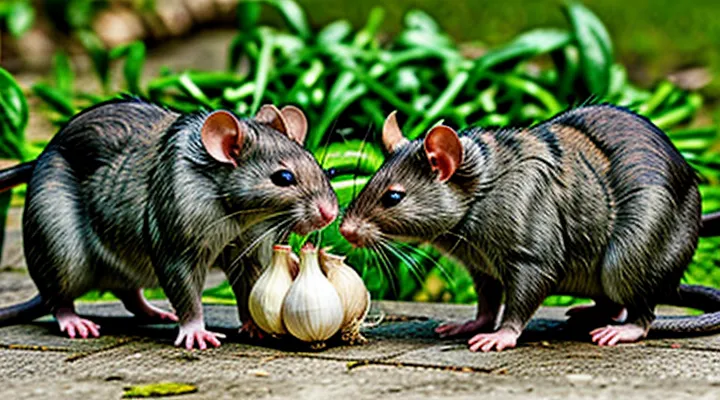
Understanding Rat Diet and Health
Essential Nutritional Needs of Rats
Rats require a balanced diet that supplies protein, carbohydrates, fats, vitamins, minerals, and water in specific proportions.
- Protein: 14‑20 % of daily calories; essential amino acids support growth, tissue repair, and immune function. Sources include high‑quality lab‑grown rodent pellets, cooked eggs, lean meat, and soy products.
- Carbohydrates: 45‑60 % of calories; provide energy for activity and thermoregulation. Acceptable carbohydrates are whole grains, oats, barley, and modest amounts of fruit.
- Fats: 5‑10 % of calories; supply essential fatty acids and aid absorption of fat‑soluble vitamins. Include small quantities of vegetable oil, nuts, or seeds.
- Vitamins: A, D, E, K and the B‑complex must be present. Commercial rodent mixes are formulated to meet these needs; occasional fresh vegetables add supplemental vitamins C and K.
- Minerals: Calcium, phosphorus, magnesium, potassium, sodium, iron, zinc, and selenium are required for skeletal health, nerve transmission, and enzymatic activity. Balanced mineral content is built into standard pellets; excess salt should be avoided.
- Water: Unlimited access to clean, fresh water is mandatory for metabolism and waste elimination.
Garlic contains allicin, sulfur compounds, and trace nutrients, but it does not provide any of the essential nutrients listed above in quantities sufficient for a rat’s diet. Moreover, allicin can irritate the gastrointestinal tract and may cause hemolytic anemia in susceptible rodents. Small, occasional pieces may be tolerated by healthy adults, yet they do not contribute to the nutritional profile required for optimal growth or reproduction.
Therefore, while garlic is not toxic in minute amounts, it does not satisfy any of the core dietary requirements of rats and can present health risks if over‑offered. The most reliable method to meet a rat’s essential nutritional needs remains a high‑quality commercial pellet supplemented with appropriate fresh foods, not garlic.
Harmful Foods for Rats
Rats are omnivorous rodents that can tolerate a wide range of foods, yet several items pose serious health risks. Garlic, while occasionally offered in small amounts, contains compounds that can irritate the gastrointestinal tract and potentially cause anemia if consumed regularly. The broader category of harmful foods includes substances that are toxic, indigestible, or nutritionally deficient for rats.
- Allium family (onions, leeks, chives): High sulfur content damages red blood cells, leading to hemolytic anemia.
- Citrus peels and seeds: Contain essential oils and cyanogenic compounds that can cause digestive upset and respiratory distress.
- Chocolate and caffeine: Methylxanthines stimulate the heart and nervous system, resulting in tremors, seizures, or fatal arrhythmias.
- Alcohol and fermented products: Depress central nervous system function, produce hypothermia, and increase mortality risk.
- Raw beans and legumes: Contain lectins and phytohemagglutinins that impair nutrient absorption and cause intestinal damage.
- High‑fat or sugary snacks: Promote obesity, hepatic lipidosis, and insulin resistance.
- Artificial sweeteners (xylitol, sorbitol): Disrupt normal gut flora, leading to diarrhea and dehydration.
- Processed meats with nitrates or salts: Elevate blood pressure and can induce kidney stress.
Avoiding these items reduces the likelihood of acute poisoning, chronic disease, and premature death. Provide a balanced diet of commercial rodent pellets, fresh vegetables, and limited fruits to maintain optimal health. Regular veterinary consultation ensures early detection of dietary issues and supports long‑term wellbeing.
Garlic and Its Components
What is Garlic?
Garlic (Allium sativum) is a bulbous plant belonging to the Amaryllidaceae family. The edible portion consists of cloves encased in papery skins, each clove formed from layered scales. Cultivation dates back thousands of years, and the crop is harvested for culinary, medicinal, and ornamental purposes.
Chemically, garlic contains sulfur‑derived compounds such as allicin, diallyl disulfide, and ajoene. These constituents arise when the tissue is damaged, triggering enzymatic conversion of alliin to allicin. The bulb also supplies carbohydrates, modest protein, vitamins (C, B6), and minerals (manganese, selenium).
Nutritional profile per 100 g raw garlic:
- Energy: 149 kcal
- Carbohydrates: 33 g
- Protein: 6.4 g
- Fat: 0.5 g
- Fiber: 2.1 g
- Vitamin C: 31 mg
- Vitamin B6: 1.2 mg
- Manganese: 1.7 mg
- Selenium: 14 µg
Biological effects include antimicrobial activity, cardiovascular modulation, and antioxidant properties. Toxicity thresholds are low for many mammals; ingestion of large amounts can cause gastrointestinal irritation, hemolysis, or hepatic damage. Rodents display heightened sensitivity to sulfur compounds, making excessive garlic consumption hazardous.
When assessing the suitability of garlic as part of a rat’s diet, consider the plant’s potent bioactive substances and the species‑specific tolerance limits. Small, infrequent portions may be tolerated, but regular or high‑dose feeding risks adverse health outcomes.
Active Compounds in Garlic
Thiosulfates
Thiosulfates are sulfur‑containing anions derived from thiosulfuric acid. In garlic, they appear primarily as allicin degradation products, contributing to the characteristic odor and flavor. Their chemical structure includes a central sulfur atom bonded to two oxygen atoms and one sulfide group, conferring both reducing and oxidizing properties.
When rats ingest garlic, thiosulfates enter the gastrointestinal tract and are absorbed into the bloodstream. Studies on rodent metabolism indicate that thiosulfates are metabolized to sulfate and sulfite, compounds that the liver can detoxify efficiently at low to moderate doses. Excessive thiosulfate intake may overwhelm hepatic sulfite oxidase, leading to accumulation of sulfite and potential hemolytic effects.
Key points regarding thiosulfates and rat consumption of garlic:
- Low‑dose exposure (equivalent to a few grams of fresh garlic per kilogram of body weight) results in rapid conversion to harmless metabolites.
- High‑dose exposure (tens of grams per kilogram) can cause:
- Chronic feeding studies show adaptation of enzymatic pathways, reducing toxicity over time, provided the diet does not exceed safe thresholds.
Regulatory guidelines for rodent diets list a maximum of 0.5 % garlic-derived thiosulfates to avoid adverse effects. Laboratory protocols often limit garlic supplementation to 0.1–0.2 % of total feed, ensuring safety while allowing investigation of potential health benefits.
In summary, thiosulfates present in garlic are metabolizable by rats at modest intake levels. Toxicity emerges only with supraphysiological doses that exceed established dietary limits.
Allicin
Allicin is the principal bioactive compound formed when garlic tissue is damaged. The molecule originates from the precursor alliin through the action of the enzyme alliinase. Its chemical structure includes a thiosulfinate group, which confers strong antimicrobial and antioxidant activity.
In rodents, allicin exerts several physiological effects:
- Inhibition of bacterial growth in the gastrointestinal tract.
- Modulation of hepatic enzymes involved in xenobiotic metabolism.
- Stimulation of gastric secretions, potentially increasing acidity.
- Induction of oxidative stress at high concentrations, leading to cellular damage.
Toxicological studies show that doses above 10 mg kg⁻¹ body weight can cause lethality in rats, primarily through respiratory distress and hepatic failure. Sub‑lethal exposure (1–5 mg kg⁻¹) may produce mild gastrointestinal irritation without lasting harm. Chronic intake of low‑level allicin does not appear to impair growth or reproduction, provided dietary balance is maintained.
When evaluating the suitability of garlic for laboratory rats, consider the allicin content. Fresh garlic cloves contain approximately 3–5 mg of allicin per gram of tissue. Feeding rats whole cloves or crushed garlic introduces variable allicin doses, making precise control difficult. Processed garlic products with standardized allicin concentrations allow more accurate dosing but still require adherence to the established safety thresholds.
In summary, allicin determines the risk profile of garlic for rats. Controlled, low‑dose exposure is tolerated; excessive allicin leads to toxicity. Any dietary inclusion of garlic should be calibrated to remain below the identified lethal threshold.
The Impact of Garlic on Rats
Toxicity of Thiosulfates to Animals
Garlic contains thiosulfates, primarily allicin‑derived compounds, that interfere with hemoglobin’s ability to bind oxygen. In mammals, these substances oxidize hemoglobin to methemoglobin, leading to reduced oxygen transport and, at sufficient concentrations, respiratory distress or death.
Rats are particularly sensitive to thiosulfates because their smaller body mass results in higher systemic concentrations after ingestion. Experimental data indicate that a single oral dose of 0.5 g kg⁻¹ of fresh garlic (approximately 5 mg kg⁻¹ of thiosulfates) can produce measurable methemoglobinemia, while doses above 1 g kg⁻¹ frequently cause lethal outcomes within 24 hours. Chronic exposure to sub‑lethal amounts may result in anemia, weight loss, and impaired growth.
Key toxicological parameters for rodents:
- LD₅₀ (oral, rats): 1.5–2.0 g kg⁻¹ of fresh garlic, corresponding to 15–20 mg kg⁻¹ of thiosulfates.
- Methemoglobin threshold: 10 % of total hemoglobin produces observable clinical signs; 30 % is typically fatal.
- Onset of symptoms: 30 minutes to 2 hours post‑ingestion, including cyanosis, lethargy, and rapid breathing.
Veterinary practitioners advise limiting garlic exposure in rodent diets to trace amounts below 0.1 % of feed weight, ensuring thiosulfate intake remains well under the methemoglobin‑inducing threshold. Monitoring blood methemoglobin levels is essential when evaluating suspected garlic toxicity in laboratory or pet rats.
Symptoms of Garlic Poisoning in Rodents
Gastrointestinal Distress
Garlic contains compounds such as allicin and thiosulphates that can irritate the rat gastrointestinal tract. When ingested, these substances may disrupt the normal balance of gut flora and damage the mucosal lining, leading to acute digestive problems.
Symptoms of garlic‑induced gastrointestinal distress in rats include:
- Vomiting or retching
- Diarrhea, often with mucus or blood
- Abdominal cramping and swelling
- Reduced appetite and weight loss
- Lethargy due to dehydration
The severity of these effects depends on the amount of garlic consumed and the individual’s tolerance. Small, accidental exposures typically cause mild irritation that resolves within 24 hours, whereas larger doses can produce prolonged inflammation, secondary infections, and, in extreme cases, fatal outcomes.
Preventive measures involve excluding garlic from laboratory feeds and pet diets, monitoring food sources for accidental contamination, and providing immediate veterinary care if signs of digestive upset appear. Early intervention with fluid therapy and gastrointestinal protectants reduces the risk of lasting damage.
Anemia
Rats that ingest garlic may experience changes in blood parameters relevant to anemia. Garlic contains organosulfur compounds that can interfere with iron metabolism, potentially reducing hemoglobin synthesis. In laboratory studies, rodents fed high‑dose garlic showed lower serum ferritin and decreased red‑cell count, indicating a risk of iron‑deficiency anemia.
Key mechanisms linking garlic consumption to anemia in rats:
- Inhibition of intestinal iron absorption through chelation of ferrous ions.
- Induction of oxidative stress that accelerates red‑cell membrane damage.
- Modulation of hepcidin expression, leading to reduced iron release from hepatic stores.
When evaluating whether garlic is safe for rat diets, consider the following guidelines:
- Limit garlic to trace amounts (≤0.5 % of total feed weight) to avoid measurable impact on iron status.
- Monitor complete blood counts and serum iron levels regularly in any study involving garlic supplementation.
- Provide supplemental iron sources, such as ferrous sulfate, if dietary garlic exceeds the low‑dose threshold.
In summary, while garlic offers antimicrobial and cardiovascular benefits, excessive intake can precipitate anemia in rats by impairing iron homeostasis. Controlled dosing and routine hematological assessment are essential to mitigate this risk.
Lethargy
Garlic contains organosulfur compounds, such as allicin, that can interfere with a rat’s metabolic processes. When a rodent ingests a noticeable amount of garlic, the toxins may depress the central nervous system, leading to reduced activity levels.
Lethargy appears as one of the earliest observable reactions. Characteristics include:
- Slow or absent movement in the cage
- Decreased response to stimuli (e.g., light, sound)
- Prolonged periods of resting in a single position
These signs often accompany additional symptoms such as loss of appetite, digestive upset, and pale mucous membranes. The combination suggests that the animal’s energy production is compromised, likely due to hemolytic effects of garlic’s compounds on red blood cells.
If lethargy persists for more than a few hours after exposure, veterinary assessment is recommended. Treatment typically involves supportive care: hydration, removal of the offending food source, and monitoring of blood parameters to detect anemia or hemolysis.
Preventive measures include storing garlic out of reach and avoiding its inclusion in standard rodent diets. Regular observation of behavior can help identify subtle declines in activity before severe toxicity develops.
Scientific and Anecdotal Evidence
Studies on Garlic Toxicity in Animals
Research on garlic (Allium sativum) toxicity across mammalian species provides a framework for evaluating its safety in rodents. Acute toxicity studies report a median lethal dose (LD₅₀) of approximately 200 mg kg⁻¹ in rats when administered orally, indicating a relatively narrow margin between dietary exposure and potentially lethal levels. Sub‑lethal doses (10–50 mg kg⁻¹) produce reversible gastrointestinal irritation, hemolysis, and mild alterations in liver enzyme activity. Chronic exposure trials, extending up to 90 days, reveal dose‑dependent reductions in body weight gain and minor histopathological changes in renal tubules at concentrations exceeding 5 mg kg⁻¹ day⁻¹.
Key observations from controlled experiments include:
- Hemolytic effect: Allicin, the principal bioactive compound, disrupts erythrocyte membranes, leading to hemoglobin release at concentrations above 0.5 mg ml⁻¹ in vitro; in vivo, similar effects appear at systemic doses of 30 mg kg⁻¹.
- Gastrointestinal response: High‑dose gavage induces vomiting, diarrhea, and mucosal erosion within 24 hours; lower doses cause transient soft stools without ulceration.
- Metabolic impact: Repeated administration of 2–5 mg kg⁻¹ results in modest elevations of serum alanine aminotransferase and aspartate aminotransferase, suggesting hepatic stress that resolves after a washout period.
- Behavioral changes: No consistent alterations in locomotor activity or anxiety‑related metrics have been documented at non‑toxic doses.
Comparative data from other species—such as dogs (LD₅₀ ≈ 300 mg kg⁻¹) and rabbits (LD₅₀ ≈ 150 mg kg⁻¹)—support the conclusion that rodents exhibit a similar sensitivity profile to garlic constituents. The cumulative evidence indicates that modest inclusion of garlic in rat diets, below 1 mg kg⁻¹ day⁻¹, is unlikely to produce adverse health effects, whereas higher concentrations approach the threshold for acute toxicity.
Veterinarian Recommendations
Veterinarians advise caution when considering garlic as part of a rat’s diet. Garlic contains compounds that can cause oxidative damage to red blood cells in small mammals, potentially leading to hemolytic anemia. Symptoms of toxicity may include lethargy, pale mucous membranes, rapid breathing, and dark urine. Because rats are particularly sensitive, even small amounts can pose health risks.
Key recommendations from veterinary professionals:
- Do not feed raw or cooked garlic to pet rats.
- Avoid processed foods that list garlic or garlic powder among ingredients.
- If a rat accidentally ingests garlic, monitor for signs of distress and contact a veterinarian promptly.
- Substitute safe vegetables such as carrots, broccoli, or leafy greens for flavor and nutrition.
- Consult a veterinarian before introducing any novel foods, especially those known to contain strong bioactive compounds.
Following these guidelines helps maintain the health and longevity of rats under human care.
Common Misconceptions About Garlic for Rats
Rats often encounter myths about garlic that can lead to inappropriate feeding practices. These misconceptions persist despite veterinary consensus and scientific evidence.
- Garlic is universally safe for rats. In reality, garlic contains compounds that can cause hemolytic anemia in rodents; even small amounts may be harmful.
- All forms of garlic have identical effects. Processed garlic powder, fresh cloves, and oil extracts differ in concentration, but each still poses a risk of gastrointestinal irritation and oxidative stress.
- Garlic improves immune function in rats. While garlic exhibits antimicrobial properties in humans, studies show no proven benefit for rodent immune systems and highlight potential organ damage at typical dosage levels.
- A rat’s palate determines suitability; if a rat enjoys the taste, it must be harmless. Preference does not indicate safety; rats lack the metabolic pathways to detoxify thiosulfates present in garlic.
- Occasional exposure is negligible. Even sporadic ingestion can trigger subclinical anemia, reduced red blood cell lifespan, and delayed recovery, especially in young or compromised animals.
Veterinarians advise eliminating garlic from rat diets and substituting proven, rodent‑appropriate vegetables and fruits. Monitoring for signs of anemia—pale mucous membranes, lethargy, and rapid breathing—remains essential if accidental exposure occurs.
Safe Alternatives and Rat Treats
Recommended Fruits and Vegetables
Rats tolerate garlic poorly; their diet should focus on fruits and vegetables that provide essential nutrients without causing digestive upset.
-
Apples, cored and sliced
-
Blueberries, fresh or frozen
-
Strawberries, hulled
-
Pears, skin removed
-
Bananas, in small pieces
-
Melon, seedless
-
Carrots, raw or lightly steamed
-
Broccoli florets, raw
-
Spinach, fresh leaves
-
Bell peppers, all colors, seeded
-
Zucchini, sliced
-
Cucumber, peeled
Offer these items in moderation, rotate varieties, and ensure they are free of pesticides. Provide fresh water daily and monitor for any adverse reactions.
Commercial Rat Foods
Commercial rat diets are formulated to meet the specific nutritional needs of laboratory and pet rodents. Protein levels range from 18 % to 25 % depending on the target life stage, while fiber, fat, vitamins, and minerals are balanced to support growth, reproduction, and immune function. Standard ingredients include wheat, soy, corn, and fortified premixes; these components provide essential amino acids, energy, and micronutrients.
Garlic appears rarely in mass‑produced rat feeds. Regulatory agencies in most regions restrict the inclusion of strong-flavored herbs unless clearly labeled, because high concentrations can affect palatability and digestive tolerance. When garlic is present, it is typically limited to 0.5 %–1 % of the formula, incorporated as a powdered extract rather than fresh cloves.
Key points for evaluating garlic content in commercial rat foods:
- Safety threshold: ≤1 % garlic extract is generally recognized as safe; higher levels may cause gastrointestinal irritation or hemolytic anemia in susceptible individuals.
- Palatability: Strong garlic flavor can reduce feed intake, leading to weight loss or nutrient deficiencies.
- Nutrient interactions: Garlic compounds may interfere with vitamin K metabolism, potentially influencing clotting parameters in rats with pre‑existing conditions.
- Label scrutiny: Products that claim “herbal blend” or “natural flavoring” should be examined for garlic inclusion; detailed ingredient lists are mandatory in reputable brands.
For most owners and researchers, selecting a commercially certified diet that excludes garlic eliminates uncertainty. If a specific health benefit of garlic is desired, supplementation should be administered under veterinary supervision rather than relying on standard feed formulations.
Homemade Rat-Safe Treats
Garlic is not toxic to rats, but it can cause digestive upset if given in excess. Small amounts, such as a finely grated half‑teaspoon mixed into a larger treat, are generally tolerated. Observe the animal for signs of nausea, loss of appetite, or loose stools after exposure; discontinue use if any adverse reaction occurs.
When preparing homemade treats for pet rats, prioritize ingredients that are low in sugar, free of added salts, and free of artificial flavors. Use fresh vegetables, fruits, whole grains, and protein sources such as boiled egg or plain cooked chicken. Ensure all components are cut into bite‑size pieces to prevent choking.
Safe homemade treat ideas:
- Oat‑flour biscuit: oat flour, water, a touch of unsweetened applesauce, and optional ¼ teaspoon grated garlic.
- Pumpkin‑seed mash: roasted pumpkin seeds, a splash of water, and a pinch of cinnamon.
- Banana‑coconut ball: mashed banana, shredded unsweetened coconut, and a drizzle of plain yogurt.
- Veggie‑cheese cube: grated carrot, peas, a small cube of low‑fat cheddar, and a sprinkle of parsley.
Measure garlic precisely; exceed 0.5 gram per kilogram of body weight and the risk of gastrointestinal irritation rises. Store all treats in airtight containers in the refrigerator and discard any that develop mold or an off odor within 48 hours.
Regularly rotate treat recipes to provide nutritional variety while keeping the overall diet balanced with a high‑quality pellet base.