
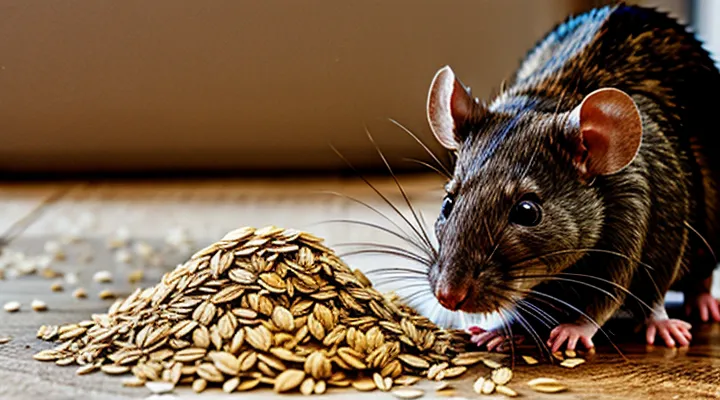
Understanding Rat Diets
Nutritional Needs of Rats
Essential Macronutrients
Dry oatmeal consists primarily of carbohydrates, with modest amounts of protein and minimal fat. Rats require a balanced intake of macronutrients to maintain growth, reproduction, and metabolic health. Relying solely on dry oatmeal would leave a rat’s diet deficient in essential protein and fat, leading to weight loss, weakened immunity, and impaired organ function.
Essential macronutrients for rats:
- Protein: 18–22 % of total calories; supplies amino acids for tissue repair and enzyme synthesis. Sources include soy, whey, and animal meat.
- Fat: 4–6 % of total calories; provides essential fatty acids and supports energy storage. Sources include vegetable oils and animal fats.
- Carbohydrate: 60–70 % of total calories; supplies quick energy. Oatmeal contributes to this category but must be balanced with other carbs to avoid excess glucose spikes.
- Fiber: 5–7 % of diet; promotes gastrointestinal motility and microbiome health. Oatmeal’s soluble fiber aids digestion but should be complemented with insoluble fiber from vegetables or whole grains.
A nutritionally complete rat diet combines these macronutrients in appropriate ratios. Dry oatmeal may serve as a supplemental carbohydrate source, but it must be mixed with protein‑rich and fat‑rich foods to meet the animal’s physiological requirements.
Essential Micronutrients
Rats may consume dry oatmeal, but its nutritional value must be examined against the micronutrient requirements of the species. Micronutrients are indispensable for growth, immune function, and reproductive health; deficiencies impair bone development, nerve transmission, and metabolic processes.
Key micronutrients for laboratory and pet rats include:
- Vitamin A: 0.5 IU g⁻¹ body weight per day
- Vitamin D₃: 0.03 IU g⁻¹ body weight per day
- Vitamin E: 10 IU kg⁻¹ day⁻¹
- Vitamin K: 0.5 mg kg⁻¹ day⁻¹
- Vitamin C: 10 mg kg⁻¹ day⁻¹ (required only in disease states)
- B‑Complex (thiamine, riboflavin, niacin, pantothenic acid, pyridoxine, biotin, folate, cobalamin): 0.5–2 mg kg⁻¹ day⁻¹ depending on the specific vitamin
- Calcium: 0.5–1 % of diet dry matter
- Phosphorus: 0.4–0.8 % of diet dry matter
- Magnesium: 0.05–0.1 % of diet dry matter
- Iron: 80 mg kg⁻¹ diet
- Zinc: 30 mg kg⁻¹ diet
- Copper: 10 mg kg⁻¹ diet
- Selenium: 0.2 mg kg⁻¹ diet
Dry oatmeal supplies carbohydrate energy and modest amounts of B‑vitamins and iron, yet it lacks adequate levels of vitamins A, D₃, E, K, and most trace minerals. Calcium and phosphorus are present in a ratio that favors phosphorus, risking skeletal imbalances if oatmeal constitutes a large portion of the diet.
To meet the full micronutrient profile, supplement dry oatmeal with a complete rodent lab diet or fortified pellet mix. Add a calibrated vitamin‑mineral premix that delivers the shortfalls identified above. Monitor body condition and perform periodic blood analyses to confirm adequacy.
Common Safe Foods for Rats
Rats thrive on a diet that combines commercial pellets with fresh foods. Dry oatmeal is acceptable in moderation; it supplies carbohydrates and fiber without harmful additives. Overfeeding oatmeal can cause digestive imbalance, so limit portions to a tablespoon per day for an adult rat.
Common safe foods include:
- Fresh vegetables: carrots, broccoli, kale, bell peppers, cucumber, zucchini.
- Fresh fruits: apple (seedless), banana, blueberry, strawberry, melon.
- Whole grains: cooked brown rice, quinoa, whole‑wheat pasta, oatmeal (dry or cooked).
- Protein sources: boiled egg, cooked chicken breast, plain tofu, low‑fat cottage cheese.
- Nuts and seeds (unsalted, unroasted): sunflower seeds, pumpkin seeds, almonds (small quantity).
- Herbs: parsley, cilantro, mint.
Avoid foods with high sugar, salt, or toxic compounds, such as chocolate, caffeine, citrus peels, onion, garlic, and processed snacks. Providing a balanced mix of the listed items supports healthy weight, dental wear, and overall vitality.
Foods to Avoid for Rats
Rats may enjoy dry oatmeal, but a balanced diet requires awareness of foods that can cause illness or death. Knowing which items are hazardous prevents accidental poisoning and supports long‑term health.
- Chocolate and caffeine‑containing products
- Raw or cooked beans, especially kidney beans
- Processed meats, bacon, and deli slices
- Citrus fruits with high acidity (lemons, limes, oranges)
- High‑salt snacks, chips, and pretzels
- Sugary candies, gum, and artificial sweeteners (xylitol)
- Alcoholic beverages and fermented foods
- Moldy or spoiled grains, including stale oatmeal
- Onion, garlic, and other allium vegetables
- Highly fatty foods such as fried items and butter
These substances are toxic because they contain compounds that damage the rat’s liver, kidneys, or nervous system, interfere with red blood cell formation, or cause severe gastrointestinal distress. Even small amounts can lead to vomiting, diarrhea, seizures, or fatal organ failure. Providing only safe, nutritionally appropriate foods eliminates these risks and ensures that occasional treats like dry oatmeal complement, rather than compromise, the animal’s diet.
Dry Oatmeal for Rats: Safety and Benefits
Is Dry Oatmeal Safe for Rats?
Potential Choking Hazards
Dry oatmeal consists of small, hard flakes that can remain intact when a rat chews. The size of these flakes often exceeds the safe swallowing capacity of a typical laboratory or pet rat, creating a risk of airway obstruction.
Potential choking hazards include:
- Whole flakes that do not break down easily in a rat’s mouth.
- Swelling of dry grains after contact with saliva, increasing bulk.
- Accumulation of fragments in the throat, leading to partial blockage.
- Sudden inhalation of a loose piece while the rat is excited or startled.
To minimize risk, prepare oatmeal by:
- Grinding flakes into a fine powder before offering.
- Mixing dry oatmeal with water or a safe liquid to soften the texture.
- Providing only a small, measured portion and monitoring the rat during consumption.
- Selecting rolled or instant oatmeal varieties that dissolve more readily than steel‑cut grains.
When presented in a softened or pulverized form, dry oatmeal can be included safely in a rat’s diet without exposing the animal to choking dangers.
Considerations for Preparation
Dry oatmeal can be included in a rat’s diet when prepared correctly. Improper preparation may introduce contaminants, alter texture, or create nutritional imbalances that could harm the animal.
- Rinse the oats under cool water to remove dust and potential pesticide residues.
- Cook the oats in plain water; use a ratio of one part oats to two parts water.
- Bring the mixture to a gentle boil, then simmer for 3–5 minutes until the grains soften.
- Allow the cooked oatmeal to cool completely to room temperature before offering it to the rat.
- Serve only a small portion—approximately one teaspoon for a medium‑sized adult rat—on a clean dish.
Portion control limits excess carbohydrates and prevents weight gain. Offer oatmeal no more than twice a week to maintain a balanced diet that primarily consists of commercial rodent pellets, fresh vegetables, and occasional protein sources.
Exclude additives such as sugar, honey, milk, butter, salt, or flavored seasonings. These ingredients can cause digestive upset, obesity, or renal stress. Verify that the oatmeal shows no signs of mold, discoloration, or foul odor before cooking.
Store uncooked oats in an airtight container away from moisture and heat. Cooked oatmeal should be used within 24 hours and discarded if left at room temperature for longer than two hours.
Nutritional Value of Oatmeal
Fiber Content
Dry oatmeal contains approximately 3–4 grams of dietary fiber per 100 grams of product. The fiber is primarily soluble β‑glucan, which dissolves in water and forms a viscous gel, and a smaller proportion of insoluble cellulose. Soluble fiber can moderate blood glucose levels and support gut microbiota, while insoluble fiber adds bulk to feces and promotes regular bowel movements.
For a typical laboratory rat weighing 250 grams, a daily portion of dry oatmeal providing 0.5–1 gram of total fiber aligns with the animal’s recommended fiber intake of 2–5 percent of its diet. Excessive fiber may reduce nutrient absorption and cause soft stools, so portions should be limited to avoid gastrointestinal disturbances.
Key considerations for including dry oatmeal in a rat’s diet:
- Fiber type: Predominantly β‑glucan (soluble) with minor insoluble fibers.
- Quantity: 0.5–1 gram of total fiber per day for a medium‑sized rat.
- Digestive impact: Supports gut health at moderate levels; over‑supplementation may lead to loose feces.
- Nutrient balance: Fiber should complement, not replace, protein, fat, and vitamin sources.
When introduced gradually and monitored, the fiber content of dry oatmeal can be a beneficial component of a balanced rat diet.
Vitamin and Mineral Profile
Dry oatmeal supplies a range of micronutrients that affect rat health. Per 100 g of uncooked oatmeal, the vitamin content includes thiamine (0.5 mg), riboflavin (0.1 mg), niacin (1.0 mg), vitamin B6 (0.1 mg), and folate (56 µg). Vitamin A, D, E and K are absent, reflecting the grain’s limited contribution to fat‑soluble vitamins.
The mineral profile of dry oatmeal lists calcium (54 mg), phosphorus (410 mg), magnesium (138 mg), potassium (429 mg), sodium (2 mg), iron (4.3 mg), zinc (3.6 mg), copper (0.4 mg) and manganese (1.6 mg). Trace amounts of selenium and iodine are not measurable.
Rat dietary standards (e.g., AIN‑93G) require approximately 12 mg of calcium, 150 mg of phosphorus, 150 mg of magnesium, 1 mg of iron, and 30 µg of vitamin B12 per kilogram of diet. Compared with these benchmarks:
- Calcium: 54 mg/100 g exceeds the requirement when oatmeal forms a modest portion of the diet.
- Phosphorus: 410 mg/100 g provides ample phosphorus but may create an excess if not balanced with calcium.
- Magnesium: 138 mg/100 g satisfies the need without risk of deficiency.
- Iron: 4.3 mg/100 g meets the minimal requirement; excessive iron is unlikely at typical inclusion rates.
- Zinc: 3.6 mg/100 g aligns with the recommended 30 mg/kg when oatmeal represents a small fraction of total intake.
Deficiencies arise in fat‑soluble vitamins; dry oatmeal does not supply vitamin A, D, E or K, necessitating supplementation from other feed components. B‑vitamin levels are moderate; thiamine and niacin approach recommended amounts, while vitamin B12 is virtually absent and must be provided elsewhere.
In summary, dry oatmeal delivers sufficient B‑vitamins, calcium, phosphorus, magnesium, potassium and iron for rats, but it lacks essential fat‑soluble vitamins and vitamin B12. Incorporating oatmeal as a supplemental ingredient, alongside a balanced base diet, ensures a complete vitamin and mineral profile for laboratory or pet rats.
Benefits of Oatmeal for Rats
Digestive Health
Rats possess a short, efficient gastrointestinal tract designed for rapid processing of grains and seeds. Dry oatmeal offers a concentrated source of soluble and insoluble fiber, which can aid in forming bulk stool and promoting regular motility. The fiber also serves as a substrate for beneficial gut microbes, encouraging fermentation that produces short‑chain fatty acids beneficial to intestinal lining health.
Key nutritional aspects of dry oatmeal for rats:
- Fiber content (≈10 g per 100 g): supports stool formation and prevents constipation.
- Complex carbohydrates: provide steady energy without causing rapid blood‑sugar spikes.
- Low fat and protein: complement a balanced diet that includes protein‑rich pellets and fresh vegetables.
Potential digestive concerns:
- Excessive fiber: may lead to bloating, gas, or diarrhea if introduced abruptly.
- Phytic acid: present in raw oat grains, can bind minerals and reduce their absorption; soaking or cooking mitigates this effect.
- Texture hardness: dry grains may be difficult for some rats to chew, increasing the risk of dental wear.
Best practices for incorporating dry oatmeal into a rat’s diet:
- Gradual introduction: start with 1–2 g mixed into regular feed, observe stool consistency and behavior for 48 hours.
- Moistening: lightly dampen oatmeal with water or a small amount of safe fruit juice to improve palatability and reduce chewing strain.
- Balanced proportion: limit dry oatmeal to no more than 5 % of total daily intake, ensuring sufficient protein, vitamins, and minerals from primary feed.
When administered correctly, dry oatmeal can contribute positively to a rat’s digestive health by enhancing fiber intake and supporting microbial balance, provided that quantity and preparation are carefully managed.
Weight Management
Dry oatmeal provides a moderate amount of calories, primarily from complex carbohydrates, and a high level of soluble fiber. When offered to laboratory or pet rats, the fiber can promote satiety, potentially limiting overall energy intake. However, the carbohydrate content may contribute to weight gain if portions exceed the animal’s daily energy requirements.
To incorporate dry oatmeal into a rat’s diet without encouraging excess weight, follow these guidelines:
- Measure a serving size of 1–2 grams per 100 grams of body weight; adjust based on the individual’s activity level and growth stage.
- Combine oatmeal with a balanced pellet diet that already meets protein, fat, vitamin, and mineral needs.
- Monitor body condition weekly, noting changes in coat quality, activity, and abdominal contour.
- Reduce or eliminate other high‑calorie treats if oatmeal is added regularly.
Research indicates that occasional inclusion of dry oatmeal does not inherently cause obesity, provided caloric intake remains within the rat’s maintenance range. Overfeeding, even with low‑fat foods, can disrupt energy balance and lead to adipose tissue accumulation. Regular weight checks and controlled portions ensure that oatmeal contributes to digestive health without compromising weight management.
How to Offer Dry Oatmeal to Rats
Proper Preparation Methods
Soaking Oatmeal
Rats can consume oatmeal, but the texture of dry grains often discourages chewing and may cause digestive irritation. Soaking oatmeal transforms the hard particles into a soft, moist mass that rats readily accept and digest more efficiently.
Soaking process:
- Place rolled or instant oats in a shallow container.
- Add enough cool water to fully cover the grains.
- Allow the mixture to sit for 10–15 minutes; stir once to ensure even hydration.
- Drain excess liquid if the consistency is too watery for the rat’s preferences.
- Serve the softened oatmeal at room temperature; discard any leftovers after 24 hours to prevent spoilage.
Benefits of soaking include reduced hardness, enhanced palatability, and increased availability of starches and soluble fibers. The moisture also lowers the risk of choking and minimizes the chance of gastrointestinal upset that dry oats might provoke.
When introducing soaked oatmeal, start with a small portion (approximately one teaspoon per adult rat) and observe for any adverse reactions. Combine with a balanced diet of commercial rat pellets, fresh vegetables, and occasional protein sources to maintain nutritional completeness.
Cooking Oatmeal
Oatmeal provides a balanced source of carbohydrates, fiber, and protein. When prepared correctly, it retains nutrients and achieves a soft consistency suitable for various consumers, including small rodents.
Cooking oatmeal involves heating rolled or instant oats with liquid until the grains swell and soften. The process eliminates the hardness of raw oats, reduces potential digestive irritation, and creates a palatable texture.
Standard preparation steps
- Measure 1 cup of rolled oats.
- Combine with 2 cups of water or low‑fat milk in a saucepan.
- Bring to a gentle boil, then reduce heat.
- Simmer for 4–5 minutes, stirring occasionally to prevent sticking.
- Remove from heat; let stand 1 minute before serving.
The resulting porridge is moist, easily chewable, and free of sharp edges. For rats, the cooked product is far safer than dry oats, which can cause dental wear and gastrointestinal blockage. Offering small portions of warm oatmeal, without added sugars or excessive salt, supplies a digestible energy source while minimizing health risks.
Portion Sizes for Rats
Dry oatmeal can be a safe occasional treat for pet rats when offered in appropriate quantities. Over‑feeding any dry grain may lead to digestive upset, obesity, or nutrient imbalance, so owners should adhere to measured portions.
A typical adult rat (approximately 200–300 g) can handle ½ to 1 teaspoon of dry oatmeal per serving. This amount provides a modest source of carbohydrates without displacing the balanced pellet diet that supplies essential protein, fats, vitamins, and minerals. Younger or smaller rats should receive half of the adult portion, while larger breeding or working rats may tolerate the upper limit.
Frequency matters as much as size. Offering dry oatmeal no more than two to three times per week prevents excessive caloric intake and maintains dietary variety. On days when oatmeal is provided, reduce other treat portions accordingly to keep the overall caloric load stable.
Key guidelines for safe inclusion:
- Measure with a standard kitchen teaspoon; avoid heaping scoops.
- Introduce gradually: start with ¼ teaspoon and observe for signs of diarrhea or reduced appetite.
- Ensure the oatmeal is plain, free of added sugars, salt, or flavorings.
- Store dry oatmeal in an airtight container to preserve freshness and prevent mold growth.
- Combine with a small amount of fresh water or a moist vegetable to aid digestion, if the rat shows a preference for softer textures.
Monitoring body condition weekly helps confirm that the portion size remains appropriate. If a rat gains weight rapidly, reduce or eliminate oatmeal until the weight stabilizes. Conversely, if a rat appears underweight, a slight increase—up to 1 teaspoon—may be considered, provided the overall diet remains balanced.
Frequency of Feeding
Dry oatmeal provides a source of carbohydrates and fiber that can complement a rat’s standard diet, but it should be offered sparingly. Rats have fast metabolisms; excessive starch can lead to weight gain, digestive upset, or dental issues.
- Offer dry oatmeal no more than two to three times per week.
- Limit each serving to ½ teaspoon for a standard‑size adult rat; smaller or juvenile rats require less.
- Ensure the oatmeal is plain, without added sugars, salts, or flavorings.
- Observe the animal after the first few servings; any signs of loose stool, reduced activity, or loss of appetite indicate the need to discontinue the treat.
- Rotate dry oatmeal with other low‑calorie vegetables or occasional protein sources to maintain dietary variety.
Consistency in feeding schedule matters. Provide the treat at the same time of day, preferably during the evening when rats are most active, to reinforce routine and reduce stress. Adjust portions if the rat’s weight changes or if health assessments reveal metabolic concerns. Regular veterinary check‑ups will confirm that occasional dry oatmeal does not compromise overall nutrition.
Combining Oatmeal with Other Foods
Dry oatmeal can be a useful component of a rodent diet when mixed with complementary ingredients. The grain supplies complex carbohydrates, soluble fiber, and a modest amount of protein, but it lacks essential fats, vitamins, and minerals required for optimal health. Combining oatmeal with nutrient‑dense foods ensures a balanced intake.
Safe additions include:
- Cooked lean proteins such as boiled chicken, turkey, or scrambled eggs (no added salt or seasoning).
- Fresh vegetables like carrots, broccoli, spinach, or kale, finely chopped to prevent choking.
- Small portions of fruit (apple, banana, blueberries) for natural sugars and antioxidants.
- Healthy fats from unsalted nuts (almonds, walnuts) or a few drops of olive oil, providing essential fatty acids.
When preparing a mixed meal, follow these guidelines:
- Cook oatmeal with water only; avoid milk, sugar, or flavorings that may cause digestive upset.
- Cool the cooked oatmeal to room temperature before mixing.
- Limit the total portion to 10‑15 % of the rat’s daily caloric intake; the majority of the diet should remain a high‑quality commercial pellet or lab block.
- Introduce new ingredients gradually, observing the animal for signs of intolerance or allergic reaction.
Regular monitoring of body condition, coat quality, and activity levels will indicate whether the combined diet meets the rat’s nutritional requirements. Adjust ingredient ratios as needed to maintain a healthy weight and prevent deficiencies.
Potential Risks and Precautions
Allergic Reactions
Dry oatmeal is occasionally offered to pet rats as a source of carbohydrates. Allergic reactions represent a primary health risk when introducing this grain.
Oatmeal contains protein complexes, including avenin, that may trigger immunologic responses in rodents. Cross‑reactivity with wheat gluten can increase the likelihood of hypersensitivity.
Typical manifestations of an allergic response in rats include:
- Scratching or excessive grooming of the face and body
- Redness, swelling, or hives on the skin
- Respiratory distress such as wheezing or labored breathing
- Diarrhea or vomiting
- Lethargy and loss of appetite
Veterinary assessment relies on clinical observation, skin testing, or serum IgE measurement to confirm oat‑related allergy. Elimination of oatmeal from the diet followed by a controlled re‑introduction can verify causality.
Management strategies consist of:
- Immediate discontinuation of dry oatmeal
- Substitution with hypoallergenic grains like rice or barley
- Administration of antihistamines or corticosteroids as prescribed
- Monitoring for recurrent symptoms during a gradual dietary transition
Proactive selection of low‑allergen feed minimizes the risk of immune reactions while maintaining nutritional balance for rats.
Overfeeding Concerns
Dry oatmeal provides carbohydrates, fiber, and modest protein, making it an acceptable occasional supplement for pet rodents. Its low fat content reduces the risk of lipid‑related disorders, but the high caloric density demands careful portion control.
Overfeeding dry oatmeal can lead to several health problems:
- Excess weight gain, which strains the cardiovascular system and reduces mobility.
- Gastrointestinal upset, including bloating and diarrhea, caused by rapid fermentation of unprocessed grains.
- Imbalance of essential nutrients, as large quantities displace more complete rodent feeds that contain vitamins, minerals, and amino acids.
- Dental wear issues, because dry grains are harder than fresh produce and may cause uneven chewing patterns if offered excessively.
Veterinarians recommend limiting dry oatmeal to no more than one teaspoon per adult rat, offered two to three times per week. Monitor body condition regularly; any increase in body mass index warrants immediate reduction or cessation of the grain. Adjust the overall diet to maintain a balanced nutrient profile, ensuring that dry oatmeal remains a supplement rather than a staple.
Monitoring Rat Health After Feeding
After introducing dry oatmeal into a rat’s diet, systematic health monitoring is essential to ensure the food is tolerated and does not cause adverse effects.
Observe gastrointestinal output. Firm, well‑formed pellets indicate normal digestion; loose or watery stools suggest intolerance. Record stool consistency daily for at least two weeks.
Track body weight. Weigh each rat at the same time each day. A steady increase or maintenance of weight confirms adequate caloric absorption; sudden loss warrants immediate review of diet composition.
Assess hydration status. Check for signs of dehydration such as skin tenting, dry mucous membranes, and reduced urine output. Provide fresh water at all times and note any changes in drinking behavior.
Examine oral health. Dry oatmeal can adhere to incisors; inspect teeth for excess plaque or overgrowth that may impede chewing. Schedule weekly dental checks.
Monitor activity levels and behavior. Normal rats remain active, explore their environment, and display typical grooming patterns. Lethargy, reduced exploration, or abnormal aggression may signal discomfort or nutritional imbalance.
Maintain a feeding log. Document the amount of oatmeal offered, any supplemental foods, and any observed health changes. This record facilitates trend analysis and rapid identification of problems.
If any parameter deviates from baseline, reduce or discontinue oatmeal and consult a veterinarian experienced in rodent nutrition.