
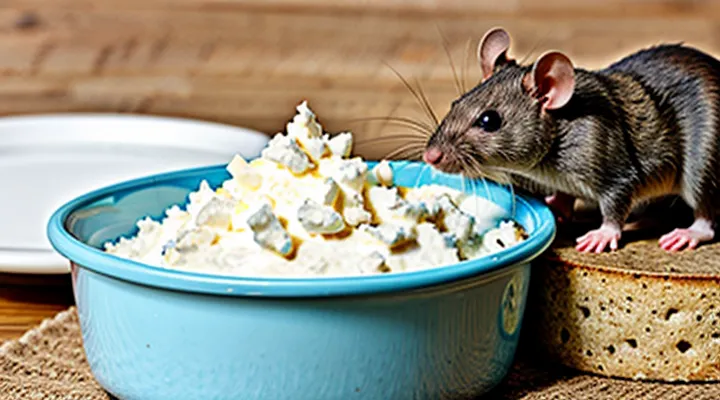
Cottage Cheese for Rats: The Basics
Is Cottage Cheese Safe for Rats?
Cottage cheese can be offered to rats, but its safety depends on several factors. The product provides protein, calcium, and modest fat, which can supplement a rodent’s diet. However, its lactose content may cause digestive upset in rats that lack sufficient lactase activity. Additionally, many commercial varieties contain added salt, preservatives, or flavorings that can be harmful in small animals.
When including cottage cheese, follow these guidelines:
- Choose plain, low‑fat cottage cheese with no added salt or seasonings.
- Limit portions to ½ teaspoon per 100 g of body weight, no more than twice a week.
- Observe the rat for signs of diarrhea, bloating, or reduced appetite after feeding.
- Discontinue use if any adverse reaction occurs and consult a veterinarian.
If a rat tolerates the cheese, it can serve as an occasional protein boost. For animals with known lactose sensitivity, substitute with lactose‑free dairy products or plant‑based protein sources such as cooked lentils or tofu. Regular monitoring ensures the treat remains a safe addition rather than a health risk.
Nutritional Value of Cottage Cheese
Protein Content
Cottage cheese provides a high‑quality protein source that aligns with the nutritional requirements of laboratory and pet rats. A typical 100‑gram serving contains approximately 11–12 grams of protein, predominantly casein, which is rich in essential amino acids such as lysine, leucine, and tryptophan. These amino acids support tissue growth, repair, and enzymatic functions in rodents.
When offering cottage cheese to rats, consider the following factors:
- Protein density – 10–12 g per 100 g ensures a substantial contribution to daily protein intake without excessive calories.
- Digestibility – casein is slowly digested, providing a steady release of amino acids that can sustain metabolic processes over several hours.
- Balance with other nutrients – complement the cheese with fiber‑rich foods to prevent digestive imbalances, as the dairy product lacks sufficient roughage.
Moderate portions (no more than 10–15 g per day for an adult rat) supply adequate protein while limiting potential issues such as lactose intolerance or excess fat intake. Regular monitoring of weight and health indicators confirms that the protein from cottage cheese integrates effectively into a balanced rodent diet.
Fat Content
Cottage cheese contains a relatively low fat proportion compared to many dairy products, typically ranging from 0.5 % to 5 % depending on the variety. Full‑fat versions may reach 5 %–6 % milkfat, while low‑fat and non‑fat options remain below 1 % and 0.5 % respectively. These values reflect the amount of lipid per 100 g of product and influence the caloric density offered to a rodent diet.
When incorporating cottage cheese into a rat’s nutrition plan, consider the following points:
- Energy contribution: Each gram of fat supplies 9 kcal; a 5 % fat cheese adds approximately 4.5 kcal per 100 g, modest compared with high‑fat treats.
- Dietary balance: Rats require about 5 %–15 % of their total caloric intake from fat; low‑fat cottage cheese fits comfortably within this range without risking excess energy.
- Digestibility: Rat gastrointestinal systems process dairy fats efficiently, but excessive intake may lead to obesity or gastrointestinal upset.
Select low‑fat or non‑fat cottage cheese to keep fat intake aligned with recommended nutritional ratios while still providing protein and calcium benefits.
Calcium and Other Minerals
Cottage cheese is a soft dairy product that supplies a notable amount of calcium, a mineral essential for bone development and metabolic processes in rodents. A typical serving (≈30 g) contains roughly 100 mg of calcium, representing about 10 % of the daily calcium requirement for an adult laboratory rat. This concentration allows cottage cheese to contribute meaningfully to the animal’s mineral intake when offered in controlled portions.
Other minerals present in cottage cheese include:
- Phosphorus: ~80 mg per 30 g serving, supporting calcium metabolism and energy storage.
- Potassium: ~120 mg, aiding nerve function and fluid balance.
- Magnesium: ~10 mg, involved in enzymatic reactions and muscle contraction.
- Sodium: ~45 mg, essential for electrolyte equilibrium but potentially problematic in excess.
- Zinc: ~0.5 mg, important for immune response and protein synthesis.
The calcium‑to‑phosphorus ratio in cottage cheese approximates 1.25 : 1, aligning closely with the optimal range (1 : 1 to 2 : 1) for rats. This balance minimizes the risk of mineral antagonism that could impair absorption. However, the lactose content of cottage cheese may exceed the digestive capacity of many rats, leading to gastrointestinal upset. Additionally, excessive calcium intake can precipitate kidney stone formation and interfere with the absorption of iron and copper.
Practical guidance for inclusion of cottage cheese in a rat’s diet:
- Offer no more than 10 g per animal, two to three times per week.
- Combine with a low‑sodium, high‑fiber diet to offset the modest sodium load.
- Observe for signs of diarrhea or reduced feed intake, which indicate lactose intolerance.
- Rotate with other calcium sources (e.g., plain yogurt, fortified pellets) to prevent mineral overload.
When administered within these limits, cottage cheese provides a reliable source of calcium and complementary minerals without compromising overall nutritional balance.
Lactose Content
Cottage cheese contains approximately 2–3 % lactose by weight, varying with brand and fat content. Low‑fat varieties may have slightly higher lactose concentrations, while aged or strained versions contain less due to whey removal.
Rats produce lactase enzyme primarily during the neonatal period; enzymatic activity declines sharply after weaning. Adult rats therefore metabolize lactose inefficiently, leading to gastrointestinal discomfort when ingesting significant amounts of dairy sugars.
Feeding cottage cheese to mature rats should consider the following points:
- Limit portions to no more than 5 g per 100 g of total diet to keep lactose intake below 0.15 g per day.
- Observe for signs of diarrhea, bloating, or reduced feed efficiency after consumption.
- Prefer low‑lactose or lactose‑free alternatives for regular supplementation.
In summary, the modest lactose content of cottage cheese can be tolerated in very small, occasional servings, but regular feeding poses a risk of digestive upset for adult rats.
Potential Benefits of Feeding Cottage Cheese to Rats
Source of Protein
Cottage cheese provides a high‑quality protein source that can be incorporated into a rat’s diet. It contains casein and whey proteins, both of which are easily digested and supply essential amino acids required for tissue growth and repair. The typical protein content of cottage cheese ranges from 10 % to 12 % by weight, offering a modest but reliable contribution to a rodent’s daily protein intake.
When evaluating the suitability of this dairy product for rats, consider the following points:
- Protein value – complements plant‑based and commercial feed proteins, helping to meet the 14 %–18 % protein requirement for adult rats.
- Calcium and phosphorus – present in balanced ratios, supporting bone development; excess intake may lead to urinary stone formation.
- Lactose – present in low amounts; most adult rats tolerate it, but individuals with lactose intolerance may experience gastrointestinal upset.
- Fat content – varies by brand; low‑fat varieties reduce the risk of obesity while still delivering protein.
- Portion size – a teaspoon (approximately 5 g) per day provides roughly 0.5 g of protein, fitting within the recommended daily allowance without overloading calories.
Potential concerns include the risk of mold growth if the cheese is left unrefrigerated, and the possibility of added salt or preservatives, which should be avoided. Fresh, plain cottage cheese without additives is the safest option.
In practice, offering a small, regular portion of plain cottage cheese can enhance a rat’s protein profile, provided the overall diet remains balanced and the animal shows no adverse reactions. Monitoring weight, stool consistency, and activity levels will confirm tolerability.
Bone Health Support
Cottage cheese provides a source of calcium, phosphorus, and high‑quality protein that directly influence skeletal development in rodents. Calcium contributes to mineral deposition in bone matrix, while phosphorus works synergistically to maintain hydroxyapatite stability. The protein content supplies amino acids necessary for collagen synthesis, a structural component of bone tissue.
When rats consume cottage cheese, the nutrient profile supports:
- Increased calcium absorption due to the presence of lactose, which enhances intestinal uptake.
- Balanced phosphorus levels that prevent excess calcium loss.
- Adequate protein for osteoblast activity and matrix formation.
- Vitamin B12 and riboflavin, which assist in metabolic pathways related to bone turnover.
Research indicates that moderate inclusion of cottage cheese in a rat’s diet yields higher bone mineral density compared with grain‑only regimens. Excessive portions may lead to gastrointestinal discomfort, potentially reducing overall nutrient intake and negating bone benefits. Therefore, a controlled portion—approximately 5–10 % of daily caloric intake—optimizes skeletal support without adverse effects.
Integrating cottage cheese with a varied diet that includes vitamin D‑rich foods enhances calcium utilization, further strengthening the skeletal system. Regular monitoring of body weight and fecal consistency ensures the diet remains balanced and effective for bone health maintenance.
Risks and Concerns
Lactose Intolerance in Rats
Symptoms of Lactose Intolerance
Rats that ingest cottage cheese may exhibit signs typical of lactose intolerance. Common manifestations include abdominal swelling, excessive gas, and a marked increase in stool frequency. Diarrhea often appears watery, sometimes accompanied by a foul odor. Loss of appetite and reduced activity are frequent secondary responses to gastrointestinal discomfort. In severe cases, rats may show weight loss and dehydration, observable through skin tenting and sunken eyes.
When evaluating a rat’s reaction to dairy products, consider the following indicators:
- Bloating or visible distension of the abdomen
- Frequent, loose stools with a liquid consistency
- Audible flatulence or excessive gas production
- Decreased food intake and lethargy
- Noticeable weight reduction over a short period
Monitoring these symptoms allows caretakers to determine whether cottage cheese is suitable for a particular rat, reducing the risk of chronic digestive upset.
High Fat Content Concerns
Obesity Risk
Cottage cheese provides a concentrated source of protein and calcium, but its caloric density and fat proportion exceed those of typical rodent chow. When included in a rat’s diet, the additional energy can shift the balance between intake and expenditure, raising the probability of excess weight gain.
Elevated body weight in laboratory and pet rats correlates with increased adipose tissue, impaired glucose tolerance, and heightened susceptibility to cardiovascular disorders. The risk intensifies when high‑fat dairy products are offered without strict control of portion size, frequency, or overall diet composition.
Guidelines to limit obesity risk while allowing occasional cottage cheese:
- Offer no more than 0.5 g per 100 g of body weight per serving.
- Restrict feedings to two times per week at most.
- Combine the cheese with low‑calorie vegetables or fiber‑rich foods to reduce net energy density.
- Monitor body weight weekly; adjust or discontinue if a gain of more than 5 % over baseline is observed.
Adhering to these parameters prevents the caloric surplus that drives adiposity, ensuring that the nutritional benefits of cottage cheese do not compromise the rat’s health.
Pancreatitis Risk
Cottage cheese is a low‑fat, high‑protein dairy product often considered a treat for small mammals. Its nutritional profile includes casein, whey proteins, calcium, and variable amounts of lactose. When introduced to a rat’s diet, the fat content, even at modest levels, can exceed the organ’s capacity to process lipids, potentially triggering inflammation of the pancreas.
Rats possess a relatively small pancreas that secretes digestive enzymes in response to dietary fat. Overloading this system with dairy fats overwhelms enzyme regulation, leading to premature activation of pancreatic enzymes within the tissue. This self‑digestion initiates pancreatitis, a painful and potentially fatal condition.
Key factors influencing pancreatitis risk from cottage cheese consumption:
- Fat proportion: Products with higher fat percentages increase enzymatic stress.
- Portion size: Large servings raise the total lipid load beyond safe limits.
- Feeding frequency: Repeated daily exposure prevents recovery periods for pancreatic tissue.
- Individual health: Rats with pre‑existing metabolic disorders or obesity are more susceptible.
To minimize pancreatitis risk, limit cottage cheese to occasional, small portions (no more than 1 g per 100 g body weight), select low‑fat varieties, and monitor for signs of abdominal discomfort, reduced activity, or changes in stool consistency. If any symptoms appear, discontinue dairy and seek veterinary evaluation promptly.
Sodium Content
Cottage cheese is occasionally offered to laboratory and pet rats as a source of protein and calcium, yet its sodium concentration demands careful assessment.
A standard low‑fat cottage cheese contains approximately 400 mg of sodium per 100 g (3.5 oz). Full‑fat varieties may reach 500 mg per 100 g, while reduced‑sodium formulations are marketed at 200 mg per 100 g.
Rats require roughly 0.2 % of their diet as sodium, equating to 10–15 mg per 100 g of body weight daily. For a 250‑g adult rat, the safe sodium intake is about 25–38 mg per day. Consequently, a 10‑gram portion of regular cottage cheese delivers 40–50 mg of sodium, surpassing the recommended daily limit.
Guidelines for incorporating cottage cheese into a rat’s diet:
- Limit serving size to 2–3 g per day for a 250‑g rat.
- Prefer reduced‑sodium or plain varieties to lower total intake.
- Monitor overall diet to ensure cumulative sodium does not exceed the 25–38 mg threshold.
Adhering to these limits prevents hypertension, renal strain, and electrolyte imbalance while allowing occasional nutritional benefits from cottage cheese.
How to Feed Cottage Cheese to Rats Safely
Small Quantities Only
Rats can tolerate cottage cheese, but only in modest portions. The protein and calcium content provide nutritional benefit, while the low lactose level reduces the risk of digestive upset common with other dairy products.
Guidelines for feeding cottage cheese to pet rats:
- Offer no more than one teaspoon per adult rat, once or twice a week.
- Introduce the cheese gradually, observing for signs of diarrhea, bloating, or reduced appetite.
- Serve fresh, plain cottage cheese; avoid flavored varieties that contain added sugars or salts.
- Balance the treat with a diet rich in grains, vegetables, and fortified pellets to meet the animal’s complete nutritional requirements.
Excessive dairy intake may lead to lactose intolerance, weight gain, and kidney strain. Small, controlled servings keep the benefits while minimizing health risks.
Frequency of Feeding
Rats may enjoy cottage cheese as an occasional protein source, but feeding frequency must align with their overall diet to prevent nutritional imbalance and digestive issues.
A typical adult laboratory or pet rat consumes 15–20 % of its body weight in food daily, primarily consisting of grains, pellets, and fresh vegetables. Introducing cottage cheese should not exceed 5 % of the total caloric intake per week. Practically, this translates to offering a teaspoon (approximately 5 g) of low‑fat cottage cheese no more than two to three times per week.
Over‑feeding can lead to excess calcium, sodium, and fat, which may cause kidney strain or obesity. Monitor the rat’s weight, coat condition, and stool consistency; any signs of bloating, loose stools, or rapid weight gain indicate that the portion size or frequency should be reduced.
When providing cottage cheese, ensure it is plain, unflavored, and free from added preservatives or sugars. Serve it at room temperature and remove any uneaten portion within two hours to prevent spoilage.
In summary, limit cottage cheese to a small, controlled portion, offered two to three times weekly, as part of a balanced diet that prioritizes high‑fiber, low‑fat foods. Regular observation of health indicators will confirm that the feeding schedule remains appropriate.
Plain, Unflavored Cottage Cheese
Plain, unflavored cottage cheese provides a source of protein, calcium, and moderate fat that many small mammals can tolerate. Rats possess a digestive system capable of processing dairy proteins, and the low lactose content of cottage cheese reduces the likelihood of gastrointestinal upset. The texture is soft enough for easy consumption, and the absence of added flavors eliminates the risk of artificial additives.
Nutritional composition supports growth and tissue repair. A typical serving supplies approximately 12 g protein, 5 g calcium, and 4 g fat per 100 g. These values complement the standard rodent diet, which is primarily grain‑based, by contributing essential amino acids and minerals. However, the caloric density exceeds that of standard rodent pellets, so portion control is essential.
Feeding guidelines:
- Offer no more than 1 – 2 teaspoons (5‑10 g) per adult rat per day.
- Introduce gradually, monitoring for signs of diarrhea or reduced appetite.
- Provide fresh water alongside the cheese to aid digestion.
- Store cottage cheese at 4 °C and discard any portion left uneaten after 24 hours to prevent bacterial growth.
Potential concerns include occasional lactose intolerance in individual rats and the risk of excessive weight gain if the cheese replaces a balanced pellet diet. Regular health checks and adherence to the recommended quantities mitigate these risks.
Avoiding Additives
Feeding cottage cheese to rats can be safe if the product contains no artificial additives. Additives such as preservatives, flavor enhancers, and colorants may disrupt digestive function, alter gut flora, or provoke allergic reactions in rodents.
Typical additives to avoid include:
- Sodium nitrate or nitrite
- MSG (monosodium glutamate)
- Artificial sweeteners (e.g., sucralose, aspartame)
- Food dyes (e.g., Red 40, Yellow 5)
- Hydrogenated oils or trans‑fat sources
- Excessive salt or sugar
These substances can cause gastrointestinal irritation, reduced appetite, or long‑term metabolic issues. Even low‑level exposure may accumulate in a small animal’s system, leading to organ stress.
Select cottage cheese that lists only milk, cultures, and possibly a small amount of salt. Verify the ingredient list for “no additives” or “plain” labeling. Prefer brands that use minimal processing and avoid ultra‑high‑temperature (UHT) treatment, which often introduces stabilizers.
When offering cottage cheese, provide a modest portion (approximately 0.5 g per 100 g body weight) once or twice weekly. Observe the rat for any signs of discomfort, such as loose stools or reduced activity, and discontinue if symptoms appear.
Alternatives to Cottage Cheese
Other Dairy Products
Rats can tolerate a limited range of dairy items, but each product presents distinct nutritional and health considerations.
- Milk – contains lactose; adult rats often lack sufficient lactase, leading to digestive upset. Offer only lactase‑treated milk in very small quantities.
- Yogurt – live cultures reduce lactose levels; plain, unsweetened yogurt can be given as an occasional treat, not exceeding 5 % of daily caloric intake.
- Hard cheeses – low moisture and high protein make cheddar, gouda, or parmesan relatively safe in bite‑size pieces; monitor for excess salt.
- Soft cheeses – brie, camembert, or cream cheese have higher moisture and fat, increasing spoilage risk; limit to minimal amounts and discard if softened.
- Butter – pure fat with no lactose; excessive consumption can cause obesity and hepatic strain; use only trace amounts for enrichment.
- Cream – rich in fat and lactose; provide sparingly, preferably after heating to reduce bacterial load.
- Ice cream – high sugar and dairy fat; occasional small spoonfuls are acceptable if free of artificial sweeteners, but frequent feeding may lead to weight gain and dental issues.
- Whey and kefir – low‑lactose fermented products; can support gut flora when offered in dilute form; avoid flavored variants.
Veterinary nutrition guidelines advise introducing any new dairy item gradually, observing for signs of diarrhea, bloating, or altered behavior. Maintain a balanced base diet of grains, proteins, and fresh vegetables; dairy should never exceed 10 % of total caloric intake. Regular health checks ensure that dairy inclusion does not compromise the rat’s overall well‑being.
Protein-Rich Snacks
Rats require a diet high in quality protein to support growth, tissue repair, and immune function. Cottage cheese supplies a concentrated source of casein protein, calcium, and modest amounts of fat, making it a viable option for supplementing a rodent’s nutritional plan.
The cheese’s protein concentration ranges from 10 to 12 g per 100 g, comparable to many commercial rodent treats. Calcium levels are sufficient for dental health, while lactose content remains low enough for most adult rats, though individual tolerance varies.
Safety considerations include:
- Lactose intolerance can cause diarrhea; monitor the animal after the first exposure.
- Sodium levels in processed varieties may exceed recommended limits; choose low‑salt options.
- High‑fat versions increase caloric intake; limit portions to prevent obesity.
Feeding guidelines:
- Offer ½ – 1 teaspoon (≈5–10 g) of plain cottage cheese per 100 g of body weight, no more than twice weekly.
- Serve at room temperature to avoid chilling stress.
- Combine with fresh vegetables or a small amount of grain to balance macronutrients.
- Observe for any adverse reactions for 24 hours; discontinue if symptoms appear.
Alternative protein‑rich snacks suitable for rats include boiled egg whites, plain Greek yogurt, cooked lean chicken, and commercially formulated high‑protein pellets. These options provide variety while maintaining the dietary protein levels essential for healthy rodents.
Observing Your Rat After Feeding
Signs of Digestive Upset
Introducing cottage cheese into a rat’s diet can trigger digestive disturbance. Recognizing the early indicators of gastrointestinal upset allows owners to intervene before the condition worsens.
- Watery or unformed stools
- Increased frequency of defecation
- Visible mucus or blood in feces
- Reduced appetite or refusal to eat
- Lethargy and decreased activity
- Abdominal swelling or tenderness when palpated
If any of these symptoms appear, remove dairy products from the diet immediately and observe the animal for improvement. Persistent or severe signs warrant veterinary assessment, as dehydration and electrolyte imbalance may develop rapidly. Maintaining a balanced, low‑fat, low‑lactose diet minimizes the risk of such reactions.
Allergic Reactions
Feeding cottage cheese to rats introduces a dairy protein source that may trigger hypersensitivity in susceptible individuals. Allergic reactions manifest as skin irritation, swelling around the muzzle, excessive scratching, or respiratory distress such as wheezing and labored breathing. In severe cases, anaphylaxis can develop, characterized by rapid heart rate, collapse, and loss of consciousness.
Key indicators of a dairy‑related allergy include:
- Red, inflamed patches on the fur or skin
- Persistent sneezing or nasal discharge
- Gastrointestinal upset, such as diarrhea or vomiting, occurring shortly after ingestion
- Behavioral changes, including lethargy or agitation
Diagnosis relies on observing symptom onset following exposure and, when necessary, conducting a controlled elimination trial: remove cottage cheese from the diet for several days, then reintroduce it under observation. Laboratory testing, such as serum IgE measurement, may confirm sensitization but is seldom required for routine pet care.
Preventive measures involve:
- Introducing cottage cheese gradually, starting with a minimal amount
- Monitoring the animal closely for any adverse response during the initial 24‑48 hours
- Providing alternative protein sources, such as cooked eggs or lean meat, for rats with known dairy intolerance
If an allergic reaction occurs, immediate removal of the offending food is essential. Mild symptoms can be alleviated with antihistamines approved for rodent use, while severe reactions demand veterinary emergency care, including injectable epinephrine and supportive fluid therapy.