
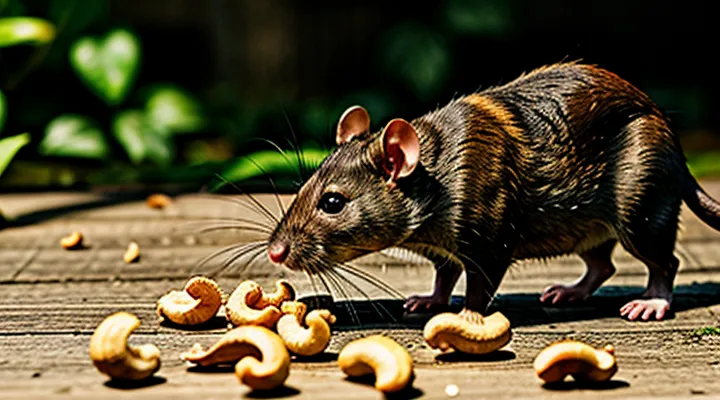
Understanding Rat Diet: A General Overview
What Do Rats Naturally Eat?
Rats are omnivorous mammals that thrive on a varied diet found in natural habitats. Their primary food sources include:
- Grains such as wheat, barley, and corn, which supply carbohydrates and energy.
- Seeds from grasses and wild plants, providing fats and proteins.
- Fruits and berries, offering sugars, vitamins, and antioxidants.
- Insects, larvae, and small arthropods, delivering essential amino acids and micronutrients.
- Leaf litter and soft vegetation, contributing fiber and trace minerals.
Occasionally, rats consume fungi, nuts, and small amounts of carrion when available. Their digestive system tolerates a wide range of foods, yet they favor items that are easy to gnaw and digest. Understanding this natural repertoire helps evaluate the safety of introducing novel foods like cashews into a captive rat’s diet.
Nutritional Needs of Pet Rats
Pet rats require a balanced diet that supplies protein, fiber, essential fatty acids, vitamins, and minerals. Protein sources such as cooked eggs, lean meat, or commercial rat pellets should make up 15‑20 % of daily calories. Fiber, primarily from fresh vegetables and whole‑grain cereals, supports gastrointestinal motility and helps prevent hairball formation. Essential fatty acids, especially omega‑3 and omega‑6, are needed for neural development and skin health; these are present in small amounts in nuts, seeds, and fish oil supplements.
Cashews contain a high proportion of fat (approximately 45 % of their weight) and a moderate amount of protein. While the fat profile includes mono‑ and polyunsaturated acids beneficial in limited quantities, the overall caloric density far exceeds that of typical rat foods. Excessive fat intake can lead to obesity, hepatic lipidosis, and pancreatic strain in rodents.
Safety considerations for offering cashews to pet rats include:
- Portion size: No more than a half‑toothpick‑size fragment (≈0.5 g) per rat, no more than once a week.
- Preparation: Unsalted, unroasted, and free of seasonings; raw cashews reduce the risk of added sodium or artificial flavors.
- Allergy risk: Monitor for signs of gastrointestinal upset, such as diarrhea or vomiting, after the first exposure.
- Nutrient balance: Adjust the overall diet to compensate for the added fat, ensuring protein and fiber levels remain within recommended ranges.
In practice, a well‑formulated diet that meets the rat’s macro‑ and micronutrient requirements can include occasional, carefully measured cashew pieces as a treat, provided the owner observes the animal’s health and weight. Regular veterinary check‑ups remain essential to detect any adverse effects early.
Cashews and Rats: The Core Question
Are Cashews Toxic to Rats?
Harmful Compounds in Raw Cashews
Raw cashews contain several toxic substances that can jeopardize rodent health. The primary hazards are:
- Urushiol – a phenolic oil also found in poison ivy; it causes severe dermatitis and can irritate the gastrointestinal tract when ingested.
- Aflatoxins – mycotoxins produced by Aspergillus species; they are hepatotoxic and carcinogenic, especially after prolonged exposure.
- Phytic acid – binds essential minerals such as calcium, iron, and zinc, reducing their bioavailability and potentially leading to deficiencies.
- Oxalic acid – contributes to kidney stone formation and may impair calcium metabolism.
These compounds are present in the shell and, to a lesser extent, in the kernel before roasting. Heat treatment deactivates urushiol and reduces aflatoxin levels, but residual toxins may remain. Consequently, feeding unprocessed cashews to rats poses a measurable risk of skin irritation, organ damage, and nutrient imbalance. Safe practice requires offering only thoroughly roasted, unsalted cashews in limited quantities, if at all.
Processing and Safety
Cashews can be offered to rats only after thorough processing to eliminate hazards. Raw cashews often contain shell fragments, residual moisture, and potential fungal toxins that pose health risks to rodents.
- Remove shells completely; discard any broken pieces that could cause choking.
- Rinse nuts under running water to eliminate dust and surface contaminants.
- Soak for 30 minutes, then drain and pat dry to reduce aflatoxin levels.
- Roast at 150 °C for 10 minutes without oil or seasoning to deactivate remaining toxins.
- Cool, then store in an airtight container at 4 °C; use within two weeks to prevent rancidity.
Improperly prepared cashews may introduce aflatoxins, excess fat, sodium, or artificial flavorings, each of which can trigger liver stress, obesity, or gastrointestinal upset in rats. Unroasted nuts retain higher moisture, fostering mold growth, while salted or flavored varieties add electrolytic imbalances.
Limit cashew portions to no more than 5 % of a rat’s daily caloric intake. Observe the animal for signs of digestive distress, weight gain, or abnormal behavior after introduction. Adjust or discontinue feeding if adverse effects appear.
Nutritional Benefits of Cashews for Rats
Vitamins and Minerals
Cashews contain several micronutrients that can affect rodent health when included in a diet. The most abundant vitamins are vitamin E, a fat‑soluble antioxidant, and small amounts of B‑complex vitamins such as thiamine (B1), riboflavin (B2), and niacin (B3). Minerals present include magnesium, phosphorus, copper, manganese, and zinc. Each of these contributes to specific physiological functions: vitamin E protects cell membranes from oxidative damage; magnesium supports enzymatic reactions; copper and zinc are essential for immune function and enzyme activity.
When assessing the safety of offering cashews to rats, consider the following factors:
- Fat content – Cashews are high in unsaturated fats; excessive intake may lead to obesity or hepatic lipid accumulation.
- Caloric density – A small portion provides a significant energy boost, which can disrupt balanced feeding regimens.
- Potential allergens – Some rodents exhibit hypersensitivity to tree‑nut proteins, resulting in dermatitis or gastrointestinal upset.
- Salt and seasoning – Commercially roasted cashews often contain added sodium or flavorings that are toxic to rats.
A controlled portion, such as a single half‑inch piece per week, can supply beneficial micronutrients without overwhelming the animal’s caloric budget. Regular monitoring of body weight and stool consistency is advisable to detect adverse reactions early. If any signs of digestive distress or allergic response appear, discontinue the treat immediately and consult a veterinary professional.
Healthy Fats
Cashews contain a high proportion of healthy fats, primarily monounsaturated oleic acid and polyunsaturated linoleic acid. These fatty acids support cellular membranes, hormone synthesis, and energy storage. In laboratory rodents, moderate inclusion of such fats can improve coat condition and aid nutrient absorption.
When evaluating the safety of offering cashews to pet rats, several factors must be considered:
- Fat content: Approximately 45 % of a cashew’s weight is fat. Excessive intake can lead to rapid weight gain and increased risk of hepatic lipidosis.
- Caloric density: A single cashew provides roughly 8 kcal, far above the daily caloric needs of an average adult rat (≈30–35 kcal). Over‑feeding quickly surpasses energy requirements.
- Salt and additives: Commercially roasted or salted cashews contain sodium and flavorings that may cause electrolyte imbalance or gastrointestinal irritation in rats.
- Potential allergens: Although rare, some rats may develop hypersensitivity to tree‑nut proteins, resulting in skin or respiratory reactions.
Guidelines for safe inclusion:
- Offer raw, unsalted cashews only.
- Limit to one or two whole nuts per week, equivalent to less than 0.5 g of fat.
- Monitor body condition and adjust portion size if weight gain is observed.
- Introduce gradually and observe for signs of digestive upset or allergic response.
In summary, the healthy fats in cashews can be beneficial in very small, controlled amounts, but the high fat and calorie content, combined with possible additives, make routine feeding unsafe for rats. Proper moderation and selection of plain, raw nuts are essential to avoid health complications.
Potential Risks and Concerns
Choking Hazards
Cashews are occasionally offered to pet rats as a source of protein and healthy fats, but their shape and hardness create a genuine choking risk. A whole cashew exceeds the diameter of a rat’s trachea; if the animal attempts to swallow it whole, the nut can lodge in the pharynx and obstruct breathing.
The danger intensifies when the nut is not broken down. Rats chew rapidly and may not detect a blockage until airflow stops. An obstructed airway can lead to rapid hypoxia and death within minutes.
Safe handling of cashews for rats requires strict size reduction and supervision:
- Slice the nut into pieces no larger than 2 mm across.
- Remove the outer skin, which can be fibrous and increase the chance of obstruction.
- Offer only a single piece at a time and observe the rat’s chewing behavior.
- Discontinue feeding if the rat shows signs of distress, such as gagging or labored breathing.
Providing appropriately sized cashew fragments eliminates the choking hazard while allowing rats to benefit from the nut’s nutritional value.
High Fat Content and Obesity
Cashews contain approximately 45–55 % fat by weight, delivering around 560 kcal per 100 g. In rodents, dietary fat is efficiently absorbed, and excess calories are stored as adipose tissue. When rats consume cashews without portion control, the caloric surplus can rapidly exceed their maintenance energy requirements, promoting weight gain.
Key considerations for feeding cashews to rats:
- Limit intake to no more than 5 % of total daily calories; this reduces the risk of excessive fat accumulation.
- Monitor body condition regularly; visible increases in dorsal fat pads indicate early obesity.
- Provide a balanced base diet low in added fats; cashews should supplement, not replace, staple nutrition.
- Observe for signs of reduced activity or altered feeding behavior, which often accompany over‑nutrition.
Unchecked consumption of high‑fat nuts is a documented contributor to obesity in laboratory rodents, leading to metabolic disturbances such as insulin resistance and hepatic steatosis. Proper rationing and vigilant observation are essential to maintain rat health while allowing occasional cashew treats.
Digestive Upset
Rats that are given cashews may experience digestive upset due to the nuts’ high fat content and potential presence of mold toxins. Excessive fat can overwhelm the small intestine, leading to loose stools, abdominal cramping, and reduced nutrient absorption. Aflatoxins, which sometimes develop on improperly stored nuts, can irritate the gastrointestinal lining and provoke vomiting or diarrhea.
Key indicators of gastrointestinal disturbance include:
- Watery or loose feces
- Visible abdominal swelling
- Reduced food intake
- Lethargy accompanying digestive symptoms
To minimize risk, limit cashew portions to no more than a few grams per week, ensure the nuts are fresh, unsalted, and free from visible mold, and monitor the animal closely after introduction. If any signs of upset appear, discontinue the treat and provide bland food such as plain cooked rice or oatmeal until normal stool consistency returns. Persistent symptoms warrant veterinary evaluation to rule out secondary infections or toxin exposure.
Allergic Reactions
Rats may experience immune‑mediated reactions after ingesting cashews. Tree‑nut proteins can act as allergens for rodents, triggering IgE‑type responses similar to those observed in other mammals.
Allergic manifestations in rats include:
- Pruritus or excessive grooming of the face and paws
- Facial or peripheral edema
- Respiratory difficulty, wheezing, or labored breathing
- Gastrointestinal upset such as vomiting or diarrhea
- Sudden lethargy or collapse
Observation of any of these signs after cashew exposure warrants immediate cessation of the food and veterinary assessment. Diagnosis relies on clinical history, physical examination, and, when necessary, serum allergen‑specific IgE testing or skin‑prick evaluation performed by a qualified veterinarian.
Safe practice requires a controlled introduction: offer a minimal amount of unsalted, unroasted cashew, observe the animal for at least 24 hours, and discontinue if symptoms appear. For rats with known sensitivities, substitute with non‑allergenic treats such as small pieces of apple or carrot. Continuous monitoring ensures that cashew consumption does not compromise the animal’s health.
Feeding Cashews to Rats: Best Practices
How Many Cashews Can a Rat Eat?
Rats can digest cashews, but the nut’s high fat and sodium content limits the amount that can be offered safely. A typical adult laboratory rat weighs 250–300 g; its daily caloric intake is about 15 kcal per 100 g of body weight. One whole unsalted cashew provides roughly 9 kcal and 0.8 g of fat.
- 1–2 whole cashews per day for a 250 g rat (≈3–4 % of daily calories)
- 2–3 cashews for a 300 g rat (≈4–5 % of daily calories)
- No more than 5 cashews per week, regardless of size, to prevent excess fat accumulation
Exceeding these limits can lead to obesity, pancreatitis, and electrolyte imbalance due to the nut’s natural sodium. Raw or roasted cashews with added salt, sugar, or flavorings must be avoided because they increase the risk of gastrointestinal irritation and renal strain.
When feeding cashews, present only small, plain pieces, monitor the rat’s weight and behavior, and ensure the primary diet remains a balanced rodent pellet formulation. Remove any leftovers after 24 hours to prevent spoilage and mold growth.
Preparation: Roasting and Unsalted
Roasted, unsalted cashews present the safest option for rodents when offering this nut as an occasional treat. Heat reduces moisture, limiting mold growth, while the absence of salt eliminates the risk of electrolyte imbalance and hypertension in small mammals.
Key preparation points:
- Use a dry oven or skillet; heat to 160 °C (320 °F) for 8–10 minutes, stirring halfway to ensure even coloration.
- Avoid adding oil, butter, or seasoning; these introduce unnecessary fats and potential irritants.
- Cool the nuts completely on a wire rack before breaking them into pieces no larger than 0.5 cm to prevent choking.
- Store in an airtight container at 4 °C (39 °F) for up to two weeks; discard any nuts that develop a sour odor or visible mold.
Providing only roasted, unsalted cashews minimizes the likelihood of toxic compounds such as aflatoxin and reduces sodium intake, supporting the overall health of pet rats.
Frequency of Feeding
Feeding cashews to pet rats can be safe when limited to a strict schedule. The nut’s high fat content means it should be treated as an occasional treat rather than a regular dietary component.
A typical feeding plan includes:
- Maximum frequency: no more than once per week.
- Portion size: one half of a small, unsalted cashew piece (approximately 1 g) per adult rat.
- Observation period: monitor the animal for 24 hours after each serving for signs of gastrointestinal upset or allergic reaction.
- Rotation: alternate with other low‑fat treats (e.g., fresh vegetables) to prevent over‑reliance on nuts.
Exceeding the weekly limit increases the risk of obesity, liver strain, and digestive disturbances. Consistency in the schedule helps maintain a balanced nutrient intake while allowing occasional enrichment.
Monitoring for Adverse Reactions
When cashews are added to a rat’s diet, systematic observation is essential to detect any negative health effects. Baseline behavior and physiological parameters should be recorded before the first exposure to establish reference values.
Typical indicators of intolerance or toxicity include:
- Reduced activity or lethargy
- Abnormal grooming or fur condition
- Diarrhea, loose stools, or constipation
- Respiratory distress or wheezing
- Visible swelling around the mouth or eyes
- Sudden weight loss or failure to gain expected weight
Monitoring should be performed at regular intervals: immediately after ingestion, then at 2‑hour, 6‑hour, and 24‑hour checkpoints. Each observation session must note the presence or absence of the listed signs, along with temperature, heart rate, and any changes in feed consumption. Documentation in a standardized log enables trend analysis and facilitates comparison across multiple subjects.
If any adverse sign appears, the cashew source must be removed from the diet without delay. Supportive care, such as hydration and temporary fasting, should be provided according to veterinary guidelines. Persistent or severe symptoms require veterinary assessment and possible treatment with anti‑inflammatory or antihistamine agents.
Continuous record‑keeping and prompt response reduce the risk of chronic complications and ensure that the nutritional benefit of cashews does not compromise animal welfare.
Alternatives to Cashews
Other Safe Nuts and Seeds
Rats can safely consume a limited selection of nuts and seeds when offered in small, unsalted portions. These foods supply protein, healthy fats, and micronutrients that complement a balanced rodent diet.
- Almonds (raw, unsalted, chopped) – rich in vitamin E and magnesium; limit to one half‑piece per week.
- Peanuts (raw or dry‑roasted, no oil or salt) – provide niacin and folate; offer no more than two halves weekly.
- Hazelnuts (raw, unsalted) – source of folate and manganese; restrict to one small fragment per week.
- Sunflower seeds (shelled, raw) – high in vitamin B6 and selenium; feed up to five seeds twice a week.
- Pumpkin seeds (shelled, raw) – contain zinc and omega‑3 fatty acids; limit to three seeds per serving, twice weekly.
- Flaxseeds (ground, raw) – deliver alpha‑linolenic acid; provide a teaspoon once a week.
Preparation guidelines: remove shells, avoid flavored or roasted varieties that contain additives, and present only fresh, dry nuts or seeds. Introduce each type gradually to monitor for digestive upset or allergic reactions. Excessive fat intake can lead to obesity and liver strain; therefore, nuts and seeds should never replace the primary grain‑based diet.
Unsafe variations include salted nuts, nuts coated with chocolate or sugar, and seeds treated with pesticides. Discard any moldy or rancid specimens, as they pose a risk of mycotoxin exposure and gastrointestinal irritation.
Healthier Treat Options for Rats
Rats that are given cashews require careful assessment of overall diet quality. Selecting treats that provide essential nutrients while minimizing health risks supports long‑term well‑being.
- Fresh vegetables such as broccoli, kale, and carrot tops deliver fiber, vitamins, and minerals with minimal calories.
- Low‑sugar fruits like blueberries, strawberries, and apple slices offer antioxidants and a modest energy boost.
- Unsalted, unroasted peanuts or almonds, offered in very small pieces, supply protein and healthy fats without excessive sodium.
- Sunflower or pumpkin seeds, limited to a few kernels, contribute calcium and vitamin E.
- Small amounts of cooked egg white or plain boiled chicken provide high‑quality protein.
Treat selection should prioritize low fat, low sodium, and low sugar content. Foods high in oxalates (spinach, rhubarb) or containing citric acid (citrus peels) can interfere with calcium absorption and should be avoided. Toxic items such as chocolate, caffeine, and avocado remain strictly prohibited.
Portion sizes must remain modest: a single bite‑sized piece per day for most treats, with a maximum of two to three servings per week. Wash all fresh produce thoroughly, remove seeds or pits, and serve at room temperature to prevent digestive upset. Monitor weight and behavior after introducing new items; any signs of diarrhea or lethargy warrant immediate removal of the offending treat.