
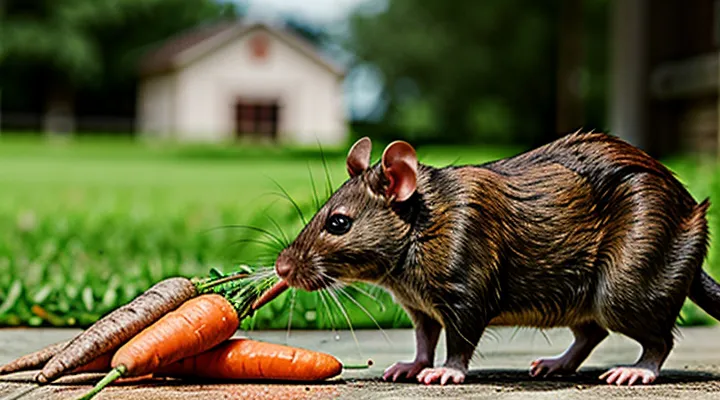
The Nutritional Value of Carrots for Rats
Key Nutrients in Carrots
Carrots supply a range of nutrients that affect rodent health. The vegetable’s composition includes:
- Beta‑carotene, a provitamin that converts to vitamin A, supporting vision and immune function.
- Vitamin K1, essential for blood clotting and bone metabolism.
- Vitamin C, an antioxidant that aids tissue repair and reduces oxidative stress.
- Dietary fiber, primarily insoluble, promotes gastrointestinal motility and helps maintain a balanced gut microbiota.
- Potassium, contributes to electrolyte balance and nerve signal transmission.
- B‑vitamins (B6, niacin) involved in energy metabolism.
- Minor amounts of calcium, magnesium, and phosphorus, supporting skeletal health.
The nutrient profile makes carrots a viable supplement to a rat’s diet, provided they are offered in moderation to avoid excess sugar and calorie intake. Cooking or steaming can increase digestibility of beta‑carotene, while raw carrots retain maximum fiber content. Regular inclusion of small, bite‑size pieces ensures adequate nutrient delivery without overwhelming the animal’s caloric needs.
Potential Benefits for Rat Health
Vitamins and Minerals
Carrots provide a range of micronutrients that can complement a rat’s diet when offered in moderation. The vegetable supplies vitamin A, vitamin C, several B‑vitamins, and a selection of essential minerals, each contributing to specific physiological functions.
- Vitamin A (β‑carotene) – supports vision, skin integrity, and immune response. Rats convert β‑carotene efficiently, but excess intake may lead to hypervitaminosis A.
- Vitamin C – acts as an antioxidant and aids collagen synthesis. Rats synthesize vitamin C endogenously; supplemental intake from carrots is not required but does not cause harm at typical serving sizes.
- B‑vitamins (B1, B2, B3, B6, folate) – participate in energy metabolism and nervous system maintenance. Carrot content is modest; it supplements rather than replaces a balanced feed.
- Potassium – regulates fluid balance and nerve function. Levels in carrots align with normal rat requirements.
- Calcium and phosphorus – essential for bone development. Carrots contain low calcium and moderate phosphorus; additional calcium sources are needed to meet dietary ratios.
- Magnesium – contributes to enzymatic reactions and muscle function; carrot amounts are minor but additive.
Overreliance on carrots can displace protein‑rich staples and lead to nutrient imbalances, particularly calcium deficiency and excessive vitamin A. Incorporate small, bite‑size pieces a few times per week, monitor overall diet composition, and provide a complete pelleted feed to ensure nutritional adequacy.
Fiber Content
Carrots provide roughly 2.8 g of dietary fiber per 100 g of raw product, primarily in the form of soluble pectin and a smaller proportion of insoluble cellulose. This fiber composition contributes to bulk formation, water retention, and fermentation by gut microbiota.
- Soluble fiber: slows gastric emptying, moderates glucose absorption, supports short‑chain fatty acid production.
- Insoluble fiber: adds mechanical mass, promotes peristalsis, reduces risk of fecal impaction.
Rats possess a relatively short gastrointestinal tract but rely on fermentable fiber to maintain a healthy cecal environment. Adequate fiber intake aids in preventing constipation, sustaining microbial diversity, and supporting nutrient absorption. Introducing carrots in moderate amounts can complement a balanced rodent diet, provided that overall fiber levels remain within recommended ranges (approximately 5–7 % of total diet weight). Excessive carrot consumption may displace other essential nutrients and lead to an imbalanced fiber profile.
Antioxidants
Carrots contain a range of antioxidant compounds that can affect rat physiology when included in their diet. The primary antioxidants are beta‑carotene, lutein, and zeaxanthin, all of which belong to the carotenoid family and function as free‑radical scavengers. Vitamin C and vitamin E are also present in smaller quantities, contributing additional oxidative protection.
Beta‑carotene is converted to vitamin A in the liver, supporting visual health and immune function. Lutein and zeaxanthin accumulate in retinal tissue, helping to filter harmful light wavelengths. Vitamin C participates in collagen synthesis and enhances iron absorption, while vitamin E protects cell membranes from lipid peroxidation.
When rats consume carrots, the following effects are documented:
- Improved retinal pigment density
- Enhanced resistance to oxidative stress in liver and brain tissue
- Modulation of inflammatory markers
- Increased plasma vitamin A levels
Excessive intake may lead to hypercarotenemia, a harmless condition characterized by yellowing of the skin, but it does not cause toxicity. Balanced portions—approximately 5 % of total diet weight—provide antioxidant benefits without adverse effects.
Feeding Carrots to Rats
How to Prepare Carrots for Rats
Rats can safely consume carrots when the vegetable is prepared correctly. Proper preparation eliminates contaminants, reduces choking risk, and maximizes nutritional value.
- Wash carrots thoroughly under running water to remove soil and pesticide residues.
- Peel only if the skin is thick, dirty, or treated with chemicals; otherwise, leave the skin for added fiber.
- Cut carrots into small, bite‑sized pieces (approximately ½‑inch cubes) or thin shavings to accommodate a rat’s small mouth.
- Offer raw pieces for crunch and vitamin C, or lightly steam for a softer texture that is easier to digest. Avoid adding salt, butter, or seasoning.
- Store unused portions in an airtight container in the refrigerator; consume within 2–3 days to prevent spoilage.
Serve the prepared carrot pieces as a supplement to a balanced rodent diet, ensuring they constitute no more than 5‑10 % of daily intake. Regularly rotate carrot servings with other vegetables to provide variety and prevent nutrient imbalances.
Recommended Serving Sizes and Frequency
Rats may include carrots in their diet, but portions must be limited to prevent excess sugar and fiber. A typical adult laboratory rat (200–250 g) can safely receive a small piece of raw carrot no larger than ½ inch (approximately 5 g) per serving. This amount supplies modest vitamin A and beta‑carotene without overwhelming the digestive system.
- Maximum daily portion: 5 g (about one small carrot slice).
- Frequency: 2–3 times per week, spaced evenly throughout the week.
- Adjustment for juveniles: Reduce to 2–3 g per serving, maintaining the same weekly frequency.
- Observation protocol: Monitor weight, stool consistency, and activity after each carrot feeding; discontinue if signs of gastrointestinal upset appear.
Consistent feeding schedules, combined with a balanced staple diet of commercial rodent pellets, ensure that carrots contribute nutritional variety without compromising overall health.
Potential Risks and Considerations
Choking Hazards
Rats can safely consume carrots when the pieces are prepared to prevent airway obstruction. Whole carrot sticks are too large for a rat’s narrow trachea; the animal may attempt to swallow the segment whole, causing the food to lodge in the larynx or esophagus. Cutting the vegetable into bite‑size cubes—approximately 0.5 cm on each side—eliminates this risk.
Key precautions:
- Remove the outer skin if it is tough; a smooth surface reduces friction against the throat.
- Offer only a few small pieces at a time; excessive volume encourages rapid gulping.
- Supervise each feeding session; intervene immediately if the rat shows signs of distress, such as gasping or pawing at the mouth.
- Provide fresh, moist carrots rather than dried or dehydrated pieces, which become harder and more likely to fragment.
Regular monitoring of dental health and weight ensures that carrots remain a beneficial supplement rather than a source of injury. If a rat exhibits repeated choking episodes, discontinue carrot feeding and consult a veterinarian.
Sugar Content Concerns
Rats can safely consume carrots, but the high natural sugar concentration warrants careful monitoring. A medium carrot (approximately 61 g) contains about 3 g of sugars, representing roughly 5 % of the rodent’s daily caloric intake when offered in typical quantities. Excessive sugar intake can predispose laboratory or pet rats to obesity, insulin resistance, and dental decay.
Key considerations for managing sugar exposure:
- Limit carrot portions to 1–2 cm slices per feeding, ensuring the treat does not exceed 10 % of total daily calories.
- Rotate carrots with low‑sugar vegetables such as leafy greens, cucumber, or bell pepper to maintain nutritional balance.
- Observe weight trends and blood glucose levels in rats with pre‑existing metabolic concerns; reduce carrot frequency accordingly.
When carrots are introduced gradually, rats readily adjust without adverse effects. However, sudden large servings can cause gastrointestinal upset due to osmotic imbalance from the sugar load. Consistent portion control and dietary variety mitigate these risks while preserving the nutritional benefits of carrots, including beta‑carotene and fiber.
Allergic Reactions
Rats may develop hypersensitivity to carrot components, particularly proteins and pollen residues that remain on the vegetable’s surface. Exposure can trigger immune-mediated reactions similar to those observed in other mammals.
Typical signs of an allergic response include:
- Rapid breathing or wheezing
- Swelling of the face, ears, or paws
- Scratching, licking, or biting affected areas
- Vomiting or diarrhea
- Lethargy and reduced activity
Diagnosis relies on observation of symptoms after carrot ingestion, followed by elimination testing: remove carrots from the diet and monitor for resolution, then reintroduce under controlled conditions. Skin prick or serum IgE assays, though less common in rodent practice, can confirm specific allergen sensitivity.
Management strategies consist of:
- Immediate removal of carrots and any contaminated feed
- Administration of antihistamines or corticosteroids prescribed by a veterinarian
- Providing an alternative source of vitamins and fiber, such as leafy greens or commercial rodent pellets
- Regular monitoring for recurrence, especially when introducing new produce
Preventive measures include washing carrots thoroughly to reduce pollen load and introducing new foods gradually to detect adverse reactions early.
Alternative Vegetables for Rat Diets
Safe and Nutritious Options
Rats can safely consume carrots when the vegetable is offered in appropriate portions and prepared correctly. Carrots provide beta‑carotene, fiber, and vitamin C, which support vision, digestion, and immune function. Serve carrots raw, peeled, and cut into bite‑size pieces to prevent choking. Limit intake to no more than 5 % of the daily diet to avoid excess sugar.
Other foods that meet the criteria of safety and nutrition include:
- Fresh leafy greens (e.g., romaine lettuce, kale) – source of calcium and folate.
- Whole‑grain cereals (e.g., rolled oats, barley) – supply complex carbohydrates and B‑vitamins.
- Lean protein sources (e.g., boiled chicken, hard‑boiled egg) – provide essential amino acids.
- Small fruit portions (e.g., apple slices, blueberries) – deliver antioxidants in moderation.
- Commercial rat pellets formulated to meet all nutrient requirements – ensure balanced intake.
When introducing any new item, observe the rat for signs of digestive upset or allergic reaction. Remove uneaten fresh food after a few hours to prevent spoilage. Combining a variety of these options with occasional carrot treats creates a diet that is both nutritionally complete and enjoyable for pet rats.
Vegetables to Avoid
Why Certain Vegetables are Unsuitable
Rats can safely eat carrots, but many other vegetables pose health risks. The suitability of a vegetable depends on its chemical composition, fiber content, and potential for digestive upset.
Vegetables commonly deemed unsuitable for rats include:
- Potatoes (raw) – contain solanine, a toxic glycoalkaloid that can cause neurological symptoms.
- Onions and garlic – rich in thiosulfates, which damage red blood cells and may lead to hemolytic anemia.
- Tomatoes (green parts) – high in tomatine, a compound that interferes with cell membranes.
- Rhubarb leaves – contain oxalic acid, which can precipitate kidney stones and impair calcium absorption.
- Cabbage, broccoli, and cauliflower (excessive amounts) – produce high levels of indigestible glucosinolates, leading to gas and intestinal irritation.
The primary concerns are toxicity, high oxalate or solanine levels, and excessive fiber that exceeds a rat’s digestive capacity. Introducing any new vegetable should begin with a minimal portion and observation for adverse reactions. Regular diets should prioritize safe, low‑risk vegetables and balanced commercial rat food.