
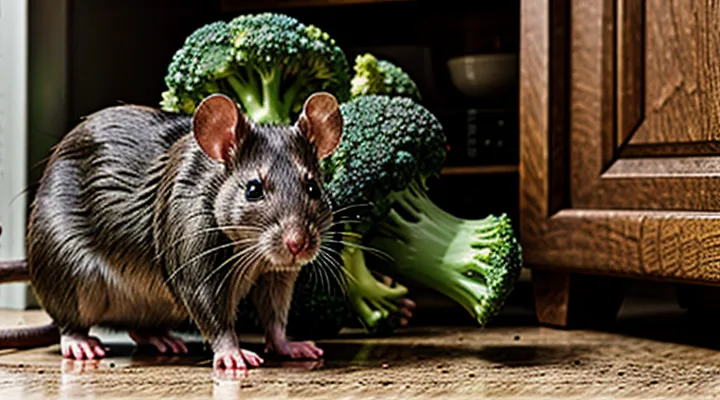
Introduction to Rat Diet
General Dietary Needs of Rats
Rats require a balanced diet that supplies protein, fat, carbohydrates, fiber, vitamins, and minerals. Protein sources such as cooked eggs, lean meat, and high‑quality commercial rat pellets should constitute roughly 15‑20 % of daily intake. Fat should remain moderate, no more than 5 % of calories, to prevent obesity and hepatic strain.
Key nutrients include:
- Vitamin C: absent in most rodent diets; supplied by fresh fruits or fortified pellets.
- Calcium and phosphorus: needed in a 1:1 to 1:2 ratio; provided by small amounts of cheese, yogurt, or calcium‑rich greens.
- Fiber: essential for gastrointestinal motility; delivered through plain cooked grains, oats, and leafy vegetables.
Vegetables are acceptable when offered in limited quantities. Broccoli, for example, delivers fiber, vitamin C, and potassium, but its high calcium and glucosinolate content can cause digestive upset if overfed. Introduce it gradually, no more than a few bite‑sized pieces per week, and monitor for diarrhea or reduced appetite.
Water must be available at all times, clean, and changed daily. Sudden dietary changes increase stress and can lead to metabolic disorders; adjust the rat’s menu incrementally, maintaining a consistent core of nutritionally complete pellets.
Safe and Unsafe Foods for Pet Rats
Pet rats require a balanced diet that includes commercial pellets, fresh vegetables, and occasional fruits. Understanding which foods are nutritionally appropriate prevents health issues and supports longevity.
Safe options
- Commercial rat pellets (formulated for rodents)
- Fresh leafy greens such as romaine lettuce, kale, and spinach
- Cruciferous vegetables like broccoli, cauliflower, and cabbage, offered in small portions
- Carrots, bell peppers, and cucumbers, raw and washed
- Small pieces of apple, pear, or berries, seed‑free
- Cooked plain brown rice or oatmeal, unsalted and unseasoned
Foods to avoid
- Processed snacks, chips, or salty treats
- Citrus fruits (oranges, lemons) and their juices
- Avocado, particularly the pit and skin
- Raw beans, potatoes, or any nightshade family members that are unripe or green
- Chocolate, caffeine, alcohol, and nicotine products
- High‑fat meats, bones, or fatty dairy items
Broccoli qualifies as a safe vegetable for rats when given in moderation. Serve it raw or lightly steamed, cut into bite‑size pieces, and remove any thick stems that could cause choking. Overfeeding cruciferous vegetables may lead to gas or digestive upset; limit servings to a few bites a few times per week.
Providing a diet focused on the safe items listed, while strictly excluding the hazardous foods, promotes optimal weight, dental health, and overall vitality in pet rats. Regular veterinary check‑ups complement proper nutrition and ensure early detection of dietary‑related problems.
Broccoli for Rats: The Basics
Is Broccoli Safe for Rats?
Broccoli is a vegetable that provides vitamins C and K, fiber, and antioxidants. These nutrients can complement a rat’s standard diet, which should consist mainly of a high‑quality commercial pellet mix.
Rats tolerate raw broccoli when offered in small quantities. The plant contains glucosinolates, compounds that can cause digestive upset if consumed in excess. Symptoms of overconsumption include gas, diarrhea, or reduced appetite.
Safe feeding practices:
- Offer 1–2 small florets per adult rat, no more than twice weekly.
- Introduce gradually, observing the animal for any adverse reaction.
- Remove any wilted or moldy portions before serving.
- For rats that show sensitivity, steam the broccoli briefly (2–3 minutes) to soften fibers and reduce glucosinolate content.
Potential risks:
- High fiber may interfere with nutrient absorption when given repeatedly.
- Pesticide residues pose a health hazard; always use organic or thoroughly washed produce.
- Some rats develop a preference for the vegetable, leading to reduced intake of essential pellet nutrients.
Incorporating broccoli as an occasional supplement aligns with veterinary recommendations for small‑animal nutrition, provided the quantity remains limited and the vegetable is prepared hygienically.
Nutritional Benefits of Broccoli for Rats
Vitamins and Minerals in Broccoli
Broccoli supplies a broad spectrum of micronutrients that can contribute to a balanced diet for laboratory or pet rats. The vegetable’s composition aligns with the nutritional requirements of rodents, providing essential compounds without excessive calories.
-
Vitamin C: approximately 89 mg per 100 g, supporting antioxidant defenses and collagen synthesis.
-
Vitamin K1 (phylloquinone): about 101 µg per 100 g, crucial for blood clotting and bone metabolism.
-
Vitamin A (β‑carotene): roughly 700 µg retinol activity equivalents per 100 g, important for vision and immune function.
-
Folate (vitamin B9): 63 µg per 100 g, involved in DNA synthesis and cell division.
-
Vitamin B6: 0.2 mg per 100 g, participates in amino‑acid metabolism.
-
Calcium: 47 mg per 100 g, contributes to skeletal health.
-
Iron: 0.7 mg per 100 g, required for hemoglobin formation.
-
Potassium: 316 mg per 100 g, regulates fluid balance and nerve transmission.
-
Magnesium: 21 mg per 100 g, supports enzymatic reactions.
-
Phosphorus: 66 mg per 100 g, works with calcium in bone development.
These nutrients meet several of the dietary standards established for rodents. Vitamin C, for instance, compensates for the limited synthesis capacity in rats, while vitamin K1 and calcium address bone integrity. The mineral profile supplies trace elements that aid metabolic processes without imposing toxic load when broccoli is offered in moderation.
In practice, incorporating finely chopped or steamed broccoli into a rat’s feed provides these vitamins and minerals alongside dietary fiber. Excessive quantities may lead to gastrointestinal upset due to the high fiber content; therefore, a portion equivalent to 5–10 % of the total daily ration is advisable for healthy consumption.
Fiber Content and Digestive Health
Broccoli provides a notable amount of dietary fiber, approximately 2.6 grams per 100 grams of raw florets. The fiber consists of both soluble and insoluble fractions; soluble fiber includes pectin and a modest level of fructooligosaccharides, while insoluble fiber is primarily cellulose and hemicellulose.
Rats possess a well‑developed cecum capable of fermenting fiber. Soluble fiber is metabolized by cecal microbes, producing short‑chain fatty acids that support colonocyte health. Insoluble fiber adds bulk, promoting regular peristalsis and preventing fecal stasis.
Moderate inclusion of broccoli fiber can enhance gut motility and microbial diversity in rats. Excessive fiber may overwhelm cecal capacity, leading to gas accumulation, soft stools, or transient diarrhea. Balance is essential to avoid digestive upset.
Feeding recommendations:
- Offer raw or lightly steamed broccoli in small pieces (no larger than 0.5 cm³).
- Limit to 5–10 % of the total daily diet by weight.
- Introduce gradually, monitoring fecal consistency for the first 48 hours.
- Provide fresh water continually to aid fiber transit.
When administered within these parameters, broccoli contributes beneficial fiber without compromising rat digestive health.
Potential Risks of Feeding Broccoli to Rats
Goitrogens and Thyroid Health
Broccoli contains glucosinolates that convert to isothiocyanates and thiocyanates during digestion. These compounds are classified as goitrogens because they can disrupt thyroid hormone synthesis by inhibiting iodine uptake and interfering with thyroperoxidase activity.
In rodents, excessive dietary goitrogens may lead to reduced plasma thyroxine (T4) and triiodothyronine (T3) levels, prompting compensatory thyroid enlargement. The magnitude of this effect depends on the amount of broccoli, the animal’s iodine status, and the duration of exposure. Studies using controlled diets demonstrate that a raw broccoli inclusion of 10 % of total calories can produce measurable thyroid changes in rats with marginal iodine intake, whereas the same proportion does not affect animals receiving adequate iodine.
Practical considerations for feeding broccoli to rats:
- Offer cooked broccoli rather than raw; heat denatures most goitrogenic enzymes.
- Limit portion size to no more than 5 % of daily caloric intake.
- Ensure diet provides sufficient iodine (approximately 0.5 mg kg⁻¹ diet) to counteract any residual goitrogenic activity.
- Rotate broccoli with other vegetables to prevent chronic exposure to a single goitrogen source.
When these guidelines are followed, broccoli can be included in a rat’s diet without compromising thyroid health.
Pesticide Residues
Rats that are offered broccoli may be exposed to pesticide residues that remain on the vegetable after cultivation and post‑harvest handling. These residues consist of chemical compounds applied to control insects, weeds, or fungal diseases, and they can persist despite washing or cooking.
Residue levels vary with pesticide type, application timing, and adherence to pre‑harvest intervals. Regulatory agencies set maximum residue limits (MRLs) for rodent consumption, but those limits are often based on human dietary exposure, not on the specific metabolic pathways of rats. Consequently, the toxicological impact on rats can differ from that predicted for humans.
Key considerations for evaluating the safety of broccoli for rats include:
- Identification of the pesticide classes present (e.g., organophosphates, carbamates, pyrethroids).
- Comparison of detected concentrations with established LD₅₀ or NOAEL values for rats.
- Assessment of cumulative exposure if broccoli is part of a broader diet containing other treated produce.
- Verification that the broccoli was sourced from growers who follow integrated pest management practices, reducing reliance on high‑risk chemicals.
Mitigation strategies to lower residue intake are straightforward:
- Select organic or pesticide‑free broccoli whenever possible.
- Rinse the florets under running water for at least one minute; consider a mild vegetable‑wash solution.
- Blanch or steam the broccoli for 3–5 minutes; heat degrades many pesticide molecules.
- Rotate broccoli with other vegetables in the diet to prevent chronic exposure to a single residue profile.
Monitoring residue levels in laboratory settings involves sampling broccoli, extracting residues with solvents such as acetonitrile, and quantifying them using chromatography coupled with mass spectrometry. Data from such analyses inform risk assessments that determine whether the vegetable is suitable for rat consumption without adverse health effects.
How to Feed Broccoli to Rats
Preparing Broccoli for Rats
Washing and Cleaning
Rats may safely consume broccoli if the vegetable is properly washed and cleaned. Residues from pesticides, soil particles, and microbial contaminants remain on the surface of raw produce. These substances can cause digestive upset or introduce pathogens into a rat’s gastrointestinal tract.
Effective cleaning requires several steps:
- Rinse broccoli under cool, running water for at least 30 seconds.
- Use a soft brush to scrub florets and stems, removing stubborn debris.
- Submerge the pieces in a bowl of water mixed with a mild vinegar solution (1 part white vinegar to 4 parts water) for 2–3 minutes.
- Rinse again thoroughly to eliminate any vinegar taste.
- Pat dry with a clean paper towel or let air‑dry on a sterile surface.
After cleaning, cut the broccoli into bite‑size pieces no larger than ½ inch. Offer a small portion initially to monitor tolerance, then gradually increase the amount as part of a balanced diet.
Raw vs. Cooked Broccoli
Rats can eat broccoli, but the form in which it is offered influences nutrient availability and gastrointestinal tolerance.
Raw broccoli retains the highest levels of vitamin C, chlorophyll, and glucosinolates—compounds that may act as mild antinutrients for rodents. The fibrous texture can be difficult for a rat’s dentition and may cause occasional stomach upset if introduced abruptly. Small, bite‑size pieces introduced gradually reduce the risk of impaction.
Cooked broccoli undergoes heat‑induced changes:
- Heat deactivates most glucosinolates, lowering potential irritant effects.
- Softening of cell walls improves digestibility and nutrient absorption.
- Vitamin C loss is modest when steamed briefly (1–2 minutes); overcooking destroys additional nutrients.
Feeding recommendations for laboratory or pet rats:
- Offer raw florets no larger than ½ cm for initial exposure; monitor for signs of diarrhea or reduced food intake.
- Provide steamed broccoli (no added salt or oil) as the primary vegetable source; limit to 10 % of total diet weight to maintain balanced nutrition.
- Avoid frozen or wilted broccoli, which can harbor mold and reduce palatability.
Overall, cooked broccoli presents a safer, more digestible option for regular inclusion, while raw broccoli can be used sparingly for enrichment and to supply intact phytonutrients.
Recommended Portions and Frequency
Rats can safely consume broccoli when it is offered in modest quantities that complement a balanced diet. The vegetable provides fiber, vitamin C, and calcium, but its high fiber content can cause digestive upset if over‑fed.
- Portion size: 1–2 small florets (approximately 5 g) per adult rat; 3–4 florets (about 7–10 g) for a juvenile.
- Frequency: 1–2 times per week, never exceeding three servings in a ten‑day period.
- Preparation: Wash thoroughly, remove tough stems, and serve raw or lightly steamed without added salt or seasoning.
Excessive broccoli may introduce gas or loose stools; monitoring stool consistency after the first introduction helps determine individual tolerance. Adjust portions accordingly to maintain overall health and prevent nutrient imbalance.
Introducing Broccoli to Your Rat's Diet
Broccoli is a safe vegetable for pet rats when offered in moderation. It provides vitamins C and K, fiber, and antioxidants that support immune function and digestive health. Raw florets retain most nutrients, but cooking can reduce bitterness and make the texture easier for some rats to chew.
Introduce broccoli gradually to avoid gastrointestinal upset. Begin with a single small piece (about the size of a pea) and observe the rat for 24 hours. If no signs of diarrhea, bloating, or loss of appetite appear, increase the portion to a few florets per feeding. Limit total broccoli intake to no more than 10 % of the daily diet to maintain a balanced nutrient profile.
Key considerations when adding broccoli:
- Wash thoroughly to remove pesticides or soil residues.
- Remove thick stems; they are harder to digest.
- Offer raw or lightly steamed pieces; avoid adding salt, butter, or sauces.
- Monitor weight and stool consistency; adjust portion size if digestive issues arise.
A typical feeding schedule might include broccoli two to three times per week, alternating with other safe vegetables such as carrots, bell peppers, or leafy greens. Consistent observation and adjustment ensure the rat benefits from broccoli’s nutrients without compromising overall diet quality.
What Parts of Broccoli Can Rats Eat?
Florets
Broccoli florets are the most commonly offered portion of the vegetable to laboratory and pet rats because they contain the highest concentration of vitamins, minerals, and fiber. The edible tissue consists primarily of tightly packed buds that retain chlorophyll, glucosinolates, and a modest amount of protein.
Nutritional profile per 100 g of raw florets:
- Vitamin C: 89 mg
- Vitamin K: 101 µg
- Folate: 63 µg
- Calcium: 47 mg
- Dietary fiber: 2.6 g
- Glucosinolates: 0.5–1 g (bioactive compounds)
Rats metabolize glucosinolates into isothiocyanates, which can exert mild anticarcinogenic effects at low concentrations. Excessive intake may cause gastrointestinal irritation, manifested by loose stools or reduced feed intake. Studies on rodent models indicate that diets containing up to 5 % fresh broccoli florets do not impair growth or organ function, whereas levels above 10 % increase the risk of hepatic enzyme induction.
Practical feeding guidelines:
- Offer raw or lightly steamed florets; avoid boiling, which destroys heat‑sensitive nutrients.
- Limit to 5–10 g of fresh florets per 100 g of total diet for adult rats.
- Introduce gradually, monitoring stool consistency and body weight.
- Remove any wilted or mold‑affected pieces before presentation.
Overall, broccoli florets constitute a safe, nutrient‑dense supplement for rat diets when provided in moderation and prepared without excessive heat.
Stems
Rats readily accept broccoli stems when offered as part of a balanced diet. The fibrous core provides moderate amounts of vitamin C, calcium, and dietary fiber, nutrients that support dental health and gastrointestinal function in rodents.
Nutritional profile per 100 g of raw stem:
- Vitamin C: ~30 mg
- Calcium: ~47 mg
- Fiber: ~2.6 g
- Calories: ~34 kcal
Safety considerations:
- Freshness is critical; spoiled tissue can harbor mold or bacteria that cause illness.
- Pesticide residues may remain on the surface; wash thoroughly or use organic produce.
- Excessive fiber can lead to loose stools; limit intake to 5–10 % of total daily food weight.
Preparation guidelines:
- Rinse stems under running water.
- Trim tough outer layers if they appear woody.
- Cut into bite‑size pieces (1–2 cm) to facilitate chewing.
- Introduce gradually, observing for adverse reactions.
Overall, broccoli stems constitute a safe, nutrient‑rich supplement for laboratory or pet rats when presented clean, in moderate quantities, and as part of a varied diet.
Leaves
Broccoli leaves are edible plant tissue that contain high levels of fiber, vitamins A, C, and K, as well as minerals such as calcium and potassium. Their nutritional profile makes them a potential supplement for rodent diets, offering antioxidants and phytonutrients not typically found in standard rodent chow.
Rats can digest broccoli foliage without immediate toxicity, provided the leaves are introduced gradually. Sudden large amounts may cause gastrointestinal upset due to the plant’s glucosinolate content, which can irritate the lining of the digestive tract. Monitoring for signs of diarrhea, reduced appetite, or lethargy is essential after the first few servings.
Feeding recommendations:
- Offer fresh, washed leaves in small pieces (approximately 1–2 cm).
- Limit portions to 5–10 % of the total daily food intake.
- Introduce the leaves over several days, increasing the amount only if no adverse reactions appear.
- Store leftovers in the refrigerator for no more than 24 hours to prevent spoilage.
When prepared correctly, broccoli leaves can enrich a rat’s diet with additional nutrients and variety, complementing other protein‑rich and carbohydrate sources. Regular observation ensures that the inclusion of foliage remains safe and beneficial.
Alternative Vegetables for Rats
Other Safe and Nutritious Vegetables
Rats can safely consume a variety of vegetables beyond broccoli, each offering distinct nutrients that support growth, immunity, and overall health. When selecting vegetables, prioritize fresh, pesticide‑free produce and provide portions appropriate for the animal’s size.
- Carrots – high in beta‑carotene, which converts to vitamin A; low in calories; can be offered raw or lightly steamed.
- Spinach – rich in iron, calcium, and folate; should be given in moderation due to oxalates that may affect calcium absorption.
- Bell peppers – source of vitamins C and A; colorful varieties add visual interest and antioxidants.
- Zucchini – provides water content and potassium; texture is suitable for chewing.
- Kale – contains vitamin K, vitamin C, and fiber; serve in small amounts to avoid excessive calcium.
- Cucumber – high moisture, low caloric load; useful for hydration during warm periods.
- Sweet potato – supplies complex carbohydrates and vitamin A; best served cooked and unseasoned.
Preparation guidelines include washing thoroughly, removing tough stems or seeds, and cutting into bite‑size pieces to prevent choking. Cooking methods such as steaming or blanching soften fibrous vegetables, making them easier to digest while preserving most nutrients. Avoid adding oils, salts, or seasonings, as these can harm rat physiology.
Incorporating a rotating selection of these vegetables ensures a balanced intake of vitamins, minerals, and dietary fiber, reducing the risk of deficiencies and supporting a robust immune system. Regular observation of stool consistency and weight helps confirm that the diet remains appropriate for each individual rat.
Vegetables to Avoid
Rats can safely eat broccoli in moderation, but many other vegetables pose health risks.
Vegetables that should be excluded from a rat’s diet include:
- Potatoes (raw or green) – contain solanine, a toxic glycoalkaloid that can cause neurological symptoms.
- Tomatoes (green, leaves, stems) – high in tomatine, which may lead to gastrointestinal irritation and liver damage.
- Onions, garlic, leeks, and chives – all belong to the Allium family; their compounds can cause hemolytic anemia.
- Rhubarb leaves – contain oxalic acid, which may result in kidney failure.
- Eggplant (raw) – contains solanine similar to potatoes, presenting a risk of toxicity.
- Mushrooms (wild varieties) – many species produce mycotoxins that are lethal to rodents.
These items must be avoided entirely or offered only after thorough cooking that destroys the harmful compounds, though even cooked forms can remain unsafe. Providing a balanced diet of safe vegetables, grains, and protein ensures optimal health for pet rats.
Monitoring Your Rat's Health
Signs of Dietary Issues
Rats that receive broccoli as part of their diet may exhibit specific indicators of nutritional imbalance. Recognizing these signs enables timely correction and prevents long‑term health problems.
- Loose, watery stools or sudden onset of diarrhea.
- Noticeable weight loss despite unchanged feeding schedule.
- Dull, brittle fur that sheds more than usual.
- Reduced activity levels, prolonged periods of inactivity.
- Respiratory irritation manifested by sneezing or nasal discharge, suggesting a reaction to raw vegetable fibers.
- Elevated calcium levels in blood tests, reflecting the high calcium content of broccoli relative to rats’ dietary needs.
Additional symptoms can arise when broccoli displaces essential protein sources. Rats may develop muscle wasting, diminished growth rates in juveniles, and impaired immune responses, evident as frequent infections or delayed wound healing.
If any of these observations appear after introducing broccoli, adjust the diet by reducing or eliminating the vegetable and restoring a balanced mix of grains, proteins, and low‑fiber greens. Monitoring body condition scores and stool quality over a week provides a clear assessment of recovery.
When to Consult a Veterinarian
Broccoli is a low‑calorie vegetable that most healthy rats tolerate without problems, but any change in diet can provoke reactions that merit professional evaluation.
Typical situations that require a veterinarian’s assessment include:
- Persistent vomiting or diarrhea lasting more than 24 hours after the first serving of broccoli.
- Noticeable abdominal swelling, pain, or reluctance to move.
- Sudden weight loss or failure to gain weight despite regular feeding.
- Blood in the stool, mucus, or unusual coloration.
- Signs of respiratory distress, such as rapid breathing or wheezing, which may indicate aspiration of food particles.
- Lethargy, tremors, or seizures occurring shortly after consumption.
If any of these symptoms appear, contact a qualified small‑animal practitioner immediately. Provide a detailed account of the amount of broccoli offered, the time elapsed since ingestion, and any other foods the rat has eaten. The veterinarian may request a physical exam, fecal analysis, or imaging to rule out gastrointestinal blockage, allergic reaction, or underlying disease. Prompt intervention improves the likelihood of a full recovery and helps determine whether broccoli should remain part of the rat’s diet.