
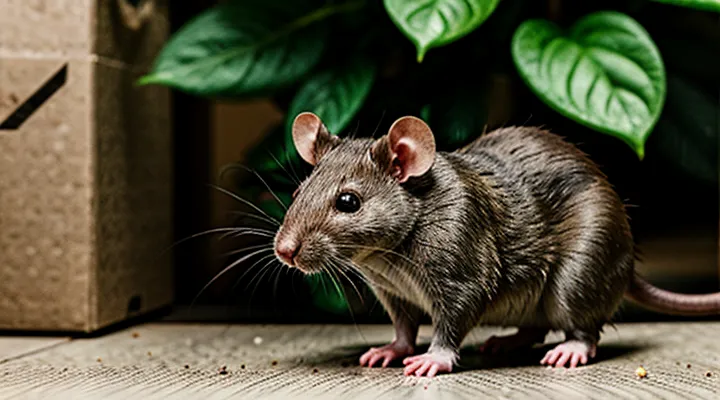
Introduction to Rat Nutrition
Basic Dietary Needs of Rats
Essential Nutrients for Rodents
Rats require a balanced diet that supplies protein, fats, carbohydrates, vitamins, and minerals in proportions that support growth, reproduction, and immune function. Deficiencies in any category can lead to weight loss, skeletal abnormalities, or reduced fertility.
- Protein – 18‑20 % of daily calories; sources include soy, fish meal, and egg whites.
- Fat – 5‑7 % of calories; essential for energy and absorption of fat‑soluble vitamins; derived from vegetable oils or animal fats.
- Carbohydrates – 50‑60 % of calories; provide quick energy; supplied by grains, seeds, and root vegetables.
- Calcium and phosphorus – maintain bone density; optimal ratio near 1:1; obtained from bone meal or fortified feeds.
- Vitamin A, D, E, K – regulate vision, calcium metabolism, antioxidant defenses, and blood clotting; present in liver, egg yolk, and fortified mixes.
- B‑complex vitamins – support metabolism and nervous system health; found in whole grains and brewer’s yeast.
- Trace minerals – zinc, copper, manganese, selenium; required in milligram amounts; supplied by mineral blocks or premixed diets.
Sour cream contains high fat and modest protein but lacks the vitamins and minerals listed above. Offering it sporadically adds variety without compromising nutritional balance, provided the portion does not exceed 5 % of total daily intake. Regular feeding of sour cream in place of a complete rodent diet will result in nutrient gaps and potential health issues.
Foods to Avoid for Rat Health
Rats require a diet that excludes items capable of causing digestive upset, toxicity, or long‑term health problems. When considering treats such as sour cream, it is essential to recognize which foods must never be offered.
- Processed meats (bacon, sausage, deli slices) – high in salt and preservatives, leading to kidney strain.
- Cured or smoked fish – contains nitrates and may harbor parasites.
- Dairy products with high fat content (full‑fat cheese, butter) – can trigger diarrhea and pancreatitis.
- Sugary foods (candy, chocolate, soda) – cause rapid blood‑sugar spikes, obesity, and in chocolate, lethal theobromine.
- Citrus fruits and juices – acidity irritates the stomach lining.
- Raw beans and legumes – contain lectins that are poisonous to rodents.
- Avocado flesh and pits – contain persin, a toxin harmful to rats.
- Onion, garlic, and related Allium species – damage red blood cells, leading to anemia.
- Alcohol and caffeinated beverages – depress the central nervous system and increase heart rate.
- High‑salt snacks (potato chips, pretzels) – promote dehydration and hypertension.
Avoiding these items protects gastrointestinal function, organ health, and overall longevity. When offering sour cream as an occasional treat, limit the portion, choose low‑fat varieties, and ensure it does not replace balanced pellets, fresh vegetables, and safe protein sources.
Sour Cream and Rats: A Detailed Analysis
Nutritional Profile of Sour Cream
Macronutrients
Sour cream contains three primary macronutrients: protein, fat, and carbohydrate. Each contributes differently to a rat’s nutritional balance and must be considered when incorporating this dairy product into a diet.
Protein in sour cream is modest, typically 2–3 g per 100 g. Rat diets require high‑quality protein to support growth, tissue repair, and immune function. The protein level in sour cream alone does not meet these needs; it should complement a protein‑rich base feed rather than replace it.
Fat accounts for the majority of sour cream’s calories, ranging from 10 to 20 g per 100 g depending on the product’s fat content. Fat provides essential fatty acids and a dense energy source. Excessive intake can lead to obesity and hepatic lipidosis in rodents, so portion sizes must be limited.
Carbohydrate content is low, usually 2–4 g per 100 g, primarily lactose. Adult rats tolerate lactose poorly because of reduced lactase activity, which can cause gastrointestinal upset. Young rats possess higher lactase activity but still benefit from minimal lactose exposure.
Practical guidelines for using sour cream as a supplement:
- Offer no more than ½ tsp (≈2 g) per day for an adult rat weighing 300 g.
- Ensure the primary diet supplies at least 18 % protein, 5 % fat, and 5 % carbohydrate by weight.
- Monitor body condition and stool consistency after introduction; discontinue if signs of diarrhea or weight gain appear.
- Prefer low‑fat varieties to reduce excess caloric load while still providing a source of beneficial fats.
When applied judiciously, sour cream can add variety and modest amounts of protein and fat, but it must remain a secondary component within a balanced macronutrient regimen.
Micronutrients
Sour cream contains several micronutrients that can affect a rat’s nutritional balance. Vitamin A supports vision and immune function, but excess amounts can lead to toxicity. Vitamin D aids calcium absorption; rats obtain most of it from sunlight, so supplemental vitamin D from sour cream should be limited. Vitamin K contributes to blood clotting, yet rats synthesize it internally, making dietary sources nonessential. B‑vitamins—particularly B2 (riboflavin) and B12 (cobalamin)—participate in energy metabolism; the quantities present in sour cream are modest and unlikely to cause deficiency or excess.
Mineral content includes calcium, phosphorus, and sodium. Calcium is essential for bone development, but sour cream’s calcium-to‑phosphorus ratio is lower than the optimal ratio for rodents, potentially disrupting mineral homeostasis if over‑fed. Sodium levels in sour cream exceed the typical intake for laboratory rats; chronic high sodium can increase blood pressure and stress on renal function.
A concise overview of relevant micronutrients in sour cream:
- Vitamin A: 30–40 IU per tablespoon; risk of hypervitaminosis at high frequency.
- Vitamin D: 0.5–1 µg per tablespoon; supplemental intake rarely needed.
- Vitamin K: 1–2 µg per tablespoon; negligible impact on overall status.
- Riboflavin (B2): 0.02 mg per tablespoon; contributes modestly to metabolic needs.
- Cobalamin (B12): 0.1 µg per tablespoon; sufficient for short‑term inclusion.
- Calcium: 30–40 mg per tablespoon; lower than ideal ratio with phosphorus.
- Phosphorus: 30–35 mg per tablespoon; balanced with calcium only in limited amounts.
- Sodium: 80–100 mg per tablespoon; exceeds recommended daily intake for a typical adult rat.
When incorporating sour cream into a rat’s diet, limit portions to a teaspoon or less per serving, no more than two times per week. This restriction minimizes the risk of micronutrient imbalance while allowing occasional enrichment of flavor and texture. Regular monitoring of weight, coat condition, and urinary output can reveal early signs of excess sodium or calcium‑phosphorus disruption. Adjustments to the overall diet—such as reducing other high‑calcium foods—help maintain a stable micronutrient profile.
Potential Benefits of Sour Cream for Rats
Probiotics and Gut Health
Probiotic content in dairy products can influence the digestive balance of rats. Fermented sour cream contains live cultures such as Lactobacillus and Bifidobacterium, which may augment beneficial bacteria in the gut. In moderate amounts, these microbes can support nutrient absorption, reinforce the intestinal barrier, and compete with pathogenic strains.
When incorporating sour cream into a rat’s diet, consider the following points:
- Offer no more than one teaspoon per week for an adult rat; larger doses increase the risk of lactose intolerance and dysbiosis.
- Select plain sour cream without added sugars, artificial flavors, or preservatives, as these additives can disrupt microbial equilibrium.
- Observe stool consistency after each serving; loose or watery feces indicate an adverse reaction and require immediate cessation.
- Combine sour cream with fiber‑rich foods (e.g., small pieces of vegetable or whole‑grain rodent pellets) to promote a stable fermentation environment.
- Consult a veterinarian before introducing dairy if the rat has a history of gastrointestinal issues or has been treated with antibiotics, which can alter the existing microbiota.
Research on rodent gut flora shows that occasional, controlled exposure to probiotic‑rich foods can enhance microbial diversity, but excessive or unmonitored intake may lead to imbalances that compromise health. Therefore, sour cream should be treated as a supplemental treat rather than a staple, with careful monitoring of the animal’s digestive response.
Source of Calcium and Fat
Sour cream can supply rats with both calcium and fat, but the quantities are modest and variable. A typical tablespoon contains approximately 30 mg calcium and 5 g fat, which may cover only a fraction of daily requirements for an adult rat. Excessive intake can lead to gastrointestinal upset or obesity, so sour cream should be offered sparingly, no more than once or twice a week.
To ensure balanced nutrition, complement sour cream with dedicated sources of calcium and fat:
- Calcium‑rich foods: plain yogurt, low‑fat cheese, canned fish with bones, fortified rodent pellets.
- Fat‑rich foods: unsalted nuts (e.g., almonds, walnuts), seeds (sunflower, pumpkin), small amounts of hard‑boiled egg yolk, commercial rodent treats formulated with healthy fats.
Monitor the rat’s weight and stool consistency after introducing sour cream. Adjust portion size or frequency if signs of digestive disturbance appear. Consistent provision of the listed calcium and fat sources will maintain mineral balance while allowing occasional sour cream as a treat.
Potential Risks of Sour Cream for Rats
Lactose Intolerance in Rodents
Rats, like many rodent species, lack significant lactase activity after weaning, making them unable to digest lactose efficiently. The enzyme deficiency leads to osmotic imbalance in the intestine when lactose reaches the colon.
Undigested lactose ferments under bacterial action, producing gas, bloating, and watery stool. Acute exposure may cause abdominal discomfort and reduced feed intake. Chronic exposure can result in malabsorption and weight loss.
Sour cream contains approximately 3–4 % lactose. Feeding it to rats introduces a lactose load that exceeds their digestive capacity, increasing the risk of gastrointestinal upset. Even small servings can trigger symptoms in sensitive individuals.
Practical guidance:
- Avoid sour cream as a regular treat.
- If a tiny amount is offered for enrichment, limit it to less than 0.5 g per 100 g body weight and observe the animal for 24 hours.
- Provide lactose‑free alternatives such as plain yogurt cultures that have been strained to remove whey, or commercially available rodent treats formulated without dairy.
- Monitor fecal consistency and appetite after any dairy exposure; revert to a lactose‑free diet immediately if diarrhea or bloating occurs.
Understanding the inherent lactose intolerance in rodents prevents unnecessary health issues and supports optimal nutrition for pet and laboratory rats.
High Fat Content Concerns
Sour cream contains a high proportion of fat, typically ranging from 10 % to 30 % by weight, depending on the product. Rats obtain most of their energy from carbohydrates and proteins; excessive dietary fat can disrupt this balance and lead to rapid weight gain. Elevated fat intake increases the risk of obesity, which in turn predisposes rats to insulin resistance, hepatic steatosis, and reduced lifespan.
Rats metabolize dietary fat less efficiently than humans, so even modest portions of sour cream can contribute a disproportionate caloric load. Fat overload may also impair gastrointestinal motility, causing soft stools or diarrhea, and can aggravate existing conditions such as pancreatitis.
When considering sour cream as a treat, follow these guidelines:
- Limit servings to no more than ½ tsp (≈2 g) per adult rat, and no more than ¼ tsp for juveniles.
- Offer sour cream no more than twice a week; daily exposure quickly exceeds recommended fat percentages.
- Choose low‑fat or reduced‑fat varieties to lower caloric density while preserving the taste that rats find appealing.
- Monitor body condition scores weekly; any increase in abdominal girth or loss of coat sheen warrants immediate reduction or elimination of the treat.
- Provide ample fresh water and high‑fiber bedding to support digestion and mitigate potential constipation from fat‑rich foods.
Overall, the high fat content of sour cream makes it a conditional, infrequent supplement rather than a staple. Proper portion control and regular health checks ensure that occasional indulgence does not compromise a rat’s nutritional equilibrium.
Additives and Preservatives
Sour cream intended for human consumption frequently contains additives and preservatives designed to extend shelf life, improve texture, or prevent microbial growth. These compounds include stabilizers such as carrageenan, thickeners like guar gum, and chemical preservatives such as potassium sorbate or sodium benzoate. While generally recognized as safe for people, rodents metabolize many substances differently, and some additives can provoke gastrointestinal irritation, allergic reactions, or disrupt normal gut flora in rats.
When offering sour cream to pet rats, consider the following points:
- Identify additive‑free options – Choose products labeled “plain,” “no additives,” or “organic” that list only cream and cultures.
- Check ingredient lists – Avoid items that mention emulsifiers, artificial flavors, or preservatives.
- Assess portion size – Even additive‑free sour cream should be limited to a teaspoon or less per rat per week to prevent excess fat intake.
- Monitor health indicators – Observe stool consistency, appetite, and activity levels after feeding; discontinue if any adverse signs appear.
- Prefer freshly prepared alternatives – Homemade sour cream made from pasteurized milk and live cultures eliminates commercial additives and allows precise control over ingredients.
In summary, the presence of additives and preservatives in commercial sour cream introduces potential health risks for rats. Selecting additive‑free or freshly made versions, restricting quantity, and observing the animals’ response constitute responsible feeding practices.
Feeding Guidelines
Can Rats Eat Sour Cream? The Verdict
Small Amounts vs. Regular Treats
Feeding rats sour cream can be safe when the portion is limited. A teaspoon (5 ml) once or twice a week supplies the desired flavor without overwhelming the animal’s digestive system. The small dose delivers a modest amount of protein and calcium while keeping fat and lactose intake low enough to avoid gastrointestinal upset.
Regular inclusion of sour cream as a treat changes the nutritional balance. Daily servings increase total calories, potentially leading to weight gain and fatty liver disease. Repeated exposure raises the risk of lactose intolerance, which manifests as diarrhea or bloating. Continuous high‑fat intake may also suppress appetite for the balanced pellet diet, reducing essential nutrient consumption.
Comparison
- Frequency: occasional (1–2 times / week) vs. daily
- Portion size: ≤ 1 tsp vs. ≥ 1 tsp per feeding
- Caloric impact: minor increase vs. significant rise
- Health risk: low probability of digestive issues vs. higher probability of obesity and intolerance
When using sour cream as a reward, treat it like a special garnish rather than a staple. Monitor body condition and stool consistency after each offering. Adjust or discontinue if weight gain or digestive symptoms appear. This approach maintains the nutritional integrity of the primary diet while allowing occasional indulgence.
Fermented Dairy Products vs. Unfermented
Rats tolerate dairy products differently depending on whether the product has undergone fermentation. Fermented dairy, such as kefir or yogurt, contains live cultures that break down lactose into simpler sugars, reducing the risk of digestive upset. Unfermented dairy, including sour cream and plain milk, retains higher lactose levels, which can cause diarrhea or gas in rats that lack sufficient lactase activity.
When considering sour cream as a treat, compare it with a fermented alternative:
- Lactose content: Fermented dairy typically contains 30‑50 % less lactose than unfermented varieties.
- Probiotic presence: Live bacteria in fermented products support gut health and may improve nutrient absorption.
- Texture and palatability: Sour cream’s thick consistency appeals to many rats, but its high fat and lactose can outweigh the benefit for sensitive individuals.
- Shelf stability: Fermented items often have a longer usable period due to natural acidity, whereas unfermented dairy spoils quickly and may develop harmful bacteria.
For safe inclusion of sour cream in a rat’s diet, limit portions to a teaspoon or less per week and observe for signs of digestive distress. Prefer fermented dairy when offering a similar texture, as it provides comparable taste with reduced lactose and added probiotic advantages. Always ensure the product is plain, free of artificial sweeteners, flavorings, or added salt, which can be toxic to rodents.
How to Offer Sour Cream to Your Rat
Portion Sizes
Sour cream may be offered to pet rats as an occasional treat, but the amount must be strictly limited to avoid nutritional imbalance.
A safe serving for an average adult rat is approximately ¼ teaspoon (about 1 ml). Larger individuals can receive up to ½ teaspoon, and the treat should not be given more than two times per week.
- Measure with a calibrated kitchen spoon.
- Present the portion at room temperature; discard any leftovers after 30 minutes.
- Store unused sour cream in the refrigerator and use within 24 hours.
Adjustments are required for juveniles, pregnant or lactating females, and rats with reduced activity. Reduce the portion by half for these groups and observe for any signs of digestive upset.
Excessive intake raises the risk of obesity, hepatic strain, and diarrhea due to the high fat and lactose content. Maintaining the specified limits preserves the health benefits of occasional sour cream without compromising the balanced diet rats need.
Frequency
Sour cream can be offered to pet rats as an occasional treat, not as a staple food.
A safe schedule limits exposure to a few teaspoons per rat, no more than two servings per week. Daily feeding increases the risk of digestive upset and excess calorie intake.
Frequency should be adjusted for young, pregnant, or ill rats; these groups tolerate dairy less well and may require less than the standard two‑times‑weekly limit.
Guidelines for implementation:
- Provide ½ – 1 teaspoon of plain sour cream per adult rat.
- Offer the treat in the evening, allowing observation of any adverse reaction before the next day.
- Record each feeding; if loose stools or weight gain appear, reduce frequency or discontinue.
- Maintain a balanced diet of pellets, fresh vegetables, and occasional protein sources alongside the treat.
Consistent monitoring ensures the treat remains a harmless supplement rather than a nutritional liability.
Presentation Methods
When offering sour cream to pet rats, the presentation influences acceptance and safety. Serve the product in a manner that limits exposure to excess fat and prevents spoilage.
- Measure a teaspoon‑size portion; the amount should not exceed 5 % of the daily caloric intake.
- Chill the cream briefly (2–3 °C) to maintain texture and reduce bacterial growth.
- Place the measured portion on a clean, shallow dish that rats can easily access without climbing.
- Combine the cream with a small amount of fresh vegetables or a grain mash to encourage tasting and to dilute richness.
- Offer the treat once or twice a week; avoid daily feeding to prevent digestive upset.
Observe the rats during the first exposure. Acceptable signs include immediate nibbling and normal activity afterward. If any individual shows signs of reluctance, gastrointestinal distress, or excessive licking, discontinue the treat and adjust the serving method. Consistent monitoring ensures that the sour cream remains a safe, occasional supplement rather than a regular dietary component.
Monitoring Your Rat After Feeding Sour Cream
Signs of Digestive Upset
When introducing sour cream into a rat’s diet, watch for immediate indications that the gastrointestinal system is reacting negatively. Prompt detection prevents prolonged discomfort and possible health complications.
Typical manifestations of digestive disturbance include:
- Reduced food intake or complete refusal of meals.
- Loose, watery stools or a sudden increase in fecal frequency.
- Presence of blood or mucus in the stool.
- Abdominal swelling or a visibly distended belly.
- Excessive licking or grooming of the anal area.
- Lethargy, shivering, or a noticeable decline in activity levels.
- Rapid weight loss measured over a few days.
If any of these symptoms appear after offering sour cream, discontinue the treat and consult a veterinarian. Maintaining a balanced diet and introducing new foods gradually reduces the likelihood of gastrointestinal upset.
Allergic Reactions
Rats may tolerate sour cream, but owners should monitor for hypersensitivity. Allergic responses arise when the immune system misidentifies dairy proteins as threats, triggering inflammation. Symptoms appear within minutes to several hours after ingestion and can include:
- Itching or excessive grooming of the face and paws
- Red, swollen skin around the mouth or ears
- Hives or raised bumps on the fur
- Respiratory distress such as rapid breathing or wheezing
- Gastrointestinal upset, including vomiting or watery diarrhea
If any of these signs develop, discontinue sour cream immediately and consult a veterinarian. An elimination trial—offering the rat a bland diet for several days, then reintroducing a small amount of sour cream—helps confirm the allergy. Persistent reactions may require antihistamine treatment prescribed by a professional.
When introducing new foods, start with a minimal portion (no more than a teaspoon per 100 g of body weight) and observe the animal for at least 24 hours. Record any adverse effects to guide future feeding decisions and avoid repeat exposure to the offending ingredient.
Overall, sour cream can be a occasional treat for healthy rodents, but allergic potential mandates careful observation and prompt veterinary intervention if symptoms emerge.
Behavioral Changes
Feeding rats sour cream can trigger distinct behavioral responses that reflect both palatability and physiological impact. Observations from controlled feeding trials indicate that rats exhibit measurable alterations in activity, social interaction, and stress indicators after exposure to this dairy product.
- Increased exploratory locomotion during the first hour of access, suggesting heightened motivation for the novel taste.
- Short‑term reduction in grooming frequency, often interpreted as a temporary distraction from routine maintenance behaviors.
- Elevated aggression toward cage mates when the source of sour cream is limited, leading to brief dominance contests.
- Noticeable decrease in nesting activity after consumption, likely due to reduced need for thermoregulation when dietary fat intake rises.
- Transient rise in vocalization intensity during feeding, reflecting heightened arousal.
These patterns emerge consistently when sour cream is offered as a supplementary treat rather than a staple component. To mitigate potential negative outcomes, limit portions to a maximum of one teaspoon per rat per week, ensure simultaneous availability for all individuals in a group, and monitor for sustained aggression or loss of grooming. If any behavioral shift persists beyond 24 hours, discontinue the treat and reassess the diet.
Alternative Healthy Treats for Rats
Recommended Dairy Alternatives
Yogurt and Kefir
Yogurt and kefir are dairy products that can be offered to pet rats as occasional supplements to a balanced diet. Both contain live cultures that may support gut health, provide moderate protein, and supply calcium and B‑vitamins.
Plain, unsweetened varieties without added fruit, sugar, or flavorings are suitable. Low‑fat or non‑fat options reduce the risk of excess calories and fat‑related issues. Rats that show signs of lactose intolerance—diarrhea, gas, or reduced appetite—should not receive these products.
Guidelines for use
- Introduce a teaspoon (5 ml) of yogurt or kefir once per week.
- Observe the animal for 24 hours; discontinue if digestive upset occurs.
- Limit total dairy intake to no more than 5 % of daily caloric consumption.
- Store products refrigerated and discard any that have separated or developed off‑odors.
Gradual incorporation allows the rat’s microbiota to adapt. Consistent monitoring ensures that yogurt or kefir complements, rather than replaces, the core diet of high‑quality pellets, fresh vegetables, and occasional protein treats.
Cottage Cheese
Cottage cheese is a high‑protein dairy product that many owners consider as an occasional treat for pet rats. Its moisture content is lower than that of sour cream, which reduces the risk of diarrhea when offered in small portions. The protein level (approximately 11 g per 100 g) supports muscle maintenance, while calcium and phosphorus contribute to bone health. Lactose tolerance varies among rats; individuals with limited lactase activity may develop gastrointestinal upset after consuming dairy.
When incorporating cottage cheese into a rat’s diet, observe the following guidelines:
- Offer no more than ½ teaspoon (about 2 g) per rat, once or twice a week.
- Provide fresh, plain cottage cheese without added salts, herbs, or fruit.
- Serve at room temperature to avoid shock from cold foods.
- Monitor the animal for signs of digestive distress, such as loose stools or reduced appetite, and discontinue if symptoms appear.
Cottage cheese can serve as a protein supplement alongside a balanced grain‑based diet, but it should not replace the primary food source. For rats that show intolerance, alternative protein options include cooked eggs, lean meat, or soy‑based treats. Consistent observation and moderation ensure that cottage cheese remains a safe, nutritious addition rather than a health hazard.
Fruit and Vegetable Options
Safe Fruits for Rats
Rats tolerate a variety of fresh fruits when offered in moderation. Fruit should complement a balanced diet of high‑quality pellets, vegetables, and occasional protein sources. Overfeeding fruit can lead to obesity, diarrhea, or dental issues because of its natural sugar and acidity.
Safe fruit options include:
- Apple (core and seeds removed)
- Blueberries
- Strawberries (hull removed)
- Raspberries
- Blackberries
- Pear (seed‑free)
- Kiwi (peeled)
- Mango (pitted)
- Papaya (seedless)
- Cantaloupe
- Honeydew melon
- Grapes (seedless, limited quantity)
When introducing fruit, offer only a small piece (approximately ¼ teaspoon for a small rat) and observe for any adverse reaction. Remove any pits, cores, or skins that could pose choking hazards or contain toxic compounds. Rotate fruit choices to provide nutritional variety while preventing overexposure to a single sugar source.
Safe Vegetables for Rats
Rats thrive on a balanced diet that includes fresh vegetables, which supply essential vitamins, minerals, and fiber. Incorporating a variety of safe greens promotes digestive health and prevents nutritional deficiencies.
- Carrots (raw, grated or sliced)
- Bell peppers (any color, seeded)
- Broccoli florets (raw or lightly steamed)
- Spinach (fresh, washed)
- Zucchini (raw, diced)
- Kale (chopped, offered in moderation)
- Cucumber (seedless, sliced)
- Green beans (raw or cooked, cut into bite‑size pieces)
- Peas (fresh or frozen, thawed)
- Sweet potato (cooked, unseasoned, small cubes)
Before serving, rinse vegetables thoroughly to remove residues. Offer raw pieces when texture is suitable; for harder vegetables, a brief steam (no more than five minutes) improves digestibility without destroying nutrients. Limit each serving to 1–2 teaspoons per day for a typical adult rat; adjust portion size for juveniles or larger breeds.
Avoid vegetables containing solanine or oxalates, such as raw potatoes, rhubarb, and nightshades. Rotate selections weekly to provide a broad nutrient spectrum and reduce the risk of selective eating habits.
Other Safe and Nutritious Snacks
Grains and Seeds
Rats that receive sour cream as an occasional treat need a balanced base diet; grains and seeds supply essential carbohydrates, fiber, and fatty acids that support digestion and energy metabolism. Selecting appropriate varieties prevents nutritional imbalances and reduces the risk of gastrointestinal upset.
Commonly used grains include oats, barley, and wheat. They should be whole‑grain, unflavored, and free of added sugars. Seeds such as sunflower, pumpkin, and sesame provide protein and healthy lipids; they must be unsalted and offered in limited amounts to avoid excess fat.
When sour cream is introduced, grains and seeds act as neutral fillers that dilute the dairy’s richness, helping to maintain a stable calcium‑phosphorus ratio. Over‑reliance on sour cream can displace these staples, leading to deficiencies in B‑vitamins and trace minerals.
Practical feeding guidelines:
- Offer 1‑2 teaspoons of mixed grains and seeds per day for an adult rat, divided into two feedings.
- Introduce sour cream in no more than ½ teaspoon per week, mixed with the grain‑seed blend.
- Monitor stool consistency; adjust grain‑seed volume if loose stools appear after sour‑cream exposure.
- Store dry grains and seeds in airtight containers at room temperature; keep sour cream refrigerated and discard after 48 hours.
Adhering to these parameters ensures that grains and seeds remain the nutritional foundation while sour cream remains a safe, occasional supplement.
Lean Proteins
Lean proteins are a critical component of a balanced rat diet, supplying essential amino acids for growth, tissue repair, and immune function. When offering sour cream, which is high in fat and lactose, the overall protein-to-fat ratio should be carefully managed to prevent digestive upset and obesity.
- Cooked chicken breast, skinless
- Turkey mince, low‑fat
- Boiled egg whites
- Low‑fat cottage cheese
- White‑fish fillets, steamed
These sources deliver high‑quality protein with minimal saturated fat. Incorporate 1–2 grams of lean protein per 100 grams of body weight daily, adjusting portions based on the rat’s activity level and age. If sour cream is provided as an occasional treat, limit it to no more than 5 % of the total caloric intake and pair it with a protein‑rich snack to maintain nutritional balance.
Regular monitoring of body condition and fecal consistency will reveal whether the protein‑fat mix remains appropriate. Adjust protein portions upward if weight loss or muscle wasting appears; reduce them if excess weight or oily stools develop. Consistency in feeding schedule and portion control ensures that the occasional sour cream indulgence does not compromise overall health.