
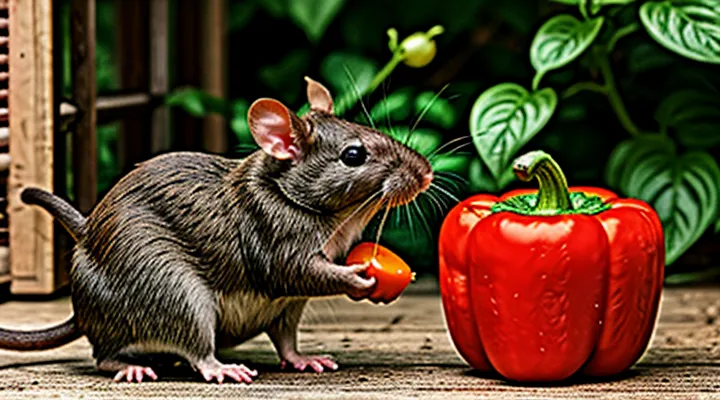
Nutritional Profile of Red Bell Pepper
Vitamins and Minerals
Red bell pepper provides a notable profile of micronutrients that can complement a laboratory rat’s diet. The fruit contains high levels of vitamin C, moderate amounts of vitamin A (as β‑carotene), vitamin B6, and vitamin K1, together with essential minerals such as potassium, magnesium, and small quantities of iron and calcium. These compounds support antioxidant defenses, immune function, and metabolic processes in rodents.
When introducing red bell pepper to rats, consider the following points:
- Vitamin C: Rats synthesize their own vitamin C; supplemental intake may reduce the need for endogenous production but does not cause toxicity at typical dietary levels.
- Vitamin A (β‑carotene): Excessive vitamin A can lead to hypervitaminosis; limit portions to a few small cubes per day to avoid accumulation.
- Potassium: Supports electrolyte balance; excessive amounts are unlikely from occasional feeding, but monitor overall diet to prevent imbalance.
- Fiber: The fruit’s raw fiber aids gastrointestinal motility, yet sudden high‑fiber introductions may cause loose stools.
Safe incorporation involves offering raw, washed pieces no larger than 0.5 cm³, two to three times per week, and observing the animal for any adverse reactions. Adjust the overall feed formulation to maintain the standard nutrient ratios recommended for rat colonies, ensuring that the added micronutrients do not exceed established upper limits.
Antioxidants and Other Compounds
Red bell pepper supplies a range of bioactive substances that can affect rodent physiology. The fruit’s flesh contains high levels of vitamin C, a water‑soluble antioxidant that scavenges free radicals and supports adrenal function. Carotenoids such as β‑carotene, capsanthin, lutein and zeaxanthin provide lipid‑soluble protection against oxidative damage and serve as provitamin A sources. Flavonoids, notably quercetin and luteolin, add further radical‑quenching capacity and exhibit anti‑inflammatory activity.
Beyond antioxidants, the vegetable contributes dietary fiber, which promotes gastrointestinal motility and supports microbial diversity. Vitamins A, E and B₆ appear in modest amounts, while minerals like potassium, folate and magnesium contribute to electrolyte balance and enzymatic processes. Red bell pepper lacks capsaicinoids, reducing the risk of irritation compared with hot peppers.
When incorporated into a rat’s diet, these compounds may lower markers of oxidative stress, enhance immune responsiveness, and improve visual health through increased retinal carotenoid levels. Potential drawbacks include mild gastric upset if introduced abruptly or offered in excessive quantities. Rats possess efficient vitamin C synthesis, so supplemental intake should not replace endogenous production but can still provide additive antioxidant support.
Feeding recommendations
- Portion size: 0.5 g of fresh diced pepper per 100 g body weight, not exceeding 2 g per day for an adult laboratory rat.
- Preparation: wash thoroughly, remove seeds, cut into 2–3 mm cubes; serve raw to preserve heat‑labile nutrients.
- Frequency: 3–4 times weekly, alternating with other vegetable sources to ensure dietary variety.
- Monitoring: observe for changes in fecal consistency, weight, and activity; reduce or discontinue if signs of distress appear.
Properly managed inclusion of red bell pepper delivers antioxidants and complementary nutrients that can contribute to the overall health of laboratory rats, provided that quantity and frequency are controlled.
Water Content
Red bell pepper consists of roughly 92 % water by weight, a figure that remains consistent across fresh specimens regardless of size. The remaining mass comprises primarily carbohydrates, modest protein, low fat, and a spectrum of vitamins and antioxidants.
- High moisture contributes to overall fluid intake when the vegetable is incorporated into a rodent’s diet.
- The water is free of added salts or sugars, reducing the risk of electrolyte imbalance compared with processed foods.
- Excessive consumption may displace more nutrient‑dense feed, potentially leading to deficiencies if not balanced.
Rats can ingest red bell pepper as a supplemental source of hydration, provided the portion size does not exceed 10 % of daily food volume. Monitoring body weight and stool consistency helps confirm that the added moisture is well tolerated. If signs of diarrhea or reduced appetite appear, the amount should be reduced or eliminated.
Safety Considerations for Rats
Potential Benefits
Red bell pepper provides rats with several nutrients that can improve physiological function. The fruit is rich in vitamin C, a compound rats cannot synthesize endogenously, so dietary inclusion helps maintain antioxidant capacity and supports immune response. Beta‑carotene, the precursor of vitamin A, contributes to retinal health and epithelial integrity, reducing susceptibility to infections.
In addition to micronutrients, the fiber content of red bell pepper aids gastrointestinal motility. Regular intake can promote a balanced gut microbiota, which influences metabolic efficiency and stress resilience. The low-calorie profile allows supplementation without excessive energy intake, making it suitable for weight‑management protocols.
Potential benefits include:
- Enhanced antioxidant status through vitamin C and carotenoids
- Improved vision and mucosal barrier function via vitamin A precursors
- Stabilized gut flora and smoother digestion from dietary fiber
- Support for immune system activity without adding significant calories
Possible Risks
Feeding red bell pepper to pet rats introduces several health concerns that require careful consideration.
- Digestive irritation – Capsicum compounds can irritate the gastrointestinal lining, leading to diarrhea or reduced appetite.
- Pesticide exposure – Commercial peppers often carry residual insecticides; even rinsed produce may retain trace amounts harmful to small mammals.
- Choking risk – Firm flesh and seeds can obstruct the airway or cause esophageal blockage if not finely chopped.
- Nutritional imbalance – High vitamin C and sugar content may disrupt the balanced rodent diet, interfering with calcium absorption and weight regulation.
- Allergic reaction – Some rats develop hypersensitivity to capsicum, manifested by skin redness, sneezing, or respiratory distress.
- Microbial contamination – Improper storage encourages mold growth, introducing mycotoxins that affect liver and kidney function.
Veterinary guidance recommends limiting red bell pepper to occasional, small, seed‑free portions, ensuring thorough washing, and observing the animal for adverse signs. Continuous monitoring and consultation with a qualified professional mitigate the outlined risks.
Oxalates
Oxalates are organic acids that bind calcium to form insoluble crystals. In mammals, high dietary oxalate can contribute to kidney stone formation and interfere with mineral absorption. Red bell pepper contains a modest amount of oxalates, typically ranging from 3 to 5 mg per 100 g of fresh weight. This concentration is considerably lower than that found in leafy greens such as spinach, which can exceed 600 mg per 100 g.
Rats metabolize oxalates similarly to other rodents. Their kidneys efficiently excrete low to moderate oxalate loads, but chronic exposure to elevated levels may lead to renal tubular damage and reduced calcium bioavailability. Experimental diets that supply more than 200 mg oxalate per kilogram of feed have been associated with microscopic crystal deposits in rat kidneys.
When assessing red bell pepper as a treat for rats, consider the following points:
- Oxalate content: ~4 mg / 100 g (low relative to high‑oxalate foods).
- Recommended maximum: ≤50 mg oxalate per day for an adult rat weighing 250 g, based on conservative safety margins.
- Practical serving size: 0.5 g of fresh pepper delivers approximately 0.02 mg oxalate, well below the limit.
- Frequency: occasional inclusion (e.g., 2–3 times per week) avoids cumulative excess.
If a rat’s diet already includes high‑oxalate ingredients, the addition of red bell pepper should be reduced or omitted. Monitoring for signs of urinary distress, such as hematuria or changes in drinking behavior, can help detect adverse effects early.
In summary, the oxalate level in red bell pepper is sufficiently low that it can be offered to rats in small, infrequent portions without exceeding safe intake thresholds, provided the overall diet does not contain other significant oxalate sources.
Pesticide Residues
Red bell peppers are sometimes offered to laboratory or pet rats as a source of vitamins and fiber. Before inclusion in a diet, the presence of pesticide residues must be evaluated because rodents are sensitive to many agrochemical compounds.
Pesticide residues on peppers originate from pre‑harvest treatments such as insecticides, fungicides, and herbicides. Residue levels depend on crop management, harvest interval, and post‑harvest washing. Typical residues reported in commercially available peppers include chlorpyrifos (≤0.02 mg kg⁻¹), imidacloprid (≤0.01 mg kg⁻¹), and azoxystrobin (≤0.03 mg kg⁻¹). These values fall below the maximum residue limits (MRLs) set by the Codex Alimentarius and the U.S. Food and Drug Administration for human consumption, but the toxicological threshold for rats can be lower.
Acute toxicity data indicate that chlorpyrifos causes neurotoxicity in rats at doses as low as 0.5 mg kg⁻¹ body weight, while imidacloprid produces sub‑lethal effects on locomotion at 0.1 mg kg⁻¹. Chronic exposure to azoxystrobin at 10 mg kg⁻¹ leads to liver enzyme alterations. Consequently, even residues within human MRLs may approach or exceed no‑observable‑adverse‑effect levels (NOAEL) for rats when the pepper constitutes a regular dietary component.
Analytical verification of residues in peppers intended for rodent feeding should follow validated methods such as gas chromatography‑mass spectrometry (GC‑MS) or liquid chromatography‑tandem mass spectrometry (LC‑MS/MS). Sample preparation includes homogenization, solvent extraction, and cleanup with solid‑phase extraction cartridges. Laboratories report limits of detection (LOD) of 0.001 mg kg⁻¹ for most target compounds.
Risk mitigation strategies include:
- Selecting organically certified peppers that are grown without synthetic pesticides.
- Washing fresh peppers thoroughly under running water and brushing the surface to reduce surface residues.
- Conducting a pre‑use residue test on a representative batch using a rapid screening kit (e.g., immunoassay strips).
- Limiting pepper portion size to less than 5 % of total diet weight, thereby reducing overall pesticide intake.
When these measures are applied, the likelihood of adverse pesticide effects on rats remains minimal, allowing red bell peppers to serve as a safe nutritional supplement.
Digestive Upset
Red bell pepper contains soluble fiber, natural sugars, and a modest amount of capsaicinoids. When introduced to a rat’s diet, the fiber can accelerate intestinal transit, while the sugars may ferment in the large intestine. Excessive fermentation produces gas and short‑chain fatty acids that can irritate the mucosa, leading to diarrhea, loose stools, or abdominal cramping. Capsaicinoids, though present in low concentrations, may stimulate gastric secretions and exacerbate gastric irritation in sensitive individuals.
Signs of digestive disturbance include increased frequency of defecation, watery or mucus‑laden feces, reduced appetite, and occasional vomiting. Persistent symptoms warrant veterinary evaluation to rule out underlying infections or allergic reactions. Monitoring stool consistency and overall behavior after any dietary change is essential for early detection.
- Introduce red bell pepper gradually: start with a single 1‑mm piece per day.
- Observe the rat for 24–48 hours before increasing the amount.
- Limit total intake to no more than 5 % of the daily food volume.
- Discontinue the vegetable if any of the following appear: watery stool, reduced feed consumption, lethargy, or weight loss.
- Provide ample fresh water to aid digestion and prevent dehydration.
How to Offer Red Bell Pepper to Rats
Preparation Guidelines
Red bell pepper can be a safe, nutrient‑rich addition to a rat’s diet when prepared correctly. Improper handling may introduce contaminants or cause digestive upset, so follow these steps before offering the vegetable.
- Select fresh, firm peppers free of bruises, mold, or soft spots.
- Wash thoroughly under running water; use a produce brush to remove surface residues.
- Remove the stem, seeds, and inner membranes, which contain higher levels of capsaicin and can irritate the gastrointestinal tract.
- Cut the flesh into bite‑size pieces (approximately 0.5 cm cubes) to match a rat’s chewing capacity and to facilitate even consumption.
- Optional: blanch the pieces in boiling water for 30 seconds, then cool rapidly in ice water. This reduces the risk of pesticide residues and softens the texture for younger or dental‑compromised rats.
Introduce the prepared pieces gradually, starting with a single small portion and observing the animal for any signs of discomfort, such as loose stool or reduced appetite. Adjust the frequency based on tolerance; a few pieces two to three times per week provide vitamin C and antioxidants without displacing the core components of a balanced rodent diet.
Serving Size Recommendations
Rats can safely eat red bell pepper when offered in appropriate quantities. The vegetable provides vitamin C, beta‑carotene, and fiber, but excessive amounts may cause digestive upset due to its acidity and sugar content.
Recommended serving sizes
- Small adult rat (150–200 g): ¼ to ½ teaspoon of finely diced pepper, no more than three times per week.
- Larger adult rat (250–300 g): up to 1 teaspoon of diced pepper, limited to three servings weekly.
- Juvenile rats (under 8 weeks): 1–2 teaspoons of very small pieces, offered only once or twice per week.
General guidelines
- Introduce the pepper gradually, observing for changes in stool consistency or appetite.
- Serve only fresh, washed pepper; discard stems, seeds, and any wilted portions.
- Combine with a balanced diet of commercial rat pellets, protein sources, and other vegetables to maintain nutritional completeness.
Exceeding the suggested amounts increases risk of gastrointestinal irritation and may displace essential nutrients from the primary diet. Adjust portions based on individual tolerance and overall health status.
Frequency of Feeding
Red bell pepper can be incorporated into a rat’s diet, but the feeding schedule must respect digestive tolerance and nutritional balance. Offer the vegetable no more than two to three times per week; excess frequency may cause gastrointestinal upset due to its fiber and sugar content.
Typical serving size for an adult laboratory rat equals roughly ¼ inch cube (about 0.5 g). Smaller or juvenile rats require proportionally smaller pieces. Present fresh, washed, seed‑free sections, and remove any wilted portions before each offering.
Guidelines for regular feeding:
- Limit to 2–3 weekly servings.
- Provide a single small piece per feeding session.
- Observe the animal for signs of diarrhea, reduced appetite, or weight loss; adjust frequency accordingly.
- Rotate with other vegetables to ensure a varied nutrient profile.
If a rat exhibits intolerance, discontinue red bell pepper and replace with a low‑fiber alternative such as cucumber or lettuce. Consistent monitoring guarantees that occasional inclusion supports health without compromising dietary stability.
Introducing New Foods
Introducing a novel food to a rat requires careful assessment of safety, nutritional value, and the animal’s individual tolerance. Begin with a small portion, observe for adverse reactions, and increase the amount only if the rat shows no signs of distress.
Red bell pepper provides vitamin C, beta‑carotene, and dietary fiber, all of which can complement a balanced rodent diet. The fruit contains negligible capsaicin, so the typical heat associated with peppers is not a concern for rats. Seeds and the central rib are harder to digest and may cause gastrointestinal irritation; they should be removed before offering the flesh.
Procedure for offering red bell pepper:
- Wash thoroughly to eliminate pesticide residues.
- Cut the pepper into bite‑size cubes (approximately 0.5 cm).
- Remove all seeds and the white rib.
- Present a single cube on a clean surface or in a feeding dish.
- Monitor the rat for at least two hours; note any changes in behavior, stool consistency, or appetite.
- If no negative response occurs, the portion can be increased to a few cubes per week, maintaining a total fruit intake below 10 % of daily calories.
Key considerations when adding any new food:
- Verify that the item is non‑toxic to rodents.
- Introduce gradually, not exceeding 5 % of the regular diet at first.
- Keep a record of quantities offered and observed effects.
- Adjust or discontinue use if vomiting, diarrhea, or lethargy appear.
Alternative Safe Vegetables for Rats
Leafy Greens
Rats that receive red bell pepper as part of their diet may also benefit from leafy vegetables. Leafy greens supply fiber, vitamins A, C, K, and minerals such as calcium and iron, which support digestive health and bone development. Unlike pepper, which provides primarily vitamin C and antioxidants, greens contribute essential micronutrients that balance a varied diet.
When adding greens, select fresh, pesticide‑free options. Wash thoroughly, remove tough stems, and cut into bite‑size pieces to prevent choking. Suitable varieties include:
- Romaine lettuce
- Spinach (offered in moderation due to oxalates)
- Kale (limited to small amounts)
- Swiss chard
- Collard greens
Portion size should not exceed 10 % of the total daily food intake. Overfeeding can cause diarrhea or nutrient imbalance. Introduce greens gradually, observing for signs of digestive upset or changes in stool consistency.
Overall, incorporating leafy vegetables alongside red bell pepper creates a more complete nutritional profile for pet rats, enhancing overall health while maintaining safe feeding practices.
Root Vegetables
Root vegetables provide a reliable source of carbohydrates, fiber, and essential micronutrients for laboratory and pet rats. When evaluating the suitability of red bell pepper, it is useful to compare its nutritional contribution with that of common tuberous foods.
Carbohydrate density in carrots, sweet potatoes, and turnips exceeds that of bell pepper, supporting energy requirements during growth and activity. Vitamin C levels in raw carrots approach those found in red bell pepper, while the latter offers higher levels of vitamin A precursors. Fiber content in root vegetables promotes gastrointestinal motility and reduces the risk of impaction, a concern with low‑fiber fruits and vegetables.
Safety guidelines for rodent diets recommend feeding root vegetables raw or lightly steamed to preserve nutrients and prevent bacterial contamination. Remove any soil residues, peel thick skins when necessary, and cut portions into bite‑size pieces to avoid choking. Avoid over‑feeding; a daily allotment of 5–10 % of body weight in fresh vegetables is sufficient.
Comparative considerations:
- Energy – Root vegetables deliver more calories per gram than red bell pepper, reducing the need for supplemental grains.
- Fiber – Higher fiber reduces digestive disorders common with low‑fiber produce.
- Vitamin A – Bell pepper supplies more β‑carotene, but carrots provide a comparable amount when offered in larger portions.
- Potential irritants – Bell pepper skins may contain capsaicin‑related compounds that some rats find aversive; root vegetables lack such irritants.
Typical root vegetables suitable for rat consumption include:
- Carrots
- Sweet potatoes
- Beets
- Turnips
- Parsnips
- Radishes (moderate amounts)
Integrating a balanced mix of these tubers alongside occasional red bell pepper ensures a varied diet that meets caloric, fiber, and vitamin needs without relying solely on one food type. Monitoring body condition and adjusting portions maintain optimal health outcomes.
Other Fruits and Vegetables
Rats can eat red bell pepper, but evaluating the broader range of produce is essential for a balanced diet. Fresh fruits and vegetables provide vitamins, minerals, and fiber, yet not all are suitable for rodents. Safe items should be washed, free of pesticides, and offered in moderate portions to avoid digestive upset.
- Apples (core removed)
- Blueberries
- Strawberries
- Carrots (peeled)
- Cucumber
- Zucchini
- Spinach (limited)
- Peas
These foods are low in sugar or oxalates and are generally well tolerated. Introduce each new item gradually, monitoring for changes in stool or appetite.
Hazardous produce includes:
- Citrus fruits (high acidity)
- Grapes and raisins (risk of kidney failure)
- Avocado (persin toxin)
- Tomato leaves and stems (solanine)
- Raw potatoes (solanine)
- Onion, garlic, and chives (irritant compounds)
Feeding rats a variety of safe fruits and vegetables complements commercial pellets, supports immune function, and promotes dental health. Regular veterinary consultation confirms that the chosen diet meets the species’ nutritional requirements.
What to Avoid Feeding Your Rat
Toxic Foods
Rats can safely consume red bell pepper when it is fresh, washed, and offered in small pieces. The vegetable contains vitamin C, beta‑carotene, and fiber, which support immune function and digestion. Excessive quantities may cause loose stools, so moderation is essential.
Toxic foods for rats include:
- Chocolate and cocoa products – contain theobromine, which can cause cardiac arrhythmia and seizures.
- Caffeine‑containing items (coffee, tea, energy drinks) – stimulate the central nervous system and may lead to hyperactivity or fatal heart failure.
- Raw potatoes and green tomato skins – high in solanine, a neurotoxin that produces gastrointestinal distress and neurological symptoms.
- Onions, garlic, and chives – contain thiosulfates that damage red blood cells, resulting in hemolytic anemia.
- Citrus peels and seeds – contain essential oils and cyanogenic compounds that irritate the gastrointestinal tract and can be lethal in large doses.
- Alcohol and fermented products – depress the nervous system and can cause respiratory failure.
When introducing any new food, observe the rat for changes in behavior, appetite, or stool consistency. If adverse effects appear, discontinue the item and consult a veterinarian.
Veterinary nutritionists recommend a diet primarily of high‑quality rodent pellets, supplemented with fresh vegetables such as bell pepper, carrots, and leafy greens. This balanced approach provides essential nutrients while minimizing exposure to hazardous substances.
Unsafe Preparation Methods
Feeding red bell pepper to rats requires careful preparation. Certain practices introduce health hazards and should be avoided.
Raw skins and stems contain high levels of capsaicin‑related compounds that can irritate a rat’s gastrointestinal tract. Removing the outer skin and trimming the stalk eliminates the majority of this risk.
Pesticide residues remain on unwashed produce. Thorough rinsing under running water, followed by a brief soak in a mild vegetable‑cleaning solution, removes most contaminants. Skipping this step exposes rats to toxic chemicals.
Seeds harbor low‑level solanine and can cause intestinal blockage if ingested whole. Crushing or discarding seeds before offering the flesh prevents these problems.
Cooking methods that involve excessive heat, such as deep‑frying or grilling, degrade nutritional value and generate harmful acrylamide. Steaming or lightly blanching the pepper for no more than two minutes preserves nutrients while reducing potential toxins.
Unsafe preparation methods include:
- Serving unpeeled or untrimmed pieces.
- Providing unwashed peppers directly from the store.
- Including seeds or large seed fragments.
- Applying high‑temperature cooking techniques.
- Adding salt, spices, or sauces to the pepper.
Adhering to these guidelines minimizes the risk of digestive upset, toxicity, and nutritional loss when incorporating red bell pepper into a rat’s diet.