
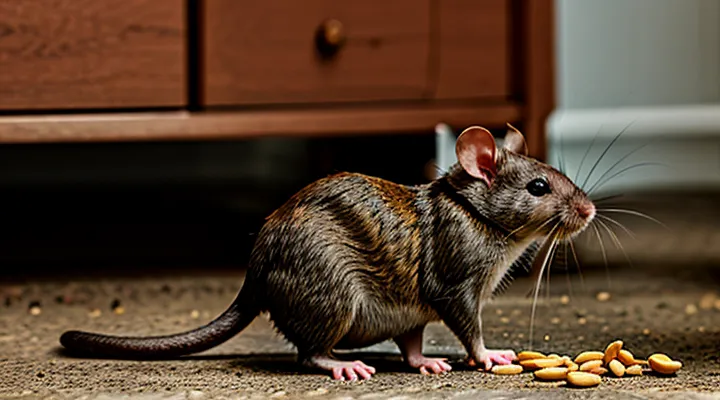
The Nutritional Profile of Peanuts
Macronutrients
Proteins
Peanuts provide a notable amount of protein, a nutrient essential for rat growth, tissue repair and immune function. The average raw peanut contains approximately 25 % protein by weight, offering a balanced mix of essential amino acids such as lysine, tryptophan and methionine. This profile aligns with the dietary requirements of laboratory‑bred and pet rats, which need roughly 14–16 % protein in their overall diet.
The protein supplied by peanuts is highly digestible, yet the food also delivers a high fat content and potential contaminants. Elevated fat intake can lead to obesity and hepatic stress, while improper storage may allow mold growth and aflatoxin formation, a toxin harmful to rodent liver cells. Consequently, peanuts should be treated as an occasional supplement rather than a staple protein source.
Guidelines for safe inclusion:
- Offer raw or lightly roasted peanuts, unsalted and free of additives.
- Limit portions to 1 – 2 grams per 100 grams of body weight, equivalent to a few whole kernels for an adult rat.
- Provide no more than two servings per week to avoid excess fat and caloric load.
- Monitor individual rats for signs of digestive upset or weight gain after introduction.
When incorporated correctly, the «protein» from peanuts can enrich a rat’s diet without compromising health, provided that quantity, frequency and quality are carefully managed.
Fats
Peanuts provide a dense source of dietary fat, a nutrient that supplies more than twice the caloric value of carbohydrates or protein. In rodent nutrition, fat contributes to energy balance, supports cell membrane integrity, and assists in the absorption of fat‑soluble vitamins.
The fat profile of peanuts consists mainly of monounsaturated oleic acid, followed by polyunsaturated linoleic acid and a smaller proportion of saturated fatty acids. This composition mirrors the typical fatty acid pattern found in many plant oils and differs from the higher saturated‑fat content of animal fats.
Energy derived from peanuts can quickly elevate a rat’s caloric intake. Excessive consumption may lead to rapid weight gain, hepatic lipid accumulation, and strain on the pancreas. Monitoring body condition and adjusting overall diet composition are essential to prevent metabolic disturbances.
Guidelines for incorporating peanuts into a rat’s diet:
- Limit peanuts to no more than 5 % of total daily caloric intake.
- Offer small pieces (approximately 2–3 mm) to reduce choking risk.
- Provide peanuts no more than two to three times per week, alternating with low‑fat treats.
Potential risks include obesity, altered lipid profiles, and gastrointestinal upset if peanuts are introduced abruptly or in large quantities. Rats with a history of pancreatitis or hyperlipidemia should avoid peanuts altogether.
Practical administration involves:
- Selecting unsalted, raw or dry‑roasted peanuts without added oils or flavorings.
- Breaking peanuts into bite‑size fragments to facilitate chewing and digestion.
- Observing the animal for signs of digestive distress or changes in weight after each feeding session.
A concise statement from a veterinary nutrition reference emphasizes the principle: «Fat should constitute a modest proportion of a rodent’s diet to avoid metabolic complications». Adhering to these parameters ensures that the beneficial aspects of peanut fat are available without jeopardizing the animal’s health.
Carbohydrates
Peanuts provide a notable amount of carbohydrates, primarily in the form of starch and simple sugars. A typical serving contains about 16 g of carbohydrates per 100 g, with roughly 6 g of sugars and the remainder as complex polysaccharides. These nutrients contribute to the energy balance of rodents when incorporated into a diet that also supplies adequate protein and fat.
When evaluating the suitability of peanuts for laboratory or pet rats, consider the following points:
- Carbohydrate density can increase caloric intake quickly, potentially leading to weight gain if portions are not controlled.
- Simple sugars may cause rapid spikes in blood glucose, which can stress the metabolic system of small mammals.
- Complex carbohydrates support gut health by providing fermentable substrates for beneficial bacteria, but excessive amounts may disrupt normal digestion.
Balancing carbohydrate intake with other macronutrients ensures that peanuts can be offered safely in moderation, without compromising the overall nutritional profile required for healthy rat physiology.
Micronutrients
Vitamins
Peanuts contain several vitamins that can contribute to a rodent’s nutritional profile. Vitamin A supports vision and immune function; vitamin E acts as an antioxidant; the B‑complex group (including thiamine, riboflavin, niacin, pantothenic acid, pyridoxine, and folate) participates in energy metabolism and red blood cell formation.
Key vitamins present in peanuts:
- Vitamin A – approximately 0.2 IU g⁻¹
- Vitamin E – about 8 mg g⁻¹
- Thiamine (B1) – 0.02 mg g⁻¹
- Riboflavin (B2) – 0.04 mg g⁻¹
- Niacin (B3) – 13 mg g⁻¹
- Pantothenic acid (B5) – 0.5 mg g⁻¹
- Pyridoxine (B6) – 0.3 mg g⁻¹
- Folate (B9) – 0.04 mg g⁻¹
Laboratory‑grade rat diets are formulated to meet established vitamin requirements: vitamin A ≈ 1 IU g⁻¹ of diet, vitamin E ≈ 30 IU kg⁻¹, and B‑vitamins supplied at levels ensuring normal growth and reproduction. Introducing peanuts adds measurable amounts of these nutrients, but also raises overall caloric and fat intake.
Excessive vitamin E can interfere with blood coagulation, while high vitamin A may cause skeletal abnormalities. Peanuts are prone to aflatoxin contamination, a toxin that compromises liver function and can diminish vitamin absorption.
Guidelines for incorporating peanuts into a rat’s regimen:
- Offer no more than 5 % of total daily caloric intake as peanuts.
- Select unsalted, dry‑roasted peanuts free of visible mold.
- Monitor body weight and coat condition for signs of nutrient imbalance.
- Adjust base diet formulation to offset added vitamins and fats, following recommendations such as those from «The National Research Council».
Controlled inclusion of peanuts provides supplemental vitamins without displacing essential nutrients, provided portion size, quality, and overall diet balance are carefully managed.
Minerals
Peanuts provide a source of protein and fat for laboratory and pet rats, yet their mineral profile demands careful evaluation. Essential minerals such as calcium, phosphorus, magnesium, potassium, zinc, and iron appear in varying concentrations that influence skeletal health, nerve function, and immune response.
Key mineral considerations include:
- Calcium ≈ 30 mg per 100 g; insufficient relative to phosphorus, risking an unfavorable Ca : P ratio.
- Phosphorus ≈ 420 mg per 100 g; high level supports bone formation but amplifies the calcium imbalance.
- Magnesium ≈ 150 mg per 100 g; contributes to enzymatic activity and neuromuscular stability.
- Potassium ≈ 660 mg per 100 g; aids fluid balance and cellular signaling.
- Zinc ≈ 3 mg per 100 g; essential for DNA synthesis and wound healing.
- Iron ≈ 2 mg per 100 g; required for hemoglobin production.
Rats require a Ca : P ratio close to 1 : 1. Peanuts alone yield a ratio near 1 : 14, indicating a substantial deficiency of calcium. Supplementation with calcium‑rich foods or mineral blocks can correct the imbalance. Excess phosphorus may exacerbate renal stress, particularly in aged or genetically predisposed individuals.
Monitoring mineral intake when incorporating peanuts into a rat’s diet ensures that essential nutrient requirements are met without overloading the animal with potentially harmful levels of phosphorus or fat. Balanced diets should combine peanuts with fortified pellets, leafy greens, and calcium supplements to maintain optimal health.
Potential Benefits of Peanuts for Rats
Source of Energy
Peanuts can serve as a concentrated source of energy for laboratory and pet rats when offered in moderation. The nut’s composition includes approximately 567 kcal per 100 g, with 49 % fat, 16 % protein, and 22 % carbohydrates, delivering a high caloric density that can quickly supplement daily metabolic demands.
The fat fraction supplies readily oxidizable fatty acids, supporting rapid energy release during periods of increased activity or growth. Protein contributes essential amino acids necessary for tissue maintenance, while carbohydrates provide a modest amount of glucose for immediate use.
Potential drawbacks accompany the energetic advantages. Elevated fat intake may predispose rats to excessive weight gain and hepatic lipid accumulation. Raw peanuts can harbor aflatoxins, toxic metabolites produced by fungal contamination; thorough roasting or sourcing from reputable suppliers reduces this risk. Salted or flavored varieties introduce sodium and additives that can disturb electrolyte balance and renal function.
Practical recommendations for incorporating peanuts into a rat’s diet:
- Offer no more than 0.5 g of unsalted, roasted peanuts per 100 g of body weight per week.
- Present peanuts in small, bite‑size pieces to prevent choking.
- Monitor body condition regularly; adjust portions if weight gain exceeds expected limits.
- Rotate peanuts with other energy‑rich foods (e.g., sunflower seeds, mealworms) to maintain nutritional balance.
When applied judiciously, peanuts provide an efficient, high‑energy supplement that can support the physiological needs of rats without compromising health.
Dietary Fiber
Peanuts are a high‑fat, protein‑rich snack that many owners offer to pet rodents. Their carbohydrate profile contains very little fiber, a nutrient that supports normal gastrointestinal motility and microbial balance in rats.
Rats require a steady intake of insoluble and soluble fiber to promote peristalsis, prevent fecal impaction, and maintain a healthy cecal microbiota. Insufficient fiber can lead to constipation, reduced gut motility, and an increased risk of digestive disorders. Because peanuts contribute minimal fiber, reliance on them as a regular dietary component may compromise these physiological functions.
When peanuts are included, they should represent only a small fraction of the overall diet, and the primary feed must contain adequate fiber sources. Balancing the treat with complementary foods ensures that fiber needs are met while still providing the nutritional benefits of peanuts.
Recommended high‑fiber items for rat diets:
- Fresh leafy greens (e.g., romaine lettuce, kale)
- Raw carrots, sliced
- Whole‑grain oats
- Small amounts of bran or wheat germ
- Commercially formulated high‑fiber rodent pellets
In practice, limit peanuts to occasional treats, supplement each meal with the listed fiber‑rich foods, and monitor stool consistency to confirm digestive health.
Certain Vitamins and Minerals
Peanuts may serve as an occasional supplement in a rat’s diet, offering a range of micronutrients that complement a standard pellet regimen.
Key micronutrients present in peanuts include:
- Vitamin E – antioxidant protecting cell membranes.
- B‑complex vitamins (thiamine, riboflavin, niacin, folate) – support energy metabolism and nervous function.
- Magnesium – contributes to muscle contraction and enzyme activity.
- Phosphorus – essential for bone mineralisation and ATP production.
- Potassium – regulates fluid balance and nerve transmission.
- Zinc – involved in immune response and protein synthesis.
Benefits derive from the antioxidant capacity of vitamin E and the metabolic support of B‑vitamins, while minerals aid skeletal health and physiological processes. Excessive fat and calorie density pose a risk of obesity and hepatic stress; aflatoxin contamination, common in improperly stored peanuts, can cause hepatotoxicity.
Guidelines recommend offering unsalted, dry‑roasted peanuts in small portions, not exceeding 5 % of total daily caloric intake. «Peanut consumption should not exceed 5 % of total caloric intake». Frequency limited to two to three times per week prevents nutrient imbalance and caloric overload.
Integrating peanuts requires monitoring for signs of weight gain, digestive upset, or allergic reactions, and adjusting the overall diet to maintain a balanced supply of protein, fiber, and essential vitamins and minerals.
Risks and Concerns Regarding Peanuts for Rats
Aflatoxin Contamination
Health Implications
Peanuts provide a high concentration of protein and fat, which can supplement a rodent’s diet when offered in limited amounts. The elevated fat content may contribute to rapid weight gain and increased risk of hepatic lipidosis if consumption exceeds a few grams per week. Monitoring body condition is essential to prevent obesity‑related complications.
Potential hazards include:
- Aflatoxin contamination, a mycotoxin produced by certain molds, which can cause liver damage and immunosuppression in small mammals.
- Allergic reactions, manifested by respiratory distress or skin inflammation, may occur in individuals with hypersensitivity to legume proteins.
- Physical injury, such as dental fractures or choking, can result from large, unprocessed kernels; crushing or finely chopping reduces this risk.
Mineral imbalances may arise because peanuts contain relatively low calcium and high phosphorus, potentially disrupting the calcium‑phosphorus ratio critical for skeletal health. Supplementary calcium sources should accompany any inclusion of legume treats.
Veterinary guidelines recommend treating «peanuts» as an occasional indulgence rather than a staple. A single, small piece (approximately 1 g) per week suffices to provide nutritional variety without jeopardizing cardiovascular or renal function. Regular health assessments ensure that any adverse effects are detected promptly.
Choking Hazard
Dry Peanuts
Dry peanuts are a common snack for many pet owners, prompting questions about their safety for rats. The high protein and vitamin E content can support growth and coat health, while the fat level supplies energy. Essential minerals such as magnesium and phosphorus are also present in measurable amounts.
Excessive fat intake may lead to obesity and liver strain in rodents. Raw peanuts can harbor aflatoxins, a toxin produced by mold, which poses a serious health risk. Added salt or seasoning increases the likelihood of electrolyte imbalance. Large kernels present a choking hazard, especially for younger or smaller rats.
Guidelines for offering dry peanuts to rats:
- Choose unsalted, unflavored varieties free from additives.
- Limit portions to one or two whole kernels per week, adjusting for the animal’s size and overall diet.
- Offer kernels that are broken into small pieces to reduce choking risk.
- Store peanuts in a cool, dry place to prevent mold growth.
- Monitor the rat for signs of digestive upset or allergic reaction after the first exposure.
When these precautions are observed, dry peanuts can be incorporated as an occasional treat without compromising the animal’s health.
Whole Peanuts
Whole peanuts are technically digestible by rats, providing protein, healthy fats, and vitamin E. The high fat content supplies energy, while the protein contributes to tissue maintenance. However, the same attributes create dietary imbalances when peanuts constitute a large portion of the diet.
Potential hazards include:
- Aflatoxin contamination in improperly stored nuts, which can cause liver damage.
- High sodium levels in roasted or salted varieties, leading to hypertension.
- Hard shells that may cause dental wear or choking if not removed.
- Caloric density that can promote obesity and related disorders.
Safe incorporation requires strict control of quantity and preparation. Recommended practice:
- Offer raw, unsalted peanuts only.
- Remove shells completely before presentation.
- Limit servings to no more than one to two kernels per 100 g of body weight per week.
- Rotate with other protein sources to maintain nutritional balance.
Veterinary guidance emphasizes moderation: «Rats can tolerate occasional peanuts, but excessive intake jeopardizes health». Adhering to these parameters allows whole peanuts to serve as an occasional treat without compromising overall welfare.
High Fat Content
Obesity Risk
Peanuts contain approximately 49 % fat and provide about 570 kcal per 100 g, a level considerably higher than standard rodent chow. Introducing this food item into a rat’s diet increases total caloric intake and can shift the energy balance toward storage.
Elevated caloric consumption promotes adipose tissue expansion, insulin resistance, and hepatic lipid accumulation. These physiological changes raise the likelihood of obesity‑related disorders, including reduced locomotor activity and shortened lifespan.
Guidelines for incorporating peanuts into a rat’s feeding regimen:
- Limit portions to 1–2 g of whole peanuts per 100 g of body weight per week.
- Offer peanuts no more than two times weekly, ensuring that the majority of calories derive from a nutritionally complete pellet diet.
- Monitor body weight weekly; adjust or discontinue peanut supplementation if a weight gain exceeding 10 % of baseline is observed.
- Provide fresh water at all times to support metabolic processing of increased dietary fat.
Adhering to these practices minimizes the obesity risk associated with occasional peanut consumption while allowing rats to experience the occasional enrichment of a high‑fat treat.
Digestive Upset
Peanuts are a high‑fat food that can disturb the gastrointestinal balance of pet rodents. Rats that consume peanuts may experience rapid gastric emptying, leading to loose stools and occasional diarrhea. The high oil content can also irritate the intestinal lining, causing cramping and reduced appetite.
Typical signs of digestive upset include:
- Soft or watery feces
- Decreased food intake
- Visible abdominal tension
- Lethargy or reduced activity
Preventive measures focus on moderation and observation. Offer peanuts only as an occasional treat, limiting portions to no more than a few grams per week. Introduce the food gradually, monitoring the animal for any adverse reaction during the first 24 hours. Provide ample fresh water and a balanced diet rich in fiber to support normal bowel function.
If symptoms persist beyond a day, reduce or eliminate peanut exposure and assess the overall diet. Persistent diarrhea may require veterinary evaluation to rule out infection, parasites, or underlying metabolic disorders. Adjusting the diet to include low‑fat, high‑fiber foods can aid recovery and restore normal digestive activity.
Allergic Reactions
Feeding peanuts to laboratory or pet rats raises concerns about hypersensitivity. Rats possess immune mechanisms capable of producing IgE antibodies that recognize peanut proteins, leading to allergic reactions similar to those observed in other mammals.
Allergic responses manifest through several physiological pathways. Mast‑cell degranulation releases histamine, leukotrienes, and prostaglandins, causing rapid onset of symptoms. Vascular permeability increases, resulting in edema and, in severe cases, anaphylaxis.
Typical signs include:
- Sudden scratching or grooming of the face and ears
- Swelling around the muzzle or eyes
- Respiratory distress, such as wheezing or rapid breathing
- Gastrointestinal upset, including vomiting or diarrhea
- Collapse or loss of consciousness, indicating systemic involvement
Diagnostic evaluation relies on:
- Skin‑prick testing with standardized peanut extracts, observing wheal formation within minutes.
- Measurement of serum specific IgE levels using enzyme‑linked immunosorbent assay (ELISA).
- Observation of clinical response after a controlled oral challenge, performed under veterinary supervision.
Management strategies focus on avoidance and emergency care. Remove all peanut‑containing feed from the cage. Substitute with nutritionally equivalent, non‑allergenic protein sources such as soy or fish meal. In the event of an acute reaction, administer antihistamines (e.g., diphenhydramine) and, for severe anaphylaxis, injectable epinephrine according to veterinary protocols.
Caretakers should implement routine monitoring for early signs of hypersensitivity when introducing novel foods. Conduct incremental exposure trials, beginning with minimal quantities and extending observation periods. Immediate consultation with a qualified veterinarian is advised whenever any adverse reaction is suspected.
Recommended Preparation and Serving Guidelines
Type of Peanuts
Raw vs. Roasted
Rats can safely consume peanuts, but the nutritional and safety profiles differ between raw and roasted forms. Raw peanuts retain natural oils, vitamins, and antioxidants, offering a balanced source of protein and healthy fats. However, they may contain aflatoxins, a mold‑derived toxin that can accumulate in storage conditions. Properly sourced, low‑risk raw peanuts provide a nutrient‑dense treat when offered in moderation.
Roasted peanuts present a reduced risk of aflatoxin contamination because heat treatment inhibits mold growth. The roasting process also enhances flavor, increasing acceptance by rats. Nevertheless, high‑temperature roasting can degrade heat‑sensitive nutrients, such as vitamin E, and may introduce added salt or oil, which can strain a rat’s cardiovascular and renal systems.
Key considerations for selecting peanuts:
- Verify that peanuts are unsalted, unflavored, and free of additives.
- Limit portions to no more than 5 % of total daily caloric intake.
- Store raw peanuts in a cool, dry environment to minimise fungal growth.
- Choose dry‑roasted varieties over oil‑roasted to avoid excess fat.
Balancing the benefits of raw peanuts’ nutrient density against the safety advantages of roasted peanuts enables informed feeding decisions for pet rats. Regular monitoring of weight and health status should accompany any peanut supplementation.
Shelled vs. Unshelled
When offering peanuts to pet rodents, the presence or absence of the shell influences safety, digestibility, and nutritional value.
Shells introduce fibrous material that can cause gastrointestinal blockage if large fragments are swallowed. The hard exterior also poses a choking hazard, especially for smaller breeds. In addition, shell fragments may carry pesticide residues or mold, increasing the risk of toxicity.
Unshelled peanuts provide a smoother, more digestible source of protein, healthy fats, and vitamins. The nut’s interior supplies essential nutrients without the mechanical risks associated with the shell. However, the high fat content can contribute to obesity if fed in excess, and the lack of a protective barrier may expose the nut to contaminants during storage.
Practical guidance:
- Offer only a limited quantity of shelled peanuts, ensuring pieces are small enough to pass through the esophagus without obstruction.
- Prefer unshelled peanuts for regular supplementation, monitoring portion size to avoid excessive caloric intake.
- Store peanuts in airtight containers to minimize mold growth and pesticide exposure, regardless of shell status.
- Observe the animal for signs of digestive distress after introduction, adjusting the diet accordingly.
Portion Control
Peanuts can be included in a rat’s diet only when portion size is strictly regulated. Excessive quantities introduce unnecessary fat and calories, potentially leading to obesity and related health issues.
Key considerations for portion control:
- Serve no more than one to two small peanuts per 100 g of body weight per week.
- Offer peanuts as an occasional treat, not as a regular staple.
- Monitor body condition after each feeding; adjust frequency if weight gain is observed.
- Provide fresh water and a balanced staple diet to ensure nutritional completeness.
Portion measurement should use a precise scale or count individual nuts to avoid estimation errors. Small rodents have limited stomach capacity; even a handful can exceed recommended energy intake.
«Peanuts are high in fat», therefore they should complement, not replace, essential nutrients such as protein, fiber, and vitamins found in commercial rodent chow. Consistent adherence to these guidelines maintains health while allowing occasional enrichment.
Frequency of Feeding
Peanuts can be included in a rat’s diet, but the feeding schedule must be controlled to prevent nutritional imbalance and health issues.
A typical recommendation limits peanut exposure to no more than two to three small servings per week. Each serving should consist of one or two whole peanuts, thoroughly unsalted and free of added oils or flavorings. This quantity provides a modest source of protein and healthy fats without exceeding the caloric threshold for a small rodent.
Key considerations for scheduling include:
- Digestive tolerance: Rats may experience gastrointestinal upset if peanuts are introduced abruptly or in large amounts. Gradual incorporation, starting with half a peanut, allows observation of tolerance.
- Weight management: Excess calories from frequent peanut feeding contribute to obesity. Monitoring body condition score after each feeding session helps maintain optimal weight.
- Dental health: Hard peanuts aid in gnawing but should not replace chew toys designed for enamel wear. Limiting frequency reduces the risk of dental over‑wear.
- Allergy risk: Although rare, repeated exposure can trigger allergic reactions. Immediate cessation of peanuts and veterinary assessment are advised if symptoms such as swelling or respiratory distress appear.
For optimal health, schedule peanut offerings on non‑consecutive days, spacing them at least 48 hours apart. Record each feeding event to track total intake and adjust portions according to the rat’s age, activity level, and overall diet composition.
Monitoring for Adverse Reactions
Introducing peanuts into a rat’s diet requires systematic observation to detect any negative health effects.
Key indicators of adverse reactions include:
- Respiratory distress or sneezing
- Skin erythema, swelling, or pruritus
- Reduced food intake or water consumption
- Weight loss or failure to gain expected weight
- Diarrhea, vomiting, or abdominal distension
- Lethargy, tremors, or abnormal gait
Monitoring protocol should follow a defined timeline. Record baseline measurements before exposure, then assess clinical signs immediately after the first feeding, at 24 hours, and subsequently on a weekly basis for at least four weeks. Any deviation from normal parameters warrants prompt veterinary evaluation.
Documentation must capture the date, observed signs, severity grading, and any interventions administered. Thresholds for action—such as >10 % weight loss or persistent gastrointestinal upset—should be predefined to ensure consistent response.
Consistent application of this monitoring framework protects animal welfare while providing reliable data on the safety of nut consumption in rodents.
Alternatives to Peanuts for Rat Treats
Other Nuts and Seeds
Rats can tolerate a variety of nuts and seeds, but each type presents distinct nutritional benefits and potential hazards.
Almonds, cashews, and pistachios supply protein, healthy fats, and vitamin E, yet their high fat content can promote obesity if offered in excess.
Sunflower seeds and pumpkin seeds deliver phosphorus and magnesium; both are small enough for easy chewing but contain phytates that may interfere with mineral absorption when fed frequently.
Certain nuts pose specific risks. Brazil nuts contain selenium levels that quickly exceed safe limits for small rodents. Macadamia nuts are linked to gastrointestinal upset in some individuals.
Guidelines for incorporating nuts and seeds into a rat’s diet:
- Offer portions no larger than a single pea‑sized piece per feeding.
- Provide raw, unsalted, and unflavored varieties; avoid roasted or seasoned products.
- Limit total nut and seed intake to less than 5 % of daily caloric consumption.
- Rotate different types to prevent nutrient imbalances and reduce the chance of allergic reactions.
When introducing a new nut or seed, monitor the animal for changes in stool consistency, weight, or activity level for at least 48 hours. Discontinue any item that triggers digestive distress or signs of lethargy.
Overall, nuts and seeds can enrich a rat’s diet, provided they are selected carefully, portioned appropriately, and integrated alongside a balanced staple regimen.
Fruits
Rats thrive on a diet that includes a limited amount of fruit. Fresh fruit supplies carbohydrates, vitamins and water, complementing the protein and fat provided by standard rodent pellets and occasional nuts.
Suitable fruits for rats are low‑acid, low‑sugar varieties. Recommended options include:
- Apple (core removed, skin optional)
- Blueberries
- Strawberries (halved)
- Pear (seedless)
- Kiwi (peeled)
Each piece should be no larger than a quarter of an inch and offered no more than two to three times per week. Over‑feeding fruit can lead to digestive upset and obesity.
Potential hazards arise from pesticide residues, high acidity, and seeds that contain cyanogenic compounds. Thorough washing, peeling when necessary, and removal of seeds eliminate most risks. Fruit should never replace the primary feed; it serves only as an occasional supplement.
Compared with peanuts, fruit delivers fewer fats and more water content. Peanuts provide protein and essential fatty acids but carry a higher calorie density. Balanced feeding schedules allocate peanuts sparingly while allowing fruit as a low‑calorie treat.
Vegetables
Rats thrive on a balanced diet that includes fresh vegetables, which provide essential vitamins, minerals, and fiber. When considering nut treats such as peanuts, the presence of vegetables in the daily regimen helps mitigate potential digestive issues caused by high fat content.
Suitable vegetables for rodents include:
- Carrots, sliced thinly, for beta‑carotene and hydration.
- Broccoli florets, offering vitamin C and antioxidants.
- Spinach leaves, rich in iron and calcium, given in moderation to avoid oxalate buildup.
- Bell pepper strips, supplying vitamin A and low calories.
- Zucchini, soft and easy to chew, contributing potassium.
Vegetables should be washed thoroughly, trimmed of any wilted parts, and offered in small, bite‑size portions. Introducing new vegetables gradually allows observation of tolerance and prevents gastrointestinal upset.
Peanuts, while a protein source, contain a high level of fat that can lead to obesity if over‑served. Pairing occasional peanut pieces with a robust intake of vegetables maintains nutritional equilibrium and supports healthy weight management.
Monitoring weight, stool consistency, and overall activity provides objective indicators of diet suitability. Adjust vegetable variety and portion size based on these observations to ensure optimal health while still allowing occasional nut indulgence.
Commercial Rat Treats
Commercial rat treats often list peanuts among flavoring agents. Manufacturers combine peanuts with grains, seeds, and dried fruits to create palatable mixes. Labels typically indicate the percentage of peanuts, allowing owners to gauge exposure.
Safety assessment focuses on three factors. First, peanuts contain natural oils that can increase dietary fat beyond a rat’s tolerance, potentially leading to obesity or hepatic strain. Second, aflatoxin contamination, a byproduct of improper storage, poses a carcinogenic threat; reputable brands test batches for toxin levels. Third, added salt enhances taste but may disrupt electrolyte balance if consumed excessively.
Nutritional balance requires that peanuts complement, not dominate, the treat’s profile. Ideal formulations provide protein levels of 15‑20 % and fiber content of at least 5 %, supporting digestive health. Vitamins A, D, E, and B‑complex should appear in fortified blends to offset micronutrient gaps common in grain‑heavy diets.
Regulatory frameworks enforce standards for pet food safety. In the United States, the Food and Drug Administration mandates accurate ingredient disclosure and limits on aflatoxin concentration. European Union directives require traceability of nut sources and mandatory allergen warnings. Compliance statements appear on packaging, often accompanied by certification logos.
When selecting a peanut‑inclusive treat, consider the following criteria:
- Certified aflatoxin testing results
- Peanut proportion not exceeding 10 % of total weight
- Absence of added sodium beyond 0.5 %
- Inclusion of balanced protein, fiber, and vitamin content
- Transparent sourcing information for nuts
Adhering to these guidelines ensures that commercial treats containing peanuts contribute safely to a rat’s diet while satisfying natural foraging instincts.