
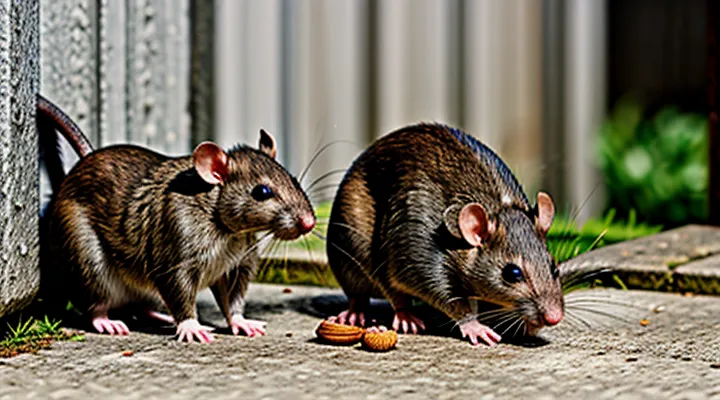
The Nutritional Landscape for Rats
Essential Dietary Components
Rats require a balanced intake of protein, carbohydrates, fats, fiber, vitamins, minerals, and water to maintain growth, reproduction, and immune function. Protein sources commonly include soy, lentils, and insects; carbohydrates are supplied by grains such as wheat, oats, and barley; fats come from vegetable oils and limited animal fats; fiber is provided by hay, timothy grass, and shredded paper. Vitamins A, D, E, and the B‑complex are essential for vision, bone health, antioxidant protection, and metabolic processes. Minerals such as calcium, phosphorus, magnesium, and potassium support skeletal development and electrolyte balance. Fresh, clean water must be available at all times.
Nuts contain concentrated protein, healthy unsaturated fats, vitamin E, and trace minerals, aligning with several essential dietary components. Their high fat content exceeds the typical caloric needs of rats and may lead to obesity if offered without restriction. Raw, unsalted nuts devoid of added sugars or flavorings are the safest option. Small portions—no more than a few grams per week—can supplement the diet without disrupting nutrient balance.
Potential hazards include aflatoxin contamination, which can arise in improperly stored nuts and cause liver toxicity. Additionally, hard shells may pose a choking risk; shells should be removed before feeding. Monitoring body condition and adjusting portions accordingly ensures that nuts contribute positively to the overall nutrient profile.
In practice, nuts should complement, not replace, the core components of a rat’s diet. Regular evaluation of dietary composition, alongside observation of health indicators, guarantees that essential nutrients remain within optimal ranges while allowing occasional nut supplementation.
Foods to Avoid
Toxic Substances
Nuts can provide protein and healthy fats for laboratory and pet rats, but several toxic substances limit their safe inclusion in the diet.
Aflatoxins, produced by molds that colonize improperly stored nuts, are hepatotoxic and carcinogenic. Even low concentrations can accumulate in the liver of small mammals, leading to impaired growth and immune suppression.
High concentrations of saturated fat, common in peanuts and macadamia nuts, can induce obesity and lipid metabolism disorders in rodents. Excessive sodium, often added to roasted or salted varieties, raises blood pressure and predisposes rats to renal dysfunction.
Certain nuts contain naturally occurring toxins:
- Raw cashews contain urushiol, a skin irritant that can cause gastrointestinal inflammation if ingested.
- Bitter almonds hold amygdalin, which hydrolyzes to cyanide, a potent respiratory poison.
- Pecans and walnuts may harbor juglone, a compound that interferes with cellular respiration at high doses.
Safe feeding practices require:
- Selecting raw, unsalted, and mold‑free nuts.
- Limiting portion size to no more than 5 % of total daily caloric intake.
- Offering nuts as occasional treats rather than staple food.
- Monitoring for signs of digestive upset, lethargy, or weight gain.
Adhering to these guidelines minimizes exposure to toxic substances while allowing rats to benefit from the nutritional value of nuts.
Unhealthy Treats
Nuts are calorie‑dense, high‑fat foods that can quickly exceed the daily energy requirements of a typical laboratory rat. Excess fat contributes to obesity, hepatic steatosis, and cardiovascular strain, especially when nuts are offered without portion control. Additionally, many nuts contain natural toxins such as aflatoxins, which accumulate in liver tissue and impair immune function. Salted or flavored varieties introduce sodium and artificial additives that increase the risk of hypertension and gastrointestinal irritation.
Unhealthy treat categories for rats include:
- High‑sugar items – candy, dried fruit with added syrup, and sweetened cereals raise blood glucose, promoting insulin resistance.
- Processed snacks – chips, crackers, and popcorn contain trans‑fat and excess salt, leading to renal stress.
- Fat‑rich spreads – butter, margarine, and cheese spreads supply saturated fat that predisposes to lipid disorders.
- Artificially flavored foods – products with synthetic flavorings or preservatives can disrupt gut microbiota and trigger allergic reactions.
Replacing these items with low‑calorie, fiber‑rich options such as fresh vegetables, small portions of whole‑grain cereals, and occasional pieces of unsalted, raw pumpkin seed supports healthy weight management and nutrient balance. Regular monitoring of body condition and dietary logs helps prevent the cumulative effects of unhealthy treats.
Nuts: A Closer Look for Rats
General Considerations for Feeding Nuts
Moderation is Key
Nuts provide a concentrated source of fat, protein, and vitamins, but their high caloric density makes them unsuitable as a staple in a rodent diet.
Excessive nut consumption can lead to rapid weight gain, gastrointestinal upset, and increased risk of pancreatitis. Salted, flavored, or roasted varieties introduce additional sodium and additives that may harm delicate renal function.
Guidelines for safe inclusion:
- Offer no more than one to two small pieces (approximately 2 g) per week.
- Select raw, unsalted nuts such as almonds, walnuts, or hazelnuts; avoid peanuts, pistachios, and macadamia nuts due to higher fat content and potential allergens.
- Chop nuts into bite‑size fragments to prevent choking.
- Introduce gradually, observing for signs of digestive distress or changes in stool consistency.
Regular health monitoring should accompany any nut supplementation. Track body weight, coat condition, and activity levels; adjust portions or discontinue if adverse effects appear.
By limiting frequency and portion size, nuts can enrich enrichment without compromising nutritional balance.
Preparation Guidelines
When introducing nuts into a rat’s diet, safety and moderation are paramount.
Selection criteria
- Choose unsalted, unflavored varieties such as almonds, walnuts, or hazelnuts.
- Verify that nuts are raw or dry‑roasted without additives, oils, or sugars.
- Ensure nuts are free from mold, cracks, or visible spoilage.
- Opt for small, manageable pieces; whole nuts may pose choking hazards.
Preparation steps
- Measure a maximum of one teaspoon per week for an adult rat; juveniles receive half this amount.
- Slice or crush nuts into bite‑size fragments to facilitate chewing.
- Rinse fresh nuts under cool water, then pat dry with a clean cloth.
- Toast dry‑roasted nuts briefly (150 °C for 5 minutes) to reduce potential contaminants; allow to cool completely before serving.
Storage recommendations
- Store nuts in an airtight container within a cool, dark pantry.
- Discard any nuts that develop an off‑odor or become soft after exposure to humidity.
- Rotate stock regularly to maintain freshness, using older supplies first.
Adhering to these guidelines minimizes health risks while providing rats with occasional enrichment from nutrient‑dense «nuts».
Safe Nuts for Rats
Almonds
Almonds belong to the tree‑nut family and are sometimes offered to pet rodents as a treat. Their composition includes protein, monounsaturated fats, vitamin E, and dietary fiber, which can supplement a balanced rat diet when administered sparingly.
Potential drawbacks arise from the high caloric density of almonds, which can accelerate weight gain if over‑fed. Raw or roasted almonds may contain aflatoxins, a toxin produced by certain molds; contaminated batches pose a health risk. Bitter varieties contain amygdalin, which releases cyanide during digestion and must be excluded. The hard texture also creates a choking hazard for small animals.
Guidelines for safe inclusion:
- Offer only a few whole almonds (no larger than a pea) per week.
- Choose unsalted, unflavored, raw or dry‑roasted nuts without added oils.
- Store nuts in a cool, dry place to limit mold growth.
- Observe the rat after consumption for signs of distress or digestive upset.
When these precautions are observed, almonds can serve as an occasional enrichment item without compromising health.
Walnuts
Rats can safely include small quantities of «walnuts» in their diet when the nuts are unsalted, unroasted, and free of additives. The high fat content of «walnuts» provides essential fatty acids, but excessive intake may lead to obesity and digestive disturbances.
Key nutritional components of «walnuts»:
- Polyunsaturated fats, particularly omega‑3 fatty acids, support cell membrane integrity.
- Protein contributes to muscle maintenance.
- Vitamin E and antioxidants assist in reducing oxidative stress.
Potential risks:
- High caloric density can cause weight gain if not balanced with other foods.
- Shell fragments pose a choking hazard; only the edible kernel should be offered.
- Mycotoxin contamination may occur in improperly stored nuts; fresh, dry storage minimizes this threat.
A balanced feeding schedule might allocate a pea‑sized portion of «walnuts» two to three times per week, combined with a varied diet of grains, vegetables, and protein sources. Regular monitoring of body condition and stool consistency ensures the inclusion remains beneficial.
Pecans
Pecans offer a high‑fat profile, primarily monounsaturated and polyunsaturated fatty acids, which can provide a concentrated energy source for rats. The nuts also contain protein, fiber, vitamins E and B, and minerals such as magnesium and zinc. These nutrients support coat condition, immune function, and metabolic processes when included in modest quantities.
Potential concerns arise from the natural presence of oxalates and phytic acid, compounds that may interfere with calcium absorption and kidney function if consumed excessively. Raw pecans also carry a risk of microbial contamination; thorough washing and brief roasting at low temperature reduce this risk without stripping nutritional value.
Guidelines for safe inclusion:
- Offer no more than ¼ to ½ teaspoon of finely chopped pecan per 100 g of body weight per week.
- Ensure the portion is free of added salt, sugar, or seasoning.
- Observe the rat for signs of gastrointestinal upset, such as loose stools or reduced appetite, after the first exposure.
- Provide fresh water and maintain a balanced base diet rich in grains, vegetables, and protein sources.
When these precautions are followed, pecans can serve as an occasional treat that enhances dietary variety without compromising health. Regular monitoring and adherence to portion limits are essential to prevent adverse effects.
Hazelnuts
Hazelnuts provide a concentrated source of protein, healthy fats, and vitamin E, nutrients that can complement a rat’s standard diet when offered sparingly. The shells must be removed; intact shells pose a choking hazard and can cause dental damage. Unsalted, raw hazelnuts are preferred, as added salt or flavorings increase sodium intake and may introduce irritants.
Potential benefits
- Elevated energy density supports active, young rats.
- Vitamin E contributes to antioxidant protection.
- Monounsaturated fats aid skin and coat condition.
Possible risks
- High fat content can promote weight gain if over‑fed.
- Aflatoxin contamination, more common in improperly stored nuts, poses a liver toxicity threat.
- Large pieces may obstruct the gastrointestinal tract.
A safe serving guideline recommends one half‑to‑one whole hazelnut per week for an adult rat, divided into small fragments. Monitoring for digestive upset after introduction is essential; any signs of diarrhea or reduced activity should prompt cessation. Regular rotation with other safe treats prevents nutritional imbalances and maintains interest.
In summary, hazelnuts can be incorporated into a rat’s diet under controlled conditions: remove shells, avoid additives, limit frequency, and observe health responses. This approach maximizes nutritional advantage while minimizing hazards.
Nuts to Avoid or Limit Strictly
Peanuts
Rats can consume nuts in moderation, and peanuts represent a common choice due to their accessibility and nutrient density.
Peanuts provide a concentrated source of protein, essential fatty acids, vitamin E, and minerals such as magnesium and phosphorus. These components support muscle development and cellular health, yet the high fat content increases caloric density, which can accelerate weight gain if portions are unchecked.
Safety considerations focus on preparation and potential contaminants. Raw peanuts may contain aflatoxins, a fungal toxin linked to liver damage; roasting reduces this risk but may introduce added salt or oil. Salting, seasoning, or coating with chocolate creates additional health concerns, including sodium overload and sugar excess. Small pieces pose a choking hazard; therefore, peanuts should be chopped or crushed to a size manageable for a rat’s oral cavity.
Practical guidelines for offering peanuts to rats:
- Offer unsalted, plain peanuts only.
- Limit servings to a few halves (approximately 5 g) two to three times per week.
- Ensure peanuts are finely chopped to prevent aspiration.
- Monitor the animal for signs of digestive upset or allergic reaction after initial exposure.
When integrated with a balanced diet of commercial rat pellets, fresh vegetables, and occasional fruit, peanuts can serve as an occasional enrichment treat without compromising health.
Cashews
Cashews provide protein, healthy fats, and minerals such as magnesium, phosphorus, and zinc. Their high fat content supplies energy, but excessive intake can lead to obesity and liver strain in rodents.
Potential risks include:
- High levels of unsaturated fatty acids that may cause digestive upset when consumed in large quantities.
- Presence of oxalates, which can contribute to kidney stone formation if intake is frequent.
- Possible contamination with aflatoxins if nuts are improperly stored; aflatoxins are hepatotoxic.
- Added salt, sugar, or flavorings increase sodium load and may cause hypertension.
Safe feeding practices recommend:
- Offer only a few unsalted, raw or dry‑roasted cashews per week.
- Limit portion to no more than one or two halves for an adult rat.
- Ensure nuts are free from mold, visible spoilage, or seasoning.
- Monitor the animal for signs of gastrointestinal distress, weight gain, or changes in behavior after introduction.
When incorporated sparingly, cashews can serve as an occasional enrichment treat without compromising health. Regular diet should remain based on balanced rodent pellets and fresh vegetables.
Macadamia Nuts
Macadamia nuts contain roughly 70 % fat, 8 % protein, and a modest amount of carbohydrates. The fat profile is rich in monounsaturated fatty acids, which are energy‑dense and can quickly increase caloric intake.
Rats tolerate macadamia nuts without acute toxicity; however, the high lipid content may lead to rapid weight gain, hepatic steatosis, or pancreatitis if consumed in excess. Unlike some tree nuts, macadamia kernels lack known toxic compounds for rodents.
Feeding recommendations:
- Limit to a maximum of one half‑kernel (≈0.5 g) per adult rat per week.
- Offer only as an occasional treat, not as a regular dietary component.
- Observe body condition and stool consistency after introduction.
- Store nuts in airtight containers to prevent mold growth, which can produce aflatoxins harmful to rodents.
For rodents requiring nut‑based enrichment, lower‑fat options such as unsalted peanuts or sunflower seeds provide similar texture with reduced caloric load.
Brazil Nuts
Brazil nuts contain high levels of fat, protein, and selenium. The fat composition is predominantly unsaturated, providing a dense energy source. Selenium concentrations can exceed 200 µg per nut, far above the recommended daily intake for most mammals.
Rats tolerate moderate amounts of unsaturated fat without adverse effects, but excessive selenium may cause toxicity, manifested by hair loss, gait disturbances, and organ damage. Therefore, Brazil nuts are not inherently harmful if introduced cautiously, yet they require strict portion control.
Practical guidelines for offering Brazil nuts to rats:
- Limit to one half‑nut per 100 g of body weight per week.
- Observe the animal for signs of selenium excess, such as altered coat sheen or lethargy.
- Provide the nuts in a plain, unsalted form to avoid sodium overload.
When incorporated as an occasional supplement, Brazil nuts can contribute valuable nutrients, but they must remain a minor component of the overall diet to prevent nutritional imbalances.
Pistachios
Pistachios offer a high‑energy source for rodents, containing approximately 20 % protein, 45 % fat, and a range of vitamins such as B6 and minerals including potassium and magnesium. The fat composition is predominantly unsaturated, which can support skin and coat health when provided in moderation.
Potential concerns arise from the natural sodium content of salted varieties, the presence of aflatoxins in improperly stored nuts, and the hard shell that may cause dental injury or gastrointestinal blockage. Unshelled pistachios should be removed before offering, and only raw, unsalted kernels are advisable.
Guidelines for safe inclusion of pistachios in a rat’s diet:
- Offer no more than one to two kernels per day for an adult rat weighing 250–300 g.
- Ensure kernels are fresh, free from mold, and stored in a cool, dry environment.
- Monitor weight and stool consistency after introduction; discontinue if signs of diarrhea or weight gain appear.
- Provide pistachios as an occasional treat, not as a staple protein source, to maintain a balanced diet based on commercial rodent pellets and fresh vegetables.
Potential Risks and Benefits of Nuts
Nutritional Benefits
Healthy Fats
Nuts are a common source of dietary lipids for pet rodents, and the quality of those lipids determines whether they support health or contribute to metabolic problems. Healthy fats supply essential fatty acids that rodents cannot synthesize, assist in the formation of cell membranes, and facilitate the absorption of fat‑soluble vitamins. When offering nuts, the fatty acid profile should be considered to avoid excess saturated fat and provide a balanced supply of mono‑ and polyunsaturated fats.
Key characteristics of beneficial fats include:
- Omega‑3 fatty acids (e.g., α‑linolenic acid) – support inflammation regulation and neural development.
- Omega‑6 fatty acids (e.g., linoleic acid) – required for growth but must be balanced with omega‑3 to prevent pro‑inflammatory effects.
- Monounsaturated fats (e.g., oleic acid) – contribute to cardiovascular health and improve lipid metabolism.
- Low saturated fat content – reduces risk of obesity and hepatic lipid accumulation.
Appropriate serving sizes depend on the animal’s weight and activity level. A typical adult rat weighing 250 g can safely consume approximately 0.5 g of mixed nuts per day, providing roughly 3–4 % of total caloric intake from fats. Excessive portions quickly elevate total fat consumption beyond metabolic capacity, leading to weight gain, elevated blood lipids, and possible pancreatitis.
Practical guidelines for incorporating nuts into a rodent diet:
- Choose unsalted, raw or dry‑roasted varieties without added oils or sugars.
- Limit intake to a few chopped pieces, ensuring even distribution throughout the day.
- Complement nuts with a balanced base diet rich in fiber, protein, and micronutrients.
- Monitor body condition and adjust portions if weight gain or coat changes occur.
Overall, the inclusion of nuts can enrich a rat’s diet with essential fatty acids, provided that the quantity remains modest and the fat composition emphasizes unsaturated over saturated sources. This approach maximizes the nutritional benefits of «healthy fats» while minimizing potential health risks.
Vitamins and Minerals
Nuts contain a range of micronutrients that can influence rodent health. Vitamin E, present in almonds and walnuts, functions as an antioxidant, protecting cell membranes from oxidative damage. B‑vitamin complex—particularly thiamine (B1) and riboflavin (B2)—appears in hazelnuts and pistachios, supporting energy metabolism and nervous system function. Vitamin A, found in small quantities in cashews, contributes to vision and immune response.
Mineral content varies among nut types. Magnesium, abundant in Brazil nuts, assists in muscle contraction and enzymatic reactions. Phosphorus, present in peanuts, aids bone formation and energy transfer. Potassium, high in pistachios, helps regulate fluid balance and nerve signaling. Zinc, detectable in almonds, is essential for protein synthesis and immune competence.
While these nutrients offer benefits, excessive intake poses risks. Fat‑soluble vitamins (A, E) accumulate in liver tissue; overconsumption may lead to toxicity. High phosphorus levels can disrupt calcium balance, potentially causing skeletal issues. Sodium, occasionally added during processing, may elevate blood pressure in susceptible individuals.
Guidelines for safe inclusion recommend limiting nut portions to no more than 5 % of a rat’s total daily caloric intake. For a typical adult laboratory rat consuming approximately 15 g of food per day, this translates to 0.75 g of nuts, roughly one half of a small almond. Unsalted, unflavored nuts without added sugars or oils are preferred to avoid unnecessary sodium and unhealthy fats.
Monitoring for adverse reactions—such as gastrointestinal upset or changes in coat condition—remains essential. If signs of intolerance appear, discontinue nut supplementation immediately and consult a qualified veterinary professional.
Potential Risks
Choking Hazards
Rats can eat nuts, but the physical characteristics of many nuts create a significant choking risk. Hard shells, irregular shapes, and large pieces may become lodged in the oral cavity or esophagus, leading to respiratory obstruction or digestive blockage. Small rodent jaws lack the crushing force required to break down dense kernels quickly, increasing the chance of airway compromise.
Key factors that elevate choking danger include:
- Whole walnuts, almonds, or pistachios with shells intact.
- Pieces larger than ½ inch (≈1.3 cm) in any dimension.
- Irregularly broken fragments with sharp edges.
- Nuts that are dry and brittle, producing sharp shards when bitten.
To reduce hazards, provide nuts in a form that matches the animal’s anatomical limits. Recommended practices are:
- Remove all shells and skins before offering the nut.
- Grind or chop nuts into pieces no larger than ¼ inch (≈0.6 cm).
- Offer softened nuts, either by soaking in water for 15–20 minutes or by mixing with a moist carrier such as fruit puree.
- Supervise initial feeding sessions to observe chewing behavior and intervene if obstruction signs appear.
Monitoring for symptoms such as audible distress, gagging, or prolonged silence after feeding allows rapid response. If choking is suspected, immediate veterinary intervention is essential.
High Calorie Content
Nuts possess a high energy density, typically ranging from 5 kcal g⁻¹ to 7 kcal g⁻¹ depending on the variety. «Almonds provide about 5.8 kcal g⁻¹, while macadamia nuts reach approximately 7.2 kcal g⁻¹». This caloric concentration exceeds that of most standard rodent pellets, which average 3–4 kcal g⁻¹.
Elevated caloric intake can rapidly lead to weight gain in small mammals. When nuts are introduced without strict portion control, the risk of obesity, hepatic steatosis, and related metabolic disturbances increases. Therefore, any inclusion of nuts in a rat’s diet must be limited to occasional, measured supplements rather than a regular component.
- Recommended serving: 0.2 g per 100 g body weight per occasion.
- Frequency: no more than twice per week.
- Alternative low‑calorie treats: fresh vegetables (e.g., cucumber, bell pepper) or small pieces of fruit with lower energy density.
Digestive Upset
Feeding nuts to rats presents a risk of gastrointestinal disturbance because nuts contain elevated levels of fat and fiber that exceed the typical dietary tolerance of these rodents. The combination of dense calories and occasional anti‑nutritional compounds can overwhelm digestive enzymes, leading to irritation of the intestinal lining.
Typical signs of digestive upset include:
- Diarrhea or soft feces
- Abdominal bloating
- Reduced appetite
- Lethargy or abnormal posture
Preventive measures focus on moderation and monitoring. Offer nuts only as an occasional treat, limiting portions to no more than a single half‑nut per day for an adult rat. Prefer unsalted, unflavored varieties to avoid added sodium or seasonings. Observe the animal for at least 24 hours after introduction; discontinue use if any symptoms appear. Provide ample fresh water and a balanced base diet rich in fiber and protein to support normal gut function.
If digestive distress persists despite removal of nuts, veterinary assessment is advisable. Professional evaluation may include fecal analysis and dietary adjustment to restore intestinal health.
Mycotoxins in Improperly Stored Nuts
Mycotoxin contamination arises when molds such as Aspergillus, Penicillium, or Fusarium proliferate on nuts that have been stored under inappropriate conditions. Moisture levels above 7 % and temperatures ranging from 20 °C to 30 °C accelerate fungal growth, leading to the production of toxic metabolites including aflatoxin B₁, ochratoxin A, and fumonisin B₁. These compounds are collectively referred to as «mycotoxins» and remain chemically stable during typical handling procedures.
Improper storage creates an environment conducive to toxin accumulation. Critical factors include:
- High relative humidity in storage facilities
- Inadequate ventilation permitting stagnant air
- Physical damage to kernels exposing interior tissues
- Prolonged storage duration without periodic inspection
Rats that ingest contaminated nuts may experience acute hepatic injury, immunosuppression, and reduced reproductive performance. Aflatoxin B₁ specifically targets liver cells, causing necrosis and increasing the risk of tumor development. Ochratoxin A impairs kidney function and disrupts protein synthesis, while fumonisin B₁ interferes with sphingolipid metabolism, leading to neurological deficits.
To minimize risk when offering nuts to rodents, adopt the following measures:
- Store nuts in airtight containers within a cool, dry environment (≤ 10 % moisture, ≤ 15 °C).
- Rotate stock regularly, discarding any nuts displaying mold growth, discoloration, or off‑odors.
- Conduct periodic mycotoxin screening using ELISA kits or chromatographic methods, especially for bulk purchases.
- Limit nut portions to a small percentage of the overall diet, ensuring that alternative protein and fiber sources are available.
Adherence to these practices reduces the likelihood of toxin exposure, supporting the health of laboratory or pet rats that receive nuts as an occasional dietary supplement.
Best Practices for Feeding Nuts to Rats
Introducing New Foods
Introducing nuts into a rat’s diet expands nutritional variety while requiring careful management. Nuts supply concentrated energy, essential fatty acids, protein, vitamin E, and minerals such as magnesium and zinc.
Potential drawbacks include excessive caloric density, risk of obesity, possible aflatoxin contamination, and choking on large fragments. Salted, flavored, or roasted varieties introduce sodium and additives that can harm rodent health.
Preparation guidelines:
- Choose raw, unsalted nuts; avoid those with added sugars or spices.
- Store in airtight containers to prevent mold growth.
- Cut nuts into pieces no larger than a pea to reduce choking hazard.
- Offer a maximum of one‑to‑two small pieces per week, adjusting based on individual weight and activity level.
Monitoring protocol:
- Record body weight weekly; increase or decrease portion size accordingly.
- Observe stool consistency; loose or watery stools indicate intolerance.
- Watch for changes in activity or grooming; lethargy or excessive grooming may signal discomfort.
Gradual introduction, controlled portions, and vigilant observation ensure nuts serve as a beneficial supplement rather than a health risk.
Monitoring Your Rat’s Reaction
Introducing nuts into a rat’s diet requires careful observation. Immediate and short‑term responses reveal whether the food is suitable.
Before offering a nut, ensure the animal is in good health and that the portion is small. After the first exposure, watch for changes in behavior, digestion, and appearance.
Typical indicators of a positive reaction include:
- Normal activity levels
- Steady appetite for regular meals
- Stable weight and coat condition
- Absence of vomiting or diarrhea
Warning signs that demand prompt action:
- Persistent diarrhea or loose stools
- Repeated vomiting
- Sudden lethargy or loss of coordination
- Swelling around the mouth or facial area
- Respiratory distress or wheezing
If any adverse symptom appears, discontinue nut feeding immediately. Provide fresh water, monitor the condition for several hours, and consult a veterinarian if symptoms persist or worsen. Recording observations helps refine future dietary choices and supports the animal’s long‑term well‑being.
Consulting a Veterinarian
Consulting a veterinarian is essential before introducing any nut products into a pet rat’s diet. A qualified animal‑health professional evaluates the individual’s age, weight, existing medical conditions, and dietary history to determine whether nuts constitute a safe supplement. The assessment includes identification of potential allergens, evaluation of the high fat and calorie content, and verification that the nut size does not pose a choking risk.
During the appointment, owners should provide the vet with a detailed record of the rat’s recent feedings, any observed digestive issues, and the specific type of nut under consideration. The veterinarian can then:
- Confirm which nut varieties are nutritionally appropriate (e.g., unsalted, raw almonds in small pieces).
- Recommend portion limits based on the animal’s caloric requirements.
- Advise on frequency of offering nuts to prevent obesity or gastrointestinal distress.
- Suggest monitoring procedures for adverse reactions, such as changes in stool consistency or behavior.
Follow‑up appointments allow the vet to reassess the rat’s response to the introduced nuts and adjust recommendations accordingly. Adhering to professional guidance ensures that nut consumption enhances, rather than jeopardizes, the pet’s overall health.