
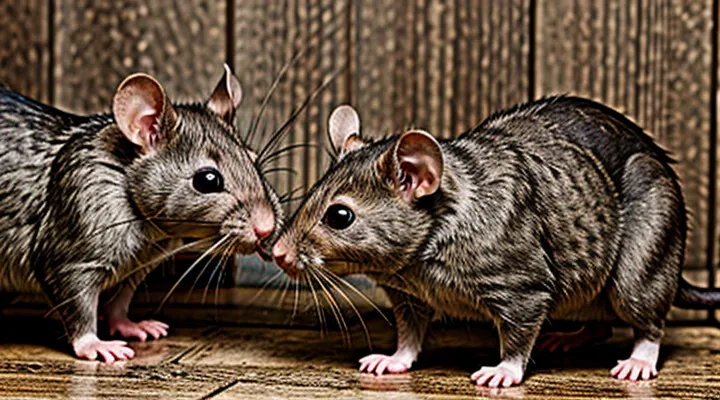
Understanding Rat Dietary Needs
Essential Nutrients for Rats
Protein Requirements
Rats require a diet that supplies approximately 14–16 % of calories from high‑quality protein to support growth, reproduction, and tissue maintenance. The National Research Council recommends a minimum of 18 g of protein per kilogram of body weight per day for adult laboratory rats, translating to roughly 2–3 g of protein for a typical 150‑g pet rat.
Dry cat kibble commonly contains 30–40 % protein on a dry‑matter basis, derived mainly from animal sources. A 100‑g portion of such food delivers 30–40 g of protein, far exceeding the rat’s daily requirement. However, cat formulations also include elevated levels of taurine, arachidonic acid, and vitamin A, nutrients that rats neither need in excess nor can efficiently metabolize.
Feeding rats dry cat food should be limited to occasional treats, not a staple. Excess protein can strain renal function, while surplus taurine and vitamin A may cause toxicity. A balanced rat diet should consist of a commercial rodent pellet formulated to meet the 14–16 % protein target, supplemented with fresh vegetables and occasional protein‑rich treats such as boiled egg or cooked chicken.
- Recommended rat protein intake: 14–16 % of calories (≈2–3 g/day for a 150‑g rat)
- Typical dry cat food protein content: 30–40 % (≈30–40 g per 100 g)
- Safe inclusion level of cat kibble: ≤5 % of total daily food weight, only as an occasional supplement
- Primary concerns with regular feeding: renal overload, hypervitaminosis A, taurine excess.
Fat and Carbohydrate Needs
Rats require a diet that supplies approximately 5‑10 % of calories from fat, with essential fatty acids such as linoleic and α‑linolenic acid present in sufficient quantities for membrane integrity and hormone synthesis. Excessive fat can lead to obesity and hepatic lipidosis, while insufficient fat results in poor coat condition and impaired reproduction.
Carbohydrate intake for rats should constitute roughly 45‑55 % of metabolizable energy. Preferred sources are complex carbohydrates—whole grains, legumes, and fibrous vegetables—that provide steady glucose release and support gut microbiota. Simple sugars are tolerated only in limited amounts; high levels can cause insulin spikes and dysbiosis.
Typical dry cat food formulations contain 30‑40 % of calories from fat and 25‑35 % from carbohydrates, with a predominance of animal‑derived proteins and starches. This macro profile diverges markedly from the rat’s nutritional balance, supplying more fat and fewer complex carbohydrates than recommended for rodents.
- Fat content: cat food ≈ 35 % vs. rat requirement ≈ 7 %
- Carbohydrate content: cat food ≈ 30 % vs. rat requirement ≈ 50 %
- Fiber: cat food ≈ 2 % vs. rat requirement ≈ 5‑10 %
Given these discrepancies, dry cat food does not meet the fat and carbohydrate specifications essential for rat health. Feeding such product regularly would likely result in nutrient imbalance, weight gain, and digestive issues. A diet formulated for rodents, or a balanced homemade mix adhering to the outlined macro ratios, is required for optimal rat nutrition.
Vitamins and Minerals
Rats require a precise balance of vitamins and minerals to maintain skeletal health, immune function, and metabolic processes. Essential nutrients include vitamin A for vision, vitamin D for calcium absorption, vitamin E as an antioxidant, vitamin K for blood clotting, and the B‑complex group for energy metabolism. Key minerals comprise calcium, phosphorus, magnesium, potassium, sodium, and trace elements such as zinc, iron, and selenium.
Dry cat kibble is formulated for felines, whose dietary needs differ markedly from those of rodents. Typical cat formulas contain high levels of vitamin A and vitamin D, reflecting the carnivorous nature of cats. Calcium‑to‑phosphorus ratios often exceed the 1:1–1.5:1 range optimal for rats, risking hypercalcemia or skeletal deformities. Excess vitamin D can lead to renal calcification, while insufficient vitamin C—an essential nutrient for rats but not for cats—remains absent in feline diets.
- Vitamin A: often 2–3 times higher than rat requirements → potential toxicity.
- Vitamin D: concentrations may surpass safe limits for rats → risk of hypervitaminosis D.
- Calcium: elevated levels relative to phosphorus → imbalance affecting bone remodeling.
- Phosphorus: lower proportion may impair energy metabolism.
- Vitamin C: absent → deficiency risk unless supplemented.
- B‑complex: generally adequate, but specific ratios may not align with rat metabolism.
Feeding dry cat food to rats should be limited to occasional supplementation, never as a primary source. A balanced rat diet must include a grain‑based or laboratory‑grade pellet formulated for rodents, supplemented with fresh vegetables for vitamin C and appropriate mineral ratios. If cat kibble is offered, supplement with vitamin C and monitor calcium and vitamin D intake to avoid excess. Continuous reliance on feline kibble compromises the nutritional integrity required for healthy rat physiology.
Foods to Avoid for Rats
High-Sugar Items
Rats that receive dry cat kibble are exposed to ingredients not formulated for rodent nutrition. High‑sugar items commonly found in some cat foods, such as added glucose syrup, honey, or fruit concentrates, increase caloric density without providing essential nutrients for rats. Excessive sugar interferes with glucose regulation, accelerates weight gain, and predisposes rats to dental disease and metabolic disorders.
Key concerns regarding high‑sugar components:
- Rapid spikes in blood glucose, leading to insulin resistance over time.
- Promotion of obesity due to caloric surplus relative to a rat’s basal metabolic rate.
- Increased risk of dental decay because sugary residues foster bacterial growth on incisors.
- Displacement of protein, fiber, and micronutrients essential for growth, reproduction, and immune function.
Studies on laboratory rodents demonstrate that diets exceeding 5 % total sugars correlate with reduced lifespan and impaired cognitive performance. In contrast, balanced rodent chow maintains sugar content below 2 % and supplies adequate fiber and protein. Substituting high‑sugar cat food with a species‑appropriate diet eliminates these health risks and supports normal physiological development.
Toxic Substances
Dry cat kibble often contains ingredients that are harmful to rodents. Common toxic components include:
- Taurine: essential for felines but can cause kidney stress in rats.
- High levels of protein: may overload a rat’s digestive system, leading to diarrhea and dehydration.
- Added preservatives such as BHA, BHT, or propylene glycol: linked to liver irritation and metabolic disturbances in small mammals.
- Artificial flavor enhancers (e.g., MSG): can provoke hyperexcitability and loss of appetite.
- Excessive sodium: contributes to hypertension and electrolyte imbalance in rats.
Cats require specific amino acids and nutrient ratios that differ markedly from those of rats. Feeding a rat cat kibble can result in nutrient deficiencies, gastrointestinal upset, and long‑term organ damage. For safe nutrition, provide a diet formulated for rats, avoiding any dry feline products that contain the substances listed above.
Human Processed Foods
Evaluating the suitability of dry cat food for rats requires a clear understanding of its nutritional profile, particularly the presence of ingredients common in human‑processed foods. Dry cat diets often contain refined grains, added sugars, and flavor enhancers that are typical of commercially prepared human meals. These components are designed for feline metabolism, not for the digestive system of rodents.
Human‑processed foods frequently include preservatives such as BHA, BHT, and synthetic colors. Such additives can accumulate in a rat’s liver and kidneys, leading to organ stress over time. Additionally, high sodium levels, common in snack‑type cat kibble, exceed the recommended intake for small mammals and may cause hypertension or electrolyte imbalance.
Key considerations for offering dry cat food to rats:
- Protein source: predominantly animal‑derived, sometimes supplemented with plant proteins that lack essential amino acids for rats.
- Fat content: often higher than a rat’s dietary requirement, increasing the risk of obesity.
- Fiber: usually low; rats need adequate roughage for gastrointestinal health.
- Additives: artificial flavors, sweeteners, and preservatives present in many human‑style cat foods.
If a rat consumes dry cat food sporadically, short‑term effects may be minimal, but regular feeding introduces nutritional imbalances not aligned with the species’ needs. A balanced rat diet should prioritize whole grains, fresh vegetables, and protein sources free from excessive processing. Substituting cat kibble with a rat‑specific formulation eliminates the risks associated with human‑style processing and supports optimal health.
Dry Cat Food Composition
Ingredients Commonly Found in Cat Food
Meat and Protein Sources
Rats require a diet that supplies high‑quality protein to support growth, reproduction, and tissue repair. The protein in dry cat kibble originates primarily from animal meals and rendered meats, which provide essential amino acids in a form that rats can digest, but the overall protein level and balance differ from rodent formulations.
Typical meat‑derived ingredients in cat kibble include:
- Chicken meal
- Turkey meal
- Fish meal (often salmon or whitefish)
- Beef meal
- Lamb meal
- Pork by‑product meal
These sources deliver a protein content ranging from 30 % to 45 % of the kibble’s weight, exceeding the 14 %–20 % protein commonly recommended for laboratory or pet rats. Elevated protein alone does not guarantee suitability; excess amino acids can strain the renal system, and the amino‑acid profile may lack the specific ratios (e.g., lower methionine, higher lysine) optimal for rodents.
Dry cat food also contains added taurine, a nutrient essential for felines but not required by rats; excess taurine has no known toxicity but offers no benefit. The higher fat content, often 15 %–20 % of the formula, can predispose rats to obesity and hepatic stress if fed regularly. Consequently, while the meat and protein sources in cat kibble are digestible for rats, the formulation’s protein density, fat level, and supplemental additives make it an inappropriate primary diet. Use it only as an occasional supplement, combined with a balanced rodent feed that meets established nutritional standards.
Grains and Fillers
Dry cat food often contains cereals such as corn, wheat, rice, and oat, alongside non‑nutritive fillers like cellulose, soy protein isolate, and beet pulp. These ingredients increase bulk and reduce cost but provide limited essential nutrients for rodents. Corn and wheat supply carbohydrate energy but lack sufficient fiber and protein balance for a rat’s diet; excessive starch may lead to obesity and digestive upset. Rice offers a more digestible carbohydrate source, yet it still falls short of the protein and vitamin levels required by rats.
Cellulose and beet pulp act as bulking agents, mimicking fiber content but do not replace the diverse fiber types rats obtain from fresh vegetables and whole‑grain grains. Soy protein isolate contributes protein, but its processing can remove valuable amino acids and introduce anti‑nutritional factors. Overall, the grain and filler composition of dry cat kibble does not align with the nutritional profile recommended for laboratory‑grade or pet rats.
Key considerations for evaluating dry cat food:
- Corn – high starch, low fiber; risk of weight gain.
- Wheat – moderate protein, potential gluten sensitivity.
- Rice – easily digestible carbohydrate; limited protein.
- Oat – higher fiber, better for gut health; still insufficient overall.
- Cellulose – inert fiber; does not supply nutrients.
- Beet pulp – soluble fiber; beneficial in small amounts.
- Soy protein isolate – concentrated protein; may lack essential amino acids.
When determining whether to offer dry cat kibble to rats, assess each grain and filler for its contribution to protein, fiber, and micronutrient requirements. Substituting with a balanced rat‑specific diet eliminates the uncertainties inherent in cat food formulations.
Additives and Preservatives
Dry cat kibble contains a range of additives and preservatives designed for feline nutrition and shelf stability. These compounds include flavor enhancers such as taurine, artificial colors, and sweeteners, which do not provide nutritional value to rats and may cause digestive upset. Preservatives—commonly BHA, BHT, ethoxyquin, and mixed tocopherols—prevent rancidity but have been linked to liver stress in rodents when consumed regularly.
Key considerations for rodent consumption:
- Flavor enhancers: Taurine is unnecessary for rats; excess may lead to electrolyte imbalance.
- Artificial colors: Provide no benefit; some studies associate certain dyes with behavioral changes.
- Sweeteners: Xylitol is toxic to many mammals; other sugar substitutes can cause gastrointestinal irritation.
- Preservatives: BHA and BHT are classified as possible carcinogens in rodent models; ethoxyquin may affect blood cell formation.
Feeding rats dry cat food occasionally introduces these substances without immediate toxicity, but chronic exposure increases the risk of organ strain and nutrient imbalance. Selecting a diet formulated specifically for rodents eliminates unnecessary additives and reduces long‑term health hazards.
Nutritional Profile of Typical Cat Food
Protein Content for Cats
Dry cat food typically contains 30‑40 % crude protein, measured on an as‑fed basis. The protein originates from animal tissues such as chicken, fish, or beef meal, and is supplemented with plant‑derived amino acids to meet feline nutritional standards. These levels satisfy the obligate carnivore requirement of at least 26 % protein for adult cats, as defined by the Association of American Feed Control Officials (AAFCO).
Rats, by contrast, require roughly 14‑16 % protein in their diet. When a rat consumes dry cat food, the intake of protein can exceed its metabolic capacity, leading to renal strain, urinary calculi, and altered gut flora. Excessive animal‑based protein also raises the risk of obesity because the caloric density of cat kibble surpasses that of rodent‑specific formulations.
Key protein characteristics of typical dry cat kibble:
- Crude protein: 30‑40 % (as‑fed)
- Source: primarily animal meals; supplemented with soy, peas, or corn gluten
- Amino‑acid profile: balanced for feline taurine and arginine requirements
- Digestibility: high, due to processing methods such as extrusion
Given the disparity between feline and rodent protein needs, feeding dry cat food to rats is inadvisable. The elevated protein content, combined with higher fat levels, creates a nutritional profile unsuitable for rodent physiology and may precipitate health complications. Rats should receive diets formulated specifically for their species, which align protein, fat, and fiber levels with their metabolic demands.
Fat Content for Cats
Dry cat kibble typically contains 8‑12 % crude fat on a dry‑matter basis, with premium formulas reaching 15 % or more. The Association of American Feed Control Officials (AAFCO) sets a minimum of 5 % fat for adult maintenance diets and a maximum of 20 % for growth and reproduction formulas. Manufacturers list the exact percentage on the product label, allowing precise comparison between brands.
Rats process dietary fat differently from felines. Their metabolism favors lower‑fat diets; excessive fat accelerates weight gain, can overwhelm hepatic function, and may induce gastrointestinal upset. A diet that exceeds 5 % fat on a dry‑matter basis poses a measurable risk of obesity and related health problems in rats.
If a rat owner considers offering dry cat food, the following criteria reduce nutritional hazards:
- Choose a product with ≤ 5 % crude fat (dry basis).
- Verify that the label reports total fat, not merely added fat.
- Confirm the absence of added taurine, which is essential for cats but unnecessary for rats.
- Limit portions to a small supplement, not a primary food source; replace the majority of the diet with a rodent‑specific formulation.
Overall, the high fat content common in many dry cat foods makes them unsuitable as a regular feed for rats. Selecting low‑fat options and restricting quantities mitigates the primary health concerns associated with elevated dietary fat.
Vitamin and Mineral Fortification
Rats require a precise balance of vitamins and minerals to maintain metabolic health, bone integrity, and immune function. Their dietary needs are defined by established laboratory animal nutrition guidelines, which specify daily allowances for each micronutrient.
Dry feline kibble is formulated for obligate carnivores, emphasizing protein and taurine content. Micronutrient levels are calibrated for cats, whose requirements for vitamin A, vitamin D, calcium, and phosphorus differ markedly from those of rodents. Consequently, the fortification profile of typical cat food does not align with rat standards.
Key discrepancies include:
- Vitamin A – Cat food often contains retinyl acetate at concentrations exceeding rat tolerances, risking hypervitaminosis A.
- Vitamin D3 – Levels suitable for felines approach the upper safe limit for rats, potentially leading to calcification disorders.
- Calcium to phosphorus ratio – Cat formulations favor a ratio near 1.2:1, whereas rats require approximately 1:1 for optimal skeletal development.
- Vitamin C – Cats synthesize this vitamin endogenously; cat food may lack supplemental vitamin C, leaving rats dependent on external sources.
- B‑complex vitamins – Certain B‑vitamins (e.g., B12, riboflavin) are present in cat kibble but at quantities below rat recommendations.
When dry cat food is used as a partial component of a rat diet, the following actions ensure adequate micronutrient provision:
- Analyze the specific product’s label for vitamin/mineral concentrations.
- Compare label values with rat daily requirement tables.
- Supplement deficient nutrients with a rodent‑specific multivitamin powder or liquid concentrate.
- Reduce or eliminate excess vitamins (particularly A and D) by mixing cat food with an unfortified grain base to dilute concentrations.
- Monitor rats for clinical signs of deficiency or toxicity, adjusting the supplement regimen accordingly.
Proper fortification management eliminates the risk of micronutrient imbalance while allowing occasional inclusion of dry cat kibble as a treat or supplemental protein source.
Potential Risks of Feeding Rats Dry Cat Food
Nutritional Imbalances
Excessive Protein Levels
Dry cat food typically contains protein levels ranging from 30 % to 45 % by weight, far above the 14 %–20 % recommended for laboratory‑bred rats. Rats metabolize protein efficiently only when intake matches their physiological requirements; surplus protein forces the liver to convert excess amino acids into urea, increasing renal workload.
Elevated protein intake can produce several adverse outcomes:
- Renal stress leading to dehydration and possible kidney damage.
- Gastrointestinal upset, including diarrhea and reduced feed efficiency.
- Disruption of calcium‑phosphorus balance, which may weaken bone development.
- Excessive nitrogen excretion, raising ammonia levels in the cage environment.
Rats fed dry cat kibble often exhibit reduced weight gain despite higher caloric content, because the metabolic cost of processing surplus protein offsets energy availability. Long‑term consumption may shorten lifespan due to cumulative organ strain.
If a cat‑food product is considered for occasional enrichment, select a formula with protein below 25 % and monitor the animal’s water intake, stool consistency, and body condition. Regular veterinary assessment remains essential to detect early signs of protein‑induced pathology.
Inadequate Fiber
Rats require a diet that supplies sufficient dietary fiber to maintain gastrointestinal motility and microbial balance. Dry cat kibble typically contains low levels of insoluble fiber, which can lead to reduced bulk in the intestinal tract. Insufficient fiber may cause constipation, slowed transit time, and increased risk of impaction, especially in small‑bodied rodents.
Potential effects of inadequate fiber from cat food include:
- Hard, dry feces that are difficult to pass
- Accumulation of undigested material in the colon
- Disruption of normal gut flora, predisposing to dysbiosis
Because cat formulations prioritize protein and fat for felines, they often replace fiber with other binders or flavor enhancers. Providing a rat with such a diet without supplemental fiber compromises digestive health and may necessitate veterinary intervention. Adding appropriate fiber sources—such as timothy hay, bran, or specially formulated rodent pellets—restores the necessary bulk and supports regular bowel movements.
Micronutrient Deficiencies
Feeding laboratory‑grade or commercial cat kibble to pet rats introduces a diet that is nutritionally imbalanced for rodent physiology. The formulation of dry feline food prioritizes feline amino‑acid ratios, taurine, and higher fat content, while omitting several micronutrients essential to rat health.
Rats require precise levels of the following vitamins and minerals for normal growth, reproduction, and immune function:
- Vitamin C – rats synthesize this vitamin endogenously; cat food lacks supplemental sources, but excess vitamin C can interfere with iron metabolism in rodents.
- Vitamin D₃ – feline diets contain higher concentrations to support calcium balance in obligate carnivores; rats need lower doses, and oversupply can cause hypercalcemia and renal calcification.
- Vitamin K₂ – absent in most dry cat formulas; deficiency in rats leads to impaired blood clotting and bone mineralization disorders.
- Copper – cat kibble often reduces copper to prevent toxicity in felines; rats require higher copper for enzymatic activity, and deficiency manifests as anemia and neurological deficits.
- Selenium – feline diets limit selenium to avoid accumulation; rats need adequate selenium for antioxidant defense; insufficient intake increases susceptibility to oxidative stress.
- Manganese – low levels in cat food can cause skeletal malformations and impaired carbohydrate metabolism in rats.
- Choline – feline formulas provide limited choline; rats depend on this nutrient for liver function and neurotransmitter synthesis.
Macro‑nutrient imbalances compound micronutrient gaps. Elevated protein and fat percentages in cat kibble raise the risk of obesity, hepatic lipidosis, and gastrointestinal disturbances, which further diminish absorption of trace elements.
Corrective strategies include:
- Supplementing the diet with a rodent‑specific multivitamin‑mineral mix that meets the National Research Council (NRC) recommendations for Rattus norvegicus.
- Providing fresh vegetables and fruits rich in vitamin C, potassium, and phytonutrients to offset deficiencies.
- Monitoring blood chemistry for calcium, phosphorus, copper, and selenium levels at regular veterinary intervals.
In summary, dry cat food does not supply the full spectrum of micronutrients required by rats; reliance on such a diet leads to predictable deficiencies that compromise hematologic, skeletal, and metabolic health. Proper supplementation and dietary diversification are mandatory to maintain physiological integrity.
Health Concerns
Obesity and Weight Gain
Feeding rats dry cat kibble introduces a high‑calorie, protein‑rich diet that differs markedly from standard rodent chow. The formulation typically contains elevated levels of fat and concentrated animal proteins, which can accelerate energy intake beyond the animal’s metabolic needs.
Excess caloric consumption leads to rapid adipose tissue accumulation. Rats receiving cat kibble often display increased body mass within weeks, accompanied by enlarged abdominal girth and visible fat deposits. This weight gain predisposes them to metabolic disturbances such as insulin resistance and hepatic steatosis.
Key factors contributing to obesity in this context include:
- Energy density: cat kibble provides 4–5 kcal g⁻¹, compared with 3 kcal g⁻¹ in standard rodent pellets.
- Fat content: typically 15–20 % of the formulation, higher than the 5–8 % found in rodent diets.
- Palatability: strong flavor and texture encourage overconsumption, reducing self‑regulation of intake.
Long‑term health effects of sustained weight gain encompass reduced lifespan, impaired mobility, and heightened susceptibility to cardiovascular and respiratory disease. For experimental or pet rats, maintaining a diet formulated for rodents remains the most reliable strategy to prevent excessive weight gain and its associated complications.
Kidney and Liver Strain
Feeding rats dry cat kibble introduces a nutritional profile that can overload the renal and hepatic systems. Cat formulas are designed for obligate carnivores, containing protein levels, fat ratios, and mineral concentrations that differ markedly from the requirements of rodents.
- High animal‑protein content increases nitrogenous waste, forcing the kidneys to excrete larger amounts of urea and ammonia. Persistent overload may lead to glomerular stress and reduced filtration capacity.
- Elevated sodium and phosphorus accelerate renal tubular burden, promoting crystal formation and nephrocalcinosis.
- Excessive fat and cholesterol raise hepatic lipid storage, potentially inducing steatosis and impairing liver enzyme function.
- Vitamin A concentrations typical of cat diets exceed safe limits for rats, risking hepatic toxicity and hypervitaminosis A.
Observable effects include polydipsia, polyuria, lethargy, jaundice, and abdominal distension. Blood chemistry often reveals increased blood urea nitrogen, creatinine, ALT, and AST levels, confirming renal and hepatic strain.
To protect rat health, substitute species‑appropriate rodent pellets that balance protein, fat, fiber, and micronutrients. If dry cat food must be used temporarily, limit portions to less than 10 % of total intake and monitor water consumption, weight, and clinical signs daily. Regular veterinary assessment of kidney and liver function is advisable whenever non‑standard diets are introduced.
Digestive Issues
Dry cat kibble differs markedly from a rat’s natural diet, presenting a risk of gastrointestinal disturbance. The formulation emphasizes high animal protein and fat, while providing minimal fiber, a combination that can overwhelm a rodent’s digestive capacity.
Typical digestive problems observed when rats ingest cat food include:
- Diarrhea caused by excess protein and fat that accelerate intestinal transit.
- Constipation resulting from insufficient fiber and the presence of coarse grains.
- Bloating and gas due to indigestible additives and preservatives.
- Nutrient imbalances that may lead to malabsorption and weakened gut flora.
To protect a rat’s digestive health, avoid offering cat kibble altogether. Instead, supply a diet formulated for rodents, rich in fiber, moderate in protein, and low in fat. If accidental exposure occurs, monitor stool consistency and weight; provide fresh water and a high‑fiber supplement such as hay or bran until normal function returns.
Dental Problems
Feeding rats dry cat kibble introduces a hard, low‑moisture diet that can affect their continuously growing incisors. The texture of cat food is designed for felines with robust jaws; rats lack the same bite force, so chewing such pellets may lead to uneven tooth wear and overgrowth.
Potential dental complications include:
- Excessive enamel abrasion – hard particles wear down enamel faster than the softer fibers typically found in rodent diets.
- Malocclusion – uneven grinding can cause the incisors to misalign, making it difficult for the animal to grasp food.
- Incisor overgrowth – insufficient natural wear may result in elongated teeth that threaten oral tissues and obstruct the airway.
- Periodontal stress – rigid kibble can exert abnormal pressure on the gums, increasing the risk of inflammation and infection.
These issues arise because the nutritional composition of cat kibble lacks the fiber and moisture that promote proper dental maintenance in rats. Replacing or supplementing the diet with softer, rodent‑specific foods mitigates the risk and supports healthy tooth length regulation.
When Dry Cat Food Might Be Considered (with extreme caution)
Emergency Situations
Temporary Food Shortage
Rats may be offered dry cat food when their usual supply is temporarily unavailable, but the decision requires careful assessment of nutritional adequacy and potential health risks.
Dry cat kibble is formulated for obligate carnivores; it provides high protein and fat levels, limited fiber, and essential amino acids such as taurine that rats do not require. Excess protein can strain a rat’s kidneys, while insufficient fiber may lead to gastrointestinal discomfort. Consequently, cat food should be treated as a short‑term supplement, not a permanent replacement.
Key points to evaluate before using cat kibble during a shortage:
- Protein content: choose a formula with moderate protein (≈30 % or lower) to reduce renal load.
- Fiber level: supplement with fresh vegetables or a small amount of bran to increase roughage.
- Fat proportion: monitor intake to avoid obesity; limit portions to 1–2 g per 100 g of body weight per day.
- Hydration: provide ample fresh water, as dry kibble contains less moisture than typical rat diets.
If the shortage extends beyond a few days, transition to a balanced rat diet as soon as possible. In the interim, supplement cat kibble with:
- Small quantities of cooked lean meat (no seasoning).
- Fresh leafy greens for fiber and vitamins.
- Whole grains such as rolled oats in limited amounts.
Document the duration of the shortage, the amount of cat food offered, and any observed health changes. Promptly revert to a species‑specific diet once the regular supply resumes to maintain optimal health.
Short-Term Supplementation
Rats may be offered dry cat kibble for a brief period to assess palatability or to supplement a deficient diet. The food’s high protein and fat content can provide a temporary caloric boost, but it lacks the fiber, vitamins, and minerals essential for rodent health.
Nutritional considerations
- Protein levels often exceed the 14‑20 % range recommended for rats, risking kidney strain if used continuously.
- Fat percentages are typically above 10 %, which can promote obesity and hepatic lipidosis in short‑term exposure.
- Calcium‑phosphorus ratio is usually imbalanced, potentially leading to skeletal issues when sustained.
Risk management
- Limit exposure to no more than 24‑48 hours; replace with a balanced rodent diet afterward.
- Observe for signs of digestive upset, such as diarrhea or reduced fecal output.
- Monitor weight; abrupt increases may indicate excessive caloric intake.
Implementation guidelines
- Introduce a small amount (1–2 g) mixed with regular feed.
- Provide fresh water at all times to counteract increased salt content.
- Record intake and health markers during the trial period.
Short‑term supplementation can be useful for testing acceptance or providing a temporary energy source, but it must be followed by a nutritionally complete rat diet to maintain long‑term health.
Specific Nutritional Needs (under veterinary guidance)
Certain Health Conditions
Rats that already suffer from obesity or are prone to rapid weight gain should not receive dry cat food. The product’s high fat and calorie density accelerates fat accumulation, which can overwhelm a rodent’s limited metabolic capacity and lead to cardiovascular strain.
Dental problems, such as overgrown incisors or enamel erosion, make chewing dry kibble difficult and increase the risk of oral injury. The hard texture of cat kibble does not provide the abrasive action required for normal rodent tooth wear, potentially exacerbating malocclusion.
Kidney disease and related metabolic disorders demand precise control of protein and phosphorus intake. Dry cat food typically contains protein levels and phosphorus ratios designed for felines, which can overload a rat’s compromised renal system and hasten disease progression.
- Diabetes mellitus – high carbohydrate content can destabilize blood glucose.
- Gastrointestinal sensitivity – low fiber may cause constipation or dysbiosis.
- Respiratory conditions – excess fat can impair breathing efficiency.
When any of these conditions are present, alternative diets formulated specifically for rodents are the safest choice.
Recovery Periods
Feeding rats dry cat kibble introduces a sudden shift in nutrient composition, fiber content, and moisture levels. After the change, the gastrointestinal system requires a recovery period to adapt and prevent digestive upset.
-
Initial adjustment (12–24 hours): Stomach acidity may increase as the animal processes higher protein and fat concentrations. Monitor for loose stools or reduced appetite; provide fresh water and a small amount of familiar rodent chow to ease the transition.
-
Short‑term adaptation (2–5 days): Enzyme production stabilizes, and intestinal flora begins to accommodate the new diet. During this phase, maintain a balanced mix of cat kibble and standard rat feed to avoid nutrient deficiencies.
-
Long‑term stabilization (1–2 weeks): Digestive efficiency reaches equilibrium. Evaluate body weight, coat condition, and activity levels to confirm that the diet supports overall health. If abnormalities persist, revert to a diet formulated specifically for rats.
Recovery periods vary with the individual’s age, health status, and previous diet. Younger or ill rats may need extended monitoring and a gradual introduction, while healthy adults typically adjust within the outlined timeframe. Providing supplemental water and occasional fresh vegetables can mitigate potential dehydration and fiber deficits during the adjustment.
Safer Alternatives and Recommended Rat Diets
High-Quality Rat Blocks
Complete and Balanced Formulas
Dry cat kibble differs markedly from rodent‑specific diets. A complete and balanced formula for rats must supply protein, fat, fiber, vitamins, and minerals in proportions that support rapid growth, high reproductive rates, and constant activity. Cat formulas typically contain 30–40 % protein, 15–20 % fat, and limited fiber, reflecting felines’ obligate carnivore physiology. Rats require lower protein (18–22 %) and higher fiber (5–7 %) to maintain gastrointestinal health and prevent dental overgrowth.
Key nutritional elements of a rat‑appropriate complete and balanced diet include:
- Protein from plant and animal sources, providing essential amino acids without excess nitrogen load.
- Fiber from whole grains, legumes, or beet pulp to promote gut motility and enamel wear.
- Fat limited to 5–10 % of calories, supplying essential fatty acids while avoiding obesity.
- Vitamins A, D, E, and K in amounts calibrated for rodent metabolism; excess vitamin A can be toxic.
- Minerals calcium and phosphorus in a ratio near 1:1, with adequate magnesium, zinc, and selenium to support bone development and immune function.
Feeding rats dry cat food alone fails to meet these criteria. The elevated protein and reduced fiber can strain renal function, accelerate weight gain, and lead to dental problems. Additionally, cat kibble often lacks the specific vitamin‑mineral profile required by rats, increasing the risk of deficiencies or toxicities.
If dry cat kibble is offered occasionally, it should be supplemented with fresh vegetables, whole‑grain cereals, and a rodent‑specific vitamin‑mineral mix to approach a complete and balanced formula. For consistent health outcomes, a diet formulated expressly for rats remains the most reliable solution.
Reputable Brands
When considering whether to offer dry cat food to pet rats, selecting a brand known for high‑quality ingredients reduces health risks. Reputable manufacturers typically avoid excessive fillers, artificial preservatives, and high levels of animal by‑products that can upset a rat’s digestive system.
- Orijen – grain‑free formula, 70 % animal protein, includes whole prey ingredients; low in carbohydrates.
- Acana – similar to Orijen but with slightly lower protein; emphasizes regional ingredients and limited additives.
- Wellness CORE – high protein, no grain, contains antioxidants and probiotics that support gut health.
- Blue Buffalo Wilderness – grain‑free, 70 % protein, includes DHA for brain development; free from artificial colors and flavors.
- Instinct Original – raw‑inspired kibble, high meat content, limited plant ingredients, no synthetic preservatives.
These brands maintain transparent sourcing, regular third‑party testing, and clear nutritional labeling, which aid owners in evaluating suitability for rats. When feeding dry cat food to rats, limit portions to a small supplement alongside a balanced rodent diet, monitor weight, and watch for signs of digestive distress.
Fresh Foods for Rats
Vegetables and Fruits
Rats can tolerate a variety of vegetables and fruits, which provide essential vitamins, minerals, and fiber absent from dry feline kibble. Fresh produce should be washed thoroughly, cut into bite‑size pieces, and offered in moderation to prevent digestive upset.
Key considerations for including plant matter in a rat’s diet:
- Choose low‑sugar options such as carrots, broccoli, kale, and bell peppers.
- Limit high‑acid fruits like citrus and high‑water content items such as watermelon to small portions.
- Avoid toxic plants, including avocado, onion, and raw potato skins.
- Introduce new items gradually, monitoring for changes in stool consistency or appetite.
Integrating appropriate vegetables and fruits reduces reliance on dry cat food, improves hydration, and supports overall health. Regular assessment of body condition and veterinary consultation ensure the diet remains balanced.
Occasional Proteins
Rats require a balanced diet that supplies roughly 14–16 % protein. Dry cat kibble often contains 30–40 % protein, derived from animal meals that differ in digestibility and amino‑acid profile from rat‑specific formulations. While such kibble can meet the protein quota, it lacks the fiber and micronutrients essential for rodent health. Consequently, occasional protein sources are advisable to complement the diet and address potential deficiencies.
Supplemental proteins should be introduced in limited quantities to avoid excess nitrogen load and digestive upset. Suitable options include:
- Cooked egg white, shredded into small pieces (approximately 1 g per 100 g of total diet)
- Boiled chicken breast, skinless and boneless, finely diced
- Mealworms, dried or live, offered no more than 5 % of daily intake
- Low‑fat cottage cheese, crumbled, limited to a teaspoon per day
These items provide high‑quality amino acids, improve palatability, and can offset the imbalanced protein profile of cat kibble. Introduce each protein gradually, monitor weight and stool consistency, and discontinue if adverse reactions appear.
Overall, dry cat food may serve as a temporary protein source for rats, but reliance on it alone is insufficient. Periodic inclusion of well‑characterized, rodent‑compatible proteins ensures a more complete nutrient profile and supports long‑term health.
Homemade Rat Diets
Considerations for Preparation
Feeding rats dry cat kibble requires careful assessment of the food’s nutritional profile, physical characteristics, and potential contaminants.
Rats need a diet high in protein, moderate in fat, and low in carbohydrates. Commercial cat formulas often contain excessive protein from animal sources and elevated fat levels that can lead to obesity or liver strain in rodents. Analyze the guaranteed analysis on the packaging; acceptable ratios for rats typically range from 15‑20 % protein, 5‑10 % fat, and less than 10 % carbohydrate. If the product exceeds these limits, supplementation with fresh vegetables or a rat‑specific pellet is necessary.
The kibble’s size and hardness influence digestibility. Cats chew larger, denser pieces; rats may struggle with such texture, increasing the risk of dental injury or incomplete mastication. Select a product with small, crumbly particles, or grind the kibble to a fine consistency before offering it.
Additives such as taurine, fish oil, and flavor enhancers are common in feline diets. While taurine benefits cats, rats synthesize it endogenously and do not require supplementation. Excessive fish oil can cause gastrointestinal upset. Verify the ingredient list for artificial colors, preservatives, and high‑salt content; these components can be toxic to rats.
Preparation guidelines:
- Verify nutrient percentages against rat dietary standards.
- Measure a serving size appropriate for the animal’s weight (approximately 5 % of body weight per day, divided into multiple meals).
- Grind kibble to a uniform, fine texture using a food processor or mortar.
- Rinse the ground material with cool water to remove surface dust and excess sodium; drain thoroughly.
- Mix the kibble with a small amount of fresh, rodent‑safe vegetables or a commercial rat supplement to balance fiber intake.
- Store the prepared mixture in an airtight container in the refrigerator for no longer than 48 hours to prevent spoilage.
Adhering to these considerations ensures that dry cat food, when properly prepared, does not compromise rat health and delivers a safe, nutritionally adequate supplement.
Balancing Nutrients
Rats have specific dietary requirements that differ markedly from those of felines. Dry cat kibble typically contains high protein levels, elevated fat content, and a mineral profile designed for obligate carnivores. These characteristics can cause imbalances when the same food is offered to rats on a regular basis.
Protein in cat kibble often exceeds 30 % of the diet, while rats thrive on a protein range of 14–20 %. Excess protein increases the metabolic load on the kidneys and may lead to dehydration. Fat concentrations in cat food commonly reach 15–20 %, whereas rats require 5–10 % to maintain healthy body condition. Over‑fat diets promote obesity and hepatic steatosis in rodents.
Micronutrient differences present additional risks:
- Vitamin C: cats synthesize this vitamin; most cat kibble lacks supplemental vitamin C, creating a deficiency risk for rats, which cannot produce it endogenously.
- Calcium‑phosphorus ratio: cat formulas often target a 1.2:1 ratio, while rats need approximately 1:1. A skewed ratio predisposes rats to skeletal abnormalities and urinary calculi.
- Taurine: essential for cats but not for rats; excess taurine offers no benefit and may interfere with other amino acid absorption.
- Fiber: cat kibble contains minimal fiber, whereas rats require 3–5 % to support gastrointestinal motility and microbiome health.
To use dry cat kibble safely, the following measures are recommended:
- Limit kibble to occasional treats, not a staple.
- Supplement with a rat‑specific vitamin C source (e.g., citrus peel or fortified pellets).
- Provide a separate source of calcium, such as crushed eggshell or a commercial rodent mineral block, to correct the calcium‑phosphorus imbalance.
- Add high‑fiber vegetables (e.g., broccoli, carrots) to the diet to compensate for low fiber content.
- Monitor body weight, coat condition, and urine output weekly; adjust portions if signs of obesity or urinary issues appear.
Balancing nutrients when offering cat kibble to rats requires careful supplementation and strict portion control. Without these adjustments, the diet can lead to protein overload, excess fat, vitamin deficiencies, and mineral imbalances, compromising rat health.
How to Transition a Rat's Diet (if necessary)
Gradual Introduction of New Foods
Mixing Old and New
When introducing dry cat kibble into a rat’s diet, the method of combining familiar and unfamiliar components determines safety and acceptance. Rats accustomed to a standard grain‑based pellet can tolerate a limited amount of cat food if the mixture respects nutritional balance and gradual adaptation.
A practical approach involves three stages:
- Baseline assessment: Record the rat’s current weight, activity level, and any health concerns. Verify that the existing diet supplies adequate protein, calcium, and vitamin D.
- Incremental blending: Start with a ratio of 95 % regular rat feed to 5 % dry cat food. Observe consumption within 24 hours. If the rat eats the mixture without distress, increase the cat food proportion by 5 % every two to three days, never exceeding a final composition of 20 % cat kibble.
- Monitoring and adjustment: Track weight, stool consistency, and behavior daily. Reduce or discontinue cat food if signs of digestive upset, excessive thirst, or weight loss appear.
Key nutritional factors to consider:
- Protein content: Cat kibble often contains 30–40 % protein, higher than typical rat diets. Excess protein can strain kidneys; the incremental blend prevents sudden overload.
- Fat level: Elevated fat may lead to obesity in rodents. Maintaining a modest proportion of cat food controls caloric intake.
- Mineral balance: Cat formulas are rich in calcium and phosphorus. Over‑supplementation can cause skeletal issues; the limited ratio mitigates this risk.
If the rat accepts the blended diet and health indicators remain stable for two weeks, the mixture may be continued at the chosen proportion. Otherwise, revert to the original rat feed and consult a veterinarian for alternative protein sources.
Monitoring Response
Feeding rats dry cat food introduces nutrients and additives not typical of rodent diets. Immediate and ongoing observation of physiological and behavioral changes is essential to determine suitability and prevent adverse effects.
Effective monitoring combines visual assessment, weight tracking, and fecal analysis. Record baseline weight before introducing cat food, then measure weight at 24‑hour intervals for the first three days and weekly thereafter. Note any changes in coat condition, activity level, and grooming behavior. Collect fresh feces daily; examine consistency and look for signs of malabsorption, such as loose or unusually dark pellets.
Key indicators of a negative response include:
- Rapid weight loss or failure to gain expected weight
- Persistent diarrhea or unusually hard stools
- Lethargy, reduced exploration, or loss of balance
- Excessive scratching, hair loss, or skin lesions
If any of these signs appear, discontinue cat food immediately and revert to a standard rodent formulation. Positive signs—stable weight, normal feces, active behavior—suggest the diet is tolerated, but long‑term health should still be confirmed through periodic veterinary check‑ups. Continuous documentation of observations provides the data needed to evaluate safety and nutritional adequacy.
Observing for Adverse Reactions
Digestive Upset
Feeding rats dry cat kibble can provoke digestive upset because the formulation differs markedly from rodent diets. Cat food typically contains high levels of protein and fat, low fiber, and additives such as taurine and preservatives that rodents process less efficiently. When rats ingest these ingredients, the gastrointestinal tract may react with inflammation, altered motility, and imbalance of gut flora.
Typical signs of digestive distress include:
- Diarrhea or loose stools
- Reduced appetite or refusal to eat
- Abdominal swelling or discomfort
- Weight loss over several days
- Lethargy accompanying gastrointestinal symptoms
Veterinary guidance recommends limiting exposure to non‑rodent foods. If a rat accidentally consumes cat kibble, monitor stool consistency and behavior for 24‑48 hours. Should diarrhea persist or the animal exhibit dehydration, seek professional care promptly.
Preventive measures:
- Store cat food in sealed containers inaccessible to rodents.
- Offer a balanced rat diet formulated with appropriate fiber and nutrient ratios.
- Introduce any novel food gradually, observing tolerance before full integration.
Understanding the nutritional mismatch between feline kibble and rat physiology reduces the risk of gastrointestinal complications and supports overall health.
Behavioral Changes
Feeding rats dry feline kibble can trigger distinct behavioral patterns. Observations from controlled studies and owner reports reveal several consistent changes.
-
Heightened activity: Rats often display increased locomotion, running faster on wheels and exploring cages more aggressively. The high protein and fat content in the kibble supplies extra energy, prompting the elevated movement.
-
Increased aggression: Some individuals become more territorial, displaying frequent biting or chasing of cage mates. The sharp texture and strong aroma of the food may stimulate competitive instincts.
-
Altered foraging behavior: Rats shift from gradual nibbling to rapid consumption, reducing the time spent searching for food. This change reflects the convenience of a pre‑formed pellet compared with loose seeds or grains.
-
Modified social interaction: Groups fed exclusively on dry cat food sometimes show reduced grooming and huddling, indicating a possible decline in affiliative behavior. The diet’s composition can affect scent marking, influencing social cohesion.
-
Changes in nesting: A tendency to scatter leftover kibble within nest material emerges, potentially compromising nest hygiene and increasing exposure to contaminants.
These behavioral responses correlate with the nutritional profile of dry cat food—high protein, fat, and mineral concentrations not typical for rodent diets. Adjusting the diet to include balanced rodent feed, or supplementing with fresh vegetables, can mitigate adverse behavioral outcomes while preserving the convenience of occasional kibble treats.
Allergic Responses
Rats that consume dry feline kibble may develop immune‑mediated reactions to ingredients not typical of rodent diets. Protein sources such as chicken, fish, or beef, frequently used in cat food, are common triggers. Grain components, particularly wheat and corn, can provoke hypersensitivity in susceptible individuals. Artificial preservatives, flavor enhancers, and high levels of taurine may also act as allergens.
Observable signs of an allergic response include:
- Excessive scratching or fur loss
- Red, inflamed skin patches
- Swelling around the ears, face, or paws
- Respiratory distress, such as wheezing or sneezing
- Gastrointestinal upset, manifested by diarrhea or vomit
Veterinary assessment relies on physical examination, skin‑scraping cytology, and, when needed, serum IgE testing to identify specific allergens. Elimination trials, wherein the rat is fed a purified, hypoallergenic diet for a minimum of two weeks, help confirm the diagnosis.
Management strategies consist of removing the offending cat food from the rat’s diet, substituting a nutritionally balanced rodent formulation, and, if necessary, administering antihistamines or corticosteroids under professional guidance. Long‑term prevention focuses on selecting feed that excludes known allergenic proteins, avoids grain additives, and contains minimal artificial additives.
Overall, the risk of allergic reactions underscores the necessity of evaluating ingredient composition before offering dry cat food to rats.
Consulting a Veterinarian
When to Seek Professional Advice
Dietary Concerns
Dry cat kibble contains high levels of animal protein and fat designed for obligate carnivores. Rats, as omnivores, require a balanced mix of protein, carbohydrates, fiber, and micronutrients. Excess protein can strain a rat’s kidneys, while elevated fat increases the risk of obesity and hepatic lipidosis. The sodium content in most cat foods exceeds the safe limit for rodents, potentially leading to hypertension and electrolyte imbalance. Additionally, cat kibble often includes taurine, a nutrient essential for cats but unnecessary for rats, and may contain preservatives or flavor enhancers that irritate a rat’s gastrointestinal tract.
Fiber is a critical component of a rat’s diet, supporting digestive motility and cecal fermentation. Dry cat food typically lacks adequate insoluble fiber, which can result in constipation or soft stool. The absence of complex carbohydrates limits energy sources that rats efficiently metabolize, forcing reliance on protein-derived glucose, which is less optimal for long‑term health.
Potential contaminants in cat kibble, such as added cholesterol, high calcium, and vitamin D levels tailored for feline bone metabolism, may cause metabolic disturbances in rats, including hypercalcemia and renal calcification. Some formulations also contain added sugars or artificial colors that can provoke allergic reactions or disrupt gut flora.
For owners seeking occasional treats, small, unflavored, low‑sodium cat kibble pieces may be offered sparingly, but they should never replace a nutritionally complete rat pellet diet. Preferred alternatives include commercially available rat chow, fresh vegetables (e.g., broccoli, carrots), and occasional protein sources such as boiled egg or lean cooked meat, all of which align with the species‑specific dietary profile.
Health Issues Related to Diet
Feeding laboratory‑grade or commercial cat kibble to pet rats introduces several nutritional risks. The protein content in most dry feline diets exceeds the optimal range for rodents, often reaching 30‑40 % of the diet. Excess protein places a burden on the liver and kidneys, accelerating renal degeneration in older animals.
Fat levels in cat food typically range from 15‑20 %, far above the 5‑10 % recommended for rats. High‑fat intake promotes rapid weight gain, predisposes to hepatic lipidosis, and reduces lifespan.
Fiber, essential for gastrointestinal motility, is minimal in feline kibble. A lack of insoluble fiber can cause constipation, cecal impaction, and altered gut flora, increasing susceptibility to bacterial overgrowth.
Micronutrient imbalances are common. Cat formulas are fortified with taurine, a nutrient rats cannot synthesize efficiently, potentially leading to excess intake and cardiac stress. Conversely, calcium‑phosphorus ratios in cat food often favor calcium, risking skeletal abnormalities such as osteopenia.
Dental health may suffer because dry cat kibble is not designed to wear down the continuously growing incisors of rats. Insufficient abrasion can result in overgrowth, malocclusion, and associated feeding difficulties.
Potential acute hazards include:
- Presence of additives (e.g., preservatives, flavor enhancers) that can irritate the rat’s gastrointestinal lining.
- Small hard particles that pose choking or dental fracture risks.
- Salt concentrations exceeding safe limits, leading to electrolyte imbalance and dehydration.
To mitigate these issues, provide a diet formulated specifically for rats, consisting of a balanced mix of commercial rodent pellets, fresh vegetables, and occasional protein sources such as boiled egg or lean meat. Supplementary fiber can be added through timothy hay or oat bran. If cat kibble is offered as an occasional treat, limit portions to less than 5 % of total daily intake and monitor the animal for signs of weight gain, abnormal stool, or changes in behavior.
Regular veterinary examinations, including weight checks and renal function tests, are essential when deviating from a standard rat diet.
Tailoring a Diet Plan
Individual Rat Needs
Rats require a diet that meets specific protein, fat, fiber, and moisture levels. Commercial dry cat food typically contains higher protein and fat percentages than standard rat chow, which can lead to obesity or digestive upset if fed exclusively. However, occasional small portions may supplement nutrients lacking in a rat’s regular diet, provided the cat food does not contain added taurine, artificial preservatives, or excessive sodium.
Key considerations for each rat include:
- Age and metabolic rate: Juvenile rats need higher protein for growth, while adults benefit from balanced protein‑to‑fat ratios to avoid weight gain.
- Health status: Rats with renal or liver conditions require reduced protein and phosphorus; cat food may exacerbate these issues.
- Activity level: Highly active rats tolerate higher caloric intake, but sedentary individuals should receive fewer calories to prevent fat accumulation.
- Dental health: Dry kibble supports tooth wear; cat food’s texture may differ, affecting dental maintenance.
If dry cat food is introduced, it should be:
- Limited to no more than 10 % of total daily intake.
- Served in small, measured portions to monitor consumption.
- Complemented with fresh water, as cat food’s low moisture content can increase dehydration risk.
- Followed by observation for signs of gastrointestinal distress, weight fluctuation, or changes in behavior.
Tailoring the diet to each rat’s physiological profile ensures nutritional adequacy while preventing adverse effects associated with inappropriate food choices.
Existing Health Conditions
Rats with certain medical problems may experience adverse effects when offered dry cat kibble. The high protein and fat content, combined with low fiber, can exacerbate specific conditions.
- Renal disease – increased protein load strains compromised kidneys, accelerating decline.
- Gastrointestinal disorders – low fiber and hard texture may cause impaction, constipation, or worsen inflammatory bowel disease.
- Obesity – calorie-dense kibble contributes to excess weight, heightening risk of cardiovascular and metabolic complications.
- Dental issues – hard kibble can damage fragile incisors or aggravate existing malocclusions.
- Allergic or food sensitivities – ingredients such as chicken, fish, or grain may trigger hypersensitivity reactions, leading to skin lesions or gastrointestinal upset.
Veterinarians typically recommend a diet formulated for rodents when any of these conditions are present. If dry cat food is considered, it should be introduced gradually, with close monitoring of weight, stool quality, and overall health. Adjustments or discontinuation are warranted at the first sign of distress.