
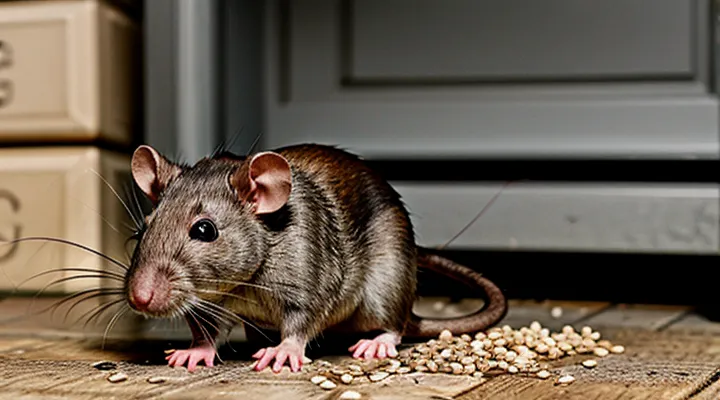
Buckwheat: Nutritional Profile and Rat Diet
What is Buckwheat?
Buckwheat (Fagopyrum esculentum) is a pseudocereal cultivated for its triangular seeds. The plant belongs to the Polygonaceae family and does not contain gluten, distinguishing it from true cereals such as wheat, barley, and rye. Buckwheat seeds are harvested, cleaned, and processed into whole groats, flour, or roasted kernels (known as “kasha”).
Nutritional profile of buckwheat includes:
- High‑quality protein with a balanced amino‑acid composition, notably lysine and arginine.
- Complex carbohydrates that provide sustained energy release.
- Dietary fiber ranging from 3 to 5 g per 100 g, supporting gastrointestinal health.
- Minerals such as magnesium, manganese, phosphorus, and zinc.
- Antioxidant compounds, including rutin and quercetin, which exhibit free‑radical scavenging activity.
Common applications involve human food products (pancakes, noodles, breakfast cereals) and animal feed formulations. Its digestibility and nutrient density make it a viable component in balanced diets for small mammals, provided that portion sizes respect species‑specific caloric requirements.
Nutritional Composition of Buckwheat
Macronutrients
Buckwheat offers a distinctive macronutrient profile for laboratory and pet rats. The grain supplies protein, carbohydrates, and fat in ratios that differ from standard rodent chow, requiring careful integration into the diet.
- Protein: Approximately 13 % of dry weight; contains lysine, methionine, and tryptophan, which complement the amino‑acid profile of typical rodent feeds.
- Carbohydrates: Near 71 % of dry weight; primarily starch and soluble fiber, providing rapid energy and promoting gut motility.
- Fat: Roughly 3 % of dry weight; includes linoleic and α‑linolenic acids, supporting membrane integrity and signaling pathways.
- Fiber: About 10 % of dry weight; insoluble fraction aids fecal bulk, while soluble components modulate microbiota.
When incorporated, buckwheat should not exceed 10–15 % of total dietary mass. Excessive inclusion can displace essential nutrients, leading to imbalanced protein intake and insufficient vitamin and mineral supply. Pairing buckwheat with a balanced laboratory chow ensures adequate calcium, phosphorus, and vitamin D levels.
Monitoring body weight, coat condition, and fecal consistency provides immediate feedback on diet adequacy. Adjustments based on these observations maintain optimal growth rates and reproductive performance.
Micronutrients
Buckwheat offers a concentrated source of micronutrients that can complement a laboratory rat’s diet. The grain contains B‑vitamins (thiamine, riboflavin, niacin, pyridoxine, folate), vitamin E, and a spectrum of minerals essential for metabolic processes.
- Magnesium – supports neuromuscular transmission and enzyme function.
- Phosphorus – contributes to skeletal development and energy metabolism.
- Zinc – required for immune competence and protein synthesis.
- Copper – involved in iron transport and antioxidant enzymes.
- Manganese – co‑factor for carbohydrate metabolism.
- Selenium – integral to glutathione peroxidase activity.
These micronutrients influence specific physiological pathways in rats. Magnesium and phosphorus maintain bone density; zinc and copper fortify innate immunity; vitamin E and selenium mitigate oxidative stress. Adequate intake of B‑vitamins sustains nervous system integrity and energy production.
When incorporating buckwheat, limit inclusion to 5–10 % of total feed weight to avoid excess fiber and potential mineral imbalances. Pair buckwheat with a balanced staple (e.g., lab chow) to ensure macro‑nutrient adequacy. Monitor serum mineral levels periodically to detect hyper‑ or hypomineralization. Adjust the diet if clinical signs of deficiency (e.g., alopecia, poor growth) or excess (e.g., calcification) appear.
Comparison with Other Grains in Rat Diets
Grains constitute the primary carbohydrate source in laboratory and pet rat diets. Buckwheat, despite being a pseudocereal, is frequently evaluated alongside traditional cereals such as wheat, barley, corn, and rice.
- Protein: Buckwheat delivers 13 % crude protein, comparable to wheat (12 %) and higher than corn (9 %). Barley and rice provide 10–11 % protein.
- Digestible carbohydrate: Starch in buckwheat is rapidly fermentable, similar to rice, while wheat and barley contain higher levels of resistant starch. Corn supplies the greatest amount of readily digestible glucose.
- Fiber: Soluble and insoluble fiber together reach 10 % in buckwheat, exceeding wheat (7 %) and barley (8 %). Corn and rice are lower, at 5 % and 2 % respectively.
- Fat: Buckwheat contains 3 % fat, richer than wheat (2 %) and barley (2 %), but less than corn (4 %).
- Minerals: Buckwheat supplies notable magnesium, phosphorus, and zinc; wheat and barley provide similar macro‑mineral profiles, while corn is comparatively low in zinc.
Buckwheat also presents anti‑nutrients such as rutin and phenolic compounds. Rutin exhibits antioxidant activity without impairing nutrient absorption; phenolics may reduce protein digestibility at high inclusion levels. Conventional cereals contain phytate, which interferes with mineral uptake, especially when diets lack phytase supplementation.
Practical feeding strategies limit buckwheat to 5–10 % of the total diet mass. This range preserves balanced amino‑acid profiles, avoids excessive fiber that could alter gut motility, and mitigates potential anti‑nutrient effects. Substituting equivalent portions of wheat or barley with buckwheat yields comparable growth rates, provided the overall protein and energy targets remain met.
Safety and Benefits of Feeding Buckwheat to Rats
Is Buckwheat Safe for Rats?
Potential Toxins or Antinutrients
Buckwheat contains several naturally occurring compounds that may affect rodent health when included in their diet.
- Phytic acid binds minerals such as calcium, iron, and zinc, reducing their absorption. High levels can contribute to deficiencies if the diet lacks supplementary sources of these nutrients.
- Tannins exhibit protein‑binding properties, potentially decreasing the availability of dietary amino acids. Excessive intake may impair growth and tissue repair.
- Oxalates form insoluble calcium oxalate crystals, increasing the risk of kidney stone formation in susceptible individuals.
- Saponins can irritate the gastrointestinal lining, leading to reduced feed intake and mild diarrhea when consumed in large quantities.
- Protease inhibitors interfere with digestive enzyme activity, limiting protein breakdown and utilization.
- Mycotoxins such as aflatoxin or ochratoxin may be present if buckwheat is stored under humid conditions. These toxins can cause liver damage, immunosuppression, and reduced lifespan.
- Pesticide residues from conventional cultivation may remain after harvest. Chronic exposure can affect neurological function and reproductive performance.
Processing methods—heat treatment, soaking, fermentation, or grinding—significantly lower concentrations of phytic acid, tannins, and protease inhibitors. Selecting organically produced grain and ensuring proper storage minimize pesticide and mycotoxin risks. When these factors are controlled, buckwheat can serve as a supplemental carbohydrate source without posing major toxicological concerns for laboratory or pet rats.
Recommended Preparation Methods
Buckwheat provides a valuable source of protein, fiber, and essential minerals for pet rats, but it must be processed correctly to avoid digestive issues and potential contaminants. Proper preparation eliminates anti‑nutritional factors, reduces the risk of mold, and creates a texture that rats can chew comfortably.
- Roasting: Spread raw buckwheat kernels on a baking sheet, bake at 150 °C (300 °F) for 10–12 minutes until lightly golden. Roasting deactivates enzymes that can impair digestion and improves palatability. Allow cooling before serving.
- Boiling: Rinse kernels thoroughly, then simmer in water at a 2:1 water‑to‑buckwheat ratio for 8–10 minutes. Drain excess liquid and let the grains dry on a clean cloth. Boiled buckwheat retains moisture, making it easier for rats to ingest, especially for younger or dental‑compromised individuals.
- Grinding into flour: Use a grain mill or high‑speed blender to produce fine buckwheat flour. Incorporate 5–10 % of the flour into a balanced pellet or mash formulation. Flour blends uniformly with other ingredients, ensuring consistent nutrient distribution.
- Fermentation (optional): Mix boiled buckwheat with a small amount of plain yogurt or kefir, let sit at room temperature for 12–24 hours. Fermentation introduces beneficial microbes and further reduces phytic acid. Serve only after confirming the mixture remains fresh and odorless.
All prepared forms should be stored in airtight containers within a cool, dry environment and discarded after one week to prevent spoilage. Introduce buckwheat gradually, monitoring rats for changes in stool consistency or appetite, and adjust quantities to maintain a balanced overall diet.
Health Benefits for Rats
Digestive Health
Buckwheat provides a moderate amount of soluble and insoluble fiber, which can support the transit of food through a rat’s gastrointestinal tract. The soluble fraction forms a gel that may slow nutrient absorption, while the insoluble portion adds bulk, helping to prevent constipation.
Key nutritional components of buckwheat include:
- Approximately 13 % protein, rich in lysine and arginine, which are essential amino acids for rodents.
- 3–4 % dietary fiber, contributing to stool formation.
- Low levels of fat, primarily polyunsaturated fatty acids beneficial for cell membranes.
- Minerals such as magnesium, phosphorus, and manganese, which support enzymatic activity in the digestive system.
Potential benefits for rat digestion:
- Enhanced fecal consistency due to fiber content.
- Improved gut motility, reducing the risk of impaction.
- Stimulation of beneficial microbial populations when combined with prebiotic fibers.
Possible drawbacks:
- Excessive intake may lead to fermentative gas production, causing bloating or soft stools.
- Raw buckwheat contains antinutritional factors (e.g., fagopyrin) that can irritate the mucosa if not properly processed.
- Overreliance on buckwheat may displace other essential nutrients found in a balanced rodent diet.
Feeding recommendations:
- Offer cooked or toasted buckwheat in small portions, not exceeding 5 % of total daily caloric intake.
- Introduce gradually, monitoring stool quality and behavior for signs of gastrointestinal distress.
- Combine with a variety of fiber sources, such as hay or leafy greens, to maintain a balanced fiber profile.
Signs of digestive imbalance after buckwheat consumption include loose stools, reduced appetite, abdominal swelling, or excessive gas. If any of these symptoms appear, reduce or discontinue buckwheat and consult a veterinary professional.
Cardiovascular Support
Feeding buckwheat to laboratory rats raises questions about its impact on cardiovascular function. Buckwheat contains soluble fiber, magnesium, potassium, and the flavonoid rutin, all associated with reduced arterial stiffness and improved lipid metabolism. Its low saturated‑fat content further aligns with dietary patterns that favor heart health.
Rodent trials report that diets incorporating 10–20 % buckwall flour lead to modest reductions in systolic blood pressure and lower plasma LDL‑cholesterol. Histological analyses show decreased aortic wall thickness and enhanced endothelial nitric‑oxide synthase activity, indicating improved vascular relaxation. These outcomes correlate with increased plasma rutin concentrations, suggesting an antioxidant mechanism.
Implementing buckwheat in rat chow requires attention to palatability and nutrient balance. Recommended inclusion rates range from 5 % for short‑term studies to 15 % for chronic protocols, ensuring that protein and caloric requirements remain met. Monitor the following parameters:
- Body weight and food intake weekly
- Systolic blood pressure via tail‑cuff plethysmography
- Serum lipid profile (LDL, HDL, triglycerides) monthly
- Plasma rutin levels to confirm bioavailability
Potential adverse effects include mild gastrointestinal irritation at concentrations above 20 %. Adjust fiber content or provide gradual diet transitions to mitigate discomfort. Overall, buckwheat serves as a viable dietary component for enhancing cardiovascular support in rats when administered within established nutritional limits and under systematic health monitoring.
Weight Management
Buckwheat offers a low‑calorie source of protein, fiber, and essential minerals, making it a viable component in a rat’s diet when weight control is a priority. One cup of raw buckwheat contains approximately 343 kcal, 13 g of protein, and 10 g of dietary fiber; the high fiber content promotes satiety and can moderate overall caloric intake. However, the energy density of buckwheat exceeds that of typical laboratory rodent chow, so precise portion control is essential to prevent excess weight gain.
Effective weight‑management protocols that incorporate buckwheat should include the following steps:
- Calculate the rat’s daily caloric requirement based on body weight, age, and activity level.
- Replace no more than 10 % of the total daily ration with measured buckwheat, adjusting the remaining chow accordingly.
- Offer buckwheat in small, dry portions to avoid moisture‑related spoilage and to encourage thorough chewing.
- Monitor body weight at least twice weekly; adjust the buckwheat proportion if a trend toward gain or loss exceeds 5 % of baseline.
- Ensure adequate water availability, as increased fiber intake elevates fluid needs.
Potential concerns involve antinutritional factors such as rutin and phytates, which can interfere with mineral absorption if buckwheat constitutes a large share of the diet. Limiting the inclusion rate to the recommended 10 % mitigates these effects while preserving the benefits of fiber and protein. Regular health assessments, including coat condition and activity levels, complement weight measurements to confirm that buckwheat supplementation supports overall well‑being without compromising nutritional balance.
Risks and Precautions
Allergic Reactions
Rats that are offered buckwheat may experience immune‑mediated hypersensitivity. Allergic responses occur when proteins in the grain are recognized as foreign by the rat’s immune system, triggering the production of IgE antibodies and the release of inflammatory mediators.
Typical clinical signs include:
- Itching, excessive grooming, or skin lesions
- Swelling of the face, ears, or limbs
- Respiratory distress such as wheezing or labored breathing
- Gastrointestinal upset, including vomiting and diarrhea
- Sudden collapse or anaphylactic shock in severe cases
Incidence of buckwheat allergy in laboratory and pet rats is low but documented. Sensitization is more likely in individuals with a history of other food allergies or exposure to related cereals (e.g., wheat, barley). Cross‑reactivity can increase risk.
Diagnosis relies on observation of symptoms after ingestion, followed by confirmatory tests such as skin prick testing or serum-specific IgE assays. Elimination of buckwheat from the diet and re‑challenge under controlled conditions verify causality.
Management strategies:
- Immediate removal of the offending food source
- Administration of antihistamines or corticosteroids for moderate reactions
- Emergency epinephrine injection for anaphylaxis, with veterinary supervision
- Gradual reintroduction of alternative grains after a symptom‑free period, ensuring nutritional adequacy
Preventive measures include introducing new foods in small quantities, monitoring for early signs of hypersensitivity, and maintaining detailed dietary records for each animal.
Overfeeding Considerations
Buckwheat is a high‑carbohydrate grain that can be included in a rat’s diet, but excessive portions pose health risks. Overfeeding may lead to rapid weight gain, impair glucose regulation, and overload the gastrointestinal tract, increasing the likelihood of diarrhea or bloating. Because rats have small stomach capacities, even modest amounts of dense food can exceed their caloric needs if offered repeatedly.
Key points to monitor when incorporating buckwheat:
- Limit servings to 5‑10 % of the total daily food volume; larger portions quickly raise energy intake.
- Observe body condition regularly; visible fat deposits or reduced activity indicate excess calories.
- Balance buckwheat with fiber‑rich vegetables and protein sources to prevent nutrient deficiencies.
- Introduce the grain gradually, allowing the digestive system to adapt and reducing the chance of gastrointestinal upset.
- Record any changes in stool consistency; soft or watery feces suggest overconsumption.
When these guidelines are followed, buckwheat can provide variety without compromising a rat’s health.
How to Incorporate Buckwheat into a Rat's Diet
Types of Buckwheat Suitable for Rats
Raw vs. Cooked
Feeding rats buckwheat requires evaluating the differences between the uncooked grain and the heated version. Raw buckwheat retains all original nutrients, including protein, fiber, vitamins B1 and B2, and magnesium. However, it also contains antinutritional compounds such as tannins and phytic acid, which can bind minerals and reduce absorption. The presence of these factors may cause mild gastrointestinal upset in sensitive individuals.
Cooking buckwheat gelatinizes starch, deactivates most antinutrients, and improves digestibility. Heat treatment also eliminates potential microbial contaminants that may be present on raw kernels. The trade‑off includes a modest loss of heat‑sensitive vitamins, particularly B1, and a slight reduction in fiber structure.
Practical recommendations:
- Offer cooked buckwheat as the primary form for regular inclusion in a rat’s diet.
- Limit raw grains to occasional treats, no more than 5 % of total daily intake, and monitor for signs of digestive disturbance.
- Prepare cooked buckwheat by boiling in water without salt or additives for 10–12 minutes, then cooling to room temperature before serving.
- Store any leftovers in a sealed container in the refrigerator for up to three days; discard if odor or mold develops.
- Ensure the overall diet remains balanced with protein sources, fresh vegetables, and a commercial rodent pellet base.
When introducing buckwheat, observe the animal’s weight, stool consistency, and activity level. Adjust portions if any adverse response occurs. This approach maximizes nutrient availability while minimizing risks associated with raw grain consumption.
Groats vs. Flour
Buckwheat is a viable component of a rat’s diet, but the form in which it is offered—groats or flour—affects nutritional value, texture, and safety.
Groats retain the whole grain structure, preserving fiber, protein, and micronutrients that are partially lost during milling. The intact hull slows digestion, promotes gut motility, and reduces the risk of rapid blood‑sugar spikes. Groats also provide a chewy texture that encourages natural gnawing behavior, supporting dental health.
Flour consists of finely ground buckwheat, presenting a higher surface area. This form delivers a more concentrated source of carbohydrates and is easier for young or dental‑compromised rats to ingest. However, the reduction in fiber can increase the likelihood of gastrointestinal upset if fed in large quantities. The fine texture may also encourage overconsumption, leading to excess caloric intake.
Key considerations for choosing between the two:
- Fiber content: Groats > Flour
- Digestibility: Flour > Groats (faster absorption)
- Dental benefit: Groats provide natural chewing resistance
- Risk of overfeeding: Higher with flour due to palatability and ease of consumption
- Storage stability: Flour is more prone to moisture absorption and mold growth; airtight containers are essential
When integrating buckwheat into a rat’s regimen, start with a small portion of groats (approximately 1 % of total diet by weight) and observe tolerance. If a softer texture is required, substitute a limited amount of flour, ensuring the overall fiber contribution remains adequate. Rotate between the two forms to balance nutritional benefits and prevent monotony.
Serving Suggestions and Portion Sizes
Buckwheat can be incorporated into a rodent’s diet when it meets nutritional balance and does not replace essential protein sources. The grain supplies carbohydrates, fiber, and modest amounts of minerals, making it a suitable occasional supplement.
Practical ways to offer buckwheat
- Serve lightly toasted or boiled kernels, cooled to room temperature.
- Mix a small portion into a standard pelleted feed to mask texture differences.
- Combine with fresh vegetables, such as carrots or leafy greens, to increase palatability.
- Offer as a dry snack no more than twice per week to avoid excessive carbohydrate intake.
Recommended portion sizes
- For a standard laboratory rat (≈250 g body weight), limit buckwheat to 2–3 g per serving, representing roughly 1 % of total daily intake.
- For larger pet rats (≈400 g), increase the serving to 4–5 g, still maintaining a maximum of 1 % of daily calories.
- Ensure the total daily contribution of buckwheat does not exceed 10 % of the animal’s caloric budget; adjust other feed components accordingly.
- Monitor body condition and stool consistency; reduce or discontinue if weight gain or digestive upset occurs.
These guidelines provide a clear framework for safely integrating buckwheat into rat nutrition while preserving overall dietary balance.
Frequency of Feeding
Buckwheat may be included in a rat’s diet, but the feeding schedule must respect the animal’s overall nutritional balance. Small, measured portions prevent excess carbohydrate intake and reduce the risk of digestive upset. Limit buckwheat to a supplemental role rather than a staple component.
- Offer buckwheat no more than two times per week.
- Provide no more than 1–2 grams per 100 g of body weight per serving.
- Serve cooked or lightly toasted grains to improve digestibility; raw kernels may cause hardness in the gut.
- Observe each rat for changes in stool consistency, weight, or activity after introduction; discontinue if adverse signs appear.
Consistent monitoring ensures that buckwheat contributes fiber and protein without displacing essential nutrients supplied by commercial rodent pellets and fresh vegetables. Adjust frequency according to individual tolerance and overall diet composition.
Alternative Grains and Foods for Rats
Rats thrive on a varied diet that includes grains, seeds, and occasional fruits or vegetables. Introducing new grains requires attention to nutritional balance, digestibility, and the risk of contaminants.
Buckwheat offers protein, fiber, and essential minerals, making it a suitable occasional supplement. However, it should not replace the staple diet of high‑quality rodent pellets.
Alternative grains and foods that meet the same criteria include:
- Quinoa: High in protein and low in fat; rinse thoroughly to remove saponins before offering.
- Amaranth: Rich in lysine and calcium; serve cooked or sprouted to improve digestibility.
- Millet: Easily digestible; provides carbohydrates and B‑vitamins.
- Oats (plain, unflavored): Source of soluble fiber; offer in small, cooked portions to prevent choking.
- Barley (hulled): Supplies beta‑glucans and minerals; cook before feeding.
- Brown rice: Offers energy and B‑vitamins; serve cooked and cooled.
- Whole wheat berries: Provide fiber and selenium; soak or cook to soften.
Additional non‑grain options that complement a rat’s diet:
- Legume sprouts (lentils, chickpeas): High in protein and vitamins; limit to avoid excess phosphorus.
- Leafy greens (kale, spinach): Source of vitamin A and calcium; rotate varieties to prevent nutrient excess.
- Root vegetables (carrots, sweet potatoes): Offer beta‑carotene and complex carbs; feed in moderation due to sugar content.
When adding any new item, introduce it gradually, monitor for digestive upset, and ensure the primary diet remains nutritionally complete. Fresh water, clean housing, and regular veterinary checks complete a healthy feeding program.
Monitoring Your Rat's Response
Observing Digestive Changes
Feeding rats buckwheat introduces a high‑fiber, gluten‑free carbohydrate source that can alter gastrointestinal physiology. Researchers typically monitor stool consistency, transit time, and mucosal morphology to assess these effects.
Key observations include:
- Increased bulk and softer stool, indicating enhanced fecal water content.
- Shortened intestinal transit, measurable by marker dye passage, suggesting accelerated motility.
- Thickened mucosal glycocalyx and expanded villus height, reflecting adaptive nutrient absorption.
- Elevated populations of fermentative bacteria, evidenced by higher short‑chain fatty acid concentrations in cecal samples.
Quantitative data often reveal a 15‑25 % rise in fecal output and a 10 % reduction in total transit time compared with standard rodent chow. Histological analysis may show a 12 % increase in villus length after four weeks of continuous buckwheat inclusion.
These digestive alterations can influence overall health, growth rates, and experimental outcomes. Accurate recording of stool characteristics, transit markers, and tissue samples provides a comprehensive picture of how buckwheat impacts rat gastrointestinal function.
Behavioral Indicators
Rats that accept buckwheat as part of their diet exhibit distinct behavioral patterns that can be monitored to assess suitability. Increased willingness to approach the new food, rapid consumption, and minimal hesitation indicate acceptance. Conversely, avoidance, prolonged sniffing without ingestion, or retreat from the feeding area suggest aversion.
Observable changes in activity levels provide additional clues. A stable or slightly elevated locomotor rate after introduction of buckwheat reflects normal energy balance, while marked hyperactivity or lethargy may signal digestive distress or nutrient imbalance. Grooming behavior remains a reliable indicator; consistent self‑grooming denotes comfort, whereas excessive scratching or reduced grooming can reflect irritation or discomfort.
Social interactions also respond to dietary changes. Maintenance of typical hierarchy behaviors—such as normal dominance displays and cooperative nesting—suggests that buckwheat does not disrupt group dynamics. Increased aggression, isolation, or abnormal vocalizations point to possible stress related to the new feed.
Key behavioral metrics for evaluating buckwheat suitability include:
- Frequency of voluntary approach to the buckwheat source
- Consumption speed measured in grams per minute
- Post‑feeding locomotor activity compared to baseline
- Grooming duration recorded over a 30‑minute interval
- Frequency of social contacts (e.g., huddling, grooming partners)
Consistent readings within established normal ranges support the conclusion that rats can safely incorporate buckwheat into their diet. Deviations from these patterns warrant further nutritional analysis or cessation of the food item.
Consulting a Veterinarian
Rats may be offered buckwheat, but the decision should be based on veterinary assessment rather than trial and error. A qualified animal‑health professional evaluates the species‑specific dietary requirements, identifies potential adverse reactions, and determines whether buckwheat fits within a balanced feeding plan.
Key health factors include:
- Nutrient composition relative to a rat’s protein, fiber, and fat needs.
- Risk of gastrointestinal upset or allergic response.
- Interaction with existing diet or medical conditions.
When consulting a veterinarian, expect the following process:
- Provide the rat’s age, weight, health history, and current diet details.
- Receive a nutritional analysis that positions buckwheat within safe daily limits.
- Obtain preparation guidelines (e.g., cooking method, portion size).
- Agree on a monitoring schedule to track weight, behavior, and stool quality.
- Adjust the diet promptly if any negative signs appear.
Professional guidance ensures that buckwheat, if appropriate, contributes to optimal nutrition without compromising the animal’s health.