
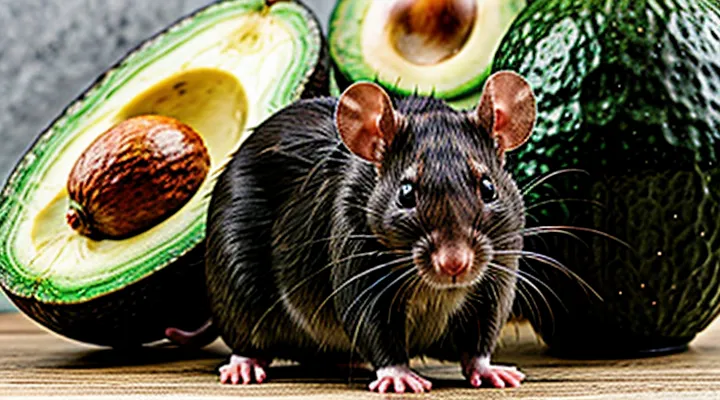
Understanding Rat Physiology and Diet
Essential Dietary Needs of Rats
Rats require a balanced diet that supplies protein, fiber, fats, vitamins, minerals, and water in precise proportions to maintain health and support normal physiological functions.
Protein sources such as cooked chicken, boiled eggs, low‑fat cottage cheese, and commercial rodent pellets provide the amino acids necessary for tissue growth, immune competence, and enzymatic activity. Fiber, supplied by whole grains, leafy greens, and small amounts of hay, promotes gastrointestinal motility and prevents constipation. Essential fatty acids are obtained from modest portions of nuts (excluding those high in persin), seeds, and fortified rodent feeds; they contribute to cell membrane integrity and hormone production.
Vitamins A, D, E, and K, along with the B‑complex group, must be present in the diet. Vitamin A is abundant in carrots and sweet potatoes; vitamin D can be synthesized through exposure to natural light or added to fortified feeds; vitamin E is found in wheat germ and sunflower oil; B‑vitamins are supplied by whole grains and animal protein. Minerals such as calcium, phosphorus, magnesium, potassium, and trace elements (zinc, copper, selenium) are critical for bone development, nerve transmission, and metabolic regulation. These minerals are delivered through calcium‑rich foods like low‑fat cheese, fortified pellets, and a controlled amount of mineral supplements.
Water must be continuously available, clean, and refreshed daily to prevent dehydration and support renal function. Food should be offered in measured quantities to avoid obesity, with fresh items rotated to ensure nutrient diversity and to reduce the risk of mold or bacterial growth.
When evaluating the safety of avocado for rats, the established dietary framework highlights that any addition must not disrupt the balance of essential nutrients and must be free of persin, the compound known to cause toxicity in many mammals. Consequently, avocado should be excluded from the diet unless a thorough analysis confirms the absence of harmful substances and compatibility with the rat’s nutritional requirements.
Digestive System of Rats and Potential Sensitivities
Rats possess a monogastric gastrointestinal tract that processes solid foods through a relatively short stomach, followed by a small intestine specialized for nutrient absorption and a large intestine that ferments fiber. Enzymatic activity in the rat pancreas includes lipases, amylases, and proteases, which efficiently hydrolyze fats, carbohydrates, and proteins. The cecum hosts a microbial community capable of breaking down complex polysaccharides, but the overall capacity to handle high‑fat, low‑fiber substances is limited compared to omnivorous species with more extensive bile secretion.
Avocado contains persin, a fatty acid derivative toxic to many mammals, and a high concentration of monounsaturated fats. Rats exhibit variable tolerance to persin; documented cases show gastrointestinal irritation, vomiting, and, in severe instances, hepatic stress. Sensitivities specific to rats include:
- Limited bile acid pool, reducing ability to emulsify large fat loads.
- Rapid gastric emptying, which can deliver undigested persin to the small intestine.
- Susceptibility of the cecal microbiota to fatty acid disruption, leading to dysbiosis.
When assessing avocado as a feed component, the rat digestive system’s constraints demand strict limits on quantity and frequency. Empirical studies recommend excluding avocado from standard diets and, if introduced for enrichment, restricting portions to less than 1 % of total caloric intake, monitoring for signs of gastrointestinal distress, and conducting periodic liver function assessments. This approach aligns safety protocols with the physiological characteristics of the species.
Avocado: Nutritional Profile and Toxic Components
General Composition of Avocado
Avocado fruit consists primarily of water (approximately 70 % by weight) and a high concentration of lipids, chiefly monounsaturated oleic acid. The remaining macronutrients include modest amounts of carbohydrates (around 8–9 % dry weight) and protein (about 2 %). Dietary fiber, mainly insoluble, contributes roughly 6 % of the fruit’s mass and influences gastrointestinal transit.
Key micronutrients present in avocado are:
- Vitamin K1 (phylloquinone) – 20–30 µg per 100 g
- Vitamin E (α‑tocopherol) – 2–3 mg per 100 g
- Vitamin C – 8–10 mg per 100 g
- Folate – 80–90 µg per 100 g
- Potassium – 485 mg per 100 g
- Magnesium – 29 mg per 100 g
Avocado also contains bioactive phytochemicals such as carotenoids (lutein, zeaxanthin), phenolic compounds, and the fatty‑acid‑derived toxin persin. Persin is harmless to humans in typical dietary amounts but exhibits toxicity in some animal species, including certain rodents. The concentration of persin varies among cultivars and is highest in the fruit’s leaves, bark, and seed; the edible pulp contains lower levels but may still affect sensitive species.
Understanding this composition is essential when evaluating the safety of providing avocado to rats. High lipid content can predispose rodents to gastrointestinal upset, while persin exposure may trigger cardiac or respiratory complications in susceptible individuals. Careful assessment of portion size, preparation method, and species‑specific tolerance thresholds is required to mitigate risk.
Persin: The Primary Concern for Animals
Toxicity Levels of Persin
Persin, the fungicidal toxin found in avocado leaves, bark, and fruit flesh, exhibits dose‑dependent toxicity in rodents. Laboratory studies identify the median lethal dose (LD₅₀) for persin in rats at approximately 500 mg kg⁻¹ when administered orally. Sub‑lethal exposure (50–150 mg kg⁻¹) produces gastrointestinal irritation, hepatic enzyme elevation, and mild cardiac arrhythmias within 24 hours. Chronic intake below 10 mg kg⁻¹ per day shows no statistically significant adverse effects over a 90‑day period.
Key toxicity parameters for rats include:
- Acute LD₅₀: ~500 mg kg⁻¹ (oral)
- No‑Observed‑Adverse‑Effect Level (NOAEL): 10 mg kg⁻¹ day⁻¹ (sub‑chronic)
- Lowest‑Observed‑Adverse‑Effect Level (LOAEL): 50 mg kg⁻¹ (single dose)
Avocado pulp contains roughly 0.1 mg g⁻¹ of persin. A 250‑g portion of ripe avocado delivers about 25 mg of persin, well above the LOAEL for a 250‑g rat, which would correspond to a 100 mg kg⁻¹ dose. Consequently, even modest servings of avocado flesh can surpass safe exposure limits for rats.
Safety assessment for rodent products must therefore limit avocado-derived ingredients to concentrations that keep persin intake below the established NOAEL. Formulations containing less than 0.04 % avocado extract by weight achieve this threshold for average laboratory rat body mass. Exceeding this level introduces a measurable risk of acute toxicity and should be avoided in feed or treat development.
Avocado Varieties and Persin Content
Avocado cultivars differ markedly in flesh texture, oil content, and concentration of the toxin persin. Hass, Fuerte, Bacon, and Reed are the most widely cultivated types; Hass typically exhibits the highest oil percentage, while Bacon and Reed contain lower fat levels. Flesh color ranges from deep green in Bacon to dark purple‑black in Hass, reflecting variations in phytochemical composition.
Persin, a fatty acid derivative, is present in the leaves, skin, and, to a lesser extent, the pulp of all avocado varieties. Measured concentrations (mg g⁻¹ fresh weight) approximate:
- Hass: 0.2 – 0.4 in pulp, 2.5 – 3.0 in skin, up to 8.0 in leaves
- Fuerte: 0.15 – 0.35 in pulp, 2.0 – 2.8 in skin, up to 7.5 in leaves
- Bacon: 0.10 – 0.25 in pulp, 1.8 – 2.5 in skin, up to 6.5 in leaves
- Reed: 0.18 – 0.38 in pulp, 2.2 – 3.1 in skin, up to 7.8 in leaves
The pulp consistently contains the lowest persin levels, but even minimal amounts can affect sensitive mammals. Rats exhibit heightened susceptibility; clinical signs appear after ingestion of as little as 0.05 mg persin per kilogram body weight. Consequently, only the edible flesh of low‑persin cultivars, served in extremely limited quantities, may be considered for experimental use under veterinary supervision.
When evaluating avocado as a feed ingredient for rats, prioritize cultivars with the lowest documented pulp persin concentrations, remove skin and leaf material entirely, and limit portions to below the established toxic threshold. Continuous monitoring for respiratory distress, cardiac irregularities, or gastrointestinal upset is essential to ensure animal welfare.
The Risks of Feeding Avocado to Rats
Symptoms of Persin Toxicity in Rats
Mild Symptoms
Avocado consumption by rats can trigger mild adverse reactions that influence safety assessments. Observations from controlled feeding studies indicate that low‑dose exposure may produce transient physiological changes without causing severe toxicity.
- Gastrointestinal discomfort, manifested as mild abdominal cramping
- Occasional vomiting of small volume
- Slight reduction in activity levels, described as brief lethargy
- Loose stools lasting less than two days
- Minor skin irritation when fruit flesh contacts fur or paws
These signs typically resolve within 24–48 hours after removal of the avocado source. Their occurrence necessitates careful monitoring during product testing and informs recommended intake limits for laboratory and pet environments.
Severe Symptoms
Avocado contains the toxin persin, which can cause acute toxicity in rodents. When rats ingest avocado flesh or skin, severe physiological disturbances may develop rapidly.
Typical severe manifestations include:
- Respiratory distress, characterized by labored breathing and wheezing.
- Cardiovascular collapse, evident as sudden drop in blood pressure and irregular heart rhythm.
- Neurological impairment, presenting as seizures, tremors, or loss of coordination.
- Gastrointestinal hemorrhage, marked by vomiting blood or bloody diarrhea.
- Renal failure, indicated by reduced urine output and elevated blood urea nitrogen levels.
These symptoms often progress within hours of exposure and may lead to death if untreated. Immediate veterinary intervention, including supportive care and toxin removal, is essential to improve prognosis.
Other Potential Dangers
High Fat Content and Digestive Upset
Avocado contains approximately 15 %–20 % fat, primarily monounsaturated oleic acid. Rats metabolize dietary lipids differently from omnivorous mammals; their pancreatic lipase activity is lower, and the small intestine absorbs fewer triglycerides per unit time. When a rat consumes a portion of avocado that exceeds its capacity to emulsify and digest fat, the excess reaches the colon where bacterial fermentation produces gas and short‑chain fatty acids. The resulting distension, increased peristalsis, and osmotic load can trigger diarrhea, abdominal cramping, and reduced feed intake.
Key points for caretakers:
- Limit avocado to less than 5 % of total daily caloric intake to stay within safe fat thresholds.
- Observe stool consistency for the first 24 hours after introduction; loose or watery feces indicate intolerance.
- Provide ample water to counteract potential dehydration from fluid loss.
- If vomiting, lethargy, or persistent diarrhea occur, discontinue avocado and consult a veterinarian promptly.
The combination of high lipid density and the rat’s limited digestive efficiency makes avocado a potential source of gastrointestinal disturbance when offered without strict portion control.
Choking Hazards from Pits and Skins
Avocado pits pose an immediate choking risk for rats because the solid core exceeds the diameter of a typical rodent’s esophagus. Once swallowed, the pit can become lodged in the throat or obstruct the gastrointestinal tract, leading to rapid respiratory distress or fatal blockage. The hard, smooth surface prevents the animal from chewing the pit into smaller pieces, and rats lack the dental strength to fracture it.
Avocado skins also present a choking hazard. The skin is thin but fibrous, and when torn into irregular strips it can form a knot that blocks the airway. Additionally, the skin’s texture can adhere to the mucous membranes, increasing the likelihood of obstruction.
Key points for safe handling:
- Remove the pit entirely before offering any avocado flesh.
- Peel the fruit and discard the skin; do not provide it in any form.
- Cut the edible flesh into bite‑size cubes no larger than ¼ inch (6 mm) to ensure easy swallowing.
- Observe the rat after feeding; any signs of coughing, gagging, or labored breathing require immediate veterinary attention.
Adhering to these precautions eliminates the primary choking hazards associated with avocado pits and skins, allowing the fruit’s nutritional benefits to be evaluated without endangering the animal.
Safe Alternatives and Healthy Treats for Rats
Recommended Fruits and Vegetables
Rats tolerate a limited range of fresh produce without compromising health. Fruit and vegetable choices should prioritize low‑fat, low‑oxalate, and non‑toxic items.
-
Apples (core removed, no seeds)
-
Blueberries
-
Strawberries (hull removed)
-
Raspberries
-
Pears (seedless)
-
Bananas (in moderation)
-
Carrots (raw or lightly steamed)
-
Broccoli florets
-
Spinach (small portions)
-
Kale (trimmed, occasional)
-
Bell pepper strips (any color)
-
Zucchini (raw or cooked)
Safe inclusion guidelines: introduce new items gradually, monitor for digestive upset, and limit portions to 10 % of total daily intake. Avoid citrus, grapes, raisins, and all avocado parts, as they contain compounds known to cause toxicity in rodents. Regularly wash produce to remove pesticide residues before offering.
Commercial Rat Foods and Supplements
Commercial rat diets and dietary supplements are formulated to meet strict nutritional standards and to avoid ingredients known to pose health risks. Avocado, containing persin, is classified as a potential toxin for rodents; manufacturers therefore exclude it from standard formulations and label any inclusion explicitly. Product safety assessments require verification that avocado-derived components do not exceed established tolerable limits.
Key safety measures applied by producers:
- Ingredient verification through supplier certification confirming absence of avocado or related extracts.
- Batch testing for persin concentration using validated analytical methods.
- Labeling protocols that mandate clear disclosure of avocado presence, concentration, and recommended usage limits.
- Compliance checks against regulatory guidelines such as the FDA’s Food Safety Modernization Act and the European Food Safety Authority’s feed standards.
When a commercial product lists avocado as an ingredient, the manufacturer must provide a risk assessment outlining dosage thresholds that avoid adverse effects. Recommended maximum inclusion levels typically range from 0.5 % to 1 % of the total formulation, depending on the product’s intended purpose (e.g., enrichment versus primary nutrition). Exceeding these limits has been linked to gastrointestinal irritation, respiratory distress, and, in severe cases, organ damage in rats.
Consumers should consult product specifications before introducing any supplement containing avocado. Verify that the label includes a persin concentration statement, that the product has undergone third‑party testing, and that usage instructions align with the manufacturer’s safety data. Selecting brands that adhere to these criteria minimizes the risk of avocado‑related toxicity while preserving the nutritional integrity of commercial rat feed.
Guidelines for Introducing New Foods
When assessing whether a novel ingredient such as avocado can be incorporated into a rat’s diet, safety must be established before regular feeding begins.
The introduction of any unfamiliar food follows a systematic protocol:
- Verify that the ingredient is non‑toxic to rodents through reputable veterinary sources.
- Obtain the food in fresh, uncontaminated form; discard bruised or oxidized sections.
- Prepare a homogenized sample to eliminate skin, pit, and large fibers that could cause obstruction.
- Initiate a trial with a single rat, offering a minute quantity (approximately 0.1 g of edible flesh per 100 g body weight).
- Observe the animal for at least 48 hours, recording signs of gastrointestinal distress, lethargy, or abnormal behavior.
- If no adverse effects appear, increase the portion incrementally over a week, never exceeding 1 g per 100 g body weight.
- Document each dosage, observation, and any health changes in a dedicated log.
Avocado presents specific challenges. The fruit contains persin, a compound that can be mildly irritating to some rodent species. The pit and skin harbor higher concentrations and must be excluded entirely. Only the ripe, pale flesh should be offered, and it must be rinsed to remove surface oils that could affect digestion.
Continuous monitoring is essential. Any emergence of diarrhea, weight loss, or respiratory symptoms warrants immediate cessation of the trial and consultation with a veterinary professional. Maintaining detailed records enables reproducibility and supports regulatory compliance for pet food safety assessments.
Expert Opinions and Veterinary Advice
Consensus on Avocado for Rodents
Current scientific literature indicates that avocado consumption by rodents is generally discouraged. The fruit contains persin, a fungicidal toxin that affects many mammals, including rats. Experimental data reveal gastrointestinal irritation, hepatic stress, and, in severe cases, cardiac arrhythmia after ingestion of avocado flesh or skin.
Professional veterinary organizations have issued unified recommendations:
- Avoid feeding avocado pulp, pit, or skin to pet rats and laboratory rodents.
- If avocado is introduced inadvertently, monitor for vomiting, diarrhea, lethargy, or abnormal breathing.
- In case of suspected toxicity, seek immediate veterinary care and provide supportive treatment such as fluid therapy and anti‑emetics.
Research reviews conclude that the risk outweighs any nutritional benefit. Avocado’s fat content does not compensate for the potential adverse effects, and safer lipid sources are available for rodent diets. Consequently, the consensus among experts is a categorical prohibition of avocado in rodent nutrition plans.
When to Consult a Veterinarian
Signs of Illness After Feeding Novel Foods
Rats introduced to unfamiliar foods may exhibit physiological stress that signals potential toxicity. Observation of behavior, appetite, and physical condition provides the most reliable early warning.
Typical indicators of adverse reaction include:
- Lethargy or reduced activity levels
- Loss of appetite or refusal to eat
- Diarrhea or abnormal stool consistency
- Vomiting or regurgitation
- Abnormal respiration, such as rapid or labored breathing
- Swelling of the face, ears, or limbs
- Excessive salivation or drooling
- Tremors, seizures, or uncoordinated movements
- Pale or discolored mucous membranes
If any of these symptoms appear after introducing a new dietary item, immediate cessation of the food and consultation with a veterinarian are required. Continuous monitoring during the first 24‑48 hours ensures prompt detection of toxicity and reduces the risk of severe health consequences.
Emergency Protocols
Avocado flesh contains persin, a compound that can cause rapid onset of respiratory distress, gastrointestinal upset, and cardiac abnormalities in rats. When an avocado‑related incident occurs, staff must initiate a predefined emergency response to mitigate harm and document the event for product safety compliance.
First responders should:
- Isolate the affected animal in a well‑ventilated enclosure.
- Assess clinical signs: labored breathing, vomiting, lethargy, or irregular heart rhythm.
- Administer supplemental oxygen if respiratory compromise is evident.
- Contact a veterinarian experienced in rodent toxicology within five minutes of detection.
- Record time of exposure, amount of avocado ingested, and observed symptoms on the incident log.
If the veterinarian prescribes treatment, follow the prescribed protocol precisely, including dosage calculations based on the rat’s weight and monitoring intervals. Maintain a clear line of communication with the veterinary team throughout the treatment period.
After stabilization, complete a post‑incident review:
- Conduct a root‑cause analysis to determine how avocado entered the rat’s environment.
- Update standard operating procedures to prevent future exposure.
- Report the incident to the product safety oversight authority in accordance with regulatory timelines.
- Store all documentation in the central safety database for audit purposes.
Regular drills that simulate avocado toxicity scenarios reinforce staff readiness and ensure that emergency measures remain effective and compliant with safety standards.