
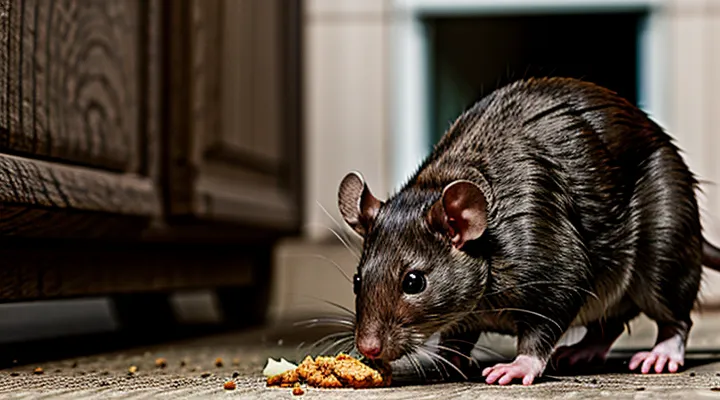
Understanding Rat Dietary Needs
Essential Nutritional Requirements for Rats
Macronutrients
Rats can consume food designed for humans only when macronutrient levels align with their physiological needs. Human diets often contain protein, fat and carbohydrate ratios that differ markedly from those required for optimal rodent health.
-
Protein: rats need 14–20 % of daily calories from high‑quality protein. Human foods such as lean meats, eggs and dairy provide adequate amino acid profiles, but processed products may contain low‑quality or imbalanced protein sources. Excessive protein can strain renal function; insufficient protein leads to stunted growth and poor coat condition.
-
Fat: rats require 5–15 % of calories from fat. Human fats vary from saturated animal fats to polyunsaturated plant oils. Unsaturated oils support skin health, while excessive saturated fat promotes obesity and cardiovascular issues. Raw nuts and seeds offer beneficial fats but must be offered in limited quantities to avoid caloric overload.
-
Carbohydrate: rats obtain 65–80 % of energy from carbohydrates. Human staples such as grains, fruits and vegetables supply digestible carbs, yet high‑sugar items cause rapid glucose spikes and increase the risk of diabetes. Complex carbohydrates from whole grains are preferable to refined sugars.
Balancing these macronutrients demands careful selection of human foods. Whole, minimally processed items that meet the specified protein, fat and carbohydrate percentages can be incorporated into a rat’s diet, provided that vitamin and mineral supplementation addresses any micronutrient gaps.
Micronutrients
Micronutrient content determines whether foods commonly prepared for people can meet the nutritional needs of rats. Rat physiology requires precise amounts of vitamins and minerals; deviations can impair growth, reproduction, and immune function.
Essential micronutrients for rats include:
- Vitamin A – supports vision and epithelial health; deficiency leads to night blindness and skin lesions.
- Vitamin D – regulates calcium absorption; excess causes hypercalcemia, deficiency results in rickets.
- Vitamin E – antioxidant protecting cell membranes; low levels increase oxidative stress.
- Vitamin K – necessary for blood clotting; inadequate intake produces bleeding disorders.
- B‑complex vitamins (B1, B2, B3, B5, B6, B7, B9, B12) – involved in energy metabolism and neurological function; deficits cause lethargy and anemia.
- Calcium – critical for bone formation and neuromuscular signaling; imbalance disrupts skeletal integrity.
- Phosphorus – works with calcium in bone mineralization; excess interferes with calcium absorption.
- Magnesium – cofactor for enzymatic reactions; deficiency impairs neuromuscular transmission.
- Iron – required for hemoglobin synthesis; both deficiency and overload affect oxygen transport.
- Zinc – essential for protein synthesis and immune response; shortage leads to growth retardation.
- Copper – participates in oxidative enzymes; inadequate levels cause anemia and connective‑tissue defects.
- Selenium – component of antioxidant enzymes; deficiency increases susceptibility to oxidative damage.
Typical human meals often contain micronutrient concentrations that exceed rat requirements for calcium and vitamin D, while providing insufficient levels of vitamin E, B‑complex vitamins, and trace minerals such as zinc and selenium. Processed foods may lack bioavailable forms of certain nutrients, further reducing their suitability.
When offering human food to rats, supplementation with a balanced laboratory‑grade micronutrient mix compensates for deficits and prevents toxic excesses. Regular analysis of the diet’s nutrient profile ensures alignment with established rat dietary standards. Monitoring clinical signs and laboratory parameters remains essential for early detection of micronutrient imbalances.
Safe Human Foods for Rats
Vegetables and Fruits
Beneficial Choices
Rats can safely incorporate selected human foods when the choices align with their dietary requirements. The focus is on items that supply essential nutrients without introducing harmful substances.
- Cooked lean protein such as plain chicken breast or boiled egg provides high‑quality amino acids.
- Fresh vegetables, including carrot, broccoli, and spinach, deliver vitamins A, C, and K, as well as fiber.
- Small portions of fruit, for example apple slices (seed‑less) or berries, offer natural sugars and antioxidants.
- Whole‑grain products like plain oatmeal or brown rice contribute complex carbohydrates and B‑vitamins.
Preparation must eliminate seasonings, salt, sugar, and additives. Food should be cut into bite‑size pieces to prevent choking. Introduce new items gradually, observing for digestive upset or changes in behavior.
Avoid foods known to be toxic: chocolate, caffeine, alcohol, raw onions, garlic, and processed snacks. Maintaining a balanced mix of rodent‑specific pellets with the listed human foods ensures nutritional completeness while expanding dietary variety.
Foods to Offer in Moderation
Rats thrive on a diet that mirrors their natural omnivorous habits, yet several human foods remain suitable only when given sparingly. Excessive amounts can lead to obesity, digestive upset, or nutrient imbalances.
- «Fruit pieces such as apple, banana, or berries» – low‑calorie treats; limit to a few small chunks daily.
- «Cooked lean proteins like chicken breast or boiled egg» – source of essential amino acids; offer no more than one teaspoon several times a week.
- «Plain, unsalted nuts (e.g., almonds, walnuts)» – rich in healthy fats; restrict to a single nut piece every few days.
- «Whole‑grain crackers or plain rice cakes» – provide complex carbohydrates; serve one or two crumbs intermittently.
- «Steamed vegetables (carrot, broccoli, peas)» – supply vitamins and fiber; provide a teaspoon-sized portion a few times weekly.
These items complement a balanced base diet of formulated rat pellets and fresh water. Monitoring portion size and frequency ensures the benefits of occasional human foods without compromising overall health.
Foods to Avoid
Rats that receive human foods require careful selection of safe items. Certain ingredients pose significant health risks and should never be offered.
- Chocolate, cocoa products, and any food containing theobromine.
- Caffeine‑containing beverages or sweets, including coffee, tea, and energy drinks.
- Alcohol, regardless of concentration.
- Processed meats with high sodium, nitrates, or preservatives, such as bacon, ham, and hot dogs.
- Salty snacks, chips, and pretzels, which can lead to electrolyte imbalance.
- Citrus fruits and juices, whose acidity may cause digestive irritation.
- Raw or undercooked eggs and meat, which carry bacterial contamination.
- Dairy products in excess, especially cheese and milk, which can cause lactose intolerance symptoms.
- Artificial sweeteners, particularly xylitol, known to be toxic to small mammals.
- Moldy or spoiled foods, which introduce mycotoxins.
Avoiding these items reduces the likelihood of gastrointestinal distress, organ damage, and fatal toxicity. Provide a diet based on commercially formulated rat pellets supplemented with small portions of fresh vegetables, fruits, and lean protein to ensure nutritional balance.
Grains and Breads
Safe Options
Rats can safely consume several foods that are also part of a typical human diet. These items provide essential nutrients without posing health risks when offered correctly.
- «carrots» – raw, finely chopped; source of beta‑carotene and fiber.
- «green beans» – steamed briefly; supply protein and vitamins.
- «apple slices» – skin removed, no seeds; deliver natural sugars and antioxidants.
- «plain cooked chicken» – skinless, boneless, no seasoning; high‑quality protein.
- «plain yogurt» – low‑fat, unsweetened; offers calcium and probiotics.
Preparation should eliminate added salt, sugar, spices, and sauces. All fruits and vegetables must be washed thoroughly to remove pesticides. Cooked proteins require thorough cooking to destroy pathogens; cooling before serving prevents burns.
Portion sizes must remain small relative to the rat’s overall diet. Treats should not exceed 10 % of daily caloric intake to avoid obesity and nutritional imbalance. Continuous monitoring for digestive upset ensures early detection of intolerance.
Risky Choices
Feeding rats food intended for humans involves nutritional imbalances and toxic hazards. Commercial rodent diets provide calibrated protein, fat, fiber, vitamins, and minerals; human meals often exceed or lack these components, leading to obesity, malnutrition, or organ strain.
Key risks include:
- High‑sugar items cause rapid weight gain, insulin resistance, and dental decay.
- Processed snacks contain preservatives, artificial flavors, and excess sodium that impair renal function.
- Ingredients such as chocolate, caffeine, onions, garlic, and avocado are toxic, potentially resulting in cardiac arrest, hemolysis, or gastrointestinal irritation.
- Bones, shells, and hard textures pose choking hazards or cause internal injury.
Nutrient deficiencies arise when rats receive limited variety. Essential fatty acids, calcium, and specific amino acids may be insufficient, weakening immune response and reproductive health.
Monitoring is essential: weigh animals regularly, observe stool consistency, and record any behavioral changes. If human food is offered, restrict portions to less than 10 % of total intake and select items devoid of harmful additives, such as plain cooked vegetables or unsalted boiled eggs.
Veterinary consultation before introducing any non‑standard diet ensures appropriate supplementation and risk mitigation.
Proteins
Lean Meats
Lean meats such as chicken breast, turkey, and lean beef provide high‑quality protein that supports growth, tissue repair, and metabolic functions in rats. The protein content of these meats ranges from 20 % to 30 % by weight, delivering essential amino acids without excessive fat.
When incorporating lean meats into a rat’s diet, consider the following guidelines:
- Cook thoroughly to eliminate pathogens; boiling or steaming for at least five minutes is sufficient.
- Remove all bones and visible connective tissue to prevent choking and gastrointestinal obstruction.
- Trim visible fat to maintain a low‑fat profile and avoid caloric excess.
- Cool to room temperature before serving to prevent thermal injury.
Nutritional balance requires that lean meat not exceed 10 % of the total daily intake. Excess protein can strain the kidneys and displace essential fibers, vitamins, and minerals provided by grains and vegetables. Complementary sources of fiber, such as whole‑grain cereals or fresh vegetables, should accompany meat portions.
Potential risks include bacterial contamination, parasites, and the presence of additives or seasonings that are toxic to rodents. Only plain, unseasoned meat is suitable; salt, garlic, onion, and spices must be excluded.
Regular monitoring of body condition and fecal output helps detect adverse reactions early. If signs of diarrhea, weight loss, or lethargy appear, discontinue meat feeding and consult a veterinarian.
Other Protein Sources
Rats require high‑quality protein to support growth, reproduction, and immune function. When considering human‑derived foods, protein must be digestible, low in fat, and free of additives that could harm rodents.
Common animal‑based human foods that meet these criteria include:
- Cooked chicken breast, skinless and unseasoned
- Boiled eggs, scrambled without oil or dairy
- Plain cottage cheese, low‑fat
- Cooked fish such as salmon, boneless and unsalted
Plant‑based options provide supplementary protein when combined with amino‑acid‑rich sources:
- Cooked lentils, rinsed to remove excess sodium
- Tofu, firm, unflavored, and lightly steamed
- Peanut butter, unsalted, offered in very small quantities due to high fat content
Each item should be introduced gradually, monitored for adverse reactions, and served in moderation to prevent obesity and nutrient imbalance.
Unsafe Human Foods for Rats
Toxic Foods
Common Household Items
Rats readily accept many foods found in domestic kitchens, yet not all household items are suitable for their diet. Safe choices include:
- Cooked plain rice, pasta, or quinoa without added salt or sauces.
- Fresh fruits such as apple slices (core removed), banana, or berries, offered in modest portions.
- Vegetables like carrot, broccoli, spinach, and peas, served raw or lightly steamed.
- Unsalted nuts and seeds, limited to a few pieces due to high fat content.
- Small amounts of plain, low‑fat cheese or yogurt, providing calcium and protein.
Items to avoid because of toxicity, nutritional imbalance, or digestive risk:
- Processed snacks containing artificial flavorings, excessive salt, or sugar.
- Chocolate, caffeine, and nicotine products, all lethal in small doses.
- Citrus peels, raw onions, garlic, and chives, which cause hemolytic anemia.
- Fatty meats, processed deli slices, and foods with bone fragments, which can lead to pancreatitis or obstruction.
- Moldy or spoiled foods, which introduce mycotoxins and bacterial pathogens.
When offering human food, maintain a balanced regimen by limiting treats to no more than ten percent of total intake. Provide fresh water daily and monitor weight, coat condition, and stool consistency to detect adverse reactions promptly. Substituting household items with nutritionally complete rodent pellets remains the most reliable method to meet dietary requirements.
Specific Dangerous Ingredients
Feeding rats human food introduces compounds that can cause acute or chronic toxicity. Certain ingredients common in household diets lack the metabolic pathways required by rodents, leading to organ damage, neurological impairment, or death.
• Chocolate, especially dark varieties, contains theobromine, a stimulant metabolized slowly in rats, resulting in tachycardia, seizures, and fatal arrhythmias.
• Xylitol, a sugar substitute in many sugar‑free products, triggers rapid insulin release, causing profound hypoglycemia and hepatic failure.
• Citrus peels and essential oils (e.g., orange, lemon) deliver high concentrations of limonene and other terpenes that irritate the gastrointestinal tract and may produce hepatic toxicity.
• Raw onions, garlic, and related Allium species contain thiosulfates that damage red blood cells, leading to hemolytic anemia.
• Alcoholic beverages introduce ethanol, which overwhelms the rat’s limited alcohol dehydrogenase capacity, resulting in respiratory depression and central nervous system suppression.
• Caffeinated drinks and energy shots provide caffeine and related methylxanthines, causing hyperactivity, hypertension, and potential cardiac arrest.
• High‑salt snacks elevate sodium intake beyond physiological limits, provoking hypertension, kidney strain, and edema.
These substances pose significant health hazards when included in a rodent’s diet. Substituting them with nutritionally balanced, species‑appropriate feed eliminates the risk of toxin exposure and supports optimal growth and longevity.
Foods to Avoid Due to Health Risks
High-Sugar Foods
Rats occasionally receive foods prepared for people, yet items with high sugar concentrations demand special attention.
Common high‑sugar offerings include:
- Table sugar (sucrose) – pure carbohydrate, 100 % sugar.
- Honey – 80 % fructose and glucose.
- Fruit jams and preserves – 50–70 % added sugars.
- Sweetened yogurts – 10–20 % sugars plus dairy fats.
- Processed pastries and cookies – 30–60 % sugars, often combined with fats and salts.
Excessive sugar intake triggers rapid weight gain, elevates blood‑glucose levels, and predisposes rats to insulin resistance. Dental health deteriorates as fermentable sugars foster plaque formation and tooth decay. The gastrointestinal microbiome shifts toward saccharolytic bacteria, potentially reducing fiber‑digesting populations and impairing nutrient absorption.
Guidelines for occasional inclusion:
- Limit exposure to one small piece (no more than 1 g) per week.
- Prefer natural fruit sources with low to moderate sugar (e.g., berries) over processed sweets.
- Monitor body condition and activity; adjust or discontinue if weight increases.
- Provide constant access to fresh water to aid renal clearance of excess glucose.
Adhering to these parameters minimizes metabolic risk while allowing occasional taste variety within a rat’s diet.
High-Fat Foods
Rats consuming human‑derived «high‑fat foods» experience rapid increases in caloric intake. Excess lipids elevate serum triglycerides, promote hepatic steatosis, and accelerate weight gain beyond normal growth curves.
Elevated dietary fat compromises gastrointestinal motility, reduces nutrient absorption efficiency, and predisposes rodents to pancreatitis. Chronic exposure correlates with shortened lifespan and heightened susceptibility to cardiovascular‑like dysfunction.
Guidelines for occasional inclusion:
- Cheese (soft, low‑salt varieties) – no more than 0.5 g per 100 g body weight per week.
- Cooked lean meats with visible fat trimmed – limited to 1 g per 100 g body weight per week.
- Unsalted nuts (e.g., almonds, walnuts) – serve in 0.2 g portions, maximum twice weekly.
- Butter or oil – avoid; if used, restrict to <0.1 g per serving, rare occurrence only.
Continuous observation of body condition score, coat quality, and activity levels is required. Any signs of obesity, lethargy, or digestive upset warrant immediate cessation of high‑fat items and consultation with a veterinarian experienced in rodent nutrition.
Processed Foods
Processed foods refer to items that have been altered from their natural state through methods such as canning, freezing, drying, or adding preservatives, flavor enhancers, and colorants. Common examples include crackers, chips, sugary cereals, processed meats, and ready‑to‑eat meals. These products are formulated for human palates and nutritional requirements, not for the specific dietary needs of rodents.
Rats require a diet rich in protein, fiber, and essential vitamins and minerals. Processed human foods frequently contain excessive sodium, refined sugars, and unhealthy fats, while providing limited levels of the nutrients rats need for growth, reproduction, and immune function. The imbalance can lead to rapid weight gain, nutrient deficiencies, and metabolic disturbances.
Health risks associated with feeding processed items to rats include:
- Elevated blood pressure and kidney strain from high salt content.
- Dental decay and gastrointestinal upset caused by sugary and starchy ingredients.
- Liver and heart complications linked to saturated and trans‑fat consumption.
- Toxic reactions to artificial sweeteners, flavor enhancers (e.g., MSG), and certain preservatives (e.g., BHT, sodium nitrate).
Guidelines for incorporating human food into a rat’s regimen emphasize caution. Occasional, small portions of plain, unseasoned cooked proteins (such as boiled chicken) may be acceptable, but processed snacks should be excluded entirely. A balanced rodent diet—commercially formulated pellets supplemented with fresh vegetables and limited fruit—remains the safest foundation for health and longevity.
Best Practices for Feeding Rats Human Food
Portions and Frequency
Treat vs. Staple
Rats require a diet that distinguishes between staple nutrition and occasional treats. Staples provide the bulk of caloric and nutrient intake; treats supplement the diet without compromising balance.
Staple foods must meet protein, fat, carbohydrate, vitamin, and mineral requirements. Human foods that fulfill these criteria can replace commercial pellets when formulated correctly. Treats should be low in fat, sugar, and salt, and offered sparingly to avoid obesity and digestive upset.
Typical human foods suitable as staples:
- Cooked chicken breast, skinless, unseasoned
- Boiled eggs, whole or whites only
- Plain cooked rice or quinoa
- Steamed vegetables such as carrots, broccoli, and peas
Typical human foods appropriate as treats:
- Small pieces of apple (core removed)
- Unsalted peanuts, limited to a few halves
- Fresh berries in moderation
- Plain, unsweetened yogurt in tiny portions
Introduce any new item gradually, monitor for adverse reactions, and maintain a consistent staple base to ensure health and longevity.
Recommended Serving Sizes
When offering human food to pet rats, portion size must reflect the animal’s small body mass and high metabolic rate. A safe serving is typically no more than one‑tenth of a gram per gram of body weight per day. For a 200‑gram rat, this translates to approximately 20 grams of human‑derived food, divided into several small meals.
Guidelines for specific food categories:
- Fruits and vegetables: 1–2 grams per serving, limited to three servings daily. Examples include diced apple (« apple »), carrot (« carrot »), and broccoli (« broccoli »). High‑sugar fruits such as grapes should be avoided or restricted to 0.5 grams.
- Protein sources: Cooked lean meat, boiled egg, or low‑fat cheese, capped at 2–3 grams per serving, not exceeding two servings per week. Ensure no added seasoning, salt, or sauces.
- Grains and cereals: Plain cooked rice or oatmeal, limited to 1–2 grams per serving, with a maximum of three servings weekly. Avoid flavored or sugary varieties.
- Treats and processed foods: Small pieces of plain popcorn, unsalted nuts, or plain crackers, restricted to 0.5 grams per serving, no more than once a week. Do not exceed 1 gram per month for any processed item.
General precautions:
- Introduce new foods gradually, observing for digestive upset or allergic reactions.
- Maintain a balanced core diet of commercial rat pellets; human foods should supplement, not replace, the staple nutrition.
- Monitor body condition regularly; adjust serving sizes if weight gain or loss occurs.
Adhering to these quantitative limits helps prevent obesity, nutritional imbalances, and gastrointestinal problems while allowing occasional variety in a rat’s diet.
Preparation Tips
Cooking Methods
When offering domesticated rodents meals derived from human cuisine, preparation technique influences nutritional value, digestibility, and safety. Cooking reduces microbial load, softens fibers, and deactivates certain plant toxins, yet excessive heat can destroy heat‑sensitive vitamins and alter protein structures.
Suitable methods include:
- Steaming – preserves moisture, maintains most B‑vitamins, limits fat addition. Suitable for vegetables such as carrots, broccoli, and leafy greens.
- Boiling – softens tough tissues, eliminates most pathogens. Recommended for root vegetables and grains; discard excess water to avoid nutrient loss.
- Baking at low temperature (150–180 °C) – creates dry, easy‑to‑handle pieces, ideal for small portions of lean meat or fish. Avoid high‑temperature roasting that produces advanced glycation end‑products.
- Poaching – gentle immersion in simmering liquid retains moisture while minimizing lipid oxidation. Works well for poultry or fish fillets; remove skin and bones before serving.
Methods to avoid:
- Deep‑frying – introduces excessive saturated and trans fats, increases risk of pancreatitis and obesity.
- Grilling over open flame – generates polycyclic aromatic hydrocarbons, potentially carcinogenic for small mammals.
- Microwaving without covering – produces uneven heating, leaving cold spots where bacteria may survive.
Seasonings must be limited to plain herbs such as parsley or dill; salt, garlic, onion, and chocolate are toxic. Portion size should correspond to the animal’s body weight, typically 5–10 % of daily caloric intake. Regularly rotate foods to ensure a balanced supply of protein, carbohydrates, fiber, and essential micronutrients.
Avoiding Seasonings and Additives
Feeding laboratory or pet rodents foods intended for people requires strict exclusion of flavor enhancers, preservatives, and other chemical additives. Seasonings such as salt, pepper, garlic powder, onion powder, and chili flakes introduce sodium and compounds that can irritate the gastrointestinal tract and disrupt electrolyte balance. Artificial sweeteners, including aspartame and saccharin, interfere with insulin regulation and may lead to metabolic disturbances. Chemical preservatives like nitrates, benzoates, and sulfites have been linked to liver stress and immune suppression in small mammals.
Nutritional composition of human meals often relies on added fats, sugars, and flavorings to achieve palatability. Rats lack the physiological mechanisms to process high concentrations of these substances, resulting in obesity, dental disease, and hepatic lipidosis. Moreover, many processed foods contain monosodium glutamate (MSG) and other taste modifiers that trigger excessive excitatory signaling, potentially causing neurotoxicity.
Items to avoid when offering human-derived meals:
- Salt and salty sauces
- Pepper, chili, and other strong spices
- Garlic, onion, and related allium powders
- Artificial sweeteners (aspartame, sucralose, saccharin)
- Sugar‑rich syrups and desserts
- Preservatives (nitrates, benzoates, sulfites)
- Flavor enhancers (MSG, hydrolyzed vegetable protein)
- Processed fats with trans‑fatty acids
Providing only plain, unseasoned protein sources, fresh vegetables, and whole grains ensures that the diet meets nutritional needs without exposing rodents to harmful additives.
Monitoring Your Rat’s Health
Signs of Dietary Issues
Feeding rats foods intended for humans often introduces imbalanced nutrients, leading to observable health concerns. Recognizing early indicators prevents progression to severe conditions.
- Weight loss despite adequate intake
- Dull, flaky coat replacing normal sheen
- Reduced activity and lethargy
- Diarrhea or irregular stool consistency
- Dental wear or overgrowth
- Respiratory distress, including wheezing
- Swollen abdomen or fluid accumulation
Persistent appearance of any of these signs warrants immediate dietary reassessment. Replace human-derived items with rodent‑specific formulations, ensuring balanced protein, fat, fiber, and vitamin content. Regular weigh‑ins and veterinary examinations support long‑term well‑being.
When to Consult a Vet
Feeding pet rats foods intended for humans introduces risks that may not become apparent until symptoms appear. Immediate veterinary consultation is warranted when any of the following signs develop:
- Persistent diarrhea or loose stools lasting more than 24 hours
- Sudden loss of appetite or refusal to eat familiar foods
- Unexplained weight loss or failure to gain weight
- Respiratory distress, wheezing, or nasal discharge
- Lethargy, tremors, or uncoordinated movement
- Visible blood in urine or feces
- Swelling of the abdomen or limbs
Even in the absence of overt illness, a veterinarian should be contacted before introducing new human foods that are high in sugar, salt, or fat. Professional guidance helps assess nutritional suitability and prevents long‑term health complications such as obesity, dental disease, or organ damage. Regular health checks reinforce safe dietary practices and allow early detection of hidden adverse reactions.