
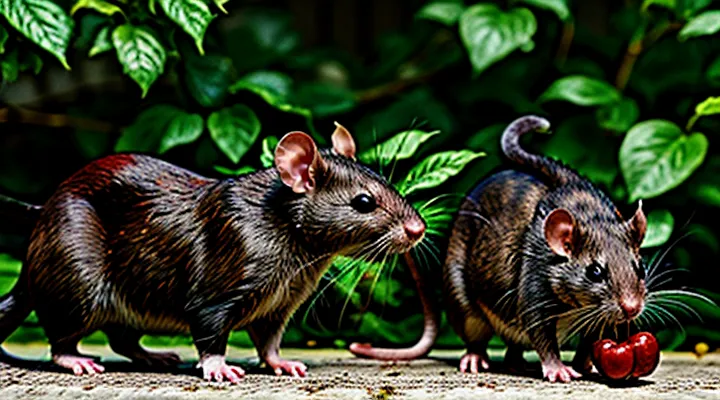
Cherries and Rat Diet: An Overview
Nutritional Benefits of Cherries for Rats
Vitamins and Minerals
Cherries contain several micronutrients that can contribute to the dietary balance of laboratory or pet rats. The fruit supplies vitamin C, vitamin K, small amounts of vitamin A and B‑complex vitamins, as well as minerals such as potassium, magnesium, calcium, and iron. These compounds support antioxidant defenses, blood clotting, bone health, and metabolic processes, but their levels in cherries are modest compared with formulated rodent diets.
- Vitamin C: 7 mg per 100 g; aids collagen synthesis and reduces oxidative stress.
- Vitamin K: 2 µg per 100 g; essential for blood coagulation.
- Vitamin A (β‑carotene): 3 µg RAE per 100 g; contributes to vision and immune function.
- B‑vitamins (B1, B2, B3, B6, folate): collectively <0.2 mg per 100 g; support energy metabolism.
- Potassium: 222 mg per 100 g; regulates fluid balance and nerve signaling.
- Magnesium: 11 mg per 100 g; participates in enzymatic reactions.
- Calcium: 6 mg per 100 g; required for skeletal development.
- Iron: 0.3 mg per 100 g; involved in oxygen transport.
When offering cherries to rats, limit the portion to no more than 5 % of total daily caloric intake to avoid excess sugar and potential gastrointestinal upset. Remove pits completely; they contain cyanogenic compounds that are toxic even in small quantities. Introduce the fruit gradually, monitor for changes in body weight, coat condition, and stool consistency. If any adverse signs appear, discontinue feeding immediately and revert to a nutritionally complete rodent chow.
Antioxidants and Anti-inflammatory Properties
Cherries contain high concentrations of polyphenolic compounds, notably anthocyanins, quercetin, and vitamin C. These substances scavenge free radicals, reducing oxidative stress in cellular membranes and mitochondria. When rats consume cherries, the antioxidant load can offset the accumulation of reactive oxygen species generated by metabolism, thereby preserving lipid integrity and protein function.
The same phytochemicals exhibit anti‑inflammatory activity by modulating signaling pathways such as NF‑κB and MAPK. Inhibition of these cascades limits the production of pro‑inflammatory cytokines (e.g., TNF‑α, IL‑6) and chemokines. Consequently, dietary cherry intake may attenuate inflammatory responses in tissues prone to edema or immune activation.
Key cherry constituents relevant to rat nutrition:
- Anthocyanins – potent free‑radical neutralizers; suppress inflammatory gene expression.
- Quercetin – stabilizes cell membranes; interferes with leukocyte recruitment.
- Vitamin C – regenerates other antioxidants; supports collagen synthesis and wound repair.
Empirical studies in rodent models demonstrate reduced markers of oxidative damage and lower concentrations of inflammatory mediators after regular cherry supplementation. These findings support the inclusion of cherries as a functional component in rat diets aimed at enhancing oxidative balance and controlling inflammation.
Potential Risks of Feeding Cherries to Rats
Cyanide in Pits and Stems
Cherry pits and stems contain cyanogenic glycosides, primarily amygdalin. When plant tissue is damaged, amygdalin hydrolyzes to benzaldehyde, glucose, and hydrogen cyanide (HCN). The concentration of amygdalin varies by cultivar, but pits typically hold 1–5 mg HCN per gram of fresh weight. Stems contain lower amounts, often less than 0.5 mg HCN per gram.
Rats metabolize cyanide through the enzyme rhodanese, converting HCN to the less toxic thiocyanate. The lethal dose (LD₅₀) for cyanide in rats is approximately 8 mg kg⁻¹ body weight. Therefore, ingestion of a few pits or a substantial amount of stem material can approach toxic thresholds, especially for small or young rodents.
Key considerations for offering cherries to rats:
- Remove all pits and discard stems before feeding.
- Limit fruit flesh to a small portion of the daily diet (≤5 % of total caloric intake).
- Monitor for signs of cyanide poisoning: rapid breathing, tremors, seizures, or sudden collapse.
- Provide fresh water to support detoxification pathways.
If accidental consumption occurs, immediate veterinary assessment is required. Treatment may include oxygen therapy, administration of hydroxocobalamin, or sodium thiosulfate to enhance cyanide detoxification.
Choking Hazards
Feeding cherries to rats presents specific choking risks that must be addressed before offering the fruit. The primary concerns are the size and hardness of the pit, the firmness of the skin, and the occasional presence of fibrous strands.
- Pit size – Cherry pits can exceed the diameter of a rat’s trachea. Even a small fragment can obstruct airflow.
- Skin texture – The outer layer is tougher than the flesh and may not break down easily during chewing.
- Whole fruit – An intact cherry is larger than a rat’s mouth opening, increasing the likelihood of accidental aspiration.
Mitigation steps:
- Remove the pit entirely; discard it or crush it into a fine powder before mixing with other food.
- Peel the fruit to eliminate the resistant skin.
- Cut the flesh into pieces no larger than 2 mm, roughly the size of a grain of rice.
- Observe the rat during consumption; intervene immediately if the animal pauses unusually or exhibits labored breathing.
Signs of choking include rapid, shallow breaths, audible wheezing, and inability to swallow. If choking occurs, gently open the mouth, clear any visible obstruction, and apply a brief, gentle pressure to the chest to stimulate expulsion. Seek veterinary assistance without delay if the animal does not recover promptly.
Providing appropriately prepared cherry pieces minimizes choking hazards while allowing rats to enjoy the fruit’s nutritional benefits.
Sugar Content and Digestive Upset
Cherries contain high levels of simple sugars, primarily fructose and glucose. A typical serving of fresh cherries provides about 12 g of total sugars per 100 g, which exceeds the carbohydrate proportion normally found in a laboratory rat’s pelleted diet (approximately 4–6 % of total weight). The rapid absorption of these sugars can overwhelm the rat’s metabolic capacity, leading to elevated blood glucose spikes.
Excessive sugar intake frequently triggers gastrointestinal disturbances in rodents. The small intestine of a rat processes limited amounts of fructose; surplus fructose reaches the colon, where bacterial fermentation produces gas and short‑chain fatty acids. The resulting osmotic load draws water into the lumen, precipitating diarrhea and abdominal discomfort.
Key points to consider when evaluating cherry consumption for rats:
- Sugar concentration – 12 g per 100 g exceeds typical rodent carbohydrate allowances.
- Fructose tolerance – rats possess limited fructose transport capacity; excess leads to colonic fermentation.
- Digestive risk – osmotic diarrhea, bloating, and altered gut microbiota are common outcomes of high‑sugar meals.
- Portion control – only minute fragments (1–2 g) may be introduced without overt symptoms, but regular feeding is inadvisable.
Veterinary guidelines recommend limiting fruit treats to less than 5 % of total daily caloric intake. For cherries, this translates to occasional, minimal servings, with close monitoring for signs of loose stools or reduced appetite. Continuous inclusion of cherry flesh in a rat’s diet is likely to cause persistent digestive upset and should be avoided.
Pesticide Residues
Pesticide residues on cherries can affect the safety of feeding these fruits to laboratory or pet rats. Residue levels depend on agricultural practices, pesticide type, and pre‑harvest intervals. The most common residues include organophosphates, neonicotinoids, and synthetic fungicides; each class has documented toxicity thresholds for rodents.
- Organophosphates: acetylcholinesterase inhibition at concentrations as low as 0.5 mg kg⁻¹ body weight can cause acute neurotoxicity in rats.
- Neonicotinoids: sub‑lethal exposure (0.1 mg kg⁻¹) may impair learning and locomotor activity.
- Fungicides (e.g., azoxystrobin): chronic ingestion above 10 mg kg⁻¹ can suppress immune function.
Regulatory limits for fresh cherries in many jurisdictions range from 0.01 to 0.5 mg kg⁻¹ for individual pesticides, with a combined limit of 5 mg kg⁻¹. Analytical methods such as gas chromatography–mass spectrometry (GC‑MS) and liquid chromatography–tandem mass spectrometry (LC‑MS/MS) provide detection limits well below these thresholds, enabling verification of compliance before inclusion in rat diets.
When cherries are sourced from conventional farms, residue testing is essential to prevent inadvertent exposure. If residues exceed established limits, washing, peeling, or selecting organically produced fruit reduces risk but does not guarantee complete removal. For controlled experiments, using residue‑free cherries—either certified organic or laboratory‑grown—ensures that observed physiological effects stem from the fruit itself rather than contaminant toxicity.
Safe Preparation and Feeding Guidelines
Choosing the Right Cherries
Choosing the appropriate cherries for a rat’s diet requires attention to safety, nutritional value, and preparation method. Fresh cherries must be free of pesticides and other chemicals; organic or thoroughly washed fruit minimizes exposure to harmful residues. The fruit should be ripe, soft, and free of mold, as unripe or spoiled cherries can cause digestive upset.
Pit removal is mandatory. Cherry pits contain amygdalin, which can release cyanide when metabolized. Even small fragments pose a risk, so each cherry should be cored completely before offering it to a rat. The flesh alone provides modest sugars, fiber, and antioxidants, which can complement a balanced rodent diet when given in limited amounts.
Key selection criteria:
- Organic or well‑washed fruit
- Fully ripe, without bruises or mold
- Size appropriate for the animal’s mouth (small to medium varieties are easier to handle)
- No stems or leaves attached, as these may contain irritants
Portion control prevents excess sugar intake. One to two small cherry pieces per week suffice for an adult rat, while younger animals should receive less. Monitor the animal for any signs of gastrointestinal distress after introduction, and discontinue if adverse reactions occur.
Proper Washing Techniques
Rats may safely consume cherries only if the fruit is thoroughly cleaned to remove pesticide residues, soil particles, and microbial contaminants. Inadequate washing can introduce toxins that affect rodent health, leading to gastrointestinal distress or systemic toxicity.
Effective washing procedure:
- Rinse cherries under a steady stream of cool tap water for at least 30 seconds, turning each fruit to expose all surfaces.
- Place rinsed cherries in a clean bowl and fill with water containing a food‑grade sanitizer (e.g., a 1‑part vinegar to 3‑part water solution). Soak for 2–3 minutes.
- Gently agitate the bowl to dislodge trapped debris. Use a soft brush or clean fingertips to rub the skin if the fruit is large.
- Drain the sanitizer solution and rinse the cherries again under running water to remove residual acidity.
- Pat dry with a lint‑free cloth or paper towel. Allow any remaining moisture to evaporate before offering the fruit to the rat.
After washing, store cherries in a sealed container in the refrigerator, and use them within 24–48 hours. Discard any fruit that shows signs of mold, bruising, or soft spots, as these indicate decay that could harm the animal. Proper cleaning and handling minimize health risks and ensure that cherries provide a safe, occasional treat for pet rats.
Pitting and Stem Removal
When offering cherries to rats, preparation must eliminate components that pose health risks.
Cherry pits contain cyanogenic glycosides that can release cyanide when metabolized; their hard texture also creates a choking hazard. Removing the pit eliminates both toxic and mechanical dangers.
The stem, if left attached, can splinter, become lodged in the oral cavity, or carry residual pesticides from cultivation. Detaching the stem reduces the likelihood of injury and exposure to contaminants.
Preparation steps
- Slice the cherry lengthwise.
- Extract the pit with a knife or cherry pitter.
- Discard the pit entirely.
- Trim off the stem and any remaining stalk tissue.
- Rinse the fruit piece with cool water to remove surface residues.
Only after these actions should the cherry flesh be presented to the rat, ensuring a safe, digestible treat.
Portion Control and Frequency
Rats can safely consume cherries if the fruit is offered in limited amounts and at appropriate intervals. Fresh cherries should be washed, pitted, and cut into bite‑size pieces no larger than a pea. The seed contains cyanogenic compounds that are toxic; removal eliminates this risk.
A single rat should receive no more than one to two small pieces (approximately 2–3 grams) per feeding. This quantity supplies a modest dose of natural sugars and antioxidants without overwhelming the animal’s digestive system. Overfeeding can lead to diarrhea, obesity, or dental wear due to the fruit’s acidity and fiber content.
Feeding frequency should be restricted to two to three times per week. Regular inclusion beyond this schedule introduces excessive fructose, which may disrupt gut flora and promote weight gain. On non‑feeding days, the rat’s diet should consist of a balanced pellet mix, fresh water, and occasional vegetables that provide essential nutrients.
Guidelines for portion control and frequency
- Offer 2–3 g of pitted cherry flesh per session.
- Limit servings to 2–3 days per week.
- Observe the rat for any signs of gastrointestinal upset after the first exposure.
- Adjust or discontinue if vomiting, soft stools, or reduced appetite occur.
Adhering to these limits ensures that cherries remain a safe occasional treat that enriches a rat’s diet without compromising health.
Alternatives and Supplements
Other Safe Fruits for Rats
Rats tolerate a variety of fresh fruits, provided the items are washed, pitted, and offered in small portions. Fruit serves as a source of vitamins, minerals, and hydration, complementing a balanced pellet‑based diet.
- Apple (core and seeds removed) – rich in fiber, Vitamin C.
- Banana – high in potassium; serve thin slices.
- Blueberries – antioxidant content; limit to a few berries per day.
- Strawberries – Vitamin C and folate; remove stems.
- Melon (cantaloupe, honeydew) – water‑rich; seedless pieces.
- Pear (core removed) – fiber and Vitamin K.
- Mango (skin removed) – Vitamin A; avoid the pit.
- Kiwi – Vitamin C and potassium; slice thinly.
- Grapes – seedless only; limit due to sugar content.
- Orange segments – peel removed; supply Vitamin C, monitor acidity.
Offer fruit no more than 5‑10 % of total daily intake. Cut pieces to bite‑size, introduce one type at a time, and observe for digestive upset. Remove any uneaten fruit after two hours to prevent spoilage.
Avoid fruits with toxic seeds or high acid levels, such as cherries with pits, citrus peels, and persimmons. Excessive sugary fruits can lead to obesity and dental problems. Consistent monitoring and moderation ensure fruit remains a safe supplement to a rat’s diet.
Commercial Rat Foods
Commercial rat foods are formulated to meet the complete nutritional requirements of laboratory and pet rodents. They typically contain a balanced mix of protein, fat, fiber, vitamins, and minerals derived from grain, soy, and added supplements. The protein content ranges from 18 % to 22 % for adult rats, while the fat level stays between 4 % and 6 %. Fiber, primarily from cellulose, is included at 3 % to 5 % to support gastrointestinal health. Vitamin premixes provide A, D, E, K, B‑complex, and trace minerals such as zinc and selenium.
When evaluating the suitability of cherries as an occasional treat, the baseline diet must remain dominant. Cherries supply simple sugars, water, and small amounts of vitamin C and potassium, but they lack the essential amino acids and micronutrients supplied by standard pellets. Introducing cherries without adjusting the overall feed can dilute protein and mineral intake, potentially leading to deficiencies over time.
Guidelines for incorporating cherries into a rat’s diet:
- Offer fresh, pit‑free cherries in limited quantities (no more than 5 % of total daily intake by weight).
- Reduce the portion of commercial pellets proportionally to maintain target protein and mineral levels.
- Monitor body weight and coat condition weekly; any negative trend warrants cessation of cherry supplementation.
- Ensure cherries are washed thoroughly to remove pesticide residues.
- Avoid canned or sweetened cherries, which contain added sugars and preservatives incompatible with rodent nutrition.
Commercial rat foods remain the reliable source for maintaining health, growth, and reproductive performance. Treats such as cherries can be used for enrichment or behavioral conditioning, provided they are administered sparingly and the core diet is adjusted to preserve nutritional balance.
Dietary Variety
Rats require a varied diet to meet their nutritional needs, prevent boredom, and support optimal health. Incorporating fruits can enhance palate diversity, but each addition must align with the animal’s digestive capacity and safety parameters.
Cherries offer moisture, simple sugars, and antioxidants. However, the fruit’s high fructose content can disrupt glucose regulation if offered excessively. The pits contain cyanogenic compounds; even small fragments pose a toxicity risk. Therefore, only the fleshy portion, thoroughly washed and pitted, should be presented, and in limited quantities.
Guidelines for safe cherry inclusion:
- Provide no more than one teaspoon of fresh cherry flesh per 100 g of body weight per week.
- Ensure pits are completely removed; discard any remnants.
- Observe the rat for signs of gastrointestinal upset, such as diarrhea or reduced activity, after the first exposure.
- Rotate cherries with other low‑sugar fruits (e.g., blueberries, apple slices) to maintain dietary balance.
When cherries are omitted, alternative sources of similar nutrients include:
- Raspberries – high in fiber, low in sugar.
- Strawberries – rich in vitamin C, moderate sugar.
- Cooked carrots – provide beta‑carotene without fruit sugars.
Implementing these practices preserves the benefits of fruit diversity while minimizing health risks associated with cherry consumption.
Observation and Emergency Protocols
Signs of Cherry Toxicity
Cherry toxicity in rats manifests quickly after ingestion of the fruit’s pits, stems, or leaves, which contain cyanogenic glycosides. Clinical signs develop within minutes to a few hours and may progress to severe outcomes if untreated.
- Respiratory distress: rapid, shallow breathing or gasping.
- Neurological impairment: tremors, seizures, loss of coordination, or unresponsiveness.
- Cardiovascular abnormalities: irregular heartbeat, low blood pressure, or sudden collapse.
- Gastrointestinal upset: vomiting, diarrhea, abdominal pain, or excessive salivation.
- Skin and mucous membrane changes: pale or bluish gums, bruising, or discoloration around the mouth.
- Metabolic disturbances: rapid breathing accompanied by a fruity odor on the breath, indicating possible lactic acidosis.
Observation of any combination of these symptoms after a rat consumes cherry components warrants immediate veterinary intervention. Early treatment with activated charcoal and supportive care improves prognosis, while delayed action increases the risk of fatal cyanide poisoning.
When to Contact a Veterinarian
Feeding cherries to pet rats can introduce sugars, pits, and potential allergens that some individuals cannot tolerate. Recognizing when a health issue arises is essential for timely veterinary intervention.
Immediate veterinary attention required
- Persistent vomiting or diarrhea lasting more than 12 hours
- Signs of abdominal pain, such as hunching or reluctance to move
- Blood in stool or urine
- Sudden lethargy combined with loss of appetite
- Severe swelling or inflammation around the mouth or throat, suggesting obstruction by a pit fragment
Situations warranting a veterinary call (non‑emergency)
- Mild gastrointestinal upset that resolves within a day but recurs after cherry exposure
- Noticeable weight loss over several days following cherry consumption
- Unusual behavior, such as excessive grooming of the oral cavity or scratching near the nose
- Development of visible skin irritation or rash after contact with cherry residue
Preventive considerations
- Offer only small, pit‑free portions and monitor the rat for the first 24 hours
- Consult a veterinarian before introducing any new fruit, especially if the rat has a history of digestive sensitivity
- Keep a record of the amount and frequency of cherry feeding to share with the veterinarian if problems arise
Prompt consultation with a qualified animal health professional reduces the risk of complications and ensures the rat’s well‑being when incorporating cherries into its diet.
First Aid for Choking Incidents
When cherries are offered to rats, the fruit’s size and pit can obstruct the airway. Immediate response prevents fatal outcomes and minimizes injury.
- Observe the animal for signs of choking: silent gasping, inability to breathe, or sudden collapse.
- If the rat is conscious but unable to swallow, hold it head‑down and gently tap the back between the shoulders to dislodge the blockage.
- If back taps fail, carefully place the rat on its back, locate the throat, and apply two quick, firm compressions using the thumb and forefinger to push air out of the lungs.
- After each compression, check the mouth for visible foreign material and remove it with tweezers if visible.
- Repeat the sequence of back taps and compressions until the obstruction clears or the rat becomes unresponsive.
- If the rat loses consciousness, perform a brief, controlled chest compression cycle: press the sternum downward about one‑third of its depth at a rate of 100 compressions per minute, alternating with mouth opening to clear any remaining debris.
- Once the airway is open, keep the rat warm and monitor breathing. Seek veterinary care immediately, even if the rat appears to recover.
Prompt, systematic action restores airflow and reduces the risk of secondary complications. Veterinary evaluation confirms complete recovery and addresses any damage caused by the choking event.