
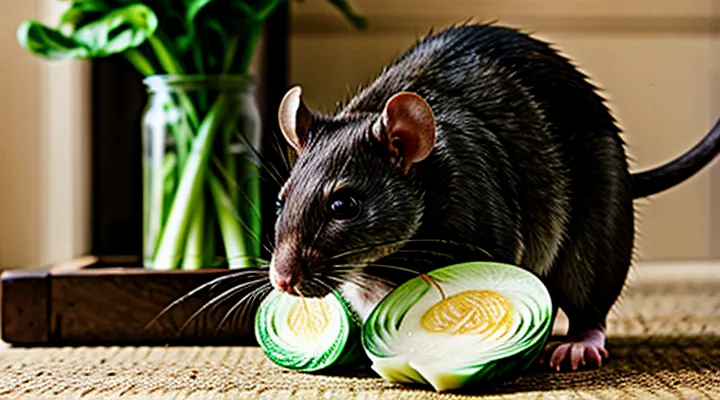
Bok Choy and Rat Diet: An Overview
Nutritional Profile of Bok Choy
Vitamins and Minerals
Bok choy is a leafy vegetable that can be incorporated into a pet rat’s diet when offered in appropriate amounts. Its nutritional profile supplies several vitamins and minerals that support normal physiological functions in rodents.
Vitamin A, present as beta‑carotene, contributes to visual health and epithelial maintenance. Vitamin C, abundant in bok choy, assists in collagen synthesis and antioxidant defense, compensating for the limited endogenous production in rats. Vitamin K aids blood clotting mechanisms, while the B‑complex vitamins (particularly B6 and folate) participate in energy metabolism and red blood cell formation.
Mineral content includes calcium, essential for bone development and neuromuscular signaling; potassium, which regulates fluid balance and cardiac function; magnesium, a cofactor for enzymatic reactions; and iron, required for oxygen transport. Trace elements such as manganese and zinc, also found in the vegetable, support enzymatic activity and immune competence.
Key nutrients and their relevance to rats:
- Beta‑carotene (Vitamin A precursor) – supports retinal function and skin integrity.
- Ascorbic acid (Vitamin C) – prevents scurvy‑like symptoms, enhances antioxidant capacity.
- Phylloquinone (Vitamin K1) – facilitates normal coagulation.
- Calcium – maintains skeletal strength, aids nerve impulse transmission.
- Potassium – balances intracellular fluid, influences heart rhythm.
- Magnesium – stabilizes ATP, contributes to muscle relaxation.
While bok choy offers valuable micronutrients, it also contains oxalates and glucosinolates that may interfere with calcium absorption and thyroid activity if consumed excessively. Introduce the vegetable gradually, limit portions to no more than 10 % of total daily intake, and observe the animal for any digestive upset. Balanced inclusion of bok choy can enrich a rat’s diet with essential vitamins and minerals without compromising health.
Fiber Content
Bok choy supplies a modest amount of dietary fiber, typically ranging from 1.0 to 1.5 grams per 100 grams of raw vegetable. The fiber is predominantly insoluble, contributing to bulk and promoting regular gastrointestinal transit in rodents.
Key aspects of the fiber profile:
- Quantity: Approximately 1 g of fiber per 50 g serving, suitable for occasional supplementation.
- Composition: Roughly 70 % insoluble cellulose, 30 % soluble pectin and hemicellulose.
- Digestibility: Rats ferment soluble fractions in the cecum, producing short‑chain fatty acids that support colon health.
- Caloric impact: Fiber adds minimal calories, helping maintain energy balance while enhancing satiety.
Incorporating small portions of bok choy can increase fiber intake without displacing essential protein or fat sources. Excessive fiber may dilute nutrient density and cause loose stools; therefore, limit servings to 5–10 % of the total diet weight. Monitoring stool consistency and body condition will confirm appropriate inclusion levels.
Water Content
Bok choy consists of approximately 95 % water, a proportion comparable to most leafy greens. This high moisture level supplies a modest amount of fluid when the vegetable is consumed, reducing the need for additional water in a rat’s diet for short periods. However, the water in bok choy is not a substitute for the daily fresh‑water supply that rats require for proper renal function and thermoregulation.
The nutritional profile of bok choy includes vitamins A, C, K, and several B‑vitamins, yet its caloric contribution is minimal because the bulk of its mass is water. When offering bok choy to rats, consider the following:
- Limit portions to 10‑15 % of total daily food volume to avoid excess water intake that could dilute electrolytes.
- Provide fresh drinking water alongside the vegetable to ensure consistent hydration.
- Observe for signs of loose stools, which may indicate that the high water content is overwhelming the digestive system.
In summary, the water-rich nature of bok choy makes it a safe occasional addition to a rat’s diet, provided that it complements, rather than replaces, regular water provision and is offered in limited amounts.
Potential Benefits of Bok Choy for Rats
Hydration Support
Bok choy contains approximately 95 % water, which can contribute to a rat’s daily fluid intake when offered as part of a balanced diet. The vegetable’s moisture should be considered a supplemental source rather than a replacement for clean drinking water. Rats that consume bok choy without adequate access to fresh water may experience reduced urine output and signs of mild dehydration, such as dry skin around the whisker pads and lethargy.
Effective hydration support while feeding bok choy includes the following practices:
- Provide a continuously available water bottle or bowl; replace the supply at least twice daily to prevent stagnation.
- Monitor water consumption by measuring the volume before and after a 24‑hour period; a drop of less than 5 ml per rat may indicate insufficient intake.
- Offer bok choy in small, bite‑size pieces; excessive quantity can increase fiber load, potentially accelerating water loss through increased bowel movements.
- Observe urine color; pale yellow indicates proper hydration, while dark amber suggests a need for additional fluid.
- Supplement with low‑sodium, moisture‑rich vegetables (e.g., cucumber, celery) on days when bok choy is the primary fresh food.
Regular assessment of water intake and urine output ensures that the high water content of bok choy enhances, rather than compromises, the rat’s overall hydration status.
Source of Essential Nutrients
Bok choy offers a concentrated profile of vitamins and minerals that can complement the nutritional requirements of pet rats. The vegetable supplies vitamin A for visual health, vitamin C for immune support, vitamin K for blood clotting, calcium for bone development, potassium for electrolyte balance, and dietary fiber for gastrointestinal function.
- Vitamin A – beta‑carotene conversion supports retinal cells.
- Vitamin C – antioxidant protects against oxidative stress.
- Vitamin K – essential for coagulation factor synthesis.
- Calcium – contributes to skeletal mineralization.
- Potassium – maintains cellular membrane potential.
- Fiber – promotes peristalsis and microbiome diversity.
These nutrients align with the macro‑ and micronutrient spectrum recommended for laboratory and companion rats, helping to prevent deficiencies that manifest as poor growth, weakened immunity, or skeletal abnormalities.
Potential drawbacks include the presence of oxalic acid, which can bind calcium and reduce its absorption, and glucosinolates, compounds that may interfere with thyroid function if consumed in excess. Residues from pesticide application also pose a health risk.
To mitigate risks, provide bok choy in moderation: 1–2 grams of finely chopped leaves per 100 grams of body weight, offered no more than three times per week. Prior to serving, rinse thoroughly, remove any wilted portions, and consider blanching briefly to reduce oxalic acid content. Incorporate the vegetable as part of a varied diet that includes high‑quality rodent pellets, protein sources, and other fresh produce.
Considerations and Risks
Oxalates and Their Impact
Kidney Stone Formation
Bok choy is occasionally added to laboratory rat chow to increase fiber and micronutrient intake. High‑oxalate foods can raise urinary oxalate concentration, a primary driver of calcium oxalate stone formation. When supersaturation occurs, crystals nucleate, aggregate, and may lodge in renal tubules, impairing function.
Key factors influencing stone development include:
- Dietary oxalate content exceeding metabolic clearance capacity.
- Low calcium intake, which reduces intestinal oxalate binding and increases absorption.
- Dehydration, concentrating urinary solutes.
- Acidic urinary pH, favoring calcium oxalate precipitation.
Bok choy contains moderate oxalate levels (approximately 30 mg oxalate per 100 g) and appreciable calcium. In rodent studies, diets with oxalate concentrations above 200 mg per kg body weight produced detectable renal calculi within weeks. When calcium is supplied at a ratio of 2 mg calcium per 1 mg oxalate, oxalate absorption declines, and stone incidence drops markedly.
For safe inclusion of bok choy in rat nutrition:
- Limit daily intake to 5 % of total feed weight.
- Pair with calcium‑rich components (e.g., limestone) to maintain a favorable calcium‑oxalate balance.
- Ensure continuous access to fresh water to dilute urinary solutes.
- Monitor urine specific gravity periodically; values above 1.030 suggest inadequate hydration.
Adhering to these parameters minimizes the risk of renal calculi while preserving the nutritional benefits of bok choy for rats.
Calcium Absorption Interference
Bok choy contains high levels of oxalic acid, which forms insoluble complexes with calcium in the gastrointestinal tract. When rats ingest the vegetable, these complexes reduce the amount of calcium that can be absorbed, potentially compromising skeletal development and metabolic functions that depend on calcium.
Oxalates compete with calcium for transport across the intestinal epithelium. The resulting reduction in serum calcium may trigger secondary hyperparathyroidism, leading to bone resorption as the body attempts to maintain calcium homeostasis. In laboratory rats, prolonged exposure to oxalate‑rich diets has been linked to decreased bone mineral density and impaired enamel formation.
To mitigate interference while still providing the nutritional benefits of bok choy, consider the following practices:
- Limit bok choy to no more than 5 % of the total diet by weight.
- Supplement the diet with a calcium source that is low in oxalates, such as calcium carbonate or calcium citrate, at a ratio of approximately 1 g calcium per 100 g of bok choy.
- Alternate bok choy meals with low‑oxalate greens (e.g., romaine lettuce) to prevent cumulative oxalate buildup.
- Monitor serum calcium levels regularly if bok choy is a recurring component of the diet.
When these precautions are applied, rats can consume bok choy without significant disruption of calcium absorption, preserving both the vegetable’s vitamin A and C contributions and the animal’s mineral balance.
Pesticides and Contaminants
Importance of Washing
Washing bok choy before offering it to pet rats eliminates surface residues such as pesticides, soil particles, and microbial contaminants. Unwashed greens can introduce toxins or pathogens that compromise a rat’s digestive health and immune function.
Effective cleaning involves three steps:
- Submerge leaves in cold water, agitate gently to dislodge loose debris.
- Rinse under running water, turning each leaf to ensure thorough exposure.
- Pat dry with a clean cloth or paper towel to remove excess moisture that could promote mold growth.
Removing pesticides is especially important because many commercial bok choy varieties are cultivated with chemical treatments that rats cannot metabolize efficiently. Even organically grown produce may carry natural microbes from the field; washing reduces bacterial load to safe levels.
Failure to clean the vegetable can lead to symptoms such as diarrhea, reduced appetite, or respiratory irritation from inhaled dust. Regular washing therefore protects the rat’s overall well‑being and maintains the nutritional benefits of bok choy, including vitamin K, calcium, and fiber.
Organic Options
Bok choy can be included in a rat’s diet when the vegetable is sourced organically and prepared correctly. Organic bok choy eliminates exposure to synthetic pesticides and herbicides, reducing the risk of gastrointestinal irritation or toxic buildup. The leafy portion supplies vitamin C, calcium, and fiber; the stem provides modest protein and potassium. Rats tolerate small daily portions, typically no more than one‑quarter of a cup, to avoid excess oxalates that may affect calcium absorption.
When selecting organic bok choy, verify certification labels, choose produce without visible blemishes, and rinse thoroughly under running water. Cutting the vegetable into bite‑size pieces facilitates chewing and limits choking hazards. Introduce the new food gradually, monitoring for changes in stool consistency or appetite.
Other certified organic greens that complement bok choy include:
- Kale, chopped finely, rich in vitamin K and antioxidants.
- Spinach, offering iron and folate; serve in limited amounts due to oxalate content.
- Swiss chard, providing magnesium and vitamin A.
- Romaine lettuce, low‑calorie source of folic acid.
Combining these options creates a balanced, pesticide‑free vegetable mix that supports rat health while adhering to organic standards.
Proper Preparation and Feeding Guidelines
Washing Instructions
Bok choy intended for pet rats must be free of soil, pesticides, and microbial contaminants. Proper cleaning reduces the risk of gastrointestinal upset and exposure to harmful residues.
- Separate leaves from the core; discard any wilted or damaged portions.
- Rinse each leaf under cool running water, using gentle friction to dislodge visible debris.
- Submerge the leaves in a bowl of cold water, add a teaspoon of food‑grade vinegar or a pinch of baking soda, and let stand for two minutes.
- Agitate the water briefly, then lift the leaves and rinse again under running water to remove the cleaning agent.
- Pat dry with a clean kitchen towel or spin in a salad spinner; ensure leaves are thoroughly dry before offering to rats.
Store washed bok choy in an airtight container lined with a paper towel to absorb excess moisture. Keep the container in the refrigerator and use within 24 hours to preserve nutrient quality and prevent spoilage.
Recommended Portions
Bok choy can be a safe addition to a rat’s diet when offered in appropriate quantities. It supplies water, fiber, and vitamins A, C, and K, but contains low protein and fat, so it should complement a balanced rodent chow rather than replace it.
Portion guidelines
- Adult rats (150‑250 g): 1–2 small leaves (approximately 10‑15 g) per serving, 2–3 times weekly.
- Juvenile rats (under 150 g): ½ leaf (5‑8 g) per serving, 2 times weekly.
- Large rats (over 250 g): up to 3 small leaves (15‑20 g) per serving, 3 times weekly.
Feeding protocol
- Rinse thoroughly to remove pesticides or soil.
- Chop into bite‑size pieces to encourage chewing.
- Introduce gradually; monitor for digestive upset.
- Remove any uneaten portions after 30 minutes to prevent spoilage.
Excessive bok choy may cause loose stools due to its high water content. Adjust portions if stool consistency changes.
Frequency of Feeding
Bok choy can be included in a rat’s diet, but the amount and timing must be controlled to avoid digestive upset and nutrient imbalance. Fresh leaves provide vitamin C, calcium, and fiber, yet the vegetable also contains oxalates that can interfere with calcium absorption when consumed excessively.
A safe feeding schedule typically follows these guidelines:
- Offer a small portion (approximately 1‑2 grams per 100 g of body weight) no more than two times per week.
- Observe the rat for signs of loose stool or reduced appetite after each serving.
- Rotate bok choy with other leafy greens such as kale, romaine, or spinach to ensure a varied nutrient profile.
- Remove any wilted or damaged leaves before presentation to prevent bacterial growth.
If a rat tolerates the initial servings without gastrointestinal disturbance, the frequency may be increased to three times weekly, but the portion size should remain limited. Regular monitoring of weight, coat condition, and stool consistency is essential to confirm that the vegetable is contributing positively to overall health.
Introducing New Foods
Bok choy can be incorporated into a rat’s diet as a novel vegetable, provided that the introduction follows established feeding protocols. The leafy green offers vitamins A, C, and K, as well as calcium and fiber, which contribute to overall health when offered in moderation.
Before offering bok choy, confirm that the source is pesticide‑free and wash the leaves thoroughly. Remove any wilted or discolored portions to prevent contamination. Cut the vegetable into bite‑size pieces to facilitate chewing and digestion.
Introduce the new food gradually:
- Day 1–2: Offer a single ½‑inch piece mixed with the regular pellet diet.
- Day 3–5: Increase to two pieces, observing for changes in stool consistency or appetite.
- Day 6 onward: If no adverse reactions occur, provide up to a tablespoon per day, balanced with existing feed.
Monitor the rat for signs of gastrointestinal upset, such as diarrhea, vomiting, or reduced activity. Discontinue the vegetable immediately if any symptoms appear and consult a veterinarian.
Bok choy should not replace the primary nutritionally balanced diet; it serves as a supplemental source of micronutrients and enrichment. Regular rotation of fresh vegetables, including carrots, bell peppers, and broccoli, maintains dietary variety and reduces the risk of nutrient imbalances.
Alternatives and Other Safe Vegetables
Leafy Greens Safe for Rats
Rats can safely eat bok choy, but it is only one of many leafy vegetables suitable for their diet. A green is considered appropriate when it is fresh, pesticide‑free, thoroughly rinsed, and offered in modest quantities to avoid digestive upset.
Key factors for selecting safe greens include low oxalate content, minimal bitterness, and absence of toxic compounds. Portion size should not exceed a few small leaves per feeding, and the vegetable must be introduced gradually to monitor tolerance.
Safe leafy options include:
- Bok choy
- Romaine lettuce
- Kale (in limited amounts)
- Mustard greens
- Collard greens
- Dandelion greens
- Arugula
- Spinach (occasionally, due to oxalates)
Greens that should be avoided or limited are:
- Iceberg lettuce (nutrient‑poor)
- Cabbage (can cause gas)
- Turnip greens (high in goitrogens)
Feeding guidelines: provide fresh greens two to three times weekly, chop into bite‑size pieces, and remove any wilted portions. Observe the rat for changes in stool or behavior; discontinue the vegetable if adverse effects appear. Regular rotation of different greens ensures a balanced intake of vitamins and minerals while keeping the diet interesting.
Vegetables to Avoid
Rats can enjoy a variety of fresh vegetables, but several common garden produce items pose health risks and should be excluded from their diet. Recognizing unsafe choices prevents digestive upset, toxic reactions, and long‑term organ damage.
- Potatoes (raw or green) – contain solanine, a neurotoxin that can cause vomiting, diarrhea, and lethargy.
- Tomatoes (green or unripe) – high levels of tomatine and acidic content irritate the gastrointestinal tract.
- Onions, garlic, leeks, chives – rich in thiosulfates that damage red blood cells, leading to anemia.
- Rhubarb leaves – contain oxalic acid, which can cause kidney failure and severe metabolic disturbances.
- Eggplant (raw) – contains solanine similar to potatoes and may trigger neurological symptoms.
- Nightshade family fruits (e.g., raw bell peppers, especially green varieties) – may contain low concentrations of alkaloids that aggravate the digestive system.
When offering bok choy, wash thoroughly and serve in small, chopped pieces. Provide it alongside a balanced mix of safe vegetables, grains, and protein sources. Excluding the items listed above ensures that the inclusion of bok choy contributes to a nutritious, hazard‑free diet for pet rats.
Balancing a Rat's Diet
Bok choy can be a useful supplement in a rodent’s diet when offered in moderation. The vegetable provides vitamin C, calcium, and fiber, but it also contains oxalic acid, which can interfere with calcium absorption if consumed excessively. Introducing bok choy should therefore be balanced with other protein‑rich and low‑oxalate foods to prevent nutritional imbalances.
Key considerations for integrating bok choy:
- Offer only a small portion (no more than 1‑2 grams per 100 g of body weight) a few times per week.
- Rinse thoroughly to remove pesticide residues and cut into bite‑size pieces to aid digestion.
- Pair with calcium‑rich foods such as plain yogurt or fortified rodent pellets to offset oxalate effects.
- Observe the rat for signs of digestive upset, such as loose stool or reduced appetite, and discontinue if symptoms appear.
A well‑rounded rat diet typically includes:
- Commercially formulated pellets as the primary source of protein, fat, and essential vitamins.
- Fresh vegetables (leafy greens, carrots, bell peppers) providing micronutrients and fiber.
- Limited fruits for occasional sweetness and additional vitamins.
- Small amounts of nuts or seeds for essential fatty acids.
Balancing these components ensures that bok choy contributes nutritional value without compromising overall health. Regular monitoring and adjustment maintain optimal dietary equilibrium for pet rats.