
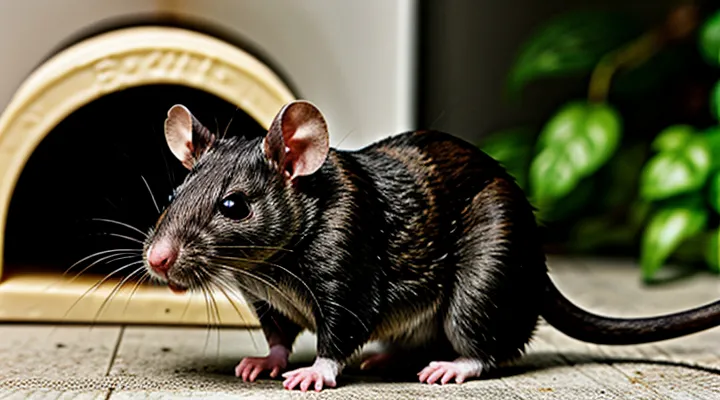
The Nutritional Value of Cheese for Rats
Macronutrients in Cheese
Protein Content
Pet rats need approximately 14–16 % of their daily caloric intake as protein, which translates to roughly 2–3 g of protein for a 100‑g adult rat. This requirement supports growth, tissue repair, and immune function.
Typical cheeses provide the following protein amounts per 100 g:
- Cheddar: 25 g
- Swiss: 27 g
- Mozzarella (part‑skim): 22 g
- Cottage cheese (low‑fat): 11 g
- Cream cheese: 8 g
These values exceed the rat’s daily protein need, meaning a small cheese fragment can supply the required amount. However, cheese also contains high levels of saturated fat and lactose, which rats digest poorly. Excess fat can lead to obesity, while lactose intolerance may cause gastrointestinal upset.
Veterinary nutritionists advise limiting cheese to an occasional treat rather than a staple protein source. A safe serving size for an average pet rat is ½ tsp (≈2 g) of a low‑fat cheese, offered no more than two times per week. This approach delivers supplemental protein without introducing excessive calories or lactose.
For balanced nutrition, prioritize formulated rat pellets, which are calibrated to meet protein, vitamin, and mineral requirements. Use cheese sparingly to add variety and enrichment, not to replace the primary diet.
Fat Content
Cheese contains varying levels of fat, which directly affect its suitability for rodents. Most commercial cheeses range from 20 % to 35 % fat by weight; specialty varieties such as Brie or cream cheese can exceed 45 % fat, while low‑fat options may contain 10 % or less.
- High‑fat cheeses (e.g., cheddar, gouda, blue) provide dense calories but increase the risk of obesity and hepatic lipidosis in small mammals.
- Low‑fat cheeses (e.g., part‑skim mozzarella, cottage cheese) deliver protein with modest energy, making occasional inclusion safer.
- Processed cheese spreads often contain added oils and emulsifiers, raising total fat beyond natural cheese values.
Rats require a balanced diet of protein, fiber, and limited fat. Excessive dietary fat can disrupt lipid metabolism, elevate blood triglycerides, and shorten lifespan. Therefore, when offering cheese as a treat, select varieties with the lowest fat content, limit portions to less than 5 % of daily caloric intake, and monitor body condition regularly.
Carbohydrates and Lactose
Cheese contains minimal carbohydrates; the primary carbohydrate is lactose, a disaccharide composed of glucose and galactose. In most varieties, lactose accounts for 2–5 % of the product’s weight, while other sugars are virtually absent. The low overall carbohydrate load means that cheese does not contribute significant energy from sugars, but the presence of lactose can be consequential for rodents with limited lactase activity.
Pet rats possess reduced lactase enzyme levels after weaning, which impairs their ability to hydrolyze lactose efficiently. Undigested lactose may ferment in the large intestine, producing gas and osmotic diarrhea. Consequently, even small quantities of cheese can provoke gastrointestinal upset in individuals that are lactose‑intolerant.
Key points for caretakers:
- Verify the rat’s tolerance by offering a minimal test portion (e.g., 0.5 g) and observing stool consistency for 24 hours.
- Prefer aged or hard cheeses, which typically contain lower lactose concentrations than fresh or soft varieties.
- Limit total cheese intake to less than 5 % of the rat’s daily caloric budget to avoid excess fat and protein.
Overall, the carbohydrate profile of cheese—dominated by lactose—poses a risk for pet rats lacking sufficient lactase, and careful selection and moderation are required to prevent adverse effects.
Micronutrients and Minerals
Calcium and Phosphorus
Cheese supplies calcium and phosphorus in a ratio that often exceeds the optimal balance for rodent nutrition. Rats require a calcium‑to‑phosphorus (Ca:P) ratio close to 1:1 to support bone development and metabolic function. Excess calcium relative to phosphorus can impair absorption of the latter, leading to deficiencies despite adequate total mineral intake.
A typical cheddar portion (approximately 28 g) contains about 200 mg calcium and 150 mg phosphorus, yielding a Ca:P ratio of roughly 1.3:1. This ratio is higher than the ideal for rats and can shift the dietary balance if cheese is offered regularly. Moreover, cheese is dense in calories and saturated fat, which may contribute to obesity and related health issues when added to a standard rat diet.
- Limit cheese to occasional treats, not exceeding 5 % of total daily caloric intake.
- Monitor overall mineral intake to maintain a Ca:P ratio near 1:1; supplement with phosphorus‑rich foods (e.g., leafy greens, whole‑grain pellets) if cheese is given.
- Observe for signs of mineral imbalance, such as slowed growth, dental problems, or abnormal urine, and adjust the diet accordingly.
Providing cheese sparingly, while balancing other dietary components, prevents calcium overload and preserves the necessary phosphorus levels for healthy pet rats.
Vitamins (A, D, B12)
Cheese can serve as a modest source of fat‑soluble vitamins A and D and the water‑soluble vitamin B12 for domestic rats, but its nutritional profile does not meet the species‑specific requirements for these nutrients.
Vitamin A supports retinal function and epithelial health. A typical hard cheese provides roughly 30 IU of retinol per 10 g, far below the estimated 1,000–1,200 IU needed daily by an adult rat. Excessive intake can cause hypervitaminosis A, leading to skeletal abnormalities. Consequently, cheese should not be relied upon to supply vitamin A; fortified rodent pellets or a small amount of liver are more appropriate.
Vitamin D regulates calcium absorption and bone metabolism. Rats synthesize vitamin D through skin exposure to ultraviolet light, yet indoor housing often limits this pathway. Cheese contains about 0.2 µg of vitamin D per 10 g, representing less than 5 % of the recommended 2–4 µg per day. Over‑supplementation can induce hypercalcemia and renal damage, so cheese must be offered sparingly and supplemented only when a veterinarian confirms a deficiency.
Vitamin B12 is essential for red‑blood‑cell formation and neurological function. Hard cheese delivers approximately 0.2 µg of cobalamin per 10 g, covering roughly 8 % of the 2–3 µg daily requirement for a 200‑g rat. While cheese can contribute to B12 intake, balanced diets based on commercial rat feed provide more reliable levels.
Key considerations when offering cheese to pet rats
- Use cheese as an occasional treat, not a staple.
- Limit portions to 5–10 g per week to avoid excess fat and calories.
- Monitor for signs of digestive upset or weight gain.
- Complement cheese with a complete rodent diet that meets vitamin A, D, and B12 needs.
- Consult a veterinarian before adding vitamin supplements.
Potential Risks and Considerations
Lactose Intolerance in Rats
Symptoms of Lactose Intolerance
Cheese is occasionally offered to pet rats as a treat, yet many rodents lack the enzyme lactase required to digest lactose. Lactose intolerance produces a predictable set of physiological responses that can be observed shortly after consumption of dairy products.
Typical manifestations include:
- Loose, watery stools occurring within 30 minutes to 2 hours after ingestion
- Abdominal cramping or a sensation of pressure in the lower abdomen
- Excessive gas and flatulence, often accompanied by a sour odor
- Reduced appetite and reluctance to eat subsequent meals
- Noticeable weight loss if the condition persists over several days
Additional signs may appear in severe cases: dehydration, lethargy, and a rough coat resulting from nutrient malabsorption.
Diagnostic confirmation relies on correlating these symptoms with recent dairy exposure and, when necessary, performing a lactose tolerance test or measuring fecal pH, which typically drops due to bacterial fermentation of undigested lactose.
Management centers on immediate removal of lactose sources from the diet. Substitute treats with low‑carbohydrate, protein‑rich foods such as cooked eggs, small pieces of fruit, or commercially formulated rodent treats that contain no dairy. Hydration should be maintained, and persistent gastrointestinal disturbance warrants veterinary assessment to rule out secondary infections or other digestive disorders.
Understanding the symptom profile of lactose intolerance enables caretakers to avoid inadvertent health issues when considering cheese as an occasional snack for their rats.
Dairy Products with Lower Lactose
Pet rats may encounter cheese, but the lactose content of many dairy products can provoke gastrointestinal distress. Selecting dairy with minimal lactose reduces that risk while still offering protein and calcium.
Low‑lactose dairy options suitable for small rodents include:
- Lactose‑free cheese (manufactured with lactase enzyme); texture similar to regular cheese, negligible lactose.
- Aged hard cheeses such as Parmesan, Gruyère, or aged Cheddar; aging breaks down most lactose, leaving less than 0.5 g per 100 g.
- Plain Greek yogurt containing live cultures; bacterial fermentation consumes lactose, resulting in low residual levels.
- Kefir made from low‑lactose milk; fermentation reduces lactose to trace amounts.
- Whey protein isolate; processing removes most lactose, providing a high‑quality protein source.
When offering these products, adhere to the following protocol:
- Provide no more than a pea‑sized piece per rat per day.
- Verify that the product contains no added salt, garlic, onion, or artificial flavorings.
- Introduce gradually and observe for signs of diarrhea or reduced appetite.
- Store dairy at refrigeration temperatures and discard any leftovers after 24 hours.
Low‑lactose dairy can be incorporated safely into a rat’s diet when presented in modest quantities and monitored for adverse reactions.
High Fat and Sodium Content
Obesity Risks
Feeding cheese to domesticated rats introduces a high‑fat, high‑calorie component that can accelerate weight gain. Rats have a naturally rapid metabolism, but excess energy intake overwhelms their capacity to maintain a lean body condition. Even small portions of full‑fat cheese contribute more calories than typical grain‑based pellets.
Key factors that increase obesity risk when cheese is included in a rat’s diet:
- Caloric density – cheese provides 3–4 kcal per gram, far above standard rodent feed.
- Fat content – saturated fats promote adipose tissue accumulation.
- Palatability – the strong taste encourages overconsumption, reducing self‑regulation.
Consequences of excess weight include reduced mobility, impaired cardiovascular function, and heightened susceptibility to metabolic disorders such as insulin resistance. Monitoring body condition scores weekly helps detect early signs of fat deposition.
To mitigate risk, limit cheese to occasional treats no larger than a pea‑sized fragment, and balance the overall diet with low‑fat, high‑fiber foods. Regular exercise, such as wheel access and daily handling, supports energy expenditure and muscle maintenance.
Sodium Intake Concerns
Cheese is rich in sodium; a typical serving can contain 300 mg or more, exceeding the dietary limits recommended for small rodents. Rats process sodium less efficiently than humans, and excessive intake may lead to hypertension, kidney strain, and dehydration.
When cheese is included in a rat’s diet, the following precautions reduce health risks:
- Limit portions to 0.5 g of low‑sodium cheese per 100 g of body weight, not more than twice a week.
- Choose varieties labeled “no‑salt added” or “reduced‑sodium”; these contain roughly 30–50 mg sodium per ounce.
- Track total daily sodium from all foods; the target maximum is 40 mg per 100 g of body weight.
- Provide constant access to fresh water to counteract the diuretic effect of sodium.
If a rat shows signs of excessive sodium—excessive thirst, frequent urination, or lethargy—discontinue cheese immediately and consult a veterinarian. Substituting low‑sodium protein treats, such as cooked chicken or plain yogurt, offers safer nutritional alternatives while still rewarding the animal.
Additives and Preservatives in Processed Cheese
Harmful Ingredients to Avoid
Pet rats occasionally enjoy cheese, but many commercial varieties contain additives that can compromise rodent health.
Ingredients that should be excluded from any cheese offered to rats include:
- Excess salt (sodium chloride) – promotes dehydration and kidney strain.
- Garlic or onion powder – contain thiosulfates that damage red blood cells.
- Xylitol or other artificial sweeteners – cause rapid insulin release and hypoglycemia.
- Mold or visible fungal growth – produce mycotoxins harmful to the liver and nervous system.
- High‑fat cheeses (e.g., brie, camembert) – contribute to obesity and hepatic lipidosis.
- Preservatives such as sodium nitrite or BHA/BHT – linked to gastrointestinal irritation and long‑term toxicity.
- Synthetic food coloring – may trigger allergic reactions and digestive upset.
When selecting cheese, choose plain, low‑salt varieties without added flavorings or preservatives. Verify that the product lists only milk, natural cultures, and a minimal amount of salt. This approach minimizes exposure to toxic compounds while allowing occasional treats.
Mold and Bacteria
Dangers of Spoiled Cheese
Pet rats may be offered cheese as an occasional treat, but only when the cheese is fresh and safe. Spoiled cheese introduces several health hazards that can quickly outweigh any nutritional benefit.
- Pathogenic bacteria such as Salmonella and Listeria proliferate in cheese past its expiration date or left at unsafe temperatures. Ingestion can cause severe gastro‑intestinal distress, dehydration, and potentially fatal systemic infection in small rodents.
- Mold growth on cheese produces mycotoxins, notably aflatoxins and ochratoxin A. These compounds are hepatotoxic and nephrotoxic, leading to liver damage, kidney failure, and impaired immune function in rats.
- Elevated levels of histamine and biogenic amines develop as protein degrades. Rats lack efficient mechanisms to detoxify these substances, resulting in rapid onset of vomiting, diarrhea, and respiratory distress.
- Chemical rancidity from fat oxidation creates free radicals that irritate the intestinal lining, causing ulceration and chronic inflammation.
Symptoms indicating consumption of spoiled cheese include sudden loss of appetite, watery or bloody stools, abnormal lethargy, rapid breathing, and visible signs of abdominal pain. Prompt veterinary evaluation is essential; treatment may involve fluid therapy, antibiotics for bacterial infection, and supportive care to mitigate toxin effects.
To prevent exposure, store cheese in airtight containers at refrigeration temperatures, discard any portion that shows discoloration, off‑odor, or texture changes, and limit cheese portions to no more than a few grams per week for a typical pet rat.
Safe Cheese Options and Feeding Guidelines
Types of Cheese Suitable for Rats
Hard Cheeses (e.g., Cheddar, Swiss)
Hard cheeses such as Cheddar and Swiss contain high levels of protein, calcium, and fat. Their low moisture content makes them dense and long‑lasting compared to soft varieties.
Rats can digest the protein and calcium, but the saturated fat and sodium concentrations are considerably higher than in typical rodent diets. Excessive intake may lead to weight gain, elevated blood pressure, and gastrointestinal upset.
When offering hard cheese to a pet rat, follow these guidelines:
- Provide no more than a ¼‑inch cube (approximately 2 g) once or twice a week.
- Ensure the cheese is plain, without added herbs, spices, or preservatives.
- Observe the animal for signs of digestive distress after each exposure.
Repeated overconsumption can cause dental wear, obesity, and renal strain. Use hard cheese only as an occasional treat, not as a regular nutritional component.
Cottage Cheese (in moderation)
Cottage cheese can be included in a pet rat’s diet, provided it is offered sparingly and without added flavorings. The product supplies protein, calcium, and a modest amount of fat, which complement the high‑fiber, low‑fat base of a typical rodent diet. Excessive dairy may cause gastrointestinal upset because rats lack the lactase enzyme required to digest large quantities of lactose.
- Serve a teaspoon‑size portion (approximately 5 g) once or twice a week.
- Choose low‑fat, plain varieties; avoid blends with fruit, herbs, or added salt.
- Observe the rat after the first feeding; discontinue if diarrhea, bloating, or changes in behavior occur.
- Store cottage cheese in a sealed container at refrigeration temperature; discard any leftovers after 24 hours to prevent spoilage.
When incorporated correctly, cottage cheese provides a protein boost and a textural novelty that can enhance enrichment without compromising health. Regular monitoring and adherence to the suggested limits ensure that the treat remains safe and beneficial.
Portion Sizes and Frequency
Small Treats, Not a Staple Food
Cheese may be offered to pet rats, but it should remain an occasional indulgence rather than a dietary cornerstone.
Rats lack the enzyme needed to break down large amounts of lactose; excess consumption can cause digestive upset. The high fat and sodium content of many cheeses also conflicts with the low‑calorie, high‑fiber profile of a balanced rodent diet.
Safe options include:
- Mild cheddar, cut into a ¼‑inch cube
- Low‑fat mozzarella, a small sliver
- Fresh cottage cheese, a teaspoon
Portion sizes should not exceed 0.5 g per 100 g of body weight per serving.
Offer a treat no more than twice a week and observe the animal for signs of diarrhea, lethargy, or weight gain. Adjust frequency or eliminate cheese if adverse effects appear.
How Often to Offer Cheese
Cheese can be included in a rat’s diet, but it must remain an occasional treat rather than a regular component.
- Offer cheese no more than 1–2 times per week.
- Limit each serving to a piece no larger than a pea for an adult rat; smaller amounts are appropriate for juveniles or rats with health concerns.
Frequency depends on the individual’s size, age, and metabolic condition. Larger rats tolerate slightly greater portions, while young, pregnant, or diabetic animals require stricter limits. Rats that display signs of lactose intolerance—such as loose stool or reduced activity—should receive cheese only under veterinary supervision or not at all.
When providing cheese, select low‑fat, low‑salt varieties (e.g., mild cheddar, mozzarella, or cottage cheese). Remove any rind or seasoning that could introduce excess sodium or additives. Observe the animal for at least 24 hours after each offering; discontinue use if digestive upset occurs.
Replace cheese with nutritionally balanced alternatives—such as fresh vegetables, fruits, or specially formulated rat treats—to ensure a varied diet while preventing overreliance on dairy.
Preparation and Serving Tips
Plain, Unseasoned Cheese
Plain, unseasoned cheese is a dairy product composed primarily of casein protein, lactose, and fat. Pet rats can digest the protein and calcium, but their ability to process lactose is limited. Adult rats typically produce low levels of lactase, the enzyme required to break down lactose, which can lead to gastrointestinal upset if significant amounts of cheese are consumed.
When offering plain cheese to a rat, consider the following points:
- Portion size: A bite‑sized piece (approximately 0.5 g) provides a modest caloric supplement without overwhelming the digestive system.
- Frequency: Feed cheese no more than once or twice per week to prevent nutrient imbalance.
- Health status: Rats with a history of digestive issues or obesity should avoid cheese entirely.
- Quality: Choose low‑fat, low‑salt varieties to reduce the risk of excess sodium or saturated fat intake.
Nutritionally, cheese supplies calcium and vitamin B12, which support bone health and nervous system function. However, these nutrients are already present in a balanced rodent diet, making cheese an unnecessary addition for most pets. Overreliance on cheese can displace essential fiber and lead to weight gain.
In summary, plain, unseasoned cheese may be offered sparingly as an occasional treat, provided the rat is healthy, the portion is minimal, and the overall diet remains balanced.
Avoiding Melted or Hot Cheese
Pet rats may enjoy cheese as an occasional treat, but serving it hot or melted presents clear risks. Elevated temperature reduces the cheese’s firmness, increasing the chance of choking if the rat attempts to swallow a soft mass. Heat also accelerates bacterial growth, especially in soft cheeses, which can lead to gastrointestinal upset or infection. Finally, warm cheese can cause oral burns, damaging delicate tongue and gum tissue.
To keep cheese safe for a rat, follow these guidelines:
- Offer only small, bite‑size pieces that the animal can grasp easily.
- Serve cheese at room temperature or chilled; never heat it before feeding.
- Choose low‑fat, low‑salt varieties such as cottage cheese, mozzarella, or mild cheddar.
- Store cheese in the refrigerator and discard any portion left uneaten after a few hours.
- Limit overall cheese intake to no more than 5 % of the rat’s daily caloric intake to avoid obesity and nutrient imbalance.
Observing Your Rat's Reaction
Signs of Digestive Upset
Feeding cheese to domestic rats can trigger gastrointestinal disturbance because the product is high in lactose and fat, which many rodents digest poorly. Lactose intolerance leads to bacterial fermentation in the gut, producing excess gas and altering stool consistency.
Typical indicators of digestive upset include:
- Soft, watery, or unformed feces
- Visible blood or mucus in droppings
- Frequent or prolonged diarrhea
- Abdominal swelling or a distended belly
- Reduced appetite and weight loss
- Lethargy or decreased activity
- Excessive flatulence or audible rumbling sounds
- Signs of pain when the abdomen is touched
Prompt observation of these symptoms should lead to immediate cessation of cheese and consultation with a veterinarian.
When to Consult a Vet
Feeding cheese to a pet rat can introduce dietary risks that require veterinary assessment under specific circumstances.
If a rat shows any of the following, immediate professional advice is essential:
- Persistent vomiting or diarrhea after cheese consumption.
- Sudden weight loss or failure to gain weight despite a regular diet.
- Signs of abdominal pain, such as hunching, reluctance to move, or guarding the belly.
- Excessive drooling, pawing at the mouth, or difficulty swallowing.
- Respiratory distress, including rapid breathing, wheezing, or nasal discharge.
- Unusual lethargy, tremors, or seizures.
Additional scenarios that merit a veterinary visit include:
- Introduction of a new cheese type after the rat has previously tolerated other foods.
- Observation of allergic reactions, such as swelling around the eyes or snout.
- Chronic health conditions (e.g., kidney disease) where high‑fat or high‑protein foods could exacerbate the ailment.
A veterinarian can perform diagnostic tests, adjust the diet, and provide treatment plans to prevent long‑term complications. Prompt consultation reduces the likelihood of severe health outcomes and ensures the rat’s nutritional needs are met safely.
Alternative Healthy Treats for Pet Rats
Fruits and Vegetables
Safe Produce Options
Feeding cheese to pet rats is possible, but it should remain an occasional treat rather than a dietary staple. Rats lack the enzymes needed to digest large amounts of lactose, which can lead to digestive upset. When offering cheese, choose low‑fat varieties, keep portions under a teaspoon, and monitor for signs of diarrhea or decreased appetite.
Safe produce alternatives provide essential vitamins, fiber, and hydration without the lactose risk. Suitable options include:
- Fresh carrots, sliced thinly
- Apple wedges (core removed, seeds excluded)
- Green peas, cooked or raw
- Bell pepper strips, any color
- Cucumber slices, seedless
- Zucchini, diced
- Broccoli florets, steamed lightly
- Leafy greens such as romaine lettuce or kale, offered in small amounts
Each item should be washed thoroughly, free of pesticides, and introduced gradually to observe tolerance. Rotate selections to ensure a balanced intake of nutrients and to prevent boredom. Avoid fruits with high sugar content in excess, and discard any produce that shows signs of mold or spoilage.
Portion Control for Fruits
Pet rat owners frequently consider cheese as a treat, yet fruit portions require equal scrutiny to maintain a balanced diet.
A typical fruit serving for an adult rat should not exceed one teaspoon (approximately 5 g) per day. This limit prevents excess sugar intake while allowing natural enrichment.
- Apples: remove core and seeds; offer 2–3 mm cubes, up to 5 g total.
- Berries (strawberries, blueberries, raspberries): provide 3–4 whole berries, not exceeding 5 g.
- Bananas: slice a thin 2‑mm piece, total weight 5 g.
- Pears: core and seeds removed; small 2‑mm cubes, up to 5 g.
- Melon (cantaloupe, honeydew): soft flesh cut into 2‑mm pieces, limited to 5 g.
Fruit should be introduced gradually, observing the rat for digestive upset. Portion control complements other treats, such as cheese, by keeping overall caloric load within recommended limits. Regular monitoring of weight and activity ensures the diet remains appropriate for the animal’s health.
Grains and Seeds
Whole Grains
Whole grains constitute a primary energy source for domesticated rats. Their complex carbohydrates provide sustained glucose release, supporting the high metabolic rate typical of these rodents. Fiber content promotes gastrointestinal motility and helps maintain a healthy gut microbiome, reducing the risk of constipation and dysbiosis.
When evaluating the suitability of dairy products such as cheese as an occasional snack, the overall dietary balance must be considered. Cheese delivers concentrated fat and protein, as well as calcium, but it lacks the fiber and micronutrients supplied by whole grains. Excessive cheese can displace whole‑grain portions, leading to inadequate fiber intake and potential digestive disturbances.
Practical feeding guidelines:
- Offer a base diet of 60–70 % whole‑grain pellets or kibble formulated for rats.
- Limit cheese to no more than 5 % of total caloric intake, providing it as a rare treat.
- Ensure that each cheese serving is accompanied by a fresh portion of whole grains to preserve fiber intake.
- Monitor body condition and stool consistency; adjust grain and cheese ratios if weight gain or soft stools appear.
In summary, whole grains should remain the cornerstone of a pet rat’s diet, while cheese may be introduced sparingly, provided that grain consumption is not compromised.
Healthy Seed Choices
Pet rats that occasionally receive cheese require a balanced diet to offset the high fat and sodium content of dairy. Incorporating nutrient‑dense seeds helps maintain optimal weight, supports dental health, and supplies essential fatty acids that cheese lacks.
Suitable seeds include:
- Sunflower seeds (hulled, unsalted): rich in vitamin E and linoleic acid; limit to 5 % of daily intake.
- Pumpkin seeds: high in zinc and magnesium; provide calcium without excess phosphorus.
- Flaxseeds (ground): source of omega‑3 fatty acids; introduce gradually to avoid digestive upset.
- Sesame seeds: contain calcium and iron; use sparingly due to calorie density.
When offering cheese, restrict portions to no more than a few milligrams per day and pair each serving with a small amount of the seeds listed above. This combination delivers a more complete nutrient profile, reduces reliance on cheese for protein, and promotes long‑term health in companion rodents.
Commercial Rat Treats
Choosing Reputable Brands
When selecting cheese for small rodents, the credibility of the manufacturer directly affects safety and nutritional value. Reputable producers typically demonstrate the following characteristics:
- Transparent ingredient lists that specify dairy source, fat content, and any added flavors or preservatives.
- Compliance with recognized food safety standards such as FDA guidelines or equivalent international certifications.
- Evidence of quality control procedures, including regular microbial testing and batch traceability.
- Positive feedback from veterinary professionals or reputable pet‑nutrition organizations.
Choosing brands that meet these criteria reduces the risk of contaminants, excessive sodium, or artificial additives that could harm a rat’s delicate digestive system. Verify claims by reviewing third‑party audit reports or contacting the company for detailed production information. Consistent sourcing from trusted dairy farms further ensures that the cheese contains the appropriate protein and calcium levels required for healthy growth.
By prioritizing manufacturers with documented safety practices and clear labeling, owners can confidently incorporate cheese as an occasional treat without compromising their pet’s health.