
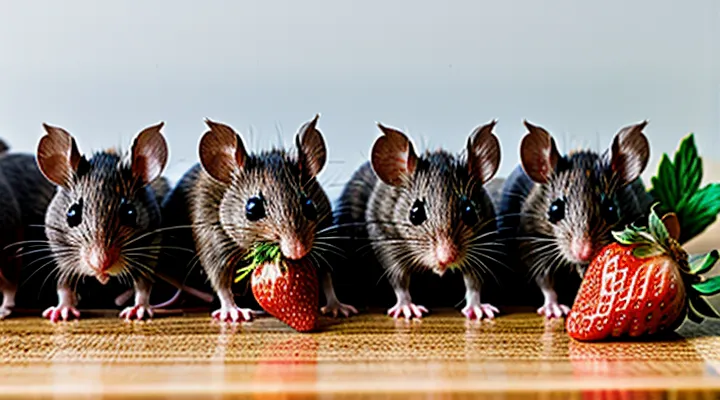
The Dietary Habits of Mice
What Do Wild Mice Eat?
Wild mice are omnivorous rodents that obtain nutrition from a variety of natural sources. Their primary intake consists of seeds, grains, and plant material such as leaves and stems. In addition to plant matter, they frequently consume insects, arachnids, and other small invertebrates, which provide essential protein.
Typical components of a wild mouse diet include:
- Seeds from grasses and weeds
- Grains found in stored grain piles or fallen kernels
- Fresh greens, including tender shoots and herb leaves
- Invertebrates such as beetles, larvae, and moths
- Fungi, especially mushroom caps and spores
Fruit consumption occurs opportunistically when ripe produce is accessible. Wild mice readily eat berries, including strawberries, when they encounter them on the ground or within low vegetation. Strawberries supply simple sugars and moisture, but they constitute only a minor portion of the overall diet and are not relied upon for sustained nutrition. Seasonal availability dictates the frequency of fruit intake; during summer months, berries and other soft fruits become more common food items for these rodents.
What Do Pet Mice Eat?
Commercial Mouse Food
Commercial mouse diets are formulated to meet the nutritional requirements of laboratory and pet rodents. Protein levels typically range from 14 % to 20 % of the total weight, sourced from soy, casein, or fish meal. Carbohydrate content is supplied by grains such as corn, wheat, or oats, providing energy and fiber. Fat contributions usually stay between 4 % and 6 %, derived from vegetable oils to support essential fatty acids. Vitamins and minerals are added in precise amounts to prevent deficiencies and to maintain physiological stability.
When evaluating whether a strawberry can be part of a mouse’s intake, the commercial diet serves as a benchmark. Strawberries contain simple sugars, water, and a modest amount of vitamin C, but they lack the balanced amino acid profile, essential fatty acids, and mineral spectrum found in standard rodent feed. Occasional, limited exposure to strawberry flesh does not replace the core diet; it may introduce excess sugars and insufficient protein.
Key considerations for integrating fruit into a mouse’s regimen:
- Limit fruit to no more than 5 % of total daily intake.
- Monitor for digestive upset, as high fiber and sugar can cause diarrhea.
- Ensure the primary diet remains unchanged in composition and quantity.
- Provide fresh water at all times to counteract the fruit’s diuretic effect.
Commercial mouse food remains the only reliable source for meeting the species’ complete nutritional needs. Fruit, including strawberries, should be treated as a supplemental treat rather than a regular component.
Safe Human Foods for Mice
Mice can safely consume certain human foods when offered in appropriate amounts and prepared correctly. Understanding which items are compatible with a mouse’s digestive system helps prevent nutritional deficiencies and health problems.
- Fresh fruits: apple slices (seedless), blueberries, banana pieces, strawberries (washed, no stems).
- Vegetables: carrot sticks, peas, cucumber, spinach, broccoli florets.
- Whole grains: cooked oatmeal, small portions of brown rice, plain whole‑grain pasta.
- Protein sources: boiled egg white, small bits of plain cooked chicken, low‑fat plain yogurt.
- Treats: unsalted popcorn, plain rice cakes, tiny amounts of plain unsweetened cereal.
Strawberries are among the acceptable fruits. Provide only a few bite‑size pieces, remove any leaves, and wash thoroughly to eliminate pesticides. Limit intake to no more than one or two pieces per week to avoid excess sugar, which can disrupt gut flora.
Foods that should be excluded include chocolate, caffeine, citrus peels, onions, garlic, nuts, seeds with hard shells, processed snacks, and any items containing added salt, sugar, or artificial flavorings. These substances can cause toxicity, digestive upset, or long‑term organ damage in rodents.
Unsafe Human Foods for Mice
Mice can safely nibble on fresh strawberries in small amounts, but many foods common in human diets pose serious health risks for these rodents. The following items should never be offered to pet or laboratory mice:
- Chocolate and cocoa products – contain theobromine, which is toxic at low doses and can cause seizures or death.
- Citrus fruits and juices – high acidity irritates the digestive tract and may lead to gastric ulceration.
- Raw or undercooked beans – contain phytohemagglutinin, a potent toxin that can cause vomiting, diarrhea, and fatal intestinal damage.
- Onion, garlic, leeks, and chives – all belong to the Allium family; they damage red blood cells, leading to hemolytic anemia.
- Processed meats and deli slices – high salt and nitrate content overloads renal function and can trigger hypertension.
- Alcoholic beverages – even minute quantities depress the central nervous system and may be lethal.
- Artificial sweeteners (e.g., xylitol) – cause rapid insulin release, resulting in hypoglycemia and liver failure.
- High‑fat or fried foods – promote obesity, pancreatitis, and cardiovascular strain in small mammals.
Feeding mice any of these items increases the likelihood of acute toxicity, chronic organ damage, or premature death. When providing treats, limit portions, ensure freshness, and monitor for signs of distress such as lethargy, abnormal grooming, or changes in stool consistency.
Strawberries and Mice: A Detailed Look
Nutritional Value of Strawberries
Vitamins and Minerals
Strawberries provide a range of micronutrients that can influence the health of laboratory or pet mice when incorporated into their diet.
- Vitamin C: approximately 59 mg per 100 g fresh fruit; supports antioxidant defenses and collagen synthesis in rodents.
- Vitamin A (β‑carotene): about 0.3 mg per 100 g; contributes to vision and epithelial maintenance.
- Folate (vitamin B9): roughly 24 µg per 100 g; essential for DNA synthesis and cell division.
- Vitamin K: near 2 µg per 100 g; involved in blood clotting pathways.
Mineral content relevant to murine physiology includes:
- Potassium: 153 mg per 100 g; regulates fluid balance and nerve impulse transmission.
- Magnesium: 13 mg per 100 g; required for enzymatic activity and muscle function.
- Calcium: 16 mg per 100 g; supports bone mineralization and signaling processes.
- Iron: 0.4 mg per 100 g; necessary for hemoglobin formation and oxygen transport.
When offering strawberries to mice, the quantity must remain limited. Excessive vitamin C can cause gastrointestinal upset, while high sugar levels may predispose to obesity and dysbiosis. A safe inclusion rate is 1–2 % of total diet weight, ensuring that the overall nutrient profile remains balanced with standard rodent chow.
Monitoring body weight, coat condition, and fecal consistency provides practical indicators of tolerance. Adjustments should be made promptly if signs of distress appear, and any long‑term supplementation should be validated by veterinary or research nutrition guidelines.
Sugars and Fiber
Mice can consume strawberries, but the high sugar and fiber content demands careful consideration.
Strawberries contain primarily fructose and glucose, each contributing to rapid spikes in blood glucose. Mice metabolize these simple sugars efficiently, yet excessive intake can overwhelm pancreatic insulin response, leading to hyperglycemia and weight gain.
Fiber in strawberries is divided into soluble and insoluble fractions. Soluble fiber forms a viscous gel in the gastrointestinal tract, slowing carbohydrate absorption and moderating blood sugar levels. Insoluble fiber adds bulk, promoting peristalsis and preventing constipation. In rodents, an appropriate balance of both fiber types supports healthy gut microbiota and improves nutrient extraction.
Guidelines for offering strawberries to mice:
- Limit portion to 5 % of total diet weight per day.
- Monitor body weight and blood glucose weekly.
- Provide fresh water to aid fiber digestion.
- Observe stool consistency; adjust intake if diarrhea appears.
When administered within these limits, the sugars supply quick energy, and the fiber contributes to digestive health without causing adverse metabolic effects.
Potential Benefits of Feeding Strawberries to Mice
Hydration
Strawberries contain approximately 91 % water, providing a modest source of fluid when consumed by laboratory‑bred mice. The fruit’s natural sugars are readily absorbed, and the accompanying moisture can contribute to the animal’s daily water requirement, which averages 4–6 ml per 10 g of body weight.
Mice regulate hydration through renal concentration mechanisms; excess fluid from fruit does not overwhelm these systems unless intake is excessive. Overconsumption may lead to transient soft stools due to the combined effect of fructose and dietary fiber, but the kidneys typically adjust urine output to maintain osmotic balance.
Practical guidance for feeding trials:
- Offer strawberries in small pieces (no larger than 2 mm) to prevent choking.
- Limit portions to 5 % of total daily diet weight, ensuring that core water intake remains within normal ranges.
- Monitor body weight and urine output for signs of dehydration or overhydration.
- Provide unrestricted access to plain water alongside the fruit to allow self‑regulation.
When these parameters are observed, strawberries serve as a supplemental hydration source without compromising the mouse’s physiological equilibrium.
Enrichment
Mice benefit from enrichment that introduces variety to their diet, encouraging natural foraging behaviors and providing sensory stimulation. Adding fruit items expands the range of textures, flavors, and colors they encounter, which can improve overall welfare.
Strawberries offer a source of simple sugars, vitamin C, and antioxidants. Their soft flesh and bright hue make them a distinct contrast to standard grain‑based feeds, allowing mice to explore new tactile and olfactory cues.
Potential advantages of offering strawberries include:
- Enhanced exploratory activity
- Increased chewing and handling of food
- Positive reinforcement of problem‑solving when presented as a hidden treat
Possible concerns involve:
- High sugar content that may alter glucose regulation
- Risk of dental wear from acidic compounds
- Limited nutritional balance if used as a primary food source
When incorporated as an occasional supplement, strawberries can serve as an effective enrichment tool, provided that portion sizes remain modest and the primary diet continues to meet all essential nutrient requirements.
Risks and Considerations
High Sugar Content
Strawberries contain approximately 7–8 g of sugar per 100 g of fresh fruit, a level comparable to many other berries. The predominant sugars are fructose, glucose, and a smaller proportion of sucrose. These carbohydrates raise the osmotic pressure of the fruit’s interior, influencing the palatability and metabolic load for small mammals.
Mice that ingest strawberries experience a rapid influx of simple sugars, which can trigger:
- Acute hyperglycemia, detectable within minutes of consumption.
- Elevated insulin secretion to restore glucose homeostasis.
- Temporary reduction in exploratory behavior due to transient energy surplus.
Repeated exposure to high‑sugar diets in rodents is linked to weight gain, altered gut microbiota, and increased risk of insulin resistance. Consequently, while mice are physiologically capable of eating strawberries, the fruit’s sugar concentration imposes metabolic challenges that limit the suitability of regular feeding.
Pesticide Residues
Mice are capable of eating strawberries, but the safety of such consumption depends largely on the presence of pesticide residues on the fruit. Agricultural practices often involve applying insecticides, fungicides, and herbicides to protect crops, and residues can remain on the surface after harvest. Rodents that ingest contaminated berries may experience acute toxicity, chronic health effects, or altered behavior, depending on the type and concentration of chemicals.
Typical residue limits for common pesticides (e.g., chlorpyrifos, imidacloprid, thiabendazole) range from 0.01 to 0.5 mg kg⁻¹ in fresh produce. Laboratory analyses show that strawberries frequently contain residues near the upper end of these limits when grown conventionally. Given the small body mass of a mouse (≈20 g), even low residue levels translate into a relatively high dose per kilogram of body weight, increasing the risk of adverse effects.
Mitigation strategies for laboratory or pet mice include:
- Washing berries thoroughly with running water and, if possible, a mild detergent solution.
- Using pesticide‑free (organic) strawberries to eliminate exposure.
- Conducting residue testing on a sample batch before feeding, employing methods such as liquid chromatography–mass spectrometry (LC‑MS).
Researchers should document residue levels in any dietary study involving strawberries and adjust dosing calculations accordingly to ensure animal welfare and experimental validity.
Choking Hazards
Mice can handle small pieces of strawberry flesh, but the fruit’s seed clusters and firm skin present a genuine choking risk. A mouse’s oral cavity and airway are designed for soft, easily swallowed foods; hard or irregular objects can become lodged in the trachea or esophagus, leading to rapid respiratory distress.
- Whole or large strawberry seeds may block the airway.
- Thick skin fragments can adhere to the molar surface and resist breakdown.
- Uncut berries encourage gnawing of the entire fruit, increasing the chance of swallowing sizable pieces.
To minimize danger, offer only finely diced strawberry flesh, remove all seeds, and monitor consumption. If a mouse shows signs of coughing, labored breathing, or gagging after eating, seek immediate veterinary assistance.
Allergic Reactions
Mice can ingest strawberries, but the fruit may trigger immune responses similar to those observed in other species. Strawberry proteins, particularly profilins and lipid transfer proteins, are recognized by the murine immune system as potential allergens. Exposure can lead to the production of specific IgE antibodies, initiating hypersensitivity pathways.
Allergic reactions in mice present with measurable physiological changes:
- Respiratory distress: rapid breathing, wheezing, nasal discharge.
- Dermatological signs: erythema, edema, pruritus at the site of contact.
- Gastrointestinal disturbances: vomiting, diarrhea, reduced food intake.
- Systemic effects: lethargy, hypothermia, anaphylactic shock in severe cases.
Researchers should monitor these indicators after introducing strawberries into a mouse diet. Baseline health assessments, controlled dosage, and observation periods of at least 24 hours reduce the risk of undetected reactions. If symptoms appear, immediate removal of the fruit and supportive care, such as antihistamines or corticosteroids, are recommended to mitigate immune-mediated damage.
Portion Control
Mice can consume strawberries, but the amount must be limited to prevent nutritional imbalance and gastrointestinal distress. Strawberries contain sugars, water, fiber, and modest levels of vitamins C and K, which differ from the typical grain‑based diet of laboratory or pet rodents. Excessive sugar intake may disrupt gut flora, elevate blood glucose, and reduce appetite for essential protein sources.
Guidelines for a single serving:
- Size: one to two small berry pieces (approximately 2–3 mm in diameter) per 20 g of mouse body weight.
- Frequency: no more than two servings per week.
- Preparation: wash thoroughly, remove stems, and avoid any added sweeteners or preservatives.
Observation after each feeding should include stool consistency, activity level, and weight change. If loose stools or reduced food intake occur, reduce or discontinue strawberry exposure. Adjust portions gradually when introducing new fruit, allowing a minimum of three days between adjustments.
Consistent monitoring ensures that strawberries remain a supplemental treat rather than a dietary staple, preserving overall health while providing enrichment.
How to Safely Offer Strawberries to Mice
Preparation Steps
When offering strawberries to laboratory or pet mice, follow a controlled preparation protocol to ensure safety and nutritional consistency.
- Select fresh, ripe strawberries without blemishes or mold.
- Rinse thoroughly under running water to remove pesticide residues and surface contaminants.
- Pat dry with a clean paper towel; excess moisture may promote bacterial growth.
- Remove the green calyx and any bruised sections, then slice the fruit into uniform 2‑mm cubes.
- Weigh the portion; a single mouse should receive no more than 0.5 g of strawberry flesh per day, representing roughly 1–2% of its total caloric intake.
- Place the diced fruit on a sterile petri dish or a clean glass plate; avoid plastic containers that may retain odors.
- Introduce the prepared strawberry pieces to the cage during the active feeding period, ensuring they are accessible but not mixed with standard chow to allow precise intake measurement.
- Observe the mice for at least 30 minutes, noting any signs of aversion or gastrointestinal distress.
- Remove uneaten fruit after the observation window and discard it to prevent mold development.
- Clean all utensils with hot, soapy water and sanitize with a dilute bleach solution (1 % sodium hypochlorite) before the next use.
Document each feeding session, including the exact weight of strawberries offered and consumed, to maintain reproducible data across experiments or pet care routines.
Frequency and Amount
Mice will eat strawberries when the fruit is accessible, but intake is irregular rather than habitual. Wild rodents encounter berries seasonally; laboratory animals accept strawberries as a novelty treat.
Studies that offered fresh strawberries to adult lab mice recorded consumption on 2‑4 days per week, depending on the presence of alternative food. Average daily intake ranged from 0.2 g to 0.5 g per mouse, representing roughly 1‑2 % of total body weight. When strawberries were the sole carbohydrate source, intake increased to 0.8 g per mouse per day.
Factors that modify how often and how much strawberries are consumed include:
- Availability of other food items
- Individual taste preference
- Time of day (peak feeding periods)
- Nutritional state (e.g., fasting increases likelihood of fruit consumption)
Safe quantities align with the mouse’s normal diet. A single strawberry slice (approximately 0.3 g) given two to three times weekly supplies modest sugars without disrupting gut flora. Exceeding 1 g per day may introduce excess fructose, leading to temporary diarrhea or altered glucose metabolism.
Overall, mice accept strawberries sporadically, consuming small portions that fit within standard dietary guidelines when offered as an occasional supplement.
Alternatives to Strawberries for Mouse Treats
Safe Fruits for Mice
Mice can consume strawberries without immediate risk, provided the fruit is fresh, washed, and offered in small portions. Strawberries belong to a broader group of fruits that are generally considered safe for laboratory and pet mice when introduced gradually.
- Apple (core removed, skin optional)
- Blueberries
- Raspberries
- Blackberries
- Pear (seedless, skin thin)
- Banana (small slice)
- Kiwi (peeled)
- Melon (cantaloupe, honeydew, no seeds)
When adding fruit to a mouse’s diet, follow these guidelines: wash thoroughly to eliminate pesticide residues; remove pits, cores, and seeds that may contain cyanogenic compounds; limit serving size to no more than 5 % of total daily intake to prevent digestive upset; monitor for signs of diarrhea or weight loss. Fruit should complement a balanced rodent chow, not replace it.
Safe Vegetables for Mice
Mice can safely enjoy a variety of vegetables, providing essential vitamins, minerals, and fiber while avoiding health risks associated with toxic plants. When evaluating fruit options such as strawberries, it is useful to compare them to proven vegetable choices that support a balanced rodent diet.
Safe vegetables for mice include:
- Carrots (raw, finely chopped) – source of beta‑carotene and vitamin A.
- Broccoli florets – rich in vitamin C and calcium.
- Spinach leaves (in moderation) – supplies iron and folate.
- Peas (fresh or frozen, no added salt) – provide protein and B‑vitamins.
- Zucchini – low‑calorie, high water content, aids hydration.
- Bell pepper (any color) – offers vitamin C and antioxidants.
These items can be offered daily in small quantities, ensuring freshness and washing to remove pesticide residues. Introducing new vegetables gradually reduces the risk of digestive upset. Combining safe vegetables with occasional fruit treats, such as strawberries, creates a nutritionally diverse diet for pet mice.
Other Healthy Treat Options
Mice can enjoy a variety of nutritious snacks besides berries. Fresh vegetables supply essential vitamins and fiber, while small portions of protein-rich foods support growth and tissue repair. The following items are safe when offered in moderation and prepared without additives:
- Carrot sticks or shredded carrots – high in beta‑carotene and low in sugar.
- Cucumber slices – hydrating, low‑calorie, and rich in water content.
- Pea pods – source of plant protein and vitamins A, C, and K.
- Cooked plain quinoa – provides complex carbohydrates and complete proteins.
- Unsalted, roasted pumpkin seeds – contain healthy fats, magnesium, and zinc.
All treats should be washed, cut into mouse‑appropriate sizes, and introduced gradually to monitor tolerance. Avoid processed foods, added sugars, and salty seasonings, as they can disrupt digestive health. Regularly rotating these options maintains dietary balance and encourages natural foraging behavior.