
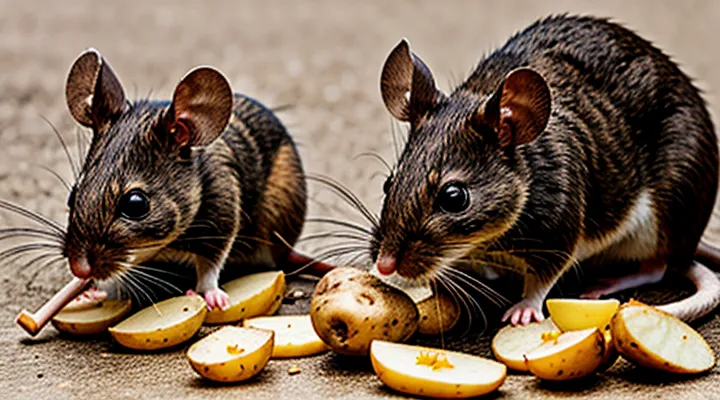
Understanding Mice Dietary Needs
Natural Diet of Wild Mice
Wild mice obtain most of their sustenance from naturally occurring plant material. Seeds from grasses, cereals, and herbaceous species constitute the primary energy source. Grain kernels, such as wheat, barley, and oats, are frequently harvested from fields and stored seed caches.
In addition to seeds, wild mice consume a variety of vegetative parts. Leaves, tender shoots, and flower buds provide protein, fiber, and micronutrients. Seasonal availability drives shifts in diet composition; spring growth yields abundant greens, while autumn brings an increase in fallen fruits and nuts.
Animal matter supplements the plant diet. Insects, arachnids, and small invertebrates are captured opportunistically, delivering essential amino acids and lipids. Scavenged carrion occasionally appears in stomach contents, especially during periods of food scarcity.
Occasional consumption of underground storage organs occurs when surface resources are limited. Tubers and root vegetables, including wild potatoes, are gnawed when exposed by soil erosion or human activity. Such items represent a minor portion of overall intake but can provide short‑term caloric relief.
Typical natural diet of wild mice:
- Seeds and grains
- Leaves, shoots, and buds
- Fruits and nuts
- Insects and other invertebrates
- Occasionally, exposed tubers and roots
The dietary pattern reflects opportunistic foraging, seasonal variation, and the need to balance macronutrients for growth, reproduction, and survival.
Nutritional Requirements for Domestic Mice
Essential Nutrients
Mice require a balanced intake of proteins, lipids, carbohydrates, vitamins, minerals, and water to maintain growth, reproduction, and immune function. Protein supplies amino acids for tissue repair; lipids deliver essential fatty acids and energy; carbohydrates provide immediate fuel; vitamins act as cofactors in metabolic pathways; minerals support enzymatic activity and skeletal health; water sustains cellular processes.
Potatoes contribute primarily carbohydrates and modest amounts of vitamin C, potassium, and dietary fiber. They lack sufficient protein, essential fatty acids, and several vitamins (A, D, B‑complex) and minerals (calcium, phosphorus, zinc) that mice must obtain from other sources. Consequently, a diet based solely on potatoes would fail to meet the nutritional thresholds established for laboratory‑bred and wild rodents.
Key nutrients that potatoes do not adequately supply for mouse health include:
- Protein (minimum 14 % of diet by weight)
- Essential fatty acids (linoleic and α‑linolenic acids)
- Vitamin A (retinol)
- Vitamin D (cholecalciferol)
- B‑vitamins (especially B12 and thiamine)
- Calcium (critical for bone mineralization)
- Phosphorus (paired with calcium for skeletal development)
- Zinc (immune function)
When potatoes are introduced as a supplemental item, they must be paired with a formulated rodent chow that delivers the missing nutrients. Adequate water availability remains essential, as the high starch content of potatoes increases the animal’s fluid requirements. Properly balanced inclusion of potatoes can enrich dietary variety without compromising the overall nutrient profile required for optimal mouse physiology.
Foods to Avoid
Mice that are offered potatoes as part of a laboratory or household diet require careful selection of complementary foods. Certain items can cause digestive distress, nutrient imbalance, or toxic reactions and should be excluded.
- Raw or green potatoes: contain solanine, a glycoalkaloid that is lethal at high concentrations.
- Processed potato products with added salt, butter, or oil: excess fat and sodium overload renal function and promote obesity.
- Citrus fruits: high acidity interferes with stomach pH and can lead to ulceration.
- Dairy products: many mice lack lactase, resulting in severe diarrhea when milk or cheese is consumed.
- Chocolate and caffeinated foods: methylxanthines are cardiotoxic for rodents.
- High‑sugar sweets: rapid glucose spikes cause metabolic disturbances and increase the risk of diabetes.
- Raw beans or legumes: contain lectins and protease inhibitors that damage intestinal lining.
- Moldy grains or nuts: produce mycotoxins that impair liver function and suppress immune response.
Eliminating these categories ensures that potato supplementation supports rather than jeopardizes rodent health.
Potatoes in the Mouse Diet
Raw Potatoes and Their Dangers
Solanine Toxicity
Solanine, a glycoalkaloid present in all parts of the potato plant, exhibits acute toxicity at concentrations exceeding 200 mg per kilogram of body weight. In rodents, the median lethal dose (LD₅₀) ranges from 45 mg kg⁻¹ (intraperitoneal) to 200 mg kg⁻¹ (oral), indicating a narrow safety margin for mammals that ingest raw tubers containing high solanine levels.
Mice exposed to solanine display:
- Neuromuscular impairment: tremors, loss of coordination, and paralysis of hind limbs.
- Gastrointestinal distress: vomiting, diarrhea, and reduced feed intake.
- Cardiovascular effects: arrhythmias and hypotension.
- Histopathological changes: necrosis of hepatic and renal tissues.
Potato tubers stored at low temperatures develop increased solanine concentrations, particularly when exposed to light or physical damage. Green skin, sprouting eyes, and bruised flesh can contain up to 150 mg kg⁻¹ of solanine, approaching the toxic threshold for a mouse weighing 20 g (approximately 0.9 mg solanine). Even modest ingestion of such tissue may precipitate lethal outcomes.
Laboratory feeding trials reveal that mice readily sample raw potato material but quickly reduce consumption when adverse symptoms appear. Preference shifts toward cooked or peeled potatoes, where solanine content falls below 10 mg kg⁻¹, suggesting that thermal processing effectively mitigates toxicity.
Consequently, the presence of solanine imposes a physiological constraint on mouse consumption of raw potatoes. Safe inclusion of potatoes in a rodent diet requires removal of green areas, thorough cooking, and avoidance of sprouted or damaged tubers.
Digestive Issues
Mice possess a short, simple gastrointestinal tract optimized for high‑energy, low‑fiber foods. Potatoes introduce a high starch load that exceeds the enzymatic capacity of the mouse’s pancreatic amylase, leading to incomplete digestion. Undigested starch reaches the colon where bacterial fermentation produces gas and short‑chain fatty acids, which can cause bloating, abdominal discomfort, and altered motility.
Potential digestive complications include:
- Diarrhea: rapid osmotic effect of unabsorbed carbohydrates draws water into the lumen.
- Constipation: excessive fiber from raw potato skins may slow transit, especially when combined with low‑water intake.
- Fermentation‑induced gas: bacterial breakdown of resistant starch generates hydrogen and methane, increasing abdominal pressure.
- Solanine toxicity: raw potatoes contain glycoalkaloids that irritate the mucosa, potentially leading to vomiting and inflammation.
Cooking reduces solanine levels and gelatinizes starch, making it more accessible to murine enzymes. However, overcooking creates resistant dextrins that remain poorly digestible. Balanced inclusion of cooked potato portions, limited to 5‑10 % of total diet weight, minimizes adverse effects while providing a supplemental energy source.
Long‑term exposure to high‑starch foods without dietary fiber adjustments predisposes mice to dysbiosis, characterized by reduced microbial diversity and heightened susceptibility to enteric infections. Monitoring fecal consistency and body weight offers practical indicators of digestive health when potatoes are incorporated into experimental feeding regimes.
Cooked Potatoes and Their Safety
Preparation Guidelines
When introducing potatoes into a mouse’s diet, follow strict hygiene and portion controls to avoid health risks.
- Select fresh, firm potatoes; discard any with green spots, sprouts, or mold.
- Peel the tuber completely; skin may contain solanine, a toxic compound.
- Cut potatoes into uniform cubes of 2–3 mm to ensure easy chewing and consistent intake.
- Boil or steam the pieces for 5–7 minutes until fully softened; raw starch is difficult for rodents to digest.
- Cool the cooked pieces to room temperature; avoid serving hot food that could cause burns.
- Offer a maximum of 0.5 g per mouse per day, measured with a precision scale; excess carbohydrates can lead to obesity and gut dysbiosis.
- Store leftovers in an airtight container in the refrigerator for no more than 24 hours; discard any material that develops odor or discoloration.
Monitor each animal for signs of gastrointestinal distress, weight fluctuation, or reduced water consumption. Adjust frequency or quantity if adverse reactions appear.
Potential Benefits
Mice that incorporate potatoes into their diet may experience several measurable advantages.
- Enhanced carbohydrate intake provides a readily available energy source, supporting higher activity levels and improved foraging efficiency.
- Source of vitamin C and B‑complex vitamins contributes to metabolic functions, particularly in tissues with rapid turnover such as the intestinal epithelium.
- Dietary fiber from the tuber skin promotes gut motility, reducing the risk of impaction and fostering a balanced microbial community.
- Moderate potassium levels assist in electrolyte balance, which is critical for nerve transmission and muscle contraction.
In controlled laboratory settings, inclusion of potatoes has been shown to stabilize body weight without inducing obesity, suggesting a role in maintaining optimal growth curves. Field observations indicate that access to cultivated potatoes may lessen competition for wild seeds, potentially decreasing predation pressure on native plant populations.
Overall, the strategic addition of potatoes to mouse nutrition can augment energy reserves, support essential micronutrient requirements, and influence ecological interactions in a manner that aligns with observed physiological outcomes.
Potato Peels and Leaves
Toxicity Concerns
Potatoes contain glycoalkaloids, chiefly solanine and chaconine, which interfere with neuronal transmission and can be lethal to small mammals. These compounds concentrate in green skin, sprouts, and the flesh of unripe tubers.
- Solanine levels above 200 mg kg⁻¹ are associated with tremors, salivation, and respiratory distress in mice.
- Chaconine exhibits similar toxicity, amplifying the effect of solanine when both are present.
Toxicity depends on dose relative to body weight. Laboratory data indicate that an oral dose of 30 mg kg⁻¹ of total glycoalkaloids produces observable neurotoxic signs in adult mice, while 100 mg kg⁻¹ frequently results in mortality. Raw potatoes typically contain 5–15 mg kg⁻¹ of glycoalkaloids; however, green or sprouted portions may exceed 200 mg kg⁻¹.
Safe consumption requires removal of all green tissue and sprouts, followed by thorough cooking. Heat reduces glycoalkaloid concentration by approximately 30 % after 20 minutes of boiling, but does not eliminate toxicity entirely. Offering only small, fully cooked pieces—no more than 0.5 g per 20 g of mouse body mass—keeps exposure below the established sub‑lethal threshold.
Monitoring for signs such as ataxia, reduced feeding, or abnormal respiration provides early detection of glycoalkaloid poisoning. Immediate cessation of potato exposure and veterinary intervention are essential to prevent progression.
Safe Alternatives
Mice tolerate potatoes only when cooked, peeled, and offered sparingly; raw or green tubers contain solanine, which can be toxic. For owners seeking reliable nutrition, several plant-based foods provide comparable energy without the associated risks.
- Carrots: high in beta‑carotene, low in fat, easily digestible when shredded.
- Peas: source of protein and fiber; serve cooked or thawed frozen peas.
- Sweet corn kernels: provide carbohydrates and modest protein; feed cooked, unsalted kernels.
- Apple slices: supply natural sugars and vitamins; remove seeds to avoid cyanogenic compounds.
- Cooked oatmeal: delivers complex carbs and soluble fiber; prepare without added sugar or salt.
Each alternative should be introduced gradually, monitoring for signs of gastrointestinal upset. Portion sizes must remain modest—approximately 1 g of food per gram of mouse body weight per day—to prevent obesity. Avoid foods known to harm rodents, such as chocolate, caffeine, raw beans, and citrus peels. By rotating the listed items, caretakers can maintain a balanced diet while eliminating the uncertainties linked to potato consumption.
General Guidelines for Feeding Mice
Portion Control
Mice can consume potatoes, but the quantity must align with their limited digestive capacity. A typical adult mouse possesses a stomach volume of approximately 0.5 ml, allowing only a small fraction of a raw potato to be processed in a single feeding episode. Excessive carbohydrate intake overwhelms the metabolic pathways that convert starch to glucose, leading to rapid blood‑sugar spikes and gastrointestinal distress.
Portion control for rodents hinges on two parameters: mass of the edible portion and frequency of exposure. Empirical observations indicate that a safe daily allotment does not exceed 2 % of the animal’s body weight in raw potato tissue. For a 25‑gram mouse, this translates to roughly 0.5 g of peeled, diced potato, offered no more than once every 24 hours.
Practical guidelines:
- Weigh the potato segment with a precision scale before presentation.
- Present the piece on a clean surface to prevent contamination.
- Observe the mouse for 30 minutes; remove any uneaten portion to avoid prolonged access.
- Record the intake volume and adjust future servings based on weight‑gain trends.
Continuous monitoring ensures that the diet remains balanced. If a mouse exhibits signs of weight loss, lethargy, or stool abnormalities, reduce or eliminate potato provision and substitute with fiber‑rich grains or vegetables. Consistent documentation of intake and health markers supports optimal nutritional management while allowing occasional potato inclusion.
Frequency of Feeding
Mice exhibit a highly variable feeding schedule when potatoes are available, driven by metabolic demand, environmental temperature, and competition for resources. Laboratory observations indicate that individuals presented with fresh potato tubers consume measurable portions every 8–12 hours, corresponding to a typical three‑to‑four‑times‑daily intake pattern. In contrast, field studies report sporadic consumption, often limited to brief nocturnal foraging bouts when potatoes are exposed by human activity.
Key factors influencing feeding frequency include:
- Nutrient composition: High carbohydrate content accelerates gastric emptying, prompting more frequent bites.
- Temperature: Cooler ambient conditions extend digestion time, reducing the number of feeding events per night.
- Predation risk: Elevated threat levels compress feeding into fewer, rapid sessions to minimize exposure.
Long‑term monitoring of wild populations demonstrates seasonal peaks in potato consumption during harvest periods, with frequency rising from occasional visits in off‑season months to multiple nightly incursions when crops are abundant. These patterns reflect adaptive foraging behavior that balances energy acquisition with safety considerations.
Introduction of New Foods
Mice traditionally consume grains, seeds, and insects, with digestive systems adapted to high‑carbohydrate, low‑fat diets. Introducing tuberous vegetables such as potatoes represents a shift from their usual food sources, requiring evaluation of palatability, nutritional balance, and potential health effects.
Experimental trials have shown that mice will ingest raw and cooked potato tissue when presented alongside standard chow. Acceptance rates increase after a brief acclimation period, indicating that novelty does not deter consumption once familiarity is established.
Key considerations for adding potatoes to a mouse diet include:
- Nutrient profile: potatoes provide starch, vitamin C, and potassium, complementing the protein‑rich components of conventional feed.
- Digestive tolerance: raw potatoes contain solanine; cooking reduces toxicity, making the food safer for repeated exposure.
- Weight monitoring: caloric density of potatoes can influence body mass; regular weighing ensures growth patterns remain within normal ranges.
- Behavioral impact: observation of foraging behavior confirms that potatoes do not disrupt natural feeding rhythms when introduced gradually.
Long‑term studies suggest that moderate inclusion of cooked potatoes does not impair reproductive performance or lifespan, provided that the overall diet remains balanced and that solanine levels stay below toxic thresholds.
Common Mouse Food Myths Debunked
Cheese and Mice
Mice are opportunistic feeders, and cheese often appears in popular imagery as their preferred food. Scientific observations reveal that cheese provides a high‑fat, high‑protein source, but its composition differs markedly from the starch‑rich diet that includes tubers such as potatoes. When presented with both options, mice typically prioritize items that are easier to gnaw and digest, favoring soft, aromatic substances. Cheese satisfies these criteria, yet its strong odor can attract mice only when other food sources are scarce.
Key points about cheese consumption by mice:
- Nutrient profile – rich in lipids and casein, offering concentrated calories.
- Digestibility – lactase activity in mice is limited; excessive dairy can cause gastrointestinal distress.
- Palatability – strong scent and texture encourage brief feeding bouts, but do not sustain long‑term nutritional needs.
- Behavioral preference – laboratory studies show mice will sample cheese but quickly return to carbohydrate‑rich foods when available.
In diets that also contain potatoes, mice allocate intake according to energy efficiency. Potatoes supply complex carbohydrates that are readily metabolized, supporting sustained activity and growth. Cheese, while appealing, is typically a supplementary snack rather than a staple. Consequently, the presence of cheese does not diminish the relevance of tuber consumption; instead, it illustrates the flexible foraging strategy of mice, which balances protein‑fat sources with carbohydrate‑rich options to meet metabolic demands.
Other Harmful Foods Misconceptions
Mice frequently encounter dietary advice that labels several common foods as dangerous, yet many of these warnings lack scientific support.
- Chocolate: often cited as lethal, but toxicity requires concentrations far above typical household exposure; small accidental bites rarely cause harm.
- Citrus peels: regularly described as corrosive, yet the acidic content is insufficient to damage the gastrointestinal lining of a healthy mouse.
- Raw onions: claimed to cause severe anemia, but the compound responsible for hemolysis is present in quantities too low to affect small rodents unless consumed in large amounts.
- Processed snacks containing artificial sweeteners: alleged to trigger metabolic disorders, though studies show no adverse effects at the trace levels found in most snack residues.
Scientific evaluations indicate that the primary risk factors for mouse nutrition are high-fat, low-fiber diets and prolonged exposure to moldy or spoiled food, not the aforementioned items. Proper feeding regimes should prioritize balanced protein sources, complex carbohydrates, and fresh vegetables while limiting excess sugars and fats.