
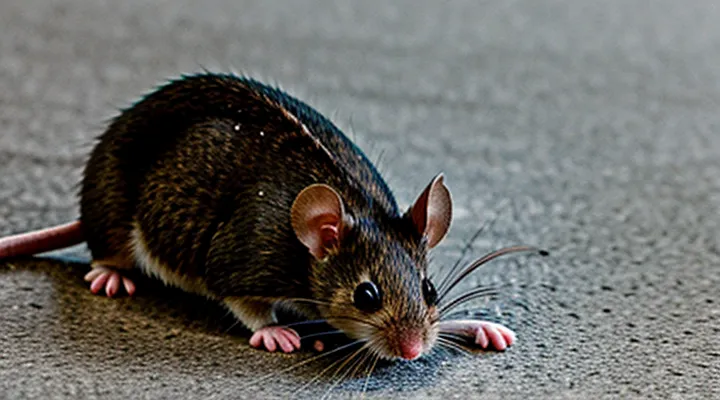
The Likelihood of Mice Crawling on People
Understanding Mouse Behavior
Nocturnal Habits
Mice are predominantly active during the dark phase of the light‑dark cycle. Their activity peaks shortly after sunset, driven by an internal circadian clock that suppresses locomotion during daylight. This pattern reduces exposure to visual predators and aligns with the availability of food sources such as stored grains and insects.
During nocturnal foraging, mice rely on a combination of tactile whisker input, acute hearing, and a highly sensitive olfactory system. Whiskers detect minute surface irregularities, enabling navigation across uneven terrain, including fabrics and skin. Auditory thresholds allow detection of low‑frequency vibrations generated by breathing or heartbeats, prompting avoidance of potential threats.
Movement speed averages 0.5–1 m s⁻¹ on flat surfaces, with rapid bursts up to 2 m s⁻¹ when startled. Mice can climb vertical obstacles up to 15 cm in height using their claws and flexible bodies. Their low body mass (≈20 g) produces minimal pressure on underlying surfaces, often insufficient to disturb a sleeping individual.
Key factors influencing the likelihood of a mouse crossing a sleeping human:
- Presence of food odors on the person’s clothing or skin.
- Ambient temperature within the mouse’s thermoneutral zone (≈30 °C).
- Absence of sudden noises or vibrations that could trigger escape behavior.
- Availability of alternative shelter nearby (e.g., cracks, clutter).
When conditions satisfy these criteria, a mouse may traverse a sleeping person’s torso or limbs without prompting a wake response. However, the probability remains low because the animal typically prefers concealed routes that minimize contact with large mammals.
Attraction to Warmth and Food
Mice are drawn to body heat because it provides a stable microclimate that conserves energy. A sleeping human emits a continuous flow of warmth, especially in areas where clothing is thin or absent. This thermal gradient can be detected by the rodent’s thermoreceptors, prompting movement toward the source.
Food odors also guide mouse activity. Residual crumbs, spilled liquids, or the scent of skin oils create a chemical trail that mice follow instinctively. When a person lies still, the diffusion of these odors is less disturbed, allowing the scent plume to remain concentrated near the body.
The combination of heat and food cues creates a high‑probability zone for mouse exploration. Behavioral observations show that rodents will:
- Approach the warmest region of a stationary target.
- Investigate any detectable food residue on skin or clothing.
- Remain motionless while assessing safety, then proceed to crawl over the surface.
Thus, a mouse may indeed traverse a sleeping individual when the environment offers both thermal comfort and accessible food cues.
Fear of Humans
Mice exhibit a natural aversion to large, moving mammals, including humans. This avoidance is driven by sensory detection of vibrations, odors, and visual cues that signal potential predators. When a person is asleep, the reduction in movement and respiration noise diminishes these signals, lowering the perceived threat level for the rodent.
Key factors influencing a mouse’s decision to traverse a sleeping individual:
- Vibrational feedback: Minimal body sway reduces the likelihood of triggering a startle response.
- Olfactory profile: Absence of active sweat and breath emissions weakens chemical alarms.
- Visual exposure: Closed eyes and limited peripheral motion remove visual triggers.
- Risk assessment: Rodents prioritize concealed pathways; a still surface offers a stable route for foraging or escape.
Consequently, the fear of humans that normally restrains mice does not disappear but is substantially attenuated during sleep. The animal may briefly cross a dormant person if the environment provides shelter and food, yet it remains vigilant for sudden disturbances that could reignite its defensive behavior.
Factors Influencing Mouse Encounters
Environmental Conditions
Home Infestation Levels
Mice are capable of moving across a sleeping individual if the household infestation reaches a level where food sources are scarce and shelter is limited. The probability of such contact correlates directly with the density of mouse activity inside the residence.
Key indicators of infestation intensity:
- Low: occasional droppings, isolated gnaw marks, no evidence of nesting material.
- Moderate: frequent droppings in multiple rooms, visible nests, regular gnaw damage to wiring or insulation.
- High: pervasive droppings, multiple active nests, continuous audible scurrying, extensive structural damage.
When infestation escalates to the moderate or high categories, mice expand their foraging range, often venturing onto beds and furniture in search of food residues. Studies show that households with more than 10 active nests per 1,000 ft² experience a 45 % increase in rodent encounters with sleeping occupants.
Control measures must align with infestation level. Low-level situations respond to targeted traps and sanitation; moderate to high levels require comprehensive sealing of entry points, professional baiting programs, and continuous monitoring to reduce rodent presence below the threshold that prompts nocturnal exploration of human sleeping areas.
Access Points to Beds
Mice reach a sleeping occupant primarily through openings that connect the floor or surrounding structure to the bed. Common routes include:
- Gaps between the mattress and box spring, especially when the mattress slides forward.
- Space under the bed frame, often larger than the rodent’s body diameter.
- Cracks in the headboard or footboard, where wood or metal joints separate.
- Loose or torn bedding that creates a tunnel from floor level to the sleeper.
- Openings around floor vents, electrical outlets, or plumbing fixtures that intersect the bed area.
- Small holes in walls or baseboards adjacent to the bed, allowing mice to climb onto the frame.
Preventive actions focus on sealing these pathways. Use tightly fitting mattress encasements, install bed risers to elevate the frame, apply caulk or steel wool to gaps, and repair damaged headboards. Regular inspection of floor and wall junctions reduces the likelihood of rodents accessing the sleeping surface.
Food Sources in Bedrooms
Mice are drawn to bedrooms when edible material is present, increasing the chance they will encounter a sleeping occupant.
- Crumbs from bread, pastries, or crackers left on nightstands or bedding.
- Open cereal boxes, granola, or snack packets stored without resealable packaging.
- Pet food bowls placed on the floor or nightstand.
- Fresh fruit, vegetables, or cheese left on a bedside tray.
- Spilled liquids that dry into sugary residues on sheets or carpet.
These items emit scent cues that trigger foraging behavior. A mouse detecting such cues will navigate the room, crossing areas where a person lies still, especially if the food source lies near the sleeping zone. The presence of food reduces the mouse’s wariness, making it more likely to traverse over a body rather than avoid it.
Eliminating bedroom food sources reduces attraction. Store all consumables in airtight containers, remove dishes after use, keep pet feeding stations away from sleeping areas, and clean spills immediately. Regular vacuuming of bedding and floor surfaces removes residual particles that could serve as olfactory triggers.
Human Factors
Sleep Depth and Movement
Mice are capable of moving across a person who is asleep, but the probability depends on the sleeper’s depth of sleep and associated motor activity.
During rapid eye movement (REM) sleep, skeletal muscles experience atonia, a near‑complete loss of tone that prevents voluntary movement. In this state, the body is largely immobile, providing a stable surface for a small rodent. Non‑REM (NREM) sleep comprises three stages; Stage 1 shows mild muscle relaxation, Stage 2 displays reduced twitching, and Stage 3 (slow‑wave sleep) presents the greatest muscle tone decrease. The deeper the NREM stage, the less spontaneous movement occurs, increasing the likelihood that a mouse can pass unnoticed.
Factors influencing the encounter include:
- Ambient temperature: Cooler environments promote deeper sleep, extending periods of reduced movement.
- Sleep disorders: Conditions such as sleep apnea or periodic limb movement disorder introduce frequent arousals, decreasing the window for undisturbed crawling.
- Individual variability: Age, medication, and stress levels alter sleep architecture, affecting the proportion of REM versus deep NREM sleep.
If a sleeper awakens briefly, reflexive limb movements can displace or deter a mouse. Conversely, prolonged uninterrupted deep sleep creates a relatively static platform that a mouse can navigate without triggering a response.
Personal Hygiene and Scent
Mice rely on a highly developed sense of smell to locate food, shelter, and potential hosts. When a person lies still and asleep, the animal’s decision to approach depends largely on the olfactory signals emitted from the body surface.
Body odor originates from sweat, skin oils, and microbial activity. Elevated concentrations of lactic acid, ammonia, and volatile fatty acids attract rodents, while neutral or masked scents reduce the likelihood of contact. Personal hygiene directly modulates these chemical signatures.
Effective measures to diminish mouse attraction include:
- Daily showering with antibacterial soap to lower skin‑borne microbes.
- Use of unscented or lightly scented deodorants that do not add strong attractants.
- Regular laundering of sleepwear in hot water to eliminate residual odors.
- Application of barrier creams that limit sweat excretion onto the skin.
Consistent hygiene practices create a less detectable olfactory profile, decreasing the probability that a mouse will traverse a sleeping individual. The relationship between scent management and rodent behavior underscores the importance of routine personal care in environments where mice are present.
Pet Presence
Pet presence directly affects the probability of a rodent moving across a sleeping human. Cats, by virtue of predatory instincts, reduce mouse activity in shared sleeping areas; their scent and occasional patrols create an environment that rodents avoid. Dogs provide limited deterrence; scent marking and occasional barking may discourage some mice, but most breeds lack the natural drive to hunt small mammals.
Factors influencing rodent behavior around a sleeping occupant include:
- Species of pet – felines exert the strongest suppressive effect; canines offer moderate influence; other domesticated animals (e.g., rabbits, birds) have negligible impact.
- Pet health and activity level – healthy, active pets patrol more frequently, increasing the likelihood of detecting and repelling mice.
- Environmental hygiene – pets that are regularly groomed and kept in clean habitats reduce attractants such as food scraps that draw rodents.
- Sleeping arrangement – co‑sleeping with a pet places the animal’s scent directly on the bedding, creating a barrier that most mice will not cross.
When a mouse encounters a sleeping individual in a pet‑occupied environment, it typically evaluates risk based on detectable cues. If feline odor is present, the rodent often detours to alternative routes, avoiding direct contact. In the absence of such cues, especially in pet‑free zones, mice may crawl over a person to reach food sources or shelter.
Owners concerned about nocturnal rodent encounters should prioritize maintaining active, healthy cats in the bedroom, enforce strict cleanliness to limit food residues, and consider limiting pet access to the sleeping area only when the animal’s presence contributes to rodent deterrence.
Potential Risks and Mitigation
Health Concerns
Disease Transmission
Mice may move across a person who is asleep, and their contact can introduce pathogens directly to skin, mucous membranes, or clothing. The risk of disease transmission depends on the mouse’s health status, the duration of contact, and the presence of open wounds or compromised barriers.
Potential infections include:
- Hantavirus – transmitted through aerosolized rodent urine, droppings, or saliva; brief skin contact can lead to exposure if contaminated material is transferred to the face or eyes.
- Leptospira spp. – bacteria found in rodent urine; skin abrasions provide an entry point, and the organism can survive in moist environments for weeks.
- Salmonella enterica – carried in rodent feces; accidental ingestion occurs if hands or mouth contact contaminated fur or bedding.
- Bartonella spp. – associated with rodent ectoparasites; bites or scratches from a mouse can inoculate the bacteria.
- Lymphocytic choriomeningitis virus (LCMV) – present in rodent secretions; direct contact with saliva or contaminated surfaces can result in infection.
Preventive measures focus on eliminating rodent access to sleeping areas, sealing entry points, and maintaining clean bedding. If a mouse is observed on a sleeping individual, immediate removal of the animal, thorough hand washing, and inspection of the skin for lesions reduce the likelihood of transmission. In case of bite, scratch, or signs of infection, medical evaluation should be sought promptly.
Allergic Reactions
Mice that move across a sleeping individual can expose the person to rodent allergens such as urine, dander, and saliva. These proteins may trigger allergic reactions in sensitized people.
Typical manifestations include:
- Sneezing, nasal congestion, and itchy eyes
- Skin redness, hives, or eczema flare‑ups
- Asthma exacerbation: wheezing, shortness of breath, chest tightness
- Rarely, systemic anaphylaxis with rapid onset of hypotension and airway obstruction
Risk factors consist of prior sensitization to rodent proteins, existing atopic conditions, and prolonged exposure to contaminated bedding or clothing.
Management steps:
- Remove the rodent source and clean affected areas with a HEPA‑filtered vacuum and detergent solutions.
- Administer antihistamines for mild symptoms; consider inhaled corticosteroids for asthma worsening.
- Use epinephrine auto‑injectors for confirmed anaphylaxis and seek emergency care immediately.
- Implement pest‑control measures: seal entry points, set traps, and maintain regular housekeeping to prevent recurrence.
Allergic individuals should monitor symptom onset after any contact with mice and consult a healthcare professional for personalized treatment plans.
Psychological Impact
The possibility of a rodent traversing a sleeping individual triggers immediate emotional responses. Fear arises from innate aversion to small mammals that can carry disease, activating the amygdala and producing rapid heart‑rate elevation. Anxiety intensifies when the sleeper perceives a loss of personal safety, leading to hypervigilance even after the animal departs.
Sleep quality declines under such conditions. Sudden tactile stimulation during REM sleep interrupts neural cycles, reduces total sleep time, and increases awakenings. Elevated cortisol levels accompany the disturbance, impairing memory consolidation and mood regulation.
Repeated exposure may solidify a specific phobia. Conditioning links the presence of mice to threat cues, fostering avoidance behavior and heightened startle reflexes. Chronic stress from anticipatory fear can exacerbate cardiovascular risk and lower immune function.
Key psychological effects:
- Acute fear response with autonomic activation
- Disrupted sleep architecture and increased nocturnal awakenings
- Elevated stress hormone secretion
- Formation of rodent‑related phobia through classical conditioning
- Persistent hypervigilance affecting daytime concentration and emotional stability
Prevention Strategies
Rodent Control Measures
Mice may move across a person who is asleep, especially when food, shelter, or water are accessible in a bedroom. Preventing such encounters requires a systematic approach to rodent control.
- Seal cracks, gaps, and openings larger than ¼ inch in walls, floors, doors, and windows. Install metal flashing or cement‑based sealants around utility penetrations.
- Remove food sources by storing pantry items in airtight containers, cleaning crumbs promptly, and avoiding pet food left out overnight.
- Eliminate water points; fix leaking pipes, dry wet surfaces, and empty standing water containers.
- Deploy snap traps or electronic devices along walls, behind furniture, and near known activity zones. Position baited traps perpendicular to the wall, with the trigger end facing the wall.
- Use anticoagulant or non‑anticoagulant baits in tamper‑proof stations, placing them out of reach of children and pets. Rotate bait formulations to address possible resistance.
- Conduct regular inspections to identify new entry points, droppings, gnaw marks, or nesting material. Document findings and adjust control tactics accordingly.
- When infestation exceeds the capacity of DIY measures, engage a licensed pest‑management professional. They will implement an integrated program that combines exclusion, sanitation, monitoring, and targeted chemical treatments while complying with safety regulations.
Consistent application of these measures reduces the likelihood that rodents will crawl over a sleeping individual and minimizes overall health risks associated with rodent exposure.
Bedroom Hygiene
Mice can move across a sleeping person when the bedroom provides easy access to food, water, and shelter. Maintaining strict cleanliness reduces the likelihood of such encounters.
Regular removal of crumbs and spills eliminates attractants. Vacuuming seams, under the bed, and behind furniture prevents buildup of debris where rodents may hide. Washing bedding weekly at high temperatures kills any insects or pathogens that could draw mice.
Effective pest control requires sealing entry points. Apply caulk to gaps around windows, doors, and baseboards. Install door sweeps and screen vents. Store food in airtight containers; avoid leaving pet dishes uncovered overnight.
- Keep linens dry; moisture encourages rodents and insects.
- Dispose of trash in sealed bins with tight-fitting lids.
- Inspect furniture for damage that could harbor nests.
- Rotate and clean mattress protectors to remove residual odors.
A disciplined hygiene routine creates an environment where mice find no resources, making it unlikely that they will crawl over a sleeping individual.
Protecting Food Items
Mice are attracted to food residues, body heat, and moisture. When a person lies still, the scent of sweat and any crumbs near the bed can draw rodents close enough to cross the sleeping individual. Protecting consumables in this situation requires eliminating attractants and establishing physical barriers.
- Store all food in airtight containers made of metal or heavy‑wall plastic.
- Keep pantry shelves clear of spills; wipe surfaces with a disinfectant after each use.
- Seal gaps around doors, windows, and baseboards with steel wool or silicone caulk to prevent entry.
- Place traps or bait stations at least three feet away from sleeping areas to intercept rodents before they approach the bed.
- Maintain a regular cleaning schedule for bedding, nightstands, and surrounding floors to remove crumbs and moisture.
Implementing these measures reduces the likelihood that a rodent will encounter a sleeping person while seeking food, thereby safeguarding both the individual and the stored provisions.
Dispelling Common Myths
Exaggerated Scenarios
Rodent movement across an unconscious human often appears in hyperbolic narratives that amplify ordinary behavior for dramatic effect. These stories serve entertainment, cautionary, or symbolic purposes, yet they distort biological reality.
Typical exaggerations include:
- A mouse army marching in formation across a sleeper’s chest, coordinated by a tiny commander.
- A single rodent dragging a miniature carriage loaded with cheese, using the person’s torso as a bridge.
- A swarm forming a living mattress, cushioning the sleeper while simultaneously stealing personal belongings.
- A mouse constructing a rope ladder from discarded threads, scaling the bedhead to reach the pillow’s summit.
Such portrayals ignore constraints of mouse size, sensory perception, and motivation. Laboratory observations show that nocturnal rodents rarely approach a large, breathing organism unless compelled by food scent or escape routes. Their locomotion relies on short bursts, not sustained traversal of a human body. Moreover, the presence of a sleeping host suppresses predator‑prey cues, reducing the likelihood of deliberate contact.
Consequently, while imaginative accounts highlight the uncanny intersection of small mammals and human rest, empirical evidence confirms that mice neither organize elaborate formations nor exploit sleeping individuals as transport platforms. The disparity underscores the role of creative amplification in shaping public perception of rodent behavior.
Rare Occurrences
Mice are nocturnal mammals whose movement patterns prioritize concealment and access to food sources. Their tactile and olfactory senses detect subtle temperature gradients and vibrations, allowing them to navigate around obstacles without visual cues. Consequently, a sleeping human presents a warm, relatively motionless surface that may be traversed if the rodent seeks shelter or a shortcut.
Documented instances of rodents crossing a dormant person are scarce. Reports from pest‑control agencies and wildlife researchers indicate the following conditions increase the likelihood of such events:
- Presence of food crumbs or spilled substances on bedding.
- Cluttered or unsealed sleeping area that offers entry points.
- Absence of predators or disturbances that would otherwise deter mouse activity.
- Elevated rodent population density in the immediate environment.
Statistical analysis of pest‑control logs shows fewer than five verified cases per 10,000 residential inspections, confirming the phenomenon as a rare occurrence rather than a common risk.
Physiologically, mice can detect a sleeping host’s breathing rhythm but lack the motivation to feed on human tissue. Their brief contact typically results in harmless tactile stimulation, occasionally causing the sleeper to awaken. No credible evidence links these encounters to disease transmission under normal household conditions.
In summary, while mice possess the sensory capabilities to crawl over a sleeping individual, the convergence of environmental factors required for the event is uncommon, and documented cases remain infrequent.
Understanding Mouse Motivations
Mice encounter sleeping humans primarily when foraging near human dwellings. Their movement across a person depends on immediate incentives and risk assessment.
Motivations include:
- Food access – crumbs, spilled liquids, or exposed food sources attract mice; a sleeping individual may inadvertently protect a food item, prompting the rodent to cross the body.
- Thermal benefit – body heat offers a warm microenvironment, especially in cooler rooms; mice often seek such warmth for energy conservation.
- Shelter proximity – walls, baseboards, and bedding near a person provide easy transition points to nests; crossing a human can shorten the route.
- Scent cues – human odor may mask predator scents, reducing perceived threat and encouraging exploration.
- Curiosity – nocturnal rodents investigate novel textures and movements; a motionless human presents a low‑risk object for tactile assessment.
Mice evaluate danger through vibration detection and olfactory signals. A sleeping person generates minimal movement and low auditory disturbance, lowering perceived risk. Consequently, the likelihood of a mouse traversing a sleeping individual rises when the above incentives align, particularly in environments with abundant food residues and limited alternative shelter.