
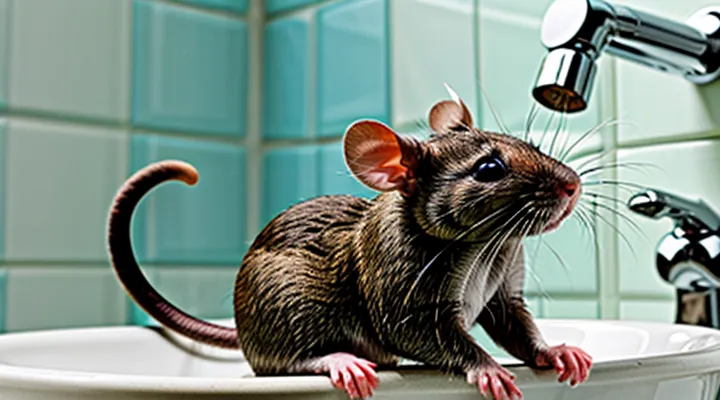
The Self-Cleaning Nature of Rats
How Rats Maintain Their Hygiene
Grooming Behaviors
Domestic rats maintain coat condition primarily through self‑grooming. Their forepaws, teeth, and tongue remove debris, distribute oils, and regulate temperature. This behavior occurs several times daily and is essential for preventing matting and skin irritation.
Social grooming supplements self‑care. Rats exchange bites and licks with cage mates, which removes parasites, reinforces hierarchy, and strengthens bonds. The activity reduces stress and promotes wound healing.
When considering bathing a pet rat, the following points are critical:
- Self‑grooming eliminates most external contaminants; supplemental bathing is rarely required.
- Excessive water exposure can strip natural oils, leading to dry skin and increased susceptibility to infection.
- If bathing is necessary (e.g., severe soiling, medical treatment), use lukewarm water, a mild rodent‑safe cleanser, and limit exposure to a few minutes.
- After washing, dry the animal gently with a soft towel and keep it in a warm environment until completely dry.
Observations indicate that rats tolerate brief, warm water baths when handled calmly, yet frequent bathing disrupts their innate grooming cycle and may cause stress. Maintaining a clean cage, providing nesting material, and allowing natural grooming behaviors are more effective for coat health than regular baths.
Scent Gland Secretions
Rats possess several specialized scent glands that produce oily secretions rich in pheromones and fatty acids. The most prominent are the preputial glands in males, the flank glands on both sexes, and the anogenital glands near the tail base. These secretions coat the fur, convey social status, and facilitate recognition among conspecifics.
When a pet rat is bathed, water and detergent can dissolve or disperse glandular oils, temporarily reducing the intensity of chemical signals. Excessive removal of secretions may lead to increased stress, altered grooming behavior, and heightened aggression toward cage mates. Therefore, bathing should be limited to situations where hygiene outweighs the risk of disrupting chemical communication.
Practical guidelines for cleaning domestic rats while preserving gland function:
- Use lukewarm water (30‑32 °C) and a mild, unscented veterinary shampoo formulated for small mammals.
- Limit immersion time to 2‑3 minutes; avoid submerging the flank and anogenital regions.
- Rinse thoroughly to eliminate soap residues, then gently pat dry with a soft towel.
- Apply a light, veterinary‑approved moisturizer to the coat if dryness appears, but avoid products containing fragrances or essential oils.
- Allow the rat to recover in a warm, quiet environment for at least 30 minutes before returning to the cage, giving the animal time to re‑establish its scent profile.
When is Bathing Necessary for a Domestic Rat?
Specific Scenarios Requiring a Bath
Older or Ailing Rats
Bathing elderly or sick pet rats requires special attention because their skin, fur, and overall health differ from those of younger, healthy individuals. Their fur often becomes coarse and less able to repel moisture, increasing the risk of hypothermia if water temperature is not carefully controlled. Additionally, older rats may have reduced mobility, making the bathing process stressful and potentially harmful if handled roughly.
Key factors to assess before a bath:
- Body temperature: Use lukewarm water (approximately 30 °C) and limit exposure to 2–3 minutes.
- Health status: Confirm that the rat is free of respiratory infections, as inhaling water vapor can exacerbate breathing difficulties.
- Mobility: Support the animal gently, allowing it to stand on a non‑slippery surface; avoid forcing the rat into a deep container.
- Skin condition: Inspect for wounds, dermatitis, or parasites; treat any issues prior to bathing.
If a bath is deemed necessary, follow these steps:
- Prepare a shallow basin with the appropriate water temperature.
- Place a soft towel at the bottom to prevent slipping.
- Gently lower the rat, ensuring the head remains above water to maintain clear airways.
- Apply a small amount of rat‑safe, fragrance‑free shampoo, massaging lightly.
- Rinse thoroughly with a cup or gentle shower to remove all soap residue.
- Immediately wrap the rat in a dry, warm towel; keep the animal in a draft‑free environment until fully dry.
When an older or ailing rat shows signs of stress, excessive shivering, or lethargy during the procedure, stop immediately and dry the animal. In many cases, spot cleaning with a damp cloth or using a dry shampoo formulated for rodents provides sufficient hygiene without the risks associated with a full bath.
Excessive Soiling
Excessive soiling in pet rats often signals underlying health or environmental issues. Persistent urine or fecal stains on bedding, cage walls, or the animal’s fur can lead to skin irritation, odor problems, and increased risk of bacterial infections. Regular grooming, including occasional bathing, helps mitigate these risks when performed correctly.
Key considerations for addressing heavy contamination:
- Verify that the rat is healthy; excessive droppings may accompany urinary tract infection, gastrointestinal distress, or parasites. Veterinary assessment should precede any cleaning regimen.
- Maintain optimal cage hygiene: change bedding daily, clean food dishes, and provide adequate ventilation to reduce moisture buildup that encourages soiling.
- Use a shallow, lukewarm water bath (approximately 30 °C) for no longer than two minutes. Avoid submerging the animal; instead, gently wet a soft cloth or sponge and wipe affected areas.
- Apply a rat‑safe, fragrance‑free cleanser only if the skin shows signs of oil buildup or visible dirt. Rinse thoroughly to prevent residue.
- Dry the rat immediately with a low‑heat hair dryer or a soft towel. Ensure the environment remains warm and draft‑free until the fur is completely dry.
Improper bathing—such as using hot water, harsh soaps, or prolonged immersion—can stress the rat, lower body temperature, and exacerbate skin conditions. When excessive soiling is controlled through a combination of proper husbandry and targeted cleaning, the need for frequent baths diminishes, preserving the animal’s natural grooming behavior and overall well‑being.
Parasite Treatment
Bathing a pet rat often raises concerns about existing ectoparasites such as mites, fleas, and lice. These arthropods can survive brief exposure to water, so a single wash does not eliminate an infestation. Effective parasite control requires targeted treatment before or after the bath, depending on the product’s safety profile.
Common parasitic agents and recommended interventions:
- Mites (e.g., Myobia musculi): Apply a veterinarian‑approved topical acaricide (e.g., selamectin) to the dorsal area; avoid direct contact with water for 24 hours.
- Fleas: Use a systemic insecticide (e.g., imidacloprid) administered orally or subcutaneously; bathing can be performed after the drug reaches therapeutic levels, typically 48 hours post‑dose.
- Lice: Treat with a diluted aqueous solution of pyrethrin or a prescription‑only dip; ensure the solution remains on the coat for the recommended exposure time before rinsing.
Safety considerations:
- Verify that the chosen medication is labeled for rodents; many cat or dog products are toxic to rats.
- Monitor the animal for signs of irritation, respiratory distress, or behavioral changes after treatment.
- Maintain a clean cage environment, replace bedding regularly, and sanitize feeding dishes to prevent re‑infestation.
Integrating parasite treatment with regular grooming minimizes the risk of secondary skin infections and supports overall health. Schedule baths on days without active medication application, and always follow the veterinarian’s dosage and interval guidelines.
Signs Your Rat Might Need a Bath
Strong Odor
Strong odor in domestic rats signals underlying hygiene issues and influences the decision to bathe the animal.
Common sources of odor include:
- Urine accumulation on fur and cage surfaces.
- Scent glands located near the tail and genital area.
- Soiled bedding that retains waste and moisture.
- High‑protein diets that increase metabolic waste.
When odor is pronounced, a bath may temporarily mask the smell but can also spread residues deeper into the coat, prolonging the problem. Proper bathing technique requires pre‑cleaning the animal’s fur, using a rat‑specific mild cleanser, and thorough drying to prevent dampness that encourages bacterial growth.
Effective odor control relies on routine practices:
- Clean the cage daily, replace bedding weekly, and disinfect accessories monthly.
- Trim excess fur around scent glands during regular grooming sessions.
- Adjust diet to include balanced fiber, reducing waste concentration.
- Provide ventilation to lower humidity and inhibit microbial proliferation.
Managing odor through consistent cage maintenance and targeted grooming reduces the need for frequent baths, preserving the animal’s skin integrity while keeping the environment odor‑free.
Matted or Greasy Fur
Matted or greasy fur indicates that a rat’s coat has not been maintained through regular grooming. Excess oil or tangled hair can trap debris, reduce insulation, and create skin irritation. Untreated fur may become a source of infection, especially in the delicate skin of small rodents.
When considering a bath for a pet rat, the primary goal is to restore coat condition without causing stress or skin damage. Water alone does not dissolve oil; a mild, rodent‑safe cleanser is required. The cleanser should be fragrance‑free, pH‑balanced, and free of harsh detergents. Rinse thoroughly to prevent residue, which can exacerbate greasiness.
Effective grooming steps:
- Assess the coat – Identify tangles, mat locations, and oiliness before any immersion.
- Brush gently – Use a soft, stainless‑steel comb to loosen loose hair and break up small mats. For severe mats, a professional trimming may be necessary.
- Apply cleanser – Dilute the product according to manufacturer instructions; apply with a soft cloth or spray, avoiding the eyes and ears.
- Rinse with lukewarm water – Ensure all soap is removed; lingering soap can increase oil production.
- Dry promptly – Pat the fur with a lint‑free towel, then place the rat in a warm, draft‑free environment until completely dry. A low‑speed hair dryer on a cool setting may be used if the animal tolerates it.
- Re‑brush – After drying, brush again to smooth the coat and prevent new mat formation.
If the fur remains greasy after a single wash, repeat the process no more than once a week. Frequent bathing can strip natural oils, leading to dry skin and increased susceptibility to parasites. Instead, incorporate regular brushing into daily care to distribute oils evenly and prevent matting.
In cases of persistent matting or severe greasiness, consult a veterinarian experienced with small mammals. Professional grooming, dietary adjustments, and environmental enrichment can reduce the need for repeated baths and promote a healthy, well‑maintained coat.
Visible Dirt or Debris
Domestic rats often acquire visible dirt on their fur, especially around the ventral area, paws, and tail base. The grime typically consists of bedding fibers, food particles, or droppings that adhere to the coat during normal activity.
Identifying visible debris is essential for determining whether a bath is necessary. Common indicators include:
- Light‑gray or brown specks scattered across the fur.
- Clumped material near the rear, forming a small crust.
- Sticky residue on the paws that hinders movement.
- Accumulated dust that makes the coat appear dull.
When any of these signs appear, a brief, lukewarm water soak or a spot‑clean with a damp cloth can restore coat cleanliness without over‑wetting the animal. Use a mild, unscented rodent shampoo only if the dirt is extensive; otherwise, plain water suffices. After cleaning, pat the rat dry with a soft towel and allow it to warm up in a draft‑free environment before returning it to its enclosure.
How to Safely Bathe Your Rat
Preparation Before Bathing
Gathering Supplies
When preparing to clean a pet rat, assemble the necessary items before beginning. Having everything within reach reduces stress for both the animal and the caretaker.
- Small, shallow container or sink that can hold lukewarm water without splashing.
- Gentle, rodent‑safe shampoo formulated for small mammals; avoid products containing harsh detergents or fragrances.
- Soft microfiber towel for drying; a second towel can be kept nearby for wiping excess moisture.
- Disposable gloves to protect hands from bites and to maintain hygiene.
- Thermometer or water‑temperature gauge to verify water stays between 30‑35 °C (86‑95 °F).
- Non‑slip mat or silicone pad for the bottom of the container, preventing the rat from slipping.
- Clean, disinfected brush with ultra‑soft bristles for light grooming, if needed.
- Sealable plastic bag or container for disposing of used water and cleaning residues.
Select a shampoo that lists “safe for rats” or “safe for small rodents” among its ingredients. Verify that the product is free of sulfates, parabens, and essential oils that could irritate sensitive skin. Use a thermometer to check water temperature; water that is too hot can cause burns, while cold water may induce hypothermia.
Prepare the bathing area on a stable surface away from drafts. Lay the non‑slip mat, fill the container with the measured lukewarm water, and add the recommended amount of shampoo. Keep towels within arm’s length to dry the rat immediately after the brief soak, preventing prolonged exposure to moisture. Dispose of the water responsibly, then clean and disinfect the container before the next use.
Creating a Calm Environment
A calm environment is essential for safely cleaning a pet rat. The animal’s stress response can trigger rapid breathing, escape attempts, or injury, so each element of the bathing area must be controlled.
First, select a quiet room away from loud appliances, foot traffic, and other pets. Close doors and windows to eliminate sudden noises and drafts. Maintain ambient temperature between 22 °C and 25 °C; colder air can cause the rat to shiver, while overheating accelerates dehydration.
Second, prepare the bathing surface. Use a shallow, non‑slippery tray filled with lukewarm water (approximately 30 °C). Add a few drops of a mild, pet‑safe cleanser if necessary, but avoid scented products that may irritate the rat’s olfactory system. Place a soft towel beneath the tray to absorb any spills and reduce echoing sounds.
Third, handle the rat gently. Prior to immersion, allow the animal to explore the tray’s edge for a few minutes. Support the body with both hands, keeping the head above water at all times. Limit exposure to 30 seconds or less; prolonged submersion increases stress and the risk of hypothermia.
Key steps for a low‑stress bath:
- Choose a quiet, temperature‑controlled room.
- Use a shallow tray with lukewarm, unscented water.
- Provide a soft, absorbent surface beneath the tray.
- Allow the rat to acclimate to the tray before contact.
- Support the animal securely, keeping the head above water.
- Limit bathing time to a brief interval, then dry immediately with a warm towel.
After the bath, keep the rat in a warm, draft‑free enclosure until fully dry. Offer fresh water and a small treat to reinforce a positive association with the procedure. Consistent application of these measures reduces anxiety and promotes a safe, effective cleaning routine.
The Bathing Process
Water Temperature and Depth
Bathing a pet rat requires careful control of water temperature and depth to prevent thermal stress and drowning.
Optimal water temperature falls within a narrow, comfortable range for rodents. Recommended temperatures are:
- 30 °C – 32 °C (86 °F – 90 °F) for short cleaning sessions.
- 28 °C – 30 °C (82 °F – 86 °F) when the animal shows signs of nervousness.
Temperatures below 25 °C (77 °F) may induce hypothermia; above 35 °C (95 °F) risk overheating. Use a calibrated thermometer to verify the reading before immersion.
Depth must allow the rat to stay afloat without submerging its head. Guidelines include:
- Fill the basin to a depth of 2–3 cm (0.8–1.2 in), enough to wet the body while keeping the nostrils above water.
- Ensure the surface is smooth and non‑slippery to prevent loss of footing.
Never submerge the animal; keep the head above water at all times. Monitor respiration and behavior continuously. If the rat attempts to climb out or exhibits distress, remove it immediately and dry with a soft towel.
Maintain a dry, warm environment for post‑bath recovery. A heating pad set to low, or a warm room, prevents rapid temperature loss while the animal regains normal body heat.
Gentle Cleaning Techniques
Domestic rats tolerate brief, gentle cleaning better than full immersion. Use a soft, damp cloth to remove visible dirt; this method avoids stress and preserves the animal’s natural skin oils.
A shallow basin of lukewarm water (approximately 30 °C) allows the rat to stand in a few centimeters of water. Limit exposure to two minutes, keep the head above water, and support the body with one hand to prevent slipping.
When a cleanser is required, choose a fragrance‑free, pet‑safe shampoo formulated for small mammals. Dilute the product to a concentration of one part shampoo to ten parts water, apply with a soft sponge, and rinse thoroughly with clean, lukewarm water to eliminate residue.
After cleaning, place the rat in a warm, low‑humidity environment. A low‑heat hair dryer set to the lowest speed can be used at a distance of at least 30 cm, or a towel can absorb excess moisture while the animal remains in a heated enclosure.
Key steps for gentle cleaning:
- Prepare a damp, lint‑free cloth; wipe the dorsal surface and tail.
- Offer a shallow water bath; keep the rat’s head above water.
- Apply diluted, mild shampoo only if necessary.
- Rinse completely; avoid soap buildup.
- Dry with a towel, then use gentle airflow or a warm enclosure.
- Return the rat to its familiar cage promptly to reduce anxiety.
These practices maintain hygiene without compromising the rat’s health or comfort.
Appropriate Shampoos and Soaps
When cleaning a pet rat, select a product formulated for small mammals or an unscented, hypo‑allergenic baby shampoo. These formulas maintain a skin pH near 6.5, matching the rat’s natural acidity and preventing irritation.
Suitable ingredients include:
- Mild surfactants such as cocamidopropyl betaine or decyl glucoside
- Natural moisturizers like aloe vera or glycerin
- Antimicrobial agents limited to chlorhexidine at low concentration (≤0.05 %)
Avoid products containing:
- Sodium lauryl sulfate or sodium laureth sulfate
- Parabens, formaldehyde releasers, and synthetic dyes
- Strong fragrances or essential oils
Application guidelines:
- Dilute the shampoo 1:5 with lukewarm water unless the label specifies ready‑to‑use.
- Wet the rat’s fur briefly; avoid submerging the head and ears.
- Apply a thin layer, massage gently for no more than 30 seconds.
- Rinse thoroughly with lukewarm water to eliminate residue.
- Pat dry with a soft towel; allow air drying in a warm, draft‑free area.
Baths should be limited to situations where the animal is visibly soiled or exhibits a strong odor; routine cleaning can be achieved with pet‑safe grooming wipes or a dry‑shampoo powder formulated for rodents. Regular monitoring of skin condition ensures the chosen cleanser remains appropriate.
Post-Bathing Care
Thorough Drying Methods
Bathing pet rats requires immediate and complete drying to prevent hypothermia, skin irritation, and respiratory issues. Moisture trapped in fur or on the skin can lower body temperature rapidly, especially in small rodents with high surface‑area‑to‑mass ratios.
Effective drying procedures
- Gently pat the animal with a soft, lint‑free towel; press rather than rub to absorb water without damaging delicate fur.
- Place the rat in a warm, draft‑free area (approximately 24–26 °C) for several minutes to allow residual moisture to evaporate.
- If additional drying is needed, use a low‑heat, low‑speed hair dryer held at least 30 cm from the body; monitor temperature by feeling the airflow with the back of the hand.
- For especially dense fur, a second clean towel can be applied after the initial patting, focusing on the back, hindquarters, and tail where water accumulates.
- Verify that ears, paws, and the ventral surface are completely dry before returning the rat to its cage.
After the drying sequence, check for signs of chill (shivering, lethargy) and ensure the animal is warm and comfortable. Avoid excessive heat, which can cause burns or dehydration. Regularly clean towels to prevent bacterial buildup, and limit bathing frequency to situations where it is medically necessary.
Keeping Your Rat Warm
When a pet rat is bathed, maintaining body temperature is essential for preventing hypothermia and supporting recovery. Rats lose heat quickly in water; the moment the bath ends, their fur is saturated and unable to insulate. Immediate measures protect the animal and reduce stress.
First, use water that is warm but not hot—approximately 30–32 °C (86–90 °F). Test the temperature with a thermometer or the inner wrist; the water should feel comfortably warm, similar to a baby’s bath. Cold water accelerates heat loss, while water that is too hot can cause burns and elevate stress hormones.
After rinsing, remove excess moisture with a soft, lint‑free towel. Pat the fur gently; avoid vigorous rubbing, which can damage the coat and skin. While the rat is wrapped, place it in a draft‑free area where ambient temperature is between 22–24 °C (72–75 °F). A small, enclosed space such as a cardboard box with a blanket underneath provides a micro‑environment that retains warmth.
If the surrounding room is cooler, supplement heat with one of the following safe options:
- A low‑wattage heating pad set to “low” and covered with a towel; ensure the pad does not exceed 30 °C.
- A ceramic heat lamp positioned 30 cm away, providing gentle radiative warmth without direct contact.
- A heated pet blanket designed for small rodents, placed beneath the rat while it rests.
Monitor the rat for signs of cold stress: shivering, lethargy, or a tucked‑up posture. If any of these appear, increase the temperature of the immediate environment and limit further exposure to cool air. Allow the rat to dry completely before returning it to its cage; a wet coat can lower core temperature for up to an hour.
Regularly check cage temperature and humidity. Keeping the habitat at a stable 22–24 °C (72–75 °F) with low humidity reduces the risk of temperature fluctuations after bathing. By following these steps, the rat remains comfortably warm throughout the bathing process and recovers quickly.
Stress Reduction After Bathing
Bathing pet rats can trigger a measurable decline in stress indicators when performed correctly. Short, lukewarm showers reduce cortisol spikes, lower heart rate, and promote calmer behavior during subsequent handling.
Key factors that facilitate stress reduction include:
- Temperature control – water between 30‑32 °C prevents shock and maintains peripheral circulation.
- Duration limit – sessions under two minutes avoid prolonged exposure, which can elevate anxiety.
- Gentle handling – supporting the animal’s torso and avoiding restraint of limbs minimizes perceived threat.
- Post‑bath drying – using a soft towel and a low‑heat environment prevents chilling, a common source of stress.
Physiological responses observed after a properly administered bath show:
- Decreased plasma corticosterone within 30 minutes.
- Stabilized breathing rate, returning to baseline within five minutes.
- Enhanced grooming behavior, indicating a return to normal homeostatic state.
Implementing these practices consistently yields a habituated response, allowing rats to tolerate occasional cleaning without adverse stress effects.
Risks and Precautions of Bathing Rats
Potential Health Concerns
Hypothermia
Bathing pet rats can cause a rapid drop in core temperature, creating a genuine risk of hypothermia. Rats maintain a body temperature of approximately 37 °C (98.6 °F); exposure to water significantly accelerates heat loss because their fur traps moisture and conducts heat away from the skin.
Heat loss intensifies when water temperature falls below the animal’s skin temperature, when the bathing period exceeds a few minutes, or when the surrounding environment is cool. Wet fur reduces insulation, and rats lack the ability to shiver effectively, so their physiological mechanisms for generating heat are limited.
Preventing hypothermia requires strict control of temperature and exposure time. Effective measures include:
- Use water warmed to 30–35 °C (86–95 °F).
- Limit bathing to 1–2 minutes.
- Keep the room temperature above 22 °C (72 °F).
- Immediately towel‑dry the rat and, if possible, apply a low‑heat hair dryer set to a safe distance.
- Monitor the animal’s ear and tail temperature; a drop below 30 °C (86 °F) indicates danger.
Adhering to these parameters allows cleaning without compromising the rat’s thermoregulatory stability.
Skin Irritation
Bathing a pet rat can provoke skin irritation if the procedure is not adapted to the animal’s physiology. Rats possess a thin epidermis and a dense coat of fur that retains moisture; excessive water exposure or harsh detergents disrupts the lipid barrier, leading to redness, itching, and inflammation.
Typical manifestations include:
- localized redness or swelling,
- excessive grooming or scratching,
- hair loss in affected areas,
- dry or flaky skin patches.
Factors that increase risk:
- water temperature above body temperature,
- use of soaps containing fragrances, dyes, or strong surfactants,
- prolonged immersion exceeding a few seconds,
- inadequate drying before the rat returns to its cage.
Preventive measures:
- limit baths to situations where cleaning is essential (e.g., severe soiling, medical necessity);
- employ lukewarm water (approximately 30 °C) and keep exposure under 30 seconds;
- select a mild, unscented, hypoallergenic cleanser formulated for small mammals, or use plain warm water only;
- pat the coat dry with a soft towel immediately after bathing; avoid hair dryers or high airflow;
- ensure the cage environment remains dry and well‑ventilated to prevent secondary moisture buildup.
If irritation appears, treatment should begin promptly. Gently cleanse the area with a saline solution, apply a veterinary‑approved topical barrier cream, and monitor for signs of infection. Persistent or worsening symptoms require veterinary evaluation to rule out secondary bacterial or fungal involvement and to obtain appropriate medication. Regular observation of the rat’s skin condition after any cleaning episode helps maintain health and prevents chronic dermatological problems.
Respiratory Issues
Bathing a pet rat introduces moisture to the nasal passages and lungs, which can quickly lead to respiratory distress. Rats have a highly sensitive respiratory system; even brief exposure to damp fur or splashing water can cause inflammation, mucus buildup, and reduced airway clearance.
- Water entering the nostrils triggers irritation and swelling of the mucous membranes.
- Wet fur increases skin temperature, encouraging bacterial growth that may be inhaled as spores.
- High humidity in the enclosure after a bath creates an environment where respiratory pathogens thrive.
- Stress from handling during a bath suppresses immune function, making infection more likely.
Symptoms of bath‑induced respiratory problems include sneezing, labored breathing, nasal discharge, and lethargy. If any of these signs appear, immediate veterinary assessment is required to prevent pneumonia or chronic lung disease.
Preventive measures focus on eliminating the need for water immersion:
- Use a dry, soft brush to remove excess fur and debris.
- Spot‑clean with a damp cloth, avoiding saturation of the coat.
- Maintain low humidity (40‑50 %) and good ventilation in the cage.
- Monitor the rat’s health regularly for early signs of respiratory irritation.
Stress and Anxiety in Rats
Behavioral Signs of Distress
Domestic rats display clear behavioral cues when they experience stress during a bath. Rapid, high‑pitched squeaking indicates acute discomfort. Immediate attempts to flee, such as darting away from the water source or climbing out of the container, reveal a fear response. Freezing in place, coupled with a rigid posture, signals a heightened state of anxiety. Aggressive actions—biting, lunging, or rapid tail flicking—are defensive reactions to perceived threat. Excessive grooming or self‑biting after the session reflects lingering tension.
Physiological signs often accompany these behaviors. Sudden urination or defecation within the bathing area denotes a panic response. Reduced food and water intake in the hours following a bath indicates ongoing distress. Lethargy, characterized by prolonged inactivity and a lack of exploration, further confirms a negative emotional state.
Observing the following checklist can help caretakers identify distress promptly:
- High‑frequency vocalizations
- Rapid escape attempts or climbing
- Immobility with tense musculature
- Aggressive biting or lunging
- Intense tail rattling
- Immediate urination or defecation
- Decreased consumption of food or water
- Prolonged inactivity after bathing
Detecting these signs early allows for immediate intervention, such as terminating the bath, providing a warm, dry environment, and offering calm handling to restore the rat’s equilibrium. Consistent monitoring of behavior during and after bathing ensures the animal’s welfare is maintained.
Minimizing Traumatic Experiences
Bathing a pet rat can cause stress if the procedure is not handled with care. Reducing trauma requires preparation, gentle handling, and prompt completion.
Before the bath, ensure the rat is healthy and not overly cold‑sensitive. Use a shallow container with lukewarm water (approximately 30 °C). Place a non‑slip mat at the bottom to prevent slipping. Prepare a small amount of mild, fragrance‑free soap designed for small mammals; avoid detergents or shampoos made for humans.
During the bath, follow these steps:
- Acclimate – Allow the rat to sit on the edge of the water for a few seconds to adjust to the temperature.
- Support – Hold the animal securely but lightly, supporting the torso and hindquarters to prevent panic.
- Wet – Gently pour water over the back using a cup; avoid submerging the head.
- Lather – Apply a thin layer of soap, focusing on the fur and skin; keep the face dry.
- Rinse – Use a cup of clean water to remove soap completely; any residue can irritate the skin.
- Dry – Transfer the rat to a towel, pat dry, and keep it in a warm, draft‑free area until fully dry.
After the bath, monitor the rat for signs of distress such as excessive grooming, vocalization, or loss of appetite. If any abnormal behavior occurs, consult a veterinarian promptly.
Minimizing traumatic experiences also involves limiting bath frequency. Most domestic rats require bathing only when they become visibly soiled or develop a strong odor; routine washing is unnecessary and increases stress risk. Regular grooming with a soft brush and a clean cage environment often eliminates the need for full baths.
Alternatives to Full Baths
Spot Cleaning
Spot cleaning provides a practical alternative to full‑body immersion for pet rats. Rats groom themselves efficiently; occasional localized cleaning addresses stains, urine patches, or debris without disrupting their natural coat oils. This method reduces stress and eliminates the risk of water‑related respiratory issues.
Effective spot cleaning follows a simple protocol:
- Prepare a shallow container with lukewarm water and a mild, fragrance‑free rodent shampoo.
- Moisten a soft, lint‑free cloth or cotton pad; squeeze excess liquid.
- Gently dab the affected area, avoiding vigorous rubbing that could damage fur.
- Rinse the cloth with clean water, repeat the dab to remove soap residue.
- Pat the spot dry with a paper towel; allow the rat to air‑dry in a warm, draft‑free environment.
Limit spot cleaning to once or twice weekly; excessive moisture can impair the skin’s barrier function. Observe the rat’s behavior after each session; signs of irritation or prolonged shaking indicate the need for veterinary assessment.
When a rat’s coat becomes heavily soiled or infected, a brief full‑body bath performed by a professional may be necessary. Spot cleaning remains the recommended routine for routine maintenance and minor contamination.
Dry Shampoos
Domestic rats occasionally need surface cleaning, yet full immersion in water can cause stress and hypothermia. A powder‑based dry shampoo provides a practical alternative that cleans fur without liquid exposure.
Dry shampoo for small rodents consists of finely milled, absorbent particles formulated to lift oils and debris. Acceptable products contain corn starch, oatmeal, or cellulose; they exclude harsh surfactants, synthetic fragrances, and dyes that could irritate sensitive skin.
Before use, verify that the formulation is labeled “safe for rodents” or “non‑toxic for small mammals.” Perform a spot test on a single hair patch; observe the rat for signs of itching, redness, or respiratory distress for ten minutes. Discontinue immediately if adverse reactions appear.
Application steps:
- Place the rat in a secure, well‑ventilated container.
- Sprinkle a thin layer of dry shampoo onto the back and sides, avoiding the face and eyes.
- Gently massage the powder into the fur for 15–20 seconds to ensure even distribution.
- Allow the rat to groom itself for several minutes; excess powder will be expelled.
- Use a soft brush to remove residual particles before returning the animal to its cage.
Pros
- Eliminates the need for water, reducing stress.
- Quick application; cleaning completes within minutes.
- Minimal risk of hypothermia.
Cons
- May not remove heavy soil or strong odors.
- Requires careful selection of non‑toxic ingredients.
- Repeated use can lead to powder buildup if not brushed out.
Optimal use involves a single dry‑shampoo session every two to four weeks, depending on the rat’s activity level and cage cleanliness. Reserve water baths for severe soiling, skin conditions, or veterinary procedures. Regular monitoring of coat condition and behavior ensures the method remains safe and effective.
Vet-Recommended Treatments
Veterinarians advise that regular bathing is unnecessary for pet rats and can disrupt their natural skin oils. When a bath is unavoidable—such as after exposure to toxic substances or severe soiling—specific protocols minimize risk and promote recovery.
- Use a shallow container of lukewarm water (30‑32 °C). Limit immersion to a few seconds; submerge only the body, keeping the head above water.
- Apply a mild, fragrance‑free rodent shampoo formulated for small mammals. Avoid human or cat shampoos, which may irritate the skin.
- Gently massage the fur to release dirt, then rinse thoroughly with clean, lukewarm water to remove all soap residue.
- Pat dry with a soft, absorbent towel. Follow with a low‑heat hair dryer set on the minimum airflow, keeping the nozzle at least 15 cm from the skin to prevent burns.
- Apply a veterinarian‑approved skin moisturizer if the coat appears dry. Products containing aloe or lanolin are acceptable when used sparingly.
- Inspect ears, eyes, and paws for debris or injury. Clean the outer ear with a cotton ball moistened with a vet‑recommended otic solution; do not insert anything into the ear canal.
- Offer a warm, dry environment for at least one hour after the procedure. Monitor for signs of stress, hypothermia, or respiratory distress.
If a rat shows persistent odor, excessive scratching, or skin lesions, schedule a veterinary examination. Treatments may include antiparasitic medication, topical antibiotics, or systemic therapy, depending on the diagnosis. Regular grooming—brushing with a soft brush and providing sand baths—reduces the need for full immersion and supports coat health.