
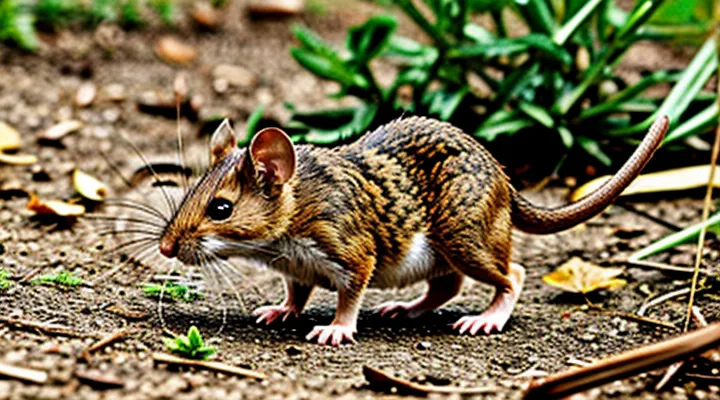
Understanding Field Mice
What is a Field Mouse?
General Characteristics
Field mice are small rodents typically measuring 6–10 cm in body length, with tails of comparable length. Their mass ranges from 10 to 30 g, varying by species and season. Coat coloration spans brown to gray, providing camouflage in grasslands and agricultural fields.
These mammals exhibit a rapid life cycle. Gestation lasts 19–22 days, and litters contain 4–8 offspring. Sexual maturity is reached at 6–8 weeks, allowing multiple breeding cycles each year. High reproductive output contributes to population resilience but also to a strong instinct to avoid prolonged human contact.
Diet consists primarily of seeds, grains, and occasional insects. Foraging behavior is opportunistic; individuals explore new food sources quickly but retain a preference for familiar items. This flexibility can facilitate conditioning when food rewards are consistently presented.
Sensory systems are finely tuned for predator detection. Large, mobile ears detect high‑frequency sounds, while whiskers sense minute air currents. Vision is adapted to low‑light environments, emphasizing motion detection over detail. These traits produce a heightened startle response to sudden stimuli, complicating habituation attempts.
Social structure is largely solitary, with brief interactions limited to mating and territorial disputes. Aggressive displays, such as ultrasonic vocalizations and rapid retreats, dominate encounters with conspecifics and potential threats. The lack of stable group dynamics reduces opportunities for social learning that might otherwise aid tameness.
Behavioral adaptability includes nocturnal activity patterns and the capacity to exploit human‑altered habitats. When provided with secure shelter, consistent feeding schedules, and minimal stressors, individual field mice can develop limited tolerance to human presence. Nonetheless, innate wariness, rapid breeding, and sensory vigilance impose clear boundaries on the extent of domestication achievable.
Natural Habitat and Behavior
Field mice inhabit temperate grasslands, agricultural fields, and edges of wooded areas where ground cover is dense. They prefer locations offering abundant seeds, insects, and shelter such as tall grasses, leaf litter, or burrow systems. Seasonal variations drive movement; in winter they retreat to deeper burrows, while spring and summer bring increased foraging activity in open fields.
Behaviorally, field mice are nocturnal omnivores. Their diet consists primarily of seeds, grains, and small invertebrates, supplemented by plant material during scarcity. They exhibit high reproductive rates, with multiple litters per year and gestation lasting approximately three weeks. Social structure is loosely organized; individuals defend personal foraging territories but may share nesting sites during breeding periods.
Key traits influencing human interaction include:
- Acute hearing and whisker sensitivity, enabling detection of predators and subtle environmental changes.
- Rapid escape responses; when threatened, mice dash to the nearest cover within seconds.
- Strong scent marking, used to delineate territory and communicate reproductive status.
These ecological and behavioral characteristics create inherent challenges for domestication. The species’ reliance on natural cover, instinctual wariness, and reproductive drive limit the feasibility of sustained tameness.
Why Consider Taming a Field Mouse?
Curiosity and Fascination
Human interest in the prospect of domesticating a field mouse stems from innate curiosity about wild animal behavior and the allure of turning a shy, nocturnal creature into a companion. This fascination arises from several interconnected factors:
- Observation of rapid learning abilities in small rodents, which suggests potential for conditioned responses.
- The contrast between the mouse’s natural wariness and the possibility of a controlled, safe environment.
- Historical anecdotes of individuals successfully habituating wild mammals, fueling speculation about similar outcomes for field mice.
Scientific studies reveal limits that shape realistic expectations. Field mice possess strong survival instincts, high stress sensitivity, and a diet tightly linked to seasonal availability. Attempts at taming often result in short‑term habituation rather than lasting docility. Conditioning protocols can reduce fear responses, yet the animal’s intrinsic drive to flee remains dominant.
Practical considerations for those intrigued by the idea include:
- Providing a secure enclosure that mimics natural shelter without excessive confinement.
- Implementing gradual exposure to human presence, using positive reinforcement such as preferred seeds.
- Monitoring health indicators to prevent stress‑induced ailments, which can quickly undermine progress.
Overall, curiosity drives exploration of taming possibilities, while fascination sustains continued inquiry despite biological constraints. The balance of these motivations informs both amateur experimentation and scholarly research into the feasibility of domesticating field mice.
Educational Value
The attempt to domesticate a small wild rodent offers concrete lessons for biology curricula, animal‑behavior studies, and ethical discussions. Direct observation of a field mouse’s response to handling reveals innate survival mechanisms, such as heightened startle reflexes and rapid habituation thresholds. These phenomena illustrate core concepts of instinct versus learned behavior without resorting to abstract speculation.
Students gain practical experience in:
- Identifying species‑specific sensory cues that trigger fear or curiosity.
- Measuring stress indicators (e.g., cortisol levels, heart rate) before and after exposure to human contact.
- Designing controlled enrichment protocols to assess the limits of conditioning.
- Evaluating welfare implications through established humane‑care guidelines.
The constraints encountered—limited social structure, high predation anxiety, and a short reproductive cycle—highlight the biological boundaries that prevent sustained tameness. Recognizing these limits reinforces the principle that not all wildlife can be transformed into reliable companions, a point essential for responsible wildlife education.
Integrating field‑mouse taming experiments into lesson plans bridges theoretical content with observable outcomes, fostering analytical skills and reinforcing evidence‑based conclusions about animal adaptability.
The Challenges of Taming a Field Mouse
Wild Animal Instincts
Fear and Stress Responses
Field mice exhibit acute fear responses when confronted with unfamiliar stimuli. Sudden movements, loud noises, or the presence of predators trigger a cascade of neuroendocrine events that elevate corticosterone levels and activate the sympathetic nervous system. The resulting physiological changes—tachycardia, rapid respiration, and heightened vigilance—prepare the animal for escape rather than interaction.
Stress responses intensify under repeated handling. Chronic elevation of stress hormones suppresses immune function, impairs learning, and reduces appetite. Consequently, attempts to habituate a wild mouse encounter diminishing returns after a limited number of exposures. The animal’s natural wariness can be mitigated only within a narrow window of low‑intensity, predictable interactions.
Key factors influencing the feasibility of domestication:
- Predictability: Consistent, gentle handling reduces uncertainty, lowering cortisol spikes.
- Duration: Short, frequent sessions (5–10 minutes) prevent chronic stress accumulation.
- Environment: Enclosures that mimic natural cover and provide escape routes lower baseline anxiety.
- Social context: Isolation increases stress; modest group housing can alleviate fear in some individuals.
Even under optimal conditions, the innate flight response remains dominant. Field mice retain a high threshold for trust, and complete tameness—characterized by voluntary approach and reduced stress markers—is rarely achieved. The biological limits of their fear circuitry define the realistic boundaries of domestication efforts.
Survival Mechanisms
Field mice survive through a combination of physiological, behavioral, and ecological adaptations that directly affect any attempt to domesticate them. Their small size and high metabolic rate demand frequent foraging, which drives relentless activity cycles and a strong drive for food acquisition. Acute olfactory and auditory senses enable detection of predators and prey at distances that exceed the capabilities of many captive environments, prompting rapid flight responses when startled.
Key survival mechanisms include:
- Burrowing proficiency – constructs complex tunnel systems that provide shelter, temperature regulation, and escape routes; the instinct to dig persists even in confined cages.
- Reproductive strategy – short gestation periods and large litters ensure population resilience; high reproductive output can mask stress‑induced infertility in captivity.
- Dietary opportunism – consumes seeds, insects, and plant material; flexibility allows exploitation of seasonal resources but also creates a need for constant food variety in captivity.
- Stress‑induced hyperactivity – elevated cortisol levels trigger increased locomotion and grooming; prolonged stress reduces immune function and lifespan.
- Territorial marking – deposits scent cues to delineate personal space; the presence of unfamiliar scents can provoke aggression or avoidance behaviors.
These mechanisms impose clear limitations on taming. Burrowing instincts require substrates that mimic natural soil, otherwise the animal exhibits stereotypic digging in inappropriate locations. Sensory hyper‑acuity makes habituation to human presence slow; repeated gentle handling may reduce fear, yet the innate flight response remains dominant. Reproductive vigor can lead to rapid population growth in a domestic setting, demanding diligent management to prevent overcrowding and associated health risks. Dietary breadth necessitates a rotating menu of seed, grain, and protein sources; failure to provide variety results in nutritional deficiencies and behavioral stress. Finally, chronic stress responses compromise immune defenses, making captive individuals more susceptible to disease.
Understanding these survival mechanisms clarifies why field mice retain strong wild characteristics despite controlled environments, and why successful taming requires meticulous replication of their natural ecological conditions.
Health and Safety Considerations
Zoonotic Diseases
Field mice (species of the genus Apodemus and related genera) frequently inhabit human‑adjacent environments such as gardens, barns, and grain stores. Their proximity creates a pathway for pathogens that can cross species barriers, making them relevant to any discussion of domestication feasibility.
Key zoonotic agents associated with field mice include:
- Hantaviruses – cause hemorrhagic fever with renal syndrome; transmission occurs through inhalation of aerosolized rodent excreta.
- Leptospira spp. – bacteria responsible for leptospirosis; spread via contact with contaminated urine or water.
- Salmonella enterica – food‑borne bacterial infection; rodents can contaminate stored foodstuffs.
- Bartonella spp. – agents of cat‑scratch disease and other febrile illnesses; transmitted by ectoparasites that feed on mice.
- Tick‑borne encephalitis virus – maintained in rodent‑tick cycles; humans acquire infection through tick bites after rodents amplify the virus.
These pathogens impose biological limits on taming attempts. Even under controlled housing, field mice retain natural behaviors that increase exposure risk: frequent grooming, territorial marking, and nocturnal activity that generate aerosolized particles. Immunocompromised individuals face heightened susceptibility, and standard pet‑care protocols (regular cleaning, personal protective equipment) only reduce, not eliminate, transmission probability.
Regulatory frameworks in many jurisdictions classify wild rodents as non‑domestic animals, requiring permits for captive keeping. Compliance mandates health‑screening procedures, quarantine periods, and documentation of disease‑prevention measures. Failure to meet these requirements can result in legal penalties and increased public‑health hazards.
In summary, while field mice can adapt to confined environments, the presence of multiple zoonotic agents, their inherent behavioral traits, and legal restrictions collectively constrain the practicality of domestication. Any attempt must incorporate rigorous biosecurity, veterinary oversight, and risk‑assessment protocols to mitigate health threats.
Potential for Bites
Field mice possess a natural wariness toward unfamiliar stimuli. When a human attempts to tame one, the animal’s defensive instincts can manifest as biting. The likelihood of a bite depends on several variables.
- Level of stress: High stress triggers aggressive responses. Sudden movements, loud noises, or abrupt handling increase bite risk.
- Previous exposure: Mice accustomed to human presence show reduced aggression. Lack of habituation correlates with higher bite frequency.
- Health status: Illness or injury may cause irritability, prompting defensive bites.
- Handling technique: Gentle, slow grip that supports the mouse’s body minimizes perceived threat. Rough or restrictive handling often provokes a bite.
Bite consequences include localized puncture wounds, potential infection, and transmission of zoonotic pathogens such as hantavirus. Proper wound care—immediate cleaning, disinfection, and medical evaluation—mitigates health risks.
Preventive measures focus on reducing perceived threat. Gradual acclimation, consistent low‑volume interaction, and the use of soft, well‑ventilated enclosures create an environment where biting becomes unlikely. Nonetheless, even with optimal conditions, a field mouse retains the capacity to bite when it interprets an action as dangerous.
Legal and Ethical Implications
Wildlife Protection Laws
Wildlife protection statutes establish the legal boundaries for interacting with native mammals, including small rodents such as field mice. Federal legislation, notably the Endangered Species Act, prohibits the capture, transport, or confinement of species listed as threatened or endangered. Although most field mouse populations are not federally protected, the act’s broad definition of “species” can extend coverage if a local subspecies attains a threatened status.
State and municipal codes often supplement federal rules. Typical provisions include:
- Prohibition of unlicensed removal of wildlife from public lands.
- Requirement for a wildlife handling permit when the animal is kept for research, education, or rehabilitation.
- Mandatory reporting of any mortality or injury resulting from capture.
Permits are issued by wildlife agencies after a review of the applicant’s purpose, facilities, and animal‑care plan. Exemptions may apply to accredited zoos, university laboratories, or licensed pest‑control operators, but each exemption demands documentation of containment measures and humane treatment protocols.
Attempting to domesticate a field mouse without proper authorization can result in civil penalties, forfeiture of the animal, and possible criminal charges. Compliance with the relevant statutes ensures that any taming effort does not conflict with conservation objectives and respects the regulatory framework governing native fauna.
Animal Welfare Concerns
Attempts to keep a field mouse as a companion animal generate several welfare concerns. The species is adapted to a life of foraging, burrowing, and high‑frequency social interactions within a colony. Captivity disrupts these patterns, often leading to chronic stress and impaired immune function.
Key welfare issues include:
- Stress response – confinement, limited enrichment, and human handling trigger elevated cortisol levels, which can suppress growth and reproduction.
- Nutritional deficiencies – commercial diets rarely match the diverse seed, insect, and plant material a wild mouse consumes, increasing the risk of malnutrition.
- Physical injury – small cages with inadequate ventilation or improper substrate cause footpad lesions, respiratory problems, and dental wear.
- Social deprivation – solitary housing contradicts the species’ natural gregariousness, resulting in abnormal behaviors such as excessive grooming or self‑mutilation.
Legal frameworks in many jurisdictions classify wild rodents as protected wildlife, restricting capture, transport, and long‑term captivity without permits. Ethical guidelines from veterinary and zoological societies advise against keeping wild rodents as pets unless a conservation or rehabilitation purpose justifies the intervention.
If a field mouse is to be cared for temporarily, best practices demand:
- Provision of a spacious enclosure with deep, clean bedding that allows natural digging.
- A diet replicating wild foraging options, supplemented with appropriate vitamins and minerals.
- Minimal handling, using gentle restraint techniques to reduce stress.
- Regular health monitoring by a veterinarian experienced with small mammals.
Adhering to these standards mitigates the primary welfare risks associated with domesticating a field mouse, while acknowledging the species’ intrinsic need for a free‑range environment.
Approaches to Interacting with Field Mice
Observation in the Wild
Respecting Natural Boundaries
Field mice retain strong survival instincts that shape their behavior, diet, and social structure. Any attempt to alter these patterns must acknowledge the animal’s inherent need for autonomy and environmental cues. Ignoring these factors leads to heightened stress, reduced health, and a rapid decline in the mouse’s willingness to interact.
Respect for natural limits translates into concrete practices:
- Provide a habitat that mimics outdoor conditions: nesting material, hideouts, and a substrate for foraging.
- Limit direct handling to brief, calm sessions; prolonged contact disrupts natural grooming and vigilance routines.
- Offer food that reflects the species’ typical diet—seeds, insects, and occasional greens—rather than processed human staples.
- Observe and respond to signs of agitation, such as rapid retreat, vocalizations, or excessive grooming, by reducing human presence.
Ethical considerations reinforce the need for boundaries. Captivity should not replace the mouse’s role in the ecosystem; release into a suitable environment remains the preferred outcome when feasible. When domestic interaction is pursued, it must remain supplemental, not substitutive, to the animal’s innate lifestyle.
Successful coexistence hinges on recognizing that taming does not equate to domestication. The goal is a respectful partnership that honors the mouse’s wild heritage while allowing limited, humane engagement.
Passive Engagement
Passive engagement refers to a non‑intrusive approach that relies on observation, consistent presence, and minimal direct interaction. When attempting to habituate a wild field mouse, this method emphasizes the animal’s comfort zone, allowing it to become accustomed to human proximity without forced handling.
Key elements of passive engagement include:
- Steady visual contact: Maintain a fixed position near the mouse’s shelter, avoiding sudden movements that could trigger a flight response.
- Routine feeding: Place small, nutritionally appropriate morsels at a set distance, replenishing them at the same time each day.
- Environmental consistency: Preserve the natural substrate, lighting, and temperature to reduce stress and encourage exploratory behavior.
The approach can lead to reduced wariness, enabling the mouse to approach food sources and eventually tolerate gentle touches. However, limitations are inherent. Field mice possess strong predator‑avoidance instincts; even with repeated exposure, they may never accept direct handling. Their small size and delicate physiology make them vulnerable to injury from improper contact, and prolonged captivity can compromise immune function. Moreover, passive engagement does not alter the animal’s innate social structure, so expectations of full domestication remain unrealistic.
Creating a Safe Environment (if applicable)
Enclosure Requirements
A field mouse that is being considered for domestication requires an enclosure that meets specific physical and environmental standards. The structure must prevent escape, provide adequate space for natural movement, and protect the animal from external threats.
- Minimum floor area: 0.5 m² per individual; larger for groups.
- Height: at least 30 cm to allow climbing and vertical exploration.
- Materials: solid, non‑toxic wood or metal; mesh size no larger than 5 mm to block exits.
- Ventilation: multiple openings with fine mesh to ensure airflow while maintaining security.
- Bedding: absorbent, dust‑free substrate such as aspen shavings; replace weekly to control odor and waste.
- Enrichment: nesting materials, tunnels, and chewable items to stimulate foraging behavior.
- Cleaning schedule: full substrate change every 7–10 days; spot cleaning of soiled areas daily.
- Location: quiet area away from predators, drafts, and direct sunlight; stable temperature between 18–24 °C.
Compliance with these criteria creates a stable habitat that supports the health and behavioral needs of a field mouse while minimizing the risk of escape or stress.
Diet and Nutrition
Field mice require a diet that mirrors their natural foraging habits. In the wild they consume seeds, grains, insects, and occasional plant material; these components provide the protein, carbohydrates, fats, vitamins, and minerals essential for growth, reproduction, and immune function. Replicating this balance in captivity reduces stress and supports health, which are prerequisites for any attempt at habituation.
A practical feeding regimen includes:
- Whole grains (e.g., millet, oats, wheat) – primary carbohydrate source.
- Small insects (e.g., crickets, mealworms) – high‑quality protein and chitin for gut health.
- Fresh greens (e.g., dandelion leaves, clover, spinach) – vitamins A, C, K, and fiber.
- Nuts or seeds (e.g., sunflower, pumpkin) – essential fatty acids and trace minerals, offered sparingly to avoid obesity.
- Clean water – available at all times, refreshed daily.
Portion sizes should reflect the mouse’s body weight (approximately 10–20 g). A daily intake of 3–5 % of body mass, divided into two feedings, prevents overconsumption and encourages natural foraging behavior. Monitoring fecal consistency and body condition score provides immediate feedback on nutritional adequacy.
Supplementary considerations:
- Avoid processed human foods containing added sugars, salts, or preservatives, as they disrupt electrolyte balance and gut flora.
- Eliminate toxic plants (e.g., hemlock, foxglove) from the enclosure; accidental ingestion can cause rapid organ failure.
- Provide a grit source (e.g., fine sand) to aid in the digestion of seed coats and exoskeleton fragments.
Consistent provision of a balanced diet enhances physiological stability, which in turn increases the likelihood that a field mouse will tolerate human presence. However, nutritional management alone cannot override innate wariness; successful habituation still depends on gradual exposure, environmental enrichment, and respect for the animal’s natural instincts.
Gradual Acclimation Techniques
Patience and Consistency
Patience and consistency form the foundation of any effort to domesticate a wild field mouse. These rodents possess strong survival instincts; gradual exposure to human presence reduces stress responses only when interactions occur regularly over extended periods.
A systematic approach includes:
- Daily short sessions lasting 5‑10 minutes, during which the mouse is offered food from the handler’s hand.
- Steady routine of feeding times, lighting, and cage cleaning to create predictable environmental cues.
- Incremental increase in handling duration, never exceeding the animal’s tolerance threshold.
Repeated, low‑stress encounters condition the mouse to associate humans with reliable resources. Abrupt changes or irregular contact reinforce fear, undermining progress. Consistency in timing, tone of voice, and gentle movements builds a sense of safety that can eventually allow the mouse to accept brief handling without immediate escape attempts.
Limits persist: field mice retain a natural wariness that may never fully disappear, and physiological stress markers often rise when confinement exceeds natural ranges. Even with diligent patience, complete tameness—defined as voluntary, prolonged interaction—remains unlikely for most individuals. Nonetheless, sustained, predictable care can achieve a measurable reduction in flight behavior, enabling limited handling suitable for observation or minimal companionship.
Minimizing Stressors
A field mouse accustomed to open fields experiences heightened anxiety when confined. Reducing anxiety is essential for any attempt to tame such a creature.
Key stress sources include abrupt lighting changes, cramped cages, unpredictable handling, unfamiliar scents, and sudden noises. Each factor triggers a physiological fight‑or‑flight response that hinders habituation.
Practical measures to lower stress:
- Provide a spacious enclosure with nesting material and multiple hiding spots.
- Maintain a consistent light‑dark cycle that mimics natural daylight patterns.
- Introduce the mouse to human contact gradually; start with brief, gentle presence, then progress to light touch.
- Use a diet that mirrors wild foraging options—seeds, insects, and fresh greens—to avoid nutritional shock.
- Keep the environment quiet; place the cage away from loud appliances and foot traffic.
- Eliminate predator cues such as cat odors or sharp shadows by cleaning regularly and using neutral bedding.
When stressors are minimized, the mouse exhibits calmer behavior, increased willingness to explore, and a higher probability of forming a bond with its caretaker.
Limitations of Taming
True Domestication vs. Habituation
Genetic Predisposition
Genetic predisposition determines whether a field mouse can adapt to human interaction. Wild populations exhibit alleles linked to heightened stress reactivity, reduced social tolerance, and strong foraging instincts. These traits impede habituation and reinforce avoidance of confined environments.
Key genetic factors influencing tameness include:
- HPA‑axis regulation genes – variants that amplify cortisol release amplify fear responses to handling.
- Oxytocin receptor polymorphisms – reduced receptor expression correlates with lower affiliative behavior toward humans.
- Neurotransmitter synthesis genes – decreased dopamine turnover diminishes reward perception from positive human contact.
Selective breeding can shift allele frequencies toward reduced stress reactivity, but the limited genetic pool in field mice constrains rapid change. Even with targeted breeding, inherent wild‑type traits persist, setting a ceiling on the degree of domestication achievable.
Behavioral Modification Limits
Field mice exhibit strong innate wariness that hinders systematic training. Their survival strategy relies on rapid flight responses to novel stimuli, which limits the duration of any conditioning session. Repeated exposure to a specific cue can produce a modest, short‑term association, but the animal quickly reverts to its default avoidance when the cue is removed.
Key constraints on behavioral modification include:
- Neophobia – immediate reluctance to approach unfamiliar objects or environments; overrides positive reinforcement unless the stimulus is introduced gradually over many weeks.
- Stress sensitivity – elevated cortisol levels during handling suppress learning and increase the likelihood of escape attempts.
- Social isolation – field mice are solitary in the wild; prolonged confinement reduces motivation to engage with a caretaker and can lead to aggression.
- Limited cognitive bandwidth – problem‑solving capacity is oriented toward foraging and predator evasion, not complex task execution.
Even with optimal conditions—consistent, low‑intensity rewards, minimal handling stress, and a stable habitat—behavioral change remains partial. The mouse may learn to approach a food dispenser or tolerate gentle touch, but it will not adopt the predictable, domesticated patterns seen in species selectively bred for companionship. Consequently, expectations should be confined to minor habit adjustments rather than full tameness.
Short Lifespan
Impact on Long-Term Taming Efforts
Field mice exhibit rapid habituation to human presence, yet their innate wariness limits sustained domestication. Early exposure to gentle handling can reduce stress responses, but the effect diminishes if intervals between interactions exceed several weeks. Consequently, consistency in caretaker contact is essential for maintaining tameness over months.
Long‑term taming projects encounter several biological constraints:
- Reproductive cycles – breeding seasons trigger heightened territoriality, causing temporary regression in tame behavior.
- Metabolic demands – high energy requirements demand a diet that mimics natural foraging; inappropriate feeding leads to health decline and loss of trust.
- Sensory sensitivity – acute hearing and olfaction cause mice to react to sudden noises or unfamiliar scents, interrupting conditioning progress.
Environmental factors also shape outcomes:
- Enclosure complexity – provision of nesting material and escape routes reduces anxiety, supporting stable tameness.
- Social structure – solitary mice adapt slower than those raised in small groups, where peer interactions reinforce calmness.
Strategic approaches to mitigate these limitations include:
- Scheduled interaction – daily, short handling sessions maintain habituation without overstressing the animal.
- Gradual environmental enrichment – incremental introduction of novel objects prevents sensory overload.
- Selective breeding – pairing individuals that display reduced flight responses can enhance tameness across generations.
Overall, the feasibility of long‑term taming hinges on sustained, low‑stress human contact, careful management of physiological needs, and controlled environmental conditions. Failure to address any of these elements typically results in regression to wild‑type behavior within a few weeks.
Releasing a Tamed Mouse Back to the Wild
Reduced Survival Skills
Taming a field mouse inevitably alters its natural behavior. Domestic interaction replaces the need to locate food, resulting in diminished foraging ability. The mouse becomes reliant on human-provided nourishment, which weakens its capacity to assess resource availability and to develop efficient search patterns.
Exposure to predators declines when the animal lives in a protected environment. Consequently, instinctive vigilance and escape responses deteriorate. The mouse loses practice in recognizing threat cues, reducing its speed and accuracy in evading danger.
Social learning among wild conspecifics ceases. Skills transmitted through observation—such as nest construction techniques and optimal nesting site selection—are no longer reinforced. The mouse may produce inadequate shelters, increasing vulnerability to temperature extremes and parasites.
Specific survival competencies that regress under domestication:
- Identification of edible seeds and insects
- Rapid assessment of predator presence
- Execution of evasive maneuvers
- Construction of insulated nests
- Regulation of body temperature through behavioral adjustments
These regressions limit the mouse’s ability to survive outside a controlled setting. Reintroduction into a natural habitat would require extensive retraining or selective breeding to restore the compromised competencies.
Ethical Dilemmas
Taming a field mouse raises several ethical concerns that must be examined before any attempt at domestication.
The animal’s natural behavior includes high stress responsiveness and a strong instinct to flee predators. Captivity can induce chronic anxiety, leading to physiological disturbances such as elevated cortisol levels, impaired immune function, and reduced lifespan. Deliberately imposing such conditions violates basic animal‑welfare principles that require the provision of environments allowing species‑specific behaviors.
Ecological ramifications also merit scrutiny. Removing wild individuals from their habitats disrupts local food webs; field mice serve as prey for raptors, snakes, and small carnivores. Their removal may cause predator populations to decline or force predators to shift predation pressure onto other species, potentially destabilizing ecosystems.
Legal frameworks differ across jurisdictions. Many regions classify wild rodents as protected wildlife, prohibiting capture, transport, or confinement without a permit. Violating these statutes can result in fines, loss of research credentials, or criminal prosecution.
Research ethics demand transparent justification for using wild animals in experimental or educational settings. Institutional review boards typically require evidence that the scientific benefit outweighs the welfare cost, and that alternative models (e.g., laboratory‑bred rodents) cannot achieve the same objectives.
Potential owners must consider the risk of zoonotic disease transmission. Field mice can harbor pathogens such as hantavirus, leptospira, and various ectoparasites. Improper handling increases the likelihood of human infection and may spread disease to other domestic animals.
Key dilemmas can be summarized:
- Welfare vs. curiosity – balancing the desire to study or keep a mouse against the animal’s capacity for suffering.
- Conservation impact – assessing how individual removal affects population dynamics and predator–prey relationships.
- Regulatory compliance – ensuring actions align with wildlife protection laws.
- Scientific justification – providing rigorous rationale for using a wild mouse rather than an established laboratory model.
- Public health – preventing disease transmission through proper hygiene and veterinary oversight.
Decision‑makers should evaluate each point systematically, documenting risk assessments and mitigation strategies before proceeding with any taming effort.