
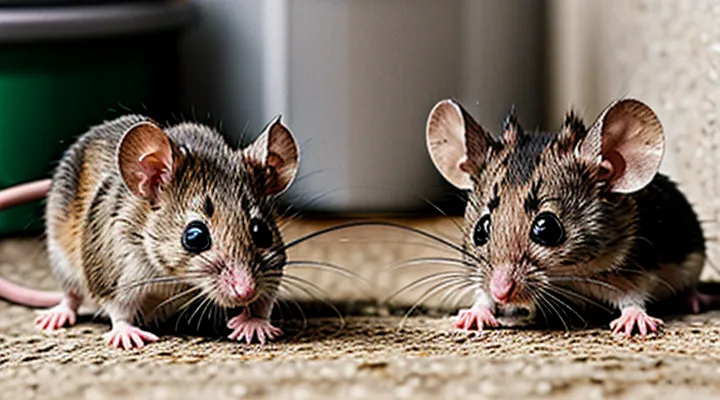
Understanding House Mice as Pets
Why Choose a House Mouse?
«Temperament and Behavior»
House mice kept as companions display a calm disposition when provided with a secure enclosure and regular interaction. Individuals tend to be shy around unfamiliar people but become tolerant after consistent gentle handling. Socialization through brief daily sessions reduces fear responses and encourages curiosity.
Typical behavior includes nocturnal activity, exploratory foraging, and occasional grooming bouts. Mice construct burrows or nest structures using supplied material, which reflects their instinct to create safe hideaways. Their vocalizations consist of soft squeaks that signal contentment, while louder chirps may indicate distress or territorial agitation.
Key characteristics of pet mouse temperament and behavior:
- Adaptability – quickly adjusts to stable environmental conditions; sensitive to abrupt temperature changes.
- Territoriality – establishes a personal space within the cage; may react defensively to intruders.
- Playfulness – engages in running, climbing, and object manipulation; benefits from enrichment items.
- Hierarchy – in groups, a dominant individual emerges; subordinates display submissive postures.
Understanding these traits assists prospective owners in selecting appropriate housing, enrichment, and handling techniques, thereby promoting a harmonious relationship with the animal.
«Care Requirements Overview»
A mouse kept as a household pet requires a secure enclosure, balanced nutrition, regular health checks, social interaction, and environmental enrichment.
The cage should be spacious enough for climbing and nesting, with solid flooring to prevent foot injuries. Provide a minimum of 10 inches of floor space per mouse, and include a separate nesting area lined with soft material. Install a solid‑bottom cage or use a fine‑mesh base covered with a safe substrate such as paper bedding; avoid cedar or pine, which release harmful oils.
Nutrition consists of a high‑quality commercial mouse pellet as the staple, supplemented with fresh vegetables (e.g., carrots, broccoli) and occasional protein sources like boiled egg or mealworm. Water must be available at all times in a sipper bottle; replace it daily to prevent contamination.
Health maintenance includes weekly inspection for signs of respiratory distress, skin lesions, or abnormal behavior. Schedule a veterinary examination at least once a year, and monitor weight to detect under‑ or over‑feeding. Quarantine new arrivals for a minimum of two weeks before introducing them to an existing group.
Mice are social animals; housing them in same‑sex pairs or small groups reduces stress and promotes natural behaviors. Observe hierarchy dynamics and separate individuals showing aggression. Provide daily handling sessions to build trust, using gentle restraint and allowing the mouse to explore the hand.
Environmental enrichment is essential for mental stimulation. Include chewable items (untreated wooden blocks), tunnels, wheels with a solid surface, and climbing structures. Rotate toys regularly to maintain interest and prevent boredom.
Adhering to these guidelines ensures a healthy, active mouse that thrives in a domestic setting.
Legal and Ethical Considerations
«Local Regulations for Rodent Ownership»
Local authorities often impose specific rules on keeping rodents as pets. Ignoring these rules can result in fines, forced removal of the animal, or legal disputes with landlords and neighbors.
Regulatory categories typically include:
- Permit requirements – some jurisdictions demand a license for non‑traditional pets, including mice.
- Zoning restrictions – residential zones may prohibit certain species or limit the number of animals per household.
- Housing agreements – landlords and homeowners’ associations frequently embed pet clauses that define allowable species, cage size, and sanitation standards.
- Health and safety codes – public health departments may require cages to meet ventilation, containment, and waste‑management criteria to prevent disease transmission.
To confirm applicable rules, consult the following sources:
- Municipal or county animal control websites for licensing information.
- Zoning maps or planning department publications for area‑specific prohibitions.
- Lease contracts, HOA bylaws, and building management policies for private‑property constraints.
- State or provincial wildlife agencies for species‑level restrictions.
Compliance steps:
- Identify the governing body (city, county, HOA) responsible for pet regulations.
- Retrieve the latest ordinances or policy documents; note deadlines for permit applications.
- Complete required forms, pay associated fees, and retain proof of compliance.
- Ensure the mouse’s enclosure meets stipulated size, material, and sanitation standards.
- Keep records of veterinary checks and health certifications if mandated.
Adhering to local regulations safeguards the animal’s welfare, protects the owner from legal repercussions, and fosters responsible pet ownership within the community.
«Ethical Sourcing Practices»
When selecting a mouse for a home environment, the source must meet defined ethical standards. Suppliers should demonstrate compliance with animal welfare regulations, provide transparent breeding records, and ensure that mice are raised in conditions that minimize stress and disease. Documentation of veterinary oversight and regular health screenings further confirms responsible care.
Key criteria for ethical sourcing include:
- Certified breeders or reputable rescue organizations with documented health protocols.
- Proof of humane handling practices, such as minimal use of restraints and provision of enrichment.
- Absence of wild-caught specimens, which often involve illegal trade and poor treatment.
- Clear policies on genetic diversity to avoid inbreeding and associated health problems.
Purchasers should request the following information before finalizing a transaction:
- Breeder or rescue accreditation numbers.
- Detailed health history of the individual mouse, including vaccinations and deworming.
- Description of the housing environment where the mouse was raised.
- Guarantees regarding the mouse’s age, temperament, and suitability for a domestic setting.
By adhering to these guidelines, prospective owners secure a pet that originates from a responsible supply chain, reducing the risk of supporting exploitative practices and enhancing the long‑term wellbeing of the animal.
Where to Acquire a House Mouse
Reputable Breeders
«Finding Local Breeders»
Finding a reputable local breeder ensures a healthy mouse and reliable support. Start with a systematic search: use specialized forums, regional pet‑store directories, and social‑media groups dedicated to small‑animal owners. Ask veterinarians for referrals and attend local rodent exhibitions where breeders showcase their stock.
- Identify breeders with a public website or social‑media presence.
- Verify that they maintain a clean, well‑ventilated facility.
- Request health records, including vaccination and parasite‑free certification.
- Confirm that the breeder offers a written health guarantee and a return policy.
- Arrange a visit to observe breeding conditions and interact with the animals.
Assess each breeder’s practices before committing. Look for evidence of selective breeding, consistent litter sizes, and clear documentation of parentage. A willingness to answer detailed questions and provide ongoing advice indicates professionalism.
Check local regulations regarding the transport of small mammals. Secure appropriate carriers, ensure the mouse is acclimated to temperature fluctuations, and follow any mandatory quarantine periods. By following these steps, you obtain a pet mouse from a trustworthy source and reduce the risk of health issues.
«Questions to Ask a Breeder»
When selecting a mouse breeder, focus on information that confirms the health, temperament, and ethical standards of the operation. Direct questions provide the most reliable insight.
- What health screenings are performed on the breeding stock? Request details on common conditions such as respiratory infections, dental disease, and genetic disorders, and ask for recent veterinary reports.
- How frequently are cages cleaned and what sanitation protocols are followed? Inquire about bedding changes, disinfection methods, and the use of safe cleaning agents.
- What is the average age at which mice are weaned and made available for sale? Confirm that the animals are at least four weeks old, allowing sufficient development.
- Can you describe the social environment? Ask whether mice are housed in compatible groups, how aggression is managed, and whether they receive regular handling.
- Are the parents’ lineage and any prior health issues documented? Request pedigree information and any known hereditary problems.
- What diet is provided to the breeding colony? Verify that a balanced, nutritionally complete feed is used, supplemented with fresh vegetables and occasional treats.
- Do you offer a health guarantee or a return policy if the mouse develops illness shortly after purchase? Clarify the terms, including required veterinary confirmation.
- How do you handle transportation? Ask about the type of container, temperature control, and measures taken to reduce stress during delivery.
- Are you a member of any professional or hobbyist association? Membership often indicates adherence to industry best practices.
- Can you provide references from recent customers? Direct contact with other mouse owners can confirm reliability.
Collecting clear answers to these points reduces the risk of acquiring an unhealthy or poorly socialized pet, ensuring a smooth transition for the new mouse into a home environment.
Pet Stores
«Evaluating Pet Store Conditions»
When considering a purchase, verify that the store maintains standards that protect the animal’s welfare and the buyer’s expectations.
First, inspect the environment. Clean floors, unobstructed ventilation, and well‑maintained cages indicate proper hygiene. Observe the mice: alert behavior, bright eyes, and intact fur suggest good health. Check that cages provide enough space for movement and include enrichment items such as tunnels or chew toys.
Second, evaluate staff competence. Knowledgeable employees should answer questions about diet, housing, and common health issues without hesitation. Ask about quarantine procedures for new arrivals; a dedicated area reduces disease transmission.
Third, review documentation. Reputable outlets keep records of veterinary checks, breeding sources, and any recent treatments. Availability of a health guarantee or return policy adds accountability.
Finally, consider purchasing logistics. Confirm that the store offers safe transport containers and clear instructions for acclimating the mouse to a new home. A concise, written care sheet reinforces proper handling from the first day.
By applying these checkpoints, buyers can select a store that meets essential criteria for the safe acquisition of a pet mouse.
«Dangers of Impulse Purchases»
Impulse decisions often precede the acquisition of a pet mouse, yet they bypass essential assessments of cost, care requirements, and suitability. Rapid purchases ignore price variations among reputable breeders, pet stores, and rescue organizations, leading to unexpected expenses for cages, bedding, and veterinary checks.
Unplanned acquisitions increase the likelihood of inadequate housing. Standard cages may lack proper ventilation, enrichment, or escape-proof construction, which compromises the animal’s health and can trigger stress‑induced diseases. Without research, owners may select inappropriate diet formulations, exposing mice to nutritional deficiencies or obesity.
Legal repercussions arise when buyers neglect local regulations concerning exotic or small‑rodent ownership. Impulsive transactions often omit verification of the seller’s licensing status, increasing the risk of acquiring illegally sourced animals and incurring fines or confiscation.
Ethical concerns surface when impulse buying circumvents responsible sourcing. Animals obtained from unverified vendors may have endured poor breeding conditions, genetic defects, or inadequate socialization, resulting in long‑term welfare issues that responsible owners must later address.
Key dangers of impulsive mouse purchases
- Financial strain from hidden costs (cage upgrades, health care, specialized feed)
- Substandard living environments due to insufficient research
- Increased susceptibility to disease and stress‑related disorders
- Violation of municipal or state animal‑ownership statutes
- Support of unethical breeding practices and compromised animal welfare
Mitigating these risks requires deliberate evaluation of supplier credibility, thorough budgeting, and a clear understanding of the mouse’s specific husbandry needs before finalizing any transaction.
Rescue Organizations and Shelters
«Benefits of Adoption»
Adopting a house mouse offers distinct advantages over purchasing from commercial breeders. Shelter organizations often provide animals that have already been socialized, reducing the adjustment period for new owners. Adoption fees typically cover initial veterinary assessment, microchipping, and basic health guarantees, delivering cost savings compared to market prices.
- Lower financial outlay: fees are modest and include essential medical care.
- Health assurance: screened for common ailments before placement.
- Ethical impact: rescues animals from overcrowded facilities, decreasing demand for mass breeding.
- Genetic diversity: adoptees may possess varied lineages, enriching breeding programs for future enthusiasts.
- Community support: shelters offer guidance on proper housing, nutrition, and enrichment.
These factors streamline the process of acquiring a pet mouse, ensuring a responsible, economical, and humane transition for both animal and owner.
«Adoption Process»
Acquiring a pet mouse begins with a structured adoption procedure that ensures the animal’s health, legal compliance, and smooth transition into a new home.
- Identify a reputable source such as a licensed breeder, a registered rescue organization, or an established animal shelter. Verify the source’s compliance with local animal‑welfare regulations.
- Request documentation confirming the mouse’s health status, including recent veterinary examinations and vaccination records if applicable.
- Complete any required adoption forms, providing accurate personal information for record‑keeping and future veterinary contact.
- Pay any adoption fees; these typically cover initial health screening, microchipping, and basic supplies.
A thorough health assessment must precede transfer. Veterinary checks should include evaluation for respiratory infections, parasites, and physical injuries. A certified health certificate, issued within a few days of adoption, serves as proof of fitness and may be required by local authorities.
Legal considerations vary by jurisdiction. Some regions mandate registration of small mammals, while others impose limits on the number of rodents per household. Review municipal ordinances and, if necessary, obtain a permit before finalizing the adoption.
Transport the mouse in a secure, ventilated carrier lined with familiar bedding. Maintain a stable temperature and avoid exposure to direct sunlight or drafts during travel. Upon arrival, place the carrier in a quiet area of the new enclosure, allowing the mouse to explore gradually. Provide fresh water, appropriate food, and enrichment items such as tunnels or chew sticks to reduce stress.
Following these steps ensures a responsible adoption, promotes the mouse’s well‑being, and facilitates a lasting, healthy pet relationship.
Avoiding Wild-Caught Mice
«Health Risks of Wild Mice»
When selecting a mouse for a home environment, the possibility of exposure to wild‑caught individuals creates a direct health concern. Wild mice carry pathogens that can affect both humans and other pets.
- Hantavirus: transmitted through aerosolized urine, droppings, or saliva; can cause severe respiratory illness.
- Lymphocytic choriomeningitis virus (LCMV): spreads via contact with infected bodily fluids; may lead to meningitis or encephalitis.
- Salmonella and other enteric bacteria: present in feces; cause gastrointestinal distress.
- Parasites such as mites, fleas, and pinworms: infestations result in skin irritation and secondary infections.
- Allergens: proteins in mouse urine and dander trigger respiratory reactions in sensitive individuals.
Preventive measures reduce these risks. Obtain mice from reputable breeders or pet stores that guarantee laboratory‑grade health standards. Quarantine new arrivals for at least two weeks, monitoring for illness or parasite signs. Implement regular cage cleaning with disinfectants approved for rodent use. Use protective gloves and masks when handling bedding or cleaning enclosures. Maintain indoor humidity below 50 % to discourage mite proliferation. Conduct veterinary health checks annually, focusing on parasite control and disease screening.
«Behavioral Challenges»
Pet mice present distinct behavioral patterns that require careful management. Their natural instincts drive frequent exploration, rapid movement, and strong territoriality, which can manifest as escape attempts, chewing, and aggressive displays toward cage mates.
Key challenges include:
- Escape behavior – mice exploit gaps and weak points; secure enclosures with fine mesh and latch mechanisms.
- Chewing tendency – constant gnawing protects teeth but damages accessories; provide safe chew toys and rotate enrichment items.
- Social hierarchy – dominant individuals may bully subordinates; monitor interactions and separate aggressive mice promptly.
- Nocturnal activity – peak activity occurs during darkness, generating noise and movement; locate cages in areas with minimal disturbance.
- Stress response – handling without proper acclimation triggers freezing or frantic sprinting; introduce contact gradually, using gentle, consistent strokes.
Mitigation strategies rely on environmental control, appropriate enrichment, and vigilant observation. Regular cage inspections, routine cleaning, and balanced group composition reduce the likelihood of problem behaviors. Consistent handling schedules condition mice to human presence, lowering stress and improving overall welfare.
How to Prepare for Your New Pet
Essential Supplies
«Housing and Enclosure Setup»
A suitable enclosure for a pet mouse must provide adequate space, ventilation, and security. Minimum dimensions are 12 inches tall, 12 inches wide, and 18 inches long; larger cages reduce stress and support natural activity. Wire cages with a solid floor prevent escape and allow easy cleaning, while clear acrylic models offer visibility but require reinforced bars to avoid breakage.
- Solid or mesh floor that can be covered with absorbent bedding.
- Bars spaced no more than ½ inch apart to block passage.
- Front and side panels of clear material for observation.
- Lockable doors with gentle‑closing mechanisms.
- Removable trays for waste removal.
Substrate should be dust‑free, absorbent, and safe for ingestion. Paper‑based bedding, aspen shavings, or coconut fiber meet these criteria; avoid pine or cedar, which emit harmful oils. Position the cage away from direct sunlight, drafts, and loud appliances to maintain a stable temperature (68–78 °F) and quiet environment.
- Hide boxes or tunnels for shelter.
- Solid‑surface running wheel (diameter ≥ 8 cm).
- Chewable blocks of untreated wood.
- Stainless‑steel water bottle with a sipper tube.
- Ceramic or metal feeding dish.
Cleaning routine: replace bedding weekly, scrub surfaces with mild detergent bi‑weekly, and disinfect the entire enclosure monthly. Inspect all components for wear; replace bars, wheels, or hideouts showing signs of damage promptly. Consistent maintenance preserves health, minimizes odor, and extends the lifespan of the enclosure.
«Food and Water Considerations»
A domestic mouse requires a balanced diet that supplies protein, carbohydrates, fats, vitamins, and minerals. Commercial rodent pellets provide a reliable base; they contain calibrated nutrient ratios and reduce the risk of deficiencies. Supplement the base with fresh items such as small pieces of boiled egg, low‑fat cheese, or cooked chicken, limiting portions to avoid digestive upset. Fresh fruits and vegetables—apple slices, carrot sticks, broccoli florets—add fiber and micronutrients, but remove uneaten portions within two hours to prevent spoilage.
Water must be clean, accessible, and refreshed daily. A sipper bottle with a stainless‑steel nozzle prevents contamination and reduces spillage compared to open dishes. Inspect the bottle for cracks and replace the tubing monthly. If a bowl is used, clean it with mild soap and rinse thoroughly each day; replace the water at least twice daily in warm environments.
Feeding schedule:
- Offer pellets continuously; they serve as the primary food source.
- Provide fresh supplements once or twice daily, removing leftovers promptly.
- Change water at least every 12 hours, or more often if the mouse is active or the ambient temperature exceeds 24 °C (75 °F).
Avoid toxic foods such as chocolate, caffeine, avocado, raw potatoes, and citrus peels. Monitor the mouse’s weight and coat condition; adjustments to the diet should follow any signs of weight loss, obesity, or fur deterioration.
«Bedding and Enrichment»
Bedding provides a safe, absorbent surface that controls odor and protects delicate foot pads. Choose material that is low‑dust, non‑toxic, and easy to replace.
- Paper‑based pellets or shredded paper: high absorbency, minimal dust, quick to change.
- Aspen shavings: unscented, low‑dust, natural texture suitable for burrowing.
- Coconut fiber: excellent moisture retention, biodegradable, but may require more frequent cleaning.
- Avoid cedar or pine: aromatic oils can irritate respiratory passages.
Enrichment supplies physical activity and mental challenge, reducing stress and preventing stereotypic behaviors. Items should be sturdy, chew‑safe, and sized for a mouse’s small stature.
- Running wheels with solid rims: promote aerobic exercise without risk of entrapment.
- Tubes, tunnels, and PVC pipes: simulate burrows, encourage exploration.
- Chew blocks of untreated wood or compressed hay: satisfy gnawing instinct, maintain dental health.
- Nesting material such as soft cotton or tissue paper: allows construction of private nests, supporting natural behavior.
Arrange bedding to a depth of 2–3 cm, covering the entire floor of the cage. Place enrichment objects at varying heights and orientations to create a three‑dimensional environment. Spot‑clean debris daily; replace the full bedding substrate weekly to maintain hygiene and odor control. Rotate enrichment items regularly to sustain novelty and engagement.
Initial Care Upon Arrival
«Acclimation Period»
The period immediately after a mouse arrives in a new home is critical for establishing health and behavior. During this time the animal adjusts to unfamiliar surroundings, diet, and handling practices.
A successful acclimation requires a stable environment. Place the cage in a quiet area away from direct sunlight, drafts, and loud noises. Maintain temperature between 68‑75 °F (20‑24 °C) and humidity around 40‑60 %. Keep bedding dry and provide a nest box for shelter.
Nutrition should remain consistent with the source’s diet for the first 48 hours. Offer fresh water and a small amount of the familiar food. After two days, introduce a balanced commercial mouse diet and occasional fresh vegetables to broaden nutrition.
Handling must be gradual. Begin with brief, gentle observation from a distance. After 24 hours, allow the mouse to explore the cage without interference. Introduce fingertip contact for a few seconds, increasing duration over several days. Monitor for signs of stress such as excessive grooming, reduced activity, or rapid breathing; adjust handling intensity accordingly.
Typical acclimation length ranges from three to seven days, depending on the mouse’s age, health, and previous exposure to humans. Document daily observations of weight, activity level, and coat condition. If weight loss exceeds 5 % of initial body mass or abnormal behavior persists beyond a week, consult a veterinarian specialized in small rodents.
Following the acclimation period, integrate enrichment items such as tunnels, chew toys, and climbing structures. Rotate these objects weekly to sustain mental stimulation and prevent boredom. Regular cleaning of the cage, with spot cleaning daily and full substrate replacement weekly, supports ongoing health.
By adhering to these steps, the mouse transitions from a transport stress state to a stable, thriving pet, laying the foundation for a long‑term, low‑maintenance companionship.
«First Vet Check-Up»
The first veterinary appointment for a newly acquired house mouse establishes a baseline of health and identifies any immediate concerns. A qualified small‑animal practitioner will perform a physical examination that includes assessment of weight, coat condition, eye clarity, ear cleanliness, and respiratory sounds. The veterinarian will also check for external parasites, such as mites or fleas, and may collect a fecal sample to screen for internal parasites.
Key components of the visit:
- Health history review – provide details on the mouse’s age, source, recent diet, and any observed behaviors.
- Physical exam – measurement of body length and weight, inspection of teeth, nails, and skin.
- Diagnostic sampling – fecal smear, possible blood draw for complete blood count if indicated.
- Preventive guidance – recommendations on cage hygiene, enrichment, nutrition, and safe handling techniques.
To prepare for the appointment, transport the mouse in a secure, well‑ventilated carrier with familiar bedding to reduce stress. Bring any documentation from the breeder or shelter, including vaccination or deworming records if available. Ask the veterinarian about the frequency of follow‑up checks, signs of illness to monitor, and the best practices for a mouse‑specific diet.
Selecting a veterinarian experienced with rodents ensures accurate interpretation of findings and appropriate care plans. Verify the clinic’s credentials, inquire about their experience with small mammals, and confirm that they have appropriate equipment for handling mice safely.
Caring for Your House Mouse
Daily Care Routine
«Feeding Schedules and Diet»
A balanced diet for a pet mouse consists mainly of high‑quality commercial mouse pellets, which provide essential protein, fiber, vitamins, and minerals. Supplement the pellets with small portions of fresh vegetables such as kale, carrot, and broccoli; these add moisture and additional nutrients. Occasional treats—hard‑boiled egg, mealworm, or a slice of apple—supply extra protein and enrichment, but should never exceed 10 % of the total daily intake. Foods that are toxic to mice, including chocolate, caffeine, citrus peel, onion, and raw beans, must be excluded entirely.
Feeding should follow a consistent routine. Offer fresh food twice a day, ideally in the early morning and early evening, aligning with the mouse’s natural activity periods. Provide enough pellets to fill the mouse’s cheek pouches, typically 1–2 g per feeding for an adult weighing 20–30 g. Remove uneaten fresh items after 2 hours to prevent spoilage. Adjust portions if the mouse gains or loses weight rapidly, and monitor for signs of over‑ or under‑eating.
Recommended daily components
- Commercial mouse pellets: 80–90 % of diet
- Fresh vegetables: 5–10 %
- Protein treats (egg, mealworm): ≤5 %
- Fresh water: continuously available in a spill‑proof bottle
Foods to avoid
- Chocolate, caffeine, alcohol
- Citrus peel, onion, garlic
- Raw beans, avocado, nuts with high fat content
Adhering to this schedule and composition supports healthy growth, dental wear, and overall vitality in a domesticated mouse. Regular observation of body condition and behavior confirms the adequacy of the feeding plan.
«Water Management»
When acquiring a pet mouse, reliable water provision is essential for health and hygiene. Proper water management prevents dehydration, reduces bacterial growth, and supports a stable environment inside the cage.
Select a water source that delivers clean, temperature‑stable liquid. Filtered tap water eliminates chlorine and sediments; bottled spring water supplies consistent mineral content. Avoid water that has been left standing for more than 24 hours, as stagnation encourages microbial proliferation.
Choose a delivery system that minimizes spill and contamination. Sipper bottles with stainless‑steel or polycarbonate tubing provide continuous access and limit evaporation. Bowls made of glazed ceramic allow easy observation of intake but require daily cleaning to prevent mold. Secure attachment to the cage frame reduces the risk of chewing damage.
Routine maintenance:
- Replace water daily; refill with freshly filtered or bottled supply.
- Clean sipper bottles with mild detergent, rinse thoroughly, and sterilize weekly in boiling water for five minutes.
- Inspect tubing for cracks or buildup; replace every three months.
- Monitor mouse consumption; a healthy adult drinks 5–7 ml per day.
Consistent application of these practices ensures that hydration needs are met, cage humidity remains within safe limits, and the overall living conditions support the mouse’s well‑being.
«Cage Cleaning and Maintenance»
Keeping the enclosure of a house mouse clean is essential for the animal’s health and for preventing odors that can affect the household. Regular cleaning eliminates waste, reduces the risk of bacterial growth, and maintains a stable environment for breeding and activity.
A practical cleaning schedule includes:
- Daily spot‑check: remove visible droppings, uneaten food, and soiled bedding.
- Weekly deep clean: empty the cage, discard all bedding, scrub surfaces with a mild, non‑toxic detergent, rinse thoroughly, and dry before adding fresh substrate.
- Monthly inspection: examine ventilation slots, water bottle, and chew toys for wear; replace any damaged items.
Key maintenance steps:
- Bedding management – Use absorbent, dust‑free material such as shredded paper or aspen chips; change it entirely during the weekly deep clean.
- Water system – Clean the bottle with a bottle brush, rinse with hot water, and sterilize with a diluted vinegar solution every two weeks.
- Food dish – Wash with warm, soapy water after each weekly cleaning; dry completely to prevent mold.
- Cage structure – Wipe bars and corners with a soft cloth soaked in diluted disinfectant; avoid harsh chemicals that could linger in the air.
- Accessory care – Rotate chew toys and hideouts; sterilize plastic items in boiling water for five minutes before reuse.
Consistent adherence to this routine minimizes health issues such as respiratory problems and skin infections, ensures the mouse remains active, and keeps the living area pleasant for owners who are integrating a new small‑pet into their home.
Health and Wellness
«Common Mouse Ailments»
When selecting a mouse for a home environment, awareness of prevalent health problems is essential to ensure a successful acquisition and long‑term welfare.
Common ailments affecting pet mice include:
- Respiratory infections – caused by Mycoplasma pulmonis or viral agents; symptoms are sneezing, nasal discharge, labored breathing. Maintain low humidity, provide clean bedding, and isolate affected individuals promptly.
- Mite infestations – typically Myobia musculinus; present as hair loss, itching, and crusty skin. Regular inspection, use of approved acaricides, and thorough cage cleaning prevent spread.
- Dermatitis – results from allergic reactions or bacterial overgrowth; characterized by redness, ulceration, and excessive grooming. Switch to dust‑free substrate, keep humidity stable, and seek veterinary treatment for topical therapy.
- Dental malocclusion – overgrown incisors impair feeding; signs include weight loss and difficulty gnawing. Provide constant access to chewable objects such as wooden blocks and schedule routine dental checks.
- Gastrointestinal disturbances – include diarrhea, bloating, and constipation; often linked to diet imbalances or stress. Offer a high‑fiber pellet diet, fresh water, and avoid sudden food changes.
- Neoplastic growths – particularly mammary adenomas in females; detectable as palpable masses. Early veterinary examination and regular health monitoring improve outcomes.
Preventive strategies encompass sourcing mice from reputable breeders or shelters with health‑screened stock, implementing a strict sanitation regimen, and establishing a relationship with a small‑animal veterinarian experienced in rodent care. Immediate identification and treatment of these conditions reduce morbidity and support a stable, thriving pet mouse in a household setting.
«Recognizing Signs of Illness»
When acquiring a pet mouse, the ability to identify health problems promptly safeguards the animal’s welfare and reduces treatment costs. Illness often manifests through observable changes; regular observation allows owners to intervene before conditions worsen.
Typical indicators include:
- Reduced activity – reluctance to explore, lingering in one spot, or diminished climbing.
- Altered grooming – excessive fur loss, bald patches, or a noticeably unkempt coat.
- Appetite changes – refusal to eat or drink, or sudden ravenous feeding.
- Respiratory signs – audible wheezing, labored breathing, or nasal discharge.
- Digestive disturbances – diarrhea, soft stools, or blood in feces.
- Weight loss – measurable decrease over days, despite unchanged food intake.
- Abnormal posture – hunching, dragging hind limbs, or difficulty maintaining balance.
- Eye or ear abnormalities – swelling, crusting, or discharge.
If any of these symptoms appear, the owner should isolate the mouse, monitor temperature and hydration, and consult a veterinarian experienced with small rodents within 24 hours. Early professional assessment improves prognosis and limits the spread of contagious agents to other pets.
Consistent record‑keeping of daily behavior, eating patterns, and weight provides a baseline for comparison. This practice enables swift detection of deviations and supports informed discussions with veterinary staff.
«Finding a Rodent-Savvy Veterinarian»
When purchasing a pet mouse, securing veterinary care specialized in small rodents is essential for the animal’s health and longevity. A veterinarian with rodent expertise can diagnose species‑specific conditions, advise on nutrition, and guide preventive measures such as parasite control.
To locate a qualified practitioner, follow these steps:
- Search online directories of veterinary clinics and filter for “exotic” or “small animal” services.
- Verify credentials by confirming board certification in exotic animal medicine or a documented history of treating rodents.
- Contact local pet stores or mouse breeders; they often recommend veterinarians familiar with mouse health issues.
- Review client testimonials on social media platforms or review sites to assess satisfaction and outcomes.
- Schedule an initial consultation to discuss the clinic’s experience with mouse anatomy, common illnesses (e.g., respiratory infections, dental problems), and emergency protocols.
Choosing a vet with proven rodent experience reduces the risk of misdiagnosis and ensures that routine care aligns with the specific physiological needs of a house mouse.
Enrichment and Socialization
«Toys and Activities»
A house mouse thrives when provided with enrichment that stimulates natural foraging, climbing, and chewing behaviors. Appropriate toys and activities reduce stress, prevent obesity, and support dental health.
Suitable enrichment items include:
- Untreated wooden blocks or branches for climbing and gnawing.
- Paper tubes, cardboard rolls, or PVC pipes to create tunnels and hideouts.
- Small chew sticks made from natural fibers such as willow or apple wood.
- Puzzle feeders that dispense treats when the mouse manipulates a lever or slides a door.
- Shredded tissue paper or toilet paper for nesting material.
Daily interaction enhances mental engagement. Rotate toys every few days to maintain novelty. Offer foraging opportunities by scattering seeds, dried insects, or small pieces of fruit across the cage floor. Introduce a shallow water dish with a floating object to encourage swimming attempts, but monitor closely to prevent drowning.
When selecting products, verify that all materials are non‑toxic, free of paint, glue, or metal components. Commercial mouse‑specific toys are available at reputable pet supply retailers; homemade items should be constructed from safe, untreated natural materials. Regular inspection for wear and replace damaged pieces promptly to avoid injury.
Implementing a varied enrichment program ensures a house mouse remains active, healthy, and behaviorally balanced.
«Handling and Bonding Techniques»
When a mouse becomes a new household member, consistent handling establishes trust and reduces stress. Begin with short, gentle sessions—no more than two minutes—while the mouse is calm in its cage. Use a clean, soft hand, allowing the animal to step onto the palm voluntarily. Gradually increase contact duration as the mouse shows relaxed posture and explores the fingers.
Key practices for effective bonding include:
- Routine exposure: Offer daily handling at the same time, creating a predictable pattern that the mouse associates with safety.
- Quiet environment: Perform sessions in a low‑noise area to prevent startling the animal.
- Positive reinforcement: After handling, provide a small treat such as a seed or a piece of fruit to link human interaction with reward.
- Gentle restraint: When necessary, cup the mouse lightly, supporting its body without gripping. This technique is essential for health checks or grooming.
Observe the mouse’s body language: flattened ears, a steady breathing rate, and exploratory sniffing indicate comfort, whereas rapid breathing, vocalizations, or attempts to escape suggest anxiety. Adjust the pace of interaction accordingly.
Consistent, calm handling coupled with brief, rewarding encounters cultivates a strong bond, making the mouse more approachable for routine care and enriching the pet‑owner relationship.