
Understanding Black Rats
Characteristics and Behavior
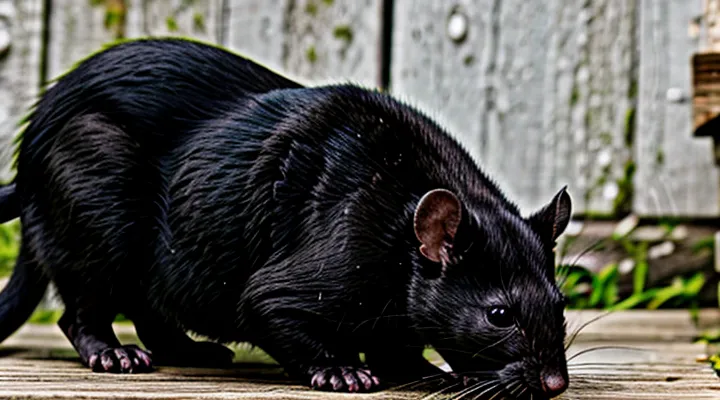
Physical Traits
Black rats (Rattus rattus) frequently invade rural dwellings, and their distinctive morphology enables precise identification and informs effective eradication measures.
- Body length: 16–24 cm, excluding the tail.
- Tail: longer than the head‑body ratio, slender, hairless, often exceeding body length.
- Fur: glossy, dark brown to black, with a slight sheen that distinguishes them from the lighter brown Norway rat.
- Ears: relatively large, naked, round, positioned high on the skull.
- Eyes: prominent, adapted for nocturnal activity.
- Whiskers: long, highly sensitive, extending well beyond the snout.
- Teeth: continuously growing incisors with orange‑tinged enamel, capable of gnawing through wood, insulation, and wiring.
- Feet: agile, equipped with sharp claws for climbing vertical surfaces and navigating narrow gaps.
These physical attributes facilitate entry through minute openings, support arboreal movement, and enable rapid colonisation of attic spaces, wall voids, and roof structures. Recognising the size of the tail, the darkness of the coat, and the shape of the ears allows pest‑control professionals to differentiate black rats from other rodent species, select appropriate traps, and target vulnerable entry points. Accurate identification reduces misapplication of control methods and improves the efficiency of removal programmes in cottage environments.
Habitat Preferences
Black rats (Rattus rattus) favor environments that provide shelter, warmth, and easy access to food and water. At a cottage, these conditions are commonly found in structural cavities, such as roof voids, wall voids, and beneath floorboards. The insects’ climbing ability allows them to reach elevated sites where insulation retains heat, creating a stable microclimate. Access points include gaps around eaves, loose siding, and unsealed utility penetrations.
Key habitat features preferred by black rats in a cottage setting:
- Proximity to food – stored grains, pet feed, compost, and unsecured garbage.
- Moisture sources – leaky pipes, standing water in basins, damp cellars.
- Dense vegetation – shrubs, ivy, and garden debris that connect the exterior to the building envelope.
- Cluttered interiors – piles of firewood, boxes, and unused furniture that offer hiding places.
- Structural defects – cracked foundations, broken vents, and damaged roofing material.
Understanding these preferences enables targeted inspection and preventive measures, reducing the likelihood of infestation by eliminating or reinforcing the identified habitat elements.
Dietary Habits
Black rats (Rattus rattus) that invade a cottage rely on food sources readily available in and around the structure. Their diet is highly opportunistic, allowing them to thrive in human‑occupied buildings.
Typical food items include:
- Stored grains, cereals, and flour
- Pet food left uncovered
- Fruit, berries, and vegetable scraps
- Insect larvae and adult insects found in gutters or damp areas
- Small vertebrates such as nestling birds or amphibians when accessible
When natural foraging opportunities are limited, rats will gnaw on structural components—wood, insulation, and wiring—to reach hidden food caches. This behavior accelerates property damage and increases the likelihood of infestation persistence.
Effective removal strategies must address dietary attractants. Key actions are:
- Seal all food containers in airtight, rodent‑proof containers.
- Eliminate outdoor feeding stations and clean up fallen fruit or compost.
- Store pet feed in metal or heavy‑duty plastic containers and remove leftovers promptly.
- Repair cracks, gaps, and openings that provide access to interior storage areas.
- Install bait stations with appropriate rodenticides, ensuring they are placed away from non‑target species.
By removing accessible nourishment and limiting entry points, the incentive for black rats to inhabit a cottage diminishes, facilitating long‑term control.
Why Black Rats Infest Cottages
Attractants
Food Sources
Food availability drives black rat presence in cottages. Rats locate and exploit any accessible nutrition, establishing a sustainable population that can rapidly expand.
- Stored grains, cereals, and flour left in open containers.
- Pet food left outdoors or in unsealed bags.
- Fruit, berries, and vegetable scraps placed on countertops or in compost bins.
- Birdseed and feed for wild birds placed near entry points.
- Unsecured garbage, especially food‑laden waste in outdoor bins.
Each source offers high caloric content and easy access. Sealing grain containers with airtight lids prevents rodents from chewing entry points. Storing pet meals in metal or heavy‑plastic containers eliminates spillover. Promptly cleaning food residues from surfaces and disposing of organic waste in rat‑proof bins removes attractants. Relocating bird feeders away from building foundations and using squirrel‑proof designs reduce foraging near the cottage. Regularly inspecting and tightening lid seals on trash cans blocks entry. By eliminating these nutrition options, the cottage becomes inhospitable, reducing rat activity and supporting effective removal efforts.
Shelter and Warmth
Rats seek out cottages because the structures provide reliable shelter and consistent warmth. Small openings in walls, eaves, and foundations allow entry, while insulated rooms maintain temperatures that support rat breeding and survival throughout the year.
The presence of heat sources such as fireplaces, wood‑stove vents, and electrical appliances creates micro‑environments where rodents can nest without exposure to cold. Even modest temperature differentials between interior and exterior spaces encourage rats to establish permanent colonies.
Effective reduction of shelter and warmth opportunities includes:
- Sealing gaps larger than ¼ inch with steel wool, caulk, or metal flashing.
- Installing door sweeps and weather stripping to block entry points.
- Insulating attics and crawl spaces to eliminate cold spots that attract nesting.
- Relocating firewood and stored materials away from the building envelope.
- Maintaining a minimum distance of 3 feet between vegetation and the cottage foundation.
Removing these conditions deprives rats of the essential resources needed for reproduction and survival, leading to a measurable decline in activity and preventing future infestations.
Water Access
Water availability directly influences black rat populations around cottages. Fresh water enables breeding, increases survival rates, and expands foraging range, making any uncontrolled source a focal point for infestation.
Common cottage water sources include outdoor spigots, leaking gutters, pet water dishes, bird baths, and standing rainwater in containers. Even minor drips create moist environments that sustain rodents for extended periods.
Managing water access reduces attraction and supports removal efforts:
- Repair all leaks in plumbing, roofing, and gutters promptly.
- Install splash‑proof covers on exterior faucets; shut them off when not in use.
- Relocate pet and bird water dishes indoors or use weighted trays that prevent spillage.
- Eliminate standing water by draining puddles, emptying barrels, and storing rain barrels with tight lids.
- Position mulch, firewood, and debris away from water points to avoid shelter near moisture.
Limiting water availability removes a primary incentive for rats, enhances the effectiveness of trapping or baiting programs, and prevents new colonies from establishing. Continuous monitoring of moisture sources ensures long‑term control.
Entry Points
Gaps and Cracks
Gaps and cracks in a cottage’s exterior and interior framework provide direct pathways for black rats to infiltrate living spaces. These openings bypass the animal’s natural aversion to open ground, allowing rapid access to shelter, food, and water sources.
Common entry points include:
- Unsealed joints around doors, windows, and shutters
- Cracks in foundation walls, especially where soil meets masonry
- Gaps around utility penetrations such as pipes, cables, and vent pipes
- Openings at roof eaves, soffits, and attic vents
- Deteriorated or missing weather‑stripping and flashing
Effective detection relies on systematic visual inspection and tactile assessment. Use a bright flashlight to illuminate shadowed areas, probe suspicious seams with a thin wire or screwdriver, and employ a moisture meter to locate hidden fissures where wood decay may have created concealed gaps.
Repair measures should follow a prioritized sequence:
- Seal all door and window frames with high‑quality silicone or polyurethane caulk.
- Install metal flashing or steel wool around utility penetrations, then cover with expanding foam for added durability.
- Apply cement‑based mortar or hydraulic cement to foundation cracks larger than ¼ inch; for smaller fissures, use epoxy filler.
- Fit mesh‑covered vent covers to eaves and soffits, ensuring a tight fit that prevents rodent passage while maintaining airflow.
- Replace damaged weather‑stripping with silicone‑bonded strips designed for exterior use.
Routine maintenance includes quarterly visual checks of all sealed areas, prompt repair of any new fissures, and periodic replacement of weather‑stripping to preserve a continuous barrier against rat intrusion.
Unsealed Openings
Unsealed openings give black rats unrestricted access to a cottage’s interior. Gaps around doors, windows, vents, and utility penetrations create continuous pathways from the surrounding environment to food storage and shelter areas.
Typical entry points include:
- Gaps under exterior doors larger than ¼ inch
- Cracks around window frames and sliding doors
- Uncapped vent pipes and chimney flues
- Openings around plumbing, electrical conduits, and gas lines
- Damaged or missing roof eaves and soffit vents
Identifying these flaws requires a systematic inspection. Conduct a visual sweep of the building envelope, use a flashlight to examine dark corners, and employ a piece of cardboard or a smoke pencil to detect airflow through gaps. Record each opening’s size and location before proceeding to repair.
Sealing methods:
- Install steel wool or copper mesh in small cracks, then apply a durable sealant.
- Fit self‑closing door sweeps and weatherstripping on all exterior doors.
- Replace damaged window frames with tightly fitting units; use silicone caulk for peripheral gaps.
- Attach metal flashing or mesh covers to vent openings and chimney tops.
- Use expanding foam or rigid board to fill larger voids around utility penetrations, ensuring a tight fit.
After repairs, maintain a schedule of quarterly inspections to verify the integrity of seals. Promptly address new damage caused by weather or structural settlement. Consistent sealing eliminates the primary conduit for rat intrusion, reducing the likelihood of infestation and supporting long‑term pest control.
Utility Line Access
Utility lines that run beneath or alongside a cottage often provide concealed pathways for rats to travel between outdoor habitats and interior spaces. Gaps around conduit sleeves, unsecured junction boxes, and poorly sealed entry points allow rodents to move along the wiring, plumbing, or cable routes without detection.
Identifying vulnerable sections requires a systematic inspection:
- Examine all external utility penetrations for cracks, gaps, or missing covers.
- Verify that conduit seals are intact and that flashing around the roofline is properly installed.
- Check interior access panels for loose or damaged latches that could be forced open.
- Look for signs of gnawing or droppings near electrical panels, telephone sockets, and water meters.
Mitigation measures focus on denying access and removing existing occupants:
- Replace damaged conduit seals with stainless‑steel or copper fittings that resist chewing.
- Install metal mesh or hardware cloth (minimum ¼‑inch opening) around all utility openings larger than 1 cm.
- Apply rodent‑resistant caulking to seal gaps around pipe sleeves and cable bundles.
- Set snap traps or electronic bait stations in proximity to utility routes, positioning them away from live wires to avoid accidental contact.
- Schedule regular maintenance checks, especially after severe weather, to confirm that seals remain intact and no new entry points have formed.
Securing utility line access not only blocks a primary invasion route but also reduces the likelihood of damage to electrical and communication systems caused by gnawing. Consistent inspection and reinforcement of these points constitute an essential component of any comprehensive rat‑control program for a cottage environment.
Signs of Black Rat Infestation
Visual Evidence
Droppings
Droppings left by black rats in a cottage indicate active infestation and pose health hazards. Rat feces are small, dark, and rod‑shaped, often found near food sources, along walls, and in attic corners. They contain pathogens such as Salmonella and Leptospira, which can contaminate surfaces and food, leading to gastrointestinal illness and other infections.
Identification
- Size: 0.5–0.8 cm in length, cylindrical, with pointed ends.
- Color: dark brown to black when fresh, turning grayish as they age.
- Location: clustered beneath gnawed materials, near garbage bins, or in hidden spaces like crawl spaces and lofts.
Cleaning procedure
- Wear disposable gloves, a mask, and eye protection.
- Seal droppings in a plastic bag; avoid sweeping or vacuuming, which aerosolizes particles.
- Apply a disinfectant containing 10 % bleach solution, let it sit for at least five minutes.
- Wipe the area with disposable cloths, then discard all cleaning materials in sealed bags.
- Launder hands thoroughly after removal of protective gear.
Prevention
- Store food in sealed containers; eliminate crumbs and spills promptly.
- Repair structural gaps, especially around pipes, vents, and foundation cracks.
- Keep vegetation trimmed away from the building to reduce rodent pathways.
- Install metal or concrete barriers on entry points; avoid using soft materials like rubber or wood that rats can gnaw through.
Regular inspection of droppings, combined with prompt sanitation and exclusion measures, reduces the likelihood of a persistent rat problem and safeguards occupants’ health.
Gnaw Marks
Gnaw marks are the most reliable visual evidence of black rat activity in a cottage. They appear as clean, crescent‑shaped bites on wood, plastic, or insulation, often spaced ¼ to ½ inch apart. The depth of each bite indicates the size of the animal; larger incisors leave deeper, more pronounced cuts.
Identifying gnaw marks helps differentiate rat damage from that caused by other pests. Key characteristics include:
- Straight, uniform teeth impressions rather than irregular chew marks.
- Presence of parallel scratches on the outer edge of the bite.
- Fresh, light‑colored shavings near the cut, especially on softer materials.
When gnaw marks are found, they signal structural compromise and potential pathways for further infestation. The marks often occur near entry points such as gaps under doors, vents, or utility conduits, indicating where rats gain access and travel.
Effective removal begins with sealing all identified entry routes using steel wool, copper mesh, or caulking. Follow sealing with targeted bait stations or snap traps placed adjacent to the gnaw marks. Regular inspection of previously marked areas confirms the success of the intervention and prevents re‑infestation.
Nests and Runways
Black rats construct nests from shredded insulation, fabric, paper, or dried vegetation, usually hidden in attics, wall voids, under floorboards, or within stored firewood piles. Nests provide warmth and a safe place for breeding, often containing multiple chambers for litters and food storage.
Runways consist of shallow, well-worn pathways created by repeated travel. They appear as smooth, slightly raised lines along baseboards, behind cabinets, in garden sheds, and around exterior foundations. Rats use runways to move quickly between food sources, water, and nesting sites while avoiding open exposure.
Identifying these structures is crucial for effective eradication:
- Concentrated debris or shredded material in concealed areas signals a nest.
- Parallel, polished tracks on surfaces indicate active runways.
- Fresh droppings and gnaw marks adjacent to pathways confirm recent use.
Targeted control measures focus on disrupting both elements. Removing nesting material, sealing entry points, and installing traps or bait stations directly on identified runways reduce rat movement and limit access to breeding sites. Regular inspection of likely nest locations and runway corridors prevents re‑infestation and supports long‑term management of rat populations in cottage environments.
Auditory Evidence
Squeaking and Scratching Sounds
Squeaking and scratching noises heard at night or in quiet corners of a cottage often indicate the presence of black rats. The sounds are high‑pitched, repetitive squeals produced during social interaction or distress, while scratching results from rodents moving through insulation, walls, or stored materials. Frequency increases when rats are nesting, feeding, or defending a territory, typically between dusk and dawn.
Distinguishing rat activity from other wildlife requires attention to sound pattern and location. Squeaks are sharper and more continuous than the occasional chirp of birds, and scratching is louder and more localized than the rustle of insects. Identifying entry points—such as gaps around vents, eaves, or foundation cracks—correlates the sounds with structural pathways used by rats.
Effective response begins with a systematic inspection:
- Trace the noise to the nearest wall, floor, or ceiling cavity.
- Examine interior and exterior perimeters for openings larger than ½ inch.
- Set up motion‑activated cameras or infrared detectors to confirm rodent movement.
- Collect droppings, gnaw marks, and urine stains for verification.
Removal strategies follow the inspection findings:
- Seal all identified entry points with steel wool, metal flashing, or cement.
- Deploy snap traps or electronic kill traps along established runways, positioning bait (peanut butter, dried fruit) at the back of the trap to encourage entry.
- Use enclosed bait stations with anticoagulant rodenticides, ensuring placement complies with local regulations and is inaccessible to non‑target species.
- Conduct thorough sanitation: eliminate food sources, store provisions in sealed containers, and clean up spilled grain or pet food.
- After trapping, re‑inspect for residual activity; repeat sealing and trapping cycles until no squeaking or scratching persists.
Consistent monitoring for several weeks after the final trap removal confirms successful eradication and prevents re‑infestation.
Movement in Walls and Ceilings
Rats infiltrate structural cavities to access food, water, and shelter while avoiding predators. Narrow passages between joists, insulation, and wiring allow rapid traversal across rooms and between floors. The animals exploit gaps around pipe penetrations, vent openings, and poorly sealed entry points, creating a network of hidden routes that extend from the foundation to the attic.
Visible indicators of activity within walls and ceilings include fresh droppings, gnaw marks on wood or insulation, rusted or chewed electrical wiring, and faint scratching sounds that intensify at night. Additional evidence consists of displaced insulation, oily footprints on surfaces, and small piles of shredded material near concealed openings.
Effective mitigation requires a systematic approach:
- Inspect exterior walls, roof eaves, and foundation for cracks, holes, or gaps larger than ¼ inch; seal with steel mesh, caulk, or concrete.
- Install sturdy, metal flashing around utility penetrations and vent shafts to block entry.
- Set snap traps or electronic bait stations in concealed wall voids, positioning them near known runways identified by droppings or gnaw marks.
- Replace damaged insulation and repair gnawed wiring to eliminate shelter and prevent fire hazards.
- Conduct a follow‑up survey after a two‑week period to confirm the absence of new activity and reinforce any remaining vulnerabilities.
Prevention Strategies
Securing the Cottage
Sealing Entry Points
Sealing entry points is the most reliable method to prevent black rats from re‑entering a cottage. Rats exploit gaps as small as a quarter‑inch; any unsealed opening offers a potential pathway.
Identify vulnerable locations by inspecting the exterior and interior of the building. Common entry points include:
- Gaps around utility pipes, vents, and chimney flues
- Cracks in foundation walls and basement floors
- Spaces beneath doors and windows, especially where weatherstripping is worn
- Openings at roof eaves, soffits, and attic vents
- Holes in siding, siding seams, and damaged flashing
Select materials that match the size of each opening and the environmental conditions. Recommended options are:
- Steel wool combined with caulking for irregular cracks
- Heavy‑duty copper mesh for larger gaps around pipes
- Expanding polyurethane foam for voids up to two inches
- Metal flashing or sheet metal for vent and chimney openings
- Weather‑resistant door sweeps and window seals for moving parts
Apply sealing measures in a systematic sequence:
- Clean each opening of debris, rust, and loose material.
- Insert steel wool or mesh to block the gap, ensuring a tight fit.
- Cover the filler with an appropriate sealant—silicone, polyurethane, or cement—depending on exposure to moisture.
- Reinforce high‑traffic areas with metal flashing or a removable metal plate for future maintenance.
- Verify the seal by inspecting for drafts or visible gaps after completion.
Regularly re‑examine sealed areas, especially after severe weather or seasonal temperature changes, to address any new cracks that may develop. Maintaining an airtight envelope eliminates the primary avenue for rat intrusion, reducing the need for repeated trapping or chemical control.
Maintaining Exteriors
Exterior upkeep determines whether black rats can gain entry to a cottage. Properly maintained walls, roofs, and foundations create a barrier that eliminates shelter and access points for rodents.
Regular inspection of the building envelope identifies vulnerabilities before they become infestations. Examine siding, soffits, eaves, and roof sheathing for gaps, rot, or loose panels. Verify that flashing around chimneys, vents, and skylights is intact and sealed. Conduct visual checks after severe weather to detect new damage promptly.
- Install steel or copper mesh over ventilation openings larger than one inch.
- Apply silicone‑based caulk or expanding foam to seal cracks around pipes, cables, and utility penetrations.
- Replace damaged weather‑stripping on doors and windows with durable, tight‑fitting profiles.
- Fit rodent‑proof covers on downspouts and gutter outlets to prevent climbing.
Landscaping choices affect exterior exposure. Keep vegetation trimmed at least twelve inches from the building wall. Remove debris, wood piles, and compost heaps that provide cover. Store firewood on raised platforms with a gap of no more than two inches between the ground and the wood.
Establish a maintenance calendar that includes quarterly checks of all sealing materials, annual replacement of worn flashing, and seasonal clearing of gutters and downspouts. Document findings and repairs to track progress and ensure consistent protection against rat intrusion.
Protecting Food Storage
Black rats commonly infiltrate cottage food stores, contaminating provisions with urine, feces, and gnaw‑damage, which creates health hazards and financial loss.
- Seal all openings larger than ¼ inch with steel wool, cement, or metal flashing; inspect walls, roof eaves, and foundation regularly.
- Store dry goods in airtight containers made of metal or heavy‑wall plastic; avoid cardboard boxes that rats can shred.
- Keep the pantry area clean; remove spilled grains, crumbs, and waste daily, and dispose of refuse in sealed bins located away from the building.
- Position snap traps or electronic devices along walls, behind appliances, and near suspected runways; monitor and replace bait promptly.
- Install motion‑activated lights or ultrasonic deterrents at entry points to discourage nocturnal activity.
Routine inspection of storage zones, combined with immediate repair of any breach, maintains a barrier that prevents rats from accessing food supplies. Consistent application of these practices reduces infestation risk and preserves the integrity of cottage provisions.
Landscape Management
Trimming Vegetation
Dense shrubbery and overgrown ground cover create sheltered pathways that allow rats to move between food sources and hiding places. When vegetation touches the cottage’s exterior or reaches the roofline, it provides a direct bridge for rodents to gain access to the building. Reducing this connectivity is a fundamental component of any rat‑control strategy for a country residence.
Regular trimming removes the physical links that enable rats to climb onto walls, enter attics, or reach stored feed. Cutting back vines, hedges, and low branches eliminates vertical routes and reduces the availability of nesting material. Maintaining a clear perimeter also improves visibility for early detection of rodent activity.
- Cut all vegetation to a minimum distance of 18 inches (45 cm) from the foundation walls.
- Prune tree branches so they end at least 6 feet (1.8 m) below the roof eaves.
- Remove or thin dense ground cover within a 10‑foot (3 m) radius of the cottage.
- Dispose of trimmed material away from the property; do not pile debris near the structure.
- Schedule trimming after the growing season, before rats begin seeking shelter for winter.
Implementing these measures reduces the habitat suitability for rats, limits their ability to infiltrate the cottage, and supports broader eradication efforts. Consistent vegetation management therefore contributes directly to the long‑term success of rodent removal programs.
Removing Debris
Removing debris from a cottage environment is a fundamental step in controlling black rat populations. Accumulated wood piles, garden waste, and clutter provide shelter, nesting sites, and foraging opportunities for rodents. Eliminating these resources reduces habitat suitability and forces rats to seek food and shelter elsewhere.
Practical actions include:
- Collecting and disposing of fallen branches, leaves, and brush within a 10‑meter radius of the building.
- Storing firewood off the ground, preferably on racks that allow airflow and prevent contact with the floor.
- Clearing gutters, downspouts, and roof eaves of organic matter that could serve as food or cover.
- Removing outdated furniture, cardboard boxes, and other items that create hidden cavities.
- Compacting compost piles, covering them with tight‑fitting lids, and maintaining a distance of at least 5 meters from the cottage.
Regular maintenance prevents debris from re‑accumulating. Scheduling monthly inspections ensures that new waste is identified and removed before rats can exploit it. By systematically reducing available shelter and food sources, property owners create an environment that is inhospitable to black rats, supporting broader eradication efforts.
Managing Waste
Effective waste handling is essential for preventing black rat activity in a cottage environment. Food remnants, organic debris, and improperly sealed containers provide a reliable food source that encourages rodent presence. By eliminating these resources, the likelihood of infestation decreases markedly.
Key practices for waste control include:
- Store all food in airtight, rodent‑proof containers.
- Remove kitchen scraps and pet waste daily; place them in sealed bags before transferring to an external bin.
- Keep outdoor dumpsters away from the cottage foundation and ensure lids close tightly.
- Clean under appliances, shelving, and storage areas regularly to eliminate hidden crumbs.
- Compost only in secured, enclosed units situated at a distance from the building.
Additional measures reinforce the primary strategy:
- Inspect waste containers for holes or damage; repair or replace immediately.
- Use heavy‑duty liners that resist tearing.
- Schedule periodic waste removal with a reliable service to avoid buildup.
- Maintain clear pathways around the property to discourage rats from using debris as cover.
Implementing these steps creates an environment where food sources are inaccessible, reducing the attraction for black rats and supporting long‑term rodent management at the cottage.
Removal Methods
Trapping
Live Traps
Live traps provide a humane method for capturing black rats that have invaded a rural dwelling. These devices consist of a cage with a trigger mechanism that closes the door when the animal takes the bait, allowing the rodent to be released elsewhere.
Key features to consider when selecting a live trap:
- Size: interior dimensions of at least 12 × 8 × 6 inches accommodate adult black rats.
- Material: sturdy wire mesh prevents damage and ensures durability.
- Trigger sensitivity: adjustable mechanisms reduce false closures caused by wind or non‑target animals.
- Secure latch: a reliable lock keeps the captured rat contained during transport.
Effective placement increases capture rates:
- Position traps along walls, near known runways, or close to food sources such as garbage cans or bird feeders.
- Set traps at ground level or slightly elevated, matching the typical travel height of rats.
- Use multiple traps in a grid pattern to cover larger infestation zones.
Bait selection influences trap success:
- High‑protein items like peanut butter, dried fruit, or cooked meat attract black rats.
- Apply a small amount (approximately ½ teaspoon) to the trigger plate to avoid spillage.
- Rotate bait types weekly to prevent habituation.
After capture, follow these steps:
- Check traps at least twice daily to minimize stress on the animal.
- Transport the cage to a release site at least 2 miles from the cottage, preferably in a wooded or agricultural area with natural cover.
- Release the rat gently, allowing it to exit the cage without handling.
- Clean the trap with hot, soapy water after each use to remove scent marks that may deter further captures.
Legal considerations vary by jurisdiction; verify local wildlife regulations before releasing captured rats to ensure compliance.
Snap Traps
Snap traps are a mechanical method for controlling black rat populations that have colonized rural cottages. The devices deliver an instantaneous, lethal force, making them suitable for rapid reduction of visible activity.
Effectiveness depends on proper placement, bait selection, and trap maintenance. Rats tend to travel along walls, beneath furniture, and near food storage; positioning traps along these pathways maximizes encounters. Peanut butter, dried fruit, or small pieces of meat provide strong olfactory cues that attract rats without encouraging scavenging by non‑target species.
- Place traps 1–2 feet from walls, with the trigger end facing the expected travel direction.
- Use a single bait piece per trap; avoid excess that could allow the rat to escape.
- Check traps daily; remove carcasses promptly to prevent odor buildup and secondary infestations.
- Rotate trap locations weekly to cover new foraging routes discovered during monitoring.
Safety considerations include securing traps away from children and domestic pets, wearing thick gloves when handling set devices, and storing unused traps out of reach. Disposal of dead rodents should follow local health regulations, typically involving sealed bags and placement in a designated waste container.
Regular assessment of trap performance, combined with sanitation measures such as sealing entry points and storing food in airtight containers, supports long‑term suppression of the cottage’s rat problem.
Placement Strategies
Effective control of rodent incursions in a rural dwelling depends on strategic positioning of traps, bait stations, and exclusion measures. Successful placement reduces the likelihood of rats establishing pathways and increases capture rates.
Identify high‑traffic zones by observing droppings, gnaw marks, and run‑in paths. Typical locations include:
- Along walls where rats travel close to surfaces.
- Near food storage areas, such as pantry shelves and outdoor bins.
- Adjacent to entry points: gaps under doors, vent openings, and utility conduits.
- In dark, concealed spots like crawl spaces, attic corners, and beneath furniture.
Deploy snap or electronic traps perpendicular to the wall, with the trigger end facing the expected direction of travel. Position bait stations at least two meters away from each other to prevent competition and to cover a broader area. Ensure bait is concealed but accessible, using tamper‑proof containers placed on stable surfaces.
Integrate physical barriers by sealing cracks larger than 6 mm, installing door sweeps, and fitting metal flashing over vent openings. Combine barrier installation with trap placement to create a “dead‑end” effect, forcing rats into monitored zones.
Regularly monitor and record capture data. Relocate or replace devices that show no activity after 48 hours, and adjust spacing based on observed movement patterns. Consistent evaluation maintains optimal coverage and prevents reinfestation.
Baits and Rodenticides
Types of Baits
Effective control of black rats in a cottage environment depends on selecting bait that matches the species’ feeding habits and the property’s safety requirements. Bait choice influences trap success, non‑target exposure, and long‑term population reduction.
- Anticoagulant rodenticides: second‑generation compounds (bromadiolone, difenacoum) act after ingestion, causing delayed mortality. Suitable for indoor placement where rodents can consume multiple doses without immediate detection.
- First‑generation anticoagulants (warfarin, chlorophacinone): require repeated consumption, best for outdoor use where rats encounter bait repeatedly.
- Non‑anticoagulant rodenticides: bromethalin and chlorophacinone‑based formulations produce rapid neurotoxic effects, limiting secondary poisoning risk.
- Natural baits: high‑protein foods (peanut butter, dried fish, boiled eggs) mixed with low‑dose rodenticide provide attractive scent without synthetic chemicals.
- Mechanical bait stations: snap‑trap chambers pre‑baited with oily peanut butter or dried fruit increase capture rates while preventing accidental handling.
- Electronic bait stations: battery‑powered devices deliver a lethal shock after the rat contacts a conductive plate, eliminating chemical residues.
Selection criteria include:
- Location of infestation: indoor versus outdoor exposure dictates bait type and placement height.
- Presence of children or pets: low‑toxicity or non‑chemical options reduce accidental ingestion.
- Regulatory compliance: use of restricted anticoagulants requires licensed applicator in many jurisdictions.
- Seasonal activity: warm months increase foraging, allowing sweeter baits; colder periods favor high‑fat options.
Implementing a rotation of bait types prevents habituation and sustains mortality rates. Proper disposal of dead rodents and regular inspection of bait stations maintain hygiene and reduce secondary health hazards.
Safe Application
Effective control of black rats in a cottage requires methods that protect occupants, pets, and the surrounding environment. Safety begins with a thorough assessment of the property to identify entry points, food sources, and nesting sites. Seal cracks, install metal flashing on vents, and store food in sealed containers before deploying any control measures.
When selecting rodenticides, choose products approved for indoor use that incorporate low‑toxicity active ingredients. Follow label instructions precisely: measure the exact amount, place bait in tamper‑resistant stations, and keep stations out of reach of children and non‑target animals. Dispose of expired or unused bait according to local hazardous‑waste regulations.
Mechanical traps offer a non‑chemical alternative. Use snap traps or electronic devices that deliver rapid, humane kills. Position traps along walls, behind furniture, and near known activity trails. Wear disposable gloves when handling trapped rodents to prevent disease transmission, and seal each carcass in a plastic bag before disposal in a sealed container.
Integrated pest management (IPM) combines preventive, mechanical, and chemical tactics. Implement the following protocol:
- Conduct a structural inspection and seal all potential ingress points.
- Remove attractants: clear spilled grain, secure compost, and eliminate standing water.
- Deploy tamper‑resistant bait stations with approved low‑toxicity poison, monitoring daily.
- Place snap or electronic traps in high‑traffic zones, checking and resetting them every 24 hours.
- Record activity levels; adjust bait density and trap placement based on observed reductions.
- Re‑evaluate the property after two weeks, reinforcing barriers and cleaning any residual contamination.
Personal protective equipment (PPE) is mandatory during application. Wear nitrile gloves, safety goggles, and a disposable mask when handling chemicals or disposing of rodents. Wash hands thoroughly after each session and launder contaminated clothing separately.
Documentation supports compliance and future prevention. Keep a log of bait types, quantities, placement dates, and observed rat activity. This record facilitates regulatory reporting and informs long‑term maintenance plans.
By adhering to these procedures, cottage owners can eliminate black rat infestations while minimizing health risks and environmental impact.
Risks and Precautions
Black rats that infiltrate a cottage present immediate health and structural threats. Their presence increases the likelihood of disease transmission, contaminates food supplies, and accelerates damage to building components.
- Transmission of pathogens such as leptospirosis, hantavirus, and salmonella.
- Contamination of surfaces and stored provisions with urine, feces, and saliva.
- Gnawing of electrical wiring, insulation, and wooden structures, raising fire risk and compromising integrity.
- Attraction of secondary pests, including insects and parasites, that thrive on rodent waste.
Effective mitigation requires systematic actions. Secure all entry points by sealing cracks, gaps around pipes, and openings beneath doors. Install durable metal flashing on vents and eaves to block climbing. Maintain a clean environment: store food in airtight containers, dispose of waste promptly, and eliminate standing water. Deploy snap traps or electronic devices in identified pathways, positioning them perpendicular to walls where rats travel. Conduct regular inspections of attic, basement, and crawl spaces to detect early signs of activity.
Implementing these measures reduces exposure to disease, safeguards property, and prevents the establishment of a persistent rat population. Continuous monitoring and prompt response to any new evidence of infestation are essential for long‑term control.
Professional Extermination
When to Call Experts
When a rodent problem at a cottage escalates beyond simple traps or sealing, professional assistance becomes essential. Indicators that expert intervention is required include:
- Population density: More than a handful of active burrows, droppings, or gnaw marks suggest a breeding colony.
- Structural compromise: Evidence of gnawed beams, insulation, wiring, or foundation elements.
- Health hazards: Presence of urine stains, fecal pellets in food preparation areas, or signs of disease vectors.
- Ineffective DIY measures: Repeated failure of traps, baits, or exclusion attempts after several weeks.
- Regulatory compliance: Local ordinances mandating licensed pest control for certain species or property types.
- Seasonal surge: Sudden increase during breeding periods when rats seek shelter and food indoors.
Engaging a certified pest‑control service provides access to specialized equipment, legally approved rodenticides, and comprehensive inspection protocols. Professionals can also develop a long‑term management plan that integrates habitat modification, sanitation standards, and monitoring to prevent recurrence. Delay beyond the point of observable damage increases repair costs and health risks, making timely expert involvement a prudent decision.
Integrated Pest Management
Integrated Pest Management (IPM) offers a structured framework for addressing black rat problems in a cottage environment. The method combines preventive actions, regular observation, targeted controls, and ongoing assessment to achieve durable results while minimizing non‑target impacts.
The IPM cycle consists of four interrelated stages:
- Prevention – eliminate food, water, and shelter sources that attract rodents. Store grain, pet food, and compost in sealed containers; repair leaks; clear vegetation and debris around the building.
- Monitoring – install motion‑activated cameras or tracking plates; inspect for gnaw marks, droppings, and burrows weekly; record findings to detect population trends.
- Control – apply the least hazardous techniques first. Options include:
- Exclusion – seal entry points with steel wool, cement, or metal flashing; install door sweeps and roof vent covers.
- Mechanical – set snap traps or live‑capture devices along established runways; position them perpendicular to walls.
- Biological – encourage natural predators such as owls by installing nesting boxes.
- Chemical – use rodenticides only after other measures prove insufficient, and follow label instructions to protect humans and pets.
- Evaluation – review trap catches, inspection reports, and environmental changes monthly; adjust tactics based on effectiveness and any new evidence of activity.
Consistent monitoring validates the success of each intervention and guides timely modifications. By prioritizing habitat modification and exclusion, IPM reduces reliance on toxic substances and supports a sustainable, low‑impact solution for black rat infestations at a cottage.
Post-Removal Measures
After rats have been eradicated from a cottage, the environment must be altered to prevent re‑establishment. Immediate actions focus on eliminating attractants, securing structural vulnerabilities, and implementing ongoing surveillance.
- Remove all food residues: clean countertops, sweep floors, and store dry goods in sealed containers.
- Dispose of garbage daily in tightly closed bins; keep compost piles away from the building.
- Eliminate water sources: fix leaks, dry damp areas, and store water in covered containers.
- Seal entry points: inspect walls, roofs, foundations, and vents; fill gaps with steel wool, caulk, or cement.
- Trim vegetation: keep shrubs, vines, and tree branches at least two meters from the structure to reduce rodent pathways.
- Install physical barriers: fit door sweeps, window screens, and chimney caps to block access.
- Deploy monitoring devices: place snap traps or electronic sensors in strategic locations and check them weekly.
- Encourage natural predators: install bird boxes or owl nesting platforms where appropriate and permissible.
Regularly review the cottage’s condition, especially after seasonal changes, to verify that no new breaches have appeared. Consistent maintenance of cleanliness, structural integrity, and monitoring will sustain a rat‑free environment.