
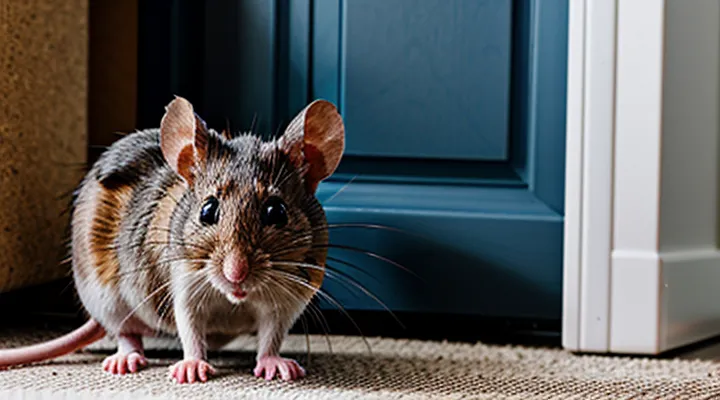
Understanding the Mouse Problem
Signs of a Mouse Infestation
Droppings and Urine Trails
Droppings and urine trails provide the most reliable visual confirmation of rodent activity inside a residence. Their presence indicates active foraging routes, nesting sites, and potential entry points that require immediate attention.
Health hazards associated with mouse excreta include the transmission of hantavirus, leptospirosis, and salmonella. Particles become airborne when disturbed, creating a risk of inhalation. Prompt removal eliminates exposure and reduces the likelihood of secondary infestations.
Effective removal follows a systematic approach:
- Wear disposable gloves and a fitted mask before contact.
- Collect fresh droppings with a damp paper towel; avoid dry sweeping that releases dust.
- Place all material in a sealed plastic bag, then dispose of it in an outdoor trash container.
- Disinfect the area using a solution of one part bleach to nine parts water; let it remain wet for at least ten minutes before wiping clean.
- Allow the surface to dry completely before applying any rodent-proof sealing material.
After cleaning, inspect surrounding walls, cabinets, and concealed spaces for additional trails. Seal gaps larger than two millimetres with steel wool, caulk, or expanding foam. Regular monitoring of previously contaminated zones ensures that any new activity is detected early, allowing for swift intervention.
Gnaw Marks and Damage
Gnaw marks appear as clean, crescent‑shaped incisions on wood, plastic, or wiring. Mice create these cuts to enlarge entry points or to file down objects for consumption. Marks are typically 2–6 mm wide, with parallel ridges on the outer edges where the incisors have pressed together. Presence of such incisions on baseboards, cabinets, or cable insulation confirms active infestation and indicates routes used for movement throughout the interior.
Damage resulting from gnawing compromises structural integrity, electrical safety, and food hygiene. Repeated chewing of wooden framing weakens load‑bearing members, while severed insulation on power cords creates short‑circuit hazards. Contamination of stored products occurs when mice breach containers, leaving urine and feces that can spread pathogens.
Typical manifestations of gnaw‑related damage:
- Cracked or splintered wooden beams and joists
- Exposed or frayed electrical wiring
- Holes in plastic containers, pipe insulation, or appliance casings
- Chewed edges on furniture legs and door frames
- Visible bite marks on drywall or plaster surfaces
Identifying these signs enables prompt deployment of control measures, such as sealing entry points, removing compromised materials, and implementing targeted trapping or baiting strategies. Immediate remediation prevents escalation of structural repairs and reduces health risks associated with rodent contamination.
Strange Noises at Night
Strange noises heard after dark often indicate rodent activity within walls, ceilings, or attic spaces. These sounds typically consist of scratching, scurrying, or gnawing and serve as early warning signs of an infestation that requires immediate attention.
Identifying the source of nocturnal noises enables targeted intervention. Inspection should focus on entry points, concealed cavities, and areas with food residue. Sealing gaps, removing clutter, and maintaining cleanliness reduce attractants and limit movement pathways.
Effective measures to eliminate the problem include:
- Placement of snap traps or electronic traps along established runways, monitored nightly for activity.
- Deployment of bait stations containing anticoagulant rodenticides, positioned away from pets and children, with regular replenishment.
- Installation of ultrasonic emitters that emit frequencies uncomfortable for rodents, covering rooms where noises originate.
- Application of steel‑wool or copper mesh to seal openings larger than a quarter inch, preventing re‑entry after removal.
Consistent monitoring of noise patterns after implementation confirms success. A noticeable decline or cessation of sounds signals that the rodent population has been reduced, confirming the efficacy of the chosen control methods.
Unpleasant Odors
Mice produce strong, lingering odors that signal infestation and impair indoor air quality. The scent originates primarily from urine, feces, and the decomposition of dead rodents, creating a sour or ammonia‑like smell that can penetrate carpets, walls, and ventilation systems.
Detecting these odors helps pinpoint activity areas. Concentrated odor near stored food, behind appliances, or in attic spaces indicates nesting sites. Persistent smell after cleaning suggests hidden droppings or dead mice that require targeted removal.
Effective odor control integrates sanitation, exclusion, and remediation:
- Remove all visible droppings and contaminated materials using disposable gloves and sealed bags.
- Disinfect surfaces with enzyme‑based cleaners that break down organic residues, preventing re‑emission of odor.
- Employ airtight containers for food storage to eliminate attractants.
- Seal entry points with steel wool, caulk, or metal mesh to block further access.
- Install snap traps or electronic devices to reduce the population quickly, limiting future waste production.
- If odor persists after these steps, engage professional pest‑remediation services for thorough decontamination and ventilation treatment.
Regular inspection and prompt cleaning prevent odor buildup, maintaining a healthier indoor environment and discouraging further rodent activity.
Why Mice are a Problem
Health Risks and Diseases
Mice living inside residential structures pose significant health hazards. Their droppings, urine, and saliva contaminate surfaces and food supplies, creating pathways for pathogens. Direct contact or inhalation of aerosolized particles can lead to serious infections.
Key diseases associated with indoor mouse infestations include:
- Hantavirus pulmonary syndrome, transmitted through inhaled dust contaminated with infected urine or feces.
- Leptospirosis, a bacterial infection acquired via contact with urine-soaked materials.
- Lymphocytic choriomeningitis virus (LCMV), spread by exposure to rodent secretions.
- Salmonellosis, resulting from ingestion of food tainted by droppings.
- Allergic reactions and asthma exacerbations, triggered by rodent allergens present in dander and urine proteins.
Additional risks involve secondary infestations by insects attracted to mouse waste, further compromising hygiene. Prompt implementation of effective rodent control measures reduces exposure, limits disease transmission, and protects occupants’ well‑being.
Property Damage
Mice infiltrate homes and cause extensive property damage that compromises structural integrity and increases repair costs. Their gnawing behavior weakens wooden beams, drywall, and insulation, creating holes that permit further pest entry and reduce energy efficiency. Damage to electrical wiring results from chewing on cables, creating short circuits, fire hazards, and costly replacements. Stored food containers are punctured, leading to contamination, spoilage, and the need for thorough cleaning or disposal. Upholstered furniture and fabrics suffer from bite marks and nesting material, diminishing aesthetic value and requiring reupholstery or replacement. Water pipes are vulnerable to rodent bites, causing leaks that can damage flooring, walls, and foundations.
Key damage categories include:
- Structural components: wood, drywall, insulation
- Electrical systems: cables, outlets, appliances
- Plumbing: water lines, fixtures
- Food storage: containers, pantry shelves
- Soft furnishings: carpets, curtains, upholstery
Preventing these losses necessitates effective rodent control measures, regular inspection of vulnerable areas, and immediate repair of any identified gnaw marks. Prompt action reduces the likelihood of escalating damage and minimizes the financial burden of restoration.
Prevention: Keeping Mice Out
Sealing Entry Points
Inspecting Your Home's Exterior
Inspecting the exterior of a residence provides the first line of defense against rodent intrusion. Identifying structural vulnerabilities and eliminating conducive conditions prevent mice from entering the living space.
- Examine foundation for cracks, gaps, or holes larger than a quarter‑inch; seal with cement or steel wool.
- Inspect siding, soffits, and eaves for loose panels, damaged weather‑stripping, or missing caulking; repair or replace as needed.
- Trim vegetation, vines, and shrubbery that contact the house; maintain a clearance of at least two feet to reduce pathways.
- Secure utility openings, such as those for cable, water, and gas lines, with metal mesh or appropriate fittings.
- Ensure that drainage systems direct water away from the foundation; standing moisture attracts rodents.
Regular maintenance of these exterior elements sustains a barrier that deters mice, complements indoor control measures, and reduces the likelihood of future infestations.
Repairing Gaps and Cracks
Sealing openings eliminates primary routes that rodents exploit to enter living spaces.
Typical breach locations include gaps around utility pipes, openings beneath doors, vents, and cracks in foundation walls. Each aperture, regardless of size, can accommodate a mouse.
Repair process:
- Inspect exterior and interior walls for visible fissures; use a flashlight to reveal hidden gaps.
- Choose appropriate sealant: silicone caulk for flexible joints, expanding foam for larger voids, and steel wool or copper mesh for gaps larger than ¼ inch.
- Clean debris from the area; ensure surface is dry before applying sealant.
- Apply sealant evenly, pressing material into the gap to achieve a tight bond.
- Allow curing time as specified by the product label; re‑inspect after drying to confirm no residual openings.
Regularly monitor repaired sections, especially after seasonal weather changes, to detect new cracks. Prompt maintenance preserves the integrity of barriers and sustains long‑term rodent exclusion.
Covering Vents and Openings
Covering vents and openings blocks common entry points used by rodents, reducing the likelihood of infestation inside residential structures. Sealing gaps around HVAC registers, dryer exhausts, and attic vents creates a physical barrier that prevents mice from navigating through small openings.
- Install metal mesh (¼‑inch or smaller) over all ventilation grills; secure with stainless‑steel screws.
- Apply expanding polyurethane foam to gaps around pipe penetrations; trim excess once cured.
- Fit flush‑mounted covers on dryer and bathroom exhaust fans; ensure airtight seals with silicone caulk.
- Use steel wool combined with caulking to fill irregular cracks in foundation walls and crawl‑space entries.
Regular inspection of sealed areas identifies wear or displacement caused by weather or building movement. Replace damaged mesh, reseal foam seams, and verify that covers remain tightly fastened. Maintaining these barriers complements other control measures and sustains a rodent‑free environment.
Maintaining a Clean Environment
Proper Food Storage
Proper food storage is a fundamental component of any mouse‑prevention plan. Secure containers made of metal or thick plastic block rodent access to edible waste. Seal all pantry items in airtight packages; loose grains, cereals, and pet food attract mice when left exposed. Store bulk supplies on high shelves, away from floor level, to reduce the likelihood of gnawing.
Effective storage practices include:
- Transfer opened packages into sealed, lock‑type containers within 24 hours.
- Dispose of expired food promptly, using sealed trash bags that fit tightly in an outdoor bin.
- Clean crumbs and spills immediately; a clean surface eliminates scent trails that guide rodents.
- Keep refrigerator and freezer doors closed; check seals for gaps that could be exploited.
Consistent implementation of these measures deprives mice of a reliable food source, thereby supporting broader control efforts and reducing the need for more invasive interventions.
Regular Cleaning and Decluttering
Regular cleaning eliminates food residues that attract rodents. Removing crumbs, spills, and improperly stored food reduces the likelihood of mice locating a reliable food source.
Decluttering eliminates potential nesting sites. Stacked boxes, piles of laundry, and unused items create concealed spaces where mice can build nests and hide from predators.
Effective practices include:
- Sweep and mop floors daily, focusing on kitchen and dining areas.
- Wipe countertops and tabletops after each meal.
- Store dry goods in sealed containers made of metal or thick plastic.
- Dispose of garbage in containers with tight‑fitting lids; empty them regularly.
- Keep pet food in airtight containers and remove leftovers promptly.
- Organize storage spaces; place items on shelves rather than on the floor.
- Remove clutter such as cardboard boxes, stacks of paper, and unused appliances.
- Inspect and seal gaps around doors, windows, and utility openings that could provide entry points.
Consistent implementation of these measures deprives mice of food and shelter, thereby supporting broader pest‑control efforts.
Managing Outdoor Attractants
Managing outdoor attractants reduces the likelihood that mice will seek shelter inside a dwelling. Eliminate food sources by storing garbage in sealed containers, removing fallen fruit, and clearing birdseed feeders after use. Keep compost piles away from the building, cover them with a tight‑fitting lid, and maintain a dry environment to discourage rodent activity.
Maintain a clean perimeter. Trim vegetation that contacts the foundation, as vines and shrubs provide cover and pathways for mice. Store firewood at least one meter from the house, stacking it on a raised platform to prevent direct contact with the ground. Repair cracks in exterior walls, gaps around utility entries, and any openings larger than a quarter of an inch.
Key actions:
- Secure all outdoor waste bins with tight lids.
- Remove debris, leaf litter, and tall grass within a two‑meter radius of the structure.
- Install metal flashing or hardware cloth around vents, soffits, and crawl‑space openings.
- Position pet food dishes indoors; if outdoor feeding is unavoidable, place feeders on platforms that prevent spillover.
- Conduct seasonal inspections to identify new entry points created by weather or construction activity.
Natural Deterrents
Essential Oils
Essential oils provide a chemical barrier that mice find hostile, disrupting their scent trails and causing avoidance of treated areas. The volatile compounds in these oils interfere with the rodents’ olfactory receptors, leading to rapid departure from the environment.
- Peppermint oil – high concentration of menthol, strong repellent effect.
- Eucalyptus oil – contains eucalyptol, deters rodents through sharp aroma.
- Lavender oil – linalool component creates an unpleasant scent for mice.
- Citronella oil – citronellal and related compounds act as a deterrent.
- Clove oil – eugenol produces a potent odor that mice avoid.
Application methods rely on consistent exposure. Soak cotton balls in undiluted oil and place them in corners, behind appliances, and within wall voids. Replace soaked material every three to five days to maintain potency. Alternatively, mix a few drops of oil with water in a spray bottle; mist surfaces such as baseboards, pantry shelves, and entry points. For long‑term coverage, incorporate oil into a carrier such as mineral oil and apply to cracks and crevices with a brush.
Safety measures include keeping oils out of reach of children and pets, as concentrated substances can cause irritation. Test a small area for material compatibility before widespread use. Ventilate rooms after application to prevent buildup of strong vapors. Combine essential‑oil treatment with sealing of entry points for maximal effectiveness.
Peppermint Oil
Peppermint oil repels rodents through a strong, volatile scent that overwhelms their sensitive olfactory receptors. When applied correctly, the oil creates an environment mice find intolerable, prompting them to vacate treated areas.
Application methods:
- Soak cotton balls in undiluted peppermint oil, place them in corners, behind appliances, and along baseboards where activity is observed. Replace every three days to maintain potency.
- Mix ten drops of peppermint oil with 250 ml of water in a spray bottle, add a teaspoon of dish‑soap as an emulsifier, and mist entry points, cracks, and interior surfaces. Reapply weekly, especially after cleaning.
- Incorporate a few drops into wooden shavings or dryer sheets, then distribute them in attic spaces or storage closets to extend coverage.
Effectiveness considerations:
- Concentration diminishes rapidly; frequent replacement is essential for sustained deterrence.
- Oil does not kill mice; it only discourages presence, making it suitable for households seeking non‑lethal control.
- Combine with sealing gaps, trapping, and sanitation for comprehensive management.
Safety notes:
- Keep oil away from pets’ bedding and food preparation zones, as high concentrations may cause respiratory irritation.
- Test a small area on painted or finished surfaces to avoid discoloration.
Other Scents
Scent‑based deterrents exploit rodents’ acute sense of smell, creating an environment that mice find hostile. Application typically involves soaking cotton balls, spraying solutions, or placing sachets in areas where activity has been detected.
- «peppermint oil» – dilute 10 ml in 500 ml water, spray along baseboards, behind appliances, and in entry points; reapply every 48 hours.
- «eucalyptus oil» – apply similarly to peppermint; strong aroma interferes with mice’s olfactory receptors.
- «clove oil» – place a few drops on cotton pads; effective in confined spaces such as cabinets and closets.
- «ammonia» – pour a small amount into shallow dishes; volatile fumes discourage nesting, but ensure ventilation.
- «citrus peels» – distribute fresh orange or lemon peels in pantry corners; natural acidity adds an additional repellent factor.
Consistent placement and periodic renewal maintain potency, preventing habituation. Combining scent deterrents with physical barriers, traps, and sanitation maximizes overall efficacy while minimizing reliance on chemical poisons. Safety considerations include keeping essential oils away from children and pets, using gloves during preparation, and avoiding direct skin contact with concentrated solutions.
Extermination Methods
Trapping Solutions
Snap Traps: Pros and Cons
Snap traps remain a staple in rodent control due to their immediate lethality and low cost. The mechanism relies on a spring‑loaded bar that delivers a swift strike when a mouse triggers the trigger plate, ensuring rapid death and preventing prolonged suffering.
Pros
- High efficacy: single‑capture success rate exceeds 90 % when baited correctly.
- Minimal maintenance: only occasional replacement of the trap and bait is required.
- No chemical exposure: eliminates risk of poison ingestion for pets or children.
- Discreet design: small size allows placement in concealed locations such as behind appliances or within wall voids.
Cons
- Physical handling: disposal of deceased rodents demands protective gloves and proper sanitation.
- Limited coverage: each unit captures one mouse, necessitating multiple traps in severe infestations.
- Potential for non‑target capture: small pets or juvenile wildlife may be harmed if traps are not carefully positioned.
- Psychological aversion: some occupants find the sight of dead rodents distressing, which can affect acceptance of the method.
When integrating snap traps into a broader pest‑management plan, combine them with exclusion techniques—sealing entry points and removing food sources—to reduce re‑infestation risk. Regular monitoring of trap placement and prompt disposal of captured rodents sustain effectiveness and maintain sanitary conditions.
Live Traps: Humane Removal
Live traps provide a non‑lethal solution for removing rodents from residential spaces. The device consists of a compartment with a trigger mechanism that closes the door once a mouse enters, allowing the animal to be released outdoors away from the home.
Key advantages of live capture include preservation of animal life, prevention of odor problems associated with dead pests, and compliance with humane pest‑control standards. The method also eliminates the risk of secondary poisoning that can occur with chemical baits.
Practical guidelines for effective use:
- Position traps along walls, behind appliances, and near known gnawing sites; mice travel close to baseboards and avoid open spaces.
- Bait each trap with a small amount of high‑fat food such as peanut butter, sunflower seeds, or cheese.
- Check traps at least twice daily; prolonged confinement can cause stress or injury to the captured mouse.
- Release captured rodents at least 100 meters from the residence, preferably in a wooded or field area where they can find shelter.
- Reset the trap promptly after release to maintain continuous control.
When live traps are incorporated into a comprehensive mouse‑management plan, they reduce indoor infestations while adhering to ethical considerations. Regular sanitation, sealing entry points, and eliminating food sources complement the humane capture approach and enhance overall effectiveness.
Electronic Traps
Electronic traps provide a rapid, non‑chemical solution for indoor rodent control. The device delivers a high‑voltage shock that kills mice instantly upon contact with the built‑in sensor plate. Because the lethal event occurs within milliseconds, the trap eliminates the need for repeated baiting or exposure to poisons.
Key characteristics of electronic traps:
- Immediate mortality – shock kills the target on first encounter, preventing breeding cycles.
- Visible confirmation – built‑in LED or audible indicator signals a successful strike, allowing precise monitoring of trap performance.
- Reusable design – battery‑powered or mains‑connected units can be emptied, disinfected, and redeployed without purchasing new consumables.
- Safety features – insulated housing and child‑proof switches reduce risk of accidental discharge.
Effective placement enhances success rates. Position traps along walls, behind appliances, and near known gnawing sites, as mice habitually travel close to surfaces. Maintain a clear line of sight to the sensor plate; clutter or food debris can impede activation. Regularly inspect and remove captured carcasses to prevent odor buildup and secondary infestations.
Maintenance requirements are minimal. After each kill, dispose of the mouse, wipe the interior with a mild disinfectant, and verify battery charge or power connection. Replace batteries according to manufacturer specifications, typically every six months for battery‑operated models.
Electronic traps serve as a reliable component of an integrated rodent‑management program, complementing sealing of entry points and sanitation measures to achieve lasting results.
Baits and Poisons
When to Consider Baits
When rodent activity intensifies, bait deployment becomes a viable option. Signs such as frequent droppings, gnaw marks on food containers, or audible scurrying during night hours indicate that passive trapping may no longer suffice. Bait usage should follow these criteria:
- Evidence of multiple mice occupying the same area, confirmed by repeated sightings or extensive droppings.
- Presence of accessible pathways that allow rodents to reach food sources without obstruction.
- Failure of mechanical traps after several attempts, suggesting that mice have learned to avoid capture devices.
- Situations where immediate population reduction is required, for example before moving into a newly acquired residence or before a seasonal increase in food availability.
Bait selection must match the infestation level. For low‑to‑moderate populations, low‑toxicity, enclosed bait stations reduce risk to non‑target animals while maintaining effectiveness. In severe infestations, professional‑grade anticoagulant baits placed strategically along walls and behind appliances provide broader coverage. All bait stations should be positioned out of reach of children and pets, and monitored regularly to assess consumption and adjust placement as needed.
Safety Precautions for Poisons
When rodent control includes chemical baits, strict safety measures protect occupants and pets while maintaining effectiveness.
- Store all toxic baits in locked containers, out of reach of children and animals.
- Place bait stations in concealed locations such as behind appliances, inside wall voids, or under cabinets.
- Label each station with clear warnings, using French quotation marks for emphasis, e.g., «Poison – Keep away».
- Inspect stations daily; replace damaged or tampered units immediately.
- Wear disposable gloves when handling baits; discard gloves after each use.
- Keep a detailed inventory of product type, concentration, and expiration date; remove outdated items.
- Ensure proper ventilation in rooms where baits are deployed; avoid airtight spaces.
- Provide emergency contact numbers for poison control and local veterinary services on the same label.
- Follow manufacturer‑specified dosage limits; avoid over‑application to reduce accidental exposure.
- After successful elimination, remove all bait stations and clean the area with mild detergent before re‑occupying.
Adhering to these protocols minimizes health risks while supporting effective rodent eradication.
Placement Strategies
Effective rodent control in a residence relies heavily on strategic placement of devices and deterrents. Proper positioning maximizes contact with mouse pathways while minimizing exposure to non‑target animals and household occupants.
- Install snap traps along walls, approximately 2–3 inches from the baseboard, where rodents travel close to surfaces.
- Place bait stations in concealed areas such as behind appliances, inside cupboards, and within wall voids, ensuring they are out of reach of children and pets.
- Deploy ultrasonic emitters in central rooms, positioning them at least 6 feet apart to cover the entire floor plan without overlapping zones.
- Position glue boards near entry points, including gaps under doors, utility openings, and vent shafts, aligning them perpendicular to the anticipated travel direction.
- Locate live‑catch cages adjacent to known activity zones, ensuring a clear escape route toward the exterior when releasing captured mice.
Consistent monitoring and timely relocation of devices based on observed activity sustain pressure on the infestation, facilitating rapid reduction of the mouse population.
Professional Pest Control
When to Call an Expert
A professional assessment becomes necessary when signs indicate that a household infestation exceeds the capacity of do‑it‑yourself measures. Evidence such as droppings in multiple rooms, gnaw marks on structural elements, or audible activity during daylight hours demonstrates a population that can reproduce rapidly and spread further. Health concerns arise from the potential transmission of pathogens; visible urine stains or contaminated food supplies require immediate expert intervention to prevent disease exposure.
Structural damage provides another clear trigger. Persistent gnawing on wiring, insulation, or plumbing can create fire hazards or water leaks. When such damage is observed, a certified pest‑control technician should be engaged to assess the extent and implement remediation that safeguards both the building and its occupants.
Failure of conventional traps or bait stations after several attempts signals the need for professional services. Experts possess access to licensed rodenticides, advanced placement strategies, and monitoring equipment that exceed the scope of consumer products.
Typical conditions that warrant calling an expert include:
- Multiple infestation indicators across separate zones of the residence
- Evidence of disease‑carrying contaminants in food storage areas
- Damage to electrical, structural, or plumbing components
- Ineffective results from standard traps, bait stations, or exclusion attempts
Prompt engagement of a qualified pest‑control provider minimizes long‑term costs, reduces health risks, and restores a safe living environment. «Professional pest control services can assess infestation levels accurately and apply targeted treatments that comply with safety regulations».
Benefits of Professional Services
Professional mouse‑control services provide several distinct advantages for residential environments.
• Certified technicians identify infestation sources that DIY attempts often overlook, enabling targeted removal and prevention.
• Integrated pest‑management plans combine trapping, baiting, and exclusion techniques, reducing the likelihood of recurrence.
• Compliance with local health‑code regulations ensures that treatment methods meet safety standards for occupants and pets.
• Ongoing monitoring and follow‑up visits maintain low rodent activity levels, protecting property structures and stored food supplies.
Specialized equipment employed by experts delivers higher efficacy than consumer‑grade tools. For example, ultrasonic detectors locate hidden pathways, while tamper‑proof bait stations minimize accidental exposure.
Cost‑effectiveness emerges from reduced damage repairs, lower food‑contamination losses, and minimized labor time spent on ineffective home remedies.
Overall, engaging qualified professionals maximizes eradication success, safeguards health, and preserves the integrity of the household.
What to Expect from an Exterminator
Hiring a professional pest‑control service provides a structured approach to eliminating rodent activity. The specialist begins with a thorough inspection, identifying entry points, nesting sites, and activity trails. Measurements of infestation density guide the selection of an appropriate treatment plan.
Typical procedures include:
- Sealing gaps and cracks to prevent re‑entry.
- Deploying bait stations or traps positioned according to observed pathways.
- Applying rodent‑specific rodenticides in concealed locations, complying with safety regulations.
- Installing monitoring devices to track ongoing activity.
After the initial intervention, the exterminator schedules a follow‑up visit. During this appointment, effectiveness is evaluated, additional measures are applied if necessary, and a written guarantee outlines the duration of protection. Clients receive written instructions for sanitation and preventive actions, ensuring long‑term results without further infestation.
Post-Extermination Cleanup and Future Prevention
Sanitizing Affected Areas
Disinfecting Surfaces
Disinfecting surfaces eliminates pathogens left by rodents, prevents disease transmission, and removes scents that may attract new intruders. After trapping or exterminating mice, thorough cleaning of all affected areas is essential for long‑term control.
Begin with removal of visible debris and droppings. Wear disposable gloves, seal waste in a plastic bag, and dispose of it immediately. Follow with a detergent‑based wash to loosen organic residue. Rinse with clean water and allow the area to dry completely before applying a disinfectant.
Recommended disinfectants and application steps:
- Diluted bleach solution (1 part bleach to 10 parts water). Apply with a spray bottle, ensure contact for at least 5 minutes, then wipe dry.
- Commercial quaternary ammonium product labeled for rodent‑related contamination. Follow manufacturer’s contact time instructions.
- Hydrogen peroxide (3 % solution). Spray generously, let stand for 10 minutes, then rinse if surface is food‑grade.
For porous materials such as insulation or carpet, discard and replace rather than attempt disinfection. After treatment, maintain a dry environment; moisture encourages rodent activity and hampers disinfectant efficacy. Regular inspection of sealed entry points and prompt cleaning of any new evidence sustain a hygienic, mouse‑free residence.
Airing Out Your Home
Ventilation reduces indoor humidity and eliminates food odors that attract rodents, making the environment less inviting for mice. Fresh air circulation also disrupts nesting sites by lowering temperature stability and moisture levels.
Practical measures for improving airflow:
- Open windows and doors on opposite sides of the house to create cross‑ventilation.
- Install exhaust fans in kitchens, bathrooms, and basements; operate them continuously during periods of high activity.
- Ensure all vents and air ducts are unobstructed; clean filters weekly.
- Use portable fans to direct air toward concealed spaces such as wall cavities and attic openings.
Regular maintenance supports long‑term effectiveness. Screen windows to prevent entry while allowing air movement. Inspect and seal gaps around vents, pipes, and utility openings. Dehumidify areas prone to moisture accumulation, especially basements and crawl spaces, to deny mice the damp conditions they prefer. «Adequate ventilation combined with proper sealing creates a hostile environment for rodent habitation».
Ongoing Monitoring
Regular Inspections
Regular inspections are a cornerstone of any successful rodent‑control plan. Conducting systematic checks at least once a month identifies entry points, nesting sites, and food sources before infestations become visible.
Key inspection areas include:
- Exterior walls, foundation cracks, and utility openings; seal gaps with steel wool and caulking.
- Basement and crawl‑space vents; install mesh screens to block access.
- Kitchen cabinets, pantry shelves, and behind appliances; look for droppings, gnaw marks, and shredded packaging.
- Attic insulation and roof eaves; verify the integrity of insulation and remove any debris that could serve as shelter.
During each visit, use a flashlight and a magnifying glass to detect subtle signs such as urine stains or faint gnaw lines. Record findings in a log, noting location, type of evidence, and corrective actions taken. This documentation enables trend analysis and helps prioritize remediation efforts.
Following inspection, immediate remediation—repairing structural gaps, eliminating standing water, and tightening food storage—prevents mice from establishing a foothold. Consistent scheduling and thorough documentation ensure that preventive measures remain effective over time.
Maintaining Prevention Measures
Maintaining prevention measures after an initial mouse removal effort safeguards long‑term results. Persistent attention to structural and environmental factors eliminates new ingress routes and reduces attractants.
- Inspect walls, foundations, and utility openings; apply steel‑wool or caulk to seal gaps no larger than a quarter‑inch.
- Store food in airtight containers; keep countertops clear of crumbs and spills.
- Dispose of garbage daily in sealed bins; locate receptacles away from exterior walls.
- Trim vegetation, especially ivy and shrubs, that contacts the building envelope; maintain a clear perimeter of at least two feet.
- Position snap traps or electronic devices along known travel paths; replace or reset them promptly after activation.
Schedule regular checks: conduct a thorough inspection monthly, increase frequency during autumn when rodents seek shelter, and perform a comprehensive audit before winter. Document findings in a log to track recurring problem areas.
Integrate monitoring tools such as motion‑activated cameras and professional inspection services at least twice yearly. Early detection of activity enables swift corrective action, preserving the effectiveness of prior eradication measures.