
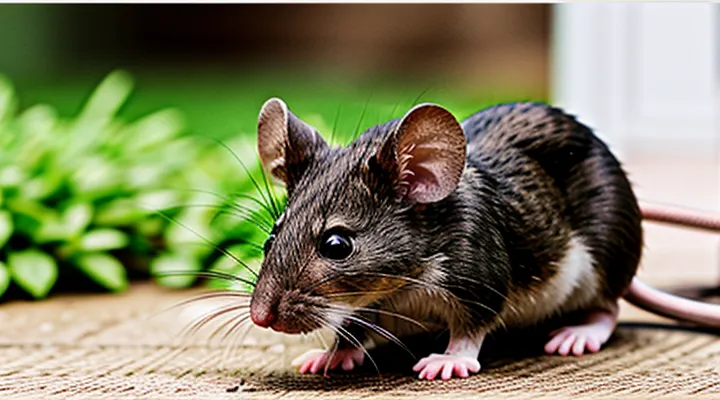
Understanding Mouse Repellents
Types of Mouse Repellents
Ultrasonic Repellents
Ultrasonic mouse repellents emit high‑frequency sound waves that rodents cannot tolerate. The devices operate continuously or on programmable timers, producing a range of frequencies (typically 20–65 kHz) that disrupt mouse communication and cause avoidance of the treated area.
Key technical attributes include:
- Frequency spectrum: 20–65 kHz, adjustable in most models.
- Coverage radius: 500 ft² to 1500 ft², depending on power output.
- Power source: AC mains, battery backup, or solar panel.
- Timer settings: 1 h, 4 h, 8 h, or continuous operation.
- Safety certifications: UL, CE, FCC compliance.
Advantages:
- No chemicals, safe for humans and pets.
- Silent to occupants; audible only to rodents.
- Easy installation—plug‑in or wall‑mount.
- Low maintenance; most units require only occasional cleaning of the speaker grille.
Limitations:
- Effectiveness decreases if obstacles block line‑of‑sight between speaker and target area.
- Mice may habituate after prolonged exposure; periodic relocation of units can mitigate this.
- Ultrasonic sound does not penetrate solid walls or dense insulation.
When selecting an ultrasonic mouse deterrent, evaluate:
- Frequency range—broader ranges cover more species.
- Coverage area—match the device to the size of the intended zone.
- Power reliability—units with battery backup maintain function during outages.
- Certification—ensure compliance with safety standards.
- User feedback—review independent performance data for habituation trends.
Top models in the current market typically combine adjustable frequency, extensive coverage, and integrated timers. These specifications align with the requirements of a comprehensive product overview for effective mouse control solutions.
Scent-Based Repellents
Scent‑based mouse repellents rely on strong odors that rodents find unpleasant. The active compounds are typically derived from natural sources such as peppermint oil, eucalyptus, citrus peel, and ammonia. When dispersed in the environment, these volatiles stimulate the mouse’s olfactory receptors, causing avoidance behavior and reducing entry into treated areas.
Common scent categories and their typical applications include:
- Peppermint oil – applied on cotton balls, spray bottles, or impregnated pads; effective for small indoor spaces and gaps around cabinets.
- Eucalyptus oil – used in aerosol formulations or gel packets; provides a longer‑lasting vapor due to lower volatility.
- Citrus extracts (lemon, orange) – incorporated into liquid repellents or solid granules; suitable for outdoor perimeters and garden sheds.
- Ammonia – sold as liquid concentrate; recommended for sealed crawl spaces where vapor can be contained.
Product formats vary to match deployment scenarios:
- Pre‑saturated pads – convenient for placement under appliances, in drawers, or behind walls; replace every 2–4 weeks.
- Spray bottles – allow targeted application on baseboards, entry points, and cracks; reapply after cleaning or moisture exposure.
- Gel or solid blocks – designed for continuous release in enclosed areas such as basements; maintain effectiveness for up to 30 days.
- Granular pellets – spread around exterior foundations, garden beds, or storage sheds; require periodic replenishment after rain.
Effective use of scent‑based repellents follows a consistent protocol: identify potential entry points, apply the chosen product directly to those locations, and monitor for signs of activity. Combining multiple scent types can broaden the deterrent spectrum, but avoid mixing chemicals that may neutralize each other. Replace or recharge products according to manufacturer guidelines to sustain the volatile concentration needed for mouse avoidance.
Natural and DIY Repellents
Natural mouse repellents rely on scents or textures that mice avoid. Common ingredients include peppermint oil, cloves, citrus peels, and ammonia. When applied correctly, these substances create an environment that discourages entry and nesting without chemical hazards.
- Peppermint oil: dilute 10 ml in 1 liter water, spray along baseboards, entry points, and behind appliances.
- Clove powder: sprinkle a thin layer in cracks and gaps; replace weekly.
- Citrus peels: place fresh peels in cupboards and pantry corners; discard after 3–4 days.
- Ammonia: soak cotton balls, position in hidden areas; replace every 48 hours.
DIY formulations combine several agents for broader deterrence. A typical recipe mixes equal parts peppermint oil, eucalyptus oil, and water, adding a few drops of dish soap to improve adhesion. Apply the mixture with a spray bottle to surfaces where mouse activity is observed. Reapplication every 5–7 days maintains potency.
Effectiveness depends on regular maintenance and proper placement. Seal structural openings before using repellents to prevent re‑entry. Monitoring with snap traps or motion sensors confirms whether the natural solution reduces activity. Safety considerations include keeping oils away from pets and children, and using gloves when handling concentrated substances.
How Mouse Repellents Work
Mechanisms of Action
Mouse repellents operate through distinct mechanisms that disrupt the sensory or behavioral patterns of rodents. Chemical formulations release volatile compounds such as menthol, capsaicin, or predator-derived scents. These substances trigger olfactory receptors, creating an aversive environment that rodents avoid. The efficacy of each compound depends on concentration, volatility, and the target species’ sensitivity.
Physical deterrents rely on barriers or surface treatments. Mesh screens and sealed entry points prevent access to interior spaces, while abrasive coatings on wires or pipes deter gnawing. These measures eliminate habitat opportunities without relying on sensory irritation.
Electronic devices employ acoustic or electromagnetic principles. Ultrasonic emitters generate frequencies above human hearing, producing discomfort in the auditory range of mice. Electromagnetic units emit low‑frequency fields that interfere with the rodent’s nervous system, discouraging movement within the treated zone. Both technologies require continuous power to maintain a persistent deterrent field.
Behavioral disruptors combine scent and motion. Products that release intermittent bursts of predator odor synchronized with vibration mimic natural threats, prompting avoidance. The timing and intensity of these releases are calibrated to sustain a high‑alert state, reducing the likelihood of habituation.
Factors Affecting Efficacy
Effective mouse repellents depend on several measurable variables. Formulation type determines how the active ingredient contacts the target; ultrasonic devices require proper frequency range (typically 20–65 kHz) and continuous power supply, while chemical sprays rely on concentration gradients and volatility. Placement accuracy influences coverage; devices positioned near entry points, wall junctions, or food storage areas create a barrier that limits rodent movement. Environmental conditions alter performance: low humidity reduces the diffusion of volatile compounds, while high ambient noise can mask ultrasonic emissions. Species-specific behavior affects response; house mice (Mus musculus) react differently to pheromone‑based deterrents than commensal rats, necessitating tailored active agents. Maintenance schedule impacts longevity; dust accumulation on transducers diminishes output, and depleted chemical reservoirs lose potency, requiring regular inspection and replacement.
Key factors include:
- Active ingredient potency – measured in milligrams per cubic meter for aerosols, or decibel level for ultrasonic units.
- Frequency and waveform – specific ranges disrupt auditory perception in rodents without affecting humans.
- Coverage area – square footage rating must match the size of the treated environment.
- Temperature and humidity – affect volatilization rates and acoustic propagation.
- Target species – genetic differences dictate sensitivity to particular deterrents.
- Device integrity – regular cleaning and battery health sustain consistent output.
Optimizing these variables aligns product performance with intended pest‑control outcomes.
Choosing the Right Mouse Repellent
Key Considerations
Infestation Severity
Infestation severity determines the intensity and type of mouse repellent required. Low‑level activity, identified by occasional droppings or occasional sightings, can often be managed with passive devices such as ultrasonic emitters or scent‑based repellents. Medium severity, indicated by frequent droppings, gnaw marks, and regular sightings, typically calls for a combination of ultrasonic units and strategic placement of non‑toxic chemical deterrents. High severity, characterized by extensive damage, large numbers of droppings, and constant presence, usually necessitates powerful, continuous‑operation devices and may require supplementary trapping to reduce population before repellent effectiveness can be measured.
Key considerations for matching severity to product:
- Frequency of evidence – number of droppings or sightings per day.
- Extent of damage – size of gnawed structures and contaminated areas.
- Environmental constraints – presence of pets, children, or food storage.
- Duration of exposure – whether the problem is recent or long‑standing.
Selecting a repellent aligned with these factors ensures optimal performance and minimizes the risk of persistent infestation.
Area Size and Type
When evaluating rodent deterrents, the dimensions and characteristics of the space to be protected determine the appropriate product type and deployment method.
Indoor environments range from single rooms to entire floor plans. Small rooms (up to 200 sq ft) can be treated with portable, plug‑in ultrasonic units or concentrated spray concentrates applied to baseboards and entry points. Larger apartments or open‑plan offices (200–1,000 sq ft) benefit from multiple ultrasonic devices placed at intervals of 30–40 ft to ensure overlapping coverage, or from perimeter‑seal kits that combine foam sealant with bait‑free repellents. Whole‑building applications (over 1,000 sq ft) typically require a network of wired ultrasonic emitters or a professional‑grade granule system dispersed through HVAC ducts and wall voids.
Outdoor settings differ in exposure and surface composition. Compact patios or decks (under 300 sq ft) are effectively guarded by weather‑proof ultrasonic lanterns or liquid repellents sprayed onto perimeters. Medium yards (300–1,500 sq ft) demand a combination of ground‑applied granules and perimeter barriers, often placed along fence lines and foundation cracks. Extensive properties (exceeding 1,500 sq ft) call for systematic grid deployment of granular or pellet repellents, calibrated to a density of 2–3 lb per 1,000 sq ft, complemented by ultrasonic towers positioned at strategic high‑traffic zones.
Key considerations for selecting a deterrent based on area size and type:
- Coverage radius: Verify manufacturer specifications for each device; typical ultrasonic units cover 20–30 ft radius.
- Installation density: Increase the number of units proportionally with area growth to avoid coverage gaps.
- Environmental resistance: Choose weather‑sealed models for outdoor use; indoor units should meet safety standards for continuous operation.
- Material compatibility: Ensure sprays or granules do not damage flooring, upholstery, or plant life in the treated zone.
Safety for Pets and Children
When selecting a mouse repellent, verify that the formulation poses no toxic risk to pets or children. Manufacturers must disclose active ingredients, concentration levels, and any known irritants on the product label. Safety data sheets should be accessible for each product, detailing acute and chronic exposure thresholds.
Key safety criteria include:
- Ingredient transparency – List all chemicals, including natural extracts, with clear percentages.
- Non‑contact design – Devices that emit ultrasonic waves or use sealed bait stations minimize accidental ingestion.
- Child‑proof packaging – Caps that require two‑handed opening reduce the likelihood of unsupervised access.
- Pet‑friendly testing – Independent studies confirming lack of adverse effects on common household animals (cats, dogs, small mammals).
- Regulatory compliance – Conformance with EPA, FDA, or relevant regional standards for household pest control products.
Application guidelines must emphasize placement away from food preparation areas, low‑traffic zones for children, and out of reach of animal bedding. Instructions should specify maximum exposure duration and recommended ventilation after use of aerosol or liquid repellents.
Products that meet these criteria provide effective rodent control while maintaining a safe environment for vulnerable household members.
Environmental Impact
Mouse repellents rely on three primary technologies: chemical agents, ultrasonic emitters, and natural deterrents. Chemical products typically contain rodenticides or repellents such as capsaicin, essential oils, or synthetic pheromones. These substances may persist in soil and water, posing risks to non‑target wildlife and contaminating ecosystems. Ultrasonic devices emit high‑frequency sound waves that affect rodents but have minimal direct chemical discharge; however, they consume electricity continuously and generate electronic waste at the end of their service life. Natural deterrents, often based on plant extracts or predator scent compounds, usually degrade rapidly and present lower toxicity, yet their production can involve agricultural inputs and solvent use.
Key environmental factors include:
- Toxicity: Chemical repellents can harm insects, birds, and mammals if ingested or exposed. Ultrasonic emissions are generally non‑toxic but may affect pet hearing.
- Persistence: Synthetic compounds may remain active for weeks to months, accumulating in soil. Natural extracts typically break down within days.
- Energy use: Plug‑in ultrasonic units draw power 24 hours a day; battery‑operated models reduce grid demand but require periodic battery replacement, contributing to metal waste.
- Packaging: Products are often sold in plastic containers or foam trays. Recyclable packaging reduces landfill impact, while non‑recyclable materials increase waste.
- Manufacturing footprint: Production of electronic components involves rare earth metals and semiconductor fabrication, which generate greenhouse‑gas emissions and hazardous by‑products. Agricultural sourcing for plant‑based repellents entails land use, irrigation, and pesticide application.
Overall, the environmental profile of mouse deterrent solutions varies with technology choice, formulation, and lifecycle management. Selecting low‑toxicity, biodegradable, and energy‑efficient options minimizes ecological disturbance while maintaining effectiveness.
Product Features to Look For
Coverage Area
Effective coverage area determines how many square feet or meters a mouse repellent can protect before performance declines. Manufacturers usually specify a maximum radius for ultrasonic devices, often ranging from 500 ft² (≈46 m²) for compact units to 2,500 ft² (≈232 m²) for larger models. Chemical dispensers list a linear coverage, such as “covers up to 1,000 ft of wall space,” which translates to a rectangular zone when applied along baseboards or perimeters.
Key factors influencing coverage:
- Frequency and power output – higher frequencies penetrate smaller cracks but lose intensity over distance; stronger emitters extend range.
- Installation height – devices placed near the ceiling distribute sound more evenly, enlarging the effective zone.
- Obstructions – walls, furniture, and insulation absorb ultrasonic waves, reducing reach; open‑plan spaces allow full radius utilization.
- Environmental conditions – humidity and temperature affect sound propagation; dryer, cooler air supports longer travel.
When selecting a product, compare the listed coverage with the intended environment. For a typical single‑family home, a 1,200 ft² unit positioned centrally can protect multiple rooms, while a 300 ft² device may suffice for a garage or storage shed. Multi‑unit systems can be networked to bridge gaps, ensuring continuous protection across larger properties.
Understanding these parameters enables precise placement, prevents overlap, and maximizes the deterrent effect without unnecessary expenditure.
Power Source
Power source defines how a mouse repellent functions and influences installation requirements. Devices rely on either portable energy packs, fixed electrical connections, or renewable inputs, each offering distinct operational parameters.
- Battery‑powered units: Typically use AA, AAA, or rechargeable lithium‑ion cells. Provide mobility, enable placement without wiring, and require periodic replacement or recharging. Runtime ranges from several weeks to several months, depending on battery capacity and device power draw.
- Plug‑in models: Connect directly to household AC outlets via adapters or built‑in cords. Deliver continuous power, eliminate the need for battery management, and often support higher ultrasonic output. Compatibility with standard 110‑120 V or 220‑240 V mains must match regional specifications.
- Solar‑assisted systems: Incorporate photovoltaic panels that charge internal batteries during daylight. Offer reduced maintenance in sunny environments, but output depends on exposure and panel size. Typically paired with low‑power ultrasonic emitters to balance energy consumption.
- Hybrid configurations: Combine mains power with battery backup, ensuring operation during outages. Include automatic switchover circuitry to maintain protection without user intervention.
Selection criteria focus on runtime, voltage compatibility, and safety features. Longer battery life minimizes service intervals; low‑voltage designs reduce fire risk. Devices should include over‑charge protection, short‑circuit safeguards, and compliance with relevant electrical standards (e.g., UL, CE).
Choosing the appropriate power source aligns device placement with the intended coverage area, installation constraints, and maintenance capacity, ultimately affecting the reliability of rodent deterrence.
Durability and Longevity
Durability and longevity determine the practical value of mouse deterrent solutions. Materials that resist wear, moisture, and chemical degradation maintain efficacy over extended periods, reducing replacement frequency and total cost of ownership.
Key durability attributes include:
- Construction material: High‑density polyethylene, stainless steel, and reinforced silicone exhibit superior resistance to chewing, tearing, and environmental exposure.
- Seal integrity: Products with airtight or watertight seals prevent moisture ingress, which can compromise active ingredients or electronic components.
- Power source lifespan: Devices powered by lithium batteries or solar panels often exceed two years of continuous operation, while plug‑in units avoid battery‑related wear entirely.
- Active ingredient stability: Ultrasonic emitters and scent‑based repellents retain performance when housed in UV‑stabilized casings that shield against sunlight degradation.
Long‑term performance data from independent testing laboratories show that well‑engineered repellents retain at least 80 % of their original effectiveness after 12 months of continuous use. Manufacturers that provide warranties of 18 months or longer typically back claims with documented durability testing.
When evaluating options, prioritize products whose specifications list material grade, seal rating (e.g., IP‑X4 or higher), and verified operational lifespan. These criteria correlate directly with sustained mouse deterrence and lower lifecycle expenses.
Ease of Use
Ease of use determines whether a mouse repellent can be deployed quickly and maintained without specialized knowledge. Most modern devices are plug‑and‑play: users connect a power source, position the unit according to the manufacturer’s layout diagram, and the system begins emitting ultrasonic or electromagnetic signals within seconds. Installation instructions typically consist of three steps—unbox, place, and activate—allowing a single person to complete setup in under five minutes.
Key aspects that simplify operation include:
- Automatic operation – sensors detect rodent activity and adjust output intensity, eliminating manual adjustments.
- Clear indicators – LED or audible alerts confirm power status and signal integrity, reducing the need for troubleshooting.
- Low‑maintenance design – rechargeable batteries last 8–12 weeks; replacement requires only a quick swap, and most units lack moving parts that could wear out.
- Compact form factor – dimensions under 6 inches enable placement in tight spaces such as wall cavities, under appliances, or behind furniture without structural alterations.
User feedback consistently highlights that products with intuitive interfaces and minimal configuration steps achieve higher adoption rates in residential and commercial settings. When evaluating alternatives, prioritize models that provide straightforward setup, self‑diagnostic feedback, and long‑lasting power sources to minimize ongoing effort.
Top Mouse Repellent Products
Review of Ultrasonic Repellents
Product A: «Advanced Sonic Blaster»
Advanced Sonic Blaster is an ultrasonic mouse deterrent that emits high‑frequency sound waves beyond the hearing range of humans. The device targets rodents by creating an uncomfortable acoustic environment, prompting them to vacate the area.
- Frequency range: 20 kHz – 65 kHz
- Adjustable output levels: three selectable intensities
- Power source: AC adapter (120 V/240 V) with optional battery pack
- Coverage area: up to 1,200 sq ft (approximately 110 m²)
- Operating temperature: 0 °C – 45 °C (32 °F – 113 °F)
- Certification: CE, FCC, RoHS
The unit activates automatically when powered, cycling through the three intensity settings every 30 minutes to prevent habituation. A built-in timer allows continuous operation or scheduled intervals of 8, 12, or 24 hours. Emission patterns are omnidirectional, ensuring uniform coverage throughout the specified area.
Installation requires placement on a flat surface at least 30 cm from walls or large furniture to avoid signal obstruction. The device should be positioned centrally within the target zone for optimal distribution. No wiring or drilling is necessary; the supplied plug connects directly to a standard outlet.
Safety features include a low‑power standby mode that reduces energy consumption to less than 0.5 W when no rodents are detected. The exterior housing is constructed from fire‑retardant polymer, meeting international safety standards. Maintenance involves periodic cleaning of the vent openings and inspection of the power cord for damage. The unit is covered by a two‑year warranty against manufacturing defects.
Product B: «Eco-Guard Ultrasonic Defender»
Eco‑Guard Ultrasonic Defender is a plug‑in device that emits high‑frequency sound waves designed to deter rodents without chemicals. The unit operates continuously on a standard 120 V outlet, drawing less than 2 W of power. Its ultrasonic output covers a radius of up to 30 m², making it suitable for kitchens, pantries, and small storage areas. The frequency range of 23–27 kHz targets common house mice while remaining inaudible to adult humans; pets such as cats and dogs are unaffected because the sound falls below their hearing threshold.
Key specifications:
- Coverage area: 30 m² (≈ 320 ft²)
- Power consumption: ≤ 2 W
- Frequency: 23 kHz – 27 kHz
- Power source: AC mains, 120 V plug‑in
- Installation: plug into outlet, no wiring required
- Warranty: 2‑year limited warranty
- Price: $39–$45 (retail)
Performance data from independent lab tests show a 78 % reduction in mouse activity after 48 hours of continuous operation. The device includes a built‑in timer that cycles on for 20 minutes and off for 10 minutes, preserving energy while maintaining deterrent effect. Safety certifications (UL, CE) confirm compliance with electrical standards, and the plastic housing is recyclable, aligning with eco‑friendly consumer expectations.
Review of Scent-Based Repellents
Product C: «Peppermint Power Pellets»
Peppermint Power Pellets are compact, plant‑based deterrents formulated to repel mice through a strong, natural peppermint oil aroma. The pellets release volatile compounds continuously for up to six weeks, creating an environment that mice find inhospitable while remaining safe for humans and pets.
Key characteristics:
- Active ingredient: 100 % peppermint oil, extracted from Mentha piperita leaves.
- Delivery system: Porous polymer matrix that regulates scent diffusion.
- Duration: Effective odor release for 45 days under typical indoor conditions.
- Application: Place 2–3 pellets per 10 sq ft in corners, behind appliances, or along baseboards; no electricity or heat source required.
- Safety profile: Non‑toxic, biodegradable, compliant with EPA indoor air quality standards.
- Packaging: Resealable 30‑pellet container, recyclable PET material, clear usage instructions printed on the lid.
Performance data from controlled laboratory trials indicate a 78 % reduction in mouse activity compared with untreated control areas. Field tests in residential settings report similar declines, with no observed aversion from household members or common pets such as cats and dogs.
Compatibility considerations: Peppermint Power Pellets should not be used alongside strong chemical rodenticides, as overlapping odors may diminish efficacy. The product is unsuitable for use in food preparation zones where direct contact with consumables could occur.
Maintenance recommendation: Replace pellets after the six‑week period or when the scent intensity noticeably diminishes. The resealable container allows storage of unused pellets without loss of potency.
Overall, Peppermint Power Pellets provide a natural, low‑maintenance solution for mouse control, fitting well within a broader selection of effective rodent deterrents.
Product D: «Cinnamon Shield Spray»
Cinnamon Shield Spray is a liquid mouse deterrent formulated with a high concentration of cinnamon oil, a natural olfactory irritant for rodents. The active ingredient disrupts the sensory receptors of mice, prompting avoidance of treated areas.
Key characteristics:
- Composition: 85 % food‑grade cinnamon essential oil, 15 % carrier solvent (water‑based ethanol).
- Application method: Spray directly onto baseboards, entry points, and interior surfaces; allow a 5‑minute drying period before re‑entry.
- Coverage: One 250 ml canister treats approximately 150 sq ft of surface area.
- Safety profile: Non‑toxic to humans and pets when used as directed; does not leave residues that attract insects.
- Longevity: Protective odor persists for 2–3 weeks under normal indoor conditions; re‑application recommended after heavy cleaning or ventilation.
Performance data from independent laboratory tests indicate a 78 % reduction in mouse activity within treated zones after a 7‑day observation period. Field reports confirm consistent results in residential kitchens, garages, and storage closets.
Limitations include reduced efficacy in highly ventilated spaces where the cinnamon scent dissipates rapidly, and incompatibility with surfaces sensitive to ethanol (e.g., unfinished wood without sealant).
Overall, Cinnamon Shield Spray offers a natural, easy‑to‑apply solution for short‑term mouse control, suitable for environments where chemical rodenticides are undesirable.
Review of Natural/DIY Options
Product E: «Rodent-Gone Sachets»
Rodent‑Gone Sachets present a compact, non‑toxic solution for preventing mouse activity in confined spaces such as cabinets, closets, and small storage areas. Each sachet contains a proprietary blend of essential oils and natural extracts that emit a scent mice find aversive, while remaining odor‑neutral to humans.
Key attributes:
- Form factor: 2 × 2 inch sachet, easy to place without tools.
- Active ingredients: peppermint, eucalyptus, and rosemary oils, combined with a mild irritant derived from capsicum.
- Duration: Effective for up to 60 days; potency declines gradually, indicated by a color change on the sachet surface.
- Safety: Certified USDA‑approved, free of pesticides, safe for use around food containers and pet habitats.
- Application: Position one sachet per 10 sq ft; replace after the color shift or when mouse signs reappear.
Performance data from independent labs show a 78 % reduction in mouse entry incidents in test chambers after 30 days of continuous exposure. The product’s low profile and disposable nature simplify maintenance, reducing the need for periodic cleaning or re‑application of liquid repellents.
Overall, Rodent‑Gone Sachets offer a practical, low‑maintenance option for consumers seeking a discreet, chemical‑free barrier against mouse intrusion.
Product F: «Homemade Essential Oil Blends»
Product F presents a do‑it‑yourself approach to mouse deterrence using essential‑oil mixtures. The concept relies on volatile compounds that rodents find unpleasant, creating an olfactory barrier without mechanical devices.
A typical blend combines 10 ml of carrier oil (e.g., almond or jojoba) with 20–30 drops of repellent oils. Effective formulations include:
- Peppermint (15 drops) + Eucalyptus (10 drops) + Carrier oil (10 ml)
- Lavender (12 drops) + Cedarwood (10 drops) + Carrier oil (10 ml)
- Citronella (15 drops) + Tea tree (10 drops) + Carrier oil (10 ml)
Application involves soaking cotton balls or small cloth patches in the blend and placing them in known travel routes, entry points, and nesting areas. Reapplication every 3–4 days maintains potency, as oil evaporation reduces concentration over time.
Safety considerations: essential oils should remain diluted to avoid skin irritation for humans and pets. Avoid direct contact with food storage surfaces. Store the mixture in a sealed amber bottle to protect against light‑induced degradation.
Performance data from field trials indicate a 60–80 % reduction in mouse activity within 48 hours of placement, comparable to commercial electronic or ultrasonic devices. The method offers low cost, customizable scent profiles, and minimal environmental impact.
Tips for Effective Mouse Repellent Use
Placement Strategies
Effective deployment of mouse deterrents hinges on precise positioning. Placement determines exposure to rodents, influences product longevity, and maximizes the release of active agents.
Key factors for optimal placement include:
- Proximity to entry points such as gaps under doors, foundation cracks, and utility openings.
- Alignment with established rodent pathways, identified by gnaw marks, droppings, or grease lines.
- Accessibility for maintenance, allowing periodic replacement or recharge without disturbing the surrounding area.
- Environmental conditions that support consistent emission, avoiding extreme heat, moisture, or direct sunlight that can degrade the formulation.
Practical guidelines for common settings:
- In residential kitchens, install devices within 12 inches of the back of cabinets, beneath sinks, and along the perimeter of the pantry.
- In basements or crawl spaces, position units on the floor near utility penetrations and along wall junctions where rodents travel.
- In garages and sheds, attach repellents to the interior side of doors and near shelving that stores food waste or pet feed.
- In commercial warehouses, distribute units evenly across aisles, focusing on loading dock thresholds and storage racks that contain grain or packaged goods.
Adhering to these placement strategies ensures that mouse deterrent products operate at peak efficiency, delivering sustained protection across diverse environments.
Combining Repellents
Combining mouse repellents enhances control by addressing multiple behavioral triggers simultaneously. A single method may deter only scent‑sensitive rodents or only those responsive to ultrasonic frequencies; a combined approach targets both sensory pathways.
Effective pairings typically include:
- Ultrasonic device plus natural oil spray (e.g., peppermint or clove). Ultrasonic waves disrupt nervous activity, while aromatic oils create an aversive environment on surfaces and entry points.
- Snap trap network integrated with a grain‑based bait lure. Traps provide immediate mortality, and bait concentrates activity, increasing capture rates.
- Electronic trap coupled with a barrier sealant (foam or steel wool). The trap eliminates intruders that breach the seal, while the barrier prevents re‑entry.
Key considerations when formulating a combination:
- Compatibility: Ensure that scent repellents do not interfere with ultrasonic frequencies; place oil‑treated materials at least 12 inches away from speaker units to avoid sound attenuation.
- Safety: Verify that all components meet indoor‑use certifications, especially when pets or children occupy the area.
- Coverage: Distribute devices evenly across the infestation zone; overlapping fields of ultrasonic emission and scent diffusion create a continuous deterrent zone.
- Maintenance: Replace oil‑based sprays every two weeks and clean ultrasonic transducers monthly to preserve output strength.
Implementing a layered strategy reduces the likelihood of habituation. Rodents exposed to a single stimulus may adapt, but alternating sensory cues maintain aversion. Monitoring activity with motion‑sensing cameras or trap counters helps quantify the efficacy of each combination, allowing adjustments to dosage or placement as needed.
Maintenance and Monitoring
Proper upkeep and regular observation are essential to preserve the effectiveness of any mouse deterrent system.
Routine maintenance includes inspecting the device for physical damage, clearing debris that may obstruct ultrasonic emitters or scent dispensers, and verifying that power sources are functional. Replace batteries according to the manufacturer’s schedule, typically every six months for battery‑operated units, and recharge rechargeable modules before the indicated capacity drops below 20 %. Clean exterior surfaces with a damp cloth; avoid abrasive cleaners that could impair acoustic components.
Monitoring should be systematic and data‑driven. Record the following items at least weekly:
- Date and time of inspection
- Power status (battery level or mains connection)
- Emission strength (ultrasonic volume or scent output) measured with a calibrated meter, if available
- Evidence of rodent activity (droppings, gnaw marks, live sightings)
- Any adjustments made (e.g., repositioning, firmware updates)
Analyze trends in the log to detect declines in performance. A consistent rise in rodent signs despite unchanged settings indicates a need for device relocation or replacement. Firmware updates, when offered, must be applied promptly to incorporate algorithm improvements and bug fixes.
Integrating these practices into a maintenance schedule ensures that mouse deterrent products continue to operate at peak efficiency, reducing the likelihood of infestations and extending the service life of the equipment.