
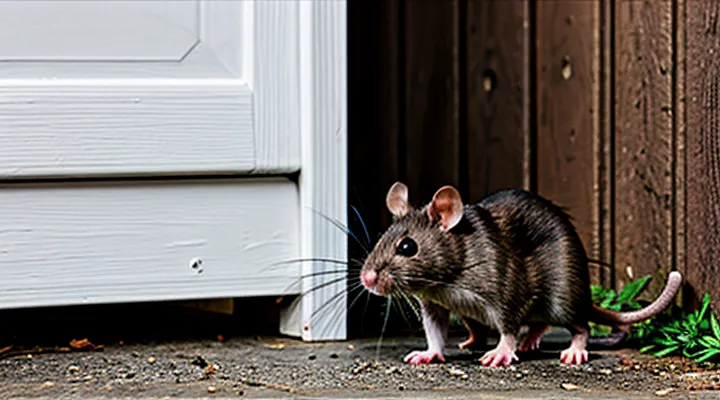
Understanding the Rodent Problem
Identifying Rodent Infestations
Signs of Rats and Mice
Rats and mice leave unmistakable evidence that signals an infestation. Identifying these clues early enables the selection of the most effective control strategy.
- Dark, pellet‑shaped droppings, ½‑inch long for mice and up to ¾‑inch for rats, often found near food sources, walls, and concealed corners.
- Gnaw marks on wood, plastic, or electrical wiring; incisors leave clean, crescent‑shaped holes roughly ¼‑inch wide.
- Fresh footprints in dusty areas, grease‑laden corridors, or soft soil; mouse tracks appear as fine, parallel lines, while rat tracks are broader with a distinct heel pad imprint.
- Nests constructed from shredded paper, fabric, insulation, or dried plant material, typically located in hidden spaces such as attic corners, wall voids, or beneath appliances.
- Scratching or scurrying sounds emitted from ceilings, walls, or crawl spaces, especially at night when rodents are most active.
- A strong, musky odor emanating from urine or secretions, detectable in enclosed environments.
- Chewed food packaging, pantry items, or stored grains, indicating foraging activity.
Detecting any combination of these indicators confirms rodent presence and informs the implementation of targeted deterrent measures, ensuring rapid reduction of population and prevention of further damage.
Common Entry Points
Rats and mice infiltrate structures through openings that often appear insignificant but provide sufficient clearance for the smallest individuals. Recognizing and eliminating these pathways is a prerequisite for any reliable rodent‑prevention program.
Typical access points include:
- Cracks in foundations, walls, and floors measuring as little as ¼ inch.
- Gaps surrounding doors, windows, and sliding panels, especially where weather‑stripping is worn.
- Openings around utility penetrations such as pipes, electrical conduits, and HVAC ducts.
- Unscreened vents, exhaust fans, and attic hatches.
- Holes at the base of exterior siding, brick, or stonework.
- Gaps beneath or behind appliances that rest on the floor, like refrigerators and stoves.
Effective sealing strategies involve:
- Applying steel wool or copper mesh to fill narrow gaps, then covering with caulk, expanding foam, or concrete.
- Installing metal flashing or hardware cloth (¼‑inch mesh) over larger openings before applying exterior sheathing.
- Replacing damaged weather‑stripping and ensuring door sweeps maintain continuous contact with the threshold.
- Using self‑adhesive, rodent‑resistant sealants rated for temperature extremes on vent covers and ductwork.
- Conducting a quarterly inspection to identify new cracks caused by settlement, moisture, or pest activity.
By systematically addressing each entry point, the likelihood of rodent intrusion drops dramatically, making structural exclusion the most dependable component of a comprehensive deterrent approach.
Risks Associated with Rodents
Health Hazards
Rodent control measures can introduce significant health risks to humans and domestic animals. Chemical baits often contain anticoagulant compounds that cause internal bleeding if ingested, leading to anemia, organ failure, or death. Secondary poisoning occurs when predators or pets consume contaminated prey, extending toxic effects throughout the food chain.
Physical traps present additional hazards. Snap devices generate high‑velocity force capable of causing severe lacerations or accidental discharge, potentially injuring bystanders. Glue boards trap rodents by adhesion, but the prolonged entrapment can result in bacterial contamination of the adhesive surface, creating a source of infection for anyone who contacts it.
Electronic deterrents carry their own dangers. Ultrasonic emitters operate at frequencies beyond human hearing yet may interfere with medical devices such as pacemakers or hearing aids. Faulty wiring can produce electrical shocks or fire hazards if the unit is improperly installed or maintained.
Mitigation strategies include:
- Selecting low‑toxicity baits approved by regulatory agencies.
- Positioning snap traps out of reach of children and pets, and using protective shields.
- Replacing glue boards with humane capture devices that allow safe release.
- Verifying that ultrasonic units meet safety standards and are installed according to manufacturer guidelines.
Understanding these health hazards is essential for implementing an effective rodent deterrent while protecting occupants and non‑target species.
Property Damage
Rodents cause extensive damage to structures, wiring, and stored goods. Their gnawing habit compromises insulation, wooden framing, and plastic components, leading to costly repairs and increased fire risk. Moisture‑rich environments created by burrows promote mold growth, further degrading building materials. Food‑storage areas suffer contamination, resulting in waste and potential health violations.
Typical manifestations of property damage include:
- Chewed electrical cables that can short circuits or trigger outages.
- Compromised structural beams and joists from persistent gnawing.
- Ruined upholstery, carpets, and insulation fibers.
- Stained and soiled surfaces from droppings and urine.
- Corroded metal fixtures exposed to rodent urine.
Effective deterrence strategies focus on preventing access and eliminating attractants. Methods that consistently reduce damage are:
- Sealing entry points with steel wool, cement, or metal flashing to block tunnels.
- Installing electronic ultrasonic devices that emit frequencies uncomfortable to rodents, discouraging lingering.
- Deploying snap traps or live‑capture devices in high‑activity zones to reduce population quickly.
- Applying rodent‑repellent granules or liquid formulations along walls, baseboards, and foundation cracks.
- Maintaining rigorous sanitation: removing food residues, securing waste containers, and keeping storage areas elevated from the floor.
Combining exclusion techniques with active population control yields the most reliable protection against structural deterioration caused by rats and mice. Continuous monitoring and prompt repair of any new entry points sustain the deterrent’s effectiveness over time.
Effective Deterrent Strategies
Non-Lethal Deterrent Methods
Repellents
Repellents provide a non‑lethal approach to discouraging rats and mice from inhabiting structures. Their primary function is to create an environment that rodents find unattractive or intolerable, thereby reducing the likelihood of infestation without direct contact.
Key categories of repellents include:
- Chemical formulations – synthetic compounds such as moleskin, naphthalene, or concentrated peppermint oil applied to surfaces or released as aerosols.
- Ultrasonic devices – emit high‑frequency sound waves that exceed the hearing range of humans but cause discomfort to rodents.
- Natural substances – dried herbs, essential oils, or powdered spices (e.g., cayenne pepper) placed around entry points and nesting sites.
- Mechanical barriers – copper mesh, steel wool, or specialized sealing tapes that obstruct access and deter gnawing.
Effectiveness depends on proper placement, dosage, and environmental conditions. Chemical repellents require regular re‑application to maintain volatile concentration; ultrasonic units must be positioned to avoid signal obstruction and may lose potency in cluttered spaces; natural substances lose potency when exposed to moisture; mechanical barriers demand precise sealing of all potential entry gaps.
Safety considerations involve compliance with local regulations governing pesticide use, exposure limits for occupants, and noise standards for electronic emitters. Selecting low‑toxicity chemicals and verifying that ultrasonic frequencies fall within permissible ranges protect both humans and pets.
Integrating repellents with complementary measures—such as sanitation, structural repairs, and trapping—creates a multi‑layered defense that maximizes rodent exclusion while minimizing reliance on any single method.
Natural Repellents
Natural repellents provide a practical alternative to chemical rodenticides when seeking an effective rodent deterrent. Their active compounds interfere with sensory perception, discouraging entry and habitation without leaving toxic residues.
- Peppermint oil – strong menthol scent overwhelms olfactory receptors; apply a few drops on cotton balls and place them near entry points, refreshing weekly.
- Clove oil – eugenol irritates nasal passages; dilute 1 % in water, spray around foundations and storage areas.
- Cayenne or hot pepper powder – capsaicin creates a burning sensation; sprinkle a thin layer along baseboards and near gnawing sites.
- Garlic and onion extracts – sulfur compounds emit an aversive odor; mix crushed cloves with water, soak cloth strips, and position them in corners.
- Predator urine (fox, ferret, or cat) – mimic natural threat cues; distribute a small amount on surfaces where rodents travel.
- Citrus peels – limonene repels through acidity; scatter fresh peels in trash cans and pantry shelves, replace regularly.
Effective application requires consistent placement, environmental durability, and integration with exclusion measures. Seal cracks, install door sweeps, and eliminate food sources to amplify repellent impact. Rotate scents every two weeks to prevent habituation.
Safety considerations include avoiding direct contact with undiluted essential oils, protecting children and pets from concentrated substances, and monitoring for allergic reactions. Natural repellents excel in indoor and perimeter settings but may require supplemental traps or sealing for severe infestations.
Ultrasonic Devices
Ultrasonic devices emit high‑frequency sound waves beyond the range of human hearing, targeting the auditory sensitivity of rats and mice. The emitted tones create an uncomfortable environment that prompts rodents to vacate the area or avoid entry altogether. The technology relies on continuous or intermittent pulses, adjustable in frequency and intensity to match the hearing thresholds of common pest species.
Effectiveness hinges on several factors. Proper placement near entry points, food sources, or nesting sites maximizes exposure. Devices must be installed in open spaces; obstacles such as furniture or walls can block acoustic propagation. Power supply stability ensures consistent operation; intermittent outages reduce deterrent impact.
Advantages and limitations can be summarized:
- Advantages
- No chemical residues, safe for humans and pets.
- Silent to occupants, preserving indoor comfort.
- Low maintenance; most units require only occasional battery replacement or plug‑in power.
- Limitations
Selection criteria for a reliable ultrasonic system include adjustable frequency ranges, programmable schedules, and documented field testing results. Integration with complementary measures—sealed entry points, sanitation, and trapping—enhances overall control and sustains long‑term rodent exclusion.
Exclusion Techniques
Exclusion prevents rodents from entering buildings by eliminating all potential openings. Effective exclusion requires a systematic approach: identify entry points, install durable barriers, and maintain a sealed envelope.
- Inspect the structure from foundation to roof. Look for gaps larger than ¼ inch in walls, floors, vents, utility penetrations, and door thresholds.
- Seal cracks and holes with appropriate materials. Use cement or mortar for masonry, expanding foam for irregular gaps, and silicone caulk for minor seams.
- Install metal flashing around windows, soffits, and eaves. Stainless steel or galvanized steel resists gnawing and corrosion.
- Fit door sweeps on all exterior doors. Ensure the sweep contacts the floor evenly without dragging.
- Cover vents, dryer exhausts, and utility openings with ½‑inch hardware cloth or stainless‑steel mesh. Secure the mesh with stainless‑steel staples or screws.
- Replace damaged or rotted wood, especially in foundations, sill plates, and joist ends. Use pressure‑treated lumber or composite materials that resist chewing.
- Apply concrete or cement sealant to foundation cracks and crawl‑space walls. Maintain a smooth, uninterrupted surface.
After installation, schedule periodic inspections—quarterly for high‑risk properties, semi‑annually for others. Replace worn barriers promptly, and address new construction or renovation openings before they become active routes. Consistent application of these exclusion techniques creates a robust physical barrier, substantially reducing the likelihood of rat and mouse infestations.
Sealing Entry Points
Sealing entry points prevents rodents from accessing indoor spaces, making it the most effective preventive measure against infestations. Identify all potential gaps where rats or mice could enter: gaps around utility pipes, vents, foundation cracks, door thresholds, and window frames. Use durable materials such as steel wool, copper mesh, or cement-based sealants to close openings larger than ¼ inch. Apply expanding foam sparingly on small cracks, then reinforce with metal flashing to resist gnawing. Install door sweeps on exterior doors and weatherstripping on interior doors to eliminate gaps at the bottom and sides. Ensure that vent covers are fitted with fine mesh screens and that any attic or crawl‑space access points have sealed doors or hatch locks.
Key actions:
- Conduct a thorough inspection of the building envelope, both interior and exterior.
- Prioritize sealing of gaps adjacent to food storage, water sources, and waste areas.
- Replace damaged or rotted wood, plaster, or siding that creates entryways.
- Maintain regular checks after repairs to verify that seals remain intact.
By eliminating entry routes, you remove the primary attraction for rats and mice, reducing the need for chemical or mechanical control methods.
Securing Food Sources
Securing food supplies eliminates the primary attraction that drives rats and mice into homes and businesses. By removing accessible nourishment, the effectiveness of any rodent deterrent increases dramatically.
Implementing strict storage practices includes:
- Using airtight containers made of metal or heavy‑wall plastic for grains, cereals, pet food, and dried goods.
- Labeling containers with inspection dates and rotating stock to prevent spoilage.
- Placing containers on elevated shelves, away from floor level where rodents can gnaw or climb.
- Sealing pantry doors with weather‑stripping or magnetic catches to block entry points.
Maintain cleanliness in preparation and consumption areas:
- Sweep crumbs and debris from countertops, floors, and equipment after each use.
- Store waste in bins with tightly fitting lids; empty them regularly.
- Clean spills immediately, especially sugary or oily residues that attract pests.
Control external sources:
- Install sturdy, lockable doors on outdoor storage sheds.
- Cover compost piles with wire mesh and keep them at a distance from building foundations.
- Inspect deliveries for signs of rodent activity before unloading.
By enforcing these measures, food becomes an unavailable resource, forcing rodents to seek alternative habitats and reducing reliance on chemical or mechanical deterrents. The result is a more sustainable, low‑maintenance approach to rodent management.
Lethal Deterrent Methods
Traps
Traps provide a direct, immediate method for reducing rat and mouse populations. Their effectiveness depends on proper selection, placement, and maintenance.
- Snap traps: spring‑loaded, kill instantly, inexpensive, require regular checking.
- Electronic traps: deliver a high‑voltage shock, humane‑kill, reusable, suitable for indoor use.
- Live‑catch traps: capture without injury, allow relocation, demand prompt release to avoid stress.
- Glue boards: adhesive surface, capture multiple rodents, pose risk to non‑target animals, require careful disposal.
- Multi‑catch snap traps: hold several kills, reduce handling frequency, best for high‑traffic areas.
Key practices for optimal results:
- Position traps along walls, behind objects, and near known activity signs such as droppings or gnaw marks.
- Use attractive baits—peanut butter, dried fruit, or meat—to entice rodents.
- Set traps flush with the wall to align with the rodent’s natural travel route.
- Inspect traps daily; remove captured rodents promptly to prevent odor buildup.
- Rotate trap locations periodically to prevent habituation.
Safety considerations include wearing gloves during handling, securing traps out of reach of children and pets, and disposing of dead rodents in sealed containers before discarding. Proper sanitation after removal—cleaning surfaces with disinfectant—prevents disease transmission and discourages re‑infestation.
Snap Traps
Snap traps provide rapid, lethal control of rodent populations. The spring‑loaded bar delivers a swift impact that kills the animal instantly, preventing prolonged suffering and reducing the likelihood of disease transmission. Because the mechanism does not rely on poison, snap traps eliminate concerns about secondary poisoning of pets or wildlife.
Effectiveness depends on proper bait selection, trap placement, and regular inspection. Common baits include peanut butter, dried fruit, and small pieces of meat; these attract both rats and mice. Position traps along walls, behind appliances, and near known gnawing sites, aligning the trigger with the rodent’s natural travel path. Set traps at night when activity peaks, and check them each morning to remove captured specimens and reset the device.
Safety considerations are essential in environments with children or domestic animals. Choose models with enclosed chambers or protective covers that prevent accidental discharge. Secure traps on stable surfaces to avoid tipping, and store unused units out of reach. Replace worn springs promptly; a weakened spring reduces kill force and may result in non‑fatal injuries.
Key practices for optimal results:
- Use fresh, high‑odor bait and replace it every 48 hours.
- Space traps 1–2 feet apart in areas of heavy activity.
- Dispose of dead rodents in sealed bags and follow local waste regulations.
- Rotate trap locations weekly to prevent habituation.
Live Traps and Their Management
Live traps provide a humane option for controlling rodent populations while preventing damage to property. Their effectiveness depends on proper selection, placement, and ongoing management.
Key factors when choosing a live trap include:
- Size compatible with target species (rats require larger cages than mice).
- Durable construction to withstand chewing.
- Secure locking mechanism that releases without injury.
- Easy access for inspection and removal.
Placement determines capture rates. Position traps along established runways, near walls, and close to food sources. Bait with high‑protein items such as peanut butter, dried fruit, or canned fish. Secure the trap to prevent tipping, and ensure the entry side faces the rodent’s travel direction.
Monitoring must occur at least twice daily. Prompt removal reduces stress and prevents trap shyness. Once captured, relocate rodents at least five miles from the site to avoid re‑infestation. Release should occur in a suitable habitat with access to shelter and water.
Regular maintenance extends trap life. Clean cages with mild detergent after each use, inspect hinges for wear, and replace damaged components immediately. Store traps in a dry environment to prevent rust and odor buildup.
When integrated into a broader control program, live traps reduce rodent numbers without reliance on poisons, supporting long‑term population suppression and minimizing secondary hazards.
Baits and Poisons
Bait and poison products constitute a primary method for reducing rodent populations in residential, commercial, and agricultural settings. Formulations combine an attractant with a toxicant that interferes with the animal’s nervous or metabolic systems, leading to rapid mortality after ingestion.
Common active ingredients include anticoagulants such as bromadiolone, difenacoum, and brodifacoum, which inhibit blood clotting and cause internal hemorrhage. Non‑anticoagulant toxins, for example, zinc phosphide and chlorophacinone, produce acute respiratory failure or disrupt cellular respiration. Each class requires specific handling procedures to prevent secondary poisoning of non‑target species.
Effective deployment follows a systematic approach:
- Identify active infestation zones by locating droppings, gnaw marks, and runways.
- Place bait stations at wall junctions, behind appliances, and within concealed pathways.
- Use tamper‑resistant containers to limit access by children and pets.
- Rotate active ingredients every 30‑45 days to mitigate resistance development.
- Monitor stations daily, recording consumption rates and removing spent units.
Safety considerations demand strict adherence to label instructions. Personal protective equipment—gloves, mask, and eye protection—must be worn during placement and disposal. Unused bait should be stored in sealed containers away from food sources. In environments with high non‑target activity, consider low‑toxicity formulations or alternative control measures.
Advantages of bait and poison include rapid reduction of hidden populations and minimal structural disruption. Limitations involve the potential for accidental exposure, the need for ongoing maintenance, and regulatory restrictions on certain toxicants. Integrating baits with exclusion techniques and sanitation improves overall efficacy and minimizes reliance on chemical agents.
Types of Baits
Effective rodent control relies on selecting the appropriate bait formulation. The following categories represent the primary options for eliminating rats and mice:
- Anticoagulant baits – contain compounds such as warfarin, brodifacoum, or difethialone that disrupt blood clotting. They are available in single‑dose and multiple‑dose formats, allowing flexibility based on infestation severity.
- Non‑anticoagulant baits – include bromethalin, cholecalciferol, and zinc phosphide. These agents act on the nervous system, calcium metabolism, or produce toxic gas within the digestive tract, providing alternatives for anticoagulant‑resistant populations.
- Food‑grade rodenticides – formulated from natural ingredients like dried grain, peanut butter, or fish meal, combined with low‑toxicity active substances. They are suitable for environments where secondary poisoning risk must be minimized.
- Organic or botanical baits – employ extracts such as peppermint oil, capsaicin, or garlic to deter feeding. While less lethal, they reduce activity levels and can complement chemical baits in integrated pest‑management programs.
- Hybrid baits – blend a primary toxicant with a secondary attractant, enhancing palatability and ensuring rapid consumption. Examples incorporate powdered rodenticide with sweeteners or protein sources.
Choosing a bait type requires matching the active ingredient to the target species’ feeding habits, resistance profile, and the surrounding ecosystem’s safety constraints. Proper placement, rotation of active agents, and adherence to label instructions maximize efficacy while limiting non‑target exposure.
Safety Considerations for Poisons
When employing rodent poisons, protect non‑target organisms and comply with regulations. Use products labeled for indoor or outdoor use only as intended; misapplication increases risk of accidental ingestion. Store baits in sealed containers away from food preparation areas, children’s reach, and domestic animals. Apply bait stations that lock the poison inside, limiting exposure to pets and wildlife. Select concentrations that match the target species and follow manufacturer dosage guidelines; overdosing can cause secondary poisoning of predators. Wear gloves and, if recommended, a mask while handling toxic compounds to prevent skin absorption and inhalation. Keep a record of placement locations, dates of application, and batch numbers for traceability. Dispose of unused poison and contaminated materials according to local hazardous‑waste procedures; never discard in regular trash or down drains. Verify that the chosen formulation complies with regional pest‑control statutes and that any required permits are obtained before use. Regularly inspect bait stations for damage or depletion and replace them promptly to maintain effectiveness while preserving safety.
Implementing an Integrated Pest Management Plan
Assessing the Infestation Level
Accurate assessment of rodent activity is the foundation for selecting an effective control strategy. Begin by documenting visible evidence: droppings, gnaw marks, nests, and tracks. Record the size, location, and frequency of each sign to establish a baseline.
- Droppings: Measure length (5–7 mm indicates mice, 12–15 mm suggests rats) and count clusters per square meter.
- Gnaw marks: Identify material (soft wood, plastic) and map damage patterns to determine movement routes.
- Nests: Locate concealed sites in walls, insulation, or stored goods; note proximity to food sources.
- Tracks: Use a non‑powdered tracking medium (e.g., fluorescent powder) to reveal active pathways during nocturnal periods.
Quantify findings with a simple scoring system: 0 = no evidence, 1 = sporadic signs, 2 = moderate activity, 3 = heavy infestation. Apply the score to each surveyed area, then calculate an overall infestation index by averaging the area scores.
Interpretation of the index guides deterrent selection. Low scores (0–1) may respond to preventative measures such as sealing entry points and deploying low‑dose bait stations. Moderate scores (1.5–2.5) require integrated tactics—combining baits, traps, and habitat modification. High scores (≥2.5) demand aggressive control, including professional-grade baits, multiple trap types, and extensive exclusion work.
Regular re‑evaluation, using the same methodology, confirms the efficacy of the chosen measures and signals the need for adjustments. Consistency in data collection ensures reliable comparisons over time and supports evidence‑based decision‑making.
Choosing the Right Deterrent Combination
Choosing an effective rodent deterrent requires integrating methods that address attraction, access, and behavior simultaneously. A single tactic rarely eliminates an established infestation; a coordinated approach maximizes pressure on the pest population while minimizing collateral impact.
- Identify food sources and eliminate unsecured waste.
- Seal entry points larger than ¼ inch with metal flashing, steel wool, or cement.
- Select deterrent types that complement each other (e.g., scent, physical, and electronic).
- Consider the environment: indoor spaces favor low‑toxicity options; outdoor areas can accommodate stronger chemical agents.
- Evaluate safety for non‑target species and human occupants.
Effective combinations often pair a primary barrier with a secondary irritant. For example, installing steel‑wool‑filled openings and applying a peppermint‑oil spray along the same perimeter creates both a physical block and a repellent scent. In agricultural settings, integrating ultrasonic emitters with bait stations containing low‑dose anticoagulants sustains pressure on populations while reducing bait consumption by non‑target wildlife.
- Physical barrier (mesh, steel wool) + non‑toxic repellent (essential oils, predator urine).
- Ultrasonic device + mechanical trap (snap or live‑capture).
- Bait station (low‑dose anticoagulant) + exclusion fencing.
- Electronic monitoring (motion‑activated lights) + habitat modification (removing clutter).
Each pairing targets a distinct aspect of rodent behavior, ensuring that when one method fails, another remains active. Selecting the appropriate mix depends on site‑specific conditions, regulatory constraints, and long‑term maintenance capacity.
Ongoing Monitoring and Maintenance
Effective rodent control relies on continuous observation and upkeep. Without systematic checks, even the most potent deterrent measures lose efficacy as rodents adapt or conditions change.
- Conduct visual inspections weekly in kitchens, storage areas, and exterior perimeters. Look for droppings, gnaw marks, burrows, and grease trails.
- Verify trap and bait station functionality daily. Replace dead bait, reset sprung traps, and ensure devices remain concealed from non‑target species.
- Maintain sanitation by eliminating food residues, sealing waste containers, and repairing structural gaps that provide entry points.
- Record inspection dates, findings, and actions taken. Use the log to identify trends, assess device performance, and schedule preventive interventions.
- Adjust placement, type, or density of deterrent devices based on observed activity patterns. Rotate traps and rotate bait formulations periodically to prevent habituation.
Consistent application of these practices sustains the potency of any rodent deterrent strategy, reduces infestation risk, and shortens response time when new activity emerges.
Professional Pest Control Services
Rats and mice cause structural damage, contaminate food supplies, and transmit diseases. Immediate intervention prevents escalation and reduces long‑term costs.
Professional pest control operators follow a systematic process: initial inspection, species identification, targeted treatment, and ongoing monitoring. The approach integrates physical exclusion, baiting, and, when necessary, licensed rodenticides applied by certified technicians.
- Detailed site survey to locate entry points and activity hotspots
- Installation of sealed barriers and hardware cloth to block access
- Placement of tamper‑resistant bait stations calibrated to local infestation levels
- Use of EPA‑approved rodenticides administered according to safety protocols
- Regular follow‑up visits to assess efficacy and adjust tactics
Expert teams possess training in rodent behavior, regulatory compliance, and safe chemical handling. Their interventions achieve higher success rates than consumer‑grade traps or over‑the‑counter products, which often lack proper placement and monitoring. Guarantees offered by reputable firms provide accountability and reduce risk of re‑infestation.
Choosing a licensed service ensures that the most effective deterrent measures are implemented, maintained, and documented, delivering reliable protection for homes and businesses.
Preventing Future Rodent Issues
Maintaining a Clean Environment
A clean environment removes the food, water, and shelter that attract rodents, making sanitation the most reliable method for preventing infestations. Regular removal of waste, prompt cleaning of spills, and proper storage of food eliminate the resources that rats and mice need to survive.
Key practices include:
- Empty trash bins daily and use containers with tight‑fitting lids.
- Sweep and mop floors after each meal preparation to remove crumbs.
- Store dry goods in sealed, rodent‑proof containers.
- Keep countertops clear of food residues; wipe surfaces with a disinfectant.
- Repair leaks and eliminate standing water to deny a drinking source.
- Declutter storage areas; stack boxes away from walls to reduce hiding spots.
Implementing these steps creates an environment where rodents cannot find sustenance or protection, thereby serving as the most effective deterrent.
Landscaping and Exterior Maintenance
Effective rodent control begins outdoors. Proper landscaping and exterior upkeep remove shelter, food sources, and travel routes that attract rats and mice, thereby enhancing the overall efficacy of any repellent strategy.
Maintaining a rodent‑unfriendly garden involves several precise actions:
- Trim vegetation so that branches and shrubs do not touch the building; this eliminates bridge pathways.
- Keep grass at a moderate length; tall turf provides cover for foraging rodents.
- Remove piles of leaves, mulch, or compost that are not sealed, as they serve as nesting material.
- Install hard‑scaping elements such as stone or gravel borders to create a dry, inhospitable surface near foundations.
- Ensure drainage systems function correctly; standing water encourages vegetation growth and attracts insects, which in turn draw rodents.
Exterior maintenance reinforces these measures:
- Seal cracks, gaps, and openings in siding, foundation, and utility penetrations to block entry points.
- Store firewood, lumber, and other debris at least 18 inches off the ground and away from the structure.
- Clean gutters and downspouts regularly to prevent water accumulation that supports plant growth.
- Keep exterior lighting focused on the building rather than the surrounding yard; excessive illumination can deter nocturnal foraging.
- Perform routine inspections after severe weather to repair damage that could create new harborage.
By integrating disciplined landscaping practices with vigilant exterior maintenance, homeowners create an environment that actively discourages rodent activity, thereby supporting the most effective rodent deterrent approach.
Regular Inspections
Regular inspections form a core element of any effective rodent‑control program. By systematically surveying premises, potential entry points and activity indicators are identified before infestations reach damaging levels.
Key inspection activities include:
- Visual examination of walls, ceilings, floors and utility penetrations for holes, gnaw marks or droppings.
- Assessment of food storage areas, waste containers and sanitation practices for conditions that attract rodents.
- Verification of trap placement, bait integrity and monitoring device functionality.
- Evaluation of structural repairs, sealing gaps with appropriate materials such as steel wool, caulk or metal flashing.
Inspections should occur at least once every two weeks in high‑risk environments (restaurants, warehouses, grain facilities) and monthly in lower‑risk settings (offices, residential units). Seasonal spikes in rodent activity may require additional checks during autumn and winter.
Each visit must be documented: record observations, note corrective actions taken, and schedule follow‑up tasks. Prompt remediation—repairing openings, adjusting bait stations, enhancing sanitation—prevents the establishment of breeding colonies and sustains the overall deterrent strategy.