
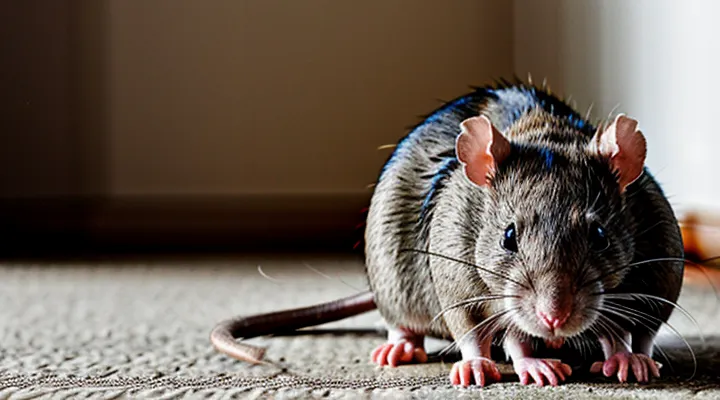
Understanding Rat Lifespan
Average Lifespan in the Wild
Factors Affecting Wild Rat Lifespan
Wild rat longevity varies widely, with environmental pressures exerting the greatest influence on survival rates. In natural habitats, individuals confront a combination of biological and ecological challenges that determine their life expectancy.
- Predation pressure from birds, mammals, and reptiles reduces average age by increasing mortality risk, especially for juveniles.
- Food availability and nutritional quality affect growth, immune function, and resistance to disease; scarcity shortens lifespan, while abundant resources can extend it.
- Pathogen load, including bacterial, viral, and parasitic infections, accelerates physiological decline; exposure intensity correlates with reduced survival.
- Habitat quality, encompassing shelter density, climate stability, and exposure to pollutants, shapes stress levels and injury rates; harsh or contaminated environments lower longevity.
- Intraspecific competition for territory and mates leads to aggressive encounters, injuries, and heightened stress hormones, which diminish life expectancy.
- Seasonal fluctuations, particularly extreme temperatures, trigger metabolic stress and increase mortality during winter or heat waves.
These determinants interact, creating a complex matrix that governs how long a wild rat can live. Understanding each factor clarifies why observed lifespans differ markedly from those recorded under controlled laboratory conditions.
Common Causes of Mortality for Wild Rats
Wild rats typically live between 12 and 24 months, a duration heavily influenced by environmental hazards and disease pressures. Mortality patterns differ markedly from captive individuals because wild specimens confront predation, resource scarcity, and pathogen exposure.
Key factors that truncate the life of free‑living rats include:
- Predation by mammals (cats, foxes, mustelids) and birds of prey, which accounts for the majority of early deaths.
- Parasitic infestations such as nematodes, cestodes, and ectoparasites that cause anemia, organ damage, and secondary infections.
- Communicable diseases, notably hantavirus, leptospirosis, and bacterial sepsis, which spread rapidly in dense colonies.
- Nutritional stress resulting from seasonal food shortages, leading to cachexia and weakened immune defenses.
- Intraspecific aggression and territorial fights that produce traumatic injuries and hemorrhage.
These causes collectively shape the observed lifespan distribution in natural rat populations, limiting survival beyond the first year for most individuals.
Average Lifespan of Pet Rats
Ideal Conditions for Pet Rat Longevity
A pet rat can live between two and three years when its environment meets specific biological requirements. Optimizing these factors extends the animal’s natural lifespan and improves overall well‑being.
-
Nutrition: Provide a balanced commercial rat mix supplemented with fresh vegetables, limited fruit, and occasional protein sources. Avoid high‑fat treats and ensure constant access to clean water.
-
Housing: Use a spacious, well‑ventilated cage with solid flooring. Maintain temperature between 65–75 °F (18–24 °C) and humidity around 40–60 %. Regularly clean the enclosure to prevent bacterial growth.
-
Enrichment: Include climbing structures, tunnels, and chewable toys to stimulate natural behaviors. Rotate items weekly to prevent habituation and reduce stress.
-
Health monitoring: Schedule veterinary check‑ups at least twice yearly. Promptly address signs of respiratory infection, tumors, or dental wear. Keep a record of weight and coat condition.
-
Social interaction: House rats in compatible groups of the same sex or neutered individuals. Provide daily handling sessions to foster trust and reduce anxiety.
Adhering to these conditions creates a stable environment that aligns with the species’ physiological needs, thereby maximizing the expected longevity of a domesticated rat.
Factors Influencing Rat Lifespan
Genetic Predisposition
Genetic makeup exerts a measurable impact on how long laboratory and wild rats live. Studies of inbred strains reveal lifespan variations of up to 30 % that correlate with distinct alleles. For example, the Ames dwarf mutation extends median survival by roughly 50 % through reduced growth‑hormone signaling, while loss‑of‑function mutations in the p53 gene accelerate tumor onset and shorten life expectancy.
Heritability estimates for rat longevity range from 0.25 to 0.45, indicating that roughly one‑third of the observed variance can be attributed to inherited factors. Selective breeding programs that emphasize late‑onset mortality consistently produce generations with increased mean age at death, confirming the transmissible component.
Key genetic mechanisms influencing rat lifespan include:
- Growth‑hormone axis modulation – mutations that dampen IGF‑1 signaling delay senescence.
- DNA‑repair efficiency – polymorphisms in XRCC1 and ERCC1 enhance genomic stability, reducing age‑related pathology.
- Telomere maintenance – elevated expression of telomerase reverse transcriptase (TERT) correlates with longer cellular replicative capacity.
- Metabolic regulation – variants in PPARγ affect lipid handling and oxidative stress, shaping longevity outcomes.
Environmental interactions remain significant; however, controlled experiments demonstrate that the same genetic background yields consistent lifespan differences across diverse housing conditions. Consequently, genetic predisposition constitutes a core determinant when estimating expected rat longevity, informing both experimental design and translational aging research.
Environmental Factors
Diet and Nutrition
Research on rodent longevity consistently links dietary composition to lifespan outcomes. Balanced macronutrient ratios, adequate micronutrient supply, and controlled caloric intake extend the typical life expectancy of rats.
Key dietary factors influencing longevity include:
- Protein level: Moderate protein (15‑20 % of calories) supports growth without accelerating age‑related decline; excessive protein shortens lifespan.
- Fat content: Low‑to‑moderate fat (5‑10 % of calories) reduces oxidative stress; saturated fats above 10 % correlate with earlier mortality.
- Carbohydrate source: Complex carbohydrates with high fiber improve gut health and metabolic stability, whereas simple sugars increase insulin resistance.
- Essential vitamins and minerals: Adequate vitamin E, C, and selenium mitigate oxidative damage; calcium and phosphorus balance prevents skeletal degeneration.
- Caloric restriction: Reducing daily intake by 20‑30 % without malnutrition consistently adds 30‑40 % to lifespan across strains.
Feeding schedules also affect outcomes. Regular, measured portions prevent over‑eating and maintain stable body weight. Ad libitum access to high‑energy foods often leads to obesity, hypertension, and reduced survival.
Experimental data demonstrate that substituting standard chow with a purified diet meeting the above criteria increases median survival from 2 years to approximately 2.5–3 years in common laboratory strains. Conversely, diets deficient in essential fatty acids or deficient in trace minerals precipitate early onset of age‑related pathologies and lower overall longevity.
Implementing these nutritional guidelines in breeding colonies yields reproducible extensions of rat lifespan, providing a reliable model for studying aging mechanisms.
Living Conditions and Habitat
Rats thrive in environments that provide shelter, food, and water while minimizing exposure to predators and disease. Urban settings offer abundant waste, sewer systems, and building crevices that serve as nesting sites. Rural areas present burrows in fields, grain stores, and livestock facilities, where rodents can construct extensive tunnel networks.
Optimal conditions for longevity include:
- Stable temperature ranging from 20 °C to 25 °C, reducing metabolic stress.
- Access to clean water; dehydration accelerates organ failure.
- Diet rich in protein and limited in toxins; high‑fat or contaminated food shortens life expectancy.
- Low population density; overcrowding raises transmission of pathogens and increases aggression.
Conversely, habitats with extreme temperatures, poor sanitation, and high parasite loads correlate with reduced survival rates. Seasonal variations affect breeding cycles, leading to fluctuations in population density and competition for resources, which in turn influence individual health outcomes.
Laboratory environments attempt to standardize these variables: controlled climate, sterilized bedding, and regulated nutrition extend the average lifespan compared with wild counterparts. Understanding the relationship between habitat quality and rat physiology is essential for accurately interpreting lifespan data across different settings.
Stress Levels
Stress exposure shortens the typical rat longevity by accelerating physiological wear. Chronic activation of the hypothalamic‑pituitary‑adrenal axis elevates corticosterone, suppresses immune function, and promotes oxidative damage in vital organs. Studies that maintain rats under unpredictable mild stress report a 10‑15 % reduction in mean lifespan compared with unstressed controls.
Key pathways linking stress to reduced survival include:
- Persistent glucocorticoid signaling → telomere attrition in hematopoietic cells.
- Sympathetic overdrive → hypertension and cardiac remodeling.
- Heightened inflammatory cytokine production → accelerated neurodegeneration.
Acute stressors produce transient spikes in corticosterone but do not markedly affect overall lifespan unless they occur repeatedly. Repeated restraint, social isolation, or unpredictable noise each generate measurable declines in survival curves, whereas single‑episode stressors return to baseline within days and leave longevity unchanged.
Mitigation strategies that normalize stress biomarkers—environmental enrichment, regular handling, and scheduled feeding—restore corticosterone rhythms and extend median survival to levels observed in low‑stress cohorts. Implementing such interventions in laboratory colonies improves both animal welfare and the reliability of longevity data.
Health and Disease
Common Rat Ailments
Rats commonly encounter health conditions that significantly influence their expected longevity. Understanding prevalent diseases clarifies why many individuals experience shorter lifespans than the species’ potential.
- Respiratory infections (e.g., Mycoplasma pulmonis, viral pneumonitis): cause chronic breathing difficulty, reduce activity, and can lead to fatal pneumonia.
- Dental malocclusion: overgrown incisors impair feeding, result in weight loss, and predispose to secondary infections.
- Gastrointestinal parasites (e.g., Hymenolepis nana, pinworms): induce diarrhoea, nutrient depletion, and weakened immune response.
- Neoplastic growths (fibrosarcoma, mammary adenocarcinoma): proliferate rapidly, compromise organ function, and are a leading cause of mortality in older rats.
- Cardiovascular disorders (atherosclerosis, hypertension): diminish circulatory efficiency, increase risk of heart failure.
- Metabolic diseases (diabetes mellitus, obesity): disrupt glucose regulation, accelerate organ degeneration.
Each condition accelerates physiological decline, shortening the period a rat can remain healthy. Early detection and preventive care—regular health checks, balanced diet, proper housing, and parasite control—mitigate disease impact and extend the animal’s functional years.
Impact of Veterinary Care
Veterinary intervention significantly influences the expected longevity of domestic and laboratory rats. Routine examinations enable early identification of respiratory infections, neoplasms, and metabolic disorders that commonly reduce survival rates. Preventive measures—vaccination against prevalent pathogens, systematic parasite eradication, and dental prophylaxis—lower morbidity and extend life expectancy beyond the baseline of two to three years observed in untreated populations.
Targeted care also addresses nutritional deficiencies. Veterinary nutritionists tailor diets to meet the high metabolic demands of rodents, preventing obesity, renal strain, and gastrointestinal complications. Regular monitoring of body condition scores and blood chemistry facilitates timely adjustments, reducing the incidence of diet‑related diseases.
Environmental health management, guided by veterinary recommendations, minimizes stressors that accelerate aging. Recommendations include cage enrichment, temperature regulation, and humidity control, all of which correlate with reduced cortisol levels and improved immune function.
Key effects of veterinary care on rat longevity:
- Early disease detection → delayed progression, increased survival.
- Immunizations and parasite control → lower infection‑related mortality.
- Dental and oral health maintenance → prevention of systemic infections.
- Customized nutrition → mitigation of metabolic and renal disorders.
- Environmental guidelines → reduced physiological stress.
Collectively, these interventions can add up to one additional year to a rat’s natural lifespan, representing a measurable improvement in overall health outcomes.
Maximizing a Rat’s Lifespan
For Pet Rats
Proper Diet and Feeding Practices
A rat’s expected lifespan is heavily influenced by the quality and consistency of its diet. Nutrient‑dense foods provide the building blocks for cellular repair, immune function, and metabolic stability, all of which extend longevity.
Essential components include:
- Protein: 18–20 % of the diet, sourced from lean meat, eggs, or high‑quality rodent pellets, supports muscle maintenance and organ health.
- Fat: 5–7 % from animal or plant oils supplies essential fatty acids and aids vitamin absorption.
- Carbohydrates: Complex grains and vegetables deliver steady energy without causing blood‑sugar spikes.
- Vitamins and minerals: Adequate levels of calcium, phosphorus, vitamin D, and B‑complex vitamins prevent skeletal deformities and neurological deficits.
- Water: Fresh, clean water must be available at all times; dehydration accelerates organ failure.
Feeding practices that promote maximum lifespan:
- Scheduled meals: Provide measured portions two to three times daily to prevent overeating and obesity.
- Freshness: Replace food and water every 24 hours to avoid bacterial growth and nutrient degradation.
- Variety: Rotate protein sources and incorporate seasonal vegetables to ensure a broad spectrum of micronutrients.
- Monitoring: Track body weight and coat condition; adjust caloric intake promptly if weight deviates from the optimal range (250–300 g for adult laboratory rats).
- Avoidance of toxins: Exclude processed snacks, high‑sugar treats, and foods containing onion, garlic, or excessive salt, which can cause hemolytic anemia and renal stress.
Implementing these dietary guidelines creates an environment where physiological processes operate efficiently, thereby increasing the rat’s overall lifespan.
Enrichment and Exercise
Enrichment and regular physical activity markedly extend the typical longevity of laboratory rats. Stimulating environments reduce stress‑induced cortisol spikes, which otherwise accelerate cellular aging. Access to tunnels, nesting material, and novel objects encourages natural foraging behavior, promoting neurogenesis and preserving cognitive function throughout adulthood.
Exercise increases cardiovascular efficiency, enhances muscle mass, and improves insulin sensitivity. Rats that run on wheels or climb structures exhibit lower incidence of age‑related metabolic disorders and maintain higher aerobic capacity, factors directly linked to longer survival.
Key practices for maximizing lifespan through enrichment and activity:
- Provide a rotating selection of chewable and manipulable items to prevent habituation.
- Install a running wheel calibrated for safe speed; allow 1–2 hours of voluntary running daily.
- Incorporate vertical platforms and climbing ladders to engage hind‑limb musculature.
- Schedule weekly habitat rearrangements to introduce novelty without causing overcrowding.
Implementing these measures consistently yields measurable gains in median survival, with studies reporting an increase of 10–20 percent compared to sedentary controls. The cumulative effect stems from reduced physiological wear, sustained cognitive health, and enhanced immune resilience.
Regular Vet Check-ups and Preventive Care
Regular veterinary examinations are essential for maintaining a rat’s health and extending its natural lifespan. A professional assessment provides objective data on body condition, organ function, and behavior, allowing owners to identify subtle changes that may indicate disease before symptoms become severe.
Key components of routine check‑ups include:
- Comprehensive physical exam covering skin, eyes, ears, teeth, and respiratory system.
- Vaccination against common viral infections, which reduces mortality risk.
- Parasite prevention (internal and external) to avoid anemia, gastrointestinal distress, and secondary infections.
- Dental evaluation and cleaning; untreated dental disease can lead to systemic infection and early death.
- Weight and body‑condition monitoring, guiding dietary adjustments to prevent obesity‑related disorders such as diabetes and cardiovascular strain.
- Laboratory testing (blood work, fecal analysis) for early detection of organ dysfunction, metabolic imbalances, or hidden infections.
Preventive care strategies complement veterinary visits. Consistent environmental sanitation, enrichment, and balanced nutrition lower stress and exposure to pathogens, further supporting longevity. By integrating scheduled examinations with proactive husbandry, owners create a health management plan that mitigates disease, promotes recovery, and maximizes the rat’s expected years of life.
Maintaining a Clean Environment
A clean habitat reduces exposure to pathogens, parasites, and toxic substances that shorten a rat’s typical lifespan. Regular removal of waste, prompt cleaning of food containers, and disinfection of cages eliminate breeding grounds for bacteria and fungi, directly decreasing the incidence of respiratory and gastrointestinal infections.
- Replace bedding weekly to prevent mold growth.
- Clean water bottles daily; sterilize with dilute bleach solution weekly.
- Wash food dishes after each feeding; store dry feed in sealed containers.
- Disinfect cage surfaces with rodent‑safe sanitizer every two weeks.
- Inspect for droppings or urine stains; remove immediately.
Each practice lowers physiological stress, supports immune function, and promotes stable body temperature, factors documented to extend rat longevity by several months compared with animals kept in suboptimal conditions. Consistent hygiene therefore constitutes a primary determinant of the species’ life expectancy under laboratory and pet‑keeping environments.
For Wild Rats (Observational Considerations)
Understanding Ecosystem Dynamics
Rats typically live between two and three years, a duration that directly shapes the flow of energy and matter through many habitats. Short-lived mammals generate rapid turnover, producing successive generations that continuously alter prey availability and competition intensity.
The brevity of rat life cycles accelerates predator‑prey dynamics. Predators respond to fluctuations in rat numbers with short lag periods, while the rodents’ high reproductive output compensates for frequent mortality, sustaining a steady food source. Rapid turnover also speeds the decomposition of organic material, as carcasses and waste become frequent inputs for detritivores and microbial communities.
Key ecological processes influenced by rat longevity include:
- Reproductive pulse timing, which determines seasonal peaks in population density.
- Energy transfer rates, where frequent births and deaths create a constant flow of biomass to higher trophic levels.
- Pathogen circulation, with each generation potentially introducing or amplifying disease agents.
- Competitive displacement, as fast‑growing cohorts outcompete slower species for limited resources.
Understanding these mechanisms refines population models and informs management strategies. Accurate estimates of typical rat lifespan allow ecologists to predict population trajectories, assess the impact of control measures, and evaluate the broader consequences for ecosystem stability.
Impact of Human Intervention
Rats living in natural habitats typically survive 1–2 years, while individuals kept under human care often reach 2.5–3 years. The disparity originates from direct and indirect human actions that modify mortality factors.
Provision of balanced diets, regular veterinary examinations, and protection from predators increase survival rates. Access to sterile water, supplemental vitamins, and prompt treatment of infections contribute measurable extensions of life expectancy.
Application of rodenticides, trapping, and habitat destruction impose acute mortality, reducing average longevity to well below one year in heavily managed urban areas. Repeated exposure to sub‑lethal doses of chemicals also accelerates age‑related decline.
Laboratory breeding programs maintain genetically uniform colonies in climate‑controlled rooms, eliminating many external stressors. Under these conditions, rats routinely achieve the upper limits of their species’ potential lifespan.
Environmental contamination, overcrowding, and chronic stress associated with human‑altered ecosystems elevate disease incidence and shorten life spans. Pollution by heavy metals, pesticides, and airborne toxins correlates with earlier onset of organ failure.
Key effects of human intervention:
- Nutritional supplementation → +0.5–1 year
- Veterinary care → +0.3–0.7 year
- Rodenticide use → –0.8–1.5 years
- Habitat loss → –0.4–0.9 years
- Laboratory housing → +0.8–1.2 years
- Pollution exposure → –0.5–1.0 years
Overall, human activities produce a spectrum of outcomes, from lifespan extension through care and controlled environments to rapid reduction via lethal control measures and environmental degradation.