
Understanding Rat Behavior and Ecology
Rat Species of Concern
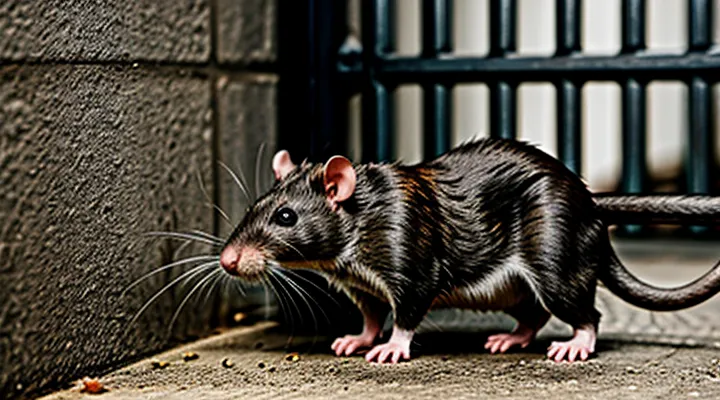
Rattus norvegicus (Brown Rat / Norway Rat)
Rattus norvegicus, commonly known as the brown or Norway rat, thrives in urban and agricultural environments where food, water, and shelter are abundant. Adult individuals weigh 200–500 g, reproduce year‑round, and can generate up to 12 litters annually, each containing 6–12 offspring. This reproductive capacity ensures rapid population expansion and frequent contact with humans and domestic animals.
Health risks stem primarily from the species’ role as a vector for pathogens. Documented agents include:
- Bacterial infections: Leptospira interrogans (leptospirosis), Streptobacillus moniliformis (rat‑bite fever), Yersinia pestis (plague) under specific ecological conditions.
- Viral agents: Hantavirus (hemorrhagic fever with renal syndrome), lymphocytic choriomeningitis virus.
- Parasitic threats: Toxoplasma gondii, various nematodes, and ectoparasites such as fleas and mites that may transfer to pets and livestock.
Transmission routes involve direct bites, scratches, contaminated urine or feces, and aerosolized particles from dried droppings. Occupational exposure affects pest‑control workers, sewer personnel, and laboratory staff; residential exposure concerns households with inadequate sanitation.
Behavioral traits increase the likelihood of conflict. Brown rats are nocturnal, exhibit strong exploratory drive, and can gnaw through plastic, wood, and thin metal, compromising structural integrity and contaminating stored food. Their ability to swim enables access to sewers and basements, extending their reach into human dwellings.
Control measures rely on integrated pest management:
- Sanitation: Eliminate food sources, secure waste containers, repair leaks.
- Exclusion: Seal entry points larger than 0.6 cm, install metal flashing on openings.
- Population reduction: Deploy bait stations with anticoagulant rodenticides under regulated conditions; employ snap traps where appropriate.
- Monitoring: Conduct regular inspections, use tracking powders to assess activity levels.
Ecological considerations advise limiting non‑target impacts. Rodenticides should be placed in tamper‑proof devices, and alternative methods such as fertility control are under investigation for long‑term suppression without chemical residues.
Overall, the brown rat presents a measurable hazard to human health and animal welfare through disease transmission, structural damage, and food contamination. Effective risk mitigation combines environmental management, physical barriers, and targeted population control, supported by ongoing surveillance and adherence to regulatory standards.
Rattus rattus (Black Rat / Roof Rat)
Rattus rattus, commonly known as the black rat or roof rat, is a highly adaptable rodent that thrives in urban and rural environments. Its presence is linked to several direct and indirect hazards for humans and domestic animals.
Key health threats include:
- Transmission of pathogens such as Leptospira spp., Salmonella spp., and Yersinia pestis.
- Contamination of food and water supplies with urine, feces, and ectoparasites.
- Induction of allergic reactions and asthma exacerbations through droppings and dander.
Ecological impacts involve predation on bird eggs and nestlings, competition with native rodent species, and damage to stored grain and structural materials. The species’ nocturnal foraging behavior increases contact with human habitats, elevating the likelihood of disease spread.
Effective mitigation requires integrated pest management: sanitation improvement, exclusion of entry points, population monitoring, and targeted rodenticide application following regulatory guidelines. Continuous risk assessment ensures that control measures remain proportionate to the identified threats.
Habitat and Habits
Rats thrive in environments where food, water, and shelter are readily available. Urban settings provide abundant refuse, underground utilities, and building cavities that serve as nesting sites. Rural areas offer grain stores, livestock barns, and compost piles, while sewer systems and abandoned structures supply consistent humidity and protection from predators. Proximity to human habitation increases the likelihood of contact with domestic animals and people.
Rats exhibit behaviors that heighten the potential for disease transmission and property damage. Their nocturnal activity leads to foraging after dark, when human presence is reduced. They practice opportunistic feeding, consuming waste, stored food, and animal carcasses. Nest construction involves shredded material, insulation, and frequent relocation to avoid disturbance. Social organization follows a hierarchical structure, with dominant individuals controlling breeding and resource access. Reproductive cycles are rapid; females can produce multiple litters each year, each containing up to a dozen offspring, enabling swift population expansion.
Key habits relevant to risk assessment:
- Exploratory foraging: extensive travel within a 100‑meter radius of a food source.
- Gnawing: ability to chew through soft metals, plastics, and electrical wiring.
- Grooming: frequent contact with saliva, increasing pathogen spread.
- Territorial marking: urine and feces deposition that contaminates surfaces.
- Burrowing: creation of extensive tunnel networks that compromise structural integrity.
Understanding these habitats and habits informs mitigation strategies aimed at reducing human and animal exposure to rat‑borne hazards.
Reproduction and Population Growth
Rats reproduce rapidly, with females capable of producing a litter every 21‑28 days after a gestation of approximately 21 days. Each litter typically contains 6‑12 offspring, and sexual maturity is reached at 5‑6 weeks. This combination yields exponential population increase under favorable conditions.
Key factors influencing growth include:
- High breeding frequency
- Large litter size
- Early onset of fertility
- Short interbirth interval
- Ability to breed year‑round in temperate climates
Population density escalates quickly when food, shelter, and water are abundant. Urban environments provide constant waste streams, warm structures, and underground conduits that support continuous breeding cycles. In agricultural settings, grain stores and livestock facilities supply similar resources, enabling rats to infiltrate food production chains.
Rapid expansion raises direct risks for humans and domestic animals. Dense colonies amplify exposure to pathogens such as Leptospira, hantaviruses, and Salmonella. Contact with contaminated urine, feces, or bite wounds increases infection probability. Moreover, high numbers intensify competition for stored food, leading to spoilage, economic loss, and secondary health hazards from reduced food quality.
Control measures must target reproductive capacity. Strategies include:
- Reducing accessible nutrition through secure waste management.
- Eliminating nesting sites by sealing entry points and removing clutter.
- Applying contraceptive baits or fertility‑reducing agents where legally permissible.
- Implementing systematic trapping and removal to disrupt breeding cycles.
Understanding rat reproductive dynamics enables precise risk assessment and informs effective mitigation policies aimed at protecting public health and animal welfare.
Health Risks to Humans
Disease Transmission through Bites and Scratches
Rat-Bite Fever
Rat‑Bite Fever (RBF) is a bacterial zoonosis caused primarily by Streptobacillus moniliformis in North America and Spirillum minus in Asia. Both organisms reside in the oral and respiratory tracts of rodents, especially rats, and can be transmitted to humans and other animals through direct contact.
Transmission occurs via rat bites or scratches, handling of contaminated cages, exposure to urine or feces, and ingestion of food or water contaminated with rodent secretions. Occupational groups such as laboratory personnel, pest‑control workers, and pet owners face the highest exposure risk.
Human illness typically begins 2–10 days after exposure. Common manifestations include:
- Sudden fever and chills
- Headache and malaise
- Maculopapular or petechial rash, often on extremities
- Polyarthralgia or migratory polyarthritis
- Nausea, vomiting, or abdominal pain
Severe complications may involve endocarditis, meningitis, or septicemia, especially when treatment is delayed.
Diagnosis relies on isolating the causative organism from blood, wound exudate, or synovial fluid. Culture requires specialized media and incubation conditions; polymerase chain reaction and serologic assays provide faster confirmation but are not universally available.
First‑line therapy consists of penicillin G (or ampicillin) administered for 10–14 days. Doxycycline serves as an alternative for penicillin‑allergic patients. Prompt antimicrobial treatment reduces mortality to below 5 percent; untreated cases can reach 13 percent.
Prevention strategies focus on minimizing rodent exposure and managing wounds:
- Implement integrated pest‑management programs to reduce wild‑rodent populations.
- Maintain strict hygiene for domesticated rats: regular cage cleaning, use of gloves, and hand‑washing after handling.
- Apply immediate antiseptic care to bites or scratches; seek medical evaluation within 24 hours.
- Educate high‑risk workers about protective equipment and safe handling procedures.
Domestic rats often harbor S. moniliformis without clinical signs, acting as asymptomatic reservoirs. Other companion animals, such as ferrets or cats that hunt rodents, may acquire RBF and transmit the infection to humans. Monitoring pet health and limiting predatory behavior reduce cross‑species transmission.
Leptospirosis
Leptospirosis is a bacterial zoonosis transmitted primarily through the urine of infected rodents, especially rats. The pathogen, Leptospira spp., survives in moist environments and can enter humans or animals via skin abrasions, mucous membranes, or ingestion of contaminated water and food. In rats, infection is often asymptomatic, allowing the bacteria to persist in urban and rural settings without obvious signs.
Human clinical manifestations range from mild flu‑like illness to severe complications such as renal failure, hepatic dysfunction, hemorrhagic pulmonary syndrome, and meningitis. Diagnosis relies on serologic testing (MAT) or polymerase chain reaction detection of bacterial DNA. Prompt antibiotic therapy—typically doxycycline or penicillin G—reduces disease duration and prevents progression to organ failure.
Preventive actions include:
- Controlling rodent populations through integrated pest management.
- Eliminating standing water and ensuring proper drainage to reduce environmental survival of Leptospira.
- Providing protective clothing (gloves, boots) for individuals handling potentially contaminated materials.
- Vaccinating susceptible livestock and pets where available.
- Educating at‑risk workers (farmers, sewage workers) about exposure routes and early symptom recognition.
Effective risk assessment of rat‑related hazards must account for leptospirosis prevalence, environmental conditions, and occupational exposure to implement targeted mitigation strategies.
Disease Transmission through Feces and Urine
Hantavirus Pulmonary Syndrome (HPS)
Hantavirus Pulmonary Syndrome (HPS) is an acute respiratory disease caused by infection with hantaviruses carried by rodents. Species such as the Norway rat (Rattus norvegicus) and the deer mouse (Peromyscus maniculatus) can shed the virus in urine, feces, and saliva, creating a source of human exposure.
Transmission occurs primarily through inhalation of aerosolized particles from contaminated rodent droppings, nesting material, or urine. Direct contact with rodent tissues, as well as bites, can also introduce the virus into the bloodstream. Environmental conditions that promote rodent infestation—poor sanitation, food storage breaches, and outdoor structures with nesting sites—raise the likelihood of exposure for both people and domestic animals.
Typical clinical course begins with an incubation period of 1–5 weeks, followed by nonspecific flu‑like symptoms: fever, chills, myalgia, and headache. Within 24–48 hours, patients may develop:
- Rapidly worsening shortness of breath
- Cough producing frothy sputum
- Hypotension and tachycardia
- Radiographic evidence of pulmonary edema
Without timely intensive care, the case‑fatality rate ranges from 30 % to 40 %. Diagnosis relies on detection of hantavirus‑specific IgM antibodies, reverse‑transcriptase polymerase chain reaction (RT‑PCR), or viral antigen in tissue samples. Early identification is essential for appropriate supportive management.
No antiviral therapy has proven efficacy against HPS; treatment consists of aggressive supportive care, including mechanical ventilation, oxygen supplementation, and hemodynamic stabilization. Mortality correlates with the speed of respiratory failure progression and the adequacy of ICU resources.
Prevention focuses on minimizing rodent–human interaction:
- Seal entry points in buildings and storage facilities
- Store food in rodent‑proof containers
- Maintain clean work and living areas; dispose of waste promptly
- Use protective gloves and masks when cleaning rodent‑infested spaces
- Educate at‑risk populations about the signs of rodent activity and disease symptoms
Effective rodent control and adherence to these measures substantially reduce the risk of HPS for both humans and companion animals.
Salmonellosis
Salmonellosis is an infection caused by Salmonella bacteria, which colonize the intestinal tracts of many warm‑blooded species, including rodents. Rats frequently harbor Salmonella without showing illness, shedding the organism in feces and urine. Contamination of food, water, and surfaces occurs when rodent droppings contact these media, creating a direct pathway for transmission to humans and domestic animals.
Human infection typically presents as acute gastroenteritis with abdominal cramps, diarrhea, fever, and nausea. Incubation ranges from 6 to 72 hours; symptoms resolve within a week in most healthy individuals, while severe cases can lead to dehydration, bacteremia, or death, especially in immunocompromised patients. In livestock and companion animals, salmonellosis manifests as diarrhea, weight loss, and, in advanced stages, septicemia.
Epidemiological surveys identify rodents as a common source in sporadic and outbreak investigations. Studies from urban environments report that up to 30 % of captured rats carry Salmonella spp., with higher prevalence in areas with abundant food waste. Outbreaks linked to rat‑contaminated grain, produce, or pet food illustrate the zoonotic potential of the pathogen.
Risk assessment for rat‑related salmonellosis considers several factors: rat population density, availability of shelter and food, sanitation level, and proximity to human habitations or animal facilities. Seasonal fluctuations, such as increased rodent activity in warmer months, raise the probability of environmental contamination. Occupational exposure for pest control workers, farmers, and food‑service personnel adds a specific hazard category.
Mitigation strategies focus on reducing rodent presence and limiting bacterial spread:
- Implement integrated pest management: trapping, baiting, and exclusion of entry points.
- Maintain rigorous sanitation: prompt removal of waste, regular cleaning of storage areas, and disinfection of surfaces.
- Store food in sealed containers; inspect incoming supplies for rodent signs.
- Enforce hand‑washing and protective equipment use for personnel handling rodents or contaminated materials.
- Conduct routine veterinary surveillance of livestock and pets for Salmonella shedding.
Effective control of rat populations combined with strict hygiene practices substantially lowers the risk of salmonellosis transmission to humans and other animals.
Lymphocytic Choriomeningitis (LCMV)
Lymphocytic choriomeningitis virus (LCMV) is an arenavirus that circulates primarily in wild and domestic rodents, especially the common house mouse, but infection has also been documented in rats. The virus is shed in the urine, feces, saliva, and birth fluids of infected animals, creating a persistent environmental source of exposure.
Human infection occurs through inhalation of aerosolized rodent secretions, direct contact with contaminated surfaces, or bites and scratches from infected rodents. Laboratory workers handling rodent colonies, pet owners, and individuals living in infested dwellings represent the highest risk groups. Clinical presentation ranges from asymptomatic seroconversion to a febrile illness with headache, meningitis, or encephalitis; immunocompromised patients may experience severe, prolonged disease.
Animals exposed to LCMV can develop reproductive failure, fetal loss, or congenital infection when pregnant females transmit the virus transplacentally. Wildlife rehabilitation centers and breeding facilities must consider LCMV when evaluating unexplained morbidity in rodent colonies.
Key points for risk mitigation:
- Implement rodent control programs that reduce indoor populations and limit entry points.
- Enforce strict hygiene protocols in laboratories: use personal protective equipment, disinfect cages, and handle bedding in biosafety cabinets.
- Test breeding colonies regularly with serologic or PCR assays to identify carrier animals.
- Educate pet owners about proper cage cleaning, hand washing after handling rodents, and safe disposal of waste.
- Provide medical personnel with guidelines for diagnosing LCMV‑related meningitis, including lumbar puncture analysis and viral PCR.
Diagnosis relies on detection of LCMV‑specific IgM/IgG antibodies or viral RNA in blood, cerebrospinal fluid, or tissue samples. No specific antiviral therapy exists; supportive care, including antipyretics and hydration, manages mild cases, while severe neurological involvement may require intensive monitoring.
Overall, LCMV represents a measurable zoonotic threat linked to rodent exposure. Effective surveillance, rigorous containment, and public awareness reduce the probability of transmission to humans and other animals.
Indirect Disease Transmission
Fleas, Ticks, and Mites as Vectors
Rats frequently host ectoparasites that act as biological conveyors of pathogens. Fleas, ticks, and mites attached to rodents can transmit bacterial, viral, and protozoan agents to humans and domestic animals, amplifying the public‑health threat posed by rodent infestations.
Fleas (e.g., Xenopsylla cheopis) acquire Yersinia pestis while feeding on infected rats and subsequently bite humans, initiating plague transmission cycles. They also carry Rickettsia spp., responsible for murine typhus, and serve as vectors for Bartonella bacteria, which cause febrile illnesses.
Ticks infesting rats, such as Ixodes spp., can harbor Borrelia spirochetes, Anaplasma phagocytophilum, and Coxiella burnetii. When ticks detach and feed on other hosts, they introduce these agents, leading to Lyme disease‑like syndromes, granulocytic anaplasmosis, and Q fever.
Mites, notably Sarcoptes scabiei and Laelaps spp., infest rat fur and skin. Sarcoptes can spread to humans, causing scabies with secondary bacterial infection. Laelaps mites transmit Rickettsia and Bartonella species, contributing to febrile rickettsial illnesses in pets and livestock.
Key risk factors:
- High rodent density in urban or agricultural settings.
- Poor sanitation facilitating ectoparasite survival.
- Overlap of rat, human, and animal habitats.
Control measures focus on:
- Reducing rat populations through integrated pest management.
- Regular inspection and treatment of animals for ectoparasites.
- Environmental sanitation to disrupt flea, tick, and mite life cycles.
Effective mitigation of these vectors diminishes the likelihood of zoonotic disease emergence linked to rat carriers.
Allergic Reactions and Asthma Exacerbation
Rats produce proteins in urine, saliva, dander, and feces that can trigger IgE‑mediated hypersensitivity in susceptible individuals. Inhalation of aerosolized particles containing these proteins leads to sensitization and, upon re‑exposure, may cause allergic rhinitis, conjunctivitis, or urticaria. The same allergens can provoke bronchial hyper‑responsiveness, resulting in asthma attacks that are often more severe than those triggered by common indoor allergens.
Epidemiological data indicate that occupational groups—laboratory personnel, pest‑control workers, and pet owners—exhibit higher prevalence of rat‑related allergy. Children and adults with pre‑existing atopic conditions are at increased risk of asthma exacerbation after exposure to rat allergens. Symptoms typically appear within minutes to hours and may include wheezing, shortness of breath, chest tightness, and cough. Severe episodes can require emergency medical intervention and hospitalization.
Effective risk reduction relies on environmental control and personal protective measures:
- Regular cleaning of cages, habitats, and storage areas using HEPA‑filtered vacuums.
- Installation of air‑purification systems capable of removing particulate allergens.
- Use of disposable gloves, gowns, and N95 or higher‑efficiency respirators during handling.
- Implementation of allergen‑avoidance protocols for sensitized individuals, including restricted access to rat‑infested environments.
- Periodic health screening for personnel to detect early signs of sensitization.
Prompt identification of rat‑related allergic reactions and immediate implementation of the above controls minimize the likelihood of asthma worsening and reduce overall health burden for both humans and companion animals.
Health Risks to Animals
Disease Transmission to Pets
Worms and Parasites
Rats serve as reservoirs for several helminths and protozoan parasites that can infect humans and domestic animals. Direct contact with rat feces, contaminated food, or intermediate hosts transmits these agents, creating measurable health risks.
Common rat‑associated worms include:
- Hymenolepis nana – dwarf tapeworm; causes gastrointestinal irritation, nutrient loss, and eosinophilia in humans, especially children.
- Hymenolepis diminuta – larger tapeworm; acquired through ingestion of infected insects; produces mild abdominal symptoms.
- Taenia taeniaeformis – tapeworm of felines; rodents act as intermediate hosts; cats develop adult tapeworms after consuming infected rats.
- Trichinella spp. – nematode; rare in rats but possible; ingestion of undercooked rat meat can lead to trichinellosis with muscle pain and fever.
- Angiostrongylus cantonensis – rat lungworm; rats harbor adult worms; humans become accidental hosts by eating raw mollusks that have fed on rat larvae, resulting in eosinophilic meningitis.
Protozoan parasites also circulate via rats:
- Toxoplasma gondii – rodents act as intermediate hosts; felids acquire infection by predation, while humans may be exposed through contaminated soil or water.
- Leishmania spp. – sandfly vectors feed on rats, facilitating transmission to dogs and, occasionally, humans.
Health impacts range from self‑limiting gastrointestinal disturbances to severe neurological disease. Veterinary cases often involve cats and dogs that hunt or ingest rats, leading to tapeworm infestations or lungworm infection. Human exposure primarily occurs in settings with poor sanitation, inadequate food storage, or occupational contact with rodent populations.
Mitigation strategies focus on rodent control, proper waste management, and avoidance of raw or undercooked foods that may contain intermediate hosts. Regular deworming of pets, especially outdoor hunters, reduces secondary transmission. Public health surveillance should monitor rodent‑borne parasite prevalence to inform targeted interventions.
Rabies (Rare but Possible)
Rats can contract rabies, but documented cases are exceedingly uncommon. The virus typically spreads through the bite of a rabid carnivore; rats are rarely primary vectors because they seldom encounter infected predators in a manner that results in transmission.
Key facts about rabies in rats:
- Confirmed infections in wild or laboratory rats are sporadic, with fewer than a dozen reports worldwide in the past century.
- Laboratory studies show that rats can develop rabies after experimental inoculation, yet natural infection rates remain negligible.
- Human exposure to rabid rats is virtually unheard of; most rabies cases in people involve dogs, bats, or wildlife such as raccoons and foxes.
When a rat does become infected, clinical signs resemble those in other mammals: excessive salivation, agitation, paralysis of the hind limbs, and eventual death. Diagnosis requires laboratory testing of brain tissue after euthanasia, as live‑animal observation is insufficient for confirmation.
Preventive measures focus on limiting contact with unknown rodents and ensuring that domestic pets are vaccinated. In occupational settings—research facilities, pest‑control services—workers should wear protective gloves and follow bite‑reporting protocols. Post‑exposure prophylaxis is recommended only after a confirmed rabid bite; routine vaccination of rats is not practiced.
Overall, the probability that a rat will transmit rabies to humans or other animals is marginal. Vigilance against bites and proper animal‑health management reduce the already low risk to negligible levels.
Leptospirosis
Leptospirosis is a bacterial zoonosis caused by pathogenic spirochetes of the genus Leptospira. The disease affects a wide range of mammals, including humans, and can lead to severe organ dysfunction if untreated.
Rats serve as the principal reservoir for pathogenic Leptospira species. Infected rodents shed the organisms in urine, contaminating soil, water, and surfaces where they can survive for weeks under favorable conditions.
Human exposure occurs through direct contact with contaminated water, soil, or food, and through skin abrasions or mucous membranes. Domestic animals, particularly dogs and livestock, acquire infection by ingesting or drinking contaminated material.
Clinical presentation varies. In humans, early symptoms include high fever, headache, myalgia, and conjunctival suffusion; severe cases may progress to renal failure, hepatic dysfunction, or pulmonary hemorrhage. In animals, signs range from fever and lethargy to jaundice, oliguria, and reproductive failure.
Diagnosis relies on laboratory confirmation. Recommended methods are:
- Microscopic agglutination test (MAT) for serological detection
- Polymerase chain reaction (PCR) for direct identification of bacterial DNA
- Culture of blood or urine samples in specialized media
Prompt antimicrobial therapy, typically doxycycline or penicillin derivatives, reduces mortality and shortens illness duration. Supportive care addresses organ-specific complications.
Prevention focuses on interrupting transmission cycles:
- Implement rigorous rodent control programs in residential and agricultural settings
- Ensure safe drinking water and avoid recreational activities in stagnant water sources
- Use protective clothing and gloves when handling potentially contaminated materials
- Vaccinate at‑risk domestic animals according to veterinary guidelines
Effective management of leptospirosis requires coordinated public health measures, veterinary surveillance, and community awareness of rodent‑borne risks.
Disease Transmission to Livestock
Rats frequently contaminate livestock environments, introducing pathogens that cause morbidity and economic loss. Direct contact, shared feed, and water sources provide routes for infection, while rodent droppings and urine create persistent contamination zones.
Key agents transmitted from rats to farm animals include:
- Leptospira spp., causing leptospirosis with fever, reproductive failure, and renal damage.
- Salmonella enterica serovars, leading to enteritis, septicemia, and reduced weight gain.
- Streptobacillus moniliformis, the agent of rat‑bite fever, occasionally affecting cattle and swine.
- Yersinia spp., responsible for yersiniosis, producing gastrointestinal distress and diarrhea.
- Hantavirus strains, rarely lethal but capable of inducing respiratory illness in susceptible species.
Transmission mechanisms rely on:
- Ingestion of feed contaminated with rodent excreta.
- Drinking water polluted by urine or feces.
- Mechanical transfer via insects, wild birds, or farm workers moving between rodent habitats and animal pens.
- Direct bite or wound exposure during aggressive encounters.
Outbreaks manifest as fever, anorexia, diarrhea, abortion, or sudden death, prompting veterinary intervention and loss of marketable product. Mortality rates vary by pathogen and species, but even subclinical infections reduce productivity through impaired growth and reproductive performance.
Preventive actions emphasize biosecurity:
- Seal building foundations, install metal or concrete barriers around feed bins.
- Employ snap traps, bait stations, and integrated pest‑management programs to reduce rodent populations.
- Store feed in rodent‑proof containers, rotate stock, and discard spoiled material promptly.
- Treat water sources with UV filtration or chlorination, and monitor for contamination.
- Conduct regular health surveillance, vaccinate against leptospirosis where vaccines are available, and implement quarantine for newly introduced animals.
Effective rodent control, combined with rigorous sanitation and veterinary oversight, minimizes disease transmission risk and safeguards livestock health.
Damage to Property and Infrastructure
Gnawing on Electrical Wires (Fire Hazard)
Rats frequently gnaw on insulated copper and plastic cables, compromising the protective sheath and exposing conductive cores. The resulting short circuits generate heat, spark ignition sources, and can quickly develop into uncontrolled fires. Electrical systems in residential, commercial, and agricultural buildings are especially vulnerable when wiring runs through walls, attics, or underground conduits where rodent activity is common.
Damage assessment shows that a single bite can reduce insulation thickness by up to 50 %, lowering dielectric strength and increasing leakage current. Repeated gnawing creates multiple breach points, elevating the probability of arc flash events. In facilities with high‑voltage equipment, such breaches may trigger system shutdowns, costly repairs, and loss of life.
Preventive measures:
- Seal entry points with steel mesh or concrete, eliminating gaps larger than 1 cm.
- Install rodent‑resistant conduit (e.g., hardened PVC or metal tubing) around vulnerable runs.
- Deploy ultrasonic or pheromone‑based deterrents in known infestation zones.
- Conduct quarterly visual inspections and infrared scans to detect hot spots before failure.
- Replace aged wiring with fire‑rated, rodent‑proof materials in high‑risk areas.
When an incident occurs, immediate actions include disconnecting power at the main breaker, applying Class C fire extinguishers to electrical flames, and contacting qualified electricians for thorough replacement of damaged sections. Documentation of rodent activity and wiring condition supports risk‑management reviews and insurance claims.
Contamination of Food and Water Sources
Rats frequently contaminate food and water supplies through direct contact with droppings, urine, and shed fur. These materials introduce pathogenic microorganisms into consumables, creating a direct exposure route for both people and domestic animals.
Common agents transmitted by rat‑related contamination include:
- Bacterial pathogens: Salmonella spp., Leptospira interrogans, Staphylococcus aureus.
- Viral agents: Hantavirus, Lymphocytic choriomeningitis virus.
- Parasitic organisms: Giardia spp., Toxoplasma gondii, various nematodes.
Risk assessment requires regular sampling of stored food, surface swabs, and water sources, followed by laboratory analysis to detect microbial load. Threshold values established by health authorities guide the interpretation of results and trigger corrective actions when exceeded.
Preventive measures focus on eliminating access points, maintaining strict sanitation protocols, and implementing integrated rodent‑management programs. Physical barriers, such as sealed containers and screened water tanks, reduce ingress, while baiting and trapping reduce population density. Continuous monitoring ensures that control efforts remain effective and that contamination incidents are identified promptly.
Failure to address rat‑induced contamination can lead to outbreaks of gastroenteritis, leptospirosis, and other zoonotic diseases, compromising animal welfare and public health. Effective mitigation relies on systematic detection, rapid response, and sustained environmental hygiene.
Structural Damage to Buildings
Rats frequently infiltrate residential and commercial structures, creating hazards that extend beyond disease transmission. Their ability to gnaw through a variety of materials directly compromises building integrity and elevates safety risks for occupants and nearby wildlife.
Rats cause damage through several mechanisms:
- Chewing of electrical cables, which can expose live wires and trigger short circuits or fires.
- Consumption and destruction of insulation, reducing thermal efficiency and exposing concealed wiring.
- Burrowing in wall cavities, weakening wooden studs, joists, and support beams.
- Contamination of plumbing systems, leading to blockages, leaks, and corrosion from urine and feces.
Structural compromise increases the likelihood of fire, water intrusion, and collapse. These outcomes generate costly repairs, disrupt occupancy, and create additional exposure pathways for pathogens carried by rodents.
Effective risk management requires systematic inspection, sealing of entry points, removal of food sources, and deployment of professional control measures. Regular monitoring and prompt remediation limit the extent of material loss and preserve the safety of both humans and animals sharing the environment.
Prevention and Mitigation Strategies
Integrated Pest Management (IPM)
Sanitation and Exclusion
Effective control of rodent populations hinges on two interconnected strategies: maintaining clean environments and preventing access to shelter and food sources. Sanitation eliminates the resources rats need to thrive, while exclusion blocks entry points that allow them to infiltrate human and animal habitats.
Cleanliness reduces attractants. Regular removal of waste, prompt cleaning of spills, and proper storage of feed limit the organic matter rats exploit. Disinfecting surfaces after contamination prevents the spread of pathogens carried by rodent saliva, urine, and feces.
Exclusion requires physical barriers. Sealing gaps around doors, windows, utility penetrations, and foundation cracks removes pathways into structures. Installing metal flashing or concrete lintels over openings protects against gnawing. Screens on vents and drains prevent rodents from using drainage systems as conduits.
Key actions for facilities that house animals or serve the public include:
- Conducting weekly inspections for signs of gnawing, droppings, or nesting material.
- Implementing a waste management schedule that removes refuse from interior and exterior zones within 24 hours.
- Using rodent‑proof containers for feed, bedding, and cleaning chemicals.
- Applying sealants or steel wool to fill small openings before applying permanent closures.
- Maintaining landscaping at least 12 inches from building walls to deter climbing.
By integrating rigorous sanitation protocols with comprehensive exclusion measures, the probability of rat‑borne disease transmission to humans and animals declines markedly. Continuous monitoring and prompt repair of breaches sustain long‑term protection.
Trapping and Baiting
Effective control of rodent populations hinges on two primary techniques: live‑capture devices and toxic attractants. Live traps, such as snap‑type or multi‑catch models, provide immediate removal without chemical exposure. Placement near runways, burrow entrances, and food sources maximizes capture rates. Regular inspection prevents suffering and allows prompt release or disposal.
Bait selection determines success and safety. Anticoagulant rodenticides (e.g., bromadiolone, difenacoum) offer high lethality but require strict containment to avoid accidental ingestion by non‑target species. Non‑chemical alternatives—granular wheat, peanut butter, or soy paste—are suitable for environments with pets or wildlife. When using poisons, sealed bait stations restrict access, reducing secondary poisoning risks.
Risk mitigation for humans and domestic animals includes:
- Locating traps and baits away from child‑accessible areas.
- Employing tamper‑proof stations certified by regulatory agencies.
- Wearing disposable gloves during setup and removal.
- Recording placement coordinates for monitoring and accountability.
Legal frameworks often mandate specific labeling, dosage limits, and disposal procedures. Compliance with local wildlife protection statutes prevents fines and ecological harm. Integrated approaches that combine habitat modification (eliminating clutter, sealing entry points) with targeted trapping and baiting yield the most reliable reduction in rat‑related hazards.
Professional Pest Control
Professional pest‑control operators assess rat hazards through systematic inspection, identification, and remediation. Initial surveys locate signs such as gnaw marks, droppings, and burrows, establishing infestation magnitude and potential disease vectors. Data collected during inspections guide risk classification, distinguishing low‑level presence from high‑risk colonies that threaten human health and livestock.
Control strategies prioritize exclusion, sanitation, and population reduction. Exclusion involves sealing entry points with steel‑wool, cement, or metal flashing, preventing new ingress. Sanitation reduces attractants by removing food debris, storing waste in sealed containers, and maintaining clean surfaces. Population reduction employs integrated methods:
- Mechanical traps (snap, live‑capture) positioned along runways, calibrated for size and bait specificity.
- Bait stations containing anticoagulant or non‑anticoagulant rodenticides, placed in tamper‑resistant units to protect non‑target species.
- Biological agents, such as rodent‑specific viruses, applied under regulatory approval where conventional methods are unsuitable.
Monitoring follows each intervention, recording trap captures, bait consumption, and environmental changes. Continuous data analysis confirms eradication or signals reinfestation, prompting immediate corrective action. Documentation complies with health‑agency regulations, ensuring traceability and accountability.
Training and certification of pest‑control personnel guarantee adherence to safety protocols, proper pesticide handling, and ethical disposal of carcasses. Regular refresher courses maintain competency in emerging technologies, such as electronic monitoring devices and predictive modeling software, which enhance early detection and targeted response.
Personal Protective Measures
Handling Rats Safely
Handling rats requires strict adherence to protocols that minimize the transmission of pathogens and prevent injuries. Effective risk reduction begins with personal protection, continues through proper animal restraint, and ends with thorough decontamination.
- Wear disposable gloves, a laboratory coat, and eye protection before any contact.
- Secure the cage or enclosure to prevent escape; use a sturdy tray or catch net.
- Approach the animal calmly; avoid sudden movements that may trigger a bite or scratch.
- Grasp the rat behind the forelimbs with a gentle but firm grip; support the hindquarters to maintain balance.
- If a bite occurs, apply pressure to the wound, cleanse with antiseptic solution, and seek medical evaluation promptly.
After each handling session, remove protective gear without contaminating clothing, wash hands with soap and water for at least 20 seconds, and disinfect surfaces with an EPA‑approved rodent‑borne disease sanitizer. Record any incidents, monitor the animal for signs of illness, and review procedures regularly to ensure ongoing safety for both humans and other animals.
Cleaning Contaminated Areas
Cleaning areas contaminated by rodent activity demands a systematic approach to protect both people and domestic animals. Primary hazards include urine, feces, saliva, and pathogens such as Leptospira, Salmonella, and hantavirus. Direct contact or inhalation of aerosolized particles can transmit disease, making thorough decontamination essential.
Effective decontamination proceeds through three phases:
- Removal: Collect all visible droppings, nesting material, and food residues using disposable tools. Place waste in sealed, puncture‑resistant bags.
- Disinfection: Apply an EPA‑registered rodent‑specific disinfectant to surfaces for the manufacturer‑specified dwell time. For porous materials, consider steam cleaning or removal and replacement.
- Ventilation: Operate exhaust fans or open windows to disperse airborne contaminants after disinfection. Maintain airflow for at least 30 minutes before re‑entry.
Personal protective equipment (PPE) must be worn throughout. Recommended items include nitrile gloves, disposable coveralls, eye protection, and a NIOSH‑approved respirator with a P100 filter. After cleaning, remove PPE without contaminating clothing, seal it in a designated waste container, and perform hand hygiene with antimicrobial soap.
Documentation of the cleaning process supports risk assessment records. Log the date, location, PPE used, disinfectant type, and any observed rodent signs. Regular inspection of cleaned zones prevents re‑infestation and reduces long‑term health risks for occupants and pets.
Public Health Initiatives
Public health programs address rodent‑borne hazards through surveillance, control, education, and environmental management.
Surveillance systems monitor rat populations and pathogen prevalence, enabling early detection of outbreaks such as leptospirosis, hantavirus, or salmonellosis. Data collection integrates trap counts, laboratory testing, and geographic information systems to identify high‑risk zones and guide resource allocation.
Control measures combine chemical, mechanical, and biological methods. Integrated pest management (IPM) emphasizes:
- Targeted baiting with anticoagulant rodenticides, applied according to strict safety protocols to minimize non‑target exposure.
- Placement of snap or live traps in locations with documented activity, followed by humane disposal.
- Deployment of rodent‑specific predators or contraceptive baits where ecological conditions permit.
Education initiatives inform residents, business owners, and animal caretakers about practices that reduce attractants and limit contact. Core messages include proper waste storage, elimination of standing water, sealing building entry points, and safe handling of contaminated materials. Training modules for municipal workers and veterinarians reinforce identification of rodent‑related diseases and appropriate response procedures.
Environmental management focuses on habitat modification. Municipal codes enforce standards for sanitation, building maintenance, and storm‑water control. Urban planning incorporates green infrastructure that discourages rodent nesting while preserving ecological balance.
Evaluation of these programs relies on measurable indicators: decline in trap indices, reduction in reported human or animal cases, and compliance rates with waste‑handling regulations. Continuous review adapts strategies to emerging pathogens and shifting urban dynamics, ensuring that interventions remain effective and proportionate to the risk posed by rat populations.
Pet and Livestock Protection
Rats transmit pathogens that can infect domestic animals, leading to illness, reduced productivity, and mortality. Common agents include Leptospira, Salmonella, and various parasites, which contaminate feed, water, and bedding. Direct predation on small pets and young livestock further increases loss rates.
Rodent activity compromises biosecurity by breaching barriers, contaminating storage areas, and attracting secondary pests. Disease outbreaks in herds often trace back to rodent‑borne vectors, demanding immediate containment to prevent spread.
Effective protection relies on integrated measures:
- Secure feed containers with metal lids and seal gaps in walls, floors, and roofs.
- Install steel or concrete barriers around water sources and troughs.
- Conduct regular inspections for gnaw marks, droppings, and burrows; document findings.
- Deploy snap or electronic traps in identified pathways; replace or reposition as needed.
- Apply rodent‑resistant wiring and mesh in ventilation and utility openings.
- Implement environmental sanitation: remove waste, rotate bedding, and maintain dry conditions.
- Use biological control agents, such as predatory birds or safe rodenticides, according to veterinary guidance.
Monitoring programs should include periodic health checks of pets and livestock, laboratory testing for rodent‑associated diseases, and record‑keeping of rodent activity levels. Prompt response to detection limits economic loss and safeguards animal welfare.