
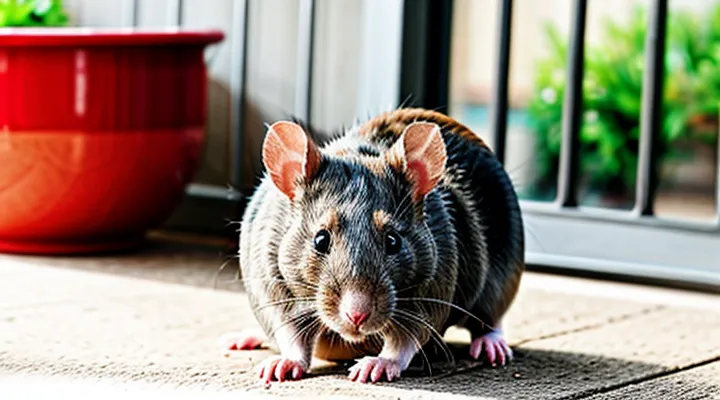
Understanding the Mature Rat
Defining «Senior» in Rats
Rats reach the senior phase at approximately 18 months of age, although individual variation may shift this threshold by a few weeks depending on genetics, sex, and overall health. The average lifespan of a domesticated rat ranges from 24 to 36 months; therefore, any animal that has entered the final third of this interval warrants classification as senior.
Key physiological markers of senior status include:
- Gradual loss of body mass despite unchanged food intake.
- Dull, thinning coat with reduced grooming activity.
- Dental wear that limits efficient chewing.
- Diminished visual acuity and auditory responsiveness.
- Slower locomotion and decreased willingness to climb or explore.
Behavioral indicators often accompany the physical changes:
- Extended periods of rest, especially during daylight hours.
- Preference for familiar, low‑stimulus environments.
- Reduced aggression or territorial displays.
- Increased reliance on human interaction for comfort.
Health risks rise markedly in this stage. Tumor development, chronic kidney disease, and arthritis become prevalent. Routine veterinary examinations every three months enable early detection and intervention, extending quality of life.
Care adaptations for senior rats should address the identified changes:
- Provide soft, high‑fiber pellets and fresh vegetables that require minimal chewing.
- Offer low‑impact enrichment such as shallow tunnels, padded bedding, and gentle climbing structures.
- Maintain stable ambient temperature to mitigate joint stiffness.
- Monitor water consumption closely; dehydration accelerates renal decline.
- Administer veterinary‑recommended supplements, such as omega‑3 fatty acids, to support cardiovascular and joint health.
Common Health Concerns in Older Rats
Respiratory Issues
Respiratory problems are a leading health concern for mature pet rats. The most frequent conditions include bacterial pneumonia, Mycoplasma pulmonis infection, and chronic rhinitis. These illnesses can progress rapidly, especially in older animals with weakened immunity.
Typical clinical signs are:
- Nasal discharge, clear to purulent
- Labored breathing or audible wheezing
- Sneezing and frequent nosebleeds
- Lethargy, reduced appetite, weight loss
Environmental management reduces risk. Maintain cage temperature between 18‑22 °C (64‑72 °F) and keep humidity below 60 %. Provide high‑quality bedding such as paper strips; avoid dusty pine or cedar shavings that irritate the airways. Ensure proper ventilation without drafts, and clean the enclosure weekly to prevent bacterial buildup.
Nutritional support aids recovery. Offer fresh vegetables rich in vitamin C, such as bell peppers and broccoli, to bolster immune function. Supplement with a balanced rat formula that contains adequate protein and essential fatty acids.
If respiratory signs appear, follow a structured response:
- Isolate the affected rat to limit spread.
- Conduct a thorough physical examination, noting temperature, heart rate, and respiratory rate.
- Perform diagnostic tests: radiographs, nasal swabs for culture, and blood work if available.
- Initiate antibiotic therapy based on culture results; broad‑spectrum agents (e.g., enrofloxacin) may be used initially under veterinary guidance.
- Provide supportive care: humidified air, subcutaneous fluids, and a high‑calorie diet.
Regular veterinary check‑ups are essential for early detection. Schedule examinations at least twice yearly for mature rats, with additional visits if any respiratory symptoms emerge. Prompt treatment improves outcomes and reduces the likelihood of chronic complications.
Tumors and Cancers
Tumors and cancers are common health concerns in mature pet rats. Incidence rises sharply after one year of age, with both benign and malignant growths reported in the gastrointestinal tract, mammary glands, skin, and respiratory system.
Clinical signs often indicate underlying neoplasia. Owners should watch for:
- Unexplained weight loss
- Lumps or swelling under the skin
- Persistent nasal or ocular discharge
- Labored breathing or coughing
- Changes in stool consistency or blood presence
- Decreased activity or reluctance to move
Early detection improves prognosis. Veterinary assessment typically includes physical examination, radiography, ultrasound, and fine‑needle aspiration or biopsy to determine tumor type and grade.
Treatment options depend on diagnosis:
- Surgical excision for localized masses, preferably before metastasis develops
- Chemotherapy protocols adapted from rodent models for aggressive cancers
- Palliative care, including analgesics and anti‑inflammatory drugs, when curative treatment is not feasible
Prevention focuses on risk reduction and regular monitoring:
- Provide a balanced diet low in excessive fats and carcinogenic compounds
- Maintain a clean, stress‑free environment to support immune function
- Schedule veterinary check‑ups at least twice yearly after the first year of life, with imaging studies if any abnormality is detected
- Avoid exposure to tobacco smoke, strong chemicals, and untested supplements
Owners should document any observed changes and communicate them promptly to a veterinarian experienced with laboratory animals. Timely intervention, combined with appropriate surgical or medical management, offers the best chance to extend the quality and length of life for an aging rat.
Arthritis and Mobility Challenges
Arthritis commonly appears in rats older than twelve months, reducing joint flexibility and causing pain during movement. Early identification relies on observing reluctance to climb, decreased activity, and altered grooming posture. Pain may be evident when the animal avoids jumping onto platforms or shows a limp after handling.
Effective management combines environmental modification, nutritional support, and veterinary intervention.
- Provide low‑height shelters and ramps with non‑slippery surfaces to eliminate steep climbs.
- Use soft, absorbent bedding that reduces pressure on joints.
- Offer a balanced diet enriched with omega‑3 fatty acids and antioxidants to mitigate inflammation.
- Administer prescribed analgesics or anti‑inflammatory medication under veterinary guidance; adjust dosage according to weight and response.
- Schedule regular veterinary assessments to monitor progression and adjust treatment plans.
Physical therapy enhances joint function. Gentle stretching exercises, short daily sessions of assisted walking, and passive range‑of‑motion movements maintain muscle tone and promote circulation. Avoid excessive handling that forces the rat to jump or squeeze through narrow openings.
Monitoring weight is critical; excess body mass increases joint strain. Maintain a stable weight through portion control and regular activity. Record daily observations of mobility, appetite, and behavior to detect subtle changes that may indicate worsening arthritis. Prompt action based on these data preserves quality of life and prolongs the rat’s active period.
Dental Problems
Dental health is a critical aspect of maintaining a mature pet rat’s overall well‑being. Rats possess continuously growing incisors; without proper wear, the teeth can become overgrown, leading to difficulty eating, weight loss, and secondary infections.
Common dental conditions include:
- Overgrown incisors (malocclusion)
- Uneven wear resulting in sharp edges
- Periodontal disease
- Abscess formation at the root tip
Observable indicators of dental trouble are:
- Dropping food or refusing to eat
- Excessive salivation or blood at the mouth
- Visible tooth elongation or misalignment
- Pacing, gnawing at cage bars, or self‑injury
Preventive measures focus on diet and environment:
- Provide a constant supply of chewable items such as untreated wood blocks, mineral chews, and safe branches to promote natural tooth wear.
- Offer a high‑fiber diet with ample fresh vegetables, whole grains, and limited sugary treats that can accelerate plaque buildup.
- Rotate enrichment objects regularly to prevent uneven chewing patterns.
If dental problems arise, prompt veterinary intervention is essential. A qualified exotic‑animal veterinarian can perform a thorough oral examination, trim overgrown teeth under anesthesia, and prescribe antibiotics for infections. Follow‑up appointments ensure proper healing and allow adjustments to the rat’s diet and enrichment plan.
Long‑term oral health requires consistent monitoring, appropriate chewing materials, and regular professional checks. Implementing these strategies reduces the likelihood of severe dental disease and supports a healthy, active adult rat.
Kidney Disease
Kidney disease is a common health issue in mature pet rats and can significantly affect their quality of life. Early detection relies on observing changes in behavior and physiology, such as reduced water intake, decreased urine output, weight loss, lethargy, and a noticeable odor from the urine. Laboratory testing, including blood urea nitrogen (BUN) and creatinine levels, confirms renal impairment.
Risk factors include a diet high in protein and low in moisture, chronic dehydration, genetic predisposition, and exposure to nephrotoxic substances. Preventive measures focus on maintaining proper hydration, providing a balanced diet with adequate fiber, and limiting foods that strain renal function, such as excessive dairy or processed treats.
Management strategies consist of:
- Adjusting water availability: ensure fresh water is always accessible, consider offering water gels or moist foods.
- Modifying diet: reduce protein content, increase complex carbohydrates, and incorporate low‑sodium, low‑phosphorus ingredients.
- Monitoring health: schedule regular veterinary examinations, track weight, and repeat blood work every 3–6 months.
- Administering medication: use prescribed renal protectants, antihypertensives, or diuretics as directed by a veterinarian.
When kidney disease progresses, supportive care becomes essential. Provide a comfortable, stress‑free environment, maintain a stable temperature, and limit handling to reduce metabolic demand. Prompt veterinary intervention improves prognosis and can extend the lifespan of an adult rat dealing with renal dysfunction.
Behavioral Changes Related to Age
Adult rats experience distinct behavioral shifts as they progress beyond the prime of life. Energy levels decline, leading to shorter periods of active exploration and a preference for quieter, familiar environments. Social interactions become more selective; older individuals often avoid the bustle of large groups and may seek the companionship of a trusted cage mate rather than engaging with multiple conspecifics.
Key age‑related changes include:
- Reduced nocturnal activity; peaks may occur earlier in the evening and subside sooner.
- Increased grooming frequency, sometimes bordering on compulsive, which can signal discomfort or skin issues.
- Heightened sensitivity to handling; gentle, deliberate movements are required to prevent stress responses.
- Preference for stable nesting material and consistent cage layout, with reluctance to adapt to new configurations.
Cognitive alterations also manifest. Problem‑solving abilities may diminish, resulting in slower responses to puzzles or enrichment devices. Memory retention remains adequate for familiar routes and routines, but novel tasks often elicit hesitation.
Monitoring these patterns enables caretakers to adjust feeding schedules, enrichment offerings, and enclosure design, thereby supporting the rat’s well‑being throughout its senior years.
Optimal Environment for Senior Rats
Housing Considerations
Cage Size and Layout
An adult pet rat requires a cage that exceeds the minimum space recommendations for small rodents. The enclosure should provide at least 2 sq ft of floor area per individual, with a minimum height of 12 in to accommodate climbing structures. Larger enclosures improve exercise opportunities, reduce stress, and facilitate natural behaviors. For multiple rats, add 1 sq ft per additional animal, ensuring the total floor area remains proportional to the group size.
A well‑planned layout enhances enrichment and hygiene. Include the following elements:
- A solid base of chew‑proof material, such as stainless steel or thick plastic, to prevent gnawing through the floor.
- Elevated platforms or shelves spaced 6–8 in apart, allowing vertical movement and nesting options.
- A secure hideaway, preferably opaque and insulated, to provide a private retreat.
- A designated feeding zone with a sturdy dish that can be easily removed for cleaning.
- A water bottle mounted at a height that prevents tipping, with a stainless‑steel spout for durability.
- A wheel of appropriate diameter (≥ 8 in) with a solid running surface to avoid foot injuries.
- A drainage area or removable tray beneath the cage to collect waste and simplify maintenance.
Arrange these components to create clear pathways, preventing clutter and enabling the rat to move freely between zones. Regularly inspect the layout for wear, replace damaged items promptly, and adjust positioning as the rats’ preferences evolve.
Substrate Choices
Choosing the right bedding for a mature pet rat influences hygiene, comfort, and health. The substrate must be absorbent, low‑dust, and safe if gnawed.
-
Paper‑based products (recycled paper pellets, shredded paper). Highly absorbent, virtually dust‑free, easy to replace. Rats accept the texture, and the material decomposes quickly, reducing odor. Avoid scented varieties that may irritate respiratory passages.
-
Aspen shavings. Soft, low in aromatic oils, moderate absorbency. Provides a natural feel and allows for burrowing behavior. Requires frequent spot cleaning to prevent moisture buildup.
-
Coconut fiber (coir). Excellent moisture retention, biodegradable, minimal dust. The fibrous structure supports nesting. May become compacted over time; regular fluffing prevents matting.
-
Fleece liners. Reusable fabric placed over a solid base. Eliminates disposable waste, offers a warm surface, and simplifies cleaning—simply wash in hot water. Ensure the underlying tray is lined with a thin absorbent layer to capture urine.
-
Orchid bark. Large chunks create a dry, airy environment. Suitable for enrichment but not as absorbent; best combined with a secondary absorbent layer.
Safety considerations apply to all options. Substrates containing pine or cedar should be excluded due to volatile oils that can damage respiratory tissue. Any material that fragments into small pieces must be monitored to prevent ingestion. Replace soiled bedding at least twice weekly; spot‑clean daily to maintain a dry cage interior.
In practice, many experienced rat owners pair a primary absorbent substrate (paper pellets or aspen) with a reusable fleece top layer. This combination balances moisture control, comfort, and ease of maintenance, supporting the well‑being of an adult domestic rat.
Accessibility and Ramps
Mature pet rats often experience reduced mobility due to joint stiffness, dental overgrowth, or age‑related weight gain. Providing unobstructed routes between cages, feeding stations, and enrichment areas prevents stress and injury while supporting natural exploratory behavior.
- Ramp surface: non‑slip material such as textured silicone or fine mesh; length should not exceed a 15‑degree incline to reduce strain on hind limbs.
- Width: minimum 2 inches (5 cm) to accommodate the rat’s body and allow side‑by‑side movement.
- Edge protection: smooth, rounded edges prevent paw injuries and discourage climbing off the ramp.
- Attachment: secure brackets or clips that lock to cage bars without protruding, ensuring stability under the animal’s weight.
- Cleanability: removable sections or washable fabrics simplify hygiene and reduce odor buildup.
Position ramps near frequently used resources, aligning them with the rat’s natural pathways. Verify that the ramp remains level after cleaning and that no gaps appear between the ramp base and cage floor. Regularly inspect for wear, loose fittings, or debris that could compromise traction. Adjust or replace components promptly to maintain consistent accessibility throughout the rat’s senior years.
Enrichment for Older Rats
Safe Toys and Chews
Safe toys and chew items are essential for maintaining dental health, mental stimulation, and physical activity in mature pet rats. Materials must be non‑toxic, free of sharp edges, and resistant to bacterial growth. Items should be sized appropriately to prevent accidental ingestion of large fragments.
- Untreated hardwood blocks (e.g., maple, beech) – durable, natural chewing surface.
- Food‑grade silicone tubes – flexible, easy to clean, provides varied texture.
- Untreated wicker baskets – sturdy, allows climbing and gnawing without splintering.
- Natural fiber rope (cotton, sisal) – supports nesting behavior and gentle chewing.
- Paper towel rolls (plain, unprinted) – inexpensive, encourages exploratory play.
- Unpainted pine or cedar chew sticks – only if sourced from pesticide‑free lumber; monitor for aromatic sensitivity.
Rotate toys regularly to sustain interest and reduce wear. Inspect each item daily for cracks, splintering, or mold. Replace compromised pieces immediately to avoid injury or ingestion hazards.
Gentle Play and Interaction
Gentle play supports physical health and mental stimulation in mature pet rats, whose activity levels decline with age but remain essential for preventing obesity and stress. Interaction should be low‑impact, respecting the animal’s reduced stamina and potential joint sensitivity.
When handling an adult rat, use slow, steady movements. Support the body with both hands, keeping the spine aligned and avoiding sudden lifts. Limit sessions to 5–10 minutes, observing signs of fatigue such as reduced movement or flattened ears, and pause immediately if the rat retreats or exhibits defensive biting.
Recommended enrichment activities:
- Soft tunnels or fabric tubes that allow crawling without excessive force.
- Lightweight chew toys made from untreated wood or natural fibers, rotated weekly to maintain interest.
- Puzzle feeders with modest resistance, encouraging foraging while preventing overexertion.
- Gentle “tug‑of‑war” using a thin, flexible string, allowing the rat to pull lightly without strain.
Interaction with other rats should remain calm and predictable. Introduce new companions gradually, using a neutral enclosure and monitoring body language for aggression. Provide shared nesting material to foster social bonding while ensuring each individual has personal space to retreat. Regular, brief sessions of gentle play reinforce trust and contribute to a stable, contented adult rat.
Social Needs
Adult rats thrive on interaction with other rats; isolation can lead to stress, weight loss, and abnormal behaviors.
A mature pet rat should live with at least one compatible companion of the same sex, unless a single‑sex cage is impractical. A group of three to five individuals provides enough social structure while allowing each rat to establish its place in the hierarchy. Monitor the group for signs of aggression; intervene if biting or severe dominance occurs.
Human contact complements rat‑to‑rat interaction. Daily handling sessions of 5–10 minutes reduce fear of people and reinforce trust. Approach slowly, offer treats, and respect the animal’s willingness to engage.
Social enrichment extends beyond cage mates. Provide tunnels, ladders, and hideouts that encourage communal exploration. Rotate toys and nesting material to maintain novelty and stimulate cooperative play.
Recommendations for social wellbeing
- Keep rats in same‑sex groups of at least two; larger groups improve stability.
- Observe hierarchy daily; separate individuals displaying persistent aggression.
- Conduct brief, consistent handling sessions each day.
- Supply multiple nesting areas and shared tunnels to promote group activity.
- Introduce new enrichment items weekly; remove damaged objects promptly.
Nutritional Requirements for Aging Rats
Dietary Adjustments
Soft Foods and Supplements
Soft foods are essential for mature pet rats that may experience reduced dentition efficiency or dental wear. Offer textures that require minimal chewing while delivering balanced nutrition. Suitable options include:
- Cooked oatmeal, plain and unsweetened, served warm to enhance palatability.
- Mashed sweet potatoes, steamed and cooled, providing fiber and beta‑carotene.
- Plain yogurt (full‑fat, unsweetened), delivering probiotic cultures and calcium.
- Soft commercial rat pellets softened with warm water or low‑sodium broth, ensuring the original nutrient profile remains intact.
- Finely shredded boiled chicken or turkey, lean protein without added seasoning.
Supplements should complement the diet, addressing common deficiencies in adult rats. Use veterinary‑approved products and adhere to recommended dosages:
- Vitamin C powder (e.g., calcium ascorbate) to offset limited endogenous synthesis; mix into soft foods at 10 mg per kilogram of body weight weekly.
- Calcium carbonate or calcium gluconate, especially for females or rats with bone loss; incorporate 0.2 g per kilogram of diet.
- Omega‑3 fish oil (EPA/DHA) for skin health and inflammatory support; add 1–2 drops per day, mixed into yogurt or softened pellets.
- Probiotic capsules (Lactobacillus spp.) to maintain gut flora; crush and stir into soft mash, one capsule weekly.
Monitor intake daily, adjusting portion sizes to maintain a stable body condition score. Gradual introduction of new soft foods prevents digestive upset. If a rat shows signs of aversion or gastrointestinal distress, revert to the previous diet and consult a veterinarian.
Hydration Strategies
Adequate fluid intake is essential for the physiological stability of a mature pet rat. Dehydration accelerates renal strain, impairs thermoregulation, and can precipitate gastrointestinal complications.
A typical adult rat requires approximately 10 ml of water per 100 g of body weight each day. Adjustments are necessary during hot weather, illness, or increased activity levels. Provide a fresh supply at all times; stale water reduces consumption.
- Offer a stainless‑steel or heavy‑glass water bottle with a chew‑proof sipper tube to prevent contamination.
- Place a secondary bowl of filtered water in the cage for rats that prefer drinking from open containers.
- Add a few drops of unscented, low‑sodium electrolyte solution when the animal shows signs of mild dehydration; avoid commercial sports drinks.
- Enrich the diet with moisture‑rich vegetables such as cucumber, bell pepper, and leafy greens; limit fruit to prevent excess sugar.
- Monitor bottle leakage daily; replace sipper tubes that show wear or blockage.
Observe drinking behavior each morning. A decrease of more than 20 % compared with baseline warrants immediate veterinary evaluation. Record intake volumes to detect gradual trends and to fine‑tune hydration protocols as the rat ages.
Managing Weight
Maintaining an appropriate body condition in a mature pet rat prevents metabolic disorders and supports longevity. Regular weighing—once every two weeks using a digital gram scale—establishes a baseline and reveals trends early. Record each measurement and compare it to the species‑specific ideal range (approximately 350–500 g for adult females, 400–600 g for adult males).
Dietary management relies on precise portioning and balanced nutrition. Feed a formulated rat pellet that meets complete nutrient requirements; offer no more than 15 g per rat per day. Supplement with fresh vegetables (e.g., carrot, broccoli) in limited quantities—no more than 5 g total daily. Avoid high‑fat treats such as seeds, nuts, or commercial snacks; if used, restrict to a maximum of 2 g per week.
Physical activity contributes to caloric expenditure. Provide a running wheel of appropriate size (minimum 20 cm diameter) and rotate enrichment items weekly to stimulate movement. Encourage foraging by scattering small food pieces throughout the cage bedding, prompting natural search behavior.
If weight deviates by more than 10 % from the established baseline, adjust portions downward by 10‑15 % and increase enrichment time by 15 minutes daily. Consult a veterinarian experienced with rodents for diagnostic testing and tailored dietary plans when persistent weight gain or loss occurs.
Health Management and Veterinary Care
Regular Vet Check-ups
Regular veterinary examinations are essential for maintaining the health of a mature pet rat. They allow early detection of common conditions such as respiratory infections, dental overgrowth, skin parasites, and metabolic disorders. Consistent monitoring also supports the evaluation of weight trends, coat quality, and behavior changes that may indicate underlying issues.
A typical schedule includes:
- Initial comprehensive exam within one month of adoption to establish a health baseline.
- Follow‑up visits every six months for routine screening, vaccination updates, and dental assessment.
- Additional appointments as needed when signs of illness appear, including nasal discharge, wheezing, weight loss, or altered activity levels.
During each visit, the veterinarian will:
- Perform a full physical examination, checking eyes, ears, teeth, and limbs.
- Assess body condition score and record weight to track growth or loss.
- Conduct a fecal examination to identify internal parasites.
- Review vaccination status and administer boosters for common pathogens such as Sendai virus.
- Examine oral structures for overgrown incisors, providing trimming if required.
- Discuss nutrition, enrichment, and housing conditions to prevent stress‑related problems.
Owners should keep a record of all findings, treatments, and recommendations. Prompt action on identified concerns—whether adjusting diet, initiating medication, or modifying the environment—reduces the risk of chronic disease and extends the rat’s lifespan. Regular check-ups, combined with attentive daily care, form the foundation of responsible ownership for adult domesticated rats.
Recognizing Signs of Illness
Recognizing illness in a mature pet rat enables prompt treatment and reduces the risk of complications.
Observable indicators of health problems include:
- Reduced activity or reluctance to explore
- Loss of appetite or failure to eat familiar foods
- Diminished grooming, resulting in a rough or unkempt coat
- Noticeable weight loss or failure to gain weight as expected
- Labored breathing, wheezing, or persistent nasal discharge
- Abnormal stool: diarrhea, blood, or a marked change in consistency
- Swelling or discharge from the eyes, ears, or any body opening
- Unusual vocalizations, especially persistent squeaking or whimpering
Each sign warrants careful evaluation. Lethargy often precedes systemic infection; monitor for a return to normal activity within 24 hours. Persistent anorexia can lead to rapid weight decline; observe food intake across multiple meals. Changes in coat condition may signal dermatological issues or internal disease; a healthy adult rat maintains a sleek, clean fur. Respiratory irregularities, such as audible wheezing, typically indicate upper‑respiratory infection and require immediate veterinary assessment. Gastrointestinal disturbances, particularly blood in feces, suggest severe irritation or infection and must be addressed without delay.
Regular health checks—daily visual inspection and weekly weight measurement—provide baseline data for comparison. Any deviation from established patterns should prompt contact with a veterinarian experienced in rodent care. Early intervention improves outcomes and supports the well‑being of the adult rat.
Pain Management
Pain in mature pet rodents often manifests as reduced activity, altered posture, decreased food intake, or vocalizations when handled. Early detection relies on routine observation of behavior and physical condition during daily care.
Veterinary evaluation should confirm the source of discomfort through physical examination, imaging, or laboratory testing. Accurate diagnosis guides selection of analgesic therapy and prevents unnecessary medication.
- Non‑steroidal anti‑inflammatory drugs (e.g., meloxicam, carprofen) reduce inflammation and mild to moderate pain; dosage must be calculated per kilogram body weight and administered at consistent intervals.
- Opioid agents (e.g., buprenorphine) provide strong analgesia for acute or postoperative pain; subcutaneous injection offers reliable absorption, but frequency should not exceed recommended limits to avoid respiratory depression.
- Adjunctive agents such as gabapentin address neuropathic pain; start with low doses and titrate based on response.
- Topical formulations (e.g., lidocaine gel) may relieve localized discomfort without systemic effects; apply sparingly to avoid ingestion.
Monitoring includes daily scoring of pain indicators, weight checks, and observation of food and water consumption. Adjust dosages promptly if signs persist or adverse reactions appear, and maintain detailed records for veterinary review.
Environmental modifications support pain management: provide soft bedding, avoid slippery surfaces, and ensure easy access to food and water. Limit handling to essential interactions and use gentle support techniques to reduce stress on injured limbs or joints.
End-of-Life Care Considerations
When a mature pet rat approaches the end of its life, caregivers must focus on comfort, symptom control, and ethical decision‑making. Recognize the following indicators of declining health: weight loss exceeding 10 % of baseline, persistent lethargy, difficulty breathing, uncontrolled bleeding, and severe diarrhea or constipation. Immediate veterinary assessment is warranted for any acute change.
Pain management becomes paramount. Non‑steroidal anti‑inflammatory drugs (e.g., meloxicam) may be prescribed at low doses, but dosage must be adjusted for the rat’s size and renal function. Opioid analgesics such as buprenorphine can provide stronger relief when administered subcutaneously. Regular observation for signs of over‑sedation or gastrointestinal upset is essential.
Nutritional support should aim to maintain energy intake without causing distress. Offer easily digestible, high‑calorie foods—softened pellets, boiled egg yolk, or commercial rat formula—frequently in small portions. Ensure fresh water is always accessible, possibly via a shallow dish to accommodate reduced mobility.
Environmental modifications reduce stress. Keep the cage in a quiet, temperature‑stable area (20–24 °C). Provide soft bedding that can be changed frequently to keep the area dry. Limit handling to brief, gentle sessions; avoid excessive restraint that could exacerbate pain.
When the animal’s quality of life deteriorates beyond a manageable threshold, humane euthanasia should be considered. Discuss options with a veterinarian experienced in small‑animal practice. Common methods include injectable barbiturates administered intravenously or intraperitoneally, ensuring rapid loss of consciousness followed by cardiac arrest.
Key considerations for end‑of‑life care:
- Continuous monitoring of weight, activity, and respiratory patterns.
- Prompt veterinary consultation for pain control and symptom management.
- Adjusted diet emphasizing digestibility and caloric density.
- Cage environment optimized for warmth, quiet, and easy access to resources.
- Clear communication with the veterinarian about humane euthanasia criteria and procedures.
Implementing these measures provides the rat with a dignified, comfortable final phase while supporting the caregiver through an informed, compassionate process.
Daily Care and Comfort
Grooming Assistance
Proper grooming of a mature pet rat contributes to health, comfort, and longevity. Routine care addresses coat condition, nail length, ear hygiene, and dental wear, reducing the risk of infection and skin problems.
Key grooming tasks include:
- Coat inspection – Examine the fur daily for mats, parasites, or missing patches. Use a soft bristle brush to remove loose hair and debris; brush gently to avoid skin irritation.
- Nail trimming – Check nails each week. Overgrown nails can impede movement and cause foot injuries. Trim only the transparent tip with small animal nail clippers, avoiding the pink quick.
- Ear cleaning – Inspect ear canals for wax buildup or discharge. Apply a cotton swab lightly dampened with warm saline; do not insert beyond the visible opening.
- Dental monitoring – Rats’ incisors grow continuously. Provide chew toys and hardened vegetables to promote natural wear. Observe for uneven growth or spurs that may affect feeding.
Tools recommended for adult rat grooming are a miniature brush, precision nail clippers, cotton swabs, and a saline solution. Perform grooming sessions in a calm environment, handling the rat gently to reduce stress. Limit each session to 5–10 minutes, allowing the animal to rest between tasks.
Signs that professional veterinary assistance is needed include persistent hair loss, bleeding after nail trimming, foul odor from ears, or abnormal tooth alignment. Prompt intervention prevents complications and supports the rat’s overall well‑being.
Temperature Regulation
Adult pet rats thrive when ambient temperature stays within a narrow band. The optimal range is 68–74 °F (20–23 °C). Temperatures below 60 °F (15 °C) increase metabolic demand, can lead to hypothermia, and may trigger respiratory problems. Temperatures above 80 °F (27 °C) heighten the risk of heat stress, dehydration, and reduced appetite.
Maintain stable conditions by:
- Placing the cage away from drafts, direct sunlight, heating vents, and air‑conditioner outlets.
- Using a digital thermometer with a probe near the cage floor to monitor ambient temperature continuously.
- Adding a low‑wattage ceramic heat emitter or a thermostatically controlled heating pad during colder months; ensure the heat source does not exceed 75 °F at cage level.
- Providing a shaded, well‑ventilated area in warm weather; a small fan set on low, positioned to circulate air without creating drafts, helps lower temperature without chilling the rats.
- Offering fresh water at all times; in hot conditions, increase water availability with multiple bottles or a shallow dish to encourage drinking.
Observe the rats for signs of thermal distress:
- Shivering, huddling, or reduced activity indicate cold stress.
- Rapid breathing, panting, lethargy, or wet fur suggest overheating.
Adjust the environment promptly when any of these indicators appear. Regularly inspect the cage for insulation gaps, especially after seasonal changes, to preserve the established temperature range.
Stress Reduction Techniques
Adult rats experience stress when their environment lacks stability, stimulation, or social interaction. Consistent routines, proper enrichment, and attentive handling reduce cortisol spikes and support immune function.
- Provide a multi‑level cage with tunnels, platforms, and chewable objects; rotate items weekly to maintain novelty.
- Maintain a predictable feeding schedule; offer fresh vegetables and high‑protein pellets at the same times each day.
- Allow daily, gentle handling sessions of 5–10 minutes; use slow movements and avoid sudden noises.
- Keep a compatible companion; rats are highly social and benefit from a bonded pair or small group, provided health status is monitored.
- Ensure a quiet area within the cage; place bedding away from windows and loud appliances, and use a cover to dampen external sounds.
- Conduct regular health checks; early detection of illness prevents chronic stress responses.
- Clean the habitat weekly; remove waste, replace dirty bedding, and disinfect surfaces with a rat‑safe solution.
A stable temperature (20–24 °C) and humidity (40–60 %) further prevent physiological stress. Monitoring behavior—such as increased grooming, reduced activity, or vocalizations—alerts caregivers to potential disturbances, allowing prompt environmental adjustments.
Maintaining Hygiene
Maintaining a clean environment is essential for the health of an adult pet rat. Regular cleaning prevents the build‑up of pathogens, reduces odor, and supports the animal’s respiratory and skin integrity.
- Clean the cage at least once a week: remove all waste, replace soiled bedding, and disinfect surfaces with a rat‑safe sanitizer.
- Spot‑clean daily: discard droppings and wet food, and refresh water bottles to avoid bacterial growth.
- Use absorbent, dust‑free bedding such as paper‑based or aspen shavings; avoid cedar or pine, which contain volatile oils harmful to rodents.
- Provide a designated grooming area: include a shallow dish of sand or a small grooming brush to help the rat keep its fur free of debris.
- Maintain a separate feeding station: keep pellets and fresh vegetables in sealed containers to prevent contamination.
- Monitor for signs of illness: notice excessive staining, foul smell, or changes in coat condition, and address immediately with veterinary care.
Consistent hygiene practices create a stable, disease‑free habitat, promoting longevity and well‑being for mature domestic rats.
Enriching the Golden Years
Quality of Life Assessment
Evaluating the well‑being of an adult companion rat requires systematic observation of several measurable factors. The goal is to determine whether the animal experiences a state of comfort, health, and mental engagement sufficient for continued care.
- Physical condition: coat texture, weight stability, mobility, and absence of respiratory or digestive distress. Record body weight weekly; deviations greater than 5 % indicate nutritional or health issues. Observe gait for limping, hunching, or reduced activity.
- Environmental quality: cage size relative to the rat’s body length, nesting material availability, and temperature stability within 18‑24 °C. Ensure a minimum of 0.5 sq ft of floor space per rat and regular cleaning to prevent ammonia buildup.
- Social interaction: presence of compatible conspecifics or sufficient human contact. Monitor for signs of aggression, isolation, or excessive vocalization. Positive social behavior includes grooming, play, and relaxed posture when approached.
- Nutrition and hydration: balanced diet of laboratory‑grade pellets, occasional fresh vegetables, and constant access to clean water. Check for food consumption patterns; a drop of more than 20 % over three days warrants dietary review.
- Mental stimulation: availability of tunnels, chew toys, and opportunities for exploration. Record engagement frequency; inactivity exceeding 12 hours per day may signal depression or illness.
- Veterinary health checks: quarterly physical examinations, dental assessments, and parasite screenings. Document any abnormal findings and follow treatment protocols promptly.
Assessment proceeds by scoring each category on a scale of 0 (poor) to 3 (optimal). A cumulative total below 12 out of 18 suggests the need for immediate intervention, such as habitat modification, dietary adjustment, or medical treatment. Consistent scores above 15 indicate that the rat’s quality of life remains high, supporting continued maintenance of current care practices. Regular documentation enables trend analysis, allowing caregivers to anticipate problems before they compromise well‑being.
Creating a Comfortable Sanctuary
A mature pet rat requires a habitat that supports its natural behaviors while protecting its health. The enclosure should be spacious enough to allow movement, exploration, and exercise. A minimum floor area of 2 sq ft per rat, with a height of at least 12 in, prevents overcrowding and encourages climbing. Use a sturdy, chew‑resistant cage with secure latch mechanisms to avoid accidental escapes.
Bedding must be absorbent, dust‑free, and non‑toxic. Paper‑based or aspen shavings meet these criteria; avoid pine or cedar, which release aromatic oils harmful to respiratory systems. Replace a portion of the substrate weekly and conduct a full change every four weeks to control odor and bacterial growth.
Temperature should remain within 65–75 °F (18–24 °C). Sudden fluctuations cause stress and susceptibility to illness. Position the cage away from direct sunlight, drafts, and heating vents. A small, thermostatically controlled heat pad can be used in colder climates, provided it is covered with a non‑slipping surface and monitored for overheating.
Humidity levels between 40% and 60% protect skin and respiratory health. Use a hygrometer to track conditions; a simple humidifier may be necessary in dry environments.
Enrichment items create a comfortable sanctuary and reduce boredom. Include:
- Multiple hideouts made from untreated wood or cardboard.
- A solid‑surface climbing platform or wooden branches.
- Chew toys crafted from safe, untreated natural materials.
- A shallow water dish refreshed daily.
- A clean, dry area for nesting material such as shredded paper.
Cleaning protocols maintain hygiene. Perform daily spot cleaning to remove waste and soiled bedding. Conduct a thorough weekly cleaning: empty the cage, wash all components with a mild, unscented detergent, rinse thoroughly, and dry before refilling with fresh substrate.
Ventilation is essential for air quality. Ensure the cage has mesh sides or ventilation slots that allow airflow without creating drafts. Replace filters in any attached ventilation system according to manufacturer guidelines.
By adhering to these specifications, owners provide a stable, secure environment that supports the physical and psychological well‑being of an adult domestic rat.
Continued Bonding and Affection
Maintaining a strong connection with a mature pet rat requires regular, gentle interaction that respects the animal’s age and temperament. Daily handling sessions of five to ten minutes allow the rat to recognize its caretaker’s scent and voice, reinforcing trust. Use slow movements, support the body fully, and avoid sudden grabs that could cause stress or injury.
Consistent affection can be expressed through:
- Soft petting along the back and sides, avoiding the tail and hindquarters where older rats may be more sensitive.
- Offering favorite treats by hand, encouraging the rat to approach and accept food directly from the owner.
- Engaging in quiet play with safe toys, such as wooden chew blocks or paper tunnels, to stimulate mental activity while fostering companionship.
Environmental stability contributes to bonding. Keep the cage in a low‑traffic area, maintain a predictable lighting schedule, and ensure the temperature remains within the rat’s comfort range (18‑24 °C). A stable setting reduces anxiety, allowing the animal to focus on social interaction rather than environmental stressors.
Health monitoring supports affection. Observe for changes in grooming behavior, appetite, or mobility; address issues promptly with veterinary care. A healthy rat is more likely to seek and enjoy close contact, reinforcing the mutual bond over time.