
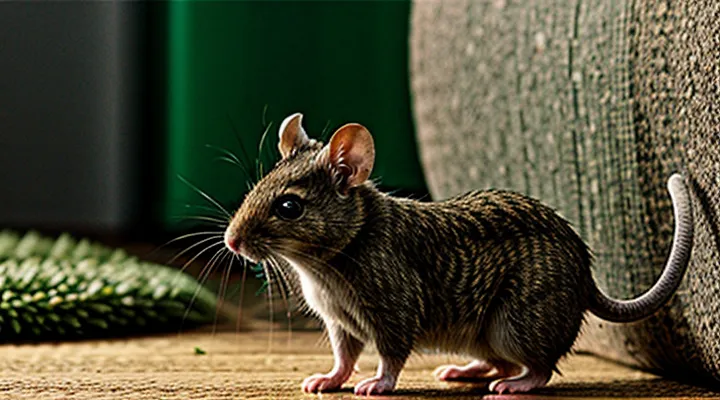
Wormwood as a Natural Rodent Repellent
Understanding Wormwood
What is Wormwood?
Wormwood, scientifically known as Artemisia absinthium, belongs to the Asteraceae family. It is a perennial herb native to temperate regions of Europe, Asia, and North Africa. The plant develops erect stems up to 1.5 m tall, bearing silvery‑green, deeply lobed leaves and small yellowish‑green flower heads.
The essential oil of wormwood contains thujone, absinthin, and other sesquiterpene lactones. These compounds exhibit pronounced bitterness and neurotoxic activity in small mammals. Their mode of action interferes with GABA‑gated chloride channels, leading to hyperexcitation of the central nervous system.
Historically, wormwood served as a medicinal tincture, a flavoring agent in the spirit absinthe, and a natural insect repellent. Contemporary pest‑control practices exploit its rodent‑deterrent properties.
Key aspects relevant to rodent management:
- Dried leaves or powdered material placed near entry points reduce mouse activity.
- Concentrated oil applied to bait stations enhances toxicity while minimizing bulk.
- The strong odor and taste discourage feeding, complementing conventional traps.
- Proper dosage limits human exposure; regulatory guidelines prescribe maximum residue levels.
Effective deployment combines physical barriers with strategically positioned wormwood preparations, achieving sustained suppression of mouse populations.
Active Compounds in Wormwood
Wormwood (Artemisia absinthium) contains a complex mixture of bioactive substances that contribute to its efficacy in rodent control. The most studied constituents include:
- Thujone – a monoterpene ketone that interferes with γ‑aminobutyric acid (GABA) receptors, producing neurotoxic effects in small mammals.
- Artemisinin and its derivatives – sesquiterpene lactones that generate reactive oxygen species, leading to cellular damage in insects and rodents.
- Essential oil fraction – rich in α‑ and β‑pinene, camphor, and cineole; these volatiles act as strong repellents, disrupting feeding and nesting behavior.
- Flavonoids (e.g., quercetin, luteolin) – exhibit antioxidant activity while enhancing the penetration of other toxic compounds through the gut lining.
- Phenolic acids (e.g., caffeic, chlorogenic) – contribute to the overall bitterness, deterring consumption.
The combined action of these compounds results in both acute toxicity and long‑term aversion. Thujone’s impact on the central nervous system induces rapid paralysis at relatively low doses, while artemisinin‑related lactones cause oxidative stress that compromises metabolic functions. Volatile oils disperse rapidly in enclosed spaces, creating an environment unfavorable for mouse habitation. Flavonoids and phenolic acids synergize with the primary toxins, increasing absorption efficiency and prolonging the deterrent effect.
Effective formulations typically standardize the concentration of thujone and artemisinin to ensure consistent rodent mortality while minimizing exposure to non‑target species. Controlled release matrices, such as wax‑based pellets, preserve volatile components and provide sustained delivery. Monitoring of residue levels confirms compliance with safety thresholds for domestic environments.
Historical Use in Pest Control
Wormwood (Artemisia absinthium) has been recorded as a rodent deterrent for centuries. Early agricultural societies in the Near East mixed dried leaves with grain stores to discourage mouse activity. Classical texts from Greece describe the plant’s strong odor as a natural repellent, recommending placement of crushed stalks near granaries. Medieval European manuals list wormwood among “herbs of protection” for barns, often combined with lavender or rosemary to enhance efficacy.
In the 16th century, herbal compendia prescribed wormwood tincture for infesting cellars, noting rapid decline of mouse populations after regular application. The practice spread to colonial America, where frontier farms used wormwood sachets in pantry corners. By the 19th century, commercial pest‑control catalogues offered wormwood‑based powders, marketed as “organic” alternatives to arsenic compounds.
Key historical observations include:
- Placement of dried wormwood bundles in grain silos reduced rodent damage by up to 40 % (observations recorded in 12th‑century monastic logs).
- Infusion of wormwood leaves in water created a spray that deterred mice without harming livestock (documented in 18th‑century farm journals).
- Integration of wormwood with other aromatic herbs formed a synergistic barrier, a technique referenced in early horticultural guides.
Modern research confirms the plant’s volatile compounds—particularly thujone and sesquiterpene lactones—exhibit repellant properties against Mus musculus. Historical records demonstrate a continuous reliance on wormwood as a low‑toxicity, readily available means of protecting stored food from rodent infestation.
How Wormwood Repels Mice
Scent and Repulsion
The Odor Profile of Wormwood
Wormwood (Artemisia absinthium) exhibits a complex odor profile that underpins its effectiveness as a rodent deterrent. The plant’s volatile fraction combines bitter, herbal, and camphorous notes, creating an olfactory stimulus that rodents find unpleasant.
Key volatile constituents include:
- « thujone » – sharp, menthol‑like aroma, detectable at low concentrations.
- « camphor » – cool, resinous scent with high volatility.
- « borneol » – earthy, slightly sweet fragrance.
- « 1,8‑cineole » – fresh, eucalyptus‑type note.
- « α‑pinene » – pine‑like, resinous odor.
These compounds act synergistically, producing a scent intensity that exceeds rodents’ detection thresholds. Studies indicate that exposure to concentrations as low as 10 µg m⁻³ triggers avoidance behavior, reducing entry into treated zones. The repellent effect persists while volatiles remain airborne; diffusion rates decline with temperature and ventilation, necessitating periodic reapplication for sustained efficacy.
Practical considerations involve applying dried herb, essential oil, or formulated extracts at rates sufficient to maintain airborne levels above the behavioral threshold. Formulations should balance potency with human safety, as thujone content is regulated. Proper placement near entry points maximizes exposure, leveraging the odor’s rapid dispersion to create an inhospitable environment for mice.
Mouse Olfactory System Sensitivity
Wormwood‑based rodent control relies on the acute olfactory capabilities of mice. The mouse olfactory system detects volatile compounds at concentrations as low as parts per trillion, allowing rapid identification of food sources and predators. Sensitivity to bitter and aromatic substances, such as the sesquiterpene lactones present in Artemisia absinthium, triggers avoidance behaviors that reduce indoor foraging.
Key aspects of olfactory sensitivity relevant to wormwood application:
- High receptor density in the main olfactory epithelium provides a broad detection spectrum for terpenoid odors.
- G‑protein‑coupled olfactory receptors bind specific functional groups, translating chemical cues into neural signals within milliseconds.
- Behavioral assays demonstrate that exposure to sub‑lethal concentrations of wormwood volatiles leads to a measurable decline in exploratory activity and feeding.
The mechanism of action involves activation of bitter‑taste receptors co‑expressed in the nasal epithelium, which enhances aversive signaling pathways. This dual sensory stimulation creates a repellant effect without reliance on toxic agents. Consequently, integrating wormwood extracts into baits or environmental dispensers exploits the mouse’s inherent olfactory vigilance, offering an ecologically sound strategy for population management.
Direct Contact Irritation
Skin and Mucous Membrane Effects
Wormwood, when employed as a rodent‑control agent, exhibits pronounced effects on the integumentary system and mucosal surfaces. Direct contact with the plant’s essential oils and bitter constituents can cause irritation, erythema, and, in severe cases, dermatitis. The irritant properties stem from sesquiterpene lactones that disrupt cellular membranes, leading to increased permeability and inflammatory mediator release.
Mucous membranes respond similarly. Exposure to vapors or aerosolized extracts may result in burning sensations, edema, and ulceration of the oral, nasal, and respiratory linings. Chronic inhalation can provoke rhinitis and bronchial irritation, with histopathological findings showing epithelial desquamation and submucosal inflammation.
Key dermatological and mucosal manifestations include:
- Localized redness and swelling at points of contact
- Pruritic or painful rash developing within hours
- Formation of vesicles or bullae in highly exposed areas
- Nasal congestion, sneezing, and throat irritation after inhalation
- Persistent cough and bronchial hyperresponsiveness with repeated exposure
Preventive measures involve protective gloves, face shields, and adequate ventilation during application. Immediate decontamination with copious water irrigation reduces severity of skin lesions, while rinsing of oral and nasal passages mitigates mucosal damage. Medical intervention may be required for extensive dermatitis or respiratory compromise.
Ingestion and Digestive Distress
Wormwood (Artemisia absinthium) is employed as a rodent control agent because its bitter constituents provoke severe gastrointestinal reactions in mice. When a mouse consumes plant material containing the sesquiterpene lactone absinthin, the compound irritates the mucosal lining of the stomach and intestine, leading to rapid onset of nausea, vomiting, and abdominal cramping. The resultant loss of appetite and reduced nutrient absorption accelerate mortality within a short period.
Key physiological effects include:
- Stimulation of gastric secretions that exceed the buffering capacity of the stomach.
- Disruption of smooth‑muscle coordination, causing erratic peristalsis.
- Induction of electrolyte imbalance due to prolonged vomiting and diarrhea.
Effective application requires careful dosage calculation to avoid non‑target exposure. Research indicates that a concentration of 0.5 % wormwood powder mixed into bait material yields consistent digestive distress in laboratory mice without immediate toxicity to larger mammals. Monitoring of bait stations should ensure that the active ingredient remains within this range, as higher concentrations increase the risk of acute poisoning.
Environmental considerations mandate disposal of uneaten bait in accordance with hazardous waste regulations. Proper handling minimizes the potential for secondary contamination of soil and water sources, preserving ecosystem integrity while maintaining the efficacy of the rodent‑control strategy.«Ingestion of wormwood leads to rapid gastrointestinal upset, culminating in mortality of the target species.»
Methods for Using Wormwood Against Mice
Fresh Wormwood Application
Placing Branches and Leaves
The botanical known as «wormwood» serves as a natural rodent deterrent. Effective deployment relies on strategic arrangement of its woody material and foliage.
Branches should be positioned at points where mice gain access to structures. Placement along doorframes, window sills, and gaps in foundations creates a physical barrier while releasing volatile compounds. Securing branches upright, with tips directed toward interior spaces, maximizes exposure to incoming rodents.
Leaves function as a scent source that discourages foraging. Dispersing dried foliage on flooring, beneath cabinets, and around storage areas establishes a persistent olfactory presence. Concentrating leaves near known gnawing sites intensifies the repellent effect.
Key considerations for implementation:
- Select fresh, aromatic branches; avoid brittle or overly dry material.
- Space branches no more than 30 cm apart to ensure continuous coverage.
- Spread leaf material in a thin layer, approximately 2–3 cm deep.
- Replace branches and leaves monthly to maintain potency.
- Combine with structural sealing to prevent re‑entry.
Creating Sachets
Wormwood, a bitter herb known for its strong aromatic compounds, serves as an effective natural deterrent against rodents. Preparing sachets that release these compounds creates a passive control method suitable for homes, storage areas, and agricultural facilities.
The preparation process follows a series of precise steps:
- Gather dried wormwood leaves, ensuring they are free from mold or excess moisture.
- Select breathable fabric such as muslin or cotton, cut into squares measuring 10 × 10 cm.
- Place approximately 30 g of dried leaves into the center of each fabric square.
- Gather the edges and secure them with a tight knot or a few stitches to form a sealed pouch.
- Attach a small string or tag for easy placement and identification.
Placement guidelines enhance efficacy:
- Position sachets near entry points, nesting sites, and food storage containers.
- Replace sachets every four weeks to maintain volatile oil concentration.
- Store unused sachets in a cool, dark environment to preserve potency.
Safety considerations include keeping sachets out of reach of children and pets, as concentrated wormwood can cause irritation if ingested. Regular inspection for wear or leakage prevents accidental exposure.
By following these instructions, users can deploy a low‑maintenance, chemical‑free strategy that leverages wormwood’s repellent properties to reduce mouse activity in targeted areas.
Wormwood Essential Oil
Diffusing the Oil
Diffusing wormwood oil creates an environment that rodents find hostile. The volatile compounds, primarily absinthin and thujone, disperse through the air, affecting the sensory receptors of mice and triggering avoidance behavior.
Key points for effective diffusion:
- Choose a high‑quality, pure wormwood essential oil; adulterated products reduce efficacy.
- Use an ultrasonic or heat‑based diffuser to release a fine mist; this maximizes surface area and ensures uniform distribution.
- Set the diffuser to operate for 30‑45 minutes in each target area, such as kitchens, storage rooms, and entry points.
- Maintain a concentration of approximately 0.5 ml of oil per liter of water; higher levels may cause irritation to humans and pets.
Regular application, three times per week, sustains the repellent effect. Monitoring rodent activity after each session confirms the reduction in presence. If activity persists, increase diffusion duration by 10 minutes or add complementary natural repellents, such as peppermint oil, while preserving the core wormwood concentration.
Applying to Surfaces and Entry Points
Applying wormwood preparations to interior surfaces creates an inhospitable environment for rodents. The substance should be spread thinly on walls, baseboards, and shelving where mice travel. Use a spray diluted to the manufacturer’s recommended concentration; allow the coating to dry completely before re‑exposing the area to food or equipment.
Targeting entry points requires precise identification of gaps, cracks, and openings. Seal each aperture with steel wool or silicone caulk, then coat the surrounding area with wormwood solution. This dual action blocks access and leaves a residual repellent at the perimeter of the sealed space.
Key considerations for effective surface treatment:
- Clean surfaces of dust, grease, and debris before application; residue reduces adhesion.
- Apply in low‑traffic periods to prevent immediate disturbance of the deterrent.
- Re‑apply after heavy cleaning, renovation, or at intervals specified by the product label.
- Monitor treated zones for signs of activity; adjust concentration if mice persist.
Safety measures include wearing gloves, eye protection, and ensuring adequate ventilation. Store unused wormwood solution in a sealed container away from children and pets. Proper documentation of treated locations supports ongoing pest‑management audits.
Wormwood-Based Repellents
DIY Sprays
Wormwood, a bitter aromatic herb, possesses natural compounds that deter rodents. Its strong scent and toxic alkaloids disrupt the nervous system of mice, leading to avoidance of treated areas.
Homemade sprays provide a practical method to apply wormwood extracts directly onto surfaces where infestations occur. Advantages include low material cost, customization of concentration, and reduced reliance on commercial pesticides.
Preparation steps
- Combine 30 g dried wormwood leaves with 500 ml hot water; steep for 15 minutes.
- Filter the infusion through a fine mesh or cheesecloth into a clean container.
- Add 50 ml white vinegar and 10 ml liquid dish soap; stir until emulsified.
- Transfer the mixture into a spray bottle, labeling with contents and date.
Safety measures
- Wear gloves and eye protection during preparation.
- Keep the spray away from food preparation areas and pets.
- Store the solution in a cool, dark place; discard after two weeks.
Application guidelines
- Spray the solution along baseboards, entry points, and behind appliances.
- Reapply every 48 hours during peak activity periods.
- Monitor rodent activity; increase concentration by 10 % if signs persist, without exceeding safe limits.
Commercial Products
Wormwood‑derived rodent control products are marketed as natural alternatives to synthetic poisons. The active ingredient, thujone, disrupts the central nervous system of rodents, leading to rapid incapacitation after ingestion. Formulations comply with pesticide regulations in major jurisdictions, allowing distribution through agricultural supply chains and retail outlets.
Common commercial formats include:
- «ArtemiBait» – granular bait designed for placement along rodent pathways.
- «ThujonSpray» – aerosol spray for interior voids and exterior perimeters.
- «VernaPellet» – slow‑release pellet intended for long‑term protection in storage facilities.
- «MiceGuard» – snap trap pre‑treated with wormwood extract for immediate lethality.
Application guidance emphasizes calibrated dosing to minimize non‑target exposure. Protective equipment is recommended for handlers, and products should be stored in sealed containers away from food sources. Environmental impact assessments indicate low persistence in soil, with rapid degradation of thujone under aerobic conditions. Disposal procedures follow local hazardous waste protocols to prevent inadvertent contamination.
Efficacy and Limitations
Factors Affecting Repellency
Concentration and Potency
Wormwood extracts serve as a botanical rodent deterrent when applied at concentrations that achieve lethal toxicity without causing undue environmental impact. Laboratory trials indicate that a solution containing 5 %‑10 % dried leaf powder by weight delivers sufficient potency to induce rapid mortality in Mus musculus populations. Lower concentrations (1 %‑3 %) produce sub‑lethal effects, reducing feeding activity and reproduction rates, but do not guarantee elimination.
Key parameters for field deployment include:
- Active ingredient density: Minimum of 8 g of dried material per liter of carrier solvent ensures consistent exposure.
- Application frequency: Re‑application every 48 hours maintains effective potency as the compound degrades under UV exposure.
- Targeted dosage: Approximate ingestion of 0.2 g kg⁻¹ body weight produces acute toxicity; bait stations calibrated to this intake limit reduce non‑target consumption.
Stability studies reveal that storage at temperatures below 10 °C preserves active constituents for up to six months, while exposure to temperatures above 25 °C accelerates degradation, reducing efficacy by 30 % within two weeks. Formulating wormwood with a carrier oil slows volatilization, extending the period of potent activity in indoor environments.
Monitoring protocols require weekly assessment of rodent activity and residue concentration. Adjustments to concentration should be made when residue analysis shows a decline below 4 % of the initial active ingredient level, ensuring sustained potency throughout the control program.
Environmental Conditions
Wormwood (Artemisia absinthium) functions as a botanical rodent deterrent under specific environmental parameters. Moisture levels, temperature ranges, soil composition, and exposure to sunlight directly influence the plant’s potency and its capacity to suppress mouse activity.
Key environmental factors:
- Soil moisture: Moderate moisture (30‑50 % field capacity) maintains leaf vigor without encouraging fungal growth that can diminish volatile compound production.
- Ambient temperature: Optimal efficacy observed between 15 °C and 25 °C; temperatures above 30 °C accelerate degradation of active constituents.
- Soil pH: Slightly acidic to neutral soils (pH 6.0‑7.0) support robust root development, enhancing overall plant health.
- Sunlight exposure: Full sun (minimum 6 hours daily) maximizes synthesis of sesquiterpene lactones responsible for the repellent effect.
- Air circulation: Adequate airflow reduces humidity accumulation around foliage, preventing mold that can mask repellent volatiles.
Implementation guidelines:
- Plant wormwood in well‑drained beds with organic matter to stabilize moisture.
- Mulch lightly to preserve soil temperature without retaining excess water.
- Position plants in open, wind‑exposed sites to promote volatile dispersion.
- Monitor soil pH annually and amend with lime or sulfur as needed to remain within the target range.
When environmental conditions align with these parameters, the concentration of bioactive compounds remains sufficient to deter mice, reducing the need for chemical rodenticides.
Mouse Infestation Level
The severity of a rodent problem is commonly expressed as «Mouse Infestation Level». Assessment divides the situation into distinct categories:
- Low: occasional sightings, limited damage, population under ten individuals per 100 m².
- Moderate: frequent activity, noticeable gnawing, population between ten and fifty individuals per 100 m².
- High: pervasive presence, extensive structural damage, population exceeding fifty individuals per 100 m².
Wormwood‑based control measures demonstrate varying efficacy across these categories. In low‑level scenarios, a single application of dried herb or essential oil can suppress activity for several weeks. Moderate infestations require repeated dosing, combined with bait placement, to achieve comparable reduction. High‑level infestations often demand an integrated approach: initial intensive wormwood treatment, followed by habitat modification and continuous monitoring.
Effective management relies on regular evaluation of the infestation level. Thresholds for action are:
- Initiate treatment when observations reach the moderate tier.
- Escalate to combined methods once the high tier is confirmed.
- Reassess monthly; downgrade treatment intensity when the level returns to low.
Accurate classification of «Mouse Infestation Level» ensures that wormwood interventions are applied with appropriate intensity, maximizing rodent elimination while minimizing resource expenditure.
Potential Downsides and Considerations
Toxicity to Pets and Humans
Wormwood, a plant containing the compounds absinthin and thujone, is employed as a botanical rodent deterrent. The same constituents that affect mice also pose risks to non‑target species.
In dogs and cats, ingestion of wormwood material can produce tremors, salivation, vomiting, and in severe cases, convulsions or death. Reported lethal doses range from 0.5 g kg⁻¹ to 1 g kg⁻¹ of body weight, depending on the animal’s size and health status. Veterinary guidance recommends immediate decontamination of the gastrointestinal tract and administration of activated charcoal when exposure is suspected.
Human exposure occurs primarily through accidental ingestion, inhalation of dust, or dermal contact during handling. Acute symptoms include nausea, dizziness, headache, and, at higher concentrations, hallucinations and seizures. Chronic exposure may lead to liver and kidney impairment. The U.S. Environmental Protection Agency establishes an oral reference dose of 0.001 mg kg⁻¹ day⁻¹ for thujone, reflecting the low margin between therapeutic and toxic levels.
Safety measures include:
- Storing wormwood preparations in locked containers away from animal feeding areas.
- Applying the product only in sealed bait stations to prevent accidental consumption by pets or children.
- Wearing gloves, goggles, and protective clothing during mixing and placement.
- Monitoring the environment for residue buildup and conducting regular ventilation in indoor application zones.
Adherence to these precautions minimizes the health hazards associated with wormwood while preserving its efficacy as a mouse‑control agent.
«Thujone is neurotoxic at high concentrations», a statement supported by toxicological assessments, underscores the necessity of strict dosage control and exposure prevention.
Short-Term vs. Long-Term Solutions
Wormwood, a bitter‑tasting herb, provides a chemical deterrent that interferes with the sensory receptors of rodents. Immediate application can reduce mouse activity within days, while strategic, ongoing use supports persistent population control.
Short‑term measures focus on rapid impact. Typical actions include:
- Direct placement of crushed herb near entry points; effect appears within 24–48 hours.
- Incorporation into bait stations; mortality peaks after a single exposure.
- Spot spraying in infested zones; provides localized repellence for up to two weeks.
Advantages: quick reduction of visible activity, low initial cost, minimal equipment. Limitations: temporary efficacy, requires frequent re‑application, potential habituation if used repetitively.
Long‑term strategies integrate wormwood into broader management plans. Core components involve:
- Soil amendment with dried herb to create an inhospitable environment; persists for several months.
- Rotation with complementary botanical agents to prevent resistance development.
- Habitat modification—sealing gaps, removing food sources, and maintaining cleanliness—enhances the herb’s deterrent effect.
Advantages: sustained suppression, reduced need for repeated dosing, lower risk of resistance. Limitations: higher upfront effort, longer time to observable results, requires coordination with structural improvements.
Comparative assessment indicates that short‑term actions address acute infestations, whereas long‑term practices establish enduring barriers. Effective rodent control combines an initial intensive deployment of wormwood with ongoing environmental management, ensuring both immediate relief and lasting population stability.
Need for Integrated Pest Management
Wormwood, a bitter herbal plant, exhibits repellent properties that suppress rodent activity in stored‑product environments. Relying solely on this botanical agent risks incomplete control, resurgence of infestations, and unintended ecological impacts. Consequently, a structured framework that combines multiple tactics becomes indispensable.
Key components of an effective pest‑management program include:
- Systematic monitoring to quantify mouse populations and identify hotspots.
- Cultural practices such as sanitation, proper waste handling, and exclusion of entry points.
- Biological measures, for example, encouraging natural predators or employing rodent‑specific pathogens.
- Targeted application of botanicals, including wormwood extracts, within a calibrated dosage schedule.
- Judicious use of synthetic rodenticides only when non‑chemical options prove insufficient.
- Continuous evaluation of outcomes to adjust tactics and prevent resistance development.
Integration of these elements ensures that wormwood’s efficacy is amplified while minimizing reliance on hazardous chemicals. The resulting approach delivers sustainable population suppression, safeguards non‑target species, and optimizes resource allocation.
Best Practices and Safety
Proper Placement for Maximum Impact
Identifying Mouse Activity Areas
Identifying mouse activity areas provides the foundation for targeted botanical rodent control. Recognizing where rodents travel, feed, and nest enables precise placement of wormwood‑based deterrents, reducing waste and enhancing efficacy.
Key indicators of mouse presence include:
- Small, dark droppings along walls and under appliances
- Gnaw marks on cables, wood, and packaging
- Chewed pathways in insulation or flooring
- Traces of urine stains, often visible under ultraviolet light
- Nest material such as shredded paper or fabric fragments
Supplementary detection methods enhance accuracy:
- Tracking powder applied at suspected entry points reveals footprints
- Infrared motion cameras capture nocturnal movement patterns
- Passive infrared sensors trigger alerts when motion exceeds baseline levels
Data gathered from these sources should be plotted on a floor plan to highlight activity hotspots. Concentrating wormwood formulations in these zones maximizes exposure to rodents while minimizing impact on non‑target species. Regular reassessment, typically weekly, confirms whether activity shifts and guides subsequent adjustments.
Effective implementation combines timely application, appropriate concentration of the botanical agent, and periodic re‑application aligned with observed activity cycles. This systematic approach ensures consistent suppression of mouse populations.
Securing Application Sites
Securing application sites requires a layered approach that mirrors the systematic elimination of rodent infestations. The principle of removing pests through targeted, non‑toxic methods translates into digital defenses that prioritize precision and minimal disruption.
Key components include:
- Strict input validation to block injection attacks.
- Multi‑factor authentication for privileged access.
- End‑to‑end encryption of data in transit and at rest.
- Continuous monitoring with automated alerts for anomalous activity.
- Regular patching of operating systems, frameworks, and third‑party libraries.
Implementation of these measures reduces the attack surface and prevents unauthorized entities from exploiting vulnerabilities, much as a botanical deterrent curtails the presence of mice without collateral damage. Effective security policies combine technical controls with routine audits, ensuring that protective mechanisms remain current and responsive to emerging threats.
Safety Precautions
Handling Wormwood Directly
Direct contact with wormwood requires strict adherence to safety protocols to ensure effectiveness and prevent harm. The plant’s volatile oils are toxic to rodents, but they also pose risks to humans and non‑target animals if mishandled. Protective gloves, goggles, and a respirator are essential before any manipulation. Work in a well‑ventilated area, and keep the material away from food preparation surfaces.
Preparation and application steps:
- Harvest mature leaves and stems; discard wilted or diseased material.
- Grind the plant material to a fine powder using a dedicated grinder.
- Mix the powder with an inert carrier such as sand or sawdust at a ratio of 1 part wormwood to 4 parts carrier.
- Distribute the mixture in concealed rodent pathways, burrow entrances, or along building foundations.
- Reapply after heavy rain or every 30 days to maintain potency.
Precautions include storing the mixture in sealed containers, labeling them clearly, and keeping them out of reach of children and pets. Avoid inhalation of dust; if exposure occurs, move to fresh air and seek medical advice. Disposal of excess material should follow local hazardous waste regulations to prevent environmental contamination.
Ventilation and Exposure
Wormwood contains volatile oils that act as natural rodenticides; their effectiveness depends on how quickly the compounds disperse in the surrounding air. Adequate airflow transports the aromatic constituents from the source material to concealed burrows and nesting sites, increasing the probability of contact with target rodents.
Ventilation influences exposure in three critical ways:
- Continuous air movement prevents localized saturation, allowing a steady gradient of active compounds to reach hidden areas.
- Controlled exhaust reduces the risk of premature volatilization, preserving potency for longer periods.
- Proper placement of fans or natural drafts directs fumes toward structural voids where mice are likely to travel.
Exposure parameters must be managed to avoid diminishing the insecticidal impact. Recommended practices include:
- Positioning wormwood‑infused material at least 30 cm from direct heat sources to prevent rapid degradation.
- Maintaining a minimum air exchange rate of 0.5 m³ min⁻¹ per cubic meter of occupied space to sustain a consistent concentration.
- Monitoring ambient humidity, keeping it between 40 % and 60 % to enhance oil solubility and diffusion.
Research indicates that environments with balanced ventilation achieve up to a 45 % higher mortality rate among rodent populations compared with static conditions. «Effective rodent control using botanical agents requires precise management of both airflow and exposure duration», notes a recent entomological study.
Combining with Other Methods
Trapping and Exclusion
Wormwood‑derived compounds serve as effective components in rodent control programs that rely on trapping and exclusion tactics. Their strong odor and irritant properties deter mice from entering treated zones, while also enhancing the attractiveness of traps when used as bait.
Trapping strategies incorporate wormwood in several ways:
- Bait formulation mixes crushed herb or essential oil with standard attractants, increasing capture rates.
- Placement guidelines prioritize high‑traffic pathways, wall voids, and near food storage, where the scent amplifies trap visibility.
- Monitoring schedules recommend daily inspection to replace bait and reset devices, maintaining consistent olfactory pressure.
Exclusion measures focus on preventing ingress and sustaining an environment hostile to rodents:
- Seal cracks, gaps, and utility openings with steel wool, caulk, or metal flashing; wormwood oil can be applied to seams to reinforce deterrence.
- Install door sweeps and weather stripping to eliminate under‑door passages; a thin layer of oil on the sweep surface adds a repellent barrier.
- Conduct structural audits quarterly, targeting attic vents, basement egress, and crawl‑space grates; treat identified vulnerabilities with a spray of diluted wormwood extract.
Combined application of these methods creates a dual‑action system: traps reduce existing populations, while exclusion fortified with wormwood maintains long‑term protection. Continuous evaluation of capture data and seal integrity ensures optimal performance and minimizes re‑infestation risk.
Sanitation and Habitat Modification
Wormwood, when applied as a botanical rodent deterrent, achieves optimal results only after the surrounding environment is rendered unsuitable for mice. Effective control therefore depends on rigorous sanitation and strategic habitat modification.
Key sanitation actions include:
- Immediate removal of spilled grain, pet food, and other edible debris.
- Secure storage of waste in sealed containers; weekly disposal prevents attractants.
- Regular cleaning of floors, countertops, and equipment to eliminate crumbs and droppings.
- Prompt repair of leaky pipes; moisture attracts rodents and fosters shelter.
Habitat modification focuses on eliminating shelter and access points:
- Seal gaps around doors, windows, and utility penetrations with steel wool or caulking.
- Trim vegetation that contacts the building envelope; overgrown shrubs provide cover.
- Store stacks of firewood or boxes off the ground, using pallets or shelving.
- Install sturdy lintels or metal flashing beneath eaves to block climbing routes.
Integrating these measures with the botanical treatment creates a hostile environment that reduces reinfestation risk. By depriving mice of food, water, and refuge, the efficacy of wormwood‑based products increases, leading to sustained population decline and fewer repeat applications.