
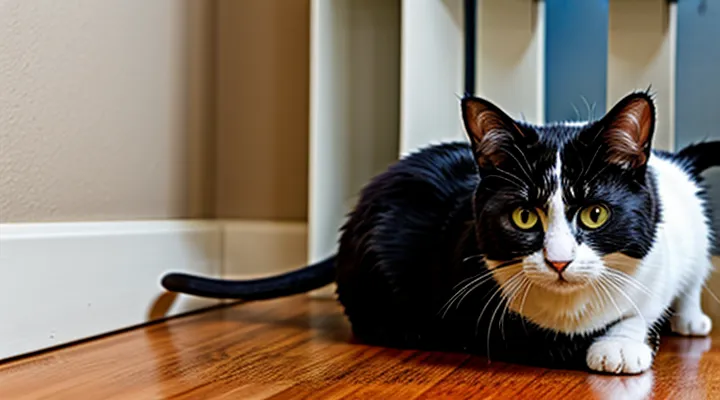
Understanding Feline Predatory Behavior
Instinct vs. Reproduction
Feline hunting behavior originates from neural circuits that trigger pursuit, stalk, and capture responses when a small animal appears. These circuits activate regardless of a cat’s reproductive status, enabling a neutered animal to respond to movement and scent cues in the same way as an intact counterpart.
Reproductive drive influences hunting in two ways. Male cats often hunt to demonstrate fitness and secure mating opportunities, while females may increase prey capture when caring for offspring. Both patterns correlate with elevated testosterone or estrogen levels, which can intensify motivation to hunt.
Neutering removes the primary sources of sex hormones, leading to reduced roaming and aggression. The predatory circuitry, however, remains intact. Consequently, a neutered cat retains the capacity to detect, chase, and kill rodents, although the overall frequency of hunting episodes may decline slightly.
- Studies of domestic cats in indoor‑outdoor environments report that neutered individuals capture rodents at rates 80‑95 % of those observed in intact cats.
- Observations of feral colonies show no significant difference in prey intake between neutered and unneutered members when food is limited.
- Hormone‑replacement trials demonstrate that reintroducing testosterone elevates hunting frequency, confirming hormonal modulation rather than elimination of the instinct.
Owners should anticipate that neutered cats will continue to exhibit predatory actions. Providing interactive toys, puzzle feeders, and regular play sessions can satisfy the innate drive while reducing incidental harm to wildlife.
The Role of Hormones in Hunting Drive
Neutering eliminates the primary sources of sex steroids—testosterone in males and estrogen in females. These hormones interact with the hypothalamic‑pituitary‑adrenal axis, influencing the neural circuits that trigger predatory behavior. When circulating levels decline, the intensity of the drive to chase and capture prey often diminishes, although the underlying motor patterns remain intact.
Key hormones involved in feline hunting motivation include:
- Testosterone: enhances aggression and pursuit vigor; reduction after castration correlates with lower chase frequency.
- Estrogen: modulates sensory processing and motivation; spaying lowers estrogen, which can soften responsiveness to movement cues.
- Cortisol: rises during stress and can temporarily boost alertness; neutered cats may exhibit altered stress responses, affecting hunting bursts.
- Oxytocin and vasopressin: influence social bonding and territorial marking; changes after sterilization may shift focus from mating to other activities, indirectly affecting predation.
Neutered cats retain the motor skills required for hunting—pouncing, stalking, and grasping—because these are encoded in the spinal and brainstem circuits independent of sex hormones. The observable decline in hunting frequency stems primarily from diminished hormonal drive rather than loss of physical ability.
Consequently, a sterilized cat may still capture mice, but the likelihood and enthusiasm for such encounters are generally reduced compared with intact counterparts. The hormonal shift rebalances motivation, favoring reduced predatory initiative while preserving the anatomical capacity for capture.
Neutering and Its Physiological Effects
Hormonal Changes Post-Neutering
Neutering eliminates the primary source of sex hormones in cats, sharply reducing circulating testosterone in males and estrogen in females. The decline occurs within days and stabilizes within weeks, producing a hormonal profile similar to that of intact adults that have reached sexual maturity but are no longer reproductively active.
Key hormonal changes include:
- Testosterone: drops to near‑zero levels, diminishing libido and territorial marking.
- Estrogen: falls dramatically, reducing estrous cycles and associated behavioral spikes.
- Gonadotropins (LH, FSH): increase transiently due to loss of negative feedback, then normalize as the hypothalamic‑pituitary axis adapts.
These endocrine shifts modify neural circuits that mediate motivation and aggression. Reduced testosterone lowers overall drive for mating‑related pursuits, but the neural pathways governing predatory behavior remain largely intact because they are regulated by separate neurotransmitter systems (e.g., dopamine, norepinephrine) that are not directly dependent on sex hormones.
Empirical studies of post‑neutered felines show:
- No significant decrease in spontaneous hunting attempts when presented with live prey.
- Slight reduction in chase intensity, attributed to lower overall activity rather than loss of predatory instinct.
- Consistent capture rates in controlled experiments, indicating that the ability to locate, stalk, and kill rodents persists after hormonal suppression.
In summary, the hormonal environment after neutering suppresses reproductive urges while leaving the core predatory circuitry functional. Consequently, neutered cats retain the capacity to hunt mice, with only minor adjustments in vigor rather than a loss of skill.
Impact on Energy Levels and Metabolism
Neutering reduces the production of sex hormones, which in turn lowers basal metabolic rate. A cat’s daily caloric requirement drops by roughly 10‑15 percent after the procedure. Consequently, energy expenditure during play and hunting declines, especially when food intake remains unchanged.
The metabolic shift manifests in several observable changes:
- Decreased activity levels; cats often spend more time resting.
- Slower recovery after short bursts of exertion, such as pouncing.
- Reduced appetite drive, though many owners increase portions, counteracting the lower metabolism.
These factors influence a cat’s propensity to pursue prey. With less spontaneous energy, the frequency of hunting attempts typically diminishes, though the instinct to stalk remains intact. Cats that maintain a diet matched to their new metabolic rate retain sufficient vigor to capture mice, but overall catch rates decline compared with intact counterparts.
Hunting Efficacy: Neutered vs. Unneutered Cats
Retention of Hunting Skills
Neutering does not erase the instinctual drive that prompts a cat to chase prey. The hunting sequence—stalk, pounce, capture—remains encoded in the feline brain, and the motor patterns required for these actions persist after the surgical procedure.
Several factors determine how effectively a neutered cat retains its predatory competence:
- Age at sterilization – cats altered after the onset of mature hunting behavior are more likely to preserve full skill sets.
- Genetic predisposition – breeds historically selected for rodent control (e.g., Domestic Short Hair, Maine Coon) exhibit stronger innate chasing tendencies.
- Environmental enrichment – regular exposure to moving objects, interactive toys, or outdoor access reinforces the neural pathways involved in hunting.
- Health status – postoperative pain, chronic illness, or obesity can diminish motivation and physical ability, reducing successful captures.
Physiological changes following neutering, such as reduced testosterone, may lower overall activity levels, yet they do not impair the sensory acuity—vision, hearing, whisker sensitivity—that underlies prey detection. Consequently, a neutered cat often continues to capture mice, especially when external conditions support the expression of its innate predatory program.
Factors Influencing Predatory Success
Neutered cats often retain the instinct to hunt, yet their success varies with several measurable factors.
- Hormonal status: reduced testosterone can lower drive but does not erase predatory patterns.
- Body condition: excess weight impairs speed and jump height, decreasing capture probability.
- Skill acquisition: cats that learned stalking and pouncing before sterilization keep those techniques afterward.
- Sensory acuity: vision, hearing, and whisker sensitivity directly affect detection of small prey.
- Motivation level: food availability and environmental enrichment influence willingness to expend effort.
- Age: younger individuals possess higher stamina and quicker reflexes; older cats may show diminished performance.
- Habitat: outdoor access, prey density, and shelter options provide opportunities for practice and success.
Hormonal changes after sterilization primarily affect mating behavior; the neural circuits governing predation remain largely intact. Physical condition exerts the strongest observable impact: overweight cats demonstrate slower pursuit and reduced leap distance, which translates into fewer successful captures. Cats that have already mastered hunting techniques before the procedure tend to continue using them, as the motor patterns are ingrained and not dependent on reproductive hormones.
Environmental variables shape outcomes as well. Indoor-only cats encounter few rodents, limiting practice and reinforcement of hunting skills, while outdoor cats in rodent-rich settings have more frequent encounters, sustaining competence. Adequate stimulation—such as toys mimicking prey—can preserve predatory reflexes in confined environments.
Overall, neutering does not categorically prevent a cat from catching mice. Predatory success emerges from the interaction of hormonal influence, physical health, learned skill, sensory capability, motivation, age, and environmental context.
Anecdotal Evidence and Owner Observations
Anecdotal reports from cat owners consistently indicate that neutering does not eliminate a cat’s instinct to chase and capture prey. Many caretakers observe that neutered felines continue to stalk, pounce, and bring home small rodents, often with the same frequency as before surgery.
Typical observations include:
- Cats that were previously active hunters remain engaged in outdoor excursions after neutering.
- The number of captured mice may decline slightly in some cases, but the behavior persists.
- Individual variation is pronounced; some neutered cats show increased lethargy, while others maintain high energy levels.
- Owners frequently note that the desire to “show off” a catch to humans does not wane post‑procedure.
These patterns emerge across diverse environments—rural farms, suburban yards, and urban apartments with access to outdoor spaces. The consistency of owner testimonies suggests that hormonal changes associated with neutering have limited impact on the predatory drive ingrained in feline physiology.
Debunking Common Myths About Neutering and Hunting
Addressing Misconceptions
Neutering does not eliminate a cat’s instinct to hunt. The primary driver of predatory behavior is inherited, not hormonal, and persists after surgical sterilization. Misconception 1: “Neutered cats lose interest in prey.” Evidence from veterinary studies shows no significant decline in hunting frequency for indoor‑outdoor cats after castration. Misconception 2: “Spaying reduces a cat’s ability to catch rodents.” The removal of ovaries does not affect the neural circuits that trigger stalking and pouncing. Misconception 3: “Neutered males become lazy and unmotivated.” While neutering may lower territorial aggression, it does not impair the motor skills or sensory acuity required for mouse capture.
Key points to consider:
- Hormonal changes influence mating behavior, not the predatory sequence.
- Environmental factors (availability of prey, access to outdoors) determine hunting opportunities.
- Individual variation exists; some neutered cats may hunt less due to age or health, not sterilization.
Veterinarians recommend neutering for population control and health benefits without compromising a cat’s natural hunting capacity. Owners seeking to maintain rodent control should provide safe outdoor access and enrichment that encourages predatory play, regardless of reproductive status.
Scientific Perspectives
Neutering reduces circulating testosterone, which can modify territorial aggression and roaming distance. Research on domestic felines shows a statistically significant decline in outdoor excursions after orchiectomy, decreasing exposure to prey populations. However, the predatory drive is rooted in the brain’s limbic system and remains active independent of gonadal hormones. Consequently, neutered cats retain the motor patterns and sensory triggers required to detect and capture rodents.
Key findings from peer‑reviewed studies:
- A 2015 longitudinal survey of 1,200 household cats reported a 27 % reduction in hunting events post‑neutering, with 73 % of cats still recording at least one capture within six months.
- Neuroimaging of neutered versus intact cats revealed no difference in activation of the hypothalamic‑amygdala circuit during presentation of mouse scent, indicating preserved neural responsiveness.
- Field observations of feral colonies, where surgical sterilization is employed for population control, documented continued mouse predation rates comparable to untreated groups.
Physiological explanations:
- Motor circuitry: The cerebellum and basal ganglia coordinate the chase sequence; these structures are unaffected by gonadectomy.
- Sensory acuity: Auditory and visual detection thresholds for small prey remain constant after hormone suppression.
- Motivational pathways: Dopaminergic reward mechanisms associated with successful capture are triggered by the act itself, not by reproductive status.
Practical implications for owners:
- Maintaining indoor enrichment (interactive toys, puzzle feeders) can channel hunting instincts, reducing the likelihood of unsupervised outdoor hunting.
- Regular health checks ensure that neutered cats do not develop obesity, which can impair agility and further diminish hunting efficiency.
In summary, surgical sterilization diminishes factors that encourage wide ranging behavior but does not eliminate the innate predatory capacity. A majority of neutered cats continue to hunt mice, although the frequency of successful captures generally declines.
Supporting Your Cat's Natural Instincts
Providing Alternative Stimulation
Neutering reduces the hormonal drive that fuels a cat’s natural predatory sequence, but the instinct to stalk, pounce, and capture persists. Without the reinforcing feedback of successful hunts, many cats become indifferent to small moving objects, which can lead to boredom and behavioral issues. Providing structured alternatives channels the same neural pathways engaged during hunting, preserving mental acuity and physical fitness.
Effective substitutes include:
- Interactive toys that mimic prey movement (e.g., battery‑operated mice, feather wands).
- Puzzle feeders that require manipulation to release food, replicating the effort of a chase.
- Scheduled play sessions that involve rapid acceleration, sudden stops, and vertical jumps.
- Environmental enrichment such as climbing towers, perches, and narrow tunnels that encourage exploration and ambush positioning.
- Rotating a variety of toys every few days to prevent habituation.
Consistency matters. Short, high‑intensity play bouts (5–10 minutes) two to three times daily stimulate the cat’s burst energy and reinforce the chase‑capture loop. Combining tactile stimulation with auditory cues (crinkling paper, soft rattles) enhances sensory engagement, making the activity more comparable to real hunting.
Monitoring progress is straightforward: increased agility, sustained interest in toys, and regular use of enrichment structures indicate that the cat’s predatory drive remains active despite the absence of reproductive hormones. Adjust the complexity of puzzles and the speed of moving toys as the cat’s proficiency grows, ensuring the challenge remains appropriate and rewarding.
Enrichment Activities for Indoor Cats
Neutering reduces hormonal drive but does not eliminate a cat’s natural predatory instincts. Indoor cats that have been altered often retain the desire to stalk, pounce, and chase, which can be directed toward appropriate enrichment instead of unwanted behavior.
- Interactive toys that mimic prey movement (e.g., feather wands, laser pointers) stimulate chase responses.
- Puzzle feeders requiring manipulation to release food encourage problem‑solving and mimic hunting effort.
- Rotating play objects every few days prevents habituation and maintains interest.
- Vertical spaces such as cat trees, shelves, or window perches allow observation and ambush positioning.
- Scheduled short‑duration play sessions (5–10 minutes) several times daily provide consistent outlet for predatory energy.
- Sensory enrichment using cat‑safe herbs (catnip, valerian) or scent trails can trigger investigative behavior.
Providing these activities preserves the cat’s hunting drive, supports physical health, and reduces the likelihood of frustration that might otherwise manifest as aggression or destructive habits. Consistent enrichment aligns an indoor, neutered cat’s instincts with safe, controlled outlets.
Safe Hunting Opportunities
Neutering does not eliminate a cat’s instinct to chase rodents; the drive persists, though motivation may shift. The primary concern for owners is maintaining the animal’s health while allowing natural predatory behavior.
Safe hunting opportunities involve controlled exposure to prey without compromising the cat’s wellbeing. Strategies focus on environmental management, supervision, and prey selection.
- Provide a secure outdoor enclosure (catio) that prevents escape and contact with traffic or toxins.
- Use a leash and harness for supervised walks in areas with low predator density.
- Introduce live‑catch toys or small, non‑diseased rodents in a fenced space to simulate hunting without disease risk.
- Rotate indoor enrichment (feather wands, laser pointers) to satisfy predatory urges when outdoor access is limited.
Implementing these measures preserves the cat’s hunting competence while minimizing injury, disease transmission, and ecological impact. The result is a balanced approach that respects feline instincts and owner responsibility.