
Physical Characteristics
General Appearance
Size and Weight
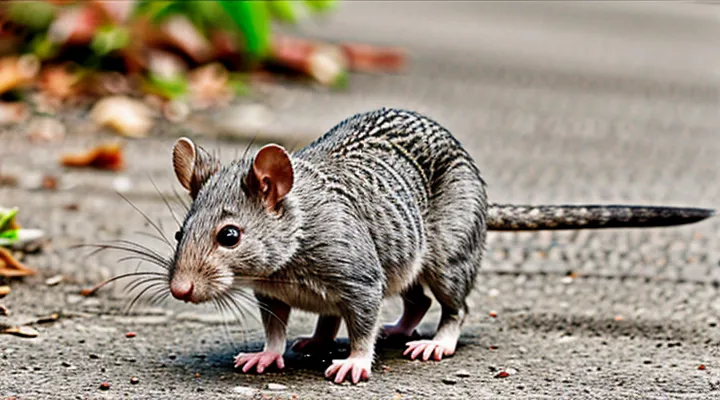
The wild gray rat exhibits moderate dimensions compared with other commensal rodents. Adult individuals display a head‑body length ranging from 150 mm to 210 mm, while the tail typically measures 120 mm to 180 mm, often proportionally shorter than the body. Ear length averages 15 mm to 22 mm, and hind‑foot length falls between 28 mm and 35 mm.
Weight varies according to age, sex, and seasonal food availability. Mature specimens commonly weigh between 180 g and 260 g. In regions with abundant resources, maximum recorded masses approach 300 g, whereas individuals in marginal habitats may fall below 150 g.
Fur Color and Texture
The wild gray rat displays a dorsal coat ranging from pale slate to deep charcoal, with a subtle gradient that lightens toward the ventral surface. Individual hairs possess a basal pigment of dark melanin, overlaid by a lighter cortex, creating a mottled appearance that enhances camouflage in rocky and urban environments.
The pelage texture combines coarse guard hairs with a dense underlayer of fine, silky fibers. Guard hairs measure approximately 10–15 mm in length, providing protection against abrasion and moisture. The undercoat, composed of fibers 2–4 mm long, offers thermal insulation and a smooth tactile quality.
Key fur characteristics:
- Dual‑layer structure: protective outer guard hairs and insulating inner fibers.
- Color variability: dorsal shades from light gray to near‑black, ventral region uniformly pale.
- Fiber composition: guard hairs exhibit a rigid, slightly bristly feel; undercoat fibers are soft and pliable.
- Seasonal adaptation: coat density increases in colder months, enhancing heat retention.
These attributes distinguish the species from sympatric rodents, contributing to its resilience across diverse habitats.
Body Shape and Proportions
The wild gray rat exhibits a compact, fusiform body that balances agility with endurance. The torso is elongated, with a length‑to‑height ratio of approximately 1.8 : 1, allowing efficient locomotion through dense underbrush and burrow systems. Musculature is well‑developed along the dorsal and ventral regions, supporting rapid bursts of speed and sustained crawling.
Key proportional characteristics include:
- Head: relatively small, comprising about 12 % of total body length; the snout is blunt, facilitating the manipulation of coarse vegetation.
- Limbs: forelimbs are shorter than hind limbs, with hind‑limb length representing roughly 35 % of body length; this disparity enhances leaping ability.
- Tail: long and tapering, accounting for 45‑55 % of overall length; the tail is prehensile, providing balance during arboreal excursions.
- Feet: broad with well‑spaced digits, each digit bearing a robust claw, optimized for gripping uneven substrates.
Overall, the species’ body architecture reflects adaptation to a versatile habitat, combining streamlined form with proportionally powerful limbs and a versatile tail.
Head and Sensory Organs
Skull Structure
The Wild Gray Rat possesses a compact cranium characterized by a relatively short rostrum and a broad braincase. The occipital region exhibits a well‑developed occipital plate, providing attachment for strong neck musculature. The frontal bones are fused, forming a smooth, uninterrupted surface that supports the olfactory bulbs.
Key cranial features include:
- Dental formula : I 3/1, C 1/0, P 3/3, M 1/1, reflecting the species’ omnivorous diet.
- Zygomatic arches are robust, bearing large masseter muscles for gnawing.
- Auditory bullae are expanded, enhancing low‑frequency hearing.
- Sutures are tightly interlocked, indicating a mature skeletal stage.
The palate is vaulted, with the incisive foramen positioned centrally, facilitating efficient scent detection. The temporal fenestrae accommodate the temporalis muscles, contributing to powerful bite force. Overall, the skull architecture combines structural rigidity with adaptations for diverse feeding behaviors.
Ears and Hearing
The wild gray rat possesses highly mobile auricular structures that enhance spatial awareness. Each ear is proportionally large relative to head size, with a thin, pliable cartilage allowing rapid orientation toward sound sources. The external pinna is covered in fine fur, reducing aerodynamic noise while maintaining sensitivity.
Auditory capabilities include:
- Frequency detection ranging from 0.5 kHz to 80 kHz, extending well beyond typical mammalian limits.
- Acute threshold levels, enabling the animal to perceive sounds as low as 10 dB SPL.
- Rapid auditory nerve conduction, supporting swift behavioral responses to predator cues and conspecific communication.
The inner ear features a well‑developed cochlea with an extensive basilar membrane, providing fine-grained tonotopic mapping. Vestibular organs are proportionally enlarged, contributing to precise balance during nocturnal foraging and climbing activities. These adaptations collectively afford the species exceptional hearing acuity and directional precision.
Eyesight
The wild gray rat exhibits a visual system adapted to its ground‑dwelling and crepuscular lifestyle. Retinal composition favors a high density of rod cells, providing sensitivity to low‑light conditions and enabling activity during dawn and dusk. Cone cells are present in reduced numbers, limiting color discrimination but supporting detection of movement against muted backgrounds.
Key visual traits include:
- Wide horizontal field of view, estimated at approximately 300 °, reducing blind spots while navigating complex burrow networks.
- Moderate depth perception, facilitated by overlapping binocular zones that enhance prey capture and obstacle avoidance.
- Limited color perception, primarily dichromatic, with peak sensitivity in the blue‑green spectrum.
- Rapid pupillary reflexes, allowing swift adjustment to sudden changes in illumination.
These characteristics collectively support foraging efficiency, predator avoidance, and social interaction within the species’ ecological niche.
Whiskers and Touch
The wild gray rat relies on a highly developed vibrissal system to acquire tactile information. Each whisker consists of a keratin shaft anchored in a follicle rich in mechanoreceptors, providing precise detection of air currents and surface textures. Signals travel through the trigeminal nerve to the somatosensory cortex, enabling rapid interpretation of spatial cues.
Whisker morphology contributes to functional specialization:
- Length varies from 2 cm on the mystacial pad to 0.5 cm on the supraorbital region, extending the animal’s effective sensory radius.
- Density exceeds 30 vibrissae per square centimeter on the rostral face, allowing fine-grained surface mapping.
- Innervation density reaches up to 15 nerve endings per millimeter of shaft, affording high temporal resolution.
During nocturnal foraging, tactile feedback guides the rat through complex burrow networks, identifies edible objects, and detects predator proximity before visual cues become available. The vibrissae also assist in maintaining body orientation while navigating tight passages, reducing collision risk.
Comparative studies show that the wild gray rat’s whisker length and receptor density surpass those of many sympatric rodent species, reflecting adaptation to habitats with dense vegetation and variable substrate composition. This enhanced tactile apparatus underpins the animal’s ability to exploit diverse ecological niches.
Tail
Length and Thickness
The wild gray rat typically attains a total body length of 180–250 mm, excluding the tail. Tail length ranges from 110 mm to 170 mm, often matching or slightly exceeding the head‑body measurement. Body mass varies between 120 g and 210 g, reflecting seasonal fluctuations in food availability.
Thickness is expressed by the average body girth, measured at the mid‑torso. Adult individuals display a girth of 55–70 mm, corresponding to a robust, muscular build. Skull width, an indicator of cranial robustness, measures 15–18 mm across the zygomatic arches.
Key dimensions can be summarized:
- Head‑body length: 180–250 mm
- Tail length: 110–170 mm
- Body girth: 55–70 mm
- Skull width: 15–18 mm
Males generally exceed females by 5–10 mm in total length and by 3–5 mm in girth, a pattern consistent with sexual dimorphism observed in many rodent species. Seasonal growth spurts may increase both length and thickness by up to 12 % during periods of abundant resources.
Function and Adaptations
The wild gray rat occupies a pivotal niche within temperate and subtropical ecosystems, acting as both predator and prey. By consuming seeds, insects, and carrion, it influences plant regeneration and contributes to nutrient cycling. Simultaneously, it supports higher trophic levels, providing a reliable food source for raptors, snakes, and small carnivores.
Adaptations that sustain these ecological functions include:
- Morphological traits: dense, gray fur offers camouflage among leaf litter; elongated incisors enable efficient gnawing of hard seeds and bark; a compact body reduces heat loss during nocturnal activity.
- Physiological mechanisms: a highly adaptable renal system conserves water in arid environments; a rapid reproductive cycle ensures population resilience despite predation pressure.
- Behavioral strategies: nocturnal foraging limits exposure to diurnal predators; opportunistic diet broadens resource availability; complex burrow networks provide shelter and facilitate social communication through scent marking.
Collectively, these characteristics allow the species to thrive across varied habitats, maintain ecological balance, and respond swiftly to environmental fluctuations.
Dental Structure
Incisors
The wild gray rat possesses a pair of continuously growing upper and lower incisors that dominate the anterior dentition. Each incisor features a chisel‑shaped crown composed of enamel on the labial surface and dentine on the lingual side, creating a self‑sharpening edge as the softer dentine wears faster than the enamel. The root is short, anchored in a robust alveolar socket that accommodates rapid eruption.
Incisors enable the species to gnash hard materials, process vegetation, and breach burrow walls. The growth rate matches wear, preventing over‑elongation that could impede feeding. Muscular attachment to the masseter and temporalis muscles provides the force needed for sustained gnawing.
Distinctive traits of the gray rat’s incisors include:
- pronounced curvature that enhances cutting efficiency;
- enamel confined to the outer quarter of the crown, producing a sharp, self‑maintaining edge;
- enamel thickness exceeding that of related rodent species, contributing to increased durability;
- a longitudinal groove on the labial surface that facilitates debris removal during mastication.
Molars
The molars of the wild gray rat are robust, low‑crowned teeth adapted for extensive grinding. Each jaw houses three molars per side, each bearing a broad occlusal surface with well‑developed transverse ridges. Enamel thickness averages 0.12 mm, providing resistance to abrasion from fibrous plant material.
Functionally, the molars enable efficient processing of coarse seeds, tubers, and herbaceous stems. The transverse ridges create a scissor‑like action that fragments tough fibers, while the posterior cusp rows facilitate pulverization into a fine paste suitable for digestion. Wear patterns reveal a progressive flattening of the ridges, indicating continual adaptation to a diet of high‑fiber content.
Key distinctive traits include:
- A higher number of accessory cusps compared with urban rat species, enhancing surface area for grinding.
- Pronounced enamel lamination that reduces crack propagation under repetitive loading.
- A posteriorly shifted occlusal plane, aligning bite force with the mandibular hinge for increased bite efficiency.
These dental characteristics reflect evolutionary specialization for a niche that relies on the consumption of rugged vegetation and hard seeds, distinguishing the species from its synanthropic relatives.
Habitat and Distribution
Geographic Range
Native Areas
The wild gray rat occupies a broad swath of the Eurasian continent, extending from the temperate zones of Western Europe to the steppes of Central Asia. Populations are established in the United Kingdom, France, Germany, and the Benelux countries, while eastern ranges reach the Ural Mountains, Kazakhstan, and western Siberia. In the south, the species persists in the foothills of the Caucasus and the northern edges of the Iranian plateau.
Typical habitats include mixed deciduous‑coniferous forests, agricultural fields, and riverine floodplains. The animal thrives in environments offering dense ground cover, abundant seed sources, and access to water. Urban outskirts and peri‑urban gardens also support stable colonies, provided that natural vegetation remains present.
Geographic limits are defined by climatic thresholds: the species avoids extreme aridity of Central Asian deserts and does not extend into the high‑altitude tundra of the Arctic Circle. Seasonal migrations are rare; instead, local dispersal occurs through juvenile movements and occasional flood‑driven relocations.
Introduced Populations
Introduced populations of the wild gray rat have established themselves across multiple continents through human-mediated transport. Shipping containers, grain shipments, and urban waste provide pathways for accidental relocation, allowing the species to colonize environments far from its native range.
Key regions where the species has become established include:
- North America: major ports along the Atlantic and Pacific coasts, inland agricultural zones.
- South America: coastal cities of Brazil and Argentina, tropical fruit‑export hubs.
- Oceania: urban centers of Australia and New Zealand, particularly areas with high human density.
- Africa: coastal ports of South Africa and Kenya, as well as inland markets linked to international trade.
Ecological consequences of these introductions involve competition with native rodents, alteration of seed dispersal patterns, and increased disease transmission potential. Management strategies focus on habitat modification, targeted rodent control programs, and strict biosecurity measures at points of entry to prevent further spread.
Preferred Environments
Urban Settings
The gray rat thrives in densely populated human environments, exploiting the structural complexity of cities to secure food, shelter, and breeding sites. Adaptations that facilitate success in urban ecosystems include heightened nocturnal activity, flexible diet, and rapid reproductive cycles.
Key characteristics observed in metropolitan contexts:
- Preference for subterranean or concealed habitats such as sewers, basements, and abandoned structures.
- Ability to digest a wide range of organic waste, from discarded food to refuse containing synthetic materials.
- Aggressive territorial behavior that limits competition and promotes colony stability.
- Elevated stress tolerance, allowing survival amidst fluctuating temperatures, pollutants, and human disturbances.
- Enhanced sensory acuity, particularly olfactory and auditory detection of predators and resources.
These traits collectively enable the species to maintain high population densities across diverse city districts, from residential neighborhoods to industrial zones. Their presence influences waste management practices, public health considerations, and urban biodiversity dynamics.
Rural Areas
The wild gray rat is frequently encountered across agricultural landscapes, where open fields, crop residues, and farm structures provide abundant resources. Population densities peak in regions with mixed cropping and low‑intensity grazing, reflecting the species’ capacity to exploit both natural and anthropogenic food sources.
Physically, the rodent displays a uniform slate‑gray dorsal pelage, a light‑colored ventral side, and a robust, elongated body. Distinctive features include:
- A relatively long, hairless tail that exceeds body length by 10‑15 %.
- Prominent, whisker‑rich vibrissae aiding navigation through dense vegetation.
- Strong incisors with a characteristic orange‑brown enamel, suited for gnawing hard plant material and stored grain.
Habitat selection in rural settings emphasizes proximity to shelter and foraging opportunities. Typical sites comprise:
- Burrows dug beneath hedgerows, root systems, or within compost heaps.
- Occupancy of barns, granaries, and feed storage facilities, where temperature stability supports breeding cycles.
- Utilization of abandoned infrastructure, such as silos and drainage ditches, for nocturnal refuge.
Dietary habits are opportunistic; the rat consumes seeds, cereals, tubers, and occasional insects. This flexibility enables survival during seasonal crop rotations and periods of scarcity. Predation pressure originates from raptors, foxes, and domestic cats, creating a dynamic balance that influences local population fluctuations.
Human–rodent interactions in these environments often manifest as crop loss and contamination of stored products. Effective management relies on integrated measures, including habitat modification, secure storage solutions, and targeted baiting programs that minimize non‑target impacts.
Proximity to Water
Proximity to water sources strongly shapes the ecology of the wild gray rat. The species favors riparian zones, floodplain margins, and marsh edges where moisture levels remain consistently high. Access to standing or flowing water supports thermoregulation, provides a reliable supply of aquatic invertebrates, and facilitates the construction of nests using damp vegetation.
Key adaptations linked to water adjacency include:
- Enhanced olfactory receptors attuned to volatile compounds emitted by moist soil and decaying plant material.
- Webbed interdigital skin folds that improve locomotion on wet substrates and assist in swimming across shallow streams.
- A coat with higher lanolin content, reducing water loss and maintaining insulation when the animal is frequently immersed.
Population density tends to increase near permanent water bodies, reflecting both the abundance of food resources and the reduced risk of desiccation. Seasonal migration patterns often involve movement toward temporary ponds during dry periods, ensuring continuous access to hydration and foraging opportunities. «Water proximity influences reproductive timing, with peaks occurring when aquatic prey are most plentiful.»
Nesting Habits
Burrows
The wild gray rat constructs extensive underground networks that serve multiple functions. Burrows typically consist of a primary entrance, a shallow nesting chamber, and deeper tunnels that provide escape routes and storage areas. Soil composition influences tunnel stability; loamy substrates allow smoother excavation, while compacted soils increase effort and result in shorter passages.
Key structural characteristics include:
- Entrance shaft positioned at a slight angle to deter predators and facilitate drainage.
- Nesting chamber lined with shredded vegetation and soft material for insulation.
- Peripheral tunnels extending up to 30 m, often intersecting with those of neighboring individuals, creating communal complexes.
- Vertical shafts leading to deeper chambers where food caches are stored.
These adaptations enhance thermoregulation, predator avoidance, and resource management, directly supporting the species’ survival in diverse habitats.
Indoor Habitats
The wild gray rat frequently occupies human structures, exploiting spaces that provide shelter, stable climate, and access to food residues. Indoor environments offer protection from predators and extreme weather, allowing the species to maintain high reproductive rates.
Typical indoor locations include:
- Wall voids and insulation cavities
- Ceiling joists and attic spaces
- Under floorboards and crawl‑space openings
- Utility rooms with stored waste or discarded packaging
These sites share common characteristics: limited exposure to direct light, moderate temperature (15 – 25 °C), and relative humidity of 40 %–60 %. Such conditions support the rodent’s thermoregulatory needs and reduce dehydration risk.
Adaptations that facilitate indoor colonization are evident in the species’ morphology and behavior. Strong incisors enable gnawing through insulation and wiring, while a flexible spine allows navigation through narrow gaps. Nocturnal activity patterns align with reduced human presence, minimizing disturbance while foraging on crumbs, spilled liquids, and stored goods.
Understanding the preferred indoor niches and associated environmental parameters assists in targeted management and prevention strategies.
Behavior and Ecology
Social Structure
Colony Dynamics
The wild gray rat forms colonies that exhibit a stable social hierarchy. Dominant individuals occupy central burrows and control access to resources, while subordinate members remain on the periphery. Breeding is concentrated among a few high‑ranking females, resulting in a skewed reproductive output that sustains colony growth without excessive competition.
Colony expansion follows a predictable pattern. New sub‑colonies arise when juvenile groups disperse during the late breeding season, establishing satellite burrow systems within a 200‑meter radius of the parent colony. These satellite groups maintain loose affiliation through scent marking and occasional foraging excursions that converge at shared feeding sites.
Resource allocation within the colony is organized by task specialization:
- Foragers: scout and retrieve seeds, insects, and anthropogenic waste.
- Guarders: monitor burrow entrances and deter predators.
- Caretakers: tend to young and maintain nest hygiene.
Communication relies on ultrasonic vocalizations and pheromonal cues. Ultrasonic calls coordinate foraging trips, while pheromones delineate territory boundaries and signal reproductive status.
Disease transmission is facilitated by the dense nesting arrangement. Pathogens spread rapidly through shared grooming and close contact, prompting the emergence of collective grooming behaviors that reduce parasite loads.
Environmental pressures shape colony dynamics. Seasonal fluctuations in temperature and food availability trigger adjustments in burrow depth and group size, ensuring resilience across varying habitats.
Dominance Hierarchies
The wild gray rat exhibits a structured social organization in which individuals occupy defined ranks that regulate access to food, nesting sites, and mating opportunities. Rank is established through repeated interactions that involve aggressive displays, scent marking, and reciprocal grooming, creating a stable order that persists across breeding seasons.
Dominance is typically arranged in a linear hierarchy. The highest‑ranking individual, often termed the alpha, maintains priority over scarce resources and exerts control through overt aggression and frequent scent deposition. Subordinate members recognize the alpha’s status, limiting their own competitive behaviors to avoid direct confrontation. Mid‑ranked rats act as intermediaries, occasionally challenging higher ranks while simultaneously suppressing lower‑ranked conspecifics.
Communication mechanisms reinforce the hierarchy. Scent glands release pheromonal cues that convey individual identity and rank, allowing members to assess social standing without physical conflict. Grooming exchanges serve as affiliative signals that solidify bonds between adjacent ranks, reducing the likelihood of escalated aggression.
The hierarchical system influences reproductive output. Alpha individuals secure the majority of breeding opportunities, while subordinate rats experience reduced mating success and increased cortisol levels, reflecting heightened stress. Resource allocation follows the same pattern, with dominant rats receiving preferential access to high‑quality food and shelter, thereby enhancing their survival prospects.
Key characteristics of the hierarchy include:
- Linear rank order from dominant to subordinate.
- Aggressive displays and scent marking as primary status signals.
- Grooming interactions that maintain rank stability.
- Differential access to resources and reproductive opportunities.
- Elevated stress markers in lower‑ranked individuals.
Diet and Foraging
Omnivorous Nature
The wild gray rat exhibits a highly adaptable omnivorous diet, enabling survival across diverse habitats. Primary food sources include seeds, fruits, insects, and small vertebrates, while opportunistic consumption of human‑derived waste expands nutritional options in urban settings. This dietary flexibility reduces competition with specialist species and supports population resilience during seasonal fluctuations.
Key aspects of the rat’s omnivory:
- Seeds and grains provide carbohydrates and essential fats.
- Invertebrates supply high‑quality protein and micronutrients.
- Fruit and vegetation contribute vitamins and fiber.
- Carrion and refuse offer additional protein and minerals.
Metabolic efficiency derives from the ability to process both plant and animal matter, allowing rapid energy acquisition and storage. Consequently, the species influences seed dispersal, insect population control, and waste decomposition, reinforcing its role in ecosystem dynamics.
Food Storage
The wild gray rat exhibits specialized food‑storage behavior that enhances survival during periods of scarcity. Individuals collect seeds, grains, and insects, transporting them to concealed locations such as burrow chambers, crevices beneath rocks, or dense vegetation mats. This practice reduces exposure to predators and competition while maintaining a readily accessible energy reserve.
Key characteristics of the storage strategy include:
- Selection of high‑calorie items that retain nutritional value over time.
- Use of multiple caches to mitigate loss from accidental discovery or environmental degradation.
- Seasonal adjustment, with increased accumulation in autumn preceding winter months.
Physiological adaptations support this habit: robust dentition enables efficient processing of hard kernels, and a heightened sense of smell facilitates retrieval of hidden stores. The combination of behavioral flexibility and morphological traits allows the species to thrive across varied habitats.
Reproduction
Breeding Season
The wild gray rat enters its reproductive phase primarily during the spring and early summer months, when daylight lengthens and ambient temperatures rise. In temperate zones, breeding peaks from March to June; in subtropical regions, activity extends into the autumn.
Estrus in females lasts approximately 24–36 hours, followed by a gestation period of 21–23 days. Litters typically contain three to six offspring, with a weaning stage of about 10 days before juveniles become independent.
Environmental cues that trigger breeding include:
- Increased photoperiod stimulating hormonal cycles.
- Elevated ambient temperature enhancing metabolic rates.
- Abundant food resources reducing physiological stress.
These factors collectively synchronize mating events, resulting in rapid population growth when conditions remain favorable. Effective monitoring of breeding timing assists in managing habitat impact and controlling potential pest outbreaks.
Litter Size and Frequency
The wild gray rat typically produces multiple litters each year, with reproductive output closely linked to seasonal resource availability. Females reach sexual maturity at approximately eight weeks and can conceive shortly thereafter, allowing rapid population growth under favorable conditions.
Key reproductive parameters include:
- Average litter size: 6 – 12 offspring per birth, with occasional extremes of 4 or 14 in high‑quality habitats.
- Litter frequency: 3 – 5 litters annually in temperate zones; up to 6 in subtropical regions where food is abundant year‑round.
- Inter‑litter interval: 21 – 28 days, reflecting the gestation period of roughly 21 days and a brief postpartum estrus.
Reproductive cycles may shorten during periods of increased precipitation and vegetation, which boost food supply. Conversely, harsh winters extend inter‑litter intervals and reduce the number of litters, leading to lower annual output. These dynamics underscore the species’ capacity for swift demographic shifts in response to environmental change.
Activity Patterns
Nocturnal Habits
The wild gray rat exhibits a strictly nocturnal activity cycle, emerging from burrows shortly after sunset and remaining active throughout the night. Peak locomotion coincides with low ambient light, reducing exposure to diurnal predators and optimizing thermoregulatory efficiency.
Key aspects of nocturnal behavior include:
- Intensive foraging on seeds, insects, and carrion during the early night hours, when food resources are most abundant and competition is minimal.
- Utilization of tactile and olfactory cues to navigate complex underground tunnel systems and surface terrain in darkness.
- Social interactions limited to brief vocalizations and scent marking, primarily occurring at communal nesting sites before the onset of daylight.
- Rapid retreat to burrows at first signs of dawn, facilitated by a well‑developed circadian rhythm that synchronizes activity with ambient light levels.
These patterns enable the species to exploit ecological niches unavailable to diurnal competitors, maintain energy balance, and sustain population stability across varied habitats.
Crepuscular Activity
The wild gray rat exhibits a distinct pattern of activity centered on twilight periods. During dawn and dusk, individuals emerge from burrows to forage, navigate, and interact, capitalizing on reduced illumination that limits exposure to visual predators while still providing sufficient light for foraging efficiency.
Key aspects of this twilight behavior include:
- heightened locomotor activity between sunrise and full daylight, and again from late afternoon until nightfall;
- preference for open foraging patches that become less conspicuous under low‑light conditions;
- increased social encounters, such as brief vocal exchanges and scent marking, timed to coincide with crepuscular windows;
- thermoregulatory advantage, as ambient temperatures are moderate, reducing metabolic strain.
The temporal segregation of activity aligns with predator cycles, as many diurnal raptors and nocturnal owls exhibit peak hunting at opposite times. By concentrating movement within the crepuscular interval, the species optimizes resource acquisition while minimizing predation risk. («Crepuscular activity» therefore represents an adaptive strategy that integrates environmental lighting, temperature, and predator dynamics.)
Communication
Vocalizations
The wild gray rat produces a repertoire of vocal signals that convey information about identity, emotional state, and environmental conditions. Calls are emitted across a broad frequency range, typically from 5 kHz to 70 kHz, allowing detection by conspecifics and predators alike.
- « chirps » – brief, high‑frequency pulses used during exploratory behavior and when locating food sources.
- « squeaks » – longer, modulated sounds associated with distress or encounters with predators.
- « trills » – rapid series of notes exchanged during social interactions, particularly between mates or rivals.
- « growls » – low‑frequency, sustained emissions observed in aggressive encounters and territorial disputes.
Acoustic analysis reveals that chirps possess a dominant frequency near 45 kHz, with a duration of 20–30 ms, while squeaks peak around 30 kHz and last up to 150 ms. Trills exhibit frequency modulation between 20 kHz and 60 kHz, with inter‑note intervals of 5–10 ms. Growls are characterized by a fundamental frequency of 5–10 kHz and harmonic structure extending into higher bands.
Vocal output varies with time of day; peak activity occurs during twilight, coinciding with increased foraging and social encounters. Environmental noise, such as wind or anthropogenic sounds, triggers a shift toward higher‑frequency components, enhancing signal transmission through cluttered habitats.
These acoustic characteristics facilitate individual recognition, mate selection, and threat assessment, contributing to the species’ adaptive communication system.
Scent Marking
Scent marking in the wild gray rat involves the release of chemical signals from specialized exocrine glands. The dorsal abdominal gland, cheek pads, and urinary bladder produce secretions that persist on substrates such as soil, vegetation, and nesting material. These secretions contain volatile fatty acids, aldehydes, and pheromonal peptides that convey individual identity and physiological status.
The behavior serves multiple ecological purposes. Marked sites delineate the spatial limits of an individual’s home range, reducing direct confrontations with conspecifics. Females deposit scent trails to signal reproductive readiness, while dominant males increase marking frequency to reinforce hierarchical position. Both sexes use scent cues to assess the presence of rivals and potential mates.
Typical marking actions include:
- Urination on prominent objects or ground patches.
- Rubbing cheek pads against surfaces, transferring glandular secretions.
- Dragging the hind feet to distribute dorsal gland material.
Chemical analyses reveal that the composition of these secretions varies with hormonal cycles, age, and stress levels. Elevated testosterone correlates with increased concentrations of androstenone derivatives, while lactating females exhibit higher levels of estradiol‑linked compounds.
Field observations indicate that marking intensity peaks during the breeding season, with individuals revisiting and refreshing marks every 12–24 hours. Environmental factors such as humidity and temperature influence signal longevity; moist conditions accelerate degradation, prompting more frequent re‑marking. In densely vegetated habitats, rats preferentially mark elevated perches to maximize signal dispersal.
Overall, scent marking functions as a primary communication channel, enabling the wild gray rat to maintain territorial boundaries, coordinate reproductive activities, and navigate complex social structures.
Distinctive Traits and Adaptations
Intelligence and Adaptability
Problem-Solving Abilities
The wild gray rat exhibits advanced problem‑solving capacities that distinguish it from many sympatric rodent species. Laboratory observations reveal rapid acquisition of escape routes in complex mazes, indicating efficient spatial mapping and flexible decision‑making.
Key behaviors include:
- Strategic selection of food sources after evaluating risk and reward.
- Modification of foraging techniques when confronted with novel obstacles.
- Utilization of conspecific demonstrations to acquire new solutions.
Underlying traits supporting these abilities are:
- Robust working memory that retains recent environmental cues.
- High behavioral plasticity enabling swift adjustment to changing conditions.
- Social learning mechanisms that transmit successful strategies within groups.
Research implications emphasize the species as a valuable model for studying cognition under naturalistic pressures. Experiments consistently report that «Rats demonstrate rapid adaptation to novel tasks», underscoring their relevance to comparative neurobiology and behavioral ecology.
Learning Capacity
The learning capacity of the wild gray rat demonstrates remarkable adaptability to fluctuating environments. Cognitive flexibility enables rapid acquisition of foraging techniques, predator avoidance strategies, and social hierarchies.
Key aspects of this capacity include:
- Spatial memory that supports efficient navigation of complex burrow networks and surface territories.
- Problem‑solving ability evident in the manipulation of novel objects to access concealed food sources.
- Social learning where individuals observe and replicate successful behaviors demonstrated by conspecifics.
Neurobiological studies reveal a well‑developed hippocampus and prefrontal cortex, structures associated with memory consolidation and decision‑making. Elevated neurogenesis rates correlate with enhanced performance in maze trials and obstacle courses.
Environmental pressures, such as seasonal scarcity and predator density, drive selective reinforcement of learning traits. Populations exposed to higher threat levels exhibit accelerated habituation to new stimuli, reducing response latency during encounters.
Overall, the species’ learning proficiency underpins survival and reproductive success across diverse habitats.
Physical Agility
Climbing
The wild gray rat exhibits a pronounced capacity for vertical movement, enabling access to elevated resources and shelter. This ability to ascend surfaces («climbing») distinguishes the species from many ground‑dwelling rodents.
Anatomical features support the behavior. Muscular forelimbs generate powerful grip; elongated claws provide traction on bark, wires, and rough textures. A flexible spine permits swift adjustments during ascent, while a keen sense of balance reduces the risk of falls.
Typical environments include urban structures, forest edges, and agricultural fields. Rats exploit gaps in building exteriors, tree trunks, and fence posts to reach food caches or nesting sites. The behavior persists across temperate and subtropical regions, reflecting adaptability to varied vertical habitats.
Key climbing traits:
- Strong, retractable claws that engage irregular surfaces
- Well‑developed forelimb musculature for sustained pulling
- Tail functioning as a counterbalance during ascent
- Acute proprioception facilitating precise foot placement
Vertical mobility enhances predator avoidance by allowing rapid retreat to heights inaccessible to many terrestrial hunters. Simultaneously, it expands foraging opportunities, granting entry to bird nests, stored grain, and waste containers positioned above ground level.
Swimming
The wild gray rat (Rattus norvegicus) exhibits proficient aquatic behavior despite its primarily terrestrial reputation. Its body structure, fur composition, and limb morphology support effective movement in water.
Key swimming adaptations include:
- Streamlined torso reducing drag.
- Dense, water‑repellent fur maintaining insulation.
- Strong hind limbs with elongated toes for propulsion.
- Tail serving as a rudder for directional control.
Observations indicate that individuals can traverse distances up to 100 meters without surfacing, employing rhythmic strokes synchronized with breath control. Muscular endurance enables sustained submersion for several minutes, allowing escape from predators and access to aquatic food sources such as insects and small crustaceans. The combination of morphological and physiological traits distinguishes the species as an adept swimmer among rodent fauna.
Jumping
The wild gray rat exhibits a notable capacity for vertical and horizontal leaps, distinguishing it from many sympatric rodent species. Muscular hindlimbs, elongated femurs, and a flexible lumbar spine facilitate rapid extension during take‑off, allowing the animal to clear obstacles up to 30 cm in height and to traverse distances of 0.8 m in a single bound.
Jumping serves multiple functional purposes. It enables swift escape from terrestrial predators, provides access to elevated food sources such as seed heads, and assists in navigating complex underbrush where ground locomotion is impeded. The kinetic energy generated during each leap is efficiently stored in tendinous structures, reducing metabolic cost during repeated bursts of movement.
Comparative observations reveal that the wild gray rat’s leap length exceeds that of the common house mouse by approximately 40 % and approaches the performance of arboreal squirrels in similar habitats. This adaptation reflects evolutionary pressure toward enhanced mobility in fragmented environments.
Key jumping traits:
- Hindlimb muscle mass proportion: 18 % of total body mass.
- Maximum take‑off velocity: 2.3 m s⁻¹.
- Preferred substrate: loose leaf litter and low vegetation.
- Frequency of leaping during nocturnal foraging: 12 events per hour.
Resilience
Disease Resistance
The wild gray rat exhibits pronounced resistance to a broad spectrum of pathogens. Genetic analyses reveal an expanded repertoire of immune‑related genes, including multiple copies of Toll‑like receptor variants that enhance pathogen recognition. Elevated basal levels of antimicrobial peptides contribute to rapid neutralisation of bacterial invasions.
Key physiological attributes include:
- High circulating neutrophil and macrophage counts, facilitating swift phagocytic activity.
- Up‑regulated acute‑phase proteins that limit systemic spread of infections.
- Robust complement cascade activation, promoting opsonisation and lysis of microbial cells.
Ecological observations indicate that this resilience enables persistent colonisation of densely populated urban habitats, where exposure to zoonotic agents is frequent. The species consequently functions as a reservoir for several viruses, yet its innate defenses often prevent overt disease manifestation, reducing mortality rates within local populations.
Experimental studies demonstrate resistance to hantavirus, leptospirosis‑causing spirochetes, and various enteric bacteria. In controlled infection trials, subjects maintained normal body temperature and weight, while pathogen loads declined markedly within 48 hours. These outcomes underscore the efficacy of innate and adaptive mechanisms that characterise the species’ disease‑defence strategy.
Environmental Tolerance
The wild gray rat exhibits a broad environmental tolerance, allowing it to occupy diverse ecosystems across its range. Temperature adaptability spans from sub‑zero winter conditions to summer highs exceeding 35 °C, with physiological mechanisms that preserve core body temperature during extreme fluctuations. Moisture resilience enables survival in arid steppe zones as well as humid river valleys; the species adjusts renal function to conserve water when precipitation is scarce and efficiently processes excess moisture in wetter habitats.
Habitat flexibility includes natural settings such as grasslands, shrublands, and forest edges, alongside anthropogenic environments like agricultural fields, industrial sites, and densely populated urban districts. Urban colonization is facilitated by opportunistic foraging behavior, tolerance of human disturbance, and the capacity to exploit waste resources. Altitudinal distribution reaches elevations of up to 2 500 m, where reduced oxygen pressure is compensated by increased hemoglobin affinity.
Key aspects of environmental tolerance:
- Thermal range: −5 °C to 38 °C, with behavioral thermoregulation (burrowing, nocturnal activity) supplementing physiological adaptation.
- Hydric balance: Efficient water reabsorption in kidneys, allowing prolonged periods without direct water intake.
- Habitat diversity: Presence in natural and built environments, demonstrating plasticity in nesting sites (burrows, crevices, building cavities).
- Altitude adaptability: Survival at high elevations through metabolic adjustments and enhanced oxygen transport.
Research indicates that this tolerance contributes to the species’ resilience against climate variability and habitat fragmentation. (« Adaptive capacity of Rattus species in heterogeneous landscapes », Journal of Mammalian Ecology, 2022) documents a correlation between environmental flexibility and population stability across fragmented regions.
Sensory Acuity
Olfactory Sense
The wild gray rat possesses an exceptionally developed olfactory system that surpasses many rodent species in both structure and function.
The nasal cavity contains an extensive olfactory epithelium, housing approximately 12 million sensory neurons. These neurons express a diverse array of receptor proteins, allowing detection of volatile compounds at concentrations as low as 10⁻¹² M. The olfactory bulb occupies a proportionally large region of the brain, facilitating rapid processing of scent information.
Olfactory capabilities support several essential behaviors:
- Locating food sources by identifying chemically distinct cues from grains, fruits, and insects.
- Detecting predator presence through airborne alarm pheromones and predator‑specific odors.
- Communicating social status and reproductive readiness via urine‑borne scent marks.
The integration of high‑sensitivity receptors, expansive neural pathways, and dedicated brain regions enables the species to rely on scent as a primary sensory modality for survival and reproduction.
Auditory Perception
The wild gray rat possesses a highly developed auditory system that supports survival in diverse habitats. Its external ear features a broad, mobile pinna that captures sound waves from multiple directions, channeling them into the auditory canal. The middle ear contains a well‑proportioned tympanic membrane and ossicular chain, enabling efficient transmission of acoustic energy to the inner ear. Within the cochlea, a dense array of hair cells provides fine frequency discrimination.
Auditory sensitivity spans approximately 1 kHz to 80 kHz, with peak responsiveness between 10 kHz and 30 kHz. Detection thresholds fall below 20 dB SPL across this range, allowing the animal to perceive faint environmental cues.
- Rapid identification of aerial predators through high‑frequency alarm calls.
- Localization of conspecific vocalizations used in territorial and mating contexts.
- Navigation of complex burrow systems by detecting reverberant echoes.
Comparative analysis reveals that the species’ hearing range exceeds that of many sympatric rodents, reflecting adaptation to nocturnal foraging and predator avoidance. The combination of anatomical specialization and broad frequency coverage underpins effective acoustic communication and environmental awareness.
Comparison with Other Rodents
Norway Rat vs. Black Rat
The Norway rat (Rattus norvegicus) and the black rat (Rattus rattus) represent the two most widespread rodent species associated with urban and rural habitats. Both species belong to the genus Rattus, yet they differ markedly in morphology, behavior, and ecological impact.
Key distinctions include:
- Size: the Norway rat typically reaches a body length of 20–25 cm and a weight of 300–500 g, whereas the black rat is smaller, averaging 15–20 cm in length and 150–250 g in weight.
- Tail proportion: the Norway rat possesses a thick tail nearly equal to body length; the black rat’s tail is longer than its body and noticeably thinner.
- Habitat preference: the Norway rat favors ground-level burrows, sewers, and basements; the black rat prefers elevated locations such as attics, roofs, and trees.
- Reproductive rate: the Norway rat produces 5–7 litters per year with up to 12 offspring each; the black rat generates 5–6 litters with 6–8 offspring per litter.
- Disease vectors: both transmit zoonotic pathogens, but the Norway rat is a primary reservoir for leptospirosis, while the black rat more frequently carries plague‑related bacteria.
Morphologically, the Norway rat exhibits a coarse, brown‑gray pelage with a blunt snout, whereas the black rat displays a sleek, dark coat and a more pointed facial profile. These physical traits aid field identification and inform control strategies.
Understanding the comparative biology of the two species enhances management of the wild gray rat population, as overlapping territories can influence competition, disease transmission, and ecological balance.
Similarities with Other Species
The gray‑colored wild rat, a member of the Muridae family, exhibits several anatomical and behavioral characteristics that align closely with those of other rodent species. Comparable fur coloration, nocturnal activity patterns, and omnivorous diets appear across a range of sympatric mammals, indicating convergent adaptations to similar ecological niches.
Key points of similarity include:
- Dental structure: continuously growing incisors with enamel only on the front surface, a trait shared by most murids and squirrels.
- Sensory capabilities: highly developed whisker systems for tactile navigation, comparable to those of the common vole and the house mouse.
- Reproductive strategy: short gestation periods and large litters, mirroring the breeding patterns of many opportunistic rodents such as the brown rat and the field mouse.
- Habitat flexibility: utilization of both natural burrows and anthropogenic structures, a behavior observed in the Norway rat and several species of gerbils.
- Social organization: formation of loose colonies with limited hierarchical structure, similar to the social dynamics of the wood rat and the meadow vole.
These parallels underscore the evolutionary pressures that shape rodent morphology and ecology, reinforcing the view that the gray wild rat occupies a functional niche comparable to that of its close relatives.