
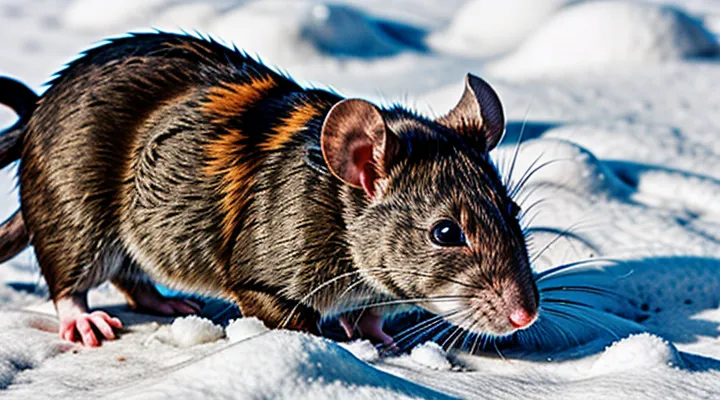
What is Shivering in Rats?
Differentiating Normal from Abnormal Tremors
Rats exhibit trembling for a variety of physiological and pathological reasons. Distinguishing harmless shivering from signs of disease enables timely intervention and improves animal welfare.
Normal tremors arise when rats experience a rapid drop in ambient temperature. The involuntary muscle activity serves to generate heat, maintains core temperature, and ceases once the animal reaches a comfortable thermal range. Typical characteristics include brief, low‑amplitude vibrations confined to the limbs, occurrence during exposure to drafts or after handling, and rapid resolution when warmth is provided.
Abnormal tremors indicate underlying health issues. Key indicators are:
- Persistent shaking lasting more than a few minutes without environmental stress.
- High‑frequency, high‑amplitude movements affecting the whole body.
- Accompanying signs such as lethargy, weight loss, respiratory distress, or abnormal posture.
- Onset after exposure to toxins, infections, or neurological injury.
- Lack of response to warming or calming measures.
When abnormal patterns are observed, immediate veterinary assessment is required. Diagnostic steps may include:
- Physical examination to detect pain, injury, or neurological deficits.
- Blood work to identify metabolic imbalances, infections, or organ dysfunction.
- Imaging (X‑ray, MRI) for structural abnormalities in the central nervous system.
- Environmental review to eliminate exposure to cold drafts, contaminants, or stressful handling.
Interventions focus on eliminating the root cause. Temperature regulation, antimicrobial therapy, analgesics, or specific treatments for neurological disorders may be prescribed. Continuous monitoring of tremor frequency, intensity, and response to care provides feedback on recovery progress.
By applying these criteria, caretakers can reliably separate routine thermoregulatory shivering from pathological tremors, ensuring that rats receive appropriate medical attention when needed.
Common Causes of Shivering in Rats
Rats shiver for several physiological and environmental reasons. Temperature fluctuations represent the most frequent trigger; exposure to drafts, insufficient bedding, or a cage located near a cold surface can lower body heat and provoke tremors. Inadequate nutrition, particularly deficiencies in essential vitamins such as B12 and minerals like magnesium, disrupt metabolic processes and may result in involuntary muscle activity. Infections, including respiratory pathogens and bacterial sepsis, generate fever and systemic inflammation, both of which can manifest as shivering. Painful conditions—fractures, dental disease, or internal organ injury—activate the nervous system’s stress response, leading to rhythmic muscle contractions. Stressors unrelated to physical health, such as overcrowding, loud noises, or sudden handling, stimulate the sympathetic nervous system and cause trembling as part of the fight‑or‑flight reaction.
Typical causes can be summarized as:
- Cold ambient temperature or drafts
- Poor insulation or inadequate bedding
- Nutritional deficiencies (vitamins, minerals)
- Infectious diseases (respiratory, bacterial)
- Pain from injury or dental problems
- Acute stress from environment or handling
Identifying the underlying factor requires observation of cage conditions, diet quality, and health status, followed by veterinary assessment when infection or injury is suspected. Addressing temperature control, nutritional balance, and environmental stability reduces the likelihood of shivering and promotes overall rodent welfare.
Environmental Factors Causing Shivering
Temperature Fluctuations
Temperature fluctuations expose rats to rapid changes in ambient heat, triggering involuntary muscle contractions that appear as shivering. When external temperature drops below the animal’s thermoneutral zone, metabolic heat production cannot keep pace with heat loss, forcing the nervous system to activate shivering thermogenesis. Conversely, sudden warming can cause peripheral vasodilation, leading to a brief chill as the body readjusts to maintain core temperature.
Repeated exposure to unstable temperatures elevates stress hormones, impairs immune function, and increases susceptibility to respiratory infections. The physiological response includes increased heart rate, elevated respiration, and heightened alertness, all of which compound the animal’s discomfort and may exacerbate underlying health conditions.
Practical measures to stabilize thermal conditions for laboratory or pet rats:
- Maintain cage environment within 20‑24 °C, using thermostatically controlled heating pads or climate‑controlled rooms.
- Insulate cages with breathable but insulating materials to reduce heat exchange with the surrounding air.
- Provide nesting material (e.g., shredded paper, cotton) to allow rats to create micro‑climates.
- Monitor ambient temperature continuously with digital thermometers; adjust heating or cooling devices promptly when deviations exceed ±2 °C.
- Limit drafts by positioning cages away from vents, doors, and windows.
Implementing these controls minimizes thermal stress, curtails shivering episodes, and supports overall rodent health.
Stress and Anxiety
Rats often exhibit tremors when they experience heightened emotional arousal. Stress and anxiety trigger rapid activation of the sympathetic nervous system, leading to increased catecholamine release, elevated heart rate, and peripheral vasoconstriction. The resulting thermoregulatory imbalance manifests as shivering, even in the absence of cold.
Common sources of emotional distress include:
- Exposure to unfamiliar surroundings or equipment
- Frequent handling by unfamiliar personnel
- Presence of predator odors or loud noises
- Overcrowding or inadequate nesting material
Mitigation strategies focus on minimizing perceived threats and stabilizing physiological responses. Effective measures are:
- Provide a stable cage environment with enrichment objects and nesting material
- Implement a consistent handling schedule using gentle, low‑stress techniques
- Maintain group housing when compatible, ensuring sufficient space per animal
- Regulate ambient temperature to reduce unnecessary thermoregulatory strain
- Introduce gradual habituation to experimental apparatus before data collection
Pharmacological intervention may complement environmental improvements. Low‑dose anxiolytics (e.g., benzodiazepines or selective serotonin reuptake inhibitors) reduce central nervous system excitability, thereby decreasing tremor frequency. Monitoring plasma corticosterone levels offers objective assessment of stress reduction efficacy.
Combining environmental enrichment, predictable routines, and, when necessary, targeted medication creates a comprehensive approach that alleviates anxiety‑induced shivering and promotes overall welfare in laboratory rodents.
Exposure to Toxins
Exposure to environmental and dietary toxins is a frequent trigger of tremor and shivering in laboratory and pet rats. Toxicants interfere with neuronal signaling, muscle metabolism, and thermoregulatory pathways, producing involuntary muscle contractions that manifest as shaking.
Neurotoxic compounds such as organophosphates, heavy metals (lead, mercury), and certain pesticides inhibit acetylcholinesterase or disrupt ion channels. The resulting hyperexcitability of motor neurons generates rhythmic tremors. Metabolic toxins, including aflatoxins and mycotoxins, impair mitochondrial function, reducing ATP production and causing muscle weakness followed by compensatory shivering to maintain body temperature.
Common sources of harmful exposure include contaminated feed, water supplies with residual chemicals, and bedding treated with rodenticides or disinfectants. Inhalation of volatile organic compounds from cleaning agents also contributes to systemic toxicity. Chronic low‑level exposure may produce intermittent tremor, while acute high‑dose ingestion leads to rapid, severe shaking.
Recognizing toxin‑induced shivering requires observation of additional signs: loss of appetite, lethargy, excessive salivation, respiratory distress, or abnormal gait. Laboratory analysis of blood or tissue samples can confirm elevated toxin levels, guiding targeted intervention.
Effective mitigation strategies:
- Remove contaminated feed and water; replace with toxin‑free alternatives.
- Switch to untreated, dust‑free bedding; avoid products containing chemical pesticides.
- Conduct regular environmental testing for heavy metals and pesticide residues.
- Provide antioxidant‑rich supplements (vitamin E, selenium) to support detoxification pathways.
- Administer specific antidotes when available (e.g., atropine for organophosphate poisoning) under veterinary supervision.
- Maintain a stable ambient temperature to reduce compensatory shivering caused by thermoregulatory stress.
Prompt identification of toxin exposure and implementation of these measures reduce the severity of tremor, improve recovery prospects, and protect overall rodent health.
Health-Related Causes of Shivering
Pain and Discomfort
Rats exhibit trembling when they experience nociceptive stimuli or internal distress. The reflexive shiver serves as a visible signal that the animal’s nervous system is processing harmful input, often before other behaviors become apparent.
Pain activates peripheral nerve endings, sending signals through the spinal cord to the brainstem, where thermoregulatory centers can trigger muscular contractions. This response conserves energy for protective actions but also manifests as visible shaking.
Typical sources of discomfort include:
- Acute injuries such as fractures, lacerations, or bite wounds.
- Chronic conditions like arthritis, dental disease, or gastrointestinal inflammation.
- Environmental stressors, for example, extreme temperatures, drafts, or unsuitable bedding.
- Pharmacological side effects, particularly from substances that irritate the gastrointestinal tract or induce withdrawal.
Effective mitigation strategies focus on alleviating the underlying nociception and stabilizing the animal’s environment:
- Administer veterinary‑approved analgesics (e.g., meloxicam, buprenorphine) according to weight‑based dosing schedules.
- Provide soft, absorbent bedding and maintain ambient temperature within the species‑specific comfort range (20‑24 °C).
- Ensure regular health checks to detect and treat injuries or infections promptly.
- Adjust diet to include easily digestible, nutrient‑dense foods that reduce gastrointestinal irritation.
- Minimize handling stress by using gentle restraint techniques and allowing acclimation periods.
Monitoring tremor frequency and intensity, alongside these interventions, enables caretakers to distinguish between transient thermoregulatory responses and pain‑related shivering, thereby improving welfare outcomes for laboratory and pet rodents.
Infections and Illnesses
Rats may exhibit tremors when their bodies fight bacterial, viral, or parasitic invasions. Common pathogens that trigger shivering include:
- Salmonella spp. – induces fever and muscular shaking as the immune system raises body temperature.
- Streptococcus pneumoniae – leads to septicemia, often accompanied by uncontrollable shivers.
- Hantavirus – produces high fever and chills during the acute phase of infection.
- Mycoplasma pulmonis – causes chronic respiratory disease; intermittent chills signal systemic stress.
- Protozoan parasites (e.g., Toxoplasma gondii) – provoke fever spikes that manifest as tremors.
Illnesses unrelated to infection can also cause shivering. Metabolic disorders such as hypoglycemia, severe dehydration, and hypothermia disrupt thermoregulation, resulting in involuntary shaking. Toxic exposure to substances like rodenticides or heavy metals interferes with nerve function, producing tremors that mimic infection‑induced shivering.
Intervention strategies focus on rapid diagnosis and supportive care:
- Veterinary assessment – obtain laboratory confirmation of the pathogen or metabolic imbalance.
- Targeted antimicrobial therapy – administer antibiotics, antivirals, or antiparasitics based on sensitivity testing.
- Fluid and electrolyte replacement – correct dehydration and restore normal blood glucose levels.
- Temperature management – provide warming pads or controlled ambient heat to alleviate hypothermic shivers.
- Detoxification protocols – use chelating agents or activated charcoal when toxic exposure is identified.
- Monitoring – record body temperature and tremor frequency every 2–4 hours to gauge treatment efficacy.
Early identification of the underlying cause and prompt, specific treatment reduce the duration of tremors and improve survival prospects for affected rodents.
Neurological Conditions
Rats may exhibit tremors when the central or peripheral nervous systems are compromised. Neurological disorders disrupt the regulation of muscle tone and motor coordination, leading to involuntary shivering that can be mistaken for a simple response to cold.
Common neurological conditions associated with rat tremors include:
- Epileptic seizures – abnormal electrical activity causes rhythmic muscle contractions and shaking.
- Peripheral neuropathy – damage to sensory or motor nerves results in loss of control over limb movements and occasional tremor.
- Spinal cord injury – interruption of signal transmission from the brain to the spinal segments produces spasms and shaking.
- Neurodegenerative diseases – progressive loss of neuronal function, such as in rodent models of Parkinson’s disease, leads to resting tremor.
- Toxin‑induced encephalopathy – exposure to neurotoxic substances (e.g., heavy metals, certain pesticides) can precipitate acute tremor.
Effective interventions focus on stabilizing neural activity and supporting recovery:
- Pharmacological control – antiepileptic drugs (e.g., phenobarbital, levetiracetam) reduce seizure‑related shaking; dopaminergic agents mitigate Parkinsonian tremor.
- Environmental management – maintaining a stable temperature prevents exacerbation of temperature‑sensitive tremors; soft bedding reduces stress on injured limbs.
- Nutritional support – diets enriched with omega‑3 fatty acids and antioxidants promote neuronal repair and reduce inflammation.
- Physical therapy – gentle passive range‑of‑motion exercises maintain muscle tone and prevent contracture after spinal injury.
- Detoxification – removal of neurotoxic agents through chelation therapy or cessation of exposure eliminates the primary cause of toxin‑induced tremor.
Monitoring should include regular neurological assessments, body temperature checks, and observation of gait and posture. Prompt identification of the underlying condition allows targeted treatment, minimizing distress and improving the welfare of affected rodents.
Nutritional Deficiencies
Rats that experience tremors often suffer from inadequate intake of essential nutrients. Deficiencies disrupt metabolic pathways, impair nerve conduction, and reduce thermoregulatory capacity, leading to observable shivering.
Common nutritional gaps linked to shivering include:
- Thiamine (vitamin B1) deficiency, which hampers carbohydrate metabolism and energy production.
- Calcium shortage, weakening muscle contraction and neuromuscular stability.
- Magnesium insufficiency, affecting nerve excitability and muscle relaxation.
- Iron deficiency, limiting oxygen transport and cellular respiration.
- Inadequate protein, causing loss of muscle mass and reduced heat generation.
Physiologically, each deficit interferes with the rat’s ability to maintain core temperature. Energy‑producing pathways become inefficient, peripheral nerves fire erratically, and muscle fibers fail to generate sufficient heat, prompting involuntary tremors.
Effective interventions focus on restoring a balanced diet and, when necessary, targeted supplementation:
- Provide a commercial rodent feed formulated to meet species‑specific nutrient requirements.
- Supplement thiamine, calcium, magnesium, and iron according to veterinary dosage guidelines.
- Ensure protein content reaches at least 18–20 % of total caloric intake for adult rats.
- Monitor body weight, coat condition, and activity level regularly to detect early signs of deficiency.
- Seek veterinary assessment if tremors persist despite dietary correction, as underlying health issues may coexist.
Implementing these measures corrects nutrient shortfalls, stabilizes neuromuscular function, and reduces the incidence of shivering in affected rodents.
Medications and Reactions
Rats may exhibit trembling as a direct response to pharmacological agents. Identifying the drugs that trigger this sign enables timely intervention and prevents escalation to severe distress.
Common culprits include:
- Opioid analgesics (e.g., morphine, fentanyl) that cause withdrawal‑related tremors.
- Anticholinergic compounds (e.g., scopolamine) that interfere with thermoregulation.
- Neuroleptics (e.g., haloperidol) that block dopamine pathways and induce motor instability.
- Beta‑adrenergic antagonists (e.g., propranolol) that alter sympathetic tone.
- High‑dose caffeine or other stimulants that stimulate the central nervous system.
The underlying reactions involve disruption of neurotransmitter balance, impaired hypothalamic temperature control, and activation of peripheral muscles through reflex arcs. Opioid withdrawal, for instance, reduces endogenous opioid activity, leading to heightened noradrenergic output and muscle tremor. Anticholinergics diminish sweat gland activity, causing rapid cooling and shivering.
Managing medication‑induced shaking requires a two‑step approach:
- Cease or reduce the offending agent under veterinary guidance.
- Provide supportive measures such as:
- Warm bedding to counteract hypothermia.
- Low‑dose benzodiazepines (e.g., diazepam) to calm exaggerated muscle activity.
- Fluid therapy to maintain hydration and electrolyte balance.
- Gradual tapering protocols for opioids to minimize withdrawal tremors.
Monitoring vital signs throughout treatment ensures that the animal’s physiological status remains stable and that any secondary complications are addressed promptly.
Recognizing the Signs: When to Worry
Accompanying Symptoms to Look For
Rats that exhibit tremors often present additional clinical signs that help differentiate the underlying cause. Observe the animal’s behavior, physical condition, and physiological responses for a comprehensive assessment.
- Decreased activity or prolonged periods of immobility
- Reduced food and water intake, sometimes accompanied by weight loss
- Abnormal breathing patterns, such as rapid, shallow breaths or audible wheezing
- Ocular changes, including dilated pupils, discharge, or cloudiness
- Skin abnormalities like pale or bluish discoloration, hair loss, or excessive grooming
- Gastrointestinal disturbances, manifested as diarrhea, constipation, or abdominal swelling
- Neurological signs such as ataxia, loss of coordination, or head tilting
- Elevated body temperature or, conversely, hypothermia
These symptoms, when recorded alongside shivering, provide valuable clues for diagnosing infections, metabolic disorders, environmental stress, or pain. Prompt identification enables targeted interventions, improving the likelihood of recovery.
Behavioral Changes Indicating Distress
Rats that exhibit trembling often show additional behaviors that signal acute or chronic distress. Recognizing these signs enables timely intervention and reduces the likelihood of prolonged shivering episodes.
- Decreased grooming or unkempt fur, indicating discomfort or illness.
- Hunched or rigid posture, reflecting pain or hypothermia.
- Excessive vocalizations, especially high‑pitched squeaks, associated with fear or injury.
- Sudden reduction in activity, with prolonged periods of immobility.
- Abnormal nesting, such as fragmented or absent nests, suggesting environmental stress.
- Aggressive or avoidance behavior toward handlers, a response to perceived threat.
These alterations arise from physiological stressors that also trigger muscular tremors. Cold exposure lowers core temperature, prompting involuntary shivering to generate heat. Infection, inflammation, or neuropathic pain activate the sympathetic nervous system, producing tremor and the listed behavioral cues. Psychological stressors—predator scent, overcrowding, or abrupt handling—stimulate cortisol release, which can manifest as both trembling and the behavioral patterns above.
Effective measures focus on eliminating the underlying cause and supporting the animal’s welfare:
- Maintain ambient temperature within the species‑specific comfort zone (20‑24 °C) and provide insulated bedding.
- Conduct regular health examinations to detect pain, infection, or metabolic disorders early.
- Ensure cage enrichment that allows natural nesting and foraging, reducing frustration.
- Implement gentle, predictable handling routines to minimize fear responses.
- Monitor food and water intake; insufficient nutrition can exacerbate hypothermia and stress.
- Isolate severely distressed individuals temporarily to prevent social transmission of anxiety.
By systematically observing these behavioral changes and applying targeted interventions, caretakers can address the root triggers of rat trembling and promote recovery.
What to Do When Your Rat Shivers
When a rat shivers, the first step is to assess the environment. Verify that the cage temperature stays between 65 °F and 75 °F (18 °C‑24 °C) and that drafts, direct sunlight, or sudden temperature changes are absent. If the ambient temperature falls outside this range, adjust heating or cooling devices accordingly.
Next, examine the rat for signs of illness. Look for nasal discharge, wheezing, lethargy, or changes in appetite. A shiver accompanied by these symptoms often indicates respiratory infection, fever, or metabolic disorder. In such cases, isolate the animal and contact a veterinarian experienced with rodents promptly.
If the rat appears otherwise healthy, consider stress factors. Loud noises, handling by unfamiliar persons, or overcrowded housing can trigger a nervous tremor. Reduce noise levels, limit handling to brief, gentle sessions, and ensure each rat has at least 0.5 sq ft of floor space.
Provide supportive care:
- Offer fresh water and a high‑protein diet (e.g., fortified pellets, boiled eggs, mealworms).
- Add nesting material such as shredded paper or soft fabric to help the rat regulate body temperature.
- Maintain a consistent light‑dark cycle (12 hours each) to reduce physiological stress.
Monitor the rat continuously for at least 24 hours after intervention. If shivering persists, worsens, or is accompanied by additional clinical signs, seek veterinary evaluation without delay.
Immediate Actions to Take
Ensuring a Stable Environment
Rats shiver when ambient conditions fall outside their thermoneutral zone, typically between 26 °C and 30 °C for adult laboratory specimens. Maintaining a stable environment eliminates external triggers for involuntary muscle activity and reduces metabolic stress.
Key environmental parameters:
- Ambient temperature: keep within 24 °C – 28 °C, using calibrated thermostats and insulated enclosures.
- Relative humidity: maintain 45 % – 55 % to prevent evaporative heat loss.
- Airflow: avoid drafts by sealing gaps and positioning fans to circulate air without direct streams on cages.
- Bedding: provide thick, absorbent material (e.g., paper or aspen) that retains warmth and prevents cold spots on the cage floor.
- Lighting cycle: adhere to a consistent 12‑hour light/dark schedule; abrupt changes can alter body temperature regulation.
Regular monitoring supports consistency. Install digital data loggers that record temperature and humidity at five‑minute intervals; set alerts for deviations beyond ±1 °C or ±5 % relative humidity. Conduct weekly visual inspections for condensation, wet bedding, or broken seals that could compromise insulation.
When a sudden drop in temperature occurs, intervene promptly: relocate affected rats to a pre‑warmed holding area, supplement with nest material, and verify heating equipment functionality. Long‑term stability reduces the incidence of shivering, promotes normal growth, and improves overall health outcomes.
Providing Comfort and Warmth
Rats shiver when ambient temperature falls below their thermoneutral zone, when they experience stress, or when illness disrupts metabolic regulation. Immediate intervention focuses on restoring a stable, warm environment and reducing physiological stressors.
- Place a heat‑proof pad or ceramic heating element under the cage, set to a low, constant temperature (30‑32 °C). Verify temperature with a calibrated thermometer to avoid overheating.
- Add nesting material such as shredded paper, cotton, or untreated wood shavings. Provide enough depth for the animal to burrow and trap body heat.
- Ensure cage walls are insulated; use acrylic or glass covers to limit drafts while maintaining adequate ventilation.
- Offer high‑energy food (e.g., seeds, nuts, formulated rodent pellets) and fresh water at room temperature to support thermogenesis.
- Monitor body condition daily; weight loss, prolonged trembling, or lethargy indicate inadequate warmth and require veterinary assessment.
These measures create a microclimate that stabilizes core temperature, reduces shivering, and promotes recovery. Consistent application prevents chronic hypothermia and supports overall health in laboratory or pet rats.
When to Seek Veterinary Care
Identifying Emergency Situations
Rats that exhibit sudden, intense trembling often signal an acute health crisis. Recognizing emergency conditions promptly prevents irreversible damage and improves the likelihood of successful intervention.
Key indicators of a critical episode include:
- Rapid, uncontrolled shivering that persists beyond normal thermoregulatory responses.
- Labored breathing, wheezing, or sudden respiratory distress.
- Profuse salivation, foaming at the mouth, or uncontrolled drooling.
- Unconsciousness, collapse, or inability to stand.
- Visible hemorrhage, bleeding from the nose, mouth, or any wound.
- Extreme lethargy accompanied by a lack of response to stimuli.
When any of these signs appear, immediate action is required. First, isolate the animal in a warm, quiet environment to reduce stress. Then, contact a qualified veterinary professional without delay, providing a concise description of observed symptoms. If trained personnel are present, begin basic first‑aid measures such as gentle warming with a heating pad set to low temperature, careful airway clearance, and controlled fluid administration only under veterinary guidance.
Preventive monitoring reduces the occurrence of emergencies. Regular health checks, temperature recording, and observation of behavior patterns allow caretakers to detect subtle deviations before they evolve into life‑threatening events. Maintaining stable ambient temperature, adequate nutrition, and a hygienic habitat further lowers the risk of sudden tremor episodes.
Preparing for a Vet Visit
When a rat exhibits tremors or shivering, a veterinary examination is often required to determine the underlying cause and to initiate appropriate treatment. Proper preparation ensures accurate diagnosis, reduces stress for the animal, and maximizes the efficiency of the appointment.
- Observe and record the frequency, duration, and triggers of the shaking. Note any accompanying signs such as loss of appetite, respiratory changes, or altered grooming habits.
- Measure body temperature with a small animal thermometer; record the reading.
- Compile a brief health history, including recent diet changes, exposure to toxins, new bedding, and any medications or supplements currently administered.
- Transport the rat in a secure, well‑ventilated carrier lined with soft bedding. Include a familiar hideaway to minimize anxiety during the journey.
- Bring the carrier, a copy of the health record, and any recent laboratory results to the clinic.
Before the visit, confirm whether the veterinarian requires fasting; many small rodents tolerate short periods without food, but prolonged deprivation can exacerbate stress. Avoid administering over‑the‑counter remedies unless explicitly approved, as they may mask symptoms or interfere with diagnostic tests. Keep the carrier at a stable temperature, avoiding drafts or extreme heat.
After the examination, follow the veterinarian’s recommendations precisely. Monitor the rat for changes in tremor intensity, temperature, and overall behavior. Report any deterioration promptly, and schedule follow‑up appointments as advised to track recovery progress.
Preventive Measures and Long-Term Care
Rats experience tremors when exposed to stressors such as temperature extremes, infections, or metabolic imbalances. Preventing these episodes requires consistent environmental control, health monitoring, and nutritional support.
- Maintain ambient temperature between 20 °C and 24 °C; avoid drafts and sudden temperature changes.
- Provide bedding material that retains warmth without retaining moisture; replace when damp.
- Ensure ventilation that supplies fresh air while preventing chilling currents.
- Supply a balanced diet rich in protein, vitamins B‑complex, and electrolytes; supplement with vitamin C during periods of increased stress.
- Conduct regular health checks for signs of illness, parasites, or dental problems; treat promptly with veterinary guidance.
- Limit handling to gentle, brief sessions; allow acclimation periods after transport or enclosure changes.
Long‑term care focuses on sustaining physiological stability and reducing chronic stressors. Implement a routine cleaning schedule that removes waste and reduces pathogen load without disrupting the colony’s microclimate. Rotate enrichment items weekly to stimulate natural foraging behavior while preventing monotony. Record weight, food intake, and activity levels for each individual; deviations from baseline indicate emerging issues. Periodic veterinary examinations, including blood panels and parasite screenings, detect subclinical conditions before they trigger shivering episodes.
By integrating precise temperature regulation, consistent nutrition, vigilant health surveillance, and environmental enrichment, caretakers can minimize tremor triggers and promote durable well‑being in laboratory and pet rats alike.
Optimizing Environmental Conditions
Maintaining Appropriate Temperature and Humidity
Rats experience shivering when their environment deviates from physiological norms. Temperature and humidity directly affect thermoregulation; maintaining stable conditions prevents involuntary muscle contractions and reduces stress‑induced tremors.
- Ideal ambient temperature for laboratory and pet rats: 20 °C – 24 °C (68 °F – 75 °F).
- Preferred relative humidity: 40 % – 60 %.
- Sudden drops below 18 °C (64 °F) or spikes above 26 °C (79 °F) trigger rapid heat loss, leading to shivering.
- Humidity below 30 % accelerates evaporative cooling; humidity above 70 % promotes condensation on fur, impairing insulation.
Effective management requires continuous monitoring and prompt corrective actions.
- Install calibrated digital thermometers and hygrometers at cage level; record readings at least twice daily.
- Use thermostatically controlled heating pads or climate‑controlled cabinets to raise temperature when readings fall below the lower threshold.
- Employ humidifiers or dehumidifiers to adjust relative humidity within the target range; verify adjustments with a hygrometer.
- Insulate cages with breathable bedding and avoid drafts from ventilation fans or open doors.
- Conduct periodic calibration of sensors to ensure accuracy; replace malfunctioning devices immediately.
By adhering to these parameters, caretakers create a stable microclimate that minimizes the physiological triggers of tremor activity in rodents.
Enrichment and Stress Reduction
Rats exhibit tremors when exposed to chronic stressors; providing enrichment directly mitigates this response. Structured environments that include tunnels, climbing structures, and chewable objects stimulate natural behaviors, reduce anxiety, and lower the incidence of shivering.
Key enrichment components:
- Multi‑level platforms for vertical exploration
- Varied textures (rope, paper, wood) for tactile stimulation
- Puzzle feeders that require problem‑solving to access food
- Nesting material such as shredded paper or cotton for building shelters
These items encourage physical activity, mental engagement, and thermoregulation, all of which contribute to stable body temperature and reduced tremor frequency.
Stress reduction relies on predictable routines and environmental stability. Essential practices include:
- Consistent lighting cycles (12 h light/12 h dark) to synchronize circadian rhythms.
- Minimal sudden noises and vibrations; use sound‑dampening enclosures where possible.
- Regular health monitoring to identify pain or illness, common triggers of shivering.
- Gentle handling techniques that respect the animal’s natural flight response.
Social housing, when compatible, further diminishes stress. Pairing or grouping rats permits grooming and communal nesting, reinforcing social bonds and lowering physiological arousal.
Implementing these strategies creates a low‑stress habitat, curtails tremor episodes, and promotes overall well‑being in laboratory and pet rodents.
Nutritional Best Practices
Balanced Diet for Rat Health
A balanced diet is essential for maintaining body temperature stability in rats. Adequate nutrition supports thermoregulation, muscle function, and immune health, all of which influence the likelihood of shivering episodes.
Key nutrients include:
- Proteins: 15‑20 % of daily calories; supply amino acids for muscle repair and metabolic enzymes.
- Fats: 5‑10 % of calories; provide insulation and a source of energy for heat production.
- Carbohydrates: 55‑65 % of calories; ensure a steady glucose supply for cellular metabolism.
- Vitamins and minerals: Vitamin E, B‑complex, calcium, magnesium, and selenium; facilitate nerve signaling and protect against oxidative stress.
Practical feeding guidelines:
- Offer a high‑quality commercial pellet formulated for laboratory rats; pellets guarantee consistent nutrient ratios.
- Supplement with fresh vegetables (e.g., broccoli, carrots) two to three times weekly; limit citrus and high‑acid produce to avoid digestive upset.
- Provide a small portion of whole‑grain cereal or cooked oatmeal for additional fiber; avoid sugary treats that can disrupt glucose balance.
- Ensure constant access to clean water; dehydration impairs thermoregulatory processes.
Monitoring strategies:
- Record body weight weekly; a loss of more than 5 % signals possible nutritional deficiency.
- Observe fur condition; dull or sparse coat often reflects inadequate essential fatty acids.
- Check for signs of hypothermia, such as prolonged shivering or lethargy; adjust dietary fat content if symptoms persist.
Implementing these dietary measures reduces the frequency of involuntary tremors and promotes overall health in pet and research rats.
Supplementation When Necessary
Supplementation should be introduced only after confirming a nutritional deficit or a medical condition that impairs normal metabolism. Blood tests, fecal analysis, or observed weight loss provide objective evidence for intervention.
Common supplements for trembling rodents include:
- Vitamin C: supports adrenal function; 10–20 mg per kilogram body weight daily.
- B‑complex vitamins: aid nerve conduction; 1–2 mg of each B‑vitamin per kilogram daily.
- Magnesium oxide: reduces muscle spasms; 50 mg per kilogram every other day.
- Omega‑3 fatty acids: stabilize cell membranes; 100 mg of EPA/DHA per kilogram twice weekly.
Dosage must be calculated based on the animal’s weight and adjusted for age, reproductive status, and existing health issues. Over‑supplementation can exacerbate tremors by causing electrolyte imbalance or gastrointestinal distress; therefore, regular monitoring of clinical signs and periodic re‑evaluation of blood parameters are essential.
When supplementation is warranted, integrate it into the diet gradually, mixing powders or liquids with regular feed to ensure complete consumption. Observe the rat for changes in body temperature, activity level, and coat condition over a 7‑ to 14‑day period. If symptoms improve and laboratory values normalize, maintain the supplement at the lowest effective dose; discontinue if no measurable benefit is observed.
Regular Health Check-ups
Early Detection of Issues
Early detection of physiological disturbances is essential for preventing tremors in laboratory and pet rodents. Subtle changes—such as a slight drop in body temperature, reduced activity, altered grooming patterns, or irregular breathing—often precede visible shivering. Regular measurement of ambient and cage temperature, combined with daily observation logs, allows caretakers to identify deviations before they escalate.
Effective monitoring strategies include:
- Continuous infrared thermography to capture temperature fluctuations within minutes.
- Automated motion sensors that record activity levels and flag sudden decreases.
- Periodic weight checks to detect rapid loss indicative of metabolic stress.
- Blood glucose and electrolyte panels performed weekly to uncover metabolic imbalances.
When early warning signs emerge, immediate interventions—adjusting cage heating, providing supplemental nutrition, or administering fluid therapy—can stabilize the animal and reduce the likelihood of severe tremor episodes. Prompt response based on objective data minimizes stress and supports overall rodent health.
Proactive Management of Chronic Conditions
Rats experience persistent tremors when underlying health issues remain unchecked. Chronic conditions such as metabolic disorders, neurological diseases, and recurring infections generate muscular instability that manifests as shivering. Early identification of these problems prevents escalation and reduces animal distress.
Proactive management reduces the likelihood of tremor recurrence. Effective practices include:
- Regular health examinations to detect early signs of disease.
- Consistent weight and temperature monitoring to spot deviations.
- Balanced diet enriched with essential vitamins and minerals.
- Environmental enrichment that limits stressors and promotes activity.
- Scheduled veterinary consultations for diagnostic testing and treatment adjustments.
- Prompt administration of prescribed medications and supplements.
Implementing these measures stabilizes physiological functions, limits neurological deterioration, and improves overall welfare. Continuous observation combined with preventive care creates a reliable framework for minimizing tremor episodes in rodent populations.