
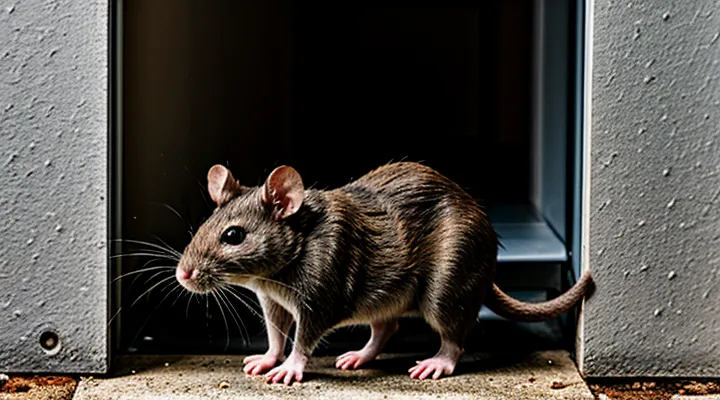
Understanding Rat Odor
Biological Factors Contributing to Rat Smell
Glandular Secretions
Rats produce a distinctive odor primarily through secretions from several glands. The anal glands release a musky, sulfur‑rich fluid used for marking territory; urinary glands excrete a concentrated urine that carries strong ammonia notes; sebaceous glands on the skin secrete oily substances that oxidize and develop a rancid smell. These secretions contain volatile organic compounds such as skatole, indole, and fatty acid esters, which combine with bacterial activity on the animal’s fur and in nesting material, amplifying the odor.
The odor intensity correlates with gland activity, which rises during breeding, stress, and when rats inhabit confined spaces. Accumulated secretions on surfaces create persistent smells that persist long after the rodents are removed, because the compounds adhere to fabrics, insulation, and building cavities.
Mitigation focuses on eliminating the source and neutralizing residues:
- Remove all visible droppings, urine stains, and glandular deposits with a detergent‑based cleaner.
- Apply an enzymatic cleaner to break down organic compounds that standard soaps cannot dissolve.
- Disinfect surfaces with a solution containing 1 % hydrogen peroxide or a commercial bio‑hazard disinfectant to kill odor‑producing bacteria.
- Ventilate the area continuously; use activated carbon filters or ozone generators to absorb volatile compounds.
- Seal cracks and crevices where rats may hide; install baited traps or exclusion devices to prevent re‑infestation.
Regular inspection and prompt cleaning of any new secretions prevent the buildup of odor‑causing compounds and maintain a neutral indoor environment.
Urine and Feces Accumulation
Rats deposit urine and feces in hidden areas, creating reservoirs of organic waste that emit potent odors. The waste contains high concentrations of nitrogenous compounds such as urea and uric acid, which break down into ammonia and amines. Fecal matter adds volatile fatty acids, sulfides, and phenols, all of which have low odor thresholds and become perceptible even at minimal concentrations.
When these substances accumulate, microbial activity accelerates decomposition, releasing additional gases that intensify the smell. Moisture from urine dissolves solid particles, facilitating bacterial growth and prolonging odor persistence. The combined effect of chemical volatilization and biological breakdown produces the characteristic rancid, musky scent associated with rat infestations.
Effective control requires systematic removal and prevention:
- Immediate removal: Use disposable gloves and paper towels to collect solid waste; dispose of material in sealed bags.
- Surface treatment: Apply enzymatic cleaners or diluted bleach (1 % sodium hypochlorite) to break down residual proteins and neutralize ammonia.
- Drying: After cleaning, ensure the area is thoroughly dried to inhibit bacterial regrowth.
- Ventilation: Increase airflow with fans or open windows to disperse lingering vapors.
- Seal entry points: Prevent further deposition by sealing cracks, gaps, and openings that allow rodent access.
Regular inspection and prompt cleaning of potential nesting sites limit waste buildup, reducing odor and discouraging re‑infestation.
Decomposition of Organic Matter in Nests
Rats construct nests from shredded paper, fabric, food scraps, and other organic debris. When these materials accumulate, microbial communities proliferate and break down the substrates, releasing volatile compounds that generate the characteristic foul odor associated with rodent activity.
The principal biochemical pathways involved in nest decomposition include:
- Anaerobic fermentation of carbohydrates, producing short‑chain fatty acids and ethanol.
- Aerobic breakdown of proteins, yielding ammonia and amines.
- Sulfate‑reducing bacteria converting sulfur‑containing amino acids into hydrogen sulfide and mercaptans.
- Lipid oxidation generating aldehydes and ketones.
Each of these volatile substances contributes to the overall malodor, with ammonia and hydrogen sulfide often perceived as the most pungent components.
Effective mitigation focuses on eliminating the source and interrupting the decomposition cycle:
- Remove all nesting material and replace it with clean, inert substrates.
- Clean surfaces with enzymatic cleaners that degrade residual organic residues.
- Apply antimicrobial agents or disinfectants to suppress bacterial and fungal growth.
- Increase airflow to disperse lingering vapors and reduce humidity that favors microbial activity.
- Employ professional pest‑removal services to ensure comprehensive eradication of the infestation and prevent re‑establishment of nests.
Environmental Factors Amplifying Rat Odor
Enclosed Spaces and Poor Ventilation
Enclosed environments trap volatile compounds released by rat urine, feces, and secretions, preventing their dispersion. Limited airflow allows odor molecules to accumulate to concentrations detectable by humans even at low emission rates.
Restricted ventilation also promotes higher humidity, which accelerates bacterial and fungal activity on organic waste. Microbial metabolism converts nitrogenous waste into ammonia, sulfides, and other malodorous gases, intensifying the smell.
Effective control relies on altering the air exchange and eliminating sources:
- Install exhaust fans or increase natural ventilation through windows and vents.
- Use air purifiers equipped with activated carbon filters to adsorb odor molecules.
- Deploy dehumidifiers to lower moisture levels, slowing microbial growth.
- Seal cracks, gaps, and utility openings to prevent rodent entry and contain existing waste.
- Remove contaminated material promptly, disinfect surfaces with enzymatic cleaners, and dispose of waste in sealed containers.
Improving circulation and reducing moisture directly diminish odor concentration, while source removal prevents re‑contamination.
Moisture and Humidity Levels
Moisture and humidity create an environment where rat odor intensifies. Elevated moisture levels promote bacterial proliferation on rat waste, accelerating the breakdown of urine and feces into volatile compounds such as ammonia and sulfur‑based odors. Persistent dampness also supports mold growth on surfaces contaminated by rodent activity, adding a musty component to the overall smell. High relative humidity slows the evaporation of these odorous substances, allowing them to linger longer in indoor spaces.
Controlling moisture directly reduces the potency of rat‑related odors. Effective measures include:
- Installing dehumidifiers to maintain relative humidity below 50 %.
- Ensuring proper ventilation in basements, attics, and crawl spaces.
- Repairing leaks in plumbing, roofs, and foundations promptly.
- Using moisture‑absorbing materials (e.g., silica gel, desiccant packs) in storage areas prone to dampness.
- Sealing cracks and gaps that permit water intrusion and rodent entry.
By limiting the availability of moisture, the biochemical processes that generate strong scents are suppressed, resulting in a noticeably fresher indoor atmosphere.
Food Sources and Debris
Rats are drawn to food remnants and loose debris, which provide the nutrients and shelter necessary for population growth. The presence of these materials creates an environment where bacterial activity intensifies, generating volatile compounds that contribute to the characteristic rat odor.
Common food sources include spilled grains, pet feed left uncovered, improperly stored canned goods, overflowing trash containers, and compost piles. Each source supplies a steady supply of organic matter that rats readily exploit.
Debris such as shredded paper, cardboard boxes, insulation fragments, and accumulated dust retain moisture and trap feces. This combination fosters microbial proliferation, releasing ammonia, sulfur‑containing gases, and other malodorous substances.
Effective control measures:
- Remove all food residues promptly; wipe surfaces after meals and store supplies in sealed containers.
- Dispose of waste in tightly closed bins; empty bins daily and clean them regularly.
- Eliminate clutter; discard or recycle paper, cardboard, and insulation that could serve as nesting material.
- Clean areas where debris accumulates with a disinfectant solution to reduce bacterial load.
- Seal cracks and openings that allow rat entry, reducing the likelihood of new infestations.
Consistent application of these steps eliminates the primary odor sources and prevents future rat‑related smells.
Eradicating Rat Odor: Comprehensive Methods
Immediate Odor Neutralization
Air Purification and Ventilation
Rat odor originates from urine, feces, and nesting material. These substances release volatile compounds that accumulate in enclosed spaces. When air circulation is limited, concentrations rise, creating persistent smells that attract pests and affect human comfort.
Effective air purification removes odor particles and neutralizes gases. Activated‑carbon filters adsorb ammonia and sulfur compounds, while HEPA filters capture fine dust and hair. UV‑C lamps break down microbial elements that contribute to the smell. Combining these technologies in a single unit maximizes reduction of airborne contaminants.
Ventilation dilutes indoor pollutants by introducing fresh outdoor air. Continuous exhaust removes stale air, while supply fans bring in low‑odor air. Proper placement of vents near rat activity zones ensures rapid removal of localized emissions. Balancing intake and exhaust rates prevents pressure differentials that could draw contaminated air back into occupied areas.
Practical steps for odor control:
- Install an air purifier equipped with activated carbon and HEPA filters in rooms where rats have been active.
- Run the unit continuously for at least 24 hours after cleaning, then maintain a 12‑hour cycle.
- Use exhaust fans in basements, attics, and crawl spaces to expel contaminated air.
- Position supply vents to create cross‑flow, directing fresh air through the most affected zones.
- Replace filters according to manufacturer recommendations to sustain adsorption capacity.
Implementing these purification and ventilation measures reduces rat‑related odors, improves indoor air quality, and supports long‑term habitability.
Enzymatic Cleaners and Odor Absorbers
Enzymatic cleaners break down organic compounds that constitute rat‑derived odors. Proteins, fats, and urine residues contain nitrogen‑based molecules that persist after the animal’s removal. When introduced to a suitable enzyme blend, these molecules are hydrolyzed into smaller, non‑volatile fragments that no longer emit a detectable smell. The process works at ambient temperatures, requires no harsh chemicals, and leaves no toxic residue, making it safe for residential and commercial environments.
Effective use of enzymatic products involves several steps:
- Clean visible debris with a mild detergent to expose the contaminated surface.
- Apply the enzyme solution according to the manufacturer’s concentration guidelines; ensure thorough wetting of all affected areas, including cracks, insulation, and porous materials.
- Allow the solution to remain active for the recommended dwell time (typically 10–30 minutes) to enable complete hydrolysis.
- Rinse or blot excess liquid if the substrate is sensitive to moisture; otherwise, let it air‑dry, allowing the enzymes to continue working during the drying phase.
Odor absorbers complement enzymatic treatment by capturing remaining volatile compounds. Common absorbers include activated charcoal, zeolite, and silica‑based gels. Their high surface area adsorbs molecules such as ammonia, skatole, and indole, which often survive enzymatic breakdown. Placement of absorbers should target enclosed spaces where airflow is limited: under floorboards, inside wall cavities, and within storage containers.
Selection criteria for absorbers:
- High porosity and surface area (measured in m²/g).
- Chemical stability in the presence of residual moisture.
- Reusability or replaceability without generating secondary waste.
When combined, enzymatic cleaners eliminate the source of odor, while absorbers neutralize any lingering vapors, delivering a comprehensive solution for rat‑related smell mitigation.
Disinfecting Contaminated Surfaces
Rats leave urine, feces, and glandular secretions on surfaces they traverse, creating strong odors that persist until the contaminated area is thoroughly sanitized. Effective disinfection eliminates the biological source of the smell and prevents disease transmission.
Begin by removing visible debris with disposable gloves and a paper towel. Dispose of waste in a sealed bag to avoid re‑contamination. Next, apply a disinfectant that is proven against Gram‑negative bacteria, viruses, and fungi commonly associated with rodents—such as a 1 % bleach solution (1 part sodium hypochlorite to 9 parts water) or an EPA‑registered quaternary ammonium product. Allow the solution to remain on the surface for the manufacturer‑specified contact time, typically 5–10 minutes, to ensure microbial kill.
After the dwell period, rinse the area with clean water if the surface will contact food or pets, then dry completely. For porous materials (carpet, upholstery), steam cleaning or professional ozone treatment may be required, as chemical disinfectants cannot penetrate deeply.
Key steps for successful surface sanitation:
- Wear protective gloves and, if needed, a mask.
- Clear all solid waste before applying disinfectant.
- Use a disinfectant with a label covering rodent‑related pathogens.
- Observe the required contact time without wiping prematurely.
- Rinse and dry when the surface will be reused for human contact.
- Replace or deep‑clean porous items that retain odor.
Regular monitoring of high‑traffic zones—kitchens, storage rooms, and entry points—reduces the likelihood of odor recurrence. Prompt disinfection after any rodent sighting maintains a neutral scent environment and mitigates health risks.
Long-Term Odor Prevention Through Rat Control
Identifying and Sealing Entry Points
Rats enter structures through gaps as small as a quarter‑inch; locating these openings is the first step in eliminating the source of foul odor. Inspect the building envelope from the exterior and interior, focusing on:
- Gaps around utility penetrations (pipes, wires, cables)
- Openings at the roofline, eaves, and soffits
- Cracks in foundation walls and basement floors
- Unsealed doors, windows, and garage doors, especially weather‑stripping gaps
- Damaged or missing siding, vent covers, and chimney flues
Use a flashlight, mirror, and a thin rod to probe suspicious seams. Observe for fresh gnaw marks, droppings, or nesting material, which indicate active entry.
After identification, seal each opening with materials that resist rodent chewing. Apply steel‑wool or copper mesh as a backing layer, then cover with:
- Heavy‑duty hardware cloth (minimum 1/4‑inch mesh) secured with stainless‑steel screws
- Expanding polyurethane foam for gaps larger than 1/2 inch, followed by a metal mesh overlay
- Silicone or acrylic sealant on small cracks and seams
Ensure all repairs are continuous, leaving no gaps between overlapping materials. Regularly inspect sealed areas after heavy rain or seasonal temperature changes to verify integrity and prevent re‑entry, thereby reducing the conditions that generate persistent rat odor.
Trapping and Removal Strategies
Effective control of rat‑related odor hinges on swift capture and thorough elimination of the animals. Identify activity signs—droppings, gnaw marks, nesting material—to locate hotspots before deploying traps.
Common mechanical devices include:
- Snap traps: immediate kill, low cost, require proper placement.
- Live‑capture traps: allow relocation, demand regular checking, risk of escape.
- Electronic traps: deliver rapid fatal shock, reusable, higher upfront price.
- Glue boards: capture without killing, limited to small rodents, may cause prolonged suffering.
Select devices based on infestation level, target area, and humane considerations. Position traps perpendicular to walls, with bait such as peanut butter or dried fruit, and set them at night when rats are most active.
Removal proceeds in three stages:
- Dispose of captured rats according to local regulations; seal carcasses in plastic bags before discarding.
- Sanitize the site with enzymatic cleaners to break down urine and feces residues that perpetuate odor.
- Block all entry points—cracks, vents, utility openings—using steel wool, cement, or metal flashing to prevent re‑infestation.
Integrate chemical baits only when mechanical methods prove insufficient; place rodenticides in tamper‑resistant stations, monitor consumption, and replace as needed. Maintain a log of trap locations, capture dates, and sanitation actions to track progress and adjust tactics. Continuous monitoring and prompt response to new activity ensure lasting odor reduction and rat eradication.
Professional Pest Control Intervention
Professional pest‑control teams address rat odor by identifying sources, applying targeted treatments, and restoring sanitary conditions. The process begins with a thorough inspection to locate nests, food residues, and urine‑stained areas. Inspectors document findings, evaluate structural vulnerabilities, and assess the extent of contamination.
After inspection, technicians implement a sequence of actions:
- Eliminate attractants: Remove accessible food, seal garbage containers, and repair leaks that provide water.
- Sanitize contaminated zones: Apply enzymatic cleaners to break down organic matter, followed by disinfectants that neutralize bacteria responsible for foul smells.
- Apply rodent‑specific baits and traps: Deploy devices that reduce the population while minimizing non‑target exposure.
- Seal entry points: Install metal flashing, concrete caulking, or hardware cloth to block gaps larger than ¼ inch.
- Monitor and verify: Conduct follow‑up inspections to confirm removal of odor sources and absence of new activity.
Documentation of each step supports compliance with health regulations and provides a record for future maintenance. Integrated pest‑management principles guide the selection of low‑toxicity products, ensuring effective odor control without compromising indoor air quality. Continuous education of property owners on waste management and structural upkeep reinforces long‑term results.
Post-Extermination Clean-Up Protocols
Locating and Removing Carcasses
Dead rats generate potent odors that attract living rodents and compromise hygiene. Identifying the source is essential for effective control.
Inspectors begin with visual surveys of common death sites: crawl spaces, wall voids, attic insulation, under appliances, and sewer access points. Indicators include discoloration of surfaces, insect activity, foul smell concentration, and droppings clustered around a single location. When visual cues are insufficient, professionals employ odor‑detecting equipment such as handheld gas detectors calibrated for putrescine and cadaverine, or enlist trained canines to pinpoint concealed remains. Thermal imaging can reveal temperature anomalies caused by decomposing tissue in insulated cavities.
Once a carcass is located, removal follows a strict protocol:
- Don protective clothing: gloves, disposable coveralls, face shield, and respirator rated for organic vapors.
- Isolate the area with plastic sheeting to contain fluids and prevent cross‑contamination.
- Use long‑handled tools or suction devices to extract the body without direct contact.
- Place the carcass in a sealed biohazard bag, label, and transport to an authorized disposal facility or incinerator.
- Clean the affected zone with enzymatic cleaners that break down odor‑producing compounds, followed by a disinfectant approved for rodent pathogens.
- Apply an odor‑neutralizing agent, such as activated charcoal or ozone treatment, to eliminate residual smell.
Post‑removal monitoring includes re‑checking odor levels with a detector and inspecting for additional debris. Regular maintenance and sealing of entry points reduce future mortality incidents and the associated odor problems.
Sanitizing Affected Areas Thoroughly
Sanitizing areas contaminated by rodent activity eliminates the source of foul odor and prevents pathogen spread. Begin with a thorough inspection to locate droppings, urine stains, and nesting material. Remove all visible debris using disposable gloves and sealed bags; discard in a sealed container to avoid cross‑contamination.
Apply an enzymatic cleaner specifically formulated for organic waste. These agents break down proteins and uric acids that generate persistent smells. Follow the manufacturer’s dilution ratio, spray generously on affected surfaces, and allow the solution to penetrate for the recommended dwell time before wiping or rinsing.
Disinfect the zone with a EPA‑registered antimicrobial agent. Choose a product with proven efficacy against bacteria, viruses, and parasites common in rodent infestations, such as quaternary ammonium compounds or hydrogen peroxide formulations. Ensure complete coverage by using a sprayer or fogger, especially in hard‑to‑reach crevices.
Ventilate the space during and after treatment. Open windows, operate exhaust fans, and, if necessary, employ portable air scrubbers equipped with HEPA filters to remove aerosolized particles and residual odors.
Verify the effectiveness of the sanitation process. Conduct a visual inspection for residual stains, perform a smell test, and, when possible, use a surface swab test kit to confirm microbial reduction. Repeat cleaning cycles if any indicators persist.
Key steps for thorough decontamination:
- Identify and remove all physical waste.
- Apply enzymatic cleaner; allow sufficient contact time.
- Disinfect with an EPA‑approved antimicrobial.
- Ensure adequate ventilation throughout the procedure.
- Confirm results through visual, olfactory, and testing methods.
Preventing Re-infestation Measures
Effective control of rodent return hinges on eliminating access, reducing attraction, and maintaining vigilance. Seal all potential entry points, including gaps around pipes, vents, and foundation cracks. Install metal flashing or hardware cloth over openings larger than a quarter‑inch. Reinforce doors and windows with tight-fitting screens.
Remove food sources that draw rats. Store dry goods in airtight containers, promptly clean spills, and keep garbage in sealed bins with regular removal. Eliminate standing water and fix leaks, as moisture encourages nesting.
Reduce shelter opportunities by decluttering storage areas, trimming vegetation away from the building, and keeping indoor spaces orderly. Dispose of discarded materials in a timely manner and avoid stacking items against walls.
Implement a monitoring system. Place snap traps or electronic detectors in high‑risk zones and inspect them weekly. Record sightings, trap activity, and any new signs of gnawing or droppings to identify emerging problems quickly.
Schedule periodic professional inspections. Certified pest‑management providers can assess structural integrity, recommend targeted treatments, and verify that preventive measures remain effective. Consistent follow‑up reduces the likelihood of odor recurrence linked to renewed infestation.