
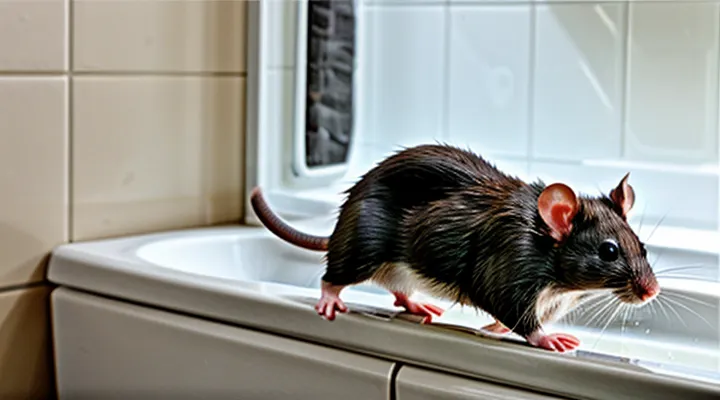
Understanding Rat Hygiene
Natural Grooming Habits
Self-Cleaning Mechanisms
Rats maintain coat condition through innate grooming behaviors. Their incisors and forepaws enable precise removal of debris, while saliva provides a natural antimicrobial layer. The fur’s microscopic structure traps dust, allowing it to be shed during routine grooming cycles. Sebaceous glands secrete oils that preserve skin moisture, support thermoregulation, and inhibit pathogen colonization.
Frequent external washing disrupts these processes:
- Removes protective oils, leading to dryness and irritation.
- Alters the fur’s micro‑architecture, reducing its ability to repel contaminants.
- Causes stress, prompting excessive grooming that can damage skin and whiskers.
- Increases exposure to chemicals in soaps, potentially harming the delicate respiratory and digestive systems.
Preserving the rat’s self‑cleaning capacity minimizes the need for artificial cleaning, supports overall health, and reduces the risk of skin infections and behavioral stress.
Social Grooming Benefits
Rats depend on mutual grooming to maintain health and group cohesion. The act of cleaning each other removes ectoparasites, distributes scent markers, and reinforces social hierarchies.
- Reduces cortisol levels, lowering stress responses.
- Removes debris and parasites more effectively than solitary cleaning.
- Transfers saliva‑borne antimicrobial compounds across the colony.
- Strengthens bonds that stabilize group dynamics and reduce aggression.
Frequent immersion in water disrupts these processes. Repeated baths strip natural oils, impair skin barrier function, and deprive rats of tactile feedback essential for grooming rituals. The resulting irritation can trigger elevated stress hormones, weaken immune defenses, and destabilize social order.
Best practice limits full‑body washing to situations where contamination poses a clear health risk. Routine care should emphasize spot cleaning, provision of nesting material, and environments that encourage self‑ and peer‑grooming. This approach preserves the physiological and behavioral advantages of social grooming while preventing the adverse effects of over‑bathing.
Health Risks of Over-Bathing
Skin and Coat Issues
Loss of Natural Oils
Frequent washing of rats strips the protective lipid layer that coats their skin and fur. This layer consists of sebaceous secretions that maintain moisture, provide insulation, and create a barrier against pathogens. When the oils are removed, the skin becomes dry and vulnerable, while the fur loses its ability to trap air and regulate temperature.
Consequences of oil loss include:
- Increased skin irritation and cracking, which can lead to secondary infections.
- Reduced thermal insulation, causing rapid heat loss in cool environments.
- Diminished water repellency, making the animal more prone to dampness and fungal growth.
- Lowered resistance to ectoparasites, as the oily barrier normally deters mites and fleas.
- Impaired scent signaling, affecting social interactions within colonies.
Dryness and Irritation
Frequent washing strips the natural lipid layer that protects a rat’s skin. Without this barrier, the epidermis loses moisture, leading to visible dryness and a compromised protective function.
Dryness and irritation manifest as:
- Flaking or scaling of fur
- Red, inflamed patches on the skin
- Persistent scratching or grooming beyond normal behavior
- Increased susceptibility to bacterial or fungal infection
The loss of moisture also disrupts the animal’s thermoregulation. A dry coat reduces insulation, forcing the rat to expend extra energy to maintain body temperature. Irritated skin can become a source of chronic discomfort, affecting overall health and lifespan.
To mitigate these effects, limit full-body baths to exceptional circumstances. Employ spot cleaning with a damp cloth for localized dirt. When a bath is unavoidable, use lukewarm water, a mild, rodent‑safe cleanser, and immediately dry the animal with a soft towel. Apply a veterinarian‑approved moisturizer if signs of dryness appear. Consistent monitoring of skin condition ensures early detection of irritation and prevents escalation.
Fungal and Bacterial Infections
Excessive washing of pet rats disrupts the protective skin barrier, creating conditions favorable for opportunistic microorganisms. Moisture retained in the fur and on the skin lowers the pH, weakens the cutaneous microflora, and impairs the natural shedding process. The resulting environment supports the growth of fungi and bacteria that normally remain at low levels.
Common pathogens that proliferate after frequent baths include:
- Candida spp. – yeast that thrives in damp fur; causes localized dermatitis, hair loss, and a greasy odor.
- Trichophyton mentagrophytes – dermatophyte responsible for ring‑shaped lesions, scaling, and intense itching.
- Staphylococcus aureus – opportunistic bacterium; leads to pustular eruptions, swelling, and systemic infection if untreated.
- Pseudomonas aeruginosa – water‑associated bacterium; produces greenish discharge, ulceration, and can spread rapidly through the colony.
Symptoms indicating infection are:
- Persistent dampness or wet patches in the coat.
- Red, inflamed skin with visible lesions or crusts.
- Excessive scratching, grooming, or hair loss.
- Unusual odor, discharge, or swelling around affected areas.
Preventive measures focus on maintaining a dry, clean environment rather than frequent bathing:
- Provide a dry, well‑ventilated cage with absorbent bedding.
- Spot‑clean soiled areas promptly; avoid submerging the animal in water.
- Use a damp cloth for occasional surface cleaning, ensuring immediate drying.
- Monitor temperature and humidity levels; keep relative humidity below 60 %.
If infection develops, prompt veterinary treatment with antifungal or antibacterial agents is essential to prevent spread and reduce morbidity.
Stress and Behavioral Problems
Fear and Anxiety
Rats rely on olfactory cues to assess safety; frequent immersion in water strips these cues, prompting acute fear responses. Elevated corticosterone levels appear within minutes of a bath, indicating activation of the hypothalamic‑pituitary‑adrenal axis.
Repeated bathing disrupts the natural grooming cycle, producing chronic anxiety. Observable signs include reduced exploration, increased freezing, and heightened startle reflexes. Physiological measurements reveal persistent tachycardia and hyperventilation, both markers of sustained stress.
Consequences extend beyond behavior. Chronic stress impairs immune function, reduces wound healing, and accelerates weight loss. Social hierarchies destabilize as anxious individuals withdraw, leading to increased aggression among cage mates.
Practical measures:
- Limit full‑body baths to emergencies only.
- Use spot cleaning with damp cloths to maintain hygiene.
- Provide nesting material and shelter to allow self‑grooming.
- Monitor corticosterone or fecal glucocorticoid metabolites to detect stress spikes.
Disruption of Routine
Frequent bathing interferes with a rat’s established daily pattern. Rats rely on consistent environmental cues to regulate feeding, grooming, and social interaction. Introducing regular water exposure alters temperature, scent, and tactile feedback, forcing the animal to adjust its behavior each time the routine is broken.
The disruption produces measurable stress responses. Elevated cortisol levels, increased heart rate, and heightened vigilance appear shortly after an unexpected wash. Repeated exposure prevents the animal from achieving a stable baseline, leading to chronic anxiety and reduced exploratory activity.
Consequences of routine disturbance include:
- Impaired immune function due to stress‑induced hormone changes.
- Decreased appetite and irregular feeding times, which can affect growth.
- Altered nesting behavior, as rats spend more time rebuilding shelter after each wash.
Maintaining a predictable schedule supports physiological stability and behavioral welfare. Limiting baths to essential medical situations preserves the natural rhythm that underpins healthy rat development.
Negative Associations
Frequent bathing removes the natural oils that carry a rat’s scent, causing the animal to lose its familiar odor profile. The loss creates a mismatch between the individual’s self‑recognition and the environment, which the animal interprets as a threat.
- Heightened stress response, evident in elevated cortisol levels.
- Diminished ability to communicate through scent, leading to confusion in social hierarchies.
- Increased avoidance of humans, because the altered smell signals unfamiliarity.
- Greater susceptibility to skin irritation and secondary infections, as the protective barrier is compromised.
These adverse reactions translate into observable behaviors: rats become more skittish, display reduced exploration, and may exhibit aggression toward cage mates. The cumulative effect undermines welfare and hinders reliable experimental outcomes. Limiting baths to essential medical procedures preserves natural olfactory cues and maintains stable, predictable behavior.
When Bathing is Necessary
Specific Circumstances for Bathing
Medical Conditions
Excessive bathing of rats can precipitate several medical conditions that compromise health and welfare.
Frequent exposure to water removes essential skin oils, leading to xerosis and subsequent dermatitis. The compromised barrier facilitates bacterial colonization, increasing the risk of Staphylococcus and Pseudomonas infections. Wet fur also creates an environment conducive to fungal overgrowth, particularly Candida species, which may cause otitis externa and systemic mycoses.
Repeated immersion lowers body temperature, predisposing rats to hypothermia. Rapid heat loss overwhelms thermoregulatory mechanisms, resulting in lethargy, decreased appetite, and, in severe cases, cardiac arrhythmias.
Moisture retained in the nasal passages and respiratory tract impairs mucociliary clearance. This condition promotes bacterial pneumonia and exacerbates existing respiratory disorders such as Mycoplasma pulmonis infection.
Stress induced by handling and wet environments suppresses immune function. Cortisol elevation reduces lymphocyte activity, diminishing resistance to opportunistic pathogens and slowing wound healing.
Chronic skin irritation may trigger allergic responses. Persistent scratching and grooming can cause self‑inflicted wounds, providing entry points for secondary infections.
Key medical conditions associated with overly frequent rat bathing:
- Xerosis and secondary bacterial dermatitis
- Fungal otitis externa and systemic mycoses
- Hypothermia with cardiovascular complications
- Pneumonia due to impaired respiratory clearance
- Immunosuppression and increased infection susceptibility
- Allergic dermatitis and self‑trauma
Mitigating these risks involves limiting bathing to essential circumstances, using dry grooming techniques, and ensuring thorough drying when water exposure occurs.
Severe Soiling
Excessive bathing disrupts a rat’s natural grooming cycle, leading to severe soiling of the fur and skin. Water removal of the protective lipid layer reduces fur’s water‑repellent properties, allowing urine and feces to adhere more readily. The resulting buildup creates a moist environment that encourages bacterial and fungal proliferation, which can quickly progress to dermatitis.
Key effects of severe soiling include:
- Loss of insulation, causing rapid temperature fluctuations;
- Skin irritation and ulceration from constant moisture and waste contact;
- Increased risk of respiratory infection as damp fur releases spores into the air;
- Elevated stress levels, reflected in reduced activity and appetite.
Mitigation requires limiting baths to emergencies only, maintaining a clean cage, and providing ample nesting material for self‑grooming. Regular inspection of the coat allows early detection of soiling before it escalates to health complications.
Safe Bathing Practices
Water Temperature and Depth
Water temperature and depth are decisive factors in the health impact of bathing rats. Incorrect temperature rapidly lowers body heat, leading to hypothermia; excessive heat damages delicate skin and respiratory membranes.
- Optimal range: 30 °C – 34 °C (86 °F – 93 °F).
- Below 25 °C: risk of hypothermia, slowed metabolism.
- Above 36 °C: risk of burns, respiratory distress.
Depth must accommodate the animal’s size while preventing submersion. Shallow trays, no deeper than 2–3 cm, allow rats to stand on the bottom, keep airways clear, and minimize stress. Water deeper than 5 cm forces the animal to swim, increasing the chance of inhalation of water and panic‑induced injury.
Even when temperature and depth meet the guidelines, repeated exposure strips natural skin oils, irritates fur, and disrupts thermoregulatory function. Consequently, bathing rats should be limited to essential situations, with careful control of temperature and water level each time.
Appropriate Shampoos
When grooming a pet rat, selecting a suitable shampoo is essential because excessive bathing can disrupt the animal’s natural oil balance and compromise skin health. The ideal product is mild, fragrance‑free, and formulated for small mammals or laboratory rodents. Such shampoos typically contain:
- A low concentration of non‑ionic surfactants (e.g., decyl glucoside) that cleanse without stripping lipids.
- No added dyes, essential oils, or alcohol, which can irritate sensitive dermal tissue.
- pH adjusted to approximately 6.5–7.0, matching the rat’s skin environment.
- Optional moisturising agents like aloe vera or glycerin to support barrier recovery after washing.
Avoid shampoos designed for dogs, cats, or humans, because they often include higher detergent levels, strong fragrances, or antibacterial agents that can cause dermatitis in rats. If a specialized rodent shampoo is unavailable, a diluted solution of a gentle baby shampoo (maximum 1 % concentration) may be used, but only for occasional cleaning when the animal’s coat is visibly soiled.
Application guidelines:
- Prepare lukewarm water (30–32 °C) in a shallow container; submerge only the tail and hindquarters to minimize stress.
- Wet the coat briefly, apply a dime‑sized amount of shampoo, and work it into a light lather, avoiding the face and ears.
- Rinse thoroughly with clean water to eliminate all residue; residual soap can attract debris and promote fungal growth.
- Pat the animal dry with a soft towel, then place it in a warm, draft‑free area until completely dry.
Regular grooming should focus on brushing and spot‑cleaning rather than full baths. When a shampoo is necessary, adherence to the criteria above ensures the rat’s skin remains protected while minimizing the risks associated with frequent washing.
Drying Techniques
Excessive bathing removes natural oils, disrupts thermoregulation, and increases susceptibility to respiratory infection in rats. After an occasional cleaning, rapid and complete removal of moisture is essential to prevent hypothermia and skin irritation.
Drying must be gentle, controlled, and thorough. Direct exposure to cold air or high‑temperature blasts can cause stress or burns; therefore, the method chosen should balance warmth with low airflow.
- Pat the animal with a soft, lint‑free towel until surface moisture disappears.
- Apply a low‑heat, low‑speed hair dryer (no higher than 30 °C) for 2–3 minutes, keeping the nozzle at least 15 cm from the fur and moving constantly to avoid localized heating.
- Place the rat in a warm, draft‑free enclosure (approximately 24–26 °C) for 5–10 minutes, allowing residual dampness to evaporate naturally.
- Use absorbent bedding or paper towels beneath the cage to capture any stray droplets.
Complete dryness should be confirmed before returning the rat to its habitat. Check the tail, hindquarters, and ear folds for lingering moisture; any wet spot warrants additional blotting or brief warm‑air exposure. Avoid prolonged exposure to ambient room temperature until the animal is fully dry, as residual dampness can lower body temperature rapidly.
Alternatives to Frequent Bathing
Spot Cleaning
Targeted Cleaning Methods
Targeted cleaning techniques preserve a rat’s natural oil coat while removing contaminants that could cause infection. Spot‑cleaning with a damp cloth eliminates dirt from paws, whiskers, and the ventral surface without submerging the animal. Use a soft, lint‑free wipe moistened with warm water and a few drops of a mild, veterinary‑approved cleanser; gently rub the affected area, then dry with a clean towel.
When odors develop, apply an absorbent, non‑tacky powder (e.g., cornstarch or a specialized rodent grooming powder) to the fur. Lightly brush to distribute the powder, allowing it to absorb excess moisture and neutralize smells. The powder can be removed with a brief brush session, leaving the coat dry and odor‑free.
For localized soiling, such as urine stains, employ a cotton swab dipped in diluted enzymatic cleaner. Apply only to the stained spot, avoid spreading to surrounding fur, and rinse with a damp cloth. Immediate drying prevents chilling and skin irritation.
Key practices
- Limit cleaning to visible dirt; avoid full‑body washes unless a medical condition mandates it.
- Use lukewarm water (approximately 37 °C) to prevent thermal stress.
- Choose products free of fragrances, alcohol, and harsh detergents.
- Perform cleaning in a quiet environment to reduce stress responses.
- Observe the rat after each session for signs of skin redness or behavioral changes; adjust methods accordingly.
By focusing on precise, minimal interventions, caretakers maintain hygiene without compromising the rat’s protective skin barrier, thereby reducing the risk of dermatitis, hypothermia, and stress associated with unnecessary bathing.
Cage Maintenance
Regular Cleaning Schedule
Regular cleaning of a rat’s environment reduces the need for direct bathing, which can strip protective oils and disrupt skin health. A predictable schedule maintains low odor, limits pathogen growth, and preserves the animal’s natural grooming behavior.
- Daily: Spot‑clean waste, replace soiled bedding, and refresh food and water containers.
- Weekly: Remove all bedding, wash the cage with mild, non‑detergent soap, rinse thoroughly, and dry before adding fresh substrate.
- Bi‑monthly: Inspect and clean accessories (toys, tunnels, hideouts) with warm water; sterilize metal components in a dilute bleach solution, then rinse.
- Quarterly: Deep‑clean the entire enclosure, including ventilation grates and any removable panels; replace worn items that could harbor bacteria.
Adhering to this timetable minimizes moisture accumulation and eliminates the impulse to bathe rats for hygiene purposes. The schedule also allows owners to monitor health indicators—such as fur condition and scent changes—without resorting to water immersion, which can cause hypothermia and skin irritation when performed too often.
Bedding Choices
Choosing appropriate bedding is essential for maintaining the skin integrity of pet rats when baths are limited. Moisture‑retaining substrates can cause prolonged dampness after occasional cleaning, leading to dermatitis and compromised fur. Conversely, highly absorbent, low‑dust materials support natural grooming behavior while preventing excess humidity.
- Paper‑based bedding (e.g., shredded tissue, unbleached paper pellets): excellent absorbency, minimal allergens, easy to replace after spot cleaning.
- Aspen shavings: low in aromatic oils, moderate absorbency, suitable for rats that prefer a firmer substrate.
- Coconut fiber (coir): good moisture wicking, but may retain dust; recommend thorough sterilization before use.
- Corncob bedding: high absorbency, low dust, but can be abrasive for delicate paws if not finely shredded.
Avoid cedar or pine shavings; volatile compounds irritate respiratory passages and skin, increasing the risk of infection after a wash. Regularly replace soiled sections to keep the environment dry, which compensates for the reduced frequency of baths and preserves the rat’s natural oil balance.
Diet and Environment
Impact on Coat Health
Frequent bathing removes the natural oils that protect a rat’s fur, leading to a dry, brittle coat. Without these lipids, the hair loses flexibility and is more prone to breakage, resulting in uneven patches and increased shedding.
- Loss of oil reduces water‑repellent properties, causing the coat to become damp more quickly and to retain moisture after exposure to humidity.
- Dry fur creates friction against the skin, which can irritate the epidermis and provoke inflammation.
- Compromised hair structure diminishes the animal’s ability to regulate body temperature, making it more vulnerable to heat loss in cooler environments.
Over‑cleaning also disrupts the microbial balance on the skin surface. Beneficial bacteria that help maintain fur health are diminished, allowing opportunistic organisms to colonize and potentially cause dermatitis. Maintaining a stable grooming routine that limits baths to necessity preserves coat integrity and supports overall well‑being.