
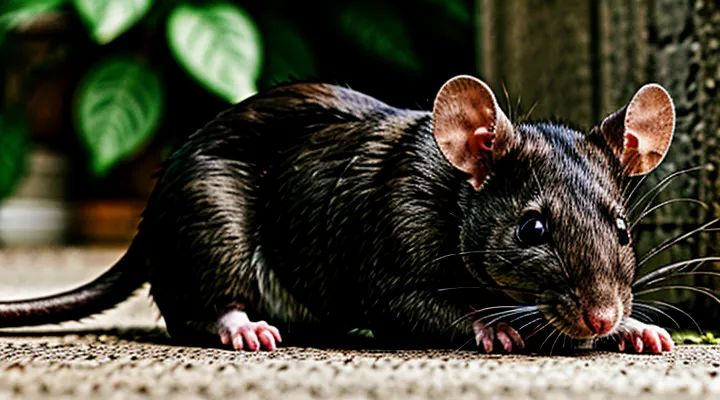
Understanding Rat Behavior
Natural Instincts and Social Structure
Rats bite primarily when innate defensive mechanisms intersect with pressures from their social environment. Survival instincts trigger a rapid response to perceived threats; a sudden movement, loud noise, or unfamiliar hand can activate the fight‑or‑flight circuitry, resulting in a bite as a protective measure. This behavior is not random aggression but a direct expression of the species’ evolved need to avoid injury.
Within a colony, hierarchical organization dictates interactions. Dominant individuals enforce status through brief, sharp bites that establish boundaries and reinforce rank. Subordinate rats experience heightened stress when exposed to constant challenges from higher‑ranking members, increasing the likelihood of defensive biting. Overcrowding disrupts the natural distribution of space, forcing frequent contact and competition for food, nesting sites, and mates, all of which amplify aggressive encounters.
Understanding these drivers informs effective prevention:
- Provide ample enclosure space to reduce territorial clashes.
- Maintain stable group composition; avoid frequent introductions or removals that destabilize hierarchy.
- Supply nesting material and enrichment items to satisfy exploratory and foraging instincts, lowering stress levels.
- Handle rats gently, using slow movements and allowing the animal to approach voluntarily before contact.
- Ensure consistent, high‑quality nutrition to limit competition over scarce resources.
By aligning husbandry practices with rats’ instinctual and social frameworks, the incidence of biting can be markedly reduced.
Communication Through Biting
Rats employ biting as a primary method of conveying information within their social hierarchy. A bite can signal dominance, assert territorial boundaries, or express fear when an individual feels threatened. The intensity and location of the bite provide clues: a brief, shallow nip on the flank often indicates a warning, whereas a forceful bite to the neck or hindquarters typically denotes an attempt to establish rank.
Key functions of biting communication include:
- Establishing hierarchy: dominant rats bite subordinates to reinforce status, reducing future conflicts.
- Defining territory: intruders receive bites at entry points, deterring repeated incursions.
- Signaling distress: startled or injured rats bite as an immediate defensive response, alerting conspecifics to potential danger.
- Facilitating maternal care: mothers may bite gently to stimulate offspring movement or guide them away from hazards.
Understanding these signals enables effective prevention. Strategies focus on minimizing triggers that provoke biting communication:
- Provide ample space and enrichment to lower competition for resources.
- Maintain stable group compositions; avoid frequent introductions of unfamiliar rats.
- Ensure consistent feeding schedules to reduce food‑related aggression.
- Handle rats calmly, using gentle restraint to prevent fear‑induced bites.
- Monitor body condition and health; illness can increase irritability and biting frequency.
By recognizing biting as a communicative act rather than random aggression, caretakers can adjust environment and handling practices to reduce harmful encounters and promote harmonious rodent colonies.
Common Causes of Aggression
Fear and Stress
New Environments and Changes
Rats encounter heightened stress when placed in unfamiliar surroundings or when their routine is disrupted. Sudden exposure to new cages, laboratory benches, or residential renovations removes familiar scents and visual cues, causing heightened vigilance and defensive behavior that can culminate in biting.
Key triggers associated with novel environments include:
- Loss of established hiding spots, prompting rats to perceive open space as a threat.
- Introduction of unfamiliar objects that generate unpredictable movements, eliciting a startle response.
- Changes in temperature, lighting, or humidity that interfere with thermoregulation and comfort.
- Presence of new conspecifics or predators, leading to territorial disputes.
- Human handling techniques that differ from previous interactions, creating confusion about intent.
Preventive actions focus on minimizing stressors and reinforcing a sense of security:
- Gradually acclimate rats to new settings by allowing short, supervised exposures before full relocation.
- Preserve elements of the original habitat, such as nesting material and familiar tunnels, within the new enclosure.
- Maintain consistent environmental parameters—temperature, light cycle, and noise levels—during transitions.
- Employ gentle, predictable handling methods; approach from the side, avoid direct eye contact, and allow the rat to initiate contact.
- Monitor behavior closely for signs of agitation, such as rapid grooming, vocalizations, or increased aggression, and intervene by providing additional cover or returning to a familiar space.
By systematically addressing the stressors introduced by new environments, caretakers can reduce the likelihood of defensive biting and promote stable, calm behavior in rats.
Loud Noises and Sudden Movements
Rats possess acute hearing and a heightened startle reflex; sudden, high‑decibel sounds activate their sympathetic nervous system. The rapid increase in cortisol and adrenaline produces a defensive posture, narrowing the animal’s focus to perceived threats.
When a rat perceives an abrupt movement—such as a hand reaching quickly or a sudden shift in its environment—it interprets the stimulus as an attack. This interpretation triggers a bite response to neutralize the assumed danger, especially if the animal feels cornered or unable to flee.
Preventive actions:
- Keep ambient noise below 60 dB; use soft background sounds to mask occasional spikes.
- Approach cages and handling areas slowly, allowing the rat to see the hand before contact.
- Gradually desensitize the animal by introducing low‑volume recordings of typical noises, increasing volume only after calm behavior is observed.
- Ensure escape routes within the enclosure so the rat can retreat instead of resorting to aggression.
- Use gentle, predictable movements when cleaning or rearranging equipment to avoid startling the animal.
Perceived Threats
Rats interpret a wide range of stimuli as potential danger. Sudden movements, loud noises, bright lights, and unfamiliar scents trigger a defensive response that can culminate in biting. Direct eye contact or a perceived attempt to seize the animal intensifies the threat perception, prompting the rat to protect itself with a quick, forceful bite. Physical restraint, especially when applied abruptly, is frequently misread as an attack, reinforcing aggressive behavior.
Stressors linked to the environment also shape threat assessment. Overcrowding, inadequate shelter, and exposure to predators’ odors elevate anxiety levels, making rats more prone to defensive aggression. Even routine handling can be interpreted as hostile if the rat lacks habituation to human presence. The cumulative effect of these cues creates a heightened state of vigilance that reduces the threshold for biting.
Prevention focuses on minimizing perceived threats:
- Introduce handling gradually; allow the rat to become accustomed to the handler’s scent and voice before physical contact.
- Move slowly and avoid sudden gestures; approach from the side rather than directly over the animal’s head.
- Use low‑intensity lighting and maintain a quiet environment during interactions.
- Provide ample hiding places, nesting material, and space to reduce crowding stress.
- Employ protective gloves and long sleeves when initial handling is unavoidable, reducing the risk of injury.
- Limit exposure to predator cues such as cat urine or strong, unfamiliar odors.
- Ensure consistent routine; abrupt changes in feeding schedule or cage arrangement increase alertness and aggression.
By reducing the stimuli that rats interpret as threats, the likelihood of biting diminishes, promoting safer coexistence between humans and these rodents.
Pain or Illness
Injury
Rat bites can produce wounds that range from superficial punctures to deep lacerations. The initial injury typically consists of a narrow entry point surrounded by torn tissue, often accompanied by crushed skin and underlying muscle damage. In severe cases, the bite may penetrate bone, creating an open fracture risk.
Common complications include:
- Immediate bleeding, which may be brisk due to the rat’s sharp incisors.
- Tissue necrosis caused by bacterial contamination.
- Infection with pathogens such as Streptobacillus moniliformis or Leptospira spp.
- Development of abscesses if drainage is inadequate.
- Tetanus exposure when the wound is contaminated with soil or debris.
Prompt medical care reduces the likelihood of long‑term damage. Recommended actions are:
- Apply direct pressure to control bleeding.
- Irrigate the wound with sterile saline to remove debris.
- Seek professional evaluation within a few hours.
- Administer appropriate antibiotics targeting typical rat‑associated bacteria.
- Update tetanus immunization if the patient’s status is uncertain.
- Monitor for signs of systemic infection, such as fever or swelling, and report them immediately.
Preventive measures focus on minimizing bite incidents, thereby avoiding injury altogether. Secure food storage, seal entry points, and maintain clean environments to deter rodents. When handling rats, use protective gloves and avoid sudden movements that could provoke defensive aggression. Regular pest‑control inspections help identify and eliminate infestations before they pose a physical threat.
Underlying Health Conditions
Rats may bite when underlying health problems cause discomfort or impair normal behavior. Common medical issues that increase aggression include:
- Dental overgrowth or malocclusion, leading to mouth pain and defensive biting.
- Skin infections, abscesses, or parasites that produce chronic irritation.
- Respiratory or gastrointestinal ailments that create systemic pain or weakness.
- Neurological disorders such as seizures or brain lesions, which can alter perception of threat.
- Metabolic imbalances, including hypoglycemia or electrolyte disturbances, that affect mood and reactivity.
When a rat experiences pain or physiological stress, its threshold for defensive responses drops, making biting more likely during handling or confinement.
Prevention focuses on early detection and treatment of these conditions:
- Schedule regular veterinary examinations to identify dental, skin, or internal problems before they become severe.
- Provide a balanced diet rich in fiber and appropriate nutrients to support dental health and metabolic stability.
- Maintain a clean enclosure, promptly removing waste and monitoring for signs of infection or parasites.
- Observe behavior for sudden changes—excessive grooming, lethargy, or aggression—and seek professional assessment immediately.
- Administer prescribed medications or supplements as directed, ensuring the rat completes the full treatment course.
By addressing health issues promptly, caretakers reduce the physiological triggers of aggression, thereby lowering the incidence of biting.
Hormonal Fluctuations
Unneutered Males («Bucks»)
Unneutered male rats, often called bucks, exhibit markedly higher aggression levels than neutered or female counterparts. Elevated testosterone drives territorial behavior and competition for mates, which directly increases the likelihood of biting incidents.
Hormonal surges amplify dominance displays. Bucks frequently challenge conspecifics through lunging, vocalizations, and rapid bites aimed at establishing hierarchy. The aggression is not situational; it persists even when food or shelter are abundant.
Environmental stressors intensify these tendencies. Overcrowding, limited hiding spaces, and insufficient enrichment provoke defensive aggression. When multiple bucks share a cage, the probability of bite‑related injuries rises sharply.
Effective mitigation relies on three core actions:
- Neutering: Surgical castration reduces testosterone, lowering aggression and bite frequency.
- Environmental optimization: Provide ample space, multiple shelters, and varied enrichment to disperse territorial claims.
- Behavioral monitoring: Observe interactions daily; separate individuals showing persistent aggression before injuries occur.
Implementing these measures curbs bite incidents, improves colony welfare, and reduces the need for veterinary intervention.
Pregnant or Nursing Females («Does»)
Pregnant and nursing female rats display distinct behavioral patterns that increase the likelihood of biting. Hormonal fluctuations during gestation and lactation heighten protective instincts, reduce tolerance for perceived threats, and amplify irritability. These physiological changes lower the threshold for aggressive responses when the animal feels its offspring are at risk.
Environmental stressors compound the effect. Overcrowding, sudden noises, and frequent handling provoke defensive reactions. Inadequate nesting material or a lack of secure shelter intensifies anxiety, prompting the female to bite as a warning or deterrent.
Preventive actions focus on reducing stress and supporting maternal needs:
- Provide ample, soft nesting material and a quiet, secluded enclosure.
- Limit direct contact to essential care; handle only when necessary and with gentle technique.
- Keep cage density low; separate pregnant or lactating females from unrelated males and other aggressive individuals.
- Maintain a stable temperature and consistent lighting schedule to avoid physiological disturbances.
- Offer a balanced diet rich in protein and calcium to meet increased nutritional demands.
Implementing these measures directly addresses the underlying causes of aggression in pregnant or nursing females, thereby decreasing the incidence of biting incidents.
Territoriality
Protecting Resources
Rats perceive food, water, nesting material and shelter as valuable assets. When these assets are poorly secured, rats experience heightened competition, which can trigger defensive or predatory aggression, including biting.
Insufficient protection creates uncertainty about resource availability. Rats may interpret human handling of food containers, waste bins or storage boxes as a threat to their access, prompting them to bite to defend or acquire the contested item.
Effective prevention focuses on eliminating the incentive for aggression by securing resources:
- Store all food in airtight, rodent‑proof containers; avoid leaving crumbs or open packages.
- Keep water sources sealed; repair leaks that could provide a drinking supply.
- Dispose of garbage daily in containers with tight-fitting lids; remove compost piles from immediate proximity to buildings.
- Reduce clutter that offers nesting sites; maintain clean, organized storage areas.
- Seal entry points such as gaps around pipes, vents and doors to block access to interior spaces.
- Use bait stations or traps only in controlled, monitored locations to avoid accidental contact with humans.
By removing the perceived threat to essential resources, the likelihood of bite‑inducing aggression diminishes markedly.
Introducing New Rats
When a fresh rat joins an established colony, the newcomer may perceive the group as a threat, triggering defensive behavior that can include biting. The initial encounter sets the tone for future interactions, making proper introduction essential for reducing aggression.
Key factors influencing the newcomer’s response:
- Territorial scent – Established rats mark their environment with urine and glandular secretions; unfamiliar odors can provoke hostility.
- Social hierarchy – Rats quickly assess rank; an unknown individual may be challenged to determine its place.
- Stress level – Transport, handling, and a sudden change in surroundings elevate cortisol, increasing the likelihood of aggressive bites.
Effective strategies to minimize biting during introductions:
- Quarantine – Keep the new rat isolated for 7‑10 days to monitor health and allow acclimation to the new environment without pressure from resident rats.
- Scent swapping – Exchange bedding or gently rub a cloth on the newcomer and place it in the existing cage, then do the reverse. This familiarizes both parties with each other’s odor before direct contact.
- Neutral arena – Use a clean, empty enclosure for the first face‑to‑face meeting. Observe body language; allow retreat options to prevent forced confrontation.
- Gradual exposure – Increase interaction time in short intervals, rewarding calm behavior with treats.
- Monitor hierarchy – Watch for dominant rats displaying mounting or chasing. If persistent aggression occurs, separate the individuals and repeat the introduction process.
By controlling scent, stress, and social dynamics, caretakers can lower the probability that a new rat will be perceived as an intruder, thereby reducing bite incidents and fostering a stable, cooperative group.
Improper Handling and Socialization
Lack of Early Socialization
Rats that miss critical periods of social interaction often develop heightened fear responses and defensive aggression. Early exposure to conspecifics, gentle handling, and varied sensory stimuli teaches pups to recognize harmless touch and normal social cues. Without this training, the nervous system interprets unfamiliar contact as a threat, triggering bite reflexes.
Key behavioral indicators of insufficient early socialization include:
- Persistent freezing or retreat when approached by humans or other rats.
- Rapid, sharp lunges toward any sudden movement.
- Limited vocalizations that normally accompany friendly grooming.
Preventive measures focus on establishing positive experiences during the first weeks of life:
- Introduce pups to gentle handling for several minutes daily, gradually increasing duration.
- Provide a mixed‑age cage environment where older, calm rats model appropriate social behavior.
- Rotate enrichment objects (tunnels, chew toys) to broaden tactile exposure.
- Conduct brief, controlled interactions with caretakers using soft, predictable motions.
Implementing these protocols reduces the likelihood that a rat will interpret routine handling as hostile, thereby decreasing the incidence of biting.
Rough Handling
Rough handling refers to any interaction that subjects a rat to sudden, forceful, or insecure contact. This includes grabbing by the tail, squeezing, or shaking the animal. Such practices generate acute stress and compromise the rat’s sense of safety.
When a rat experiences rough handling, its defensive system activates. The animal perceives the handler as a predator, releasing adrenaline and cortisol. Heightened arousal lowers the threshold for bite responses, especially if the rat feels trapped or unable to retreat. Repeated exposure reinforces the association between human contact and threat, making aggression more likely even during routine care.
Prevention focuses on eliminating forceful contact and establishing predictable, low‑stress interactions:
- Support the rat’s body with both hands, allowing it to grasp the fingers or a palm.
- Use a calm, steady grip; avoid sudden movements or jerks.
- Offer a familiar object (e.g., a tunnel or cup) for the rat to climb into before handling.
- Limit handling sessions to a few minutes for new or timid individuals, extending duration as confidence grows.
- Observe body language; discontinue handling if signs of tension appear (raised fur, rapid breathing, stiff posture).
Consistent gentle handling reduces fear, lowers aggression potential, and promotes a cooperative relationship between rat and caretaker.
Preventing Rat Bites
Creating a Safe and Enriched Environment
Appropriate Cage Size and Enrichment
Rats confined to undersized cages experience chronic stress, which manifests as heightened territoriality and increased likelihood of biting. Providing sufficient space allows natural locomotion, reduces competition for limited resources, and promotes social stability.
- Minimum floor area: 2 sq ft (≈0.19 m²) per adult rat; larger groups require proportional expansion.
- Height: at least 12 in (30 cm) to enable vertical climbing and nesting.
- Bar spacing: no more than ½ in (12 mm) to prevent escape while allowing ventilation.
- Cage material: solid, non‑toxic plastic or stainless steel; avoid wire floors that cause foot injuries.
Enrichment supplies mental stimulation and channels exploratory behavior away from aggressive interactions.
- Nesting material: shredded paper, cotton squares, or commercially available nesting pads; replace weekly.
- Chew items: untreated wood blocks, cardboard tubes, mineral chews; rotate every 3–4 days.
- Climbing structures: PVC pipes, wooden ladders, hammocks; secure to prevent collapse.
- Foraging opportunities: hide small food portions in tubes or puzzle boxes; encourage natural foraging and reduce boredom.
Regular cleaning (weekly) and periodic rearrangement of accessories prevent habituation and maintain interest. Monitoring cage conditions and adjusting space or enrichment promptly mitigates stressors that trigger biting behavior.
Hiding Spots and Chew Toys
Rats that lack secure hiding spots often exhibit heightened stress, which can manifest as aggressive biting. Providing enclosed areas mimics natural burrows, reduces exposure to perceived threats, and encourages calm behavior. Ideal shelters include solid‑plastic tunnels, stacked cardboard boxes with one entrance, and ceramic caves that retain warmth.
Chewing satisfies the rodents’ instinct to gnaw, prevents overgrowth of incisors, and redirects oral energy away from human hands. Effective chew toys are:
- Untreated wooden blocks or dowels, free of toxic finishes.
- Mineral chews containing calcium and phosphorus to support dental health.
- Natural fibers such as sisal rope or hemp strips, offered in lengths that allow safe gnawing.
- Hard plastic chew rings designed for rodents, resistant to destruction yet gentle on teeth.
Integrating both concealed retreats and appropriate chew items creates an environment where rats can fulfill natural behaviors without resorting to defensive bites. Regular rotation of toys maintains novelty, while cleaning shelters weekly prevents odor buildup that could trigger anxiety. This combination addresses the root causes of aggression and supports long‑term bite prevention.
Proper Handling Techniques
Gentle and Confident Approach
A calm, self‑assured demeanor reduces the likelihood of a rat reacting defensively. Rats perceive sudden movements, loud tones, and hesitant handling as threats; steady, gentle interaction signals safety and encourages trust.
- Approach the cage slowly, keeping hands visible and movements fluid.
- Extend a single, relaxed finger before offering a broader palm, allowing the rat to investigate at its own pace.
- Maintain consistent eye contact without staring; a soft gaze conveys confidence without intimidation.
- Speak in a low, steady voice to avoid startling the animal.
Confidence influences the rat’s stress response. When the handler exhibits certainty, the animal’s cortisol levels remain lower, diminishing aggressive impulses. Conversely, uncertainty triggers heightened vigilance, increasing the chance of a bite.
To implement the approach effectively:
- Prepare the environment by removing abrupt noises and bright lights that could amplify the rat’s alertness.
- Practice the same handling routine daily; repetition builds familiarity for both parties.
- Observe the rat’s body language—flattened ears, relaxed whiskers, and a steady tail indicate receptiveness, while raised fur and rapid breathing signal discomfort.
- Adjust pressure and speed instantly based on these cues, preserving the gentle yet assured posture.
By integrating steady movements, soft vocalizations, and clear intent, handlers create a predictable setting that discourages defensive biting and promotes cooperative behavior.
Positive Reinforcement
Positive reinforcement offers a practical method for reducing biting behavior in rats by rewarding calm interactions rather than punishing aggression. When a rat exhibits gentle handling, a small treat or a brief period of favored activity should be delivered immediately, creating a clear association between the desired behavior and a pleasant outcome.
Consistent application strengthens the link. Each time the animal refrains from lunging or snapping during a handling session, the reward must follow without delay. Over repeated sessions, the rat learns that non‑aggressive responses increase the likelihood of receiving benefits, decreasing the incentive to bite.
Key elements for effective implementation:
- Choose a highly valued reward (e.g., a piece of fruit, a seed, or a brief play period).
- Deliver the reward within one second of the target behavior.
- Keep sessions short (5–10 minutes) to maintain focus and prevent fatigue.
- Gradually increase the difficulty of the interaction (longer handling, varied environments) while continuing to reward compliance.
- Record observations to track progress and adjust reward type if motivation wanes.
By embedding positive reinforcement into daily care routines, owners can reshape the rat’s behavioral pattern, lowering the frequency of aggressive bites and fostering a more cooperative relationship. This approach addresses the root cause of aggression—lack of predictable, rewarding outcomes for gentle behavior—without resorting to aversive techniques that may exacerbate fear or stress.
Socialization and Training
Gradual Introductions
Gradual introductions reduce the likelihood of a rat displaying aggressive behavior that can lead to biting. By allowing a new rat to become accustomed to the presence of another animal or human in a controlled manner, the animal’s stress response diminishes, decreasing the defensive reflex that often triggers a bite.
A typical protocol includes:
- Placement of a neutral barrier (e.g., a wire mesh divider) inside the cage for several days, permitting visual and olfactory contact without physical interaction.
- Daily extension of the barrier opening by a few centimeters, monitored for signs of tension such as raised fur, vocalizations, or rapid movements.
- Introduction of brief, supervised face‑to‑face sessions lasting no more than two minutes, with immediate cessation if aggression appears.
- Progressive increase of interaction time, eventually removing the barrier once both parties exhibit calm behavior for multiple consecutive sessions.
Consistent application of this method establishes trust, limits fear‑induced aggression, and forms a reliable component of a broader strategy to prevent rat bites.
Recognizing Warning Signs
Rats display specific behaviors before they bite; recognizing these cues can prevent injuries.
- Sudden stiffening of the body, especially the neck and tail
- Rapid, erratic movements or darting toward a perceived threat
- Flattened ears and widened pupils, indicating heightened arousal
- Vocalizations such as high‑pitched squeaks or chattering sounds
- Aggressive posturing: raised fur, arched back, and a forward‑leaning stance
- Direct, unblinking eye contact combined with a sniffing motion toward the source
These indicators often appear when a rat feels cornered, stressed, or perceives competition for resources. Observation of the listed signals allows caretakers to intervene—by removing stimuli, providing escape routes, or employing gentle handling techniques—before the animal escalates to a bite. Continuous monitoring of behavior reduces the likelihood of aggression and supports safer human‑rat interactions.
Addressing Health Concerns
Regular Veterinary Check-ups
Regular veterinary examinations provide essential insight into factors that provoke biting behavior in rats. Early detection of health problems, such as dental overgrowth, respiratory infections, or painful injuries, removes physiological triggers that can elevate irritability and defensive aggression.
Key contributions of routine check‑ups include:
- Assessment of dental condition; corrective trimming prevents chronic discomfort that may lead to snap responses.
- Screening for infectious diseases; treatment eliminates systemic illness that can alter temperament.
- Evaluation of weight and nutrition; balanced diet supports stable energy levels and reduces stress‑induced aggression.
- Parasite control; eradication of ecto‑ and endoparasites lowers itching and agitation.
- Behavioral observation; veterinarians can advise on environmental enrichment and handling techniques that mitigate fear‑based attacks.
Consistent scheduling of appointments—ideally every three to six months—ensures that emerging issues are addressed before they manifest as harmful biting. Documentation of health trends enables owners and professionals to adjust care plans promptly, fostering a calmer, safer interaction between rats and handlers.
Prompt Treatment of Injuries
Rats may bite when threatened, stressed, or defending territory. A bite can puncture skin, introduce bacteria, and cause rapid swelling. Immediate care limits tissue damage and infection risk.
- Wash the wound with clean water and mild soap for at least 30 seconds.
- Apply a sterile gauze pad, exert gentle pressure to stop bleeding.
- Disinfect the area with an antiseptic such as povidone‑iodine or chlorhexidine.
- Cover with a clean, non‑adhesive dressing.
- Record the time of injury and any observed rat behavior for later reference.
Monitor the wound for redness, increasing pain, pus, or fever. Seek medical attention if any of these signs appear, if the bite is deep, or if the injured person lacks up‑to‑date tetanus vaccination. A healthcare professional may prescribe antibiotics, perform wound debridement, or administer a rabies prophylaxis series when appropriate.
Reducing bite incidents involves securing food sources, sealing entry points, and minimizing handling of wild or unfamiliar rats. Maintaining a clean environment and using traps or deterrents lowers stress‑induced aggression, thereby decreasing the likelihood of injuries that require prompt treatment.
Behavioral Modification
Desensitization
Desensitization reduces rat aggression by gradually exposing the animal to stimuli that normally provoke a bite response. Repeated, low‑intensity encounters lower the animal’s fear and defensive reflex, allowing it to tolerate handling without resorting to biting.
The process follows a predictable sequence:
- Identify the trigger (e.g., sudden movements, unfamiliar hands, loud noises).
- Begin with a stimulus intensity well below the rat’s threshold for defensive behavior.
- Pair each exposure with a calm environment and a reward, such as a favorite food item.
- Incrementally increase stimulus intensity after the rat shows consistent calmness for several sessions.
- Continue until the rat remains relaxed during typical handling scenarios.
Key considerations ensure effectiveness:
- Sessions last no longer than five minutes to prevent stress accumulation.
- Frequency of exposure should be daily or every other day; gaps longer than 48 hours may reverse progress.
- Observation of body language—flattened ears, relaxed whiskers, steady breathing—confirms reduced arousal.
- Abrupt escalation or inconsistent reward timing can reinforce fear, leading to heightened bite risk.
Implementing desensitization alongside proper cage hygiene, balanced nutrition, and gentle handling creates a comprehensive strategy for minimizing rat bites. The method relies on predictable, measurable steps rather than anecdotal advice, delivering reliable results for both pet owners and laboratory personnel.
Redirection
Redirection involves channeling a rat’s aggressive impulse toward an acceptable target, thereby reducing the likelihood of a bite. When a rat perceives a threat, territorial intrusion, or overstimulation, it may respond with a quick nip. Providing an alternative object or activity diverts the animal’s focus before the impulse escalates.
Effective redirection requires timing and appropriate stimuli. The handler must recognize early warning signs—raised fur, stiff posture, rapid whisker movement—and introduce a substitute that satisfies the rat’s need to bite or chew. The substitute must be safe, readily available, and more appealing than the handler’s hand or clothing.
- Offer a chewable wooden block or untreated cardboard when the rat shows agitation.
- Present a small, sturdy toy that can withstand gnawing.
- Use a gentle tap on the cage floor to shift attention to a tunnel or hideaway.
- Introduce a scent‑rich object (e.g., a piece of apple or herb) to entice exploration away from the handler.
Integrating redirection into routine handling lowers stress levels and reinforces non‑aggressive behavior. Regularly rotate chew items to maintain novelty, keep the enclosure enriched with tunnels and shelters, and limit sudden movements that can trigger defensive bites. Consistent application of these measures creates a predictable environment where the rat learns that biting is unnecessary for meeting its natural urges.
When to Seek Professional Help
Persistent Aggression
Persistent aggression in rats manifests as repeated, unprovoked attacks toward humans or other animals. The behavior often stems from chronic stress, inadequate socialization, or underlying health problems such as pain or neurological disorders. Rats that experience continuous overcrowding, inconsistent handling, or exposure to predators may develop heightened defensive responses that persist despite temporary calming measures.
Key physiological factors include elevated cortisol levels, which reinforce fight‑or‑flight circuitry, and alterations in neurotransmitters like serotonin that regulate mood and impulse control. Genetic predisposition can also influence aggression thresholds, making some individuals more prone to sustained hostility.
Observable signs of persistent aggression encompass:
- Frequent lunging or biting without clear stimulus
- Rapid, tense body posture and raised fur
- Vocalizations such as high‑pitched squeaks during routine interactions
- Refusal to retreat to a safe area when threatened
Effective prevention requires addressing both environmental and health aspects:
- Maintain low‑density housing to reduce competition and stress.
- Provide consistent, gentle handling to build trust and habituate the animal to human presence.
- Ensure regular veterinary examinations to detect pain, infections, or neurological conditions.
- Offer enrichment items (tunnels, chew toys, nesting material) that allow natural foraging and exploration.
- Implement a predictable routine for feeding, cleaning, and interaction to minimize uncertainty.
When aggression persists despite these measures, behavioral modification techniques such as desensitization and counter‑conditioning, applied by a qualified professional, can help rewire the rat’s response patterns. In severe cases, humane rehoming or, if necessary, euthanasia may be considered to prevent injury and ensure overall welfare.
Sudden Changes in Temperament
Rats may shift from docile to aggressive within minutes, and such abrupt temperament changes often precede biting incidents. Rapid alterations typically stem from physiological stressors, sensory overload, or sudden environmental disruptions. When a rat perceives an immediate threat, the fight‑or‑flight response activates, producing a spike in adrenaline that can override normal social behavior and trigger a bite.
Common triggers of sudden aggression include:
- Exposure to loud noises or sudden movements.
- Introduction of unfamiliar scents, including strong chemicals or predator odors.
- Abrupt changes in cage temperature, lighting, or humidity.
- Handling after a period of isolation or sleep deprivation.
- Illness or injury that causes pain, prompting defensive reactions.
Preventive measures focus on stabilizing the rat’s environment and monitoring health indicators. Consistent lighting cycles, gradual acclimation to new stimuli, and regular veterinary checks reduce the likelihood of unexpected mood swings. Handling should be gentle, timed after the animal has settled, and should avoid constriction of the neck or tail, which can provoke defensive bites. Maintaining a predictable routine and minimizing sudden disruptions create conditions where temperament remains stable, decreasing the risk of aggressive bites.