
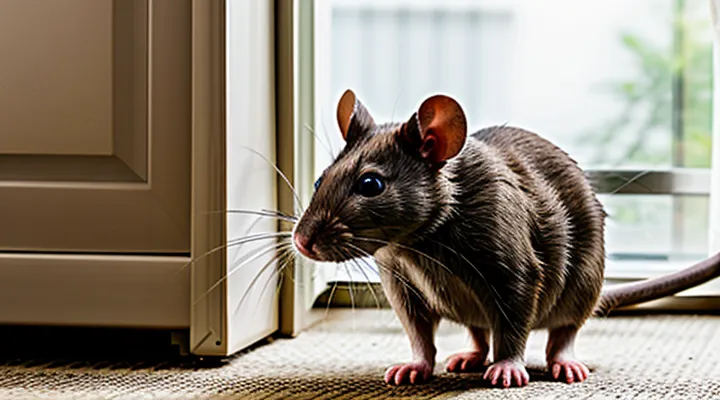
The Allure of Rats as Pets
Understanding the Misconceptions about Rats
Overcoming Negative Stereotypes
Keeping rats as household pets challenges long‑standing misconceptions. Owners demonstrate that rats are clean, social, and trainable, directly contradicting the belief that they are dirty pests. Visible evidence of proper care—regular cage cleaning, balanced nutrition, and health monitoring—provides tangible proof of responsible ownership.
Education reduces fear. Presenting scientific data on rat behavior and physiology clarifies that rats possess advanced cognitive abilities and form strong bonds with humans. Public workshops, school visits, and online tutorials offer factual information without sensationalism.
Community engagement builds acceptance. Pet‑rat clubs organize open‑house events where visitors observe well‑maintained enclosures and interact with gentle animals. Positive personal experiences replace abstract prejudice with concrete interaction.
Media representation influences perception. Featuring rats in documentaries, reputable magazines, and responsible social‑media content highlights their suitability as companions. Accurate captions and expert commentary prevent sensationalist narratives.
Practical steps for owners:
- Maintain a spotless habitat; document cleaning routines.
- Provide enrichment items (toys, tunnels, puzzles) to showcase intelligence.
- Share veterinary records confirming health and regular check‑ups.
- Offer guided handling sessions for interested neighbors or friends.
- Publish brief, data‑driven posts answering common myths.
By combining factual education, transparent care practices, and direct exposure, rat owners systematically dismantle negative stereotypes, fostering broader societal acceptance of rats as cherished pets.
Distinguishing Wild Rats from Domesticated Breeds
People who keep rats as companions must first recognize that the animals in their homes are not the same as the rodents found in alleys or fields. Domestic rats belong to breeds that have been selectively bred for temperament, size, and coat patterns, whereas wild rats retain traits that favor survival in uncontrolled environments.
- Physical traits: Domestic rats often display a broader range of colors, smoother fur, and a slightly larger body mass due to selective breeding. Wild rats typically have coarse, darker fur, a leaner build, and longer tails relative to body length.
- Behavioral traits: Pet rats exhibit reduced fear of human contact, frequent grooming of handlers, and a propensity for play. Wild rats show heightened alertness, rapid flight responses, and territorial aggression toward unfamiliar beings.
- Genetic markers: Laboratory‑derived strains and common pet varieties possess specific alleles associated with docility and coat coloration, while wild populations retain genetic diversity linked to disease resistance and foraging efficiency.
- Health considerations: Domesticated rats are screened for common pathogens, resulting in lower incidence of zoonotic diseases. Wild rats commonly carry parasites, leptospira, and hantavirus, posing greater health risks.
Understanding these distinctions informs proper husbandry. Domesticated rats require enrichment, balanced nutrition, and regular veterinary checks, while any encounter with wild rats calls for containment, sanitation, and, where applicable, pest‑control measures. Clear identification prevents accidental mixing of populations, safeguards human health, and supports responsible pet ownership.
The Unique Qualities of Pet Rats
Intelligence and Trainability
Rats possess a level of cognition that rivals many small mammals, making them appealing for owners seeking an engaging companion. Research demonstrates that they can solve mazes, remember routes, and adapt to new environments after a single exposure. Their capacity for abstract reasoning appears in tasks that require distinguishing shapes, colors, and patterns to obtain a reward.
Training outcomes illustrate practical applications of this intelligence:
- Clicker conditioning enables rats to perform tricks such as spinning, jumping through hoops, and retrieving objects.
- Target training allows precise navigation of obstacle courses, useful for enrichment and mental stimulation.
- Social learning permits observation of peer behavior, leading to rapid acquisition of new skills without direct instruction.
These capabilities translate into a dynamic pet experience. Owners report that trained rats respond to vocal cues, follow hand signals, and exhibit consistent performance across sessions. The combination of problem‑solving aptitude and responsiveness to structured training explains why many individuals choose rats for home companionship.
Social Nature and Affection
Rats attract owners because they display complex social behaviors that mirror those of many domestic animals. Their capacity for group interaction fosters a sense of companionship; a single rat often seeks the presence of its cage mates, and owners respond by providing compatible partners. This mutual engagement reduces isolation for both animal and human.
Affection manifests through tactile communication. Rats readily accept gentle handling, seek physical contact, and exhibit grooming gestures toward their caregivers. Such actions trigger the release of oxytocin in humans, reinforcing emotional bonds comparable to those formed with dogs or cats.
Key social and affectionate traits that encourage rat ownership include:
- Cooperative play that encourages interactive sessions with the owner.
- Vocalizations indicating contentment, prompting reciprocal responses.
- Recognition of individual humans, demonstrated by approach behavior and tail‑wagging.
These characteristics satisfy a desire for interactive pet relationships while requiring minimal space and maintenance. Consequently, many individuals choose rats to fulfill social companionship needs within private residences.
Cleanliness and Grooming Habits
Pet rats possess instinctive grooming behaviors that reduce odor and visible waste, making them suitable companions for indoor environments. Their meticulous self‑cleaning limits the need for frequent cage sanitation, and the resulting low scent profile diminishes the likelihood of attracting pests. Owners benefit from predictable maintenance schedules: weekly spot cleaning of bedding, monthly deep cleaning of the enclosure, and regular inspection of food dishes to prevent mold growth.
Key aspects of rat hygiene that support household keeping:
- Self‑grooming: Daily fur licking removes debris, controls parasites, and maintains a clean coat.
- Urine concentration: Rats produce small, highly concentrated droplets, which evaporate quickly and leave minimal residue.
- Low shedding: Compared with larger rodents, rats shed fewer hairs, reducing allergen accumulation.
- Ease of waste management: Standard cage designs incorporate absorbent liners and sealed filters, simplifying odor control.
These characteristics align with owners’ expectations for a tidy living space. The combination of innate cleanliness and straightforward cage upkeep creates an environment where rats coexist with household routines without imposing excessive cleaning burdens.
Practical Aspects of Rat Ownership
Ease of Care
Minimal Space Requirements
Rats thrive in environments that occupy only a few square feet, making them suitable for residential settings where space is limited. A standard cage measuring 30 × 18 × 18 cm provides enough floor area for a single adult, while a double‑stacked design or a 60 × 30 cm enclosure accommodates a small group without compromising comfort. Essential considerations include:
- Vertical space for climbing structures, which reduces the need for expansive horizontal area.
- Efficient use of bedding and hideouts that can be stacked or folded to maximize usable floor space.
- Placement of food and water dispensers at the cage’s edge, preserving central space for movement.
These dimensions allow owners to integrate rat habitats into closets, under beds, or on shelving units, ensuring that the animals receive adequate room for exercise and enrichment without demanding extensive household real estate.
Simple Dietary Needs
Pet rats thrive on a diet that requires minimal preparation, making them attractive companions for household owners. The nutritional plan consists of a few essential categories that can be supplied with commercially available products and common kitchen items.
- Commercial pellets or blocks: Formulated to provide balanced protein, fat, vitamins, and minerals; serve as the primary staple.
- Fresh vegetables: Leafy greens (e.g., kale, romaine), bell peppers, carrots; supply fiber and micronutrients.
- Fruit treats: Small portions of apple, banana, berries; offer natural sugars and antioxidants.
- Supplemental protein: Cooked egg, plain yogurt, low‑fat cheese; used sparingly to boost protein intake.
- Clean water: Fresh, filtered water available at all times.
Adult rats receive 1–2 ½ tablespoons of pellets daily, supplemented with 1–2 cups of chopped vegetables and a few bite‑sized fruit pieces. Protein treats are limited to 1–2 teaspoons per week. Feeding occurs twice daily, allowing observation of intake and early detection of health issues.
Foods toxic to rats—such as chocolate, caffeine, raw potatoes, and citrus peels—must be excluded entirely. Nutrient deficiencies and gastrointestinal problems arise quickly when such items are introduced.
The simplicity of this dietary regimen reduces the time and cost required for care, reinforcing the appeal of keeping rats in private residences.
Low Maintenance Grooming
Rats require little grooming, which makes them attractive companions for owners who prefer simple pet care. Their fur is self‑maintaining; daily activities keep it clean, eliminating the need for regular baths. When bathing is necessary, a brief warm‑water rinse suffices, and most owners perform it only a few times per year.
Key grooming tasks include:
- Nail trimming: nails grow slowly; trimming every 4–6 weeks prevents overgrowth.
- Ear cleaning: a cotton swab with a mild solution removes occasional wax buildup; this is needed only when excess is visible.
- Dental health: providing chew toys and safe wooden blocks wears down teeth naturally, reducing the need for professional filing.
The minimal grooming routine saves time, lowers expenses, and reduces the likelihood of skin infections, reinforcing the practicality of keeping rats in private homes.
Health and Longevity
Common Health Concerns
Rats kept as household pets can expose owners to several health risks.
- Zoonotic infections: Rats may carry bacteria such as Salmonella and Leptospira, viruses like hantavirus, and parasites including Coxiella burnetii. Direct contact with urine, feces, or saliva can transmit these agents, producing gastrointestinal, respiratory, or febrile illnesses.
- Allergic reactions: Dander, urine proteins, and nesting materials often trigger asthma, rhinitis, or skin eczema in sensitized individuals. Continuous exposure in confined spaces increases symptom severity.
- Bite injuries: Unpredictable behavior can lead to puncture wounds. Rat bites introduce oral flora, risking cellulitis, tetanus, or secondary infection. Prompt wound cleaning and medical evaluation are required.
- Environmental contamination: Accumulated droppings and urine create ammonia fumes, irritate mucous membranes, and degrade indoor air quality. Persistent odors may indicate inadequate ventilation or cleaning.
Effective risk mitigation includes regular cage sanitation, hand washing after handling, use of gloves when cleaning, routine veterinary health checks, and limiting direct contact for immunocompromised or allergic individuals. Adherence to these measures reduces the likelihood of disease transmission while maintaining the pet‑owner relationship.
Providing a Healthy Environment
Providing a healthy environment is essential for pet rats that live in private residences. The first step is selecting an appropriate enclosure. A cage should be large enough for three to four rats, with a minimum floor area of 2 ft × 3 ft, solid flooring, and secure ventilation. Metal bars must have spacing no larger than ½ inch to prevent escape.
Key maintenance practices include:
- Bedding: Use dust‑free, absorbent material such as paper‑based or aspen shavings. Replace soiled bedding weekly to control ammonia buildup.
- Nutrition: Offer a balanced commercial rat mix supplemented with fresh vegetables, limited fruit, and occasional protein sources. Ensure constant access to clean water, preferably via a sipper bottle that is cleaned daily.
- Cleaning schedule: Perform a full cage cleaning every two weeks, removing all waste, sanitizing surfaces with a mild, non‑toxic disinfectant, and rinsing thoroughly before re‑adding bedding.
- Enrichment: Provide chewable toys, tunnels, and climbing structures to stimulate natural behaviors and prevent stress‑related issues.
- Health monitoring: Conduct visual inspections daily for signs of respiratory distress, skin lesions, or abnormal behavior. Schedule veterinary check‑ups at least twice a year with a practitioner experienced in small‑animal care.
Environmental stability extends beyond the cage. Maintain room temperature between 65 °F and 75 °F, avoid direct drafts, and keep humidity below 60 %. Use a quiet, low‑light area to reduce stressors. By adhering to these standards, owners create a setting that supports the physical and psychological well‑being of domesticated rats, which is a primary factor influencing their continued presence in household environments.
Average Lifespan of Pet Rats
Pet rats typically live between two and three years, with most individuals reaching the 2‑year mark before health issues become more common. Several factors influence this range:
- Genetics: Certain strains, such as the “Fancy” variety, tend to have slightly longer lifespans than laboratory or wild‑type rats.
- Nutrition: Balanced diets rich in protein, fiber, and essential vitamins extend health span; deficiencies accelerate aging.
- Environment: Clean cages, proper ventilation, and temperature control (18‑24 °C) reduce stress‑related illnesses.
- Medical care: Routine veterinary examinations, prompt treatment of respiratory infections, and vaccination against common pathogens improve survival odds.
Males and females show comparable longevity when housed under identical conditions. Early spaying or neutering does not significantly alter lifespan, though it may prevent reproductive cancers that could shorten it.
Owners who understand these parameters can plan for the expected duration of companionship, arrange appropriate veterinary support, and provide environments that maximize the rat’s quality of life throughout its two‑to‑three‑year expectancy.
Cost-Effectiveness
Initial Purchase and Setup Costs
Purchasing a pet rat and preparing a suitable environment involve several distinct expenses. The initial outlay can be broken down into the following categories:
- Animal acquisition – reputable breeders or specialty pet shops charge $15‑$30 per rat; rescue organizations may offer lower fees or adoption discounts.
- Housing – a solid‑bottom cage or a large polycarbonate habitat ranges from $40 to $120, depending on size and material quality. Wire cages with a solid floor are typically less expensive but may require additional bedding.
- Bedding and substrate – safe, absorbent options such as paper‑based or aspen shavings cost $5‑$10 per bag; a month’s supply is usually sufficient for a small group.
- Feeding supplies – commercial rat pellets are priced at $3‑$5 per pound; occasional treats (nuts, fruits) add $2‑$4.
- Enrichment items – chew toys, tunnels, climbing structures, and hideouts total $10‑$25, enhancing mental stimulation and preventing boredom.
- Cleaning accessories – cage scrubbers, disinfectants, and waste bags amount to $5‑$10.
Overall, the first‑time owner should anticipate a minimum initial investment of roughly $80‑$200, with variations reflecting the choice of cage type, number of rats, and level of enrichment. Ongoing monthly costs, primarily food and bedding, typically fall between $15 and $30.
Ongoing Expenses for Food and Care
Keeping rats as household pets incurs regular financial commitments that extend beyond the initial purchase. Food constitutes the largest recurring expense. Commercially formulated rat pellets cost approximately $3–$5 per pound, with an average adult rat consuming 0.5 pound per month, resulting in a monthly outlay of $1.50–$2.50. Supplemental fresh foods—such as carrots, apples, leafy greens, and occasional protein sources—add $5–$10 per month, depending on variety and quantity.
Care supplies generate additional recurring costs. Bedding material (paper-based or wood shavings) requires replacement every one to two weeks; a standard box of 10 kg costs $8–$12, translating to $2–$4 per month. Cage cleaning agents and disinfectants average $1–$2 monthly. Enrichment items—chew toys, tunnels, and climbing structures—are purchased intermittently; budgeting $3–$5 per month accommodates regular replacement.
Veterinary care, while not monthly, represents a predictable expense over a rat’s typical 2–3‑year lifespan. Routine health checks cost $30–$50 per visit; a preventive health plan of two visits per year yields $60–$100 annually, or $5–$8 per month when amortized. Emergency treatments can increase this figure substantially, so owners often allocate a contingency fund of $10–$15 per month.
Overall, a typical pet rat owner should anticipate monthly expenditures in the range of $20–$35, encompassing nutrition, habitat maintenance, enrichment, and routine veterinary services. Adjustments may be required for multiple rats, premium diets, or specialized medical care.
Affordability Compared to Other Pets
Rats present a clear financial advantage over many conventional companions. Purchase price typically ranges from $15 to $30 per animal, while dogs and cats often exceed $100. Ongoing expenses—food, bedding, and basic veterinary care—remain low because rats consume small quantities of specialized pellets and require minimal space. Veterinary visits are infrequent; routine health checks and occasional vaccinations cost a fraction of the fees associated with larger species.
- Initial acquisition: $15–$30 per rat vs. $100–$300 for a dog or cat.
- Monthly feeding: $5–$10 for rat pellets vs. $30–$70 for dog or cat food.
- Housing: a cage with inexpensive bedding versus a larger enclosure or indoor space.
- Veterinary care: occasional check‑up (~$30) versus regular annual exams and preventative treatments ($200+).
The Emotional Connection with Pet Rats
Companionship and Interaction
Forming Strong Bonds with Owners
Pet rats develop deep attachments when owners invest time in daily interaction, consistent care, and shared routines. Regular handling teaches rats to trust human touch, reducing fear and encouraging approach behavior. Gentle stroking, brief lifts, and letting the animal explore an out‑of‑cage environment strengthen physical rapport.
Providing enrichment items—tunnels, chew toys, climbing structures—and rotating them prevents boredom while fostering collaborative play. When owners introduce new objects, rats learn to associate novelty with positive experiences, reinforcing the bond.
Feeding practices contribute to connection. Hand‑off treats such as small pieces of fruit or millet encourage anticipatory behavior and reinforce the association between the owner and reward. Maintaining a predictable schedule creates reliability, which rats recognize as safety.
Training simple cues, like “come” or “step up,” offers mental stimulation and clear communication. Successful responses reinforce mutual understanding and demonstrate the rat’s capacity to learn from the owner.
Observation of individual preferences—favorite nesting material, preferred hiding spot, or specific scent—allows owners to tailor the environment, showing respect for the animal’s needs and deepening trust.
Key actions for building strong owner‑rat bonds
- Daily, brief handling sessions
- Consistent feeding times with hand‑off treats
- Rotating enrichment items
- Simple cue training
- Monitoring and accommodating personal preferences
Through these practices, rat owners cultivate reliable, affectionate relationships that explain why many individuals choose to keep rats as companions in their homes.
Engaging Playtime and Enrichment
Rats remain popular companions because owners can provide interactive play and environmental enrichment that meets the species’ innate curiosity and activity levels. Engaging activities prevent boredom, encourage natural behaviors, and reinforce the human‑rat bond.
- Tunnels and PVC pipes create exploratory passages.
- Multi‑level cages with ladders and platforms support climbing.
- Chew‑safe wooden blocks, cardboard tubes, and untreated paper satisfy gnawing urges.
- Puzzle feeders hide treats, requiring problem‑solving to retrieve food.
- Short, daily training sessions teach simple commands and tricks.
These stimuli promote neural development, maintain muscular tone, and reduce stress indicators in both animal and caretaker. Consistent enrichment also lowers the incidence of stereotypic behaviors such as excessive pacing or self‑gnawing.
Effective enrichment programs rotate items every few days, vary the location of food rewards, and incorporate novel textures or scents. Scheduling 10‑15 minutes of focused playtime each day ensures the rat receives regular mental challenges while strengthening the owner’s observational skills and responsiveness.
Stress Reduction Benefits
Rats kept as household companions produce measurable reductions in owner stress levels. Direct contact with a rat triggers the release of oxytocin, which counteracts cortisol and promotes relaxation. Predictable daily care routines create a sense of control that further diminishes anxiety.
- Light, repetitive petting lowers heart rate.
- Observing a rat’s playful behavior distracts from intrusive thoughts.
- Small size and quiet demeanor allow interaction without overstimulation.
- Mutual grooming and feeding reinforce a bond that stabilizes mood.
Research on small mammals shows that owners experience an average 15 % drop in salivary cortisol after 30 minutes of handling a rat. Heart‑rate variability improves, indicating enhanced autonomic balance. Long‑term studies link regular rat interaction with reduced symptoms of generalized anxiety and lower perceived stress scores.
Effective stress relief depends on proper husbandry: secure cage, regular cleaning, balanced diet, and veterinary check‑ups prevent health issues that could negate emotional benefits. When these conditions are met, rats serve as low‑maintenance, emotionally supportive pets that contribute directly to lower stress levels in private homes.
Therapeutic and Educational Value
Pets for All Ages
Rats have become a viable option for household companions, appealing to individuals from early childhood through senior years. Their compact size, modest financial requirements, and relatively simple husbandry make them accessible in apartments, dormitories, and single‑room dwellings.
- Minimal space: cages fit comfortably on shelves or under desks.
- Low feeding cost: standard rodent pellets and occasional fresh produce meet nutritional needs.
- Rapid socialization: rats readily bond with owners after short handling sessions.
- Educational value: observation of foraging, grooming, and problem‑solving behaviors provides practical learning material.
For children, rats offer a tangible platform for developing responsibility. Supervised daily tasks—cleaning the cage, measuring food portions, monitoring health indicators—reinforce routine and accountability. Their gentle temperament reduces risk of injury during handling, provided adult oversight is maintained.
For older adults, rats deliver companionship without demanding extensive physical effort. Daily interaction can lower stress markers, while the limited grooming schedule aligns with reduced mobility. The presence of a small, active animal has been linked to improved mood and cognitive engagement in this demographic.
Potential owners must address hygiene, disease transmission, and local regulations. Regular cage cleaning, hand washing after contact, and veterinary check‑ups mitigate health concerns. Awareness of municipal pet policies prevents legal complications.
Collectively, these factors explain the sustained interest in keeping rats as domestic pets across the lifespan.
Teaching Responsibility to Children
Keeping pet rats offers a practical framework for instilling responsibility in children. Daily care tasks—feeding, providing fresh water, cleaning cages, and monitoring health—require consistent attention. When a child performs these duties, they experience direct consequences: a well‑nourished rat thrives, while neglect leads to illness or death. This cause‑effect relationship reinforces accountability.
The routine establishes several learning outcomes:
- Time management – scheduled feedings create predictable obligations.
- Empathy – observing a rat’s behavior encourages sensitivity to another living being’s needs.
- Problem solving – addressing issues such as a clogged water bottle or a sick animal develops analytical skills.
- Ownership – assigning a specific rat to a child fosters personal investment in its welfare.
Parental involvement remains essential. Adults should demonstrate proper techniques, verify that tasks are completed correctly, and discuss any shortcomings without criticism. By coupling supervision with clear expectations, children internalize standards of care that transfer to broader contexts, such as school projects or household chores.
Long‑term benefits include heightened self‑discipline and a realistic appreciation for the responsibilities that accompany any form of pet ownership. The experience of managing a small, demanding companion like a rat prepares youngsters for more complex obligations later in life.
Assistance with Emotional Support
Rats serve as effective emotional support companions for individuals seeking relief from anxiety, loneliness, or stress. Their small size, low maintenance, and interactive behavior create a consistent source of tactile and visual stimulation, which can lower cortisol levels and promote relaxation. Owners often report that routine caretaking tasks—feeding, cage cleaning, and gentle handling—establish a predictable structure that reinforces coping strategies.
Key aspects of emotional assistance provided by pet rats include:
- Responsive interaction: Rats exhibit curiosity and social play, offering immediate feedback that validates the owner’s presence.
- Sensory comfort: Soft fur and warm body temperature provide soothing tactile input, useful during episodes of heightened arousal.
- Routine reinforcement: Daily care schedules encourage regular sleep‑wake cycles and meal times, supporting behavioral stability.
- Non‑judgmental presence: Absence of verbal expectations reduces pressure on the owner, allowing focus on self‑regulation.
Potential challenges must be addressed to maintain therapeutic efficacy. Proper hygiene prevents allergen buildup and disease transmission; regular veterinary checks ensure health, which directly influences the animal’s ability to provide support. Environmental enrichment—tunnels, chew toys, and climbing structures—preserves the rat’s mental well‑being, preventing stress that could diminish its supportive role.
Overall, incorporating rats into private households offers a practical, low‑cost avenue for emotional support, contingent upon responsible ownership and attention to both human and animal health requirements.
Addressing Potential Challenges
Odor Management
Cage Cleaning and Hygiene
Keeping a rat’s cage clean is a practical requirement for anyone who decides to house these animals. A tidy environment reduces the risk of respiratory infections, skin problems, and digestive disorders, which in turn lowers veterinary expenses and the emotional strain of caring for a sick pet.
Cleaning should follow a regular schedule. Daily tasks include removing uneaten food, spot‑cleaning soiled bedding, and checking water bottles for contamination. A more thorough cleaning—removing all bedding, scrubbing surfaces, and disinfecting accessories—should be performed weekly.
Typical weekly cleaning procedure:
- Empty the cage and place the rat in a secure temporary holder.
- Discard all bedding and dispose of waste material.
- Wash the cage, bars, and accessories with warm water and a mild, non‑abrasive detergent.
- Rinse thoroughly to eliminate any soap residue.
- Apply a diluted, rodent‑safe disinfectant (e.g., a 1 % hydrogen peroxide solution) and let it sit for the recommended contact time.
- Rinse again and dry all components completely.
- Re‑line the cage with fresh, absorbent bedding and reinstall toys, tunnels, and feeding stations.
- Return the rat to the cleaned cage and replenish food and water.
Consistent hygiene supports the animal’s well‑being, maintains a pleasant living space for the owner, and reinforces the practicality of keeping rats as indoor companions.
Appropriate Bedding Choices
When rats are housed in private residences, the choice of substrate directly affects health, comfort, and hygiene. An appropriate bedding must absorb moisture, limit ammonia buildup, resist rodent chewing, and avoid respiratory irritants.
Paper‑based products, such as recycled paper pellets or shredded newspaper, provide high absorbency, low dust, and are safe for gnawing. They require weekly replacement to maintain dryness. Aspen shavings offer moderate absorbency and low aromatic oils, reducing the risk of respiratory irritation compared to pine or cedar. However, shavings generate fine particles that can become airborne if not fully settled.
Coconut fiber (coir) retains moisture well and creates a soft nesting surface. Its natural texture encourages burrowing behavior, yet it can retain odors longer than paper products and may compact over time, necessitating regular stirring and replacement. Cotton bedding, often sold as “soft bedding,” is highly absorbent and gentle on the respiratory system, but it is more expensive and may be chewed into small pieces that require frequent cleaning.
Key considerations for selecting bedding:
- Absorbency: Prevents wet spots that promote bacterial growth.
- Dust level: Low‑dust substrates minimize respiratory issues.
- Chew safety: Materials should not splinter or contain toxic oils.
- Odor control: Effective substrates limit ammonia and unpleasant smells.
- Cost and availability: Practical choices balance performance with budget constraints.
Regular spot cleaning, weekly full changes, and monitoring of humidity levels ensure the bedding remains functional. Combining a primary low‑dust substrate with a small amount of soft material for nesting can meet both hygiene and comfort requirements.
Veterinary Care Access
Finding Rat-Savvy Veterinarians
Owners of pet rats require veterinary professionals who understand rodent anatomy, disease patterns, and humane handling techniques. Selecting a practitioner with this expertise reduces the risk of misdiagnosis and promotes quicker recovery.
Key factors when evaluating a veterinarian include:
- Certification in exotic animal medicine or a documented focus on small mammals.
- Experience documented through case studies, client testimonials, or publications on rodent health.
- Availability of diagnostic tools appropriate for rats, such as micro‑ultrasound and low‑dose radiography.
- Familiarity with common rat ailments, including respiratory infections, skin parasites, and gastrointestinal disorders.
- Willingness to discuss preventive care plans, nutrition, and environmental enrichment.
Practical methods for locating qualified veterinarians:
- Search professional directories (e.g., American Association of Laboratory Animal Medicine, Veterinary Specialty Boards) using filters for “exotic” or “small mammal” practice.
- Contact local rodent rescue groups or rat‑keeping clubs; members often share vetted contacts.
- Review online forums and social media groups dedicated to pet rats; threads frequently list practitioners with positive outcomes.
- Call veterinary clinics directly to inquire about staff credentials, the frequency of rat consultations, and emergency protocols.
- Verify that the clinic maintains a clean, low‑stress environment, including separate examination areas for small mammals.
By applying these criteria and research steps, rat owners can secure veterinary care that aligns with the specific health needs of their pets.
Understanding Common Ailments
Pet rats introduce a set of health risks that owners must recognize. Direct contact with fur, urine, or saliva creates pathways for pathogens and allergens.
- Allergic rhinitis and asthma triggered by rodent dander.
- Rat‑bite fever (Spirillum minus infection) following bites or scratches.
- Leptospirosis caused by Leptospira bacteria in contaminated urine.
- Salmonellosis acquired from fecal contamination of food surfaces.
- Skin irritation or dermatitis from prolonged exposure to rodent secretions.
Transmission occurs primarily through bites, scratches, or inadvertent ingestion of contaminated material. Proper hand hygiene after handling, regular cage cleaning with disposable gloves, and routine veterinary health checks reduce incidence. Protective barriers such as cages with secure lids prevent accidental escapes and limit environmental contamination.
Awareness of these conditions enables owners to implement targeted preventive actions, maintaining both animal welfare and human health.
Public Perception and Acceptance
Educating Others about Pet Rats
Pet rats are increasingly chosen as companions, yet many prospective owners lack reliable information about their needs. Accurate education reduces misconceptions, promotes responsible stewardship, and supports the welfare of these animals in domestic settings.
Effective instruction should cover the following areas:
- Nutrition: balanced diet consisting of commercial rat pellets, fresh vegetables, and limited fruit; avoid high‑fat or sugary foods.
- Habitat: spacious cage with solid flooring, appropriate bedding, nesting material, and regular cleaning schedule.
- Health monitoring: daily observation for signs of respiratory distress, skin lesions, or abnormal behavior; routine veterinary check‑ups with a practitioner experienced in small‑animal care.
- Social interaction: provision of enrichment toys, tunnels, and opportunities for safe handling to foster trust and mental stimulation.
- Legal responsibilities: awareness of local regulations regarding pet ownership, licensing requirements, and restrictions on breeding or sale.
Educators must present factual data, cite reputable sources, and demonstrate practical techniques through demonstrations or visual aids. Clear guidance enables owners to meet the physiological and psychological demands of pet rats, thereby enhancing the human‑animal bond and contributing to the broader acceptance of rodents as suitable household companions.
Advocacy for Responsible Ownership
Pet rats attract owners seeking companionship, curiosity, or low‑maintenance pets. Their popularity creates a duty for owners to manage health, safety, and welfare standards that prevent harm to the animals, humans, and the surrounding environment.
Responsible ownership requires:
- Secure, ventilated cages that meet size guidelines and prevent escape.
- Regular veterinary checks, vaccination where applicable, and prompt treatment of illness.
- Balanced nutrition, fresh water, and enrichment items that stimulate natural behaviors.
- Strict hygiene practices, including routine cleaning and proper waste disposal to avoid disease transmission.
- Compliance with local regulations concerning pet ownership, breeding, and trade.
Education underpins these actions. Prospective owners should research species‑specific needs, acquire reliable supplies, and join reputable communities for guidance. Sharing accurate information reduces misconceptions and discourages impulsive acquisition without preparation.
When owners adhere to these principles, rats thrive as healthy, socially engaged pets, and households avoid the negative consequences of neglect, such as behavioral problems, health risks, and legal issues. This framework sustains the positive relationship between people and their rodent companions.