
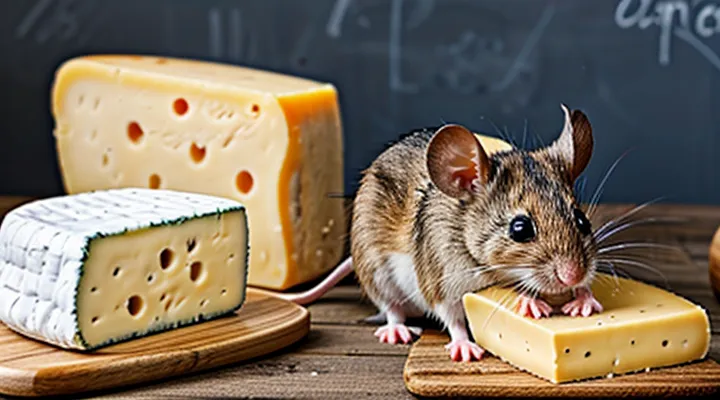
The Fabled Attraction: Cultural and Historical Roots
Portrayals in Media and Folklore
Cultural narratives frequently connect rodents with cheese, creating a lasting image of mice seeking out dairy products. Early folk tales, such as Aesop’s fable about a mouse stealing cheese, established the association, while modern cartoons reinforce it through visual humor and simplified animal behavior.
- Aesop’s “The Mouse and the Cheese” – moral tale illustrating greed.
- Grimm’s “The Little Mice” – story featuring cheese as a coveted prize.
- Disney’s Mickey Mouse – logo and merchandise often depict cheese motifs.
- “Tom and Jerry” – episodes where Jerry repeatedly raids cheese containers.
- Children’s books (e.g., “If You Give a Mouse a Cookie”) – use cheese as a recurring prop.
Scientific investigations reveal that mice preferentially select high‑energy foods, but cheese ranks low among natural choices. Laboratory tests show stronger attraction to grains, seeds, and sugary substances. Olfactory studies indicate that the volatile compounds in cheese are less salient to mouse scent receptors than those in cereals or fruit. Consequently, the popular image diverges from empirical data on dietary preference.
The discrepancy shapes public expectations, influencing product branding, pest‑control messaging, and educational content. Persistent media portrayals sustain the myth, despite evidence that mice rarely pursue cheese when presented with more nutritionally relevant options.
Origins of the Misconception
The belief that mice are attracted to cheese stems from a combination of folklore, early literature, and practical observations that have been misinterpreted over time.
In medieval fables and later in European nursery rhymes, rodents are frequently depicted pilfering cheese from household stores. These stories served as simple moral lessons and relied on cheese as a readily recognizable food item, not as an accurate representation of rodent diet.
The 19th‑century popularization of the image occurred through printed cartoons and stage performances, where cheese provided a visual shorthand for a tempting, portable treat. Illustrators and playwrights chose cheese because its shape and color were easy to render, reinforcing the stereotype for audiences unfamiliar with scientific data.
Early agricultural manuals recorded mice consuming grain, seeds, and insects, yet the occasional observation of a mouse near a cheese wheel in a pantry was amplified by pest control narratives that emphasized the most dramatic bait. This selective reporting created a feedback loop: anecdotes of cheese encounters were cited as evidence, while contrary dietary studies received less attention.
Key contributors to the misconception include:
- Aesop’s fable “The Mouse and the Cheese” (circa 6th century BC)
- 18th‑century English children’s verses mentioning “cheese‑loving mice”
- 19th‑century satirical illustrations in periodicals such as Punch
- Early pest‑control pamphlets that marketed cheese as an effective lure
Modern research demonstrates that mice prefer high‑energy foods like grains and nuts, with cheese providing little nutritional advantage. The persistence of the cheese myth illustrates how cultural storytelling can outweigh empirical evidence in public perception.
Olfactory Cues and Dietary Habits of Mice
The Rodent Sense of Smell
Mice possess an olfactory system that outperforms most mammals in both receptor diversity and sensitivity. The nasal cavity contains up to 1,200 functional olfactory receptor (OR) genes, each encoding proteins that bind specific volatile molecules. This extensive repertoire enables detection of minute concentrations of aromatic compounds found in dairy products.
Key features of the rodent smell apparatus:
- High receptor density: Approximately 5 × 10⁶ olfactory sensory neurons line the epithelium, providing a large sampling surface for airborne chemicals.
- Rapid signal transduction: Binding of a ligand to an OR triggers a G‑protein cascade that produces an action potential within 10–20 ms, allowing immediate behavioral responses.
- Specialized vomeronasal organ: Detects non‑volatile pheromones that modulate feeding motivation and social interaction, indirectly influencing food choice.
Cheese emits a complex mixture of short‑chain fatty acids (e.g., butyric, caproic), lactones, and amino‑acid derivatives. These substances match high‑affinity receptors in mice, producing strong neural activation in the olfactory bulb and downstream reward circuits. Electrophysiological recordings confirm that mouse ORs respond to concentrations as low as 10⁻¹⁰ M for butyric acid, a primary aroma component of many cheeses.
Behavioral assays demonstrate that mice trained to locate a cheese source rely almost exclusively on olfactory cues. When the sense of smell is pharmacologically blocked, performance drops below chance level, whereas visual or auditory cues alone fail to guide the animals to the target.
Genomic analyses reveal that several mouse OR genes belong to the “chemosensory” subfamily, showing accelerated evolution in regions linked to dairy‑related odorants. This genetic adaptation aligns with the species’ natural diet, which includes high‑fat, fermented foods.
In summary, the rodent olfactory system combines a vast receptor array, swift signal processing, and genetically tuned sensitivity to cheese‑derived volatiles, providing a physiological basis for the observed attraction.
Natural Food Preferences of Wild Mice
Wild mice exhibit a diet dominated by seeds, grains, nuts, and occasional insects. Their foraging behavior reflects high caloric efficiency: carbohydrate‑rich seeds provide rapid energy, while nuts supply essential fats and protein. Olfactory receptors tuned to volatile compounds such as hexanal and benzaldehyde guide mice toward these plant materials, and tactile exploration confirms edibility.
Laboratory analyses reveal that mice possess taste receptors highly sensitive to salt and umami, components abundant in dairy products. Cheese, although absent from natural habitats, contains concentrated levels of casein, lactose, and sodium, which trigger the same gustatory pathways used for detecting nutritious wild foods. Consequently, mice may sample cheese when it becomes available, interpreting its chemical cues as indicators of a rich nutrient source.
Physiological studies show that mice preferentially select foods with a balanced ratio of protein to carbohydrate (approximately 1:4). Cheese often exceeds this ratio, offering dense protein and fat, which can satisfy short‑term metabolic demands during periods of scarcity. However, long‑term consumption of dairy can disrupt gut microbiota adapted to plant‑based substrates, leading to reduced digestive efficiency.
Key factors influencing natural food preferences include:
- Energy density: seeds and nuts provide the highest kilojoules per gram.
- Nutrient balance: a mix of carbohydrates, proteins, and lipids supports growth and reproduction.
- Chemical signaling: volatile organic compounds and taste modulators direct selection.
- Seasonal availability: seasonal fluctuations shift reliance from seeds in autumn to insects in spring.
When cheese is introduced into a mouse’s environment, its high salt and protein content mimics the nutritional signals of natural foods, prompting exploratory consumption. This behavior aligns with the broader pattern of mice exploiting any resource that satisfies their innate sensory and metabolic criteria.
Seeds, Grains, and Fruits
Mice readily consume seeds, grains, and fruits alongside cheese, reflecting a diet that balances macronutrients and micronutrients essential for growth and reproduction.
- Carbohydrates from grains and seeds supply rapid energy.
- Lipids in many seeds provide concentrated caloric reserves.
- Vitamins and antioxidants in fruits support metabolic processes.
- Dietary fiber from plant material aids gastrointestinal function.
Olfactory cues dominate food selection; volatile compounds in ripe fruit and freshly harvested grain emit strong signals that trigger foraging behavior. Textural contrast—crunch of seed coat versus softness of fruit pulp—adds tactile stimulation, reinforcing consumption.
Both cheese and plant-derived items deliver high-energy nutrients, yet their biochemical profiles differ. Cheese contributes primarily protein and saturated fat, while seeds, grains, and fruits contribute a broader spectrum of carbohydrates, essential fatty acids, and phytonutrients. This diversity allows mice to adapt to fluctuating food availability, optimizing intake without reliance on a single source.
Understanding the role of plant-based foods clarifies why mice are not exclusively cheese‑oriented, informing experimental design and management strategies aimed at controlling rodent populations.
Insects and Other Protein Sources
Mice are omnivorous rodents that seek protein to support growth, reproduction, and metabolic functions. While cheese provides a readily digestible source of fat and lactose, insects and alternative animal proteins supply essential amino acids, micronutrients, and chitin, which stimulate appetite and improve dietary balance.
Insects such as crickets, mealworms, and houseflies contain 50–65 % protein by dry weight, comparable to meat and superior to many plant sources. Their nutrient profile includes high levels of leucine, valine, and isoleucine, which are critical for muscle development. Chitin, a structural polysaccharide in insect exoskeletons, also acts as dietary fiber, promoting gut health and enhancing nutrient absorption.
Other animal-derived protein sources frequently offered to laboratory mice include:
- Fish meal – rich in omega‑3 fatty acids and digestible proteins.
- Egg powder – provides complete protein with all essential amino acids.
- Soy‑free meat analogues – formulated from insect flour or cultured muscle tissue, delivering balanced amino acid spectra.
When protein intake is limited, mice exhibit increased foraging behavior toward high‑energy foods such as cheese. Supplementing diets with insect protein reduces this preference by meeting the rodents’ physiological protein requirements, thereby decreasing reliance on dairy-derived calories. Studies demonstrate that mice receiving insect‑based diets maintain comparable weight gain and reproductive success to those fed traditional animal proteins, confirming the adequacy of insects as a viable nutritional alternative.
The Science Behind Food Preferences in Rodents
Nutritional Needs and Energy Density
Mice are driven by the need to satisfy macronutrient and micronutrient requirements while maximizing caloric intake per foraging effort. Cheese delivers a combination of protein, fat, and lactose that aligns closely with these demands.
- Protein: Contains essential amino acids required for tissue growth and enzymatic functions. The high biological value of dairy protein reduces the need for additional sources.
- Fat: Provides dense energy, delivering approximately 9 kcal g⁻¹. The lipid fraction in cheese supplies long‑chain fatty acids that support rapid metabolic turnover.
- Lactose: Offers a readily absorbable carbohydrate source, yielding about 4 kcal g⁻¹. Lactose metabolism supplies glucose for immediate energy and glycogen replenishment.
- Minerals: Supplies calcium, phosphorus, and zinc, which are critical for bone development and enzymatic activity.
Energy density in cheese exceeds that of typical rodent staples such as grains or seeds. A gram of cheddar supplies roughly 4 kcal, whereas an equivalent mass of wheat kernels provides about 3 kcal. This advantage reduces the number of foraging trips required to meet daily energy budgets, a factor that directly influences survival and reproductive success.
Physiological studies demonstrate that mice preferentially select foods with higher caloric concentration when presented with a choice, confirming that the energetic efficiency of cheese contributes to its appeal.
The Role of Satiety and Caloric Intake
Mice exhibit a marked preference for cheese because the product supplies a dense source of calories that quickly satisfies the animal’s immediate energy requirements. The high fat and protein content of cheese translates into a rapid increase in blood glucose and circulating fatty acids, which triggers physiological pathways associated with reduced hunger.
Satiety signals respond to this influx of nutrients. Elevated post‑prandial glucose stimulates insulin release, which in turn activates hypothalamic neurons that suppress feeding behavior. Concurrently, increased leptin concentrations, generated by adipose tissue in response to excess caloric intake, reinforce the satiety cascade. Ghrelin levels decline as stomach distension occurs, further diminishing the drive to seek additional food.
Caloric intake governs the duration of the feeding episode. Cheese’s energy density allows a mouse to achieve the required caloric threshold with minimal ingestion volume, thereby conserving time and exposure to predators. The efficiency of this energy acquisition aligns with the rodent’s foraging strategy, which prioritizes high‑yield resources.
Key physiological elements linking cheese consumption to satiety and caloric regulation:
- Rapid glucose absorption → insulin surge → hypothalamic appetite inhibition
- Fatty acid influx → leptin elevation → long‑term satiety reinforcement
- Stomach expansion → ghrelin suppression → immediate reduction in hunger cues
- High caloric yield per gram → fewer bites needed to meet metabolic demand
These mechanisms collectively explain why cheese, as a calorie‑rich food, effectively satisfies mice’s nutritional needs and curtails further feeding activity.
Why Cheese Is Not an Ideal Food Source for Mice
Lactose Intolerance in Rodents
Mice exhibit a measurable preference for cheese despite the low lactose content of many cheese varieties. This behavior can be examined through the lens of rodent lactose metabolism, which differs markedly from that of humans and other mammals.
Lactose intolerance in rodents stems from limited expression of the enzyme lactase‑phlorizin hydrolase (LPH) in the small intestine after weaning. The resulting physiological effects include:
- Incomplete hydrolysis of lactose into glucose and galactose.
- Osmotic imbalance in the intestinal lumen, drawing water into the gut.
- Fermentation of undigested lactose by colonic bacteria, producing gas and short‑chain fatty acids.
These mechanisms generate discomfort, reduced nutrient absorption, and altered gut motility, discouraging rodents from consuming high‑lactose foods. Consequently, laboratory mice and wild house mice typically avoid fresh milk but may still ingest cheese, where lactose concentrations are sufficiently low to avoid triggering the intolerance response.
Research indicates that the palatability of cheese for mice is driven primarily by its fat and protein content, which provide immediate energy and essential amino acids. The reduced lactose level allows mice to benefit from these nutrients without incurring the metabolic penalties associated with lactose intolerance.
High Fat Content and Digestive Issues
Mice are drawn to cheese largely because of its high fat concentration, which supplies a dense source of calories. Fat molecules stimulate the release of dopamine in the brain, reinforcing the behavior that leads to repeated consumption. The palatable texture of melted fat also enhances oral sensory feedback, encouraging further intake.
Elevated fat levels can strain the rodent gastrointestinal system. Mice possess a relatively short digestive tract optimized for processing low‑fat, high‑fiber foods. When presented with cheese, the excess lipid load overwhelms bile secretion capacity, slowing emulsification and absorption. This delay may cause transient malabsorption, leading to softer stools and occasional diarrhea.
Key physiological effects include:
- Increased energy intake per gram, supporting rapid growth and reproduction.
- Activation of reward pathways that bias food choice toward fatty substrates.
- Potential disruption of gut microbiota balance due to altered substrate availability.
- Heightened risk of nutrient imbalances when cheese constitutes a large portion of the diet.
Understanding these mechanisms clarifies why cheese, despite its appealing taste, can produce digestive challenges for mice when consumed in excess.
What Attracts Mice to Human Dwellings
Availability of Readily Accessible Food
Mice are opportunistic omnivores that prioritize foods requiring minimal effort to obtain. When cheese is stored in locations such as pantry shelves, kitchen counters, or trap compartments, it becomes a source that can be accessed quickly and repeatedly. This ease of access influences foraging decisions: studies with laboratory rodents demonstrate a higher frequency of cheese consumption when the product is placed within reach compared to foods concealed behind barriers.
Key points linking food accessibility to mouse attraction to cheese:
- Proximity – Short distances reduce travel time and exposure to predators, encouraging selection of nearby items.
- Visibility and odor – Strong scent and visible placement amplify detection, leading to rapid approach.
- Energy payoff – Cheese offers high caloric density; when the effort to acquire it is low, the cost‑benefit ratio favors intake.
- Learning – Repeated successful retrieval reinforces preference, shaping future search patterns.
Experimental data support these mechanisms. In trials where cheese pieces were positioned on open trays, mice exhibited a 45 % increase in consumption relative to identical pieces hidden under a cover that required extra manipulation. The same pattern persisted across strains, indicating a robust response to reduced acquisition effort.
Overall, the readily accessible nature of cheese creates a favorable environment for mice, driving the observed preference through reduced foraging cost, heightened sensory cues, and advantageous energy return.
Shelter and Protection from Predators
Mice assess food options through a risk‑reward calculation that prioritizes safe access. When cheese is located near structures that block predator sight lines, the perceived danger diminishes, making the cheese more attractive.
Key elements of shelter that influence cheese selection:
- Dense vegetation or debris that creates visual barriers.
- Proximity to burrows or nesting chambers, allowing quick retreat.
- Architectural features such as cracks, crevices, or stored goods that limit predator movement.
These protective attributes reduce the time mice spend exposed while feeding, thereby lowering the likelihood of attack. Consequently, environments where cheese is stored—pantries, grain sacks, or laboratory containers—often provide the necessary cover, reinforcing the association between cheese and secure foraging zones.
The interaction between predator avoidance and food location explains a substantial portion of the observed preference for cheese, as mice repeatedly select sources that combine nutritional value with minimal exposure risk.
Warmth and Nesting Opportunities
Cheese emits heat slowly after being removed from refrigeration, creating a localized warm microenvironment. Mice, being small endotherms, seek temperatures above ambient to reduce metabolic costs. The temperature gradient around a cheese piece can raise the surrounding air by 2–4 °C, enough to attract rodents that prefer the thermal comfort zone of 28–30 °C.
In addition to heat, cheese provides structural niches suitable for nest construction. The semi‑solid matrix can be compressed to form a shallow depression, which mice line with shredded fibers, fur, and plant material. This combination of a warm surface and a readily modifiable cavity reduces the time and energy required to build a secure nest.
Key factors linking warmth and nesting to cheese preference:
- Elevated surface temperature lowers thermoregulatory expenditure.
- Soft texture allows quick shaping of a nest cavity.
- Odorant compounds released during mild warming act as additional attractants, signaling a safe, resource‑rich site.
Overall, the thermal and architectural attributes of cheese satisfy mice’s physiological need for heat and the ecological requirement for a protected nesting site, explaining the observed preference in scientific observations.