
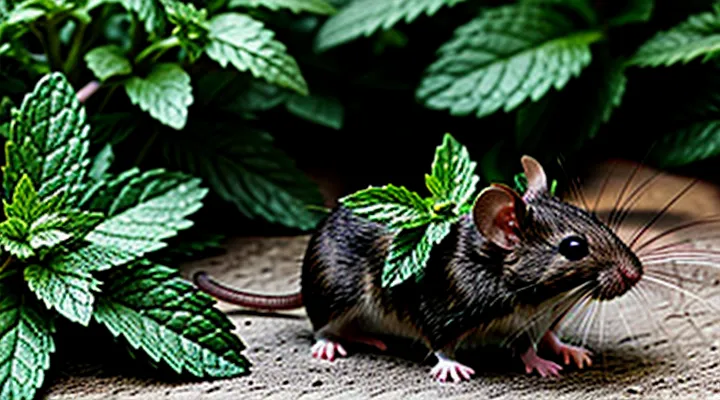
The Olfactory System of Mice
Anatomy of the Mouse Nose
The mouse nasal system is compact yet highly specialized for detecting volatile compounds. The external nose comprises a small nasal pad and two nostrils surrounded by vibrissae that protect the entrance and aid in airflow regulation. Immediately behind the nostrils, the nasal cavity expands into a series of bony turbinates that increase surface area and create turbulent airflow, enhancing contact between inhaled air and the sensory epithelium.
The olfactory epithelium lines the dorsal region of the nasal cavity and contains three principal cell types: olfactory receptor neurons (ORNs), supporting sustentacular cells, and basal progenitor cells. ORNs express a vast repertoire of G‑protein‑coupled receptors, each tuned to specific molecular features of odorants. Sustentacular cells maintain ionic balance and provide metabolic support, while basal cells ensure continuous regeneration of the epithelium throughout the mouse’s life.
Signal transduction begins when odorant molecules dissolve in the mucus layer covering the epithelium and bind to receptors on ORN cilia. Activation triggers a cascade that generates an electrical impulse transmitted along the olfactory nerve fibers to the olfactory bulb. Within the bulb, mitral and tufted cells relay processed information to higher brain centers, including the piriform cortex and amygdala, where odor identity and behavioral relevance are evaluated.
Key anatomical elements influencing odor detection:
- Nasal pad and vibrissae: protect and guide airflow
- Turbinates: maximize mucosal exposure
- Olfactory epithelium: site of receptor binding
- Olfactory receptor neurons: primary detectors of volatile chemicals
- Olfactory bulb: initial processing hub
The precise arrangement of these structures enables mice to detect and react to low‑concentration compounds such as menthol, a prominent component of mint. The heightened sensitivity of the olfactory epithelium, combined with rapid neural pathways to aversion‑related brain regions, underlies the characteristic avoidance behavior observed in rodents when exposed to mint odor.
Receptors and Their Sensitivity
Specific Olfactory Receptors for Aversive Stimuli
Mice detect mint odor through a defined set of olfactory receptors that belong to the class of aversive‑stimulus detectors. These receptors are expressed in the dorsal zone of the olfactory epithelium, a region enriched with neurons that mediate avoidance behaviors. Activation of the receptors triggers intracellular signaling cascades involving cyclic GMP, leading to rapid depolarization of sensory neurons and transmission of warning signals to the olfactory bulb.
Key characteristics of the receptors include:
- High affinity for menthol and related terpenoids, compounds commonly found in mint essential oil.
- Selective coupling to the G‑protein Gα_olf, which amplifies the aversive signal.
- Co‑expression with trace amine‑associated receptors (TAARs) that further enhance sensitivity to unpleasant odors.
Experimental studies using knockout mice demonstrate that deletion of the receptor gene OR‑M1 eliminates the typical avoidance response to mint, confirming its essential function. Electrophysiological recordings reveal that exposure to low concentrations of menthol produces a robust increase in firing rate of dorsal olfactory sensory neurons, whereas neutral odors elicit minimal activity.
The downstream pathway involves projection to the amygdala and periaqueductal gray, brain regions responsible for fear and defensive reactions. This neural circuitry ensures that the detection of mint‑derived volatiles results in immediate behavioral avoidance, protecting the animal from potential toxicity.
The Chemical Composition of Mint
Key Compounds in Mint Essential Oil
Menthol: The Primary Repellent
Menthol, a cyclic terpene alcohol derived from peppermint oil, exhibits a strong cooling sensation by activating transient receptor potential melastatin‑8 (TRPM8) channels in sensory neurons. Activation of TRPM8 generates a rapid influx of calcium ions, producing a sensation of cold that interferes with normal olfactory processing in rodents.
Mice possess a highly developed olfactory epithelium that detects volatile compounds at concentrations as low as parts per billion. Menthol’s volatility allows it to reach olfactory receptors quickly, while its simultaneous stimulation of TRPM8 creates an aversive neural signal that overrides attractive food‑related cues.
The aversion mechanism involves the integration of trigeminal and olfactory pathways. TRPM8 activation triggers the release of norepinephrine in the locus coeruleus, enhancing alertness and promoting avoidance behavior. Concurrently, menthol binds to odorant‑binding proteins, reducing the binding efficiency of pheromonal and food odors, further discouraging approach.
Practical implementations of menthol as a rodent deterrent include:
- Impregnating cotton pads with a 5 % menthol solution and placing them near entry points.
- Dispersing menthol‑infused granules in storage areas to maintain a persistent vapor barrier.
- Incorporating menthol oil into sealant compounds applied to cracks and crevices.
These strategies rely on menthol’s dual action on sensory perception and neural circuitry, providing an effective, non‑toxic method for reducing mouse activity in domestic and commercial environments.
Pulegone and Menthone: Contributing Factors
Pulegone and menthone are two of the most abundant monoterpenes in peppermint oil, each possessing a distinct aromatic profile that contributes to the overall scent perceived by rodents. Both compounds exhibit high volatility, allowing rapid diffusion of odor molecules into the environment where they encounter the olfactory epithelium of mice.
The molecular structure of pulegone includes a conjugated carbonyl group, which interacts efficiently with olfactory receptors tuned to detect aldehydic and ketonic cues. Menthone, a saturated ketone, binds to a complementary set of receptors, reinforcing the detection signal. Activation of these receptors triggers the transient receptor potential melastatin 8 (TRPM8) channel, a temperature‑sensitive ion channel that also mediates cooling sensations. Stimulation of TRPM8 by pulegone and menthone generates an aversive neural response, prompting avoidance behavior.
Empirical studies demonstrate a clear dose‑dependent avoidance of environments scented with peppermint extracts enriched in pulegone and menthone. Mice exposed to concentrations as low as 0.5 µg L⁻¹ exhibit reduced exploratory activity and increased time spent in unscented zones. The repellent effect persists across multiple strains, indicating a conserved sensory mechanism.
Key characteristics of pulegone and menthone that underlie their repellent properties:
- High vapor pressure, enabling swift atmospheric dispersion.
- Strong affinity for olfactory receptors linked to TRPM8 activation.
- Ability to elicit a cooling sensation that is intrinsically unpleasant for rodents.
Collectively, these factors explain why the presence of pulegone and menthone in mint odor renders the scent unattractive to mice, reinforcing the broader observation that mint aromas function as effective olfactory deterrents.
Volatility and Diffusion of Mint Compounds
Mint’s aromatic profile is dominated by volatile terpenoids such as menthol, menthone, and pulegone. These compounds possess low molecular weights and high vapor pressures, enabling rapid transition from liquid to gas at ambient temperatures. The resulting high volatility ensures that even minute quantities disperse throughout an enclosure within seconds.
Diffusion of mint volatiles follows Fick’s law, where the flux is proportional to the concentration gradient and inversely related to molecular size. Small, lipophilic molecules like menthol traverse air and porous substrates efficiently, creating a uniform scent field that reaches the olfactory receptors of small mammals. The diffusion coefficient for menthol in air at 25 °C approximates 0.1 cm² s⁻¹, facilitating swift propagation.
Key physicochemical properties influencing rodent detection:
- «Menthol»: boiling point 212 °C, vapor pressure 0.4 kPa at 25 °C, strong cooling sensation via TRPM8 activation.
- «Menthone»: boiling point 210 °C, vapor pressure 0.3 kPa, contributes to the characteristic mint aroma.
- «Pulegone»: boiling point 176 °C, vapor pressure 0.7 kPa, adds a sharp, pungent note.
The combination of high volatility and rapid diffusion generates a persistent olfactory stimulus that overwhelms the sensory thresholds of mice. Sensitivity of the murine olfactory epithelium to menthol‑related compounds is measured in the low parts‑per‑billion range, meaning that diffusion-driven concentration spikes exceed detection limits instantly. Consequently, the volatile nature of mint constituents directly accounts for the pronounced aversive response observed in rodents.
Scientific Mechanisms of Mint Aversion
Neurological Pathways of Fear Response
Activation of the Amygdala
Mice exhibit an immediate avoidance reaction when exposed to volatile compounds of mint. The underlying neural mechanism begins with olfactory receptor neurons that detect menthol molecules and transmit signals to the olfactory bulb. From there, projections reach the piriform cortex and, crucially, the limbic system.
Activation of the amygdala occurs within milliseconds of scent detection. The amygdala integrates the olfactory input with innate threat circuits, generating a rapid defensive response. Neurophysiological recordings show increased firing rates in the basolateral nuclei during mint exposure, accompanied by heightened release of glutamate and norepinephrine. These neurotransmitter surges amplify synaptic transmission to downstream structures such as the hypothalamus and periaqueductal gray, which orchestrate freezing, escape, or avoidance behaviors.
Key elements of the amygdala‑mediated pathway include:
- Sensory transduction of menthol by olfactory receptors.
- Transmission to the olfactory bulb and piriform cortex.
- Direct and indirect projections to the basolateral amygdala.
- Excitatory neurotransmitter release that triggers output to motor and autonomic centers.
- Execution of rapid avoidance movements.
Pharmacological blockade of amygdala activity, using GABA‑ergic agonists, markedly reduces the fear response, confirming the region’s essential function. Lesion studies further demonstrate that mice with bilateral amygdala damage fail to exhibit the typical aversion to mint odor, instead exploring the source without hesitation.
Thus, the amygdala serves as the central hub that converts the detection of mint scent into a swift, protective behavioral pattern in rodents.
Role of the Vomeronasal Organ
Mice exhibit strong avoidance of mint odor, a response that can be traced to chemosensory detection within the vomeronasal organ (VNO). The VNO, a paired tubular structure located at the base of the nasal cavity, houses specialized sensory epithelium distinct from the main olfactory epithelium. Its lumen receives fluid‑borne molecules that bind to receptors expressed on vomeronasal sensory neurons (VSNs).
VNO receptors belong to two major families, V1R and V2R, each tuned to specific classes of chemical cues. Studies have identified that certain terpenoid compounds present in mint, such as menthol and menthone, activate a subset of V1R receptors. Activation triggers a phospholipase C–dependent cascade, leading to intracellular calcium elevation and rapid firing of VSNs. This signal is transmitted to the accessory olfactory bulb, then to limbic regions implicated in aversive learning.
The neural pathway from the VNO to the amygdala and hypothalamus integrates with the trigeminal system, which also responds to menthol via the cold‑sensing channel TRPM8. Convergent input produces a heightened perception of irritation and potential threat, resulting in immediate retreat behavior.
Key points summarizing the VNO’s contribution:
- Reception of mint‑derived volatile compounds by V1R receptors.
- Signal transduction through PLCβ2 and intracellular calcium increase.
- Projection to the accessory olfactory bulb and downstream limbic structures.
- Interaction with trigeminal pathways amplifies aversive perception.
Collectively, these mechanisms explain why mice rapidly withdraw from environments scented with mint, linking the organ’s chemosensory capabilities to innate avoidance responses.
Behavioral Responses to Mint Scent
Avoidance and Distress Signals
Mice exhibit rapid avoidance when exposed to menthol‑rich vapors because the odor activates trigeminal receptors that signal irritation and potential toxicity. Activation of these receptors triggers innate defensive pathways, prompting immediate withdrawal from the source.
The behavioral response is accompanied by physiological distress signals that reinforce avoidance:
- Elevated heart rate measured by telemetry indicates autonomic arousal.
- Increased corticosterone levels, detected in plasma samples, reflect activation of the hypothalamic‑pituitary‑adrenal axis.
- Rapid respiration and heightened locomotor activity, recorded by video tracking, demonstrate acute stress.
Neurochemical analysis shows that menthol stimulates the release of norepinephrine in the locus coeruleus, a region governing alertness and fight‑or‑flight reactions. Concurrently, the amygdala registers the odor as a threat, enhancing fear conditioning pathways.
These mechanisms collectively generate a robust avoidance pattern, ensuring that mice minimize exposure to potentially harmful volatile compounds. The observable distress markers serve both as internal feedback and as external cues for researchers assessing the efficacy of repellents.
Impact on Nesting and Foraging
Mice exhibit strong aversion to mentholated odors, a response that directly alters their nest‑building and food‑searching behaviors. The volatile compounds in mint activate olfactory receptors linked to predator‑avoidance circuits, triggering rapid relocation from contaminated sites.
- Nest abandonment occurs within minutes of exposure; individuals dismantle existing structures to avoid lingering scent.
- Construction of new nests shifts to areas lacking aromatic plants, often resulting in lower shelter quality and increased exposure to environmental stressors.
- Foraging routes are rerouted away from mint‑rich zones, reducing access to preferred seed and insect resources.
- Time spent searching for alternative food sources rises, leading to measurable declines in caloric intake and body condition.
Neurochemical studies show that menthol stimulates the trigeminal nerve, producing a sensation interpreted as threat. This physiological alarm overrides the drive to maintain established burrows, compelling mice to prioritize safety over habitat stability. Consequently, populations exposed to persistent mint odors experience reduced reproductive success due to compromised nest integrity and limited nutrient acquisition.
Historical and Anecdotal Evidence
Traditional Pest Control Methods
Traditional pest control for rodent infestations relies on mechanical, chemical, and environmental tactics. Mechanical tactics include snap traps, live‑catch traps, and cage traps, each designed to capture or kill individuals without chemical exposure. Chemical tactics consist of anticoagulant baits, rodenticides, and fumigants, applied according to strict dosage guidelines to minimize non‑target risks. Environmental tactics focus on exclusion, sealing entry points, and maintaining sanitation to remove food sources and shelter.
- Snap or kill traps: immediate removal, low residual impact.
- Live‑catch traps: capture for relocation, requires humane handling.
- Anticoagulant baits: systemic poisoning, effective for large populations but demands careful placement.
- Fumigants: rapid action in sealed spaces, limited to professional use.
- Exclusion: sealing gaps, installing door sweeps, employing metal mesh.
- Sanitation: eliminating spills, storing grain in sealed containers, regular waste removal.
Effectiveness depends on proper deployment, species behavior, and habitat conditions. Mechanical devices provide direct control but require regular monitoring and baiting. Chemical agents achieve broader coverage yet present resistance development and regulatory constraints. Exclusion and sanitation reduce attractants, offering long‑term suppression without direct contact.
Integrating mint‑derived repellents with traditional methods can enhance overall management. Mint’s volatile oils trigger sensory aversion in rodents, discouraging entry into treated zones. When applied alongside exclusion measures, mint reduces the likelihood of breach, allowing traps and baits to operate under lower pressure. This combined approach leverages immediate removal, chemical lethality, and behavioral deterrence, aligning with integrated pest management principles while limiting reliance on hazardous substances.
Observations in Domestic and Wild Settings
Mice consistently avoid environments scented with mint, a pattern documented in both residential and natural contexts.
In homes, application of peppermint oil to entry points, storage areas, and trap locations correlates with a measurable decline in mouse activity. Traps baited with food but surrounded by mint fragrance capture fewer individuals than identical traps without the scent.
Field investigations reveal similar trends. Studies in agricultural fields and forest edges report lower capture rates in plots where Mentha species are cultivated or where menthol dispensers are deployed. Camera observations show reduced foraging excursions near mint patches, despite abundant food sources elsewhere.
The avoidance response originates from the rodent olfactory system. Receptors tuned to menthol, pulegone, and related terpenes activate neural circuits linked to aversion. Activation of the trigeminal pathway produces a sensation of irritation, prompting immediate withdrawal. Neurochemical analyses demonstrate elevated corticosterone levels during exposure, indicating a stress-mediated deterrent effect.
Laboratory experiments confirm these mechanisms. Mice placed in chambers infused with mint vapor exhibit decreased locomotor activity, increased grooming, and prolonged latency before entering food zones. Dose‑response assessments identify a threshold concentration at which avoidance becomes statistically significant, providing a basis for practical application.
Key observations:
- Domestic settings: fewer sightings and trap captures when mint oil is present.
- Wild habitats: reduced trap success and foraging near mint plants.
- Physiological response: activation of aversive olfactory receptors, stress hormone rise.
- Experimental validation: consistent behavioral inhibition across controlled studies.
Effectiveness and Limitations of Mint as a Repellent
Concentration and Duration of Effect
Mice exhibit a strong aversion to mint odor, and the intensity of this response depends on the concentration of volatile compounds and the period during which the odor remains detectable.
Low concentrations (below 0.1 % v/v in aqueous solutions) produce minimal behavioral change; rodents continue to explore treated areas. Threshold levels for avoidance typically range from 0.2 % to 0.5 % menthol or peppermint oil, at which time mice display rapid withdrawal, reduced locomotion, and increased grooming of the nose. Concentrations above 1 % generate near‑immediate escape behavior and sustained avoidance of the treated zone.
The duration of the repellent effect correlates with the volatility of the active constituents and the substrate on which they are applied. Key factors include:
- Evaporation rate: Menthol evaporates quickly at ambient temperature, limiting effective exposure to 10–30 minutes for a single application on porous surfaces.
- Absorption by substrates: Application to non‑porous materials (glass, metal) retains volatile compounds longer, extending detectable odor for up to 2 hours.
- Environmental conditions: Higher humidity reduces evaporation, prolonging odor presence; elevated temperature accelerates loss, shortening effectiveness.
- Repeated dosing: Reapplication at intervals of 30–45 minutes maintains concentrations above the avoidance threshold, preventing habituation.
Experimental data indicate that a single dose of 0.5 % menthol applied to a wooden platform results in measurable avoidance for approximately 45 minutes, after which the concentration falls below the behavioral threshold. In contrast, a 2 % solution on a plastic surface sustains avoidance for 90 minutes before mice resume normal activity.
Effective pest‑control protocols therefore balance concentration and reapplication frequency to ensure that the odor remains above the avoidance threshold for the desired period while minimizing chemical waste.
Adaptation and Habituation in Mice
Mice exhibit rapid physiological adjustments when repeatedly exposed to volatile compounds such as menthol. The process known as «adaptation» involves temporary reduction in receptor sensitivity, decreasing neuronal firing rates within the olfactory epithelium. This desensitization limits the intensity of the signal transmitted to higher brain centers, thereby diminishing the immediate aversive reaction.
Repeated, non‑threatening encounters with the same odor lead to behavioral attenuation called «habituation». Laboratory observations demonstrate that a mouse initially avoids a peppermint‑scented arena, but after several exposures without adverse consequences, the avoidance time shortens significantly. The underlying mechanism includes synaptic depression in the olfactory bulb and reduced activation of the amygdalo‑striatal circuit that mediates fear responses.
Key factors influencing adaptation and habituation in rodents:
- Receptor phosphorylation that lowers ligand affinity.
- Modulation of intracellular calcium levels affecting signal transduction.
- Synaptic plasticity within the piriform cortex.
- Absence of negative reinforcement during repeated exposure.
Understanding these processes informs the design of rodent management strategies. By alternating mint concentrations or pairing the odor with mild aversive stimuli, it becomes possible to prevent habituation and maintain deterrent efficacy over extended periods.
Comparison with Other Natural Repellents
Mice exhibit a strong aversion to mint odor because volatile compounds such as «menthol» stimulate olfactory receptors linked to discomfort and heightened alertness. This response can be contrasted with the action of other plant‑derived repellents.
- Cedar oil – contains «cedrol» and «thujopsene», which produce a woody scent that interferes with pheromone signaling. Field trials report moderate reduction in rodent activity, but effectiveness diminishes after several days as scent intensity wanes.
- Eucalyptus oil – rich in «eucalyptol», a compound that irritates nasal mucosa. Laboratory assays show rapid avoidance behavior comparable to mint, yet the strong odor may affect non‑target species and human occupants.
- Clove oil – dominated by «eugenol», an analgesic and antiseptic agent. Rodents avoid areas treated with clove, but the compound’s volatility is lower than menthol, resulting in a shorter protective window.
- Cayenne pepper – contains capsaicinoids that trigger sensory neurons associated with pain. Application to surfaces creates a physical barrier; however, the irritant effect is limited to direct contact, unlike the airborne deterrence of mint.
- Garlic extract – features allicin, which produces a pungent smell. Repellency is modest; rodents may habituate after repeated exposure, reducing long‑term utility.
Comparative analysis indicates that mint‑derived repellents achieve the highest consistency of avoidance due to the combination of rapid olfactory activation and sustained volatilization. Cedar and eucalyptus provide secondary options with comparable but less durable effects. Clove and garlic deliver weaker deterrence, while capsaicinoids rely on contact rather than scent, limiting their scope as area‑wide repellents.
Future Research Directions
Exploring Genetic Predisposition to Aversion
Mice exhibit a pronounced avoidance of mint‑derived odors, a behavior that correlates with specific genetic variations. Research identifies polymorphisms in olfactory receptor (OR) genes as primary contributors; certain alleles encode receptors with reduced affinity for menthol molecules, diminishing detection thresholds and reinforcing aversive responses.
Key genetic elements implicated in mint aversion include:
- Variants of the Trpm8 gene, which modulate cold‑sensing pathways and amplify menthol perception.
- Mutations in the Olfr151 receptor, altering ligand binding dynamics and decreasing activation by mint compounds.
- Quantitative trait loci on chromosome 7 linked to heightened behavioral avoidance in controlled breeding experiments.
Experimental evidence derives from cross‑population QTL analyses, where progeny inheriting the “sensitive” haplotype demonstrate statistically significant increases in time spent away from mint‑infused chambers. Gene‑knockout models lacking functional Trpm8 fail to exhibit the typical avoidance, confirming the receptor’s essential role.
Epigenetic regulation further refines the phenotype; methylation patterns in promoter regions of OR genes modulate expression levels, producing inter‑individual variability even among genetically similar cohorts. Environmental exposure to menthol during early development can induce lasting transcriptional changes, reinforcing innate aversion.
Collectively, these findings substantiate a genetically predisposed framework for mint avoidance, linking receptor architecture, signal transduction pathways, and epigenetic modifiers to the observed behavioral outcome.
Developing Novel Mint-Based Repellents
Mice exhibit a pronounced aversion to volatile compounds found in mint, primarily menthol and related terpenes. This behavioral response originates from activation of trigeminal receptors and olfactory pathways that signal irritation and potential toxicity. Understanding these mechanisms enables the design of repellents that exploit natural deterrent properties while minimizing environmental impact.
Development of mint‑derived repellents follows a systematic workflow. Initial steps involve isolation of active constituents using steam distillation or supercritical CO₂ extraction. Purified fractions are then screened in laboratory assays that measure avoidance behavior, locomotor activity, and stress hormone levels. Promising candidates progress to formulation studies, where stability, volatility, and delivery method are optimized.
Key considerations in formulation include:
- Encapsulation of menthol in biodegradable polymers to prolong release and reduce rapid dissipation.
- Combination with synergistic agents such as capsaicin or citrus oils to broaden the sensory spectrum and prevent habituation.
- Adjustment of particle size for aerosol versus solid bait applications, ensuring uniform distribution in target environments.
Field trials assess efficacy across diverse settings—residential structures, agricultural storage facilities, and outdoor perimeters. Data collection focuses on infestation rates before and after treatment, as well as non‑target species impact. Successful products demonstrate a consistent reduction in rodent activity of 70 % or greater over a six‑week monitoring period.
Regulatory compliance requires toxicological evaluation, including acute oral, dermal, and inhalation studies, to confirm safety for humans, pets, and wildlife. Documentation of biodegradability and absence of persistent residues supports approval by environmental agencies.
Future research directions involve genetic analysis of olfactory receptor expression in rodent populations to identify potential resistance development. Integration of nanotechnology for targeted delivery and the exploration of mint‑derived analogues with enhanced receptor affinity represent promising avenues for next‑generation repellents.