
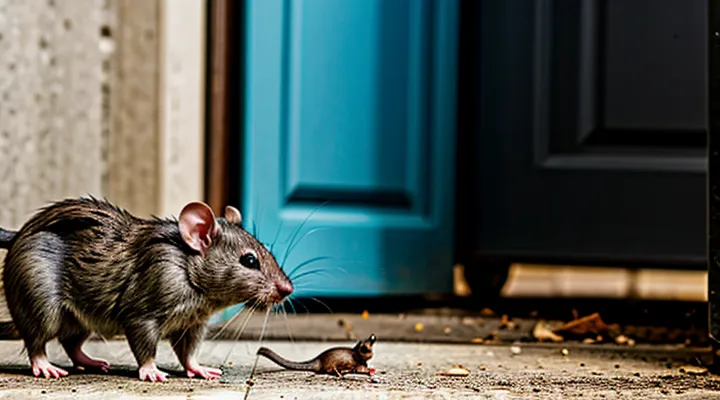
Understanding Rat Behavior
Natural Instincts and Social Dynamics
Territoriality and Dominance
Rats protect defined spaces by confronting intruders, and biting serves as an immediate enforcement mechanism. When an unfamiliar rat enters a burrow or a food cache, the resident perceives a breach of its territory. The response includes rapid, aggressive lunges that often end with a bite, delivering pain and a chemical deterrent that discourages future incursions.
Dominance hierarchies intensify this behavior. Higher‑ranking individuals assert control over resources and subordinate members through frequent biting. The act reinforces status, limits challenges, and stabilizes the social structure. Subordinates learn to avoid direct confrontation, reducing the frequency of costly fights.
Key factors linking territoriality and dominance to biting:
- Resource defense: Food, nesting sites, and shelter trigger aggressive protection.
- Rank reinforcement: Bites signal superiority, maintaining the hierarchy.
- Risk mitigation: Immediate aggression deters repeated attempts to breach boundaries.
- Chemical signaling: Saliva contains pheromones that mark the aggressor’s dominance.
Understanding these mechanisms explains why bite incidents often occur during cage introductions, habitat rearrangements, or when external rodents approach established colonies. Controlling environmental variables—limiting space overlap and minimizing rank disruptions—reduces the likelihood of aggressive bites.
Parental Protection
Rats often bite when they perceive a threat to their offspring. Maternal and paternal instincts drive aggressive defense of nests, litters, and juveniles. When a human or predator approaches, the adult rat interprets contact as a potential danger and reacts with a rapid, forceful bite to deter the intruder.
Key aspects of parental protection that trigger biting include:
- Nest proximity – rats remain close to the burrow or nesting material; any disturbance near this zone provokes immediate aggression.
- Offspring vocalizations – squeaks or cries from pups heighten the adult’s alertness, lowering the threshold for a defensive bite.
- Physical contact with pups – handling juveniles or the nest triggers a reflexive bite response to prevent perceived harm.
- Territorial scent marking – strong odor cues around the nest amplify the adult’s readiness to defend, leading to quicker bite execution.
These behaviors stem from evolutionary pressures that favor offspring survival. The adult’s bite serves as a deterrent, protecting the genetic investment against encroachment. Understanding this protective drive helps predict when rats are most likely to bite and informs safe handling practices.
Common Behavioral Triggers for Biting
Fear and Stress Responses
Startle Reflex
Rats bite primarily when the startle reflex escalates into a defensive attack. The reflex is an involuntary response to sudden, unexpected stimuli such as rapid movement, loud sounds, or abrupt shadows. When a rat perceives a threat, sensory neurons transmit the signal to the brainstem, which triggers a cascade of muscular contractions and heightened arousal. This prepares the animal for rapid escape or, if retreat is impossible, for aggressive protection of its territory.
Key characteristics of the startle reflex in rats include:
- Immediate muscle tension in the forelimbs and jaw muscles.
- Increased heart rate and adrenaline release.
- Rapid orientation toward the source of the stimulus.
If the perceived danger persists, the reflex can transition from a flight response to a bite. The bite serves as a direct means of neutralizing the threat when escape is blocked. Understanding this progression clarifies why seemingly benign encounters—such as handling a cage or reaching into a nest—can provoke biting behavior in rats.
Perceived Threat
Rats bite when they interpret a situation as a direct threat to their safety. The assessment of danger triggers a defensive response that can manifest as a bite, even if the animal has never been previously aggressive.
Typical stimuli that rats perceive as threatening include:
- Sudden, rapid movements near the animal’s head or body.
- Loud, unfamiliar noises that mask normal environmental sounds.
- Presence of predator odors such as cat, fox or bird of prey scent.
- Direct hand contact that restricts mobility or mimics grasping.
- Confinement in cramped or poorly ventilated spaces.
When these cues are detected, the rat’s sympathetic nervous system releases catecholamines, raising heart rate and muscle tension. The resulting state prioritizes immediate self‑preservation; biting becomes a rapid, low‑effort method to deter the perceived attacker.
Preventing bites requires eliminating or reducing the perception of threat. Effective measures are:
- Approach the animal slowly, keeping movements predictable and within its field of view.
- Use quiet handling techniques, avoiding sudden vocalizations or clanging objects.
- Introduce familiar scents and avoid exposing the rat to predator odors.
- Provide spacious, well‑ventilated housing that allows escape routes.
- Employ gentle restraint methods that support, rather than compress, the body.
Understanding how rats evaluate danger clarifies why biting occurs and informs handling practices that minimize aggressive encounters.
Pain and Discomfort
Illness or Injury
Rats that are sick or injured often become more aggressive, increasing the likelihood of biting. Illness can alter pain perception and stress hormones, making the animal defensive when approached. Common health issues that trigger this response include:
- Respiratory infections that cause coughing and discomfort.
- Dental problems that create constant oral pain.
- Neurological disorders that impair normal behavior control.
Physical injuries also provoke defensive biting. A wound, fracture, or bruised area reduces a rat’s willingness to tolerate handling. The animal may interpret any contact as a threat to a vulnerable spot, prompting a bite to protect itself. In both cases, the underlying physiological distress overrides typical caution, leading to a heightened bite risk.
Handling Sensitivity
Rats bite when they perceive handling as a threat; sensitivity to touch triggers a defensive response. Sudden movements, excessive pressure, or unfamiliar grip signal danger, prompting a quick bite to protect vulnerable areas.
Stress hormones rise during rough handling, sharpening reflexes and lowering tolerance for contact. The animal’s natural wariness of predators extends to humans who handle them inconsistently, causing a heightened bite likelihood.
- Approach slowly, allowing the rat to see the hand before contact.
- Use a cupped hand or a soft cloth to distribute pressure evenly.
- Avoid restraining the neck or tail; support the body from underneath.
- Limit handling sessions to brief periods, gradually extending duration as the rat habituates.
Consistent, gentle handling reduces perceived threat, decreasing bite incidents and fostering a cooperative relationship between rat and caretaker.
Resource Guarding
Food Aggression
Rats exhibit food aggression when competition for limited resources triggers defensive or offensive actions. This behavior arises from innate territorial instincts and learned associations between scarcity and the need to secure nourishment. Elevated stress hormones, such as cortisol, amplify the propensity to attack or chase conspecifics during feeding.
Observable manifestations include:
- Rapid, forceful snatching of food from others.
- Biting or lunging at cage mates positioned near a food source.
- Guarding behavior, such as standing over a pellet or hoarding excess portions.
Factors that intensify food aggression:
- Inadequate or irregular feeding schedules that create uncertainty about availability.
- Overcrowded housing, which reduces the distance between individuals during meals.
- Introduction of novel or highly palatable foods that increase motivation to monopolize resources.
Mitigation strategies rely on environmental and management adjustments:
- Provide multiple feeding stations spaced evenly throughout the enclosure to reduce direct competition.
- Offer a consistent supply of nutritionally balanced food, minimizing the temptation to defend limited treats.
- Maintain appropriate stocking densities, allowing each rat sufficient personal space during meals.
- Use timed dispensers that release food in small, frequent portions, preventing large accumulations that attract aggressive behavior.
Understanding the link between resource competition and bite incidents enables precise interventions, decreasing the likelihood of injury and promoting harmonious cohabitation among laboratory or pet rats.
Nesting Material Protection
Rats bite primarily when they feel threatened, are protecting resources, or are stressed by a lack of suitable nesting material. When nesting material is unavailable or vulnerable, individuals compete aggressively, increasing the likelihood of bite incidents. Securing nesting material therefore reduces competition and the associated defensive biting.
Effective protection of nesting material includes:
- Storing shredded paper, cotton, or fabric in sealed metal containers with tight-fitting lids.
- Installing rodent‑proof barriers around storage areas; metal mesh with openings no larger than ¼ inch prevents entry.
- Regularly inspecting storage sites for signs of gnawing or displacement and repairing breaches immediately.
- Replacing natural fibers with synthetic alternatives that are less attractive to rats, such as fire‑retardant polyester strips.
- Positioning material away from high‑traffic zones to limit encounters between rats and humans.
By eliminating easy access to nesting resources, rats experience reduced territorial pressure, which directly lowers the frequency of bite‑related aggression. Maintaining a controlled environment for nesting material is a practical measure that addresses one of the behavioral drivers behind rat bites.
Exploratory Biting
Sensory Investigation
Sensory investigation reveals how rats assess potential threats and food sources, directly influencing their propensity to bite. When a rat encounters a novel object or creature, its sensory systems generate rapid evaluations that determine whether to bite, retreat, or investigate further.
- Tactile cues: Whisker contact provides immediate information about texture and movement; sudden pressure or vibration often triggers defensive biting.
- Olfactory signals: Detection of predator scents or unfamiliar pheromones can activate aggression circuits, prompting a bite to neutralize perceived danger.
- Gustatory feedback: Bitter or toxic compounds on a mouth‑contact surface elicit aversive responses, sometimes expressed as a bite to expel the substance.
- Auditory input: High‑frequency sounds associated with predators or conspecific distress calls heighten alertness and increase bite likelihood.
- Visual assessment: Rapid motion or looming shapes are processed by the superior colliculus, leading to immediate defensive actions, including biting.
Neurophysiological studies demonstrate that these sensory pathways converge on the amygdala and hypothalamus, regions governing aggression. Disruption of any modality—through sensory deprivation or environmental modification—reduces bite incidence, confirming the central role of sensory perception in rat biting behavior.
Play Behavior Misinterpretation
Rats often bite when an interaction that appears playful to an observer is actually a test of dominance or a defensive response. During rapid chases or mock wrestling, a rat may bite to establish hierarchy, and the handler may misinterpret this as harmless fun.
Key factors that cause play to be misread include:
- High-speed movement – quick darts and sudden turns can trigger a bite reflex.
- Escalating force – gentle nibbles may intensify if the animal feels threatened.
- Lack of clear signals – rats communicate aggression with ear flattening, tail flicking, or vocalizations that are easily missed.
- Human proximity – close contact limits the rat’s ability to retreat, increasing the likelihood of a bite.
Recognizing these signals prevents accidental injuries. Observe ear position, tail posture, and vocal cues before engaging in play. If any sign of tension appears, pause the interaction and allow the rat to withdraw. Consistent monitoring reduces the chance that playful encounters turn into biting episodes.
Preventing Rat Bites
Safe Handling Techniques
Approaching with Caution
Rats bite when they perceive a threat to territory, food, or personal safety; recognizing these triggers allows people to reduce the likelihood of an attack.
Typical provocations include sudden movements, direct gazes that rats interpret as hostile, and attempts to handle them without proper protection. When a rat feels cornered or uncertain about a human’s intentions, its defensive instincts activate, resulting in a bite.
To minimize risk, follow a disciplined approach:
- Move slowly and deliberately, avoiding abrupt gestures that can startle the animal.
- Keep your hands visible and at a distance; do not reach over the rat’s head or into confined spaces.
- Wear thick gloves or use tools such as tweezers when handling or relocating a rat.
- Maintain a calm, neutral posture; lower your shoulders and keep your palms open to signal non‑aggression.
Observe the rat’s body language continuously. Flattened ears, a stiff tail, or rapid foot stamping indicate rising tension. At the first sign of such cues, pause, increase the distance, and allow the rat to retreat. Consistent, cautious behavior aligns with the animal’s natural defensive mechanisms and markedly reduces bite incidents.
Recognizing Warning Signs
Rats display specific behaviors before they resort to biting, and early detection of these cues can prevent injury and reduce conflict. Recognizing warning signs enables prompt intervention, whether in residential settings, laboratories, or commercial facilities.
- Rapid, erratic movement accompanied by high‑frequency squeaking
- Aggressive posturing such as raised fur, flattened ears, and a stiff tail
- Persistent gnawing on objects near human activity, especially when the animal appears agitated
- Direct eye contact combined with lunging or charging motions
- Sudden retreat followed by repeated re‑approach, indicating territorial testing
These indicators reflect heightened arousal, fear, or territorial defense. Observers should maintain a safe distance, eliminate stressors, and secure food sources to discourage escalation. Immediate removal of the animal from the area or the use of humane traps can mitigate the risk of a bite once these behaviors are identified.
Environmental Enrichment
Reducing Boredom and Stress
Rats bite primarily when they experience monotony or heightened anxiety. When an animal lacks stimulation, neural pathways become under‑utilized, leading to exploratory aggression that often manifests as nipping. Chronic stress amplifies this response by activating the hypothalamic‑pituitary‑adrenal axis, which lowers the threshold for defensive behavior.
Effective mitigation focuses on two complementary areas: environmental enrichment and stress reduction.
- Provide varied objects that encourage chewing, climbing, and foraging; rotate items weekly to maintain novelty.
- Install tunnels, platforms, and hideouts that mimic natural habitats, allowing escape routes and territorial control.
- Schedule regular handling sessions to build trust and habituate rats to human contact, decreasing fear‑driven aggression.
- Maintain consistent lighting cycles and temperature, preventing physiological stressors that trigger irritability.
- Offer a balanced diet with occasional treats that stimulate natural feeding behaviors, reducing compulsive gnawing.
Monitoring behavior identifies early signs of boredom—repetitive pacing, excessive grooming, or increased vocalization. Promptly introducing new challenges or adjusting cage layout curtails the progression toward biting. Consistent application of enrichment protocols and stress‑management practices produces measurable declines in aggressive incidents, confirming their role in controlling rat biting tendencies.
Providing Chewing Outlets
Rats possess a natural need to gnaw, driven by continuous growth of their incisors. When suitable materials are unavailable, the urge is redirected toward human skin, resulting in bites.
Providing appropriate chewing objects reduces this risk. Effective options include:
- Untreated wooden blocks or dowels, sized for the animal’s mouth.
- Rattan or natural fiber chew toys that resist rapid wear.
- Hard plastic tunnels or tubes designed for rodent use.
- Cardboard tubes, replaced regularly to prevent mold.
Selection criteria prioritize non‑toxic, durable materials that can be chewed repeatedly. Position each item near feeding stations, nesting areas, or cage corners where rats spend most of their time. Rotate objects weekly to maintain novelty and prevent habituation.
Regular inspection ensures items remain intact and free of splinters. Replace damaged pieces promptly to avoid injury and preserve the deterrent effect against biting. Implementing these measures satisfies the gnawing drive, decreasing the likelihood of aggressive bites.
Socialization and Training
Gradual Introduction to Handling
Gradual introduction to handling directly addresses the behavioral triggers that lead rats to bite. By exposing the animal to human contact in a controlled, low‑stress manner, the likelihood of defensive aggression diminishes.
- Begin with visual exposure only; place the rat’s cage within clear sight of the handler for several minutes daily.
- Add scent familiarization; allow the handler’s hand to rest near the cage without contact, letting the rat detect the odor.
- Introduce hand proximity; move the hand slowly toward the cage bars, pause, and retreat if the rat shows signs of agitation.
- Offer a stationary hand inside the cage; keep the hand still for a brief period, rewarding calm behavior with a treat.
- Progress to gentle scooping; support the rat’s body with both hands, maintaining a relaxed grip for a few seconds before returning it to the nest.
Each stage limits sudden stimuli, reduces perceived threat, and builds trust. Consistent repetition conditions the rat to associate human presence with safety rather than danger. Over time, the animal learns that handling does not precede pain, decreasing the instinct to bite as a defensive response.
Implementing this method yields calmer interactions, lower bite incidence, and improved welfare for both rat and handler.
Positive Reinforcement
Positive reinforcement shapes rat behavior by rewarding actions that reduce the likelihood of biting. When a rat receives a desirable outcome—such as a food treat or gentle handling—after displaying calm or non‑aggressive behavior, the neural pathways associated with that response are strengthened. Consequently, the animal learns to repeat the reinforced behavior, decreasing the frequency of defensive bites.
Effective reinforcement techniques include:
- Delivering a small food reward within seconds of the rat’s relaxed posture or gentle contact.
- Providing brief, consistent tactile affection when the animal approaches without showing signs of tension.
- Using a clicker or verbal cue to mark the exact moment the rat exhibits the target behavior, followed by the reward.
By systematically applying these methods, caretakers can alter the rat’s response pattern, making biting a less probable reaction to perceived threats. The approach relies on clear, immediate contingencies that guide the animal toward safer interactions.
When to Seek Professional Help
Persistent Aggression
Unexplained Behavioral Changes
Rats that begin to bite often show abrupt alterations in their usual activity patterns, social interactions, or physiological responses. These shifts may occur without an obvious external trigger, yet they signal heightened aggression potential.
Typical unexplained changes include:
- Sudden increase in nocturnal roaming distance.
- Uncharacteristic avoidance of familiar shelter sites.
- Rapid escalation of vocalizations during brief encounters.
- Erratic grooming or self‑injury behaviors.
- Unpredictable fluctuations in feeding habits, such as hoarding or refusal to eat.
When rodents exhibit any of these signs, stress hormones can rise sharply, nervous system excitability may intensify, and territorial instincts become overactive. The combination of heightened arousal and reduced inhibition creates a scenario in which a bite is more likely, even if the provoking factor remains unidentified. Monitoring for these covert behavioral cues enables early intervention and reduces the probability of injury.
Safety Concerns
Rats that bite present immediate health risks. Their saliva can transmit pathogens such as Leptospira, hantavirus, and bacterial infections, leading to wound contamination and systemic illness. Bite injuries may also trigger allergic reactions or severe tissue damage, requiring medical intervention.
Key safety concerns include:
- Direct transmission of zoonotic diseases through puncture wounds.
- Secondary infections caused by bacterial colonization of the bite site.
- Psychological impact on individuals exposed to aggressive rodents, potentially resulting in heightened anxiety or avoidance behaviors.
- Increased likelihood of property contamination, as bite incidents often coincide with infestations that compromise food storage and sanitation.
Preventive actions focus on minimizing exposure and reducing aggression triggers. Secure food sources, seal entry points, and maintain clean environments to deter rodent presence. When handling trapped or observed rats, use protective gloves and tools to avoid direct contact. Prompt wound cleaning with antiseptic solution and professional medical evaluation are essential after any bite event. Regular pest‑control assessments help identify early signs of infestation, limiting the conditions that encourage biting behavior.