
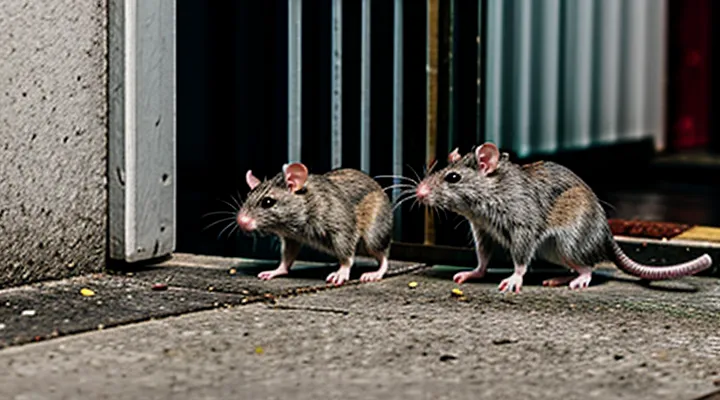
The Frightening Phenomenon of «Rat Storms»
What Defines a «Rat Storm»?
Environmental Triggers
Rats respond rapidly to changes in their surroundings. Elevated temperatures accelerate breeding cycles, allowing populations to expand within weeks. Excess moisture creates shelter in basements, sewers, and abandoned structures, reducing mortality rates.
Abundant food sources trigger movement toward human habitats. Improper waste disposal, overflowing dumpsters, and unsecured compost piles offer consistent nutrition, drawing rodents from natural settings into urban zones. Seasonal shifts, particularly the transition from summer to autumn, push rats to seek indoor refuge as outdoor temperatures decline.
Infrastructure deterioration contributes directly to infestation. Cracked foundations, broken vent screens, and gaps around utility penetrations provide entry points. Construction projects that disturb soil layers often displace resident colonies, prompting migration along newly formed pathways.
Extreme weather events, such as floods or heavy snowfall, force rats to relocate en masse. Floodwaters inundate burrows, compelling rodents to seek higher ground, often in residential or commercial buildings. Snow accumulation blocks traditional foraging routes, increasing reliance on indoor food stores.
Key environmental triggers include:
- Temperature spikes above 25 °C (77 °F)
- Relative humidity exceeding 70 %
- Persistent food waste accessible for more than 48 hours
- Structural openings larger than 0.5 cm (0.2 in)
- Flooding events covering more than 10 % of ground area
Mitigation requires controlling these variables: maintaining stable indoor temperatures, ensuring dry conditions, securing waste, sealing building envelopes, and implementing flood‑resilient designs. Continuous monitoring of these factors limits the conditions that enable rats to generate widespread disruption.
Population Dynamics
Rats reproduce rapidly, with a single female capable of producing up to twelve litters per year. Each litter averages six to eight offspring, resulting in exponential growth when environmental conditions remain favorable. This reproductive capacity drives sudden surges in local rodent populations, overwhelming municipal sanitation systems and agricultural storage facilities.
Population expansion follows classic logistic patterns. Initial growth proceeds unchecked until density-dependent factors—such as competition for food, predation, disease transmission, and territorial aggression—reduce the birth rate and increase mortality. When these limiting forces are insufficient, the population reaches a tipping point, leading to mass movement into human‑occupied spaces in search of resources.
Key elements influencing rodent population dynamics include:
- Availability of high‑calorie waste and grain stores
- Seasonal temperature fluctuations that affect breeding cycles
- Presence of natural predators (cats, birds of prey, snakes)
- Pathogen load that can cause rapid die‑offs or, conversely, immunity buildup
Urban environments amplify these drivers by providing continuous food sources, shelter in infrastructure, and limited predator access. The resulting density spikes can trigger coordinated foraging raids, structural damage, and heightened disease risk, manifesting as large‑scale disturbances commonly described as rat‑driven chaos.
The Multifaceted Chaos Unleashed by «Rat Storms»
Public Health Catastrophes
Disease Transmission Pathways
Rats serve as vectors for a broad spectrum of pathogens, transmitting disease through several well‑documented routes. Direct contact with bite wounds or scratches introduces bacteria such as Streptobacillus moniliformis, the agent of rat‑bite fever, into the bloodstream. Contaminated urine and feces disseminate leptospiral spirochetes, Leptospira spp., which survive in moist environments and enter humans via skin abrasions or mucous membranes. Inhalation of aerosolized particles from dried rodent droppings releases hantavirus and Yersinia pestis, the plague bacterium, enabling respiratory infection without physical contact.
Food and water supplies become compromised when rodents gnaw packaging, deposit excreta, or contaminate storage containers. Consumption of such tainted resources transmits Salmonella spp., E. coli O157:H7, and Campylobacter spp., leading to gastrointestinal illness. Ectoparasites, primarily fleas (Xenopsylla cheopis) and mites, acquire blood‑borne pathogens from infected hosts and subsequently bite humans, extending the transmission chain for plague and rickettsial diseases.
Environmental conditions amplify these pathways. High population density, inadequate waste management, and flood‑prone infrastructure increase rodent access to shelters and food sources, elevating the probability of human exposure. Seasonal spikes in rainfall correlate with heightened leptospirosis incidence, reflecting the pathogen’s survival advantage in saturated soils. Urban redevelopment that disrupts rodent habitats can provoke dispersal, spreading pathogens to previously unaffected neighborhoods.
Mitigation strategies target each transmission route. Sealing entry points, implementing rigorous sanitation protocols, and employing integrated pest management reduce direct and indirect contact. Water treatment and food safety inspections prevent ingestion of contaminated products. Vector control programs that monitor flea populations and apply targeted insecticides limit ectoparasite‑mediated spread. Continuous surveillance of rodent‑borne diseases, combined with public education on safe handling practices, curtails the cascade of infections that arise from chaotic rodent activity.
Impact on Human Health
Rats thriving in dense populations create direct threats to human health. Their presence increases exposure to pathogens carried in saliva, urine, and feces, contaminating food, water, and surfaces.
- Leptospirosis: bacteria spread through contaminated water cause fever, kidney damage, and, in severe cases, organ failure.
- Hantavirus pulmonary syndrome: inhalation of aerosolized rodent droppings leads to rapid respiratory decline and high mortality.
- Salmonellosis: ingestion of food tainted by rat droppings results in gastrointestinal distress, dehydration, and possible bloodstream infection.
- Plague: fleas on rats transmit Yersinia pestis, producing buboes, fever, and, without treatment, fatal septicemia.
Allergic reactions arise from rodent dander and urine, provoking asthma attacks and chronic sinus irritation. Psychological stress intensifies in environments where rodent activity is visible, contributing to sleep disruption and reduced immune function. Contamination of stored grains and processed foods triggers widespread outbreaks, forcing recalls and increasing public health expenditures. Additionally, rats harbor antibiotic‑resistant bacteria, facilitating the transfer of resistant genes to human pathogens and complicating treatment protocols.
Mitigation strategies focus on sanitation, structural exclusion, and targeted rodent control to reduce contact points and interrupt disease transmission cycles. Continuous monitoring of rodent populations and pathogen prevalence supports timely public health interventions.
Agricultural Devastation
Crop Destruction
Rats infiltrate fields, gnawing seedlings, roots, and stored grain. Their incisors sever plant stems, preventing nutrient transport and causing wilting. Burrowing activity loosens soil structure, increasing erosion and reducing seed germination rates.
Damage manifests in three primary ways:
- Direct consumption of crops, lowering yield by up to 30 % in heavily infested zones.
- Contamination of produce with urine, feces, and pathogens, rendering harvests unsuitable for market.
- Indirect loss through increased pest populations; rat carcasses attract flies and parasites that further stress crops.
Economic consequences extend beyond immediate yield loss. Storage facilities incur additional cleaning costs, while supply chains face delays as contaminated batches are rejected. Insurance premiums rise in regions with recurring rodent outbreaks, reflecting heightened risk.
Effective control combines habitat modification, vigilant monitoring, and targeted baiting. Removing vegetation edges, sealing entry points, and maintaining clean storage environments reduce attractants. Regular population assessments enable timely intervention before infestations reach destructive levels.
Livestock Contamination
Rats infiltrating livestock facilities introduce pathogens, toxins, and physical contaminants that directly threaten animal health and product safety.
Key contamination routes include:
- Direct contact with skin, fur, or excreta, allowing bacteria such as Salmonella and Campylobacter to enter wounds.
- Ingestion of feed contaminated by gnawed bags, droppings, or urine, leading to gastrointestinal infections.
- Access to water troughs, where urine and feces degrade water quality and promote microbial growth.
- Carriage of ectoparasites and arthropod vectors that transmit viral or protozoan diseases.
Resulting impacts comprise increased morbidity and mortality, reduced weight gain, lower milk yield, and heightened risk of product recalls. Economic repercussions extend to veterinary expenses, loss of market access, and penalties for non‑compliance with food‑safety regulations.
Mitigation requires integrated biosecurity: seal entry points, enforce strict sanitation schedules, install rodent‑proof feed storage, monitor populations with traps and sensors, and apply targeted rodenticides under veterinary supervision. Regular audits verify the effectiveness of these measures and sustain herd integrity.
Infrastructural Damage
Gnawing Through Utilities
Rats’ incisors can breach a wide range of utility systems, creating immediate and costly failures. Their constant need to sharpen teeth drives them to gnaw on any accessible material, including metal, plastic, and insulation.
Common utilities compromised by rodent activity include:
- Electrical wiring: exposed conductors are chewed, leading to short circuits, power outages, and fire hazards.
- Water pipelines: plastic and copper pipes are hollowed, causing leaks, contamination, and loss of pressure.
- Gas lines: thin‑walled tubing can be perforated, resulting in leaks that pose explosion risks.
- Telecommunications cables: fiber optic and copper bundles are damaged, interrupting data transmission and phone service.
- HVAC ducts: insulation and flexible ducts are stripped, reducing system efficiency and spreading contaminants.
The damage typically follows a pattern: initial gnaw marks weaken structural integrity; subsequent chewing enlarges openings; environmental exposure then accelerates corrosion and failure. In densely populated or industrial areas, a single infestation can disrupt multiple services simultaneously, amplifying economic impact.
Preventive actions rely on integrated pest management. Strategies include sealing entry points with steel mesh or cement, installing rodent‑proof conduit, employing bait stations and traps in high‑risk zones, and conducting regular inspections with fiber‑optic cameras to detect early signs of chewing. Prompt repair of identified damage reduces downtime and prevents escalation into larger emergencies.
Structural Compromises
Rats infiltrate building envelopes through gaps, utility openings, and compromised foundations. Their gnawing activity weakens wood joists, insulation, and support beams, creating points of failure that propagate under load.
- Chewed electrical wiring can spark, igniting surrounding materials and compromising fire‑resistance assemblies.
- Burrowed pathways erode concrete footings, reducing load‑bearing capacity and increasing settlement risk.
- Accumulated droppings and urine corrode metal fasteners, diminishing joint integrity and accelerating fatigue.
When structural elements lose strength, load distribution shifts to adjacent components, accelerating deterioration. Repaired sections often experience mismatched material properties, leading to stress concentrations that further degrade the original design.
Effective mitigation requires sealing entry points, installing rodent‑proof barriers, and conducting regular inspections focused on signs of gnawing, corrosion, and material loss. Prompt remediation restores load paths and prevents cascading failures.
Socio-Economic Repercussions
Economic Losses
Rats can generate substantial economic damage when populations surge and infiltrate human environments. Infestations disrupt commercial operations, degrade infrastructure, and diminish agricultural productivity, leading to direct and indirect financial losses.
- Property damage: gnawed wiring, insulation, and structural components increase repair expenses and elevate fire risk.
- Food industry losses: contamination of stored goods forces product disposal, recalls, and heightened sanitation measures.
- Agricultural impact: grain consumption, seed predation, and soil disturbance reduce yields and raise pest‑control budgets.
- Public health costs: disease transmission prompts medical treatment, vaccination campaigns, and absenteeism among workers.
- Municipal expenditures: waste‑management services, rodent‑control programs, and legal liabilities strain city budgets.
Quantifying losses requires aggregating repair invoices, product write‑offs, reduced harvest values, healthcare bills, and municipal spending reports. Comprehensive assessments reveal that major urban centers can incur millions of dollars annually, while rural regions face comparable proportional losses relative to agricultural output. Investing in preventive infrastructure—sealed waste containers, regular inspections, and integrated pest‑management—reduces both immediate repair costs and long‑term economic burden.
Community Distress
Rats proliferating in dense neighborhoods generate immediate public health threats, prompting heightened anxiety among residents. Pathogen transmission, food contamination, and structural damage create tangible risks that amplify feelings of insecurity and helplessness.
Key manifestations of communal unease include:
- Increased reports of allergic reactions and infectious diseases linked to rodent activity.
- Escalating complaints to municipal services, overwhelming response capacity.
- Decline in property values as perceived safety deteriorates.
- Heightened social tension, with neighbors blaming one another for inadequate sanitation.
Local authorities respond by deploying intensified pest‑control operations, expanding inspection schedules, and allocating emergency funds for remediation. Data from recent citywide surveys reveal a direct correlation between infestation density and reported stress levels, underscoring the necessity of coordinated intervention.
Sustained mitigation relies on three pillars: rigorous waste management, public education on preventive measures, and rapid reporting mechanisms. Implementing these strategies reduces rodent populations, restores confidence, and stabilizes the social fabric of affected districts.
Mitigation and Prevention Strategies
Integrated Pest Management Approaches
Sanitation and Waste Management
Effective sanitation and waste management directly influence the frequency and intensity of rodent outbreaks. Poorly secured trash, irregular collection schedules, and accumulation of organic debris create abundant food sources, shelter, and breeding sites for rats. When these conditions persist, rodent populations expand rapidly, leading to increased gnawing damage, disease transmission, and infrastructure disruption.
Key practices that limit rat proliferation include:
- Securing waste containers with tight-fitting lids and reinforced hinges.
- Implementing daily removal of food waste from public and private areas.
- Conducting routine inspections of dumpsters, alleyways, and drainage systems for signs of infestation.
- Maintaining clean streets by sweeping debris and removing standing water that attracts pests.
- Enforcing strict penalties for violations of waste‑handling regulations.
Integrated waste‑reduction strategies, such as composting organic material in enclosed facilities and promoting recycling programs, reduce the overall volume of refuse available to rodents. Coupled with regular pest‑monitoring protocols, these measures create an environment where rat populations remain below thresholds that trigger disruptive events.
Rodenticide Use and Ethical Concerns
Rodenticide application remains a primary tool for managing large‑scale rat populations that threaten food supplies, infrastructure, and public health. Chemical agents, typically anticoagulants, are deployed in bait stations, grain treatments, and aerial sprays to reduce numbers quickly. Effectiveness depends on proper placement, dosage, and monitoring of bait uptake to avoid sub‑lethal exposure that can prolong suffering and encourage resistance.
Ethical scrutiny centers on unintended harm, environmental persistence, and animal welfare. Concerns include:
- Non‑target species mortality, especially birds of prey and small mammals that ingest poisoned rodents or bait directly.
- Secondary poisoning of scavengers that consume contaminated carcasses, leading to bioaccumulation in ecosystems.
- Development of resistant rat strains, which can increase the volume of chemicals required and exacerbate ecological impact.
- Prolonged suffering caused by anticoagulant toxicity, which may induce internal bleeding over several days.
Regulatory frameworks often require risk assessments, restricted access to bait, and mandatory reporting of usage. Best‑practice guidelines advise integrating chemical control with habitat modification, exclusion techniques, and biological agents to minimize reliance on toxic substances. Continuous evaluation of efficacy and ecological impact is essential to balance pest suppression with moral responsibility.
Biological Control Methods
Large rodent outbreaks generate property damage, disease transmission, and infrastructure disruption. Biological control offers a non‑chemical avenue for reducing population levels by exploiting natural antagonists.
- Predatory mammals – ferrets, weasels, and domestic cats introduced in controlled numbers hunt rats directly, lowering local densities.
- Bird of prey programs – barn owls and hawks stationed near warehouses or grain stores provide continuous predation pressure.
- Parasitic nematodes – species such as Heterakis infect the gastrointestinal tract, impairing growth and reproductive capacity.
- Bacterial agents – formulations containing Bacillus thuringiensis or Yersinia strains cause targeted mortality without affecting mammals.
- Fertility‑reduction techniques – immunocontraceptive baits or sterile‑male release diminish breeding success over successive generations.
Effective deployment requires habitat assessment to ensure predator suitability, rigorous monitoring to detect non‑target effects, and adherence to wildlife regulations. Integration with sanitation improvements amplifies impact, while periodic population surveys guide dosage adjustments.
Adopting these methods reduces reliance on rodenticides, minimizes environmental residues, and establishes a self‑sustaining suppression mechanism that can adapt to shifting rat behaviors.
Early Warning Systems and Monitoring
Predictive Modeling
Predictive modeling offers a systematic approach to anticipate the spread and impact of rodent‑driven disturbances in urban infrastructure. By integrating environmental sensors, waste management data, and historical infestation records, models generate probability maps that identify hotspots before populations reach disruptive levels.
The modeling workflow typically includes:
- Data acquisition: real‑time temperature, humidity, and waste accumulation metrics.
- Feature engineering: conversion of raw inputs into variables such as food availability index and shelter density.
- Algorithm selection: ensemble methods (e.g., Random Forest, Gradient Boosting) for classification of high‑risk zones; time‑series models (e.g., ARIMA, LSTM) for forecasting population spikes.
- Validation: cross‑validation against independent trap count datasets to ensure reliability.
- Deployment: integration with city‑wide alert systems that trigger targeted pest‑control interventions.
Outcome metrics focus on reduction of unexpected rodent incursions, optimization of resource allocation, and minimization of service interruptions caused by gnawed wiring, contaminated food supplies, and compromised sewage lines. Continuous model refinement, driven by feedback loops from field observations, sustains accuracy as urban conditions evolve.
Community Surveillance
Community surveillance provides a systematic approach to identifying and containing rodent activity before it escalates into widespread disruption. By integrating visual monitoring, data collection, and resident participation, neighborhoods can detect early signs of infestation and coordinate rapid response.
Effective surveillance relies on several practical components:
- Installation of low‑light cameras at waste collection points, alleys, and building foundations to capture nocturnal movement.
- Deployment of motion‑sensitive sensors that trigger alerts when rodent activity exceeds predefined thresholds.
- Development of a mobile reporting platform allowing residents to submit geotagged sightings, photographs, and waste‑management issues.
- Organization of neighborhood watch groups trained to recognize signs of nesting, gnaw marks, and droppings, and to report findings to municipal pest‑control units.
- Regular analysis of collected data to map hotspots, predict spread patterns, and allocate resources efficiently.
Coordinated surveillance reduces the likelihood of rats exploiting unsecured food sources, structural gaps, and drainage systems. Early detection enables targeted baiting, exclusion measures, and public‑health advisories, limiting the potential for chaos caused by unchecked rodent populations.
Post-Storm Recovery and Resilience
Damage Assessment and Repair
Rats infiltrating buildings can compromise structural integrity, damage wiring, and contaminate surfaces with urine and feces. Accurate damage assessment begins with a systematic inspection of affected zones, identification of entry points, and documentation of material loss.
- Inspect walls, ceilings, and floors for gnaw marks, holes, and droppings.
- Test electrical circuits for exposed wires or short circuits caused by chewing.
- Sample surfaces for bacterial contamination and assess the need for disinfection.
- Record the extent of insulation loss, drywall damage, and compromised plumbing.
Repair actions follow the assessment findings. Seal all identified openings with steel mesh or cement to prevent re‑entry. Replace gnawed wiring and verify circuit safety through certified electricians. Remove contaminated materials, apply antimicrobial treatments, and install new insulation where required. Conduct a final structural review to confirm that load‑bearing elements remain sound. Implement a monitoring schedule that includes periodic inspections and trap checks to detect early signs of renewed activity.
Public Health Interventions
Rats thriving in urban environments generate health emergencies through disease transmission, food contamination, and structural damage. Public‑health systems respond with coordinated actions that limit rodent populations and protect communities.
Effective interventions include:
- Integrated pest management that combines baiting, trapping, and environmental sanitation.
- Routine inspection of waste‑handling facilities to identify breaches and enforce proper storage practices.
- Community outreach programs delivering education on proper food storage, waste reduction, and reporting of rodent sightings.
- Surveillance of rodent‑borne pathogens, such as leptospirosis and hantavirus, with rapid laboratory testing and case‑tracking.
- Legislative measures mandating building codes that require sealed entry points and regular pest‑control audits for landlords and businesses.
Implementation relies on data‑driven allocation of resources, inter‑agency collaboration, and continuous monitoring of infestation levels. Prompt execution of these measures reduces disease incidence, safeguards food supplies, and stabilizes infrastructure against rodent‑related disruptions.