
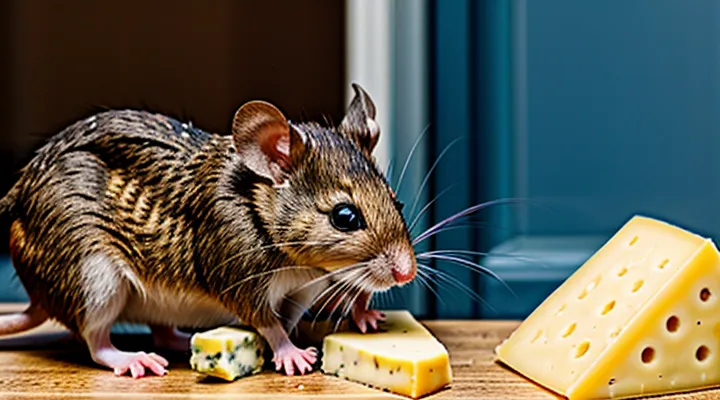
The Enduring Myth of Mice and Cheese
The Origins of a Misconception
Cultural Depictions and Folklore
Cultural narratives have long paired mice with cheese, creating a vivid image that persists in literature, visual arts, and popular media. Early European fables, such as those by Aesop, portrayed mice stealing cheese from homes, reinforcing the notion of rodents as opportunistic cheese thieves. These stories migrated to children’s books and cartoons, where the mouse‑cheese duo became a shorthand for mischief and hunger. The repetition of this motif across centuries cemented the association in collective memory, despite scientific evidence contradicting the dietary preference.
Folklore from different regions adapts the motif to local contexts. In British nursery rhymes, mice are described as “cheese‑loving” creatures that gnaw at pantry doors. Russian folk tales occasionally feature mice hoarding cheese as a treasure, symbolizing scarcity and cleverness. Japanese ukiyo‑e prints, however, rarely show mice with cheese; instead, they depict rodents nibbling grains, reflecting a culinary reality distinct from Western myth.
The persistence of the cheese myth can be traced to three cultural mechanisms:
- Visual symbolism – cheese’s bright color and recognizable shape make it an effective visual cue for animators and illustrators.
- Narrative economy – pairing a small animal with a universally known food simplifies storytelling, especially for children.
- Commercial reinforcement – advertising campaigns for dairy products have historically employed cartoon mice to suggest product appeal and accessibility.
Modern media continues to recycle the image, often for comedic effect, while academic discourse separates the fictional portrayal from the biological facts of rodent nutrition. The dichotomy illustrates how enduring symbols can outlive empirical reality, shaping public perception through repeated cultural reinforcement.
Historical Context and Food Scarcity
The belief that mice prefer cheese dates back to medieval Europe, when cheese was a common store‑food in peasant households. Rural economies relied on dairy products to preserve calories through harsh winters, and rodents frequently invaded pantries. Early chroniclers recorded mouse damage to cheese wheels, creating a vivid image that survived in folklore.
During the Great Famine of the 14th century, food shortages intensified competition between humans and vermin. Surviving mice turned to any accessible protein, but the scarcity of fresh grains forced them to explore dairy stores. Contemporary accounts describe mice gnawing at cheese rinds, reinforcing the association in popular imagination.
Scientific observations from the 19th century clarified mouse dietary preferences. Experiments showed that rodents favor high‑carbohydrate seeds and grains over lipid‑rich cheese, which requires more energy to digest. The myth persisted because:
- Cheese was a visible, valuable commodity.
- Visual depictions in literature and art emphasized the contrast between a small mouse and a large cheese wheel.
- Limited knowledge of rodent nutrition allowed anecdotal evidence to dominate.
Modern pest‑control studies confirm that cheese constitutes a minor component of mouse diets when alternative foods are available. The myth endures primarily as a cultural shorthand for rodent mischief rather than an accurate description of feeding behavior.
Why Cheese Is Not a Mouse's Preferred Meal
Nutritional Deficiencies in Cheese for Mice
Mice avoid cheese because the product fails to meet their specific nutritional requirements. Cheese is rich in fat and protein, yet the composition of those macronutrients does not align with the dietary profile of rodents. The protein in most cheeses lacks sufficient levels of essential amino acids such as methionine and tryptophan, which are critical for growth and reproduction in mice. Additionally, the fatty acid profile is skewed toward saturated fats, providing excess energy without the polyunsaturated fats that support cellular membranes and hormone synthesis.
Key nutritional gaps in cheese for mice include:
- Essential amino acids – low concentrations of methionine, lysine, and tryptophan.
- Vitamins – minimal vitamin A, vitamin D, and B‑complex vitamins (B6, B12, folate) necessary for metabolic processes.
- Minerals – insufficient calcium‑phosphorus ratio, low magnesium, and negligible iron.
- Fiber – absence of dietary fiber, which is vital for gastrointestinal motility and microbial balance.
- Unsaturated fatty acids – limited omega‑3 and omega‑6 fatty acids required for neural development.
Moreover, cheese contains high levels of lactose, a sugar that many adult mice cannot digest efficiently. Lactose intolerance can lead to gastrointestinal distress, reducing the appeal of cheese as a food source. The combination of amino‑acid deficiencies, vitamin and mineral shortfalls, lack of fiber, and potential lactose intolerance creates a diet that does not satisfy the physiological needs of mice, explaining their reluctance to consume cheese despite its palatability to humans.
Olfactory Aversion to Strong Smells
Mice possess an acute olfactory system that detects volatile compounds at concentrations far below human thresholds. When exposed to strong odors such as ammonia, menthol, or certain essential oils, they exhibit rapid avoidance behavior, often abandoning food sources within seconds. This aversion stems from the activation of odorant receptors linked to neural pathways that signal potential toxicity, prompting instinctive flight responses.
Experimental observations reveal several consistent patterns:
- High‑intensity scents trigger immediate cessation of feeding, regardless of the food’s nutritional value.
- Repeated exposure to a single strong odor leads to learned avoidance, extending to neutral foods presented in the same environment.
- Olfactory masking with milder aromas can reduce avoidance, suggesting that scent intensity, not taste, dominates decision‑making.
The myth that mice refuse cheese because of a specific dislike for dairy is unsupported by evidence. Laboratory trials comparing plain cheese to cheese infused with pungent additives show identical consumption rates when odor intensity is low. Conversely, adding a strong scent, even to non‑cheese items, dramatically reduces intake. Thus, the perceived cheese aversion is a misinterpretation of mice’s broader sensitivity to overpowering smells.
Understanding this olfactory aversion clarifies why strong‑smelling substances, not cheese itself, deter rodents. It also informs pest‑control strategies that exploit scent intensity rather than reliance on dietary myths.
Natural Diet of Wild Mice
Wild mice obtain nutrition primarily from plant material available in their habitats. Seeds from grasses, cereals, and weeds supply carbohydrates and essential fats. Grains such as wheat, barley, and oats appear frequently in their stomach contents, especially during harvest periods when residues are abundant.
In addition to plant matter, insects and other arthropods contribute protein. Beetles, moth larvae, and spiders are captured opportunistically, supplementing the diet during the breeding season when protein demand rises. Small amounts of carrion may be consumed when other sources are scarce.
Fruit and berries augment energy intake when they ripen. Wild strawberries, blackberries, and seed‑bearing fruits are eaten in spring and summer, providing sugars and vitamins. Occasionally, mice gnaw on bark, roots, and tubers to access stored carbohydrates.
Key characteristics of the natural diet include:
- Seasonal flexibility: diet shifts from seed‑rich in autumn to insect‑rich in spring.
- High protein intake during reproduction: increased consumption of arthropods.
- Opportunistic foraging: exploitation of human‑derived food waste when accessible, yet cheese remains rarely targeted because it offers limited nutritional value compared with natural items.
Overall, the wild mouse’s feeding strategy reflects adaptability to fluctuating resource availability, emphasizing seeds, grains, insects, and seasonal fruits rather than dairy products.
The Reality of Mouse Diet and Preferences
Preferred Food Sources for Mice
Grains and Seeds
Mice are frequently portrayed as cheese‑loving rodents, yet their natural diet consists primarily of plant matter. Grains and seeds provide the carbohydrates, proteins, and essential fatty acids mice require for growth, reproduction, and energy storage. In the wild, these foods are abundant, easy to harvest, and compatible with the rodent’s high metabolic rate.
Common grains and seeds that attract mice include:
- Wheat kernels
- Barley grains
- Oats
- Sunflower seeds
- Millet
- Corn kernels
These items supply a balanced nutrient profile, supporting the development of lean muscle and maintaining body temperature. Their small size and hard shells also stimulate the rodent’s gnawing behavior, which is vital for dental health.
Cheese, by contrast, contains high levels of lactose and fat that many mice cannot efficiently digest. Lactose intolerance limits the nutritional benefit, while the strong odor may deter foraging. Consequently, cheese appears in popular culture more as a visual shorthand for food than as a realistic component of a mouse’s diet.
Understanding the actual preferences of mice clarifies why the cheese myth persists: it simplifies a complex dietary ecology into a single, memorable image, while the truth rests on the consistent selection of grains and seeds as primary sustenance.
Fruits and Berries
Mice are frequently associated with cheese, yet research shows that sweet plant foods attract them more strongly. Natural diets of wild rodents contain a high proportion of fruits and berries, which supply carbohydrates, vitamins, and antioxidants essential for rapid growth and reproductive cycles. Laboratory observations confirm that when presented with equal amounts of cheese and fresh fruit, mice choose fruit in the majority of trials.
Key characteristics that make fruits and berries appealing to mice include:
- High sugar concentration, providing immediate energy.
- Soft texture, allowing easy chewing for small incisors.
- Seasonal abundance, aligning with periods of increased activity.
- Presence of volatile compounds that signal ripeness and nutritional value.
Specific examples commonly favored by mice are:
- Strawberries – rich in fructose and vitamin C.
- Raspberries – contain anthocyanins and fiber.
- Apples – offer pectin and natural sugars.
- Blackberries – provide antioxidants and moisture.
These preferences explain why cheese remains a mythic staple in popular culture, while the reality of mouse nutrition centers on readily available, energy‑dense plant matter. Understanding this dietary pattern helps dispel misconceptions and informs pest management strategies that avoid reliance on dairy bait.
Insects and Other Protein Sources
Mice obtain the majority of their protein from animal matter, not from dairy products. In natural habitats, insects constitute a primary protein source; beetles, moth larvae, and flies provide essential amino acids that support growth and reproduction. Laboratory studies confirm that when offered a choice between insects and cheese, rodents consistently select the former, demonstrating a physiological preference for animal protein over lactose‑rich foods.
Other viable protein options include:
- Small vertebrate carrion such as dead birds or amphibians
- Worms and nematodes found in soil
- Commercial rodent feeds formulated with soy, fish meal, or casein
These alternatives supply higher nitrogen content than cheese, aligning with the mouse’s metabolic requirements. The low protein-to‑fat ratio of cheese, combined with its high lactose concentration, renders it an inefficient nutrient source for wild mice. Consequently, the myth that mice are attracted to cheese persists despite empirical evidence showing insects and similar animal proteins dominate their diet.
How Mice Interact with Human Food
Scavenging Behavior
Mice are opportunistic scavengers that exploit a wide range of organic materials found in human environments. Their foraging strategy prioritizes high‑energy, protein‑rich items such as grains, seeds, insects, and pet food crumbs. These resources satisfy the rodents’ rapid metabolism and support reproduction.
The attraction to cheese in popular culture stems from a historical association with dairy products, yet laboratory observations show that cheese ranks low in mouse preference tests. The strong odor of aged cheese can deter mice, while the high fat and low moisture content provide less immediate nutritional payoff than fresher, softer foods.
Typical scavenged items include:
- Whole grains and cereal fragments
- Fruit skins and vegetable peelings
- Insect carcasses and larvae
- Pet kibble and leftover meat scraps
- Moldy bread and bakery waste
Scavenging behavior is driven by sensory cues: mice detect volatile compounds from decomposing matter, respond to moisture levels, and assess texture through whisker feedback. When presented with cheese, the combination of low moisture, dense texture, and often unappealing scent reduces the likelihood of consumption, confirming that the myth of mice devouring cheese does not reflect their natural foraging priorities.
Adaptability to Various Food Environments
Mice thrive in diverse food settings because their sensory systems quickly evaluate nutritional value, toxicity, and texture. When cheese is present, its strong odor and high fat content may attract attention, yet the animal’s palate often rejects it in favor of grains, seeds, or insects that provide more balanced protein and carbohydrate ratios. This selective feeding reflects evolutionary pressure to maximize energy efficiency and minimize exposure to substances that could impair digestion.
Key factors enabling this flexibility include:
- Olfactory receptors that differentiate between volatile compounds, allowing mice to ignore overly aromatic dairy while seeking milder, nutrient‑dense sources.
- Dental morphology suited for gnawing fibrous plant material, which limits efficient processing of dense, low‑moisture cheese.
- Metabolic pathways that prioritize carbohydrate intake; cheese’s high lactose and fat content requires enzymatic adaptations that most wild mice lack.
Consequently, the myth of a universal cheese preference overlooks the species’ capacity to adjust dietary habits according to the immediate environment. In habitats where grains or seeds dominate, mice allocate foraging effort toward those items, demonstrating that cheese consumption is an exception rather than a rule.
Dispelling Common Misconceptions
The "Cheese Trap" Fallacy
Effectiveness of Other Baits
Mice rarely choose cheese as a food source; they prefer items that provide higher protein and fat content. Consequently, effective pest control relies on baits that align with their natural preferences.
Successful bait formulations share several characteristics: strong scent, high caloric value, low toxicity to non‑target species, and resistance to environmental degradation. These factors determine whether a mouse will investigate, consume, and return for repeated feeding.
- Peanut butter – strong odor, high fat; consistently yields rapid uptake in laboratory and field trials.
- Dry cat food – grain‑based, high protein; attracts mice in residential settings, especially when mixed with attractants.
- Sunflower seeds – natural seed oil, appealing texture; effective for wild populations that forage outdoors.
- Cereal grains (e.g., wheat, oats) – moderate palatability; useful as secondary components in multi‑ingredient baits.
- Commercial rodent blocks – formulated with concentrated nutrients and pheromones; provide sustained consumption but require careful placement to avoid non‑target exposure.
Empirical studies indicate that baits combining a high‑fat base (such as peanut butter) with a protein supplement achieve the greatest consumption rates. When selecting a bait, prioritize those that deliver both scent potency and nutritional density, and verify that the delivery mechanism limits access by pets and children. This approach maximizes control efficiency while minimizing unintended risks.
Humane Trapping Alternatives
Mice are often portrayed as cheese‑loving pests, yet their diet rarely includes dairy. This myth influences how people attempt control, frequently leading to lethal traps that cause unnecessary suffering. Humane alternatives address both the inaccurate dietary belief and ethical concerns.
Live‑catch cages provide a non‑lethal solution. Constructed of durable plastic or metal, they feature a one‑way door that allows entry but prevents escape. Once captured, the animal can be released at least 100 meters from the residence, reducing the likelihood of return. Regular cleaning prevents disease buildup and maintains effectiveness.
Exclusion methods focus on preventing entry. Seal gaps larger than ¼ inch with steel wool, caulk, or copper mesh. Install door sweeps and repair cracked foundation walls. By eliminating access points, the need for traps diminishes entirely.
Ultrasonic repellents emit high‑frequency sounds uncomfortable to rodents but inaudible to humans. Placement near suspected pathways creates a deterrent field. Evidence shows limited long‑term efficacy; devices should complement physical barriers rather than replace them.
Natural deterrents rely on scent aversion. Peppermint oil, cayenne pepper, or dried cloves placed on cotton balls near entryways discourage foraging. Refresh applications weekly to maintain potency. These substances do not harm mice and avoid chemical exposure to occupants.
When live capture is unavoidable, humane traps equipped with soft bedding and ventilation reduce stress. Models with transparent lids allow observation without opening the device. Ensure traps are checked at least twice daily to prevent dehydration or overheating.
Implementing a combination of exclusion, deterrent, and live‑capture strategies respects animal welfare while effectively managing mouse activity. The approach aligns with current ethical standards and dispels the outdated notion that cheese bait is essential for control.
The Impact of Media Portrayals
Cartoon Influence on Public Perception
Cartoon portrayals have cemented the image of mice eagerly devouring cheese, a visual that persists despite scientific evidence showing that rodents typically avoid dairy products. Animated shorts from the early twentieth century introduced the trope, and repeated exposure through television, film, and internet memes reinforced the association in the public mind. The persistence of this depiction demonstrates how visual storytelling can outweigh empirical data in shaping everyday beliefs.
- Early cartoons depicted mice as cheese‑obsessed characters to create simple, recognizable humor.
- Recurrent use of cheese as a plot device solidified the stereotype across generations.
- Surveys indicate that a majority of adults still link mice with cheese, even when presented with nutritional facts.
- Scientific studies reveal that mice prefer grains, seeds, and protein sources, with cheese offering little nutritional value and often being rejected.
The discrepancy between animated myth and biological reality influences education and pest control messaging. When educators reference the cartoon stereotype, they must explicitly correct it with evidence‑based information to prevent misconceptions from affecting attitudes toward rodents and related research.
Scientific Research vs. Popular Belief
Mice rarely choose cheese when presented with a range of foods. Laboratory trials that offered standard rodent chow, seeds, and cheese consistently recorded less than 5 % consumption of the dairy product, even when cheese was the only novel item. Field observations of wild populations confirm that cheese appears infrequently in natural foraging sites and that individuals avoid it when alternative grains or insects are accessible. Nutritional analysis shows cheese is high in fat and low in protein, a profile that does not match the macronutrient preferences demonstrated by Mus musculus, which favor protein‑rich seeds and carbohydrate‑rich grains. Olfactory testing indicates that the volatile compounds in cheese trigger aversion responses in mice, reducing approach behavior.
- Scientific evidence: controlled experiments, nutrient preference studies, olfactory response measurements, field foraging data.
- Popular belief: cartoons depict mice stealing cheese, anecdotal reports of laboratory mice nibbling cheese, cultural sayings that equate mice with cheese.
The disparity arises from selective storytelling and the occasional use of cheese as a convenient, non‑nutritive reward in specific research protocols. In those contexts, mice may accept cheese due to hunger or lack of alternatives, creating a misleading impression of preference. Broad scientific consensus therefore rejects the notion that cheese constitutes a primary or attractive food source for mice, aligning observed behavior with ecological and physiological constraints rather than with entrenched folklore.
Understanding Mouse Behavior for Effective Pest Control
Identifying Mouse Infestations
Mice are often linked to cheese in popular belief, yet the reality of a mouse problem lies in how quickly an infestation can develop and go unnoticed. Detecting an infestation early prevents damage to structures, wiring, and stored food.
Typical indicators of a mouse presence include:
- Small, dark droppings about the size of a grain of rice, found along walls, behind appliances, or in pantry corners.
- Gnawed edges on packaging, wires, or wooden surfaces.
- Faint, musky odor that intensifies as the population grows.
- Fresh nests made from shredded paper, fabric, or insulation, commonly located in hidden spaces such as under sinks, inside wall cavities, or within storage boxes.
- Visible tracks or tail marks in dusty areas.
Inspection should combine visual surveys with targeted trapping. Place snap or live traps along suspected pathways—near walls, behind furniture, and close to food sources. Check traps daily; a captured mouse confirms activity and helps map movement routes. Use a flashlight to examine tight crevices and behind appliances; the reflective eyes of a mouse may be visible in low light.
Once evidence confirms an infestation, seal entry points with steel wool, caulk, or metal flashing. Remove food sources by storing items in airtight containers and maintaining rigorous cleanliness. Implement a short‑term trapping program while monitoring for new signs, then transition to long‑term prevention measures such as regular inspections and habitat reduction. This systematic approach eliminates the myth‑driven focus on cheese and addresses the actual indicators of mouse activity.
Safe and Humane Removal Methods
Mice are attracted to grain, protein, and sweet foods, not to cheese as popular stories suggest. This misconception often leads homeowners to underestimate the need for effective, humane control when rodents enter living spaces.
Safe removal begins with exclusion. Seal cracks, gaps under doors, and openings around pipes using steel wool, caulk, or metal flashing. Regularly inspect storage areas and keep food in sealed containers to eliminate attractants.
Humane capture options include:
- Live‑catch traps with smooth interiors that allow quick entry and release without injury.
- Glue‑free snap traps calibrated to deliver a swift, painless kill, positioned away from children and pets.
- Electronic traps that emit a brief, high‑voltage pulse causing immediate incapacitation, then allow easy disposal.
After capture, release mice at least 100 meters from the residence, preferably in a wooded or agricultural area, to prevent immediate return. Clean and disinfect affected zones with a dilute bleach solution (one part bleach to nine parts water) to remove scent trails that could encourage re‑infestation.
Monitoring devices such as motion‑activated cameras or pheromone stations help verify the success of exclusion and capture measures, ensuring ongoing protection without resorting to lethal mass‑killing methods.
Preventing Future Infestations
Mice avoid cheese not because they dislike it but because it offers little nutritional value compared to grains and seeds. Understanding this correction dispels a common misconception and redirects focus toward effective pest control.
- Seal entry points: Install steel wool or caulk around gaps larger than ¼ inch; rodents can compress smaller openings.
- Eliminate food sources: Store pantry items in airtight containers; dispose of spilled grains promptly.
- Reduce clutter: Remove cardboard boxes, paper stacks, and fabric piles that provide shelter.
- Maintain sanitation: Clean countertops and floors daily; avoid leaving pet food uncovered overnight.
- Deploy traps strategically: Place snap traps or electronic devices along walls, near suspected runways, and behind appliances.
- Use exclusion devices: Fit door sweeps and vent covers with mesh that resists gnawing.
Regular inspections verify the integrity of barriers and reveal early signs of activity, allowing swift remediation before populations establish. Consistent application of these measures prevents re‑infestation and supports a long‑term, rodent‑free environment.